California Honey Sourcing Guide 2026
Discover California's unmatched honey diversity with year-round production from almond blossom varieties to rare coastal specialties across multiple climate zones and metropolitan areas.
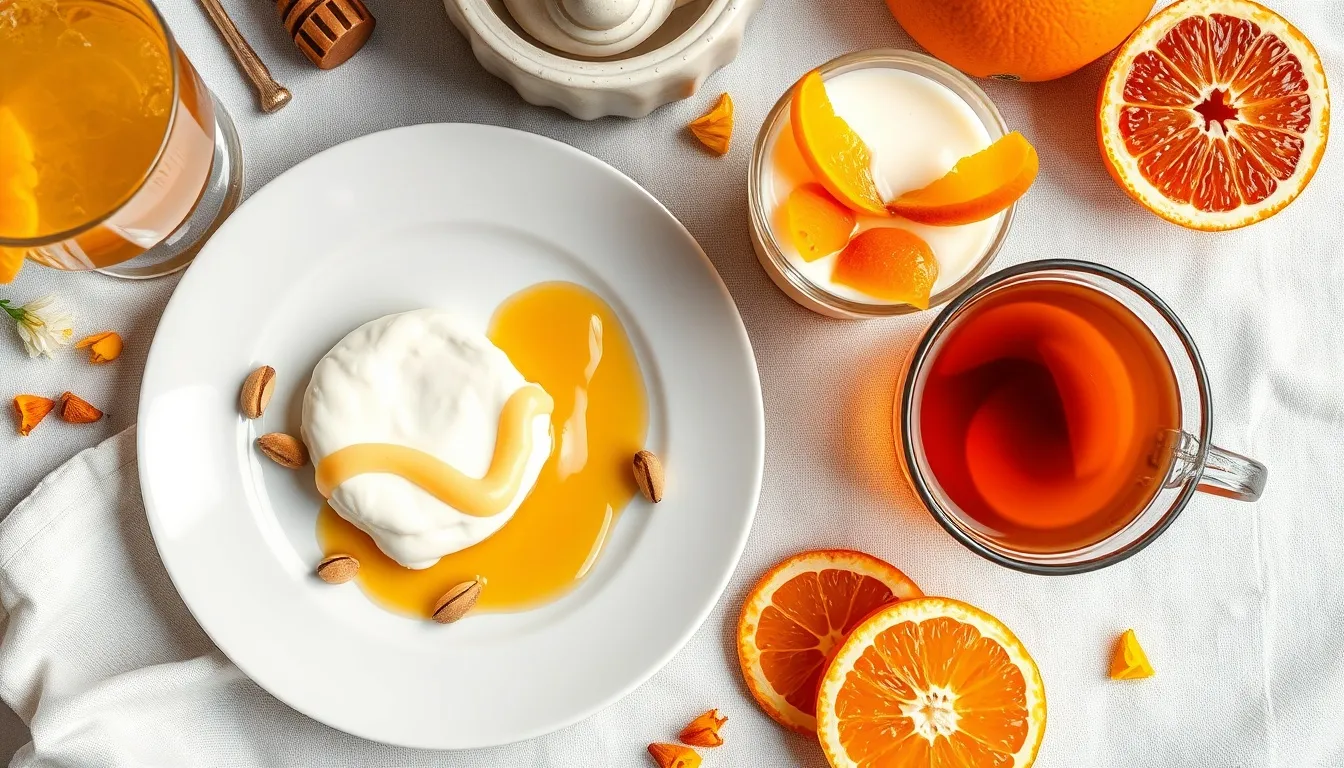
California offers unmatched honey diversity with year-round production across four distinct climate zones. From Central Valley almond blossom honey to coastal sage varieties and rare avocado honey, California produces fresh seasonal varieties continuously rather than just during traditional harvest windows. This enables direct access to peak-quality, terroir-specific honeys throughout the year.
California's Golden State Honey Advantage
California stands alone as America's honey powerhouse where Central Valley agricultural production (39 million acres) meets four distinct climate zones spanning sea level to 14,505 feet Mount Whitney. This extraordinary geographic diversity enables year-round honey production impossible to replicate elsewhere in North America.
Signature Almond Blossom Honey
Premium Price:
From world's largest almond production region (Central Valley 1.3+ million acres). February-March bloom creates light amber honey with delicate floral notes and subtle nuttiness. Commercial operations offer bulk pricing March-April with freshest quality available directly from pollination-focused producers managing thousands of hives.
Premium Coastal Sage Honey
Premium Price:
Water-white clarity with complex herbal character from California's native Salvia species. Exceptional slow crystallization (6-12+ months) due to high fructose content. Available statewide June-August with coastal sage, desert sage, and mountain sage each producing distinct terroir characteristics.
Ultra-Rare Avocado Honey
Premium Price:
One of America's rarest single-varietal honeys from Southern California coastal groves (San Diego, Ventura County). Rich dark amber with mineral depth and buttery finish. Extremely limited production October-December with waiting lists common due to California's unique avocado industry concentration.
California's Four-Zone Honey Terroir
Central Valley Agricultural Zone
World's most productive agricultural region with almond, citrus, and wildflower varieties. Commercial pollination operations produce 60%+ of California honey.
Coastal Mediterranean Climate
Sonoma, Napa, and coastal regions with marine influence creating complex wildflower and eucalyptus varieties. Year-round mild climate enables multiple harvest seasons.
High Sierra Alpine Regions
Elevation-driven varieties from 3,000-14,000+ feet with concentrated mineral complexity impossible to replicate at sea level. Late spring through early fall availability.
Southern California Specialties
Orange County citrus groves and desert sage creating distinctive varieties. Unique position for rare avocado honey and year-round specialty production.
Start Your California Honey Discovery
Ready to explore California's diverse honey landscape? Connect with local producers and discover the year-round variety that makes California honey sourcing unique.
Frequently Asked Questions
What makes California honey unique compared to other states?
California honey is unique due to its year-round production capability, diverse climate zones ranging from coastal Mediterranean to alpine environments, and signature varieties like almond blossom honey from the world's largest almond production region. Unlike states with concentrated harvest seasons, California producers harvest different varieties throughout the year, offering fresh seasonal honeys continuously rather than stored alternatives.
How does California's almond industry affect honey quality and availability?
California's $5+ billion almond industry drives 60%+ of the state's commercial beekeeping through pollination contracts. This creates massive production of almond blossom honey (February-March), often at competitive prices due to volume. However, commercial operations may expose hives to agricultural pesticides, so inquiry about integrated pest management practices is important when sourcing from pollination-focused producers.
Which California cities offer the best honey sourcing opportunities?
Sacramento provides best access to Central Valley agricultural producers and almond blossom varieties. San Francisco Bay Area offers premium artisanal and urban beekeeping varieties. Los Angeles connects to Southern California citrus and specialty operations. Fresno serves as the agricultural gateway for bulk purchases. Napa Valley creates unique wine-pairing honey culture with premium pricing.
When should I buy different California honey varieties for peak quality?
Almond blossom honey peaks February-March with best pricing March-April. Orange blossom varieties are freshest April-May. Sage honey season runs June-August across all regions. Rare avocado honey harvests in fall (October-December) in coastal areas. Year-round availability means you can source fresh varieties continuously rather than buying stored honey.
What's the difference between coastal and Central Valley California honey?
Coastal California honey reflects marine-influenced ecosystems with complex wildflower varieties, eucalyptus, and unique terroir from elevation changes and Mediterranean climate. Central Valley honey focuses on agricultural varieties (almond, citrus) with consistent character but less complexity. Coastal varieties often cost more due to smaller production scales and artisanal focus versus Central Valley's commercial volume operations.
How do I find California's rare specialty honeys like avocado or sage?
Avocado honey comes from Southern California coastal groves (San Diego, Ventura County) with very limited production - contact producers in fall for reservations. Sage honey is more widely available but premium varieties come from specific regions - coastal sage, desert sage, and wildflower sage each have different characteristics. Connect with specialty producers through farmer's markets, beekeeping associations, or direct farm contact.
How do wildfires and drought affect California honey quality?
California's wildfire seasons can affect honey through smoke contamination, requiring testing by responsible producers in affected areas. Drought concentrates nectar but may reduce variety availability. Quality producers acknowledge environmental conditions and adjust practices accordingly. Some producers relocate hives during fire season, which should be disclosed as it affects terroir claims.
What should I expect to pay for different California honey varieties?
Commercial almond blossom honey offers best value (retail, lower for bulk). Artisanal wildflower and coastal varieties range. Premium specialties like Napa Valley wine-pairing honey or rare avocado honey can reach. Urban beekeeping varieties typically price. Best overall pricing occurs March-April post-almond harvest and September-October end of harvest seasons.
Get the Honey Buyer's Cheat Sheet (free PDF)
16 varieties on one page — color, flavor, best use and what a fair price looks like — from the 304 honeys we track.
Last updated: 2026-10-07