Honey for Skin: Benefits, Best Types & How to Use It
From Cleopatra's milk-and-honey baths to modern clinical dermatology, honey has been a trusted skincare ingredient for millennia. Learn which types work best for your skin, the science behind honey's benefits, and how to use it safely.
Last updated:
Raw honey is a well-documented skincare ingredient with measurable effects: it's a natural humectant that reduces moisture loss by 40-60%, produces gentle antimicrobial hydrogen peroxide via the enzyme glucose oxidase, and has an acidic pH that supports the skin barrier. Manuka honey (UMF 10+) is best for acne and wounds, buckwheat for anti-aging, and raw wildflower for everyday moisturizing masks.
Why Is Honey Good for Your Skin?
Honey has been used in skincare for over 5,000 years — ancient Egyptians, including Cleopatra, incorporated honey into beauty rituals, and Hippocrates prescribed it for skin ulcers in 400 BCE. Modern dermatological research validates these traditions with measurable mechanisms. Honey is a natural humectant, meaning it draws moisture from the environment and binds it to the skin. Its sugar molecules — primarily fructose (38%) and glucose (31%) — create a hygroscopic layer that reduces transepidermal water loss (TEWL) by up to 40-60% when applied topically. Raw honey also contains the enzyme glucose oxidase, which produces low, sustained levels of hydrogen peroxide when diluted by skin moisture. This creates an antimicrobial environment effective against Staphylococcus aureus, Propionibacterium acnes (the primary acne-causing bacterium), and Streptococcus pyogenes — without the irritation of synthetic antiseptics. A landmark 2003 study in Complementary Therapies in Medicine (Al Waili) found that a mixture of honey, beeswax, and olive oil applied three times daily improved eczema symptoms in 80% of patients, with marked reductions in itching, scaling, and redness. Honey's naturally acidic pH (3.2 to 4.5) closely matches the skin's acid mantle (pH 4.5-5.5), helping to maintain the skin barrier without disruption — a common problem with alkaline cleansers and soaps. The 200+ bioactive compounds in raw honey include polyphenols (flavonoids, phenolic acids), organic acids, amino acids, and trace minerals (zinc, selenium, copper) that collectively provide antioxidant, anti-inflammatory, and wound-healing properties.
Key Takeaways
- Natural humectant — draws moisture from air, reducing transepidermal water loss by 40-60%
- Glucose oxidase produces gentle antimicrobial hydrogen peroxide on contact with skin
- Acidic pH (3.2-4.5) supports the skin's natural acid mantle without disruption
- 2003 Complement Ther Med study (Al Waili): honey-beeswax-olive oil mix improved eczema in 80% of patients
- Contains 200+ bioactive compounds including polyphenols, amino acids, and trace minerals
- Effective against S. aureus, P. acnes, and other skin pathogens without irritation
What Are the Evidence-Based Skin Benefits of Honey?
Clinical research identifies several distinct mechanisms through which honey benefits skin health. For wound healing, a 2015 Cochrane systematic review of 26 randomized controlled trials (3,011 participants) found that medical-grade honey dressings healed partial-thickness burns on average 4.68 days faster than conventional dressings and with significantly lower infection rates. Medical-grade honey is sterilized specifically for wound care and is a different product from honey sold for food — burns beyond very minor ones should be evaluated and treated by a healthcare professional. For acne, honey's antibacterial properties directly target P. acnes while its anti-inflammatory compounds — including chrysin, quercetin, and galangin — reduce the redness and swelling associated with inflammatory acne. A 2017 study in the Journal of Cosmetic Dermatology found that Manuka honey masks (applied 30 minutes daily for 4 weeks) significantly reduced acne lesion counts. For aging skin, honey's antioxidant capacity neutralizes free radicals from UV exposure, pollution, and metabolic stress. Dark honeys like buckwheat honey contain up to 20 times more antioxidants than light varieties like clover honey, with ORAC values reaching 16,000+ μmol TE/100g. Chestnut honey and heather honey also provide exceptional anti-aging compounds. A 2013 study in Oxidative Medicine and Cellular Longevity demonstrated that topical antioxidant application reduced markers of photoaging including fine lines, hyperpigmentation, and skin roughness. For dry and sensitive skin, honey's osmotic properties draw moisture into the stratum corneum (outermost skin layer) while its anti-inflammatory effects calm irritation. Acacia honey and wildflower honey are particularly effective for sensitive skin hydration. Clinical trials show honey reduces erythema (redness) and pruritus (itching) in conditions including eczema, psoriasis, and rosacea. For hyperpigmentation, honey's mild enzymatic hydrogen peroxide provides gentle, gradual lightening of dark spots and post-inflammatory hyperpigmentation without the irritation associated with hydroquinone or chemical peels.
Key Takeaways
- Burns: medical-grade honey dressings healed 4.68 days faster than conventional dressings in a Cochrane review of 26 RCTs — that's clinical-grade honey, not kitchen honey
- Acne: directly kills P. acnes bacteria while reducing inflammation from lesions
- Aging: antioxidants neutralize UV/pollution free radicals — dark honeys have 20x more antioxidants
- Dry skin: osmotic moisture retention in the stratum corneum with anti-inflammatory calming
- Eczema and psoriasis: clinical improvement in erythema, scaling, and pruritus
- Hyperpigmentation: gentle enzymatic lightening of dark spots without chemical irritation
Which Honey Types Are Best for Skin?
The variety of honey you choose significantly impacts skincare results because different floral sources produce different concentrations of bioactive compounds. Manuka honey (Leptospermum scoparium) is the gold standard for therapeutic skincare. Its unique compound methylglyoxal (MGO) provides potent antibacterial activity that persists even after the hydrogen peroxide pathway is neutralized — making it especially effective for acne-prone, infected, or wound-healing skin. Look for UMF 10+ (MGO 263+) for medicinal applications or UMF 5+ for general skincare. Medical-grade Manuka (Medihoney) is used in hospital wound care settings. Given Manuka's premium price and prevalence of counterfeits, learning to identify authentic Manuka honey is crucial for skincare effectiveness. Raw wildflower honey is an excellent everyday choice for face masks and general moisturizing. Its diverse pollen content provides a broad spectrum of antioxidants and nutrients, and it's affordable ($8-15/lb) compared to Manuka ($25-80/lb). It works well for all skin types and is the best starting point for honey skincare beginners. Buckwheat honey contains the highest antioxidant content of any common variety — ORAC values of 16,000+ μmol TE/100g compared to 1,000-3,000 for clover. This makes it the top choice for anti-aging applications and sun damage repair. Its dark color and strong flavor are irrelevant for topical use, and it may temporarily darken very light skin during application (this rinses off completely). Acacia honey is best for sensitive or reactive skin due to its mild pH (closer to 4.0-4.5), low pollen content (reducing allergic reaction risk), and lighter consistency that rinses clean without residue. Clover honey is the most widely available raw variety and works well for basic moisturizing masks, though its lower phenolic content (20-50 mg GAE/100g vs 100-200 for buckwheat) means less antioxidant potency. Always choose raw, unfiltered honey — pasteurized honey has been heat-treated above 70°C (158°F), destroying glucose oxidase, diastase, and other enzymes responsible for antimicrobial and healing properties.
Key Takeaways
- Manuka (UMF 10+): gold standard for acne, wounds, and infections — unique MGO compound
- Raw wildflower: affordable all-purpose choice for masks and moisturizing ($8-15/lb)
- Buckwheat: highest antioxidants (ORAC 16,000+) — best for anti-aging and sun damage
- Acacia: mildest pH and lowest pollen — safest choice for sensitive or reactive skin
- Clover: widely available for basic moisturizing but lower therapeutic potency
- Must be raw and unfiltered — pasteurization destroys the enzymes that benefit skin
How Do You Use Honey on Your Face and Body?
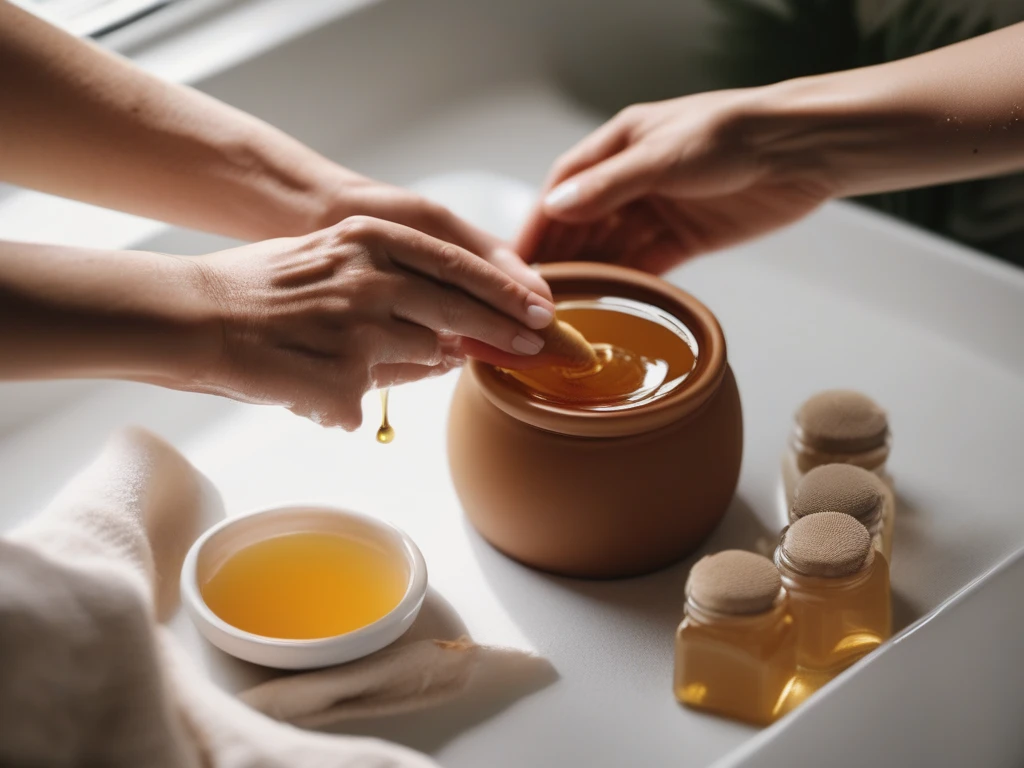
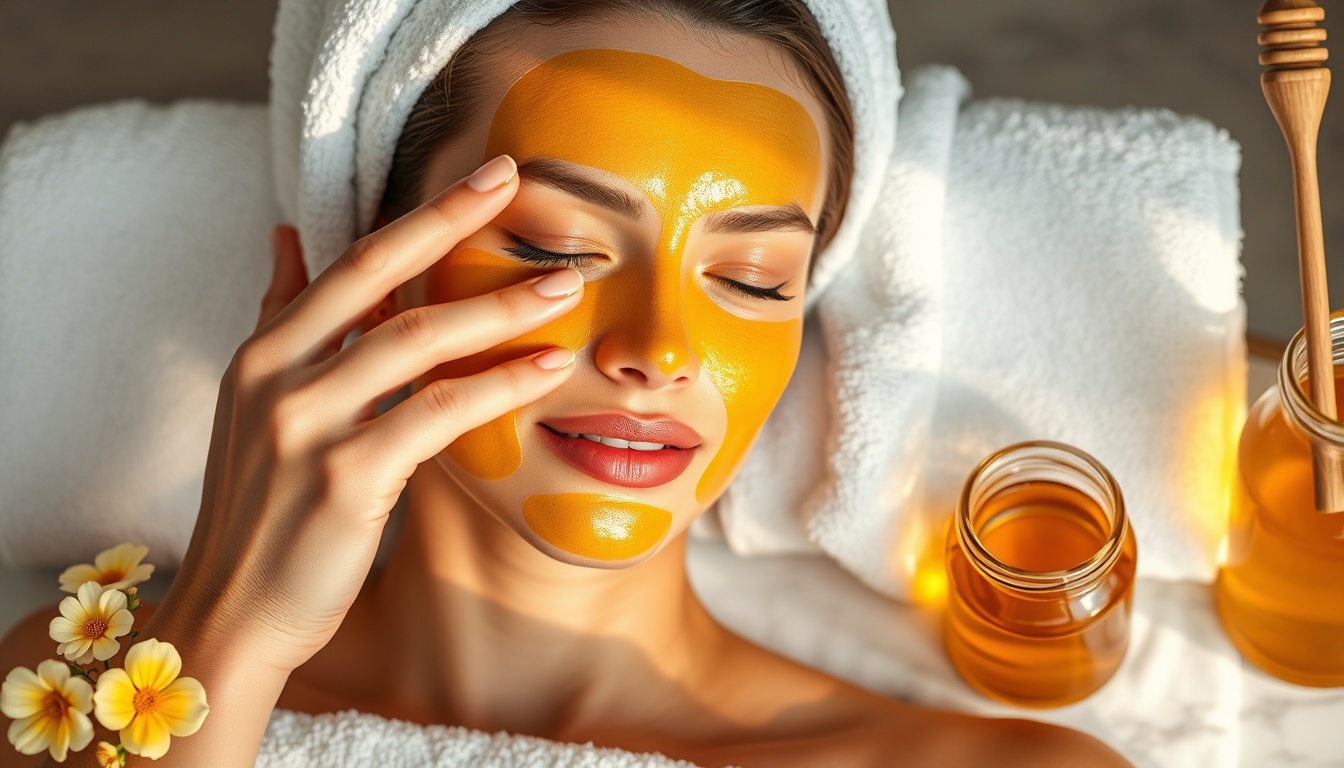
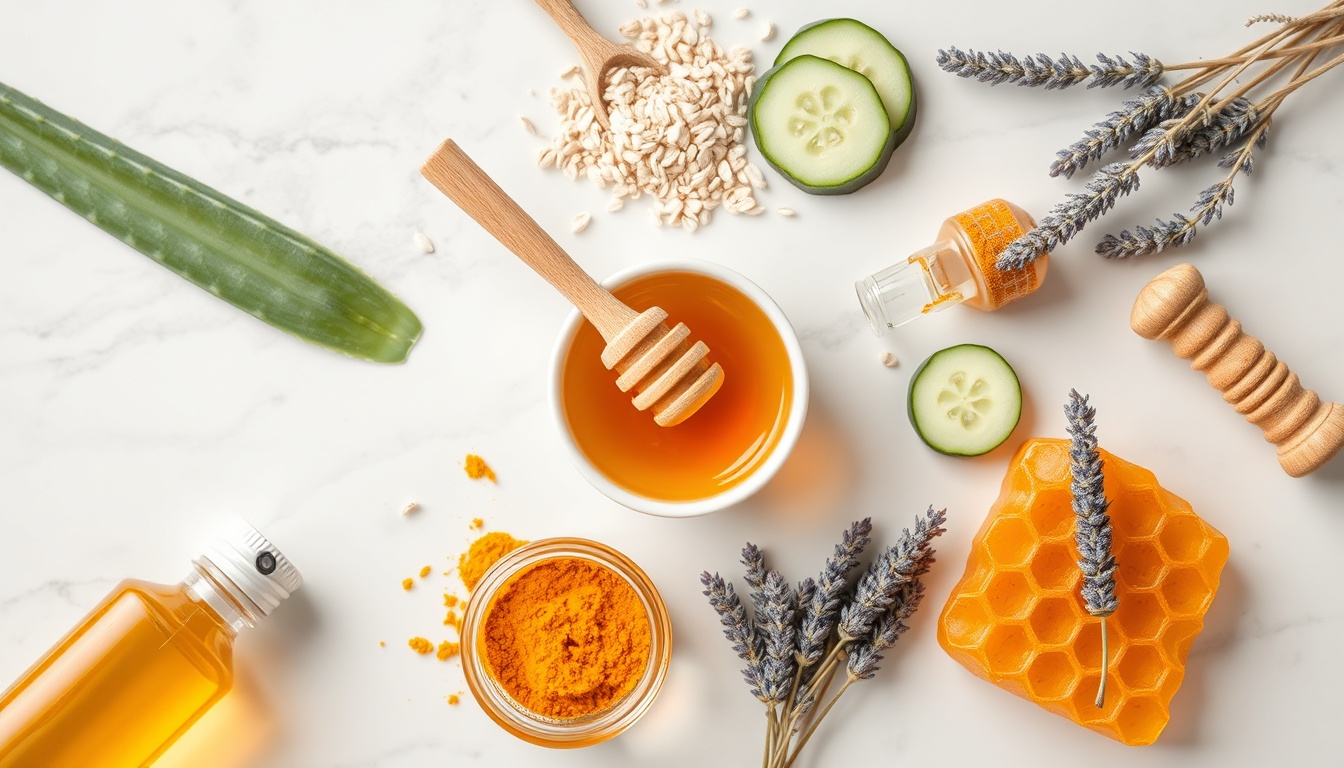
The most effective way to use honey for skin is through direct topical application as a face mask. For a basic honey face mask, apply a thin, even layer of raw honey to clean, slightly damp skin — the moisture activates glucose oxidase and enhances humectant absorption. Leave for 15-20 minutes, then rinse with lukewarm water. Pat dry and follow with your regular moisturizer. For enhanced results, combine honey with complementary ingredients: mix 1 tablespoon raw honey with 1 teaspoon ground cinnamon for anti-inflammatory and circulation-boosting effects (patch test first — cinnamon can irritate sensitive skin). For dry skin, blend 1 tablespoon honey with 1 teaspoon olive oil or coconut oil and half an avocado for deep moisturizing. Some people mix 1 tablespoon Manuka honey with 1 teaspoon lemon juice (use at night — lemon increases sun sensitivity) and a pinch of turmeric as a mask for oily skin. This is a cosmetic recipe, not a clinical acne treatment — see a dermatologist for persistent or severe acne. Some people use a dab of undiluted Manuka honey as an overnight spot treatment on blemishes, though there's no clinically validated protocol for at-home acne spot-treatment. For anything beyond very minor cuts or scrapes, or for persistent acne, see a healthcare provider — medical-grade honey dressings used in clinical wound care are a different product from retail honey. For body skincare, honey can be added to bath water (1/4 cup dissolved in warm water), used as a pre-shave moisturizer, or mixed with coarse sugar or oatmeal as a gentle exfoliating scrub. For lip care, apply raw honey directly to chapped lips before bed — its humectant and antimicrobial properties heal cracks faster than petroleum-based balms. Frequency: 2-3 face masks per week is optimal for most skin types. Daily use is generally safe but unnecessary — the benefits plateau after consistent biweekly application.
Key Takeaways
- Basic mask: thin layer on damp skin, 15-20 minutes, rinse warm — 2-3x per week
- Dry skin: honey + olive oil + avocado for deep moisturizing and barrier repair
- Some people use a Manuka honey, lemon, and turmeric mask on oily skin at night — a cosmetic recipe, not a clinical acne treatment
- Some people use a dab of undiluted Manuka honey as an overnight spot treatment on blemishes — a personal habit, not a clinically validated protocol
- Body: add 1/4 cup to bath, use as pre-shave prep, or mix with sugar for scrub
- Lip care: apply raw honey to chapped lips before bed for faster healing than balms
Can Honey Help With Specific Skin Conditions?
Clinical evidence supports honey's use for several dermatological conditions, though it should complement — not replace — prescribed treatments for serious conditions. For eczema (atopic dermatitis), a 2003 Complementary Therapies in Medicine study (Al Waili) demonstrated improvement in 80% of eczema patients with a honey-beeswax-olive oil formulation, and a 2017 Cochrane review noted that honey dressings showed promise for mild-to-moderate eczema management. Honey's ability to maintain skin hydration while reducing S. aureus colonization (present on 90% of eczema skin) addresses both symptoms and triggers. For psoriasis, small preliminary studies have looked at topical honey's effect on scaling and redness, though evidence is limited. Psoriasis should be managed with a dermatologist using conventional treatments (topical corticosteroids, vitamin D analogues); honey is not a substitute. For rosacea, honey's anti-inflammatory properties (inhibiting TNF-α and IL-1β cytokines) help calm the persistent redness and flushing, while its gentle antimicrobial action addresses the Demodex mites associated with papulopustular rosacea. Kanuka honey (closely related to Manuka) showed particular promise in a 2015 New Zealand RCT for rosacea management. For minor wounds, cuts, and scrapes, medical-grade honey (Medihoney, Activon) is FDA-cleared for wound care — its osmotic action draws fluid from infected tissue, debrides dead cells, and maintains a moist healing environment that promotes granulation tissue. For fungal skin infections like athlete's foot and ringworm, honey's osmolarity and pH create conditions hostile to dermatophyte growth. For post-procedure care, some dermatologists recommend honey-based dressings after chemical peels, microneedling, or laser treatments due to its gentle healing and low irritation profile.
Key Takeaways
- Eczema: 80% patient improvement rate (Complement Ther Med 2003, Al Waili) — reduces S. aureus colonization and maintains hydration
- Psoriasis: small preliminary studies have looked at topical honey, but it is not a substitute for dermatologist-directed treatment
- Rosacea: Kanuka honey showed promise in NZ RCT — anti-inflammatory and anti-Demodex properties
- Wounds: medical-grade honey (Medihoney) is FDA-cleared for wound care — osmotic healing
- Fungal infections: osmolarity and low pH hostile to dermatophyte growth
- Post-procedure: gentle healing option after chemical peels, microneedling, or laser treatments
What Are the Safety Precautions for Using Honey on Skin?
While honey is generally safe for topical use, several precautions apply. Allergic reactions are rare but possible — approximately 1-2% of the population may react to pollen, propolis, or bee proteins present in raw honey. Always patch test before first use by applying a small amount to the inner forearm, waiting 24 hours, and checking for redness, itching, or swelling. People with known bee or pollen allergies should exercise extra caution and may want to start with acacia honey (lowest pollen content) or medical-grade honey (pollen-filtered). Never apply honey to infants under 12 months — while botulism risk is primarily from ingestion, topical application on broken skin (diaper rash, wounds) could theoretically allow Clostridium botulinum spores to enter the bloodstream. For diabetic patients, topical honey on intact skin is generally safe, but avoid applying honey to diabetic ulcers or open wounds without medical supervision — glucose monitoring is advisable as absorption through damaged skin can theoretically affect blood sugar, though clinical evidence suggests this is minimal. Honey is sticky — protect clothing and bedding during masks by using old towels. It rinses easily with warm water but can stain light-colored fabrics if left to dry. Honey does not provide meaningful sun protection despite occasional claims — always use broad-spectrum SPF when going outdoors. Lemon juice mixed with honey increases photosensitivity — only use citrus-containing masks at night. If using honey for wounds or burns beyond minor first-degree injuries, consult a healthcare provider rather than self-treating. Cinnamon, turmeric, and other mask additives can cause contact dermatitis — patch test any combination ingredient separately.
Key Takeaways
- Patch test first: apply to inner forearm, wait 24 hours for redness or itching (1-2% react)
- Never use on infants under 12 months — botulism risk on broken skin
- Diabetics: safe on intact skin but avoid open wounds without medical supervision
- No sun protection — always use SPF regardless of honey application
- Lemon-honey masks increase photosensitivity — use only at night
- Patch test combination ingredients (cinnamon, turmeric) separately for contact dermatitis risk
Frequently Asked Questions
Is honey actually good for your skin?
Yes — honey is a clinically validated skincare ingredient. It is a natural humectant that reduces transepidermal water loss by 40-60%, contains the enzyme glucose oxidase that produces gentle antimicrobial hydrogen peroxide, and has an acidic pH (3.2-4.5) that supports the skin's natural acid mantle. A 2003 study in Complementary Therapies in Medicine (Al Waili) found that a honey-beeswax-olive oil formulation improved eczema in 80% of patients. A Cochrane review of 26 RCTs found medical-grade honey dressings heal burns 4.68 days faster than conventional dressings — that is clinical-grade honey used under medical supervision, not a home remedy for burns beyond very minor ones.
Which type of honey is best for skin?
<a href="/honey/new-zealand-manuka-umf-15" class="text-honey-600 hover:text-honey-800 underline">Manuka honey</a> (UMF 10+ or MGO 263+) is the gold standard for therapeutic skincare — its unique methylglyoxal compound provides potent antibacterial activity against acne-causing bacteria. <a href="/honey/wildflower-honey" class="text-honey-600 hover:text-honey-800 underline">Raw wildflower honey</a> is the best affordable everyday option for moisturizing masks. <a href="/honey/buckwheat-honey" class="text-honey-600 hover:text-honey-800 underline">Buckwheat honey</a> has the highest antioxidant content (ORAC 16,000+), making it ideal for anti-aging and sun damage repair. <a href="/honey/acacia-honey" class="text-honey-600 hover:text-honey-800 underline">Acacia honey</a> is safest for sensitive skin due to its mild pH and low pollen content. <a href="/honey/clover-honey" class="text-honey-600 hover:text-honey-800 underline">Clover honey</a> is widely available for basic moisturizing but has lower therapeutic potency. Always use raw, unfiltered honey — pasteurization destroys the beneficial enzymes.
How do you use honey on your face?
Apply a thin layer of raw honey to clean, slightly damp skin. Leave for 15-20 minutes, then rinse with lukewarm water and pat dry. The moisture activates honey's glucose oxidase enzyme for antimicrobial benefits. For acne, use Manuka honey. For dry skin, mix with olive oil and avocado. For brightening, add a pinch of turmeric. Use as a face mask 2-3 times per week for optimal results.
Can honey help with acne?
Yes. Honey's enzyme glucose oxidase produces hydrogen peroxide that kills Propionibacterium acnes (the primary acne-causing bacterium), while anti-inflammatory flavonoids like chrysin and quercetin reduce redness and swelling. A 2017 study in the Journal of Cosmetic Dermatology found that <a href="/honey/new-zealand-manuka-umf-15" class="text-honey-600 hover:text-honey-800 underline">Manuka honey</a> masks applied daily for 4 weeks significantly reduced acne lesion counts. For spot treatment, apply undiluted <a href="/honey/new-zealand-manuka-umf-15" class="text-honey-600 hover:text-honey-800 underline">Manuka honey</a> to blemishes overnight. <a href="/honey/wildflower-honey" class="text-honey-600 hover:text-honey-800 underline">Wildflower honey</a> and <a href="/honey/buckwheat-honey" class="text-honey-600 hover:text-honey-800 underline">buckwheat honey</a> also provide antimicrobial benefits at more affordable prices.
Is honey safe for sensitive skin?
Honey is generally safe for sensitive skin — its acidic pH closely matches the skin's natural acid mantle, causing less disruption than alkaline cleansers. <a href="/honey/acacia-honey" class="text-honey-600 hover:text-honey-800 underline">Acacia honey</a> is the safest choice for reactive skin due to its mild pH and low pollen content. <a href="/honey/clover-honey" class="text-honey-600 hover:text-honey-800 underline">Clover honey</a> is another gentle option with minimal irritation potential. <a href="/honey/tupelo-honey" class="text-honey-600 hover:text-honey-800 underline">Tupelo honey</a> is also well-tolerated by sensitive skin. However, approximately 1-2% of people may react to pollen, propolis, or bee proteins in raw honey. Always patch test on the inner forearm and wait 24 hours before first use on the face.
Can honey help with eczema or psoriasis?
Clinical evidence supports honey for eczema management — a 2003 Complementary Therapies in Medicine study (Al Waili) showed improvement in 80% of eczema patients with a honey-beeswax-olive oil formulation. Honey reduces Staphylococcus aureus colonization (present on 90% of eczema skin) while maintaining hydration. For psoriasis, preliminary studies show reduced scaling and redness with daily application, though evidence is limited to small studies. Honey should complement, not replace, prescribed treatments for these conditions.
Which honey varieties should I choose for different skincare goals?
For acne-prone skin: <a href="/honey/new-zealand-manuka-umf-15" class="text-honey-600 hover:text-honey-800 underline">Manuka honey</a> UMF 10+ for maximum antibacterial power, or <a href="/honey/wildflower-honey" class="text-honey-600 hover:text-honey-800 underline">wildflower honey</a> for affordable daily use. For anti-aging: <a href="/honey/buckwheat-honey" class="text-honey-600 hover:text-honey-800 underline">buckwheat honey</a> with exceptional ORAC 16,000+ antioxidants, or <a href="/honey/chestnut-honey" class="text-honey-600 hover:text-honey-800 underline">chestnut honey</a> with anti-inflammatory compounds. For sensitive skin: <a href="/honey/acacia-honey" class="text-honey-600 hover:text-honey-800 underline">acacia honey</a> with mild pH and low pollen, or <a href="/honey/clover-honey" class="text-honey-600 hover:text-honey-800 underline">clover honey</a> for gentle everyday use. For dry skin: <a href="/honey/wildflower-honey" class="text-honey-600 hover:text-honey-800 underline">wildflower honey</a> mixed with oils for deep moisturizing, or <a href="/honey/orange-blossom-honey" class="text-honey-600 hover:text-honey-800 underline">orange blossom honey</a> for mild citrus benefits. For wound healing: medical-grade <a href="/honey/new-zealand-manuka-umf-15" class="text-honey-600 hover:text-honey-800 underline">Manuka honey</a> or <a href="/honey/eucalyptus-honey" class="text-honey-600 hover:text-honey-800 underline">eucalyptus honey</a> with antimicrobial properties.
Edited by Sam French · Raw Honey Guide Editorial Team
Source reviewed against primary literature and official guidance where available. Health content is educational, not medical advice, and does not replace a licensed clinician.
Get the Honey Buyer's Cheat Sheet (free PDF)
16 varieties on one page — color, flavor, best use and what a fair price looks like — from the 268 honeys we track.
Related Guides
Honey Face Mask
6 DIY recipes for every skin type.
Read GuideHoney for Acne
Natural skincare with honey.
Read GuideHoney for Hair
DIY hair masks and scalp treatments.
Read GuideRelated Articles
Honey for Skin: 12 Science-Backed Benefits and How to Use It
12 evidence-based honey benefits for skin — moisturizing, anti-aging, acne, eczema, and wound healing. Best types included.
Read ArticleHoney for Dry Skin: 7 Remedies and What Dermatology Research Shows
Honey for dry skin: the dermatology evidence on humectant, barrier-repair, and anti-inflammatory properties. 7 DIY remedies.
Read ArticleHoney and Coconut Oil: Benefits for Skin, Hair, and Health
Honey and coconut oil for skin, hair, and health. Evidence-based benefits, 5 DIY mask recipes, and what science supports.
Read ArticleHoney for Eczema and Skin Conditions: What Research Shows
Can honey help eczema and psoriasis? Clinical studies, best honey types for skin conditions, DIY methods, and safety tips.
Read ArticleHoney for Wrinkles: Can It Really Slow Skin Aging?
Can honey reduce wrinkles? Evidence on antioxidant, collagen-boosting, and humectant effects — plus DIY anti-aging recipes.
Read ArticleReady to find the perfect honey for your skincare routine?