Why Honey and Coconut Oil Work So Well Together
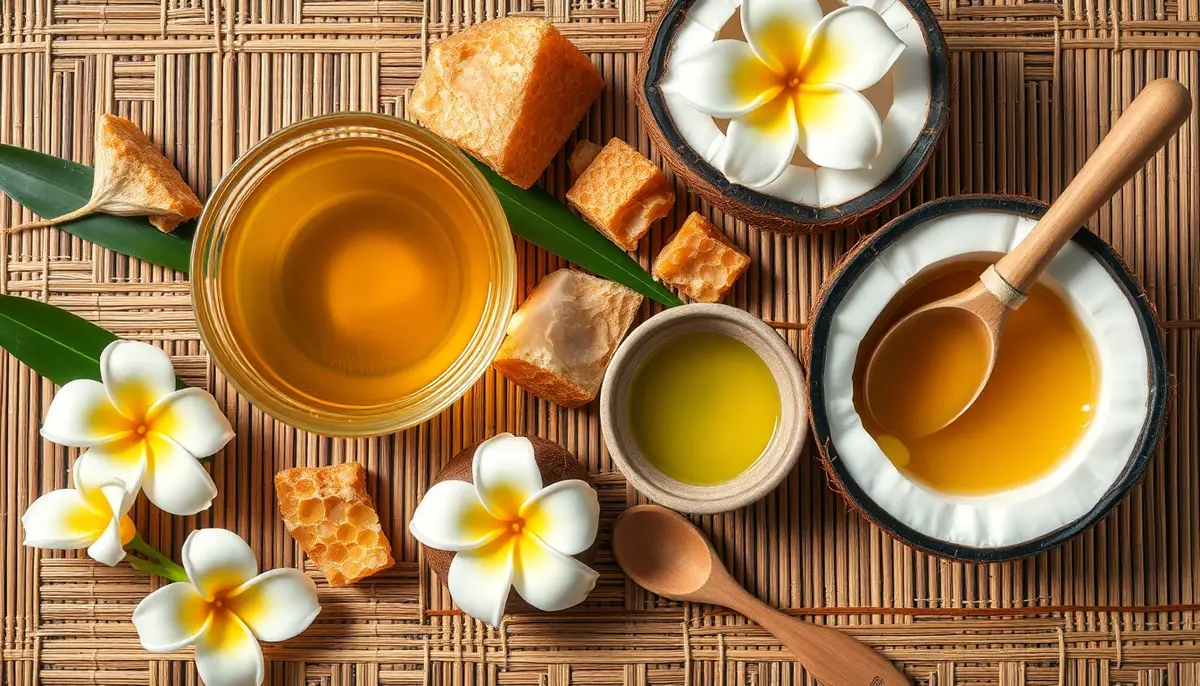
Honey and coconut oil are two of the most popular natural ingredients in DIY skincare, haircare, and health remedies — and the combination is more than the sum of its parts. Each brings complementary properties that address different aspects of skin barrier function, hair structure, and internal health.
Honey is a humectant and emollient with well-documented antibacterial, anti-inflammatory, and antioxidant properties. It draws moisture from the environment into skin and hair, inhibits bacterial growth through hydrogen peroxide generation, and reduces inflammation via NF-κB pathway modulation. See the raw honey benefits guide for the full evidence base.
Coconut oil is an occlusive moisturizer rich in medium-chain fatty acids (MCFAs), particularly lauric acid (45-52% of its fatty acid content). Lauric acid has demonstrated significant antimicrobial activity against Staphylococcus aureus, Propionibacterium acnes, and Candida species. A 2014 study in the International Journal of Dermatology found that virgin coconut oil applied to atopic dermatitis skin reduced S. aureus colonization by 95% after 4 weeks.
Together, honey attracts and binds moisture while coconut oil seals it in — creating a two-layer hydration system that neither ingredient achieves alone. Their antimicrobial profiles also complement each other: honey's hydrogen peroxide mechanism plus coconut oil's lauric acid target different bacterial vulnerabilities simultaneously.
Skin Benefits: What Research Supports
**Deep moisturization and barrier repair.** Honey draws water from the environment (humectant action) while coconut oil prevents transepidermal water loss by forming a lipid barrier (occlusive action). A 2004 study in Dermatitis found that coconut oil significantly improved skin hydration and lipid barrier function in patients with xerosis (dry skin). Combined with honey's moisture-attracting properties, this creates comprehensive hydration for dry, dehydrated skin.
**Antibacterial synergy for acne-prone skin.** Honey for acne works through H₂O₂-mediated antibacterial activity against C. acnes and anti-inflammatory NF-κB suppression. Coconut oil's lauric acid is independently effective against C. acnes — a 2009 study in the Journal of Investigative Dermatology found that lauric acid was 15 times more effective than benzoyl peroxide at killing C. acnes in vitro. The caveat: coconut oil is moderately comedogenic (pore-clogging) for some people, so patch-test before applying to acne-prone facial skin.
**Anti-inflammatory effects for eczema and irritated skin.** Both ingredients reduce skin inflammation through different pathways. Honey inhibits NF-κB and reduces pro-inflammatory cytokines (IL-1β, IL-6, TNF-α), while coconut oil's lauric acid reduces ear swelling in animal inflammation models by 50% and inhibits COX-2 expression. For eczema management, this dual anti-inflammatory action can complement medical treatment.
**Wound healing support.** The 2003 Complementary Therapies in Medicine study on honey-beeswax-olive oil mixtures found significant improvement in dermatitis and psoriasis. Substituting coconut oil provides similar occlusive benefits plus lauric acid's antimicrobial activity. For minor cuts, burns, and abrasions, a thin layer of honey followed by coconut oil creates an antibacterial, moisture-retaining environment that supports healing. For serious wounds, medical-grade manuka honey remains the clinical standard.
Pro Tip
Coconut oil is comedogenic for some skin types. If you're acne-prone, do a patch test on your jawline for 3-5 days before applying to your full face. For a non-comedogenic alternative, try honey and olive oil instead.
Get the Honey Buyer's Cheat Sheet (free PDF)
16 varieties on one page — color, flavor, best use and what a fair price looks like — from the 268 honeys we track.
Hair Benefits: What the Evidence Shows
**Deep conditioning and moisture retention.** A 2003 study in the Journal of Cosmetic Science found that coconut oil was the only oil (compared to mineral oil and sunflower oil) that significantly reduced protein loss in both undamaged and damaged hair when used as a pre-wash or post-wash treatment. The lauric acid in coconut oil has a high affinity for hair protein and can penetrate the hair shaft — something most oils cannot do.
Combined with honey's humectant properties (drawing moisture into the hair cortex), a honey-coconut oil hair mask provides both internal hydration and external protein protection. This makes it particularly effective for chemically treated, heat-damaged, or naturally dry hair.
**Scalp health and dandruff.** Honey's antibacterial activity against Malassezia species (the yeast that causes dandruff and seborrheic dermatitis) is well-documented — a 2001 study in the European Journal of Medical Research found that crude honey applied to the scalp for 3 hours eliminated scaling and itching after 1 week. Coconut oil independently reduces Malassezia populations through lauric acid's antifungal activity. Together, they address both the microbial cause and the dry, flaking symptoms of dandruff.
**Frizz control and shine.** Coconut oil's ability to penetrate the hair shaft reduces swelling when hair absorbs water (the primary cause of frizz), while honey's smoothing properties help lay down the cuticle layer. For curly and textured hair types, this combination can define curls without weighing them down, provided you don't use too much coconut oil.
Internal Health Benefits
**Gut health: dual prebiotic and antimicrobial support.** Honey provides prebiotic oligosaccharides (FOS, GOS) that feed beneficial Bifidobacterium and Lactobacillus species, while coconut oil's lauric acid and caprylic acid have selective antimicrobial activity against pathogenic bacteria and Candida species without significantly disrupting beneficial gut flora. This complementary mechanism supports gut microbiome balance from two angles.
**Anti-inflammatory synergy.** Honey's polyphenols inhibit NF-κB inflammatory signaling, while coconut oil's medium-chain fatty acids reduce inflammatory markers through a different pathway (reduced COX-2 expression and prostaglandin synthesis). Consuming both regularly as part of an anti-inflammatory diet may provide broader anti-inflammatory coverage than either alone.
**Cardiovascular considerations.** The honey-coconut oil combination requires nuance here. Honey has clear cardiovascular benefits — the 2022 Nutrition Reviews meta-analysis showed improved cholesterol, triglycerides, and inflammatory markers. Coconut oil is more controversial: while virgin coconut oil raises HDL (good) cholesterol, it also raises LDL (bad) cholesterol due to its high saturated fat content (82%). The American Heart Association recommends limiting saturated fat intake.
Practical approach: use honey as a sweetener in place of refined sugar for its cardiovascular benefits, and use coconut oil in moderation for cooking as part of a diet that also includes unsaturated fats from olive oil, nuts, and fish. This balances the benefits of both without excessive saturated fat intake.
5 DIY Honey and Coconut Oil Recipes
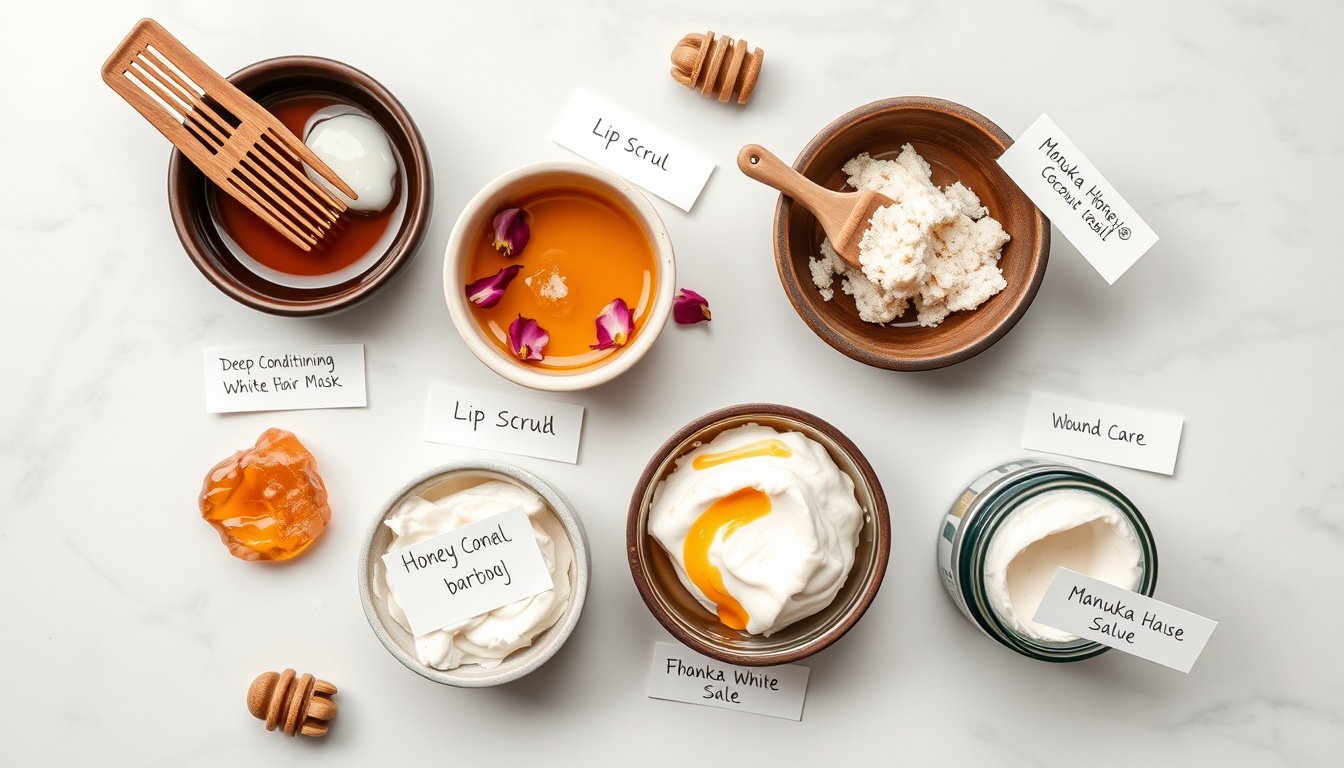
**1. Deep Moisturizing Face Mask.** Mix 1 tablespoon raw honey with 1 teaspoon melted virgin coconut oil. Apply to clean, damp skin. Leave 15-20 minutes. Rinse with warm water. Best for dry, normal, or mature skin types. Use 1-2 times per week.
**2. Intensive Hair Treatment.** Combine 2 tablespoons raw honey with 2 tablespoons melted coconut oil and 1 teaspoon apple cider vinegar. Apply to damp hair from mid-shaft to ends, then work any remainder into the scalp. Cover with a shower cap for 30-60 minutes. Shampoo twice to remove. Use weekly for damaged or dry hair.
**3. Lip Repair Balm.** Mix equal parts raw honey and coconut oil (1 teaspoon each) with 1/2 teaspoon of fine sugar. Gently scrub lips for 30 seconds to exfoliate, then let the honey-coconut oil mixture sit for 5 minutes before wiping off. The sugar removes dead skin while honey and coconut oil deeply moisturize. Use 2-3 times per week.
**4. Sore Throat and Immune Support Drink.** Stir 1 tablespoon raw honey and 1 teaspoon coconut oil into warm (not boiling) water or tea. Add fresh ginger or lemon if desired. The honey soothes the throat and suppresses cough, while coconut oil's lauric acid provides additional antimicrobial support.
**5. After-Sun Skin Soother.** Mix 2 tablespoons raw honey with 1 tablespoon coconut oil and 1 tablespoon aloe vera gel for a cooling after-sun gel. Apply a thin layer to mildly sun-exposed skin; coconut oil helps replenish the skin's lipid barrier and aloe vera adds cooling relief. Store unused portion in the refrigerator for up to 1 week. For blistering or severe sunburn, see a healthcare provider rather than treating it yourself.
Choosing the Right Honey and Coconut Oil
**For honey:** Always use raw, unprocessed honey for maximum bioactive content. Processing destroys the enzymes, polyphenols, and hydrogen peroxide-generating capacity that make honey therapeutically useful. Manuka honey is ideal for targeted skin conditions (acne, eczema, wounds), while wildflower or clover honey works well for general skincare and haircare.
**For coconut oil:** Choose virgin (unrefined) coconut oil over refined versions. Virgin coconut oil retains its full lauric acid content and polyphenol antioxidants. Refined coconut oil has been bleached and deodorized, removing many beneficial compounds. For cooking, virgin coconut oil has a smoke point of 350°F (177°C) — suitable for medium-heat sautéing but not high-heat frying.
**For topical use:** Both should be applied at skin temperature. Melt coconut oil gently in warm water (never microwave) and ensure honey is at room temperature. Mix just before application — pre-mixed combinations can ferment over time due to honey's water content activating the coconut oil.
Common Mistakes to Avoid
**Using too much coconut oil on your face.** Coconut oil has a comedogenicity rating of 4 out of 5. For facial applications, use a thin layer and always combine with honey (which is non-comedogenic). If you notice breakouts, switch to the honey and olive oil combination instead.
**Heating honey above 110°F (43°C).** High heat destroys honey's beneficial enzymes (glucose oxidase, diastase, invertase) and reduces its antioxidant capacity. Mix honey into warm — not hot — coconut oil, and never add honey to boiling liquids. See honey nutrition facts for how processing affects honey's bioactive compounds.
**Applying to actively infected skin.** While both ingredients have antimicrobial properties, they are not substitutes for medical treatment of infected wounds, severe acne cysts, or fungal infections. Use them as complementary care alongside appropriate medical treatment.
**Expecting overnight results.** Topical honey and coconut oil treatments work through gradual mechanisms — moisture barrier repair, microbiome rebalancing, and inflammation reduction. Allow 2-4 weeks of consistent use before assessing results.
Safety Considerations
**Allergies:** Coconut allergy is rare but real. Tree nut allergy does not necessarily predict coconut allergy (coconuts are classified as drupes, not tree nuts), but individuals with a history of coconut reactions should avoid topical and oral use. Honey allergies are extremely rare but possible in individuals with severe bee venom allergy or pollen allergy — always patch test topical honey products.
**Babies and infants:** Never give honey to children under 12 months due to infant botulism risk. Coconut oil is generally safe for infant skin (and is commonly used for baby massage), but avoid honey-containing mixtures on or near infants' skin.
Diabetes note — Honey is a fast-acting carbohydrate, and no honey variety is medically preferred. Use the honey carbohydrate and label guide to compare serving-size total carbohydrate and added sugars within an individualized care plan.
**Drug interactions:** Honey and coconut oil are generally safe with medications, but coconut oil's medium-chain triglycerides may affect the absorption of fat-soluble medications. If you take thyroid medications, blood thinners, or fat-soluble vitamins, consult your healthcare provider about timing coconut oil intake.