What Makes Clover Honey Special
Clover honey is the most widely produced and consumed honey variety in the United States, accounting for roughly 40-50% of domestic production. Sourced primarily from white clover (Trifolium repens), sweet clover (Melilotus officinalis), and alsike clover (Trifolium hybridum), it's the honey most Americans grew up eating — and for good reason. At $8-15 per pound in 2026, it remains the most accessible entry point into raw honey.
Its light golden color, mild floral sweetness, and smooth texture make it one of the most approachable honeys for everyday use. But beyond its pleasant taste, clover honey contains a meaningful nutritional and bioactive profile that science is increasingly documenting.
This guide examines what research actually says about clover honey's health benefits, how it compares to other types of honey, and when you might want to reach for a different variety instead.
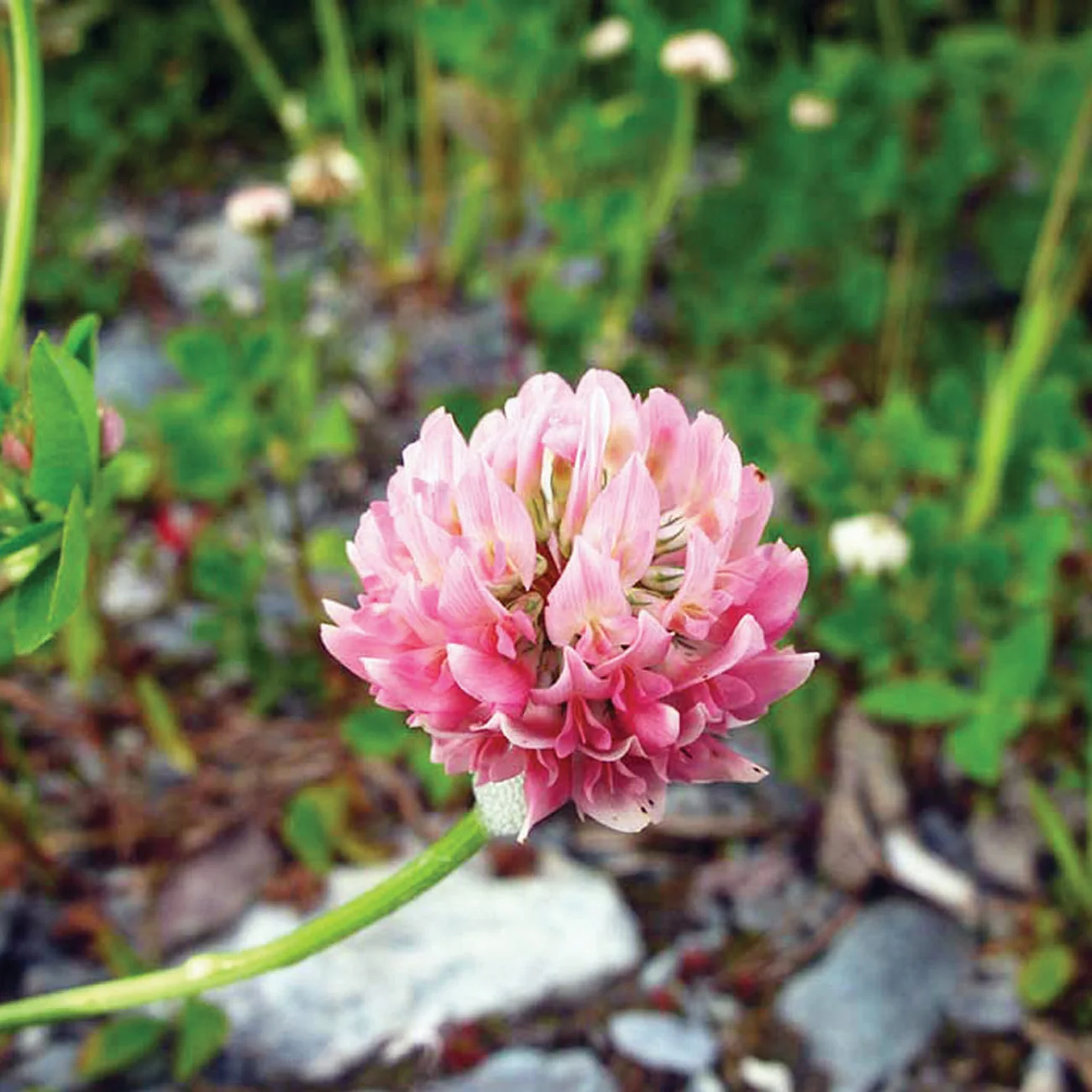
Photo: Queen Right Colonies, used with permission
1. Antioxidant Content: Modest but Meaningful
Clover honey falls on the lighter end of the honey color spectrum, which means its antioxidant content is lower than dark honeys like buckwheat or chestnut. A landmark 2004 study in the Journal of Agricultural and Food Chemistry found that darker honeys contain 3-9 times more antioxidants than lighter varieties.
However, "lower" doesn't mean "negligible." Clover honey still contains measurable amounts of polyphenols and flavonoids — including chrysin, pinocembrin, pinobanksin, and galangin. A 2003 study in the Journal of Agricultural and Food Chemistry (Schramm et al.) found that honey consumption measurably increased blood antioxidant levels in healthy adults, confirming that polyphenols in even lighter honey varieties are bioavailable.
The 2022 Nutrition Reviews meta-analysis of 18 RCTs found that replacing refined sugar with honey (including lighter varieties like clover) significantly reduced markers of oxidative stress compared to equivalent sugar consumption.
Practical takeaway: clover honey ($8-15/lb) won't match buckwheat honey's antioxidant power (ORAC 16,000+, $15-25/lb), but it provides a meaningful upgrade over refined sugar as a daily sweetener, especially given its lower cost and wider availability.
Get the Honey Buyer's Cheat Sheet (free PDF)
16 varieties on one page — color, flavor, best use and what a fair price looks like — from the 268 honeys we track.
2. Antibacterial Properties
Like all raw honeys, clover honey generates hydrogen peroxide via the enzyme glucose oxidase — the primary antibacterial mechanism in non-manuka honeys. This enzyme is active when honey is diluted (such as when applied to a wound or mixed into warm water), producing a sustained, low-level release of H₂O₂ that inhibits bacterial growth.
A 2016 study in Frontiers in Microbiology compared the antibacterial activity of 12 honey varieties and found that clover honey demonstrated significant inhibition of Staphylococcus aureus and Escherichia coli, though less potent than manuka ($35-60+/lb) or buckwheat honey ($15-25/lb). The researchers noted that raw, unprocessed clover honey retained stronger activity than commercially processed versions.
Clover honey's antibacterial strength is sufficient for common uses like soothing a sore throat or as part of a honey water tonic. For clinical wound care, medical-grade manuka honey remains the evidence-based choice — see the honey wound healing guide for details.
Pro Tip
Raw clover honey retains more antibacterial activity than processed versions. Look for "raw" on the label and buy from a trusted source — our guide to reading honey labels explains what to look for.
3. Cough and Sore Throat Relief
Limited evidence suggests honey may ease nighttime cough in children older than one year, but it does not establish that clover honey is superior or define a repeated schedule.
Never give honey to a child younger than twelve months. Seek clinical advice for severe, worsening, or persistent cough and urgent care for breathing difficulty.
4. Cardiovascular and Metabolic Benefits
The 2022 Nutrition Reviews meta-analysis of 18 RCTs found that replacing refined sugar with honey improved several cardiovascular markers — reduced total cholesterol, LDL cholesterol, triglycerides, and fasting blood glucose while raising HDL cholesterol. Raw honey performed better than processed honey across all endpoints.
While this meta-analysis included multiple honey types, clover honey was among the most commonly used varieties in the included studies, given its widespread availability in clinical research settings. The effects were attributed to honey's polyphenols, oligosaccharides, and trace minerals rather than any variety-specific compound.
For blood pressure specifically, honey's polyphenols promote nitric oxide production, which supports vascular relaxation. Combined with its potassium content (50-100 mg per tablespoon depending on variety), clover honey fits within heart-healthy dietary patterns when used to replace refined sugars.
Clover honey's glycemic index ranges from 55-69 (varying by specific clover species and processing), placing it in the low-to-medium GI range. For lower-GI options, acacia honey ($12-20/lb, GI ~32) or tupelo honey ($25-45/lb, GI ~45) are alternatives. See our honey vs sugar comparison for the complete analysis.
5. Digestive and Prebiotic Benefits
Clover honey contains fructo-oligosaccharides (FOS) and gluco-oligosaccharides — prebiotic compounds that selectively feed beneficial Bifidobacterium and Lactobacillus species in the gut. This prebiotic effect is shared across honey varieties but remains a meaningful advantage over refined sugar, which provides zero prebiotic benefit.
A warm water and clover honey drink is a traditional remedy for digestive discomfort, and the science supports several mechanisms: the osmotic properties stimulate intestinal motility, the oligosaccharides support beneficial gut bacteria that produce short-chain fatty acids (SCFAs) for gut lining health, and the anti-inflammatory polyphenols may help soothe inflamed gut tissue.
For constipation relief, clover honey's fructose content also contributes to its gentle osmotic laxative effect — fructose malabsorption in the small intestine draws water into the colon, softening stool.
For more targeted gut health benefits (H. pylori inhibition, inflammatory bowel conditions), manuka honey ($35-60+/lb) has stronger specific evidence. But for daily prebiotic support and general digestive wellness, clover honey at $8-15/lb is a cost-effective choice.
6. Skin and Wound Care Applications
Clover honey's humectant properties (attracting and retaining moisture) make it a popular ingredient in DIY honey face masks and skincare. Its hydrogen peroxide generation provides mild antibacterial activity suitable for surface-level skin applications.
For everyday skincare — moisturizing face masks, soothing minor sunburns, and gentle cleansing — raw clover honey works well and is far more affordable than manuka. Its mild flavor and lighter color also mean less staining risk for fabrics and towels.
However, for clinical wound care, acne treatment, or eczema management, manuka honey's methylglyoxal (MGO) activity provides stronger, more targeted antibacterial effects that persist when hydrogen peroxide is neutralized by tissue catalase. Reserve manuka ($35-60+/lb) for these more demanding applications.
For hair care, clover honey works just as well as any honey variety — the humectant and emollient properties that benefit hair come from honey's sugar content and moisture-binding capability, not from variety-specific bioactives.
Clover Honey vs Other Varieties: When to Choose What
Clover honey is the generalist — good at many things, exceptional at nothing specific. Here's when to choose clover vs other varieties:
**Choose clover honey ($8-15/lb) when:** you want an everyday sweetener that's healthier than sugar, you need a mild-tasting honey for cooking and baking (see honey baking substitution guide), you want an affordable raw honey for daily use, you're making honey water or honey tea, or you need a kid-friendly honey for cough relief.
**Choose manuka honey ($35-60+/lb) when:** you need targeted antibacterial activity for wounds or skin conditions, you're using honey for sinus infections, or you want the strongest evidence-based health effects and don't mind the higher cost.
**Choose buckwheat honey ($15-25/lb) when:** you want maximum antioxidant content (ORAC 16,000+), you prefer bold flavor profiles, you're targeting cardiovascular protection, or you need the strongest cough suppression evidence (the 2007 pediatric cough study used buckwheat specifically).
These flavor and recipe comparisons do not establish a medical use or preferred honey for a health condition.
For more comparisons, see our types of honey guide and dark vs light honey analysis.
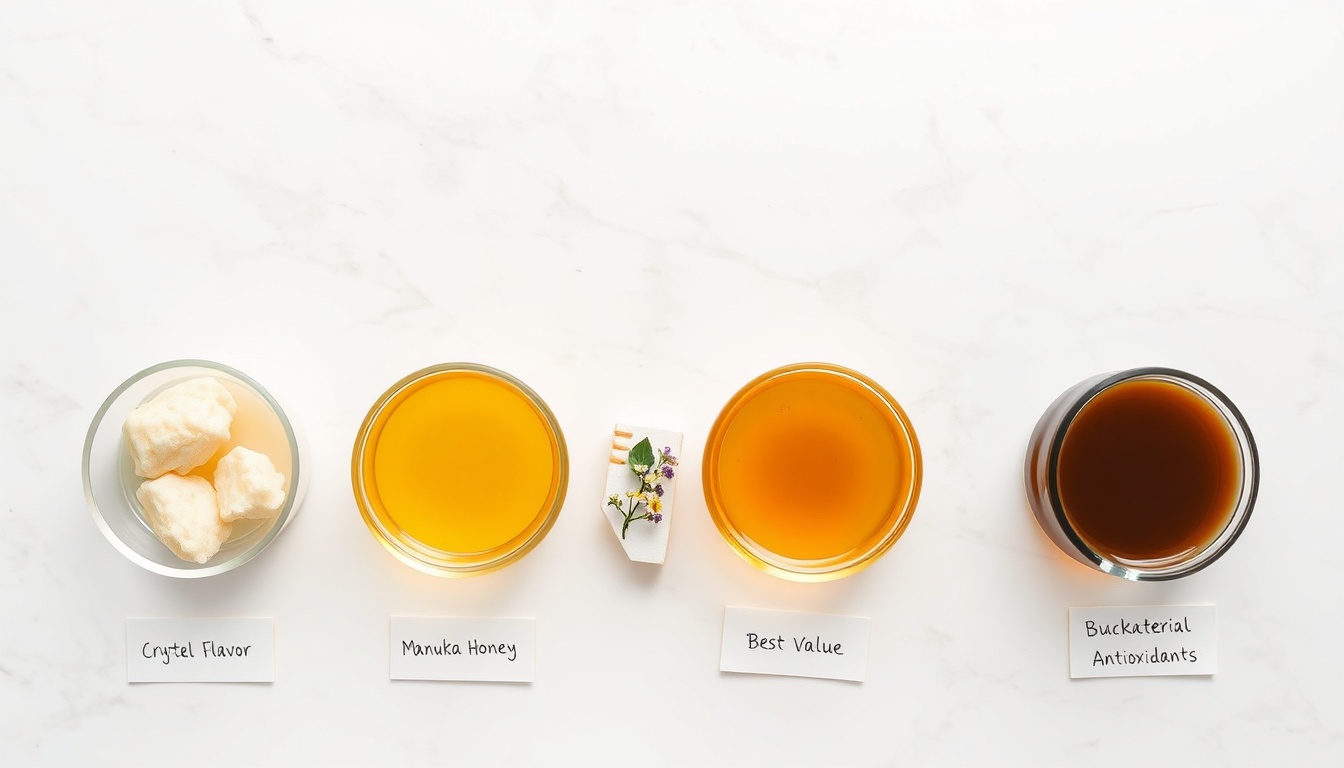
How to Choose Quality Clover Honey
Not all clover honey is created equal. Processing makes a significant difference in bioactive content and health benefits.
**Raw clover honey** retains all enzymes (glucose oxidase, diastase, invertase), pollen, and heat-sensitive antioxidants. It may crystallize faster than processed honey — a sign of quality, not spoilage. See why honey crystallizes and how to decrystallize it.
**Filtered/processed clover honey** (most grocery store brands) has been heated to 150°F+ and ultrafiltered to remove pollen. This destroys glucose oxidase (eliminating hydrogen peroxide antibacterial activity), reduces polyphenol content by 30-50%, and removes the pollen that enables geographic traceability. The 2022 meta-analysis specifically found that raw honey outperformed processed honey for cardiovascular markers.
**"Pure clover honey" claims** don't necessarily mean 100% clover-sourced. Bees forage widely, so even honest clover honey contains some nectar from other flowers. The label means clover was the predominant floral source. True monofloral verification requires pollen analysis (melissopalynology).
Buy from local beekeepers at farmers markets or look for True Source Certified labels. In 2026, expect to pay $8-15/lb for quality raw clover honey — significantly less than specialty varieties like sourwood ($20-35/lb), tupelo ($25-45/lb), or manuka ($35-60+/lb). A good clover honey should be light golden to amber, have a mild floral aroma, and taste clean with subtle grassy notes.
Nutritional Profile
Per tablespoon (21g), clover honey provides approximately: 64 calories, 17g total sugars (primarily fructose 38-42% and glucose 30-35%), trace amounts of vitamins B2, B3, B5, B6, and C, minerals including potassium (11mg), calcium (1mg), phosphorus (1mg), and iron (0.1mg), plus 30+ polyphenol compounds at concentrations of 50-100 mg per 100g.
Compared to honey nutrition facts in general, clover honey sits at the lighter end for mineral content (dark honeys have 3-5x more iron and potassium) but within the normal range for enzymatic activity and prebiotic oligosaccharides.
Clover honey's fructose-to-glucose ratio (~1.2:1) places it in the moderate crystallization range — it will crystallize over weeks to months but not as quickly as canola or alfalfa honey. This ratio also contributes to its moderate glycemic index.
The Bottom Line
Clover honey is America's most popular honey for good reason: it's mild, versatile, widely available, and affordable. While it doesn't match dark honeys for antioxidant content or manuka for targeted antibacterial strength, the clinical evidence shows that it provides meaningful health benefits — especially when used raw and as a replacement for refined sugar.
The 2022 meta-analysis of 18 RCTs demonstrated that honey (including lighter varieties like clover) significantly improved cardiovascular markers compared to sugar. Its prebiotic effects support gut health. Its cough-suppressing ability is better than over-the-counter medications. And it does all of this while tasting good enough to use every day.
For most people, raw clover honey at $8-15/lb is the practical, evidence-based choice for daily use. Save the manuka for wounds and the buckwheat for maximum antioxidants — clover is the reliable everyday honey that belongs in every kitchen.
Clover is also one of the most important pollinator plants in North America — white clover alone is the single most visited flowering plant by honey bees in temperate regions. During National Pollinator Week (June 22-28, 2026), purchasing clover honey from local beekeepers directly supports the pollinator populations that service these critical habitats and maintain the agricultural ecosystems that depend on bee pollination.