Why People Are Asking About Honey and Cholesterol
High cholesterol affects roughly 94 million US adults, and statin medications — while highly effective — come with side effects that lead many people to explore complementary dietary approaches. Honey has emerged as a subject of clinical interest because observational and interventional studies suggest it may influence lipid profiles differently than other sugars.
The idea that a sweetener could improve cholesterol markers sounds counterintuitive. After all, excess sugar consumption is associated with dyslipidemia (abnormal blood fat levels). But honey is not nutritionally equivalent to table sugar — it contains over 200 bioactive compounds including polyphenols, flavonoids, organic acids, and enzymes that may independently affect lipid metabolism.
The evidence is nuanced. Honey is not a replacement for statins or lifestyle interventions in people with clinically elevated cholesterol. But the research does show measurable effects on specific lipid markers that are worth understanding, especially for people already making dietary changes to improve their cardiovascular profile.
What Clinical Studies Show About Honey and Cholesterol
Multiple clinical trials have examined honey's effects on blood lipids. Here is what the evidence actually demonstrates.
- 2022 Nutrition Reviews meta-analysis — This comprehensive analysis of 18 randomized controlled trials (the strongest form of clinical evidence) found that honey consumption significantly reduced total cholesterol, LDL ("bad") cholesterol, fasting blood glucose, and triglycerides while increasing HDL ("good") cholesterol. The effects were most pronounced with raw, unprocessed honey and at doses of about 40g (roughly 2 tablespoons) per day. This is the most authoritative review to date.
- 2019 Nutrition Research meta-analysis of 12 RCTs — Found that honey supplementation significantly reduced total cholesterol (weighted mean difference of -6.03 mg/dL) and LDL cholesterol (-4.67 mg/dL) compared to control groups. The triglyceride-lowering effect was also significant at -11.46 mg/dL. Effects were stronger in studies lasting 8+ weeks, suggesting cumulative benefit.
- 2008 Journal of Medicinal Food study — A controlled trial in overweight and obese subjects found that consuming 70g of natural honey daily for 30 days reduced total cholesterol by 3.3%, LDL cholesterol by 4.3%, and triglycerides by 19%, while increasing HDL cholesterol by 3.3%. Notably, similar amounts of sucrose (table sugar) and glucose produced the opposite pattern — worsening lipid profiles.
- 2013 International Journal of Food Sciences and Nutrition — Studied honey consumption in patients with elevated cholesterol. Found significant reductions in total cholesterol, LDL, and triglycerides after 8 weeks of daily honey consumption (1g per kg body weight). The LDL reduction was approximately 8%, clinically meaningful though less than typical statin effects (30-50% reduction).
- 2004 FASEB Journal preliminary data — Found that honey (but not sugar or sugar-free diet) reduced cardiovascular risk markers in healthy subjects. Total cholesterol decreased 7%, LDL decreased 1%, triglycerides decreased 2%, and CRP (a key inflammatory marker) decreased 7%.
Pro Tip
Important context: these effect sizes are modest compared to statin medications. Statins typically reduce LDL by 30-50%. Honey's effects are in the 4-8% range for LDL. Think of honey as a dietary strategy that moves lipid markers in the right direction, not as a pharmaceutical alternative.
Get the Honey Buyer's Cheat Sheet (free PDF)
16 varieties on one page — color, flavor, best use and what a fair price looks like — from the 268 honeys we track.
How Honey May Affect Cholesterol: The Mechanisms
Researchers have identified several pathways through which honey's bioactive compounds may influence cholesterol metabolism.
- Polyphenol-mediated LDL oxidation prevention — LDL cholesterol becomes dangerous primarily when oxidized (oxLDL). Oxidized LDL triggers inflammatory responses in arterial walls and drives atherosclerotic plaque formation. Honey contains flavonoids (chrysin, pinocembrin, galangin, quercetin) and phenolic acids (caffeic acid, ellagic acid) that act as potent antioxidants, reducing LDL oxidation. A 2003 Journal of Agricultural and Food Chemistry study confirmed that honey consumption increased blood antioxidant capacity and reduced LDL oxidation susceptibility in healthy subjects.
- HMG-CoA reductase modulation — Some honey polyphenols may mildly inhibit HMG-CoA reductase, the same enzyme targeted by statin drugs. Chrysin and quercetin have shown in vitro HMG-CoA reductase inhibitory activity, though the potency is far below pharmaceutical statins. This mechanism is plausible but not yet confirmed in human studies at dietary honey doses.
- Bile acid metabolism effects — Certain honey compounds may enhance bile acid synthesis from cholesterol in the liver, effectively pulling cholesterol out of circulation to produce bile acids. This is similar to the mechanism of bile acid sequestrant drugs (like cholestyramine). Animal studies support this pathway but human evidence is limited.
- Anti-inflammatory effects on vascular health — Chronic inflammation drives atherosclerosis independently of cholesterol levels. Honey's polyphenols inhibit the NF-kB inflammatory pathway, reduce C-reactive protein (CRP), and decrease pro-inflammatory cytokines (IL-6, TNF-alpha). The 2022 meta-analysis confirmed significant CRP reduction with honey consumption, which may reduce cardiovascular risk beyond any direct cholesterol effects.
- Prebiotic effects on cholesterol metabolism — Honey's prebiotic oligosaccharides (fructo-oligosaccharides and galacto-oligosaccharides) feed beneficial gut bacteria that produce short-chain fatty acids (SCFAs). Propionate, one of these SCFAs, inhibits hepatic cholesterol synthesis. This gut-liver axis connection may partially explain why honey affects lipid profiles differently than refined sugars, which lack prebiotic compounds.
- Triglyceride reduction via fructose handling — Honey's fructose is metabolized differently than pure fructose or high-fructose corn syrup. The presence of hundreds of bioactive compounds appears to modify hepatic fructose metabolism, reducing de novo lipogenesis (the liver's conversion of fructose to triglycerides). This may explain why honey reduces triglycerides while equivalent amounts of added sugar increase them.
Honey vs Sugar: Why They Affect Cholesterol Differently
One of the most important findings in honey-cholesterol research is that honey and table sugar have opposite effects on blood lipids, despite both being caloric sweeteners.
The 2008 Journal of Medicinal Food study directly compared honey, sucrose (table sugar), and glucose in overweight subjects. While honey improved lipid markers across the board, sucrose increased total cholesterol by 2.2% and LDL by 4.4%. Glucose showed similar adverse effects. This divergence strongly suggests that honey's bioactive compounds actively counteract the metabolic harm of its sugar content.
This matters for the honey vs sugar debate. Replacing table sugar with an equal caloric amount of raw honey is not a neutral swap — it moves multiple cardiovascular markers in a favorable direction. A 2019 Nutrients systematic review confirmed that when honey replaces other sugars in the diet (isocaloric substitution), the lipid profile improvements are consistent across studies.
The practical implication: if you currently use sugar daily in tea, coffee, or cooking, switching to raw honey may modestly improve your cholesterol profile without adding extra calories. The key word is "replace" — adding honey on top of existing sugar intake would likely negate any benefit through excess calorie consumption.
Best Honey Types for Cholesterol Support
Not all honeys are equal for cardiovascular health. The type of honey matters significantly.
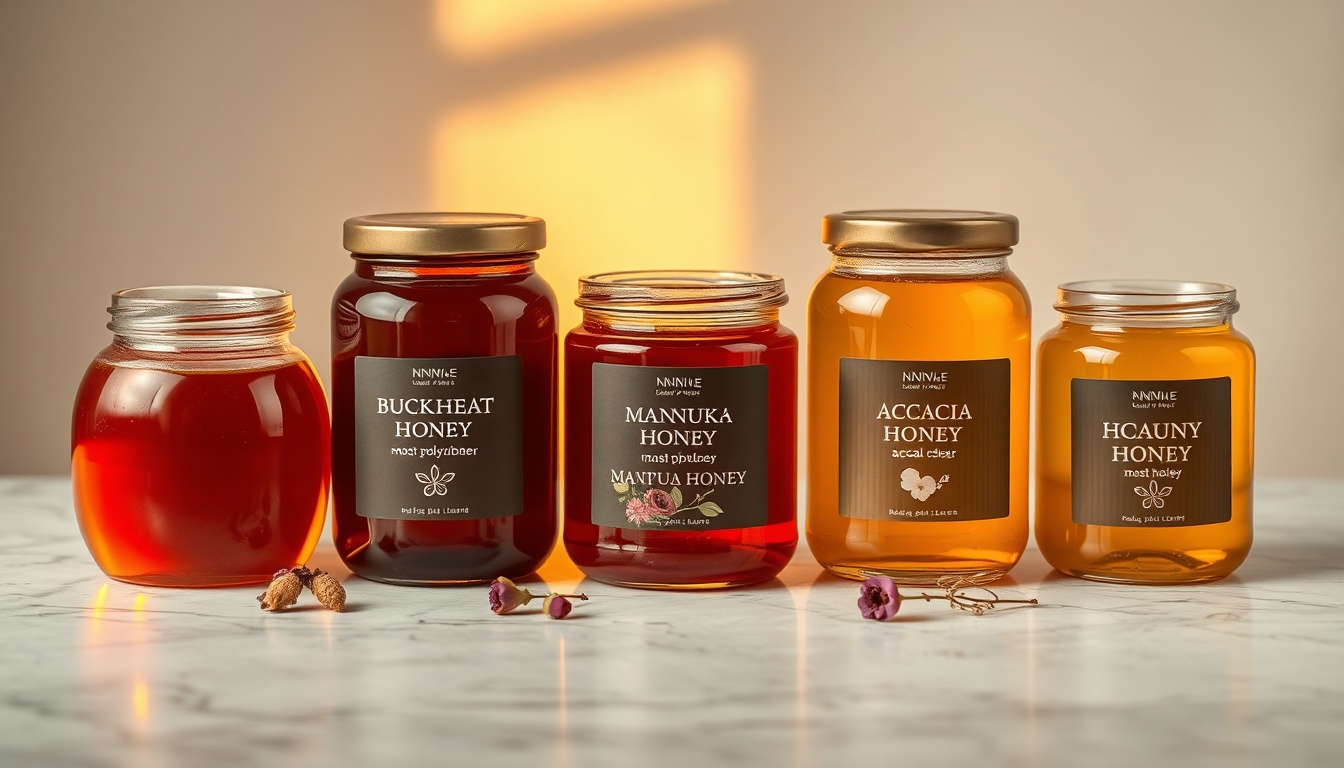
- Raw, unprocessed honey — The 2022 meta-analysis found that raw honey produced stronger lipid-improving effects than processed honey. Pasteurization and ultra-filtration destroy heat-sensitive enzymes and reduce polyphenol content — the compounds most likely responsible for cholesterol effects. Always choose raw over processed for any health purpose. Browse raw varieties or find a local source.
- Dark honeys — Buckwheat honey ($15-25/lb, ORAC 16,000+) and chestnut honey ($20-35/lb) contain 3-9x more antioxidant polyphenols than light varieties (2004 Journal of Agricultural and Food Chemistry). Since polyphenol content likely drives the cholesterol effects (LDL oxidation prevention, HMG-CoA modulation), dark honeys theoretically provide greater cardiovascular benefit. Buckwheat in particular has been studied for its exceptionally high antioxidant activity and is the best value for cholesterol support.
- Manuka honey (UMF 10+ $35-60+) — In addition to standard polyphenols, manuka provides methylglyoxal (MGO) and leptosperin — unique bioactive compounds not found in other honeys. Some research suggests manuka may have additional anti-inflammatory vascular effects. However, its superiority specifically for cholesterol has not been established in comparative trials, and buckwheat honey offers comparable antioxidant activity at a fraction of the price.
- Wildflower honey ($10-18/lb) — Multi-floral honeys tend to have diverse polyphenol profiles and moderate-to-high antioxidant activity. They are more affordable than manuka and readily available from local beekeepers. An excellent everyday choice that balances cardiovascular benefit with cost.
- These proposed cardiovascular uses do not establish that any retail honey is medically preferred for diabetes.
- Budget option: Clover honey ($8-15/lb) — The most affordable raw variety. While lower in polyphenols than buckwheat, clover still provides measurable antioxidant activity versus refined sugar (which has zero). A practical entry point for replacing table sugar.
- Avoid processed honey — Pasteurized, ultra-filtered, or blended honeys (the type commonly found in squeeze bottles at grocery stores) have significantly reduced bioactive compound content. Some commercial honeys are adulterated with corn syrup or rice syrup. Learn to identify real honey for the best results.
How to Use Honey for Cholesterol: Practical Guide
Based on the clinical evidence, here is how to incorporate honey into a heart-healthy dietary pattern.
- Amounts reported in the studies discussed here describe study protocols, not daily recommendations. Use the daily added-sugar guide to count honey with other added or free sugars.
- Substitution, not addition — Replace existing sugar in your diet with honey rather than adding honey on top of current sugar intake. Swap sugar in coffee, tea, baking, and cooking. Adding honey without reducing other sugars adds calories without net benefit.
- Timing — Some studies gave honey in the morning on an empty stomach; others spread intake throughout the day. No strong evidence favors one timing over another. Choose whatever is sustainable for you — consistency over weeks is what matters.
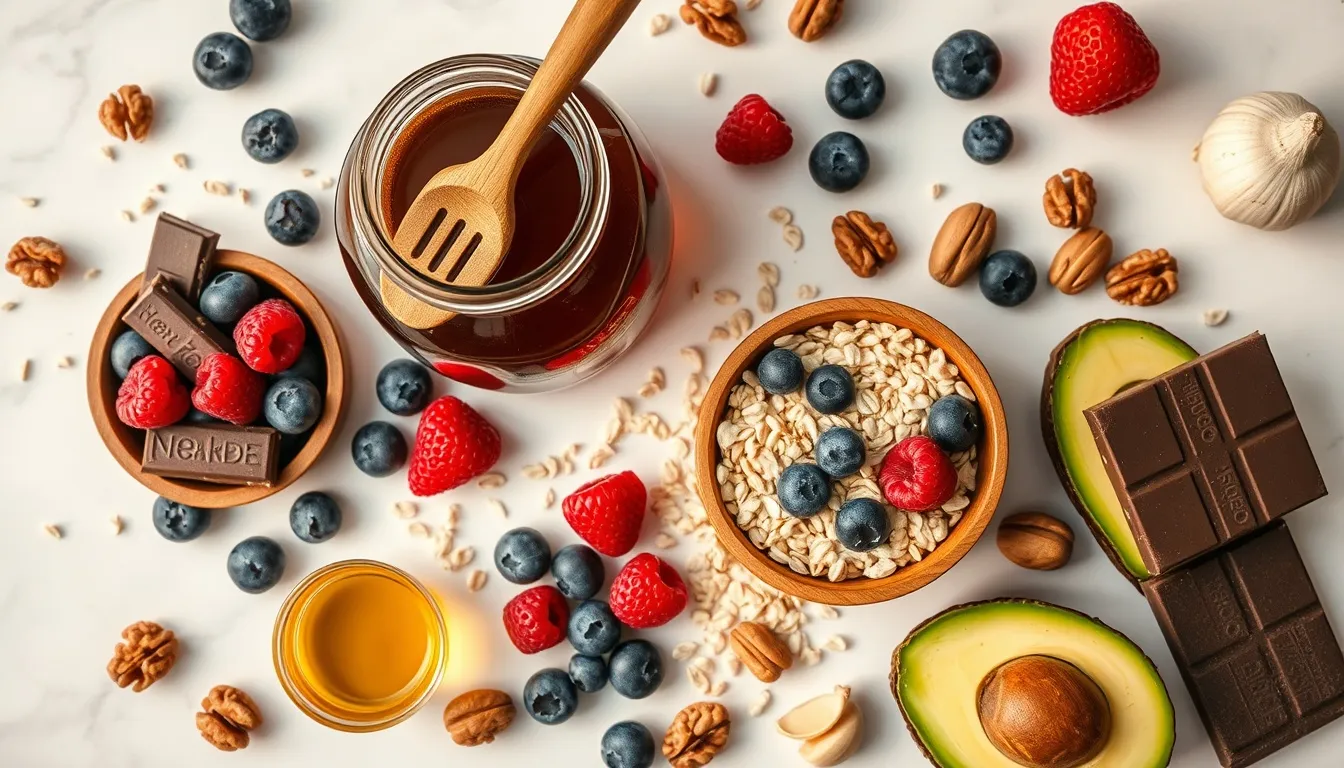
- Combine with heart-healthy fats — Some honey polyphenols are fat-soluble. Consuming honey with meals that include healthy fats (olive oil, nuts, avocado, fatty fish) may improve bioavailability. A drizzle of raw honey on oatmeal with walnuts or on whole-grain toast with avocado is nutritionally complementary.
- Duration — Study follow-up periods describe research design, not a honey treatment timeline; lipid testing and treatment decisions belong with the care team.
- Temperature matters — Dissolving honey in boiling water (above 160°F/70°C) degrades heat-sensitive enzymes and may reduce polyphenol activity. Add honey to warm, not hot, beverages. For honey water, let boiled water cool before adding honey.
Honey and Cholesterol Medication: What You Need to Know
If you are taking cholesterol-lowering medications, consider these important points before adding honey to your routine.
- Statins (atorvastatin, simvastatin, rosuvastatin) — No known direct interactions between honey and statin medications. Honey can be consumed alongside statins safely. However, do not reduce or stop statin medication based on honey consumption. Honey's cholesterol-lowering effects are modest and complementary, not a replacement.
- Ezetimibe (Zetia) — This cholesterol absorption inhibitor has no known interaction with honey. Safe to use together.
- PCSK9 inhibitors (Repatha, Praluent) — No interactions reported. These injectable medications for high-risk patients are unaffected by dietary honey.
- Bile acid sequestrants (cholestyramine, colesevelam) — These medications should be taken separately from other supplements and foods. Take honey at least 1 hour before or 4 hours after bile acid sequestrants to avoid any potential binding effects.
- Blood thinners (warfarin) — While honey does not directly interact with warfarin, large daily doses of honey could theoretically affect vitamin K metabolism through gut microbiome changes. If you are on warfarin, maintain consistent honey intake rather than dramatically varying it, and inform your doctor about any dietary changes.
- Diabetic medications — People taking insulin or sulfonylureas should account for honey's sugar content (17g per tablespoon) in their carbohydrate management. Glycemic impact varies by variety (acacia: GI ~32, well below table sugar GI 65; clover: GI ~69, Ischayek & Kern 2006) but is significant in all cases for blood sugar management.
Pro Tip
Always inform your healthcare provider about dietary changes, including regular honey consumption. This is especially important if you have cardiovascular disease, diabetes, or are on multiple medications.
What Honey Cannot Do for Cholesterol
Setting realistic expectations is critical. Here is what the evidence does not support.
- Replace statin therapy — For people with clinically high LDL (above 190 mg/dL) or established cardiovascular disease, statins remain first-line treatment. Honey's 4-8% LDL reduction cannot match statins' 30-50% reduction. The stakes of undertreating high-risk patients are too high.
- Reverse existing atherosclerosis — No evidence suggests honey can reverse arterial plaque buildup. Only aggressive LDL lowering (typically below 70 mg/dL with high-intensity statins) has been shown to promote plaque regression.
- Work as a standalone intervention for high cholesterol — Honey is one component of a heart-healthy diet that includes vegetables, fruits, whole grains, lean proteins, and healthy fats. It is not effective in isolation, particularly if the overall diet is poor.
- Produce effects from processed honey — Pasteurized, ultra-filtered honey has lost much of the bioactive compound content that likely drives the cholesterol effects. Only raw honey showed consistent benefits in the research.
- Work immediately — Lipid changes from dietary interventions develop over weeks to months. One spoonful of honey will not affect your next cholesterol test.
A Heart-Healthy Day with Honey
Here is what a practical day of incorporating honey for cardiovascular support might look like.
- Morning — 1 tablespoon of raw buckwheat honey ($15-25/lb, highest antioxidant ORAC 16,000+) in warm water or chamomile tea (below 160°F). Alternatively, drizzle on oatmeal with walnuts and blueberries for a meal that combines soluble fiber, omega-3s, antioxidants, and honey polyphenols.
- Midday — Use 1 teaspoon of raw honey in a salad dressing with olive oil and apple cider vinegar. The healthy fats from olive oil may improve polyphenol absorption.
- Evening — 1 teaspoon in ginger tea or warm turmeric golden milk. Both ginger and turmeric have independent evidence for cardiovascular benefits (anti-inflammatory, antiplatelet effects), creating a synergistic combination.
- Total daily intake — Approximately 35-40g (slightly under 2 tablespoons), consistent with the doses that produced lipid improvements in clinical studies. This provides about 100-120 calories from honey, which should replace — not supplement — other sweetener calories in the diet.
Pro Tip
The most impactful dietary changes for cholesterol are increasing soluble fiber (oats, beans, lentils), eating fatty fish 2x/week, exercising regularly, maintaining healthy weight, and limiting saturated fat. Honey is a beneficial addition to this foundation, not a substitute for it.