Honey Butter: Recipes, Variations & Best Uses
Honey butter is one of the simplest and most delicious compound butters you can make — just two ingredients, five minutes, and the result transforms everything from warm biscuits to grilled corn. Learn the classic recipe, popular variations like cinnamon honey butter, which honeys work best, and how to use it.
Last updated:
Honey butter is made by whipping 1/2 cup softened butter with 2-3 tablespoons of honey and a pinch of salt until light and fluffy. For cinnamon honey butter, add 1 teaspoon cinnamon and 1/2 teaspoon vanilla. Use clover or wildflower honey for the best results. Keeps refrigerated for 2-3 weeks or frozen for 3 months.
Honey Butter at a Glance
Whip butter + honey together
1 stick butter to 2-3 tbsp honey
Or freeze for up to 3 months
What Is Honey Butter and Why Is It So Popular?
Honey butter is a compound butter made by whipping softened butter together with honey until light, fluffy, and spreadable. The classic ratio is 1/2 cup (one stick) of unsalted butter to 2 to 3 tablespoons of honey, though recipes vary from equal parts for a very sweet spread to a lighter drizzle of honey for a subtly sweet table butter. The combination works because butter's rich milk fat tempers honey's intense sweetness, while honey prevents butter from tasting flat or greasy. The result is a silky, spreadable condiment that melts on contact with warm bread, biscuits, cornbread, or pancakes — the honey caramelizes slightly as it hits the hot surface, creating an aroma and flavor that plain butter simply cannot match. Honey butter has deep roots in American Southern and Midwestern cooking, where it has been a staple on biscuit tables and at church suppers for generations. The iconic Texas Roadhouse restaurant popularized cinnamon honey butter nationally, serving it warm with every basket of fresh rolls — their version became so famous that it spawned thousands of copycat recipes online. In European traditions, honey and butter were paired long before compound butters became fashionable; medieval monastery records document monks combining fresh butter with their own hive honey. Today, honey butter has seen a commercial renaissance, with artisanal versions sold at farmers markets and specialty food stores for $8 to $15 per jar, flavored with everything from cinnamon and vanilla to sea salt, lavender, and chili. The commercial honey butter market continues to grow as consumers seek natural alternatives to margarine and flavored spreads made with artificial ingredients.
How Do You Make Honey Butter at Home?
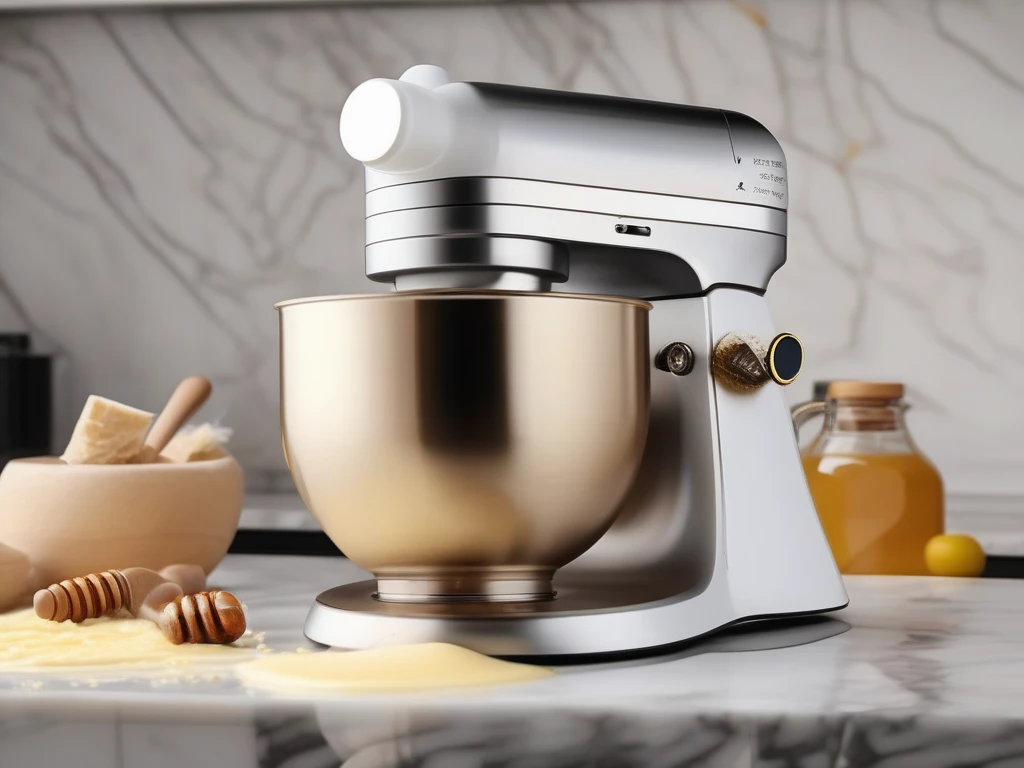
Homemade honey butter takes less than 5 minutes and produces a spread that is far superior to store-bought versions — fresher, more flavorful, and free of preservatives, palm oil, or artificial flavors. Start with 1/2 cup (1 stick) of high-quality unsalted butter at room temperature — this is critical, as cold butter won't incorporate the honey smoothly and will leave streaks. Cut the butter into chunks and place in a medium bowl. Using a hand mixer, stand mixer with the paddle attachment, or even a sturdy fork, beat the butter for 1 to 2 minutes until pale and creamy. Add 2 to 3 tablespoons of honey (start with 2 for a subtly sweet version, 3 for a sweeter spread) and a pinch of fine sea salt. Beat for another 1 to 2 minutes until the honey is fully incorporated and the mixture is light and fluffy — it should look noticeably lighter in color than the original butter. For cinnamon honey butter (the Texas Roadhouse copycat everyone loves), add 1 teaspoon of ground cinnamon and 1/2 teaspoon of vanilla extract along with the honey. For whipped honey butter with an even lighter, mousse-like texture, use a hand mixer on high speed for a full 3 to 4 minutes — the extra air incorporation creates an incredibly light spread. Other popular variations include: lavender honey butter (1/2 teaspoon dried culinary lavender, finely ground), maple honey butter (1 tablespoon maple syrup added to the honey), brown sugar honey butter (1 tablespoon packed brown sugar), salted honey butter (use salted butter and add flaky Maldon salt on top after forming), and spicy honey butter (1/2 teaspoon cayenne or 1 tablespoon of hot honey). Transfer to a small jar, ramekin, or shape into a log using parchment paper. Refrigerate for at least 30 minutes to firm up. Honey butter keeps refrigerated for 2 to 3 weeks and can be frozen for up to 3 months. Bring to room temperature 15 to 20 minutes before serving for the best spreadable texture.
What Are the Best Honey and Butter Types to Use?
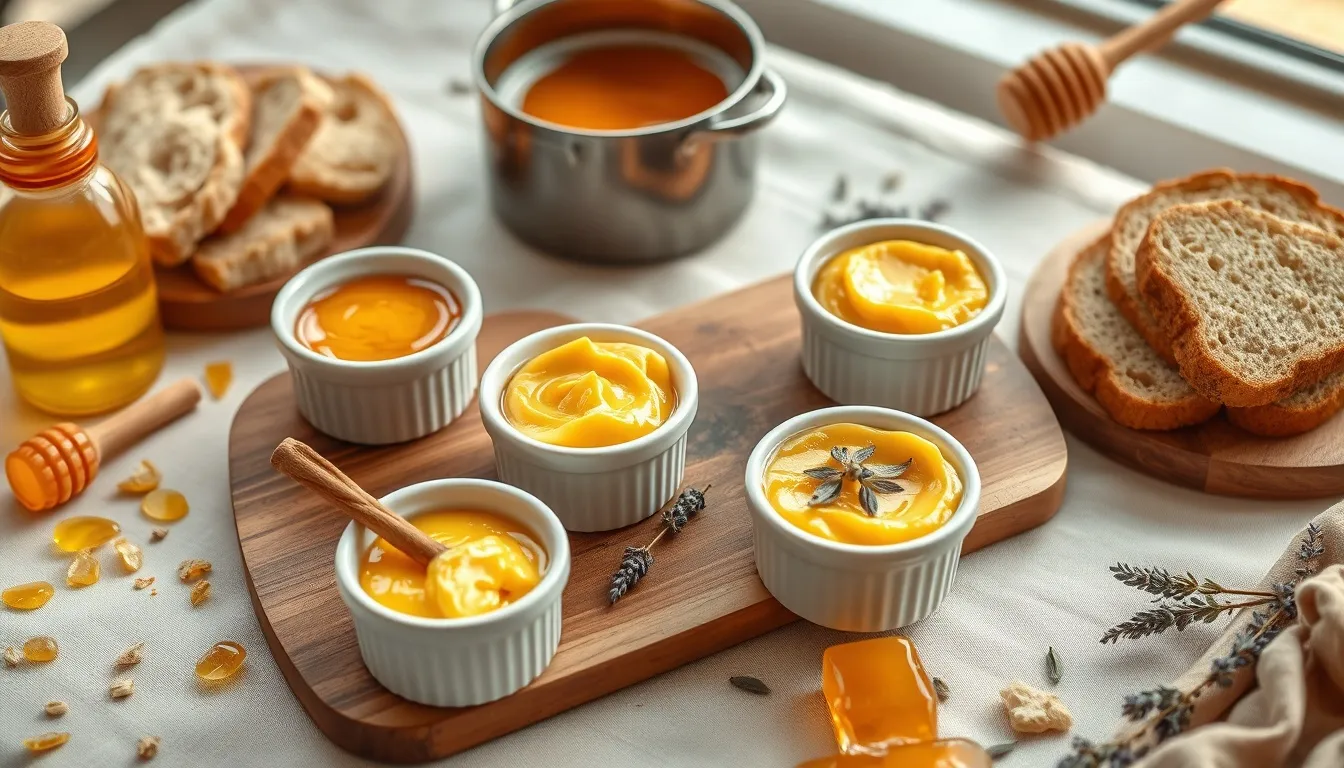
The quality of your honey and butter directly determines the quality of your honey butter — since there are only two main ingredients, each one matters enormously. For honey, [clover honey](/honey/clover-honey) is the most popular and versatile choice — its mild, clean sweetness blends seamlessly with butter without overpowering it. [Wildflower honey](/honey/wildflower-honey) adds floral complexity and works beautifully in a simple honey butter meant for artisan bread or cheese boards. [Orange blossom honey](/honey/orange-blossom-honey) brings citrus notes that pair exceptionally well with scones, muffins, and cornbread. [Buckwheat honey](/honey/buckwheat-honey) creates a bold, molasses-like honey butter that stands up to hearty breads like pumpernickel, whole wheat, and sourdough. [Lavender honey](/honey/lavender-honey) produces an elegant, aromatic spread perfect for afternoon tea service with delicate pastries. Creamed honey (also called whipped or spun honey) is an excellent choice because its thick, spreadable texture incorporates into butter even more smoothly than liquid honey — no streaking or separation. For a premium honey butter, try [Manuka honey](/honey/new-zealand-manuka-umf-15) for its distinctive caramel notes (save this for a simple preparation where the honey flavor shines) or [tupelo honey](/honey/tupelo-honey) for its buttery character that complements actual butter remarkably well. Always use raw, unfiltered honey when possible — the complex enzymes and pollen add depth that pasteurized, ultra-filtered honey lacks. For butter, European-style butter with 82 to 86 percent butterfat (compared to 80 percent in standard American butter) produces a richer, more luxurious honey butter — brands like Kerrygold, Plugrá, President, or Organic Valley European Style are widely available. Cultured butter adds a subtle tanginess that balances honey's sweetness beautifully. Unsalted butter gives you full control over the flavor — add your own pinch of high-quality salt to taste. Grass-fed butter has a deeper yellow color and slightly more complex flavor from the beta-carotene in the cows' diet. Vegan honey butter can be made with plant-based butter alternatives, though the texture will be slightly different — use a high-fat option like Miyoko's for the best results.
What Are the Best Ways to Use Honey Butter?
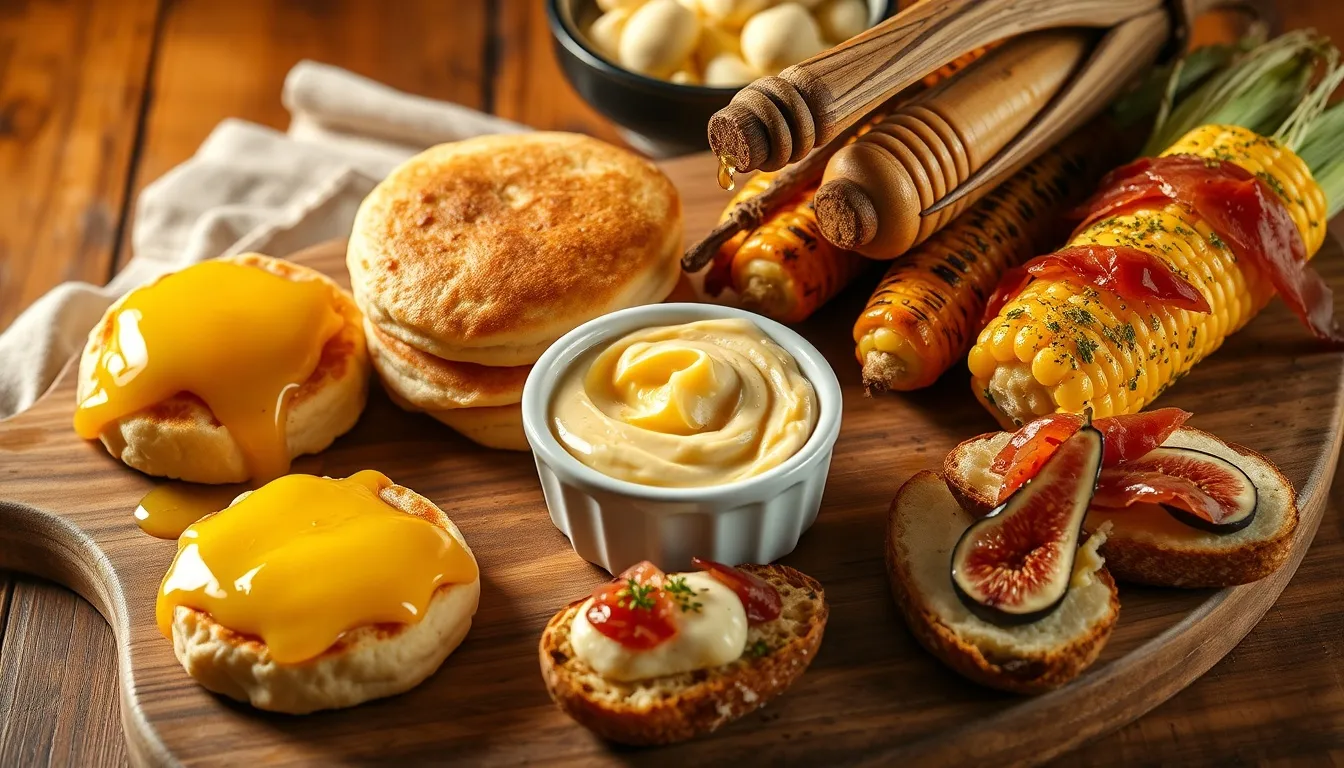
Honey butter's uses extend far beyond simply spreading it on toast — though that remains one of life's simplest pleasures. For bread and baked goods, honey butter is the ultimate companion for fresh biscuits (the classic Southern pairing), cornbread (let it melt into the warm crumb), dinner rolls, sourdough toast, English muffins, bagels, banana bread, and waffles. The key is serving it at room temperature so it spreads easily, or dotting it onto hot items so it melts on contact. For cooking, honey butter makes an exceptional finishing sauce — toss it with roasted sweet potatoes, carrots, or Brussels sprouts in the last 2 minutes of cooking for a glossy, caramelized glaze. Melt honey butter over grilled corn on the cob for a summer staple. Use it as a compound butter for steak — place a tablespoon of chilled honey butter on a hot-off-the-grill steak and let it melt into a rich sauce. Honey butter is also a quick pancake and waffle upgrade — instead of separate butter and syrup, a generous spread of honey butter provides both richness and sweetness in one layer. For baking, substitute honey butter for plain butter in quick breads, muffins, and scones — reduce other sweeteners by 1 to 2 tablespoons to account for the honey already in the butter. Honey butter makes a wonderful holiday gift — shape into decorative molds, wrap in parchment paper tied with twine, and pair with a loaf of artisan bread. Restaurant presentation tips: serve honey butter in a small ramekin with a wooden spreader, pipe it into rosettes using a pastry bag for an elegant look, or roll it into a log with herbs pressed into the surface for a cheese board centerpiece. For an impressive appetizer, make honey butter crostini — spread honey butter on toasted baguette slices and top with prosciutto, fig jam, blue cheese crumbles, or fresh figs.
Is Honey Butter Good for You? Nutrition Facts
Honey butter is an indulgent condiment, not a health food — but it has nutritional advantages over many commercial spreads when made with quality ingredients. A tablespoon of homemade honey butter contains approximately 75 to 85 calories, 7 grams of fat (4.5 grams saturated), 4 to 5 grams of sugar, and trace amounts of vitamins A, D, and E from the butter. By comparison, a tablespoon of margarine contains similar calories but includes trans fats and processed vegetable oils in many brands, while a tablespoon of Nutella contains 100 calories, 6 grams of fat, and 11 grams of sugar — nearly triple the sugar of honey butter. The nutritional value of honey butter depends heavily on ingredient quality. Grass-fed butter provides more omega-3 fatty acids, conjugated linoleic acid (CLA), and fat-soluble vitamins (A, D, E, K2) than conventional butter — a 2019 study in Food Science and Nutrition found grass-fed butter contained 500 percent more CLA, a fatty acid associated with improved body composition and reduced inflammation. Raw honey contributes antioxidants (flavonoids and phenolic acids), with a 2022 meta-analysis in Nutrition Reviews analyzing 18 clinical trials finding honey improved markers of total cholesterol, LDL cholesterol, fasting blood glucose, and triglycerides compared to control sweeteners. The combination means that honey butter made with grass-fed butter and raw honey delivers more beneficial compounds than spreads made with conventional butter and refined sugar. However, moderation is important — the American Heart Association recommends limiting saturated fat to 13 grams per day on a 2,000-calorie diet, and 2 tablespoons of honey butter provides about 9 grams. Commercial honey butters often contain added ingredients like palm oil (to keep the spread soft), sugar, corn syrup, natural flavors, or preservatives — read labels carefully and look for products with just two or three ingredients: butter, honey, and possibly salt.
How Do You Store Honey Butter? Safety and Shelf Life
Proper storage ensures your honey butter stays fresh, safe, and delicious. Homemade honey butter should be stored in an airtight container (glass jars, small ceramic crocks, or food-grade plastic containers all work well) in the refrigerator, where it will keep for 2 to 3 weeks. The honey acts as a mild preservative due to its low water activity and natural antimicrobial properties, giving honey butter a slightly longer fridge life than plain compound butter (which typically lasts 1 to 2 weeks). For longer storage, honey butter freezes exceptionally well for up to 3 months — roll it into a log in parchment paper, wrap tightly in plastic wrap, then place in a freezer bag. Slice off rounds as needed and thaw in the refrigerator overnight or at room temperature for 20 to 30 minutes. Always bring honey butter to room temperature before serving for the best texture — cold honey butter straight from the fridge will be hard and difficult to spread, losing the light, whipped quality that makes it special. If your honey butter separates slightly (a thin layer of honey liquid on top), simply stir it back together — this can happen if the butter wasn't fully at room temperature when mixed or if storage temperature fluctuated. Commercial honey butter typically has a longer shelf life (3 to 6 months) due to stabilizers, but check the label for a best-by date and follow refrigeration instructions after opening. Discard honey butter if you notice mold, off odors, or a sour taste — while honey itself is extremely shelf-stable, the dairy in butter can spoil and develop harmful bacteria. One important safety note that applies to all honey products: never give honey butter to infants under 12 months old due to the risk of infant botulism from Clostridium botulinum spores that can be present in honey. The heat of butter whipping does not reach temperatures sufficient to destroy these spores. For everyone else, honey butter is perfectly safe and one of the simplest ways to bring the real flavor of honey into everyday cooking.
Frequently Asked Questions
What is the ratio for honey butter?
The classic honey butter ratio is 1/2 cup (1 stick) softened unsalted butter to 2-3 tablespoons of honey, plus a pinch of salt. Use 2 tablespoons of honey for a subtly sweet version or 3 for a sweeter spread. Beat with a mixer until light and fluffy, about 2-3 minutes.
What is the best honey for honey butter?
[Clover honey](/honey/clover-honey) $8-15 is the best all-purpose choice for its mild, clean sweetness. [Wildflower honey](/honey/wildflower-honey) $10-18 adds floral complexity, [orange blossom honey](/honey/orange-blossom-honey) $12-20 brings citrus notes perfect for scones, [buckwheat honey](/honey/buckwheat-honey) $15-25 creates a bold spread for hearty breads with exceptional antioxidants, and [lavender honey](/honey/lavender-honey) $15-25 offers elegant aromatherapy notes. Creamed honey incorporates especially smoothly. Always use raw honey for the best flavor and beneficial compounds.
How long does honey butter last?
Homemade honey butter keeps refrigerated in an airtight container for 2-3 weeks. It can be frozen for up to 3 months — roll into a log in parchment paper and wrap in plastic. Bring to room temperature 15-20 minutes before serving for the best spreadable texture.
How do you make cinnamon honey butter like Texas Roadhouse?
Beat 1/2 cup softened butter until creamy, then add 3 tablespoons honey, 1 teaspoon ground cinnamon, 1/2 teaspoon vanilla extract, and a pinch of salt. Whip on high speed for 2-3 minutes until light and fluffy. Refrigerate 30 minutes to set, then serve at room temperature.
Is honey butter better than regular butter?
Honey butter adds natural sweetness and antioxidants from raw honey, and has less sugar per tablespoon than Nutella or jam. However, it is calorie-dense at about 80 calories per tablespoon. Made with grass-fed butter and raw honey, it provides more beneficial compounds than margarine or spreads with artificial ingredients.
Which honey varieties should I choose for different butter goals?
For everyday spreading: [clover honey](/honey/clover-honey) $8-15 mild sweetness pairs with everything, [wildflower honey](/honey/wildflower-honey) $10-18 balanced complexity. For special occasions: [lavender honey](/honey/lavender-honey) $15-25 elegant afternoon tea spreads, [orange blossom honey](/honey/orange-blossom-honey) $12-20 citrus sophistication for pastries. For hearty breads: [buckwheat honey](/honey/buckwheat-honey) $15-25 bold molasses depth with exceptional ORAC 16,000+ antioxidants. For premium applications: [Manuka honey](/honey/new-zealand-manuka-umf-15) UMF 10+ $35-60 distinctive caramel complexity, [tupelo honey](/honey/tupelo-honey) $25-45 buttery character that never crystallizes. For easy spreading: any creamed honey variety incorporates smoothly without streaking.
Can babies eat honey butter?
No — honey butter should never be given to children under 12 months old due to the risk of infant botulism from Clostridium botulinum spores in honey. Whipping butter does not reach temperatures high enough to destroy these spores. After 12 months, honey butter is safe.
Edited by Sam French · Raw Honey Guide Editorial Team
Source reviewed against primary literature and official guidance where available. Health content is educational, not medical advice, and does not replace a licensed clinician.
Get the Honey Buyer's Cheat Sheet (free PDF)
16 varieties on one page — color, flavor, best use and what a fair price looks like — from the 268 honeys we track.
Related Guides
Cooking with Honey
Tips for baking, glazes, and pairings.
Read GuideHoney in Baking
Substitution ratios and baking tips.
Read GuideCreamed Honey Guide
What creamed honey is, the Dyce method, best varieties, and buying tips.
Read GuideRelated Articles
Honey Butter: How to Make It + 8 Delicious Ways to Use It
Learn how to make honey butter at home in 5 minutes with just 2 ingredients. Plus 8 creative ways to use it — biscuits, corn, pancakes, toast, and more.
Read ArticleCreamed Honey vs Raw Honey: What's the Difference?
Creamed honey vs raw honey — how they differ in processing, texture, nutrition, and taste. Which one should you buy?
Read ArticleHoney and Cinnamon: 8 Benefits Backed by Science
Honey and cinnamon: 8 science-backed benefits for blood sugar, immunity, digestion, and heart health. Plus 5 easy recipes.
Read ArticleTypes of Honey: A Complete Guide to 20+ Varieties
Guide to 20+ honey varieties — clover, manuka, buckwheat, wildflower, and more. How floral source affects flavor and use.
Read ArticleHoney Biscuits: Fluffy Buttermilk Recipe (5 Flavor Variations)
Tall, fluffy honey buttermilk biscuits in 25 minutes. 5 flavor variations, the best honey varieties for baking, and tips for tender, flaky layers every...
Read ArticleHoney Cinnamon Butter: Whipped Recipe (6 Flavor Variations)
Fluffy whipped honey cinnamon butter in 5 minutes. 6 flavor variations, the best honey varieties, and pairing ideas for biscuits, toast, pancakes, and...
Read ArticleHoney Butter Corn on the Cob: Grilled & Oven-Roasted Recipe
Sweet, smoky honey butter corn on the cob — grilled or oven-roasted. Simple 4-ingredient glaze, 5 seasoning variations, and tips for the best char.
Read ArticleHoney Butter Rolls: Soft, Pillowy Recipe (5 Flavor Variations)
Soft, fluffy honey butter rolls with a golden honey glaze. Simple yeast dough with just 7 ingredients.
Read ArticleHoney Butter Shrimp: Easy 10-Minute Skillet Recipe (4 Variations)
Golden honey butter shrimp in 10 minutes flat. Rich, glossy, restaurant-quality glaze with 4 easy variations. The fastest impressive dinner you can make.
Read ArticleFind the perfect honey for your honey butter