What Is Honey Butter?
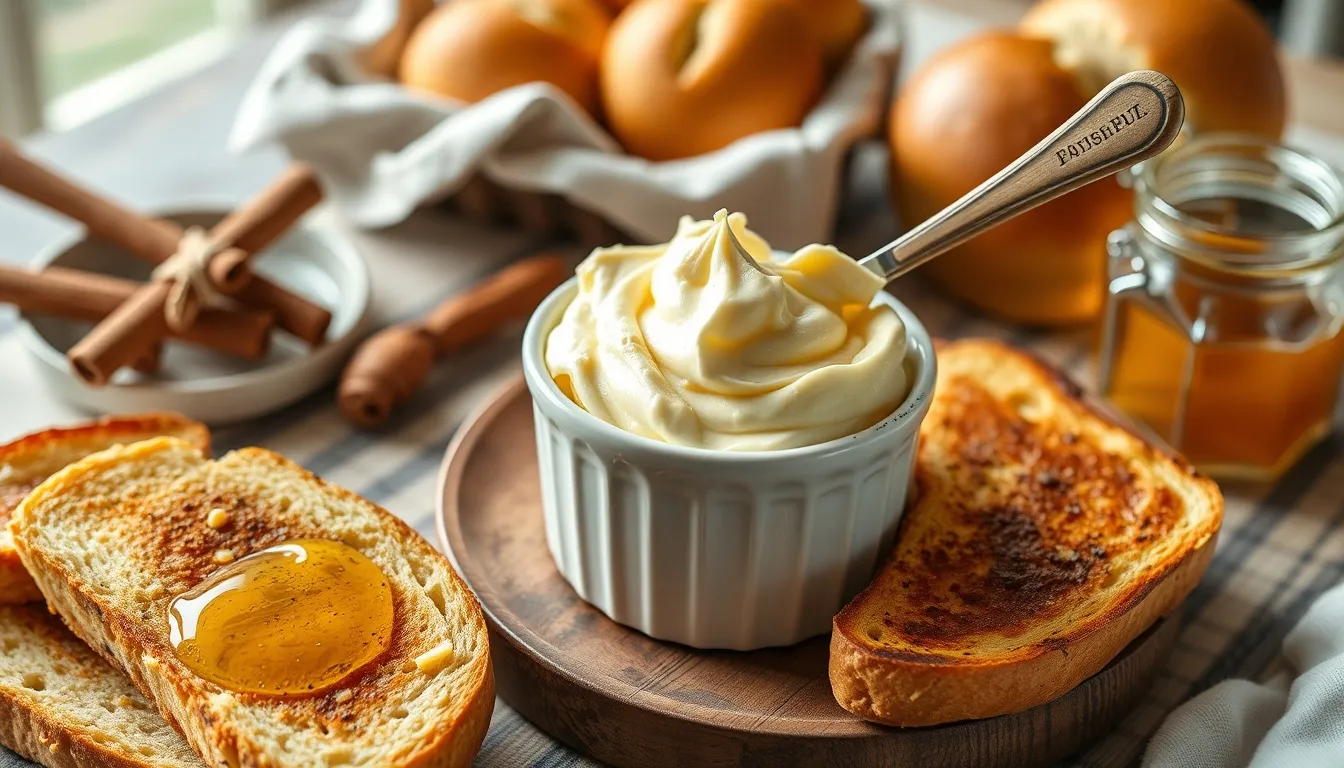
Honey butter is a compound butter made by whipping softened butter with honey until smooth and fluffy. The result is a spreadable, lightly sweet butter with a rich golden hue that melts beautifully on warm bread, biscuits, cornbread, and dozens of other foods.
Unlike flavored butters that require herbs, spices, or special techniques, honey butter is as simple as it gets: two ingredients, five minutes, and a bowl. Yet the combination is more than the sum of its parts — the milkfat in butter rounds out honey's sweetness, while the honey adds floral complexity that plain butter lacks.
Honey butter has deep roots in Southern and Midwestern American cooking, where it's a staple alongside fresh biscuits and cornbread. Texas Roadhouse famously serves cinnamon honey butter with every meal, and it's a highlight of church potlucks and holiday tables across the country. But it's also incredibly versatile — use it as a cooking fat, a glaze, a topping, or even a gift.
How to Make Honey Butter: The Basic Recipe
This foundational recipe takes about 5 minutes. Once you master it, try the flavor variations below.
- **Ingredients:** 1/2 cup (1 stick) unsalted butter, softened to room temperature; 2-3 tablespoons raw honey; pinch of fine sea salt (optional, but recommended for flavor balance).
- **Step 1: Soften the butter** — Leave butter at room temperature for 30-45 minutes until it yields easily to a finger press but isn't melting. Too cold and it won't whip smoothly; too warm and the mixture will be greasy rather than fluffy.
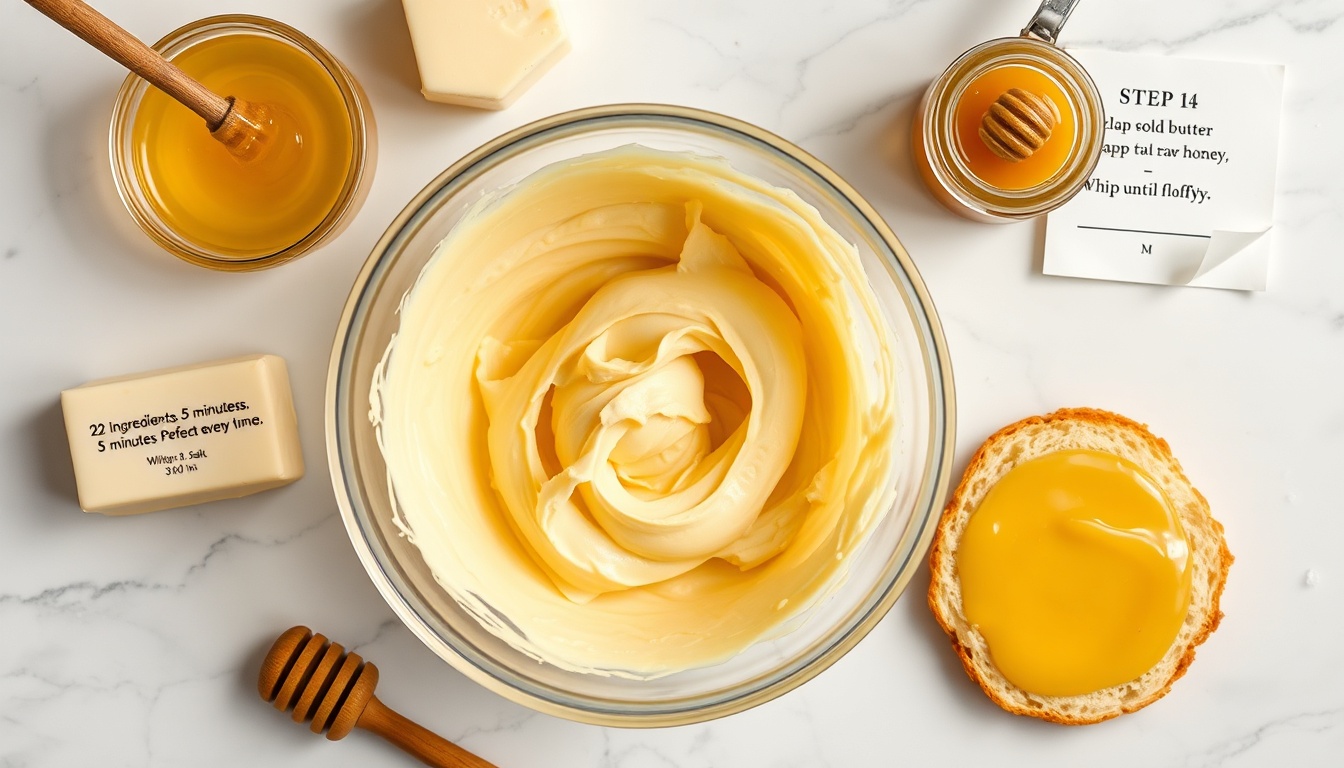
- **Step 2: Whip the butter** — Using a hand mixer, stand mixer with paddle attachment, or a fork and some elbow grease, beat the butter for 1-2 minutes until light and creamy.
- **Step 3: Add the honey** — Drizzle in the honey while mixing on low speed. Start with 2 tablespoons and taste — you can always add more. The ratio is flexible: 2 tablespoons gives subtle sweetness, 3 tablespoons makes it noticeably sweet.
- **Step 4: Beat until fluffy** — Increase speed to medium and whip for another 1-2 minutes until the honey is fully incorporated and the texture is smooth and airy. Add a pinch of salt if using.
- **Step 5: Store** — Transfer to a small jar, ramekin, or roll into a log using plastic wrap. Refrigerate for up to 2 weeks, or freeze for up to 3 months.
Pro Tip
For the best flavor, use a high-quality honey with character. Clover honey ($8–15/lb) gives classic mild sweetness, wildflower honey ($10–18/lb) adds floral complexity, and orange blossom honey ($12–20/lb) brings citrus notes that pair beautifully with butter.
Get the Honey Buyer's Cheat Sheet (free PDF)
16 varieties on one page — color, flavor, best use and what a fair price looks like — from the 268 honeys we track.
Choosing the Best Honey for Honey Butter
The honey you use dramatically affects the final flavor. Since honey butter has only two ingredients, the honey variety is the main variable.
- **Clover honey ($8–15/lb)** — The classic choice. Mild, clean sweetness that lets the butter flavor shine. Best for: everyday use, biscuits, toast.
- **Wildflower honey ($10–18/lb)** — More complex with floral and herbal notes that vary by region and season. Best for: cornbread, pancakes, waffles.
- **Orange blossom honey ($12–20/lb)** — Light citrus and floral notes create an elegant honey butter. Best for: scones, croissants, fruit toppings.
- **Lavender honey ($15–25/lb)** — Delicate floral aroma adds a sophisticated touch. Best for: tea biscuits, pound cake, crepes.
- **Buckwheat honey ($15–25/lb)** — Dark, robust, and malty with a molasses-like depth and. Best for: dark breads, sweet potatoes, fall baking.
- Best for: special occasions, gifts.
Pro Tip
Avoid heated or ultra-processed honeys if you want to preserve the enzymes and beneficial compounds in your honey butter. Raw honey gives you both better flavor and more nutritional value.
5 Flavor Variations to Try
Once you've mastered the basic recipe, these variations open up a world of possibilities. Each starts with the base recipe above.
- **Cinnamon honey butter** — Add 1/2 teaspoon ground Ceylon cinnamon. This is the famous Texas Roadhouse copycat. See our guide to honey and cinnamon for more on this classic pairing.
- **Salted honey butter** — Use salted butter instead of unsalted, and add an extra 1/4 teaspoon flaky sea salt (Maldon or fleur de sel) folded in at the end for crunch. The sweet-salty contrast is addictive.
- **Vanilla honey butter** — Add 1/2 teaspoon pure vanilla extract or the seeds from half a vanilla bean. Spectacular on French toast, waffles, and sweet rolls.
- **Honey herb butter** — Fold in 1 tablespoon finely minced fresh herbs (rosemary, thyme, or sage) after whipping. Use for savory applications like roasted vegetables, grilled meats, and warm bread.
- **Spicy honey butter** — Mix in 1/2 teaspoon cayenne pepper or 1 tablespoon of your favorite hot honey. The sweet-heat-fat combination is incredible on cornbread, fried chicken biscuits, and roasted sweet potatoes.
8 Delicious Ways to Use Honey Butter
Honey butter goes far beyond a simple bread spread. Here are eight ways to work it into your cooking.
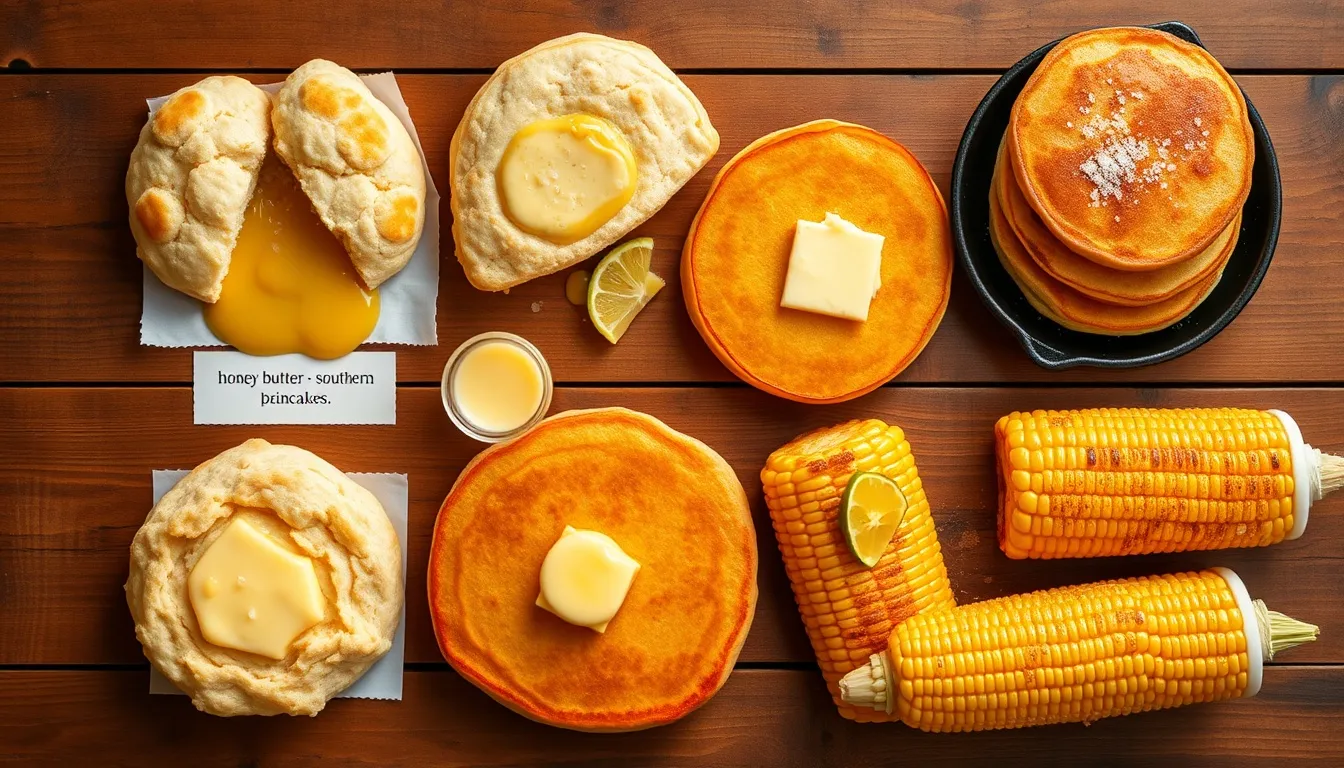
- **1. Warm biscuits and rolls** — The classic pairing. Honey butter melts into the nooks and crannies of a fresh-from-the-oven biscuit, creating pockets of sweet, buttery richness. Split the biscuit while hot and let the butter melt in.
- **2. Cornbread** — Honey butter and warm cornbread is a Southern institution. The sweetness complements cornbread's grainy texture and mild corn flavor. For an extra layer, drizzle honey on top of the honey butter.
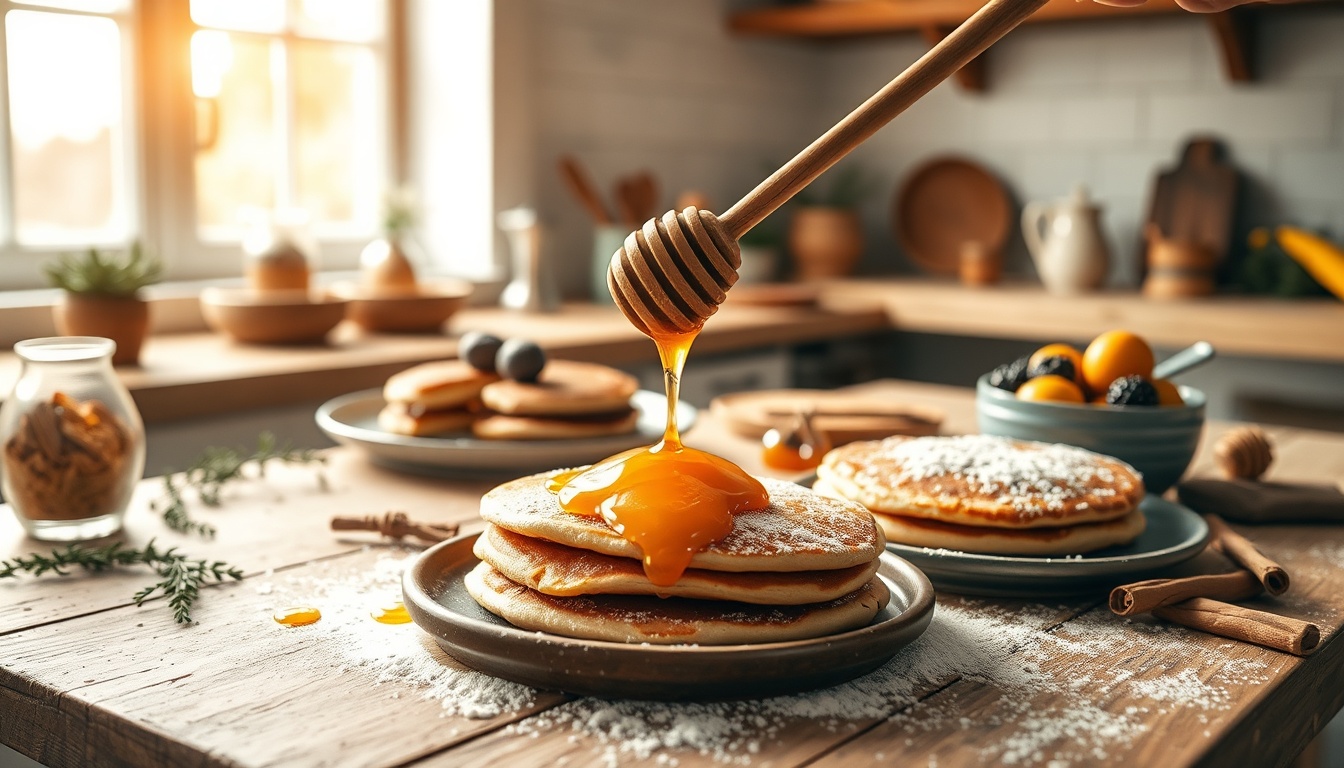
- **3. Pancakes and waffles** — Replace regular butter with honey butter for a more complex flavor. It eliminates the need for syrup — or use both for maximum indulgence. The natural sugars in honey caramelize slightly against the hot surface.
- **4. Roasted sweet potatoes and carrots** — Toss root vegetables with a tablespoon of honey butter before or after roasting. The butter promotes browning while the honey glazes the surface. Add a pinch of cinnamon for a fall side dish.
- **5. Grilled corn on the cob** — Brush ears with melted honey butter after grilling. The smoky char, sweet honey, and rich butter create a flavor combination that rivals any steakhouse side. Finish with flaky salt and a squeeze of lime.
- **6. Toast and bagels** — Elevate everyday breakfast toast by swapping regular butter for honey butter. Especially good on whole wheat, sourdough, and everything bagels where the nuttier bread flavors complement the honey.
- **7. Glazing meats** — Brush honey butter on chicken, pork chops, or salmon during the last few minutes of cooking. The butter bastes the protein while the honey caramelizes into a glossy glaze. Add soy sauce and garlic for an easy honey-garlic glaze.
- **8. Baking enrichment** — Substitute honey butter 1:1 for regular butter in muffins, quick breads, and coffee cakes. It adds subtle sweetness and moisture, which means you can reduce the sugar in the recipe by 1-2 tablespoons. See our baking substitution guide for more honey baking tips.
Honey Butter Nutrition: How It Compares
But compared to other sweet spreads, it holds up well nutritionally.
One tablespoon of honey butter (roughly 2 teaspoons butter + 1 teaspoon honey) contains approximately 80-90 calories, 7g fat, and 5g sugar. For comparison, one tablespoon of regular jam or jelly has 50 calories and 12-13g sugar (all refined), while one tablespoon of Nutella has 100 calories and 11g sugar.
If you're using raw honey, you also retain beneficial enzymes like glucose oxidase and diastase.
The amount used in this recipe or serving describes that preparation, not a daily recommendation. Use the daily added-sugar guide to count honey with other added or free sugars.
Storage and Shelf Life
Proper storage keeps honey butter fresh and spreadable for weeks.
- **Room temperature (1-2 days)** — Honey butter can sit out for a day or two if your kitchen is cool (below 70°F). The honey's natural antimicrobial properties provide some protection, but the butter component will eventually go rancid at warm temperatures.
- **Refrigerated (2-3 weeks)** — The best balance of freshness and convenience. Honey butter firms up in the fridge but softens quickly at room temperature. Pull it out 10-15 minutes before serving for easy spreading.
- **Frozen (3 months)** — Roll honey butter into a log in plastic wrap, then seal in a freezer bag. Slice off rounds as needed. Freezing doesn't affect flavor or texture after thawing.
Pro Tip
If your refrigerated honey butter is too hard to spread, microwave it for 5-8 seconds or let it sit at room temperature for 10 minutes. Don't fully melt it — you want soft and spreadable, not liquid.
Common Mistakes to Avoid
Honey butter is simple, but a few common errors can affect the result.
- **Using cold butter** — Cold butter won't whip properly and the honey will form streaks instead of incorporating evenly. Always start with room-temperature butter.
- **Adding too much honey** — More than 3 tablespoons per stick of butter makes the mixture too loose and sticky. Start with 2 tablespoons, taste, and adjust.
- **Using low-quality honey** — With only two ingredients, quality matters. Cheap honey blended with corn syrup will taste flat. Use real honey — ideally raw — for the best flavor.
- **Over-mixing** — Whip just until smooth and fluffy. Over-mixing can cause the butter to break (separate into fat and liquid), especially in warm kitchens.
- **Skipping the salt** — A pinch of salt is technically optional but practically essential. It balances the sweetness and makes the butter flavor pop. Even a tiny amount makes a noticeable difference.