What Makes Manuka Honey Different
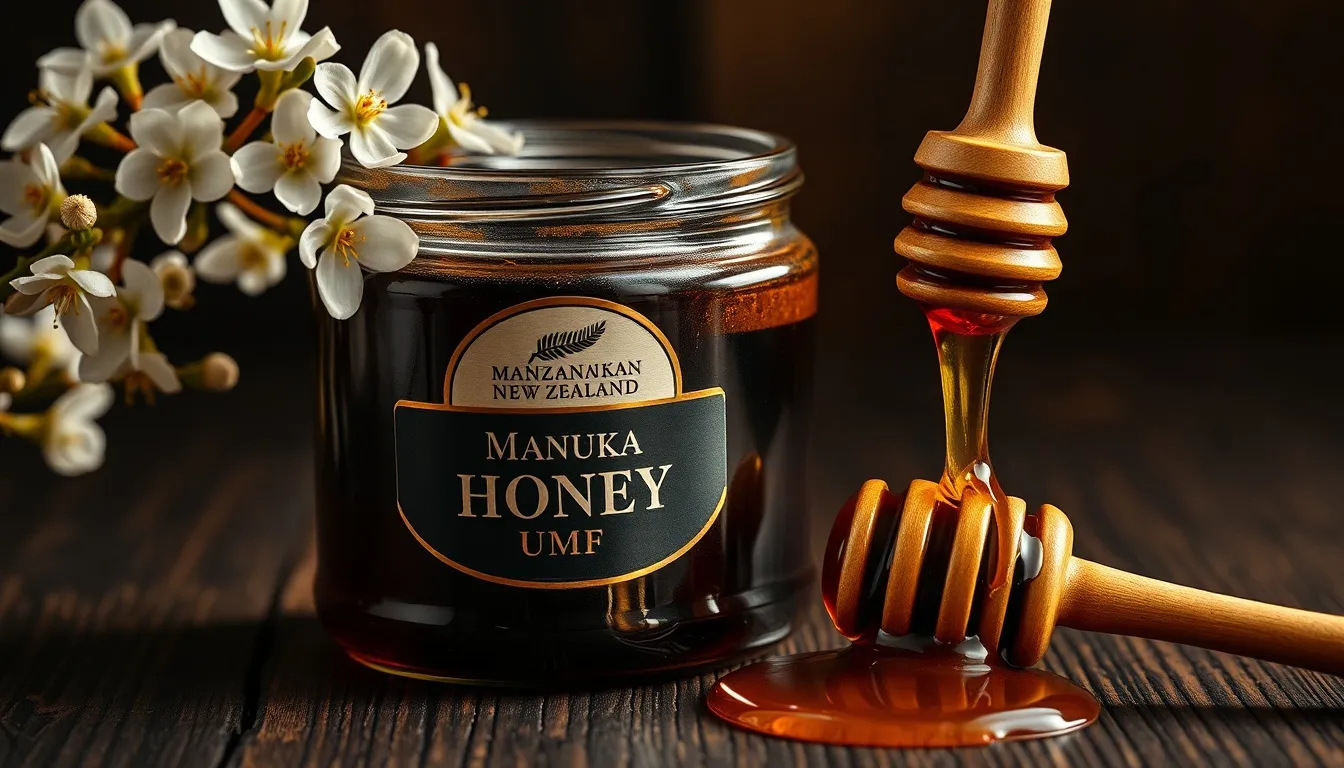
All raw honeys contain hydrogen peroxide as an antibacterial agent, produced by the enzyme glucose oxidase. Manuka honey has this too — but it also contains methylglyoxal (MGO), a compound derived from dihydroxyacetone (DHA) in the nectar of the Leptospermum scoparium bush (tea tree), native to New Zealand and parts of Australia.
MGO gives manuka honey a "non-peroxide activity" (NPA) — antibacterial potency that persists even when hydrogen peroxide is neutralized by catalase enzymes in human tissue. This is why manuka is the only honey with strong clinical evidence for wound care, and why it commands premium prices ($35-60+ per jar for UMF 10+).
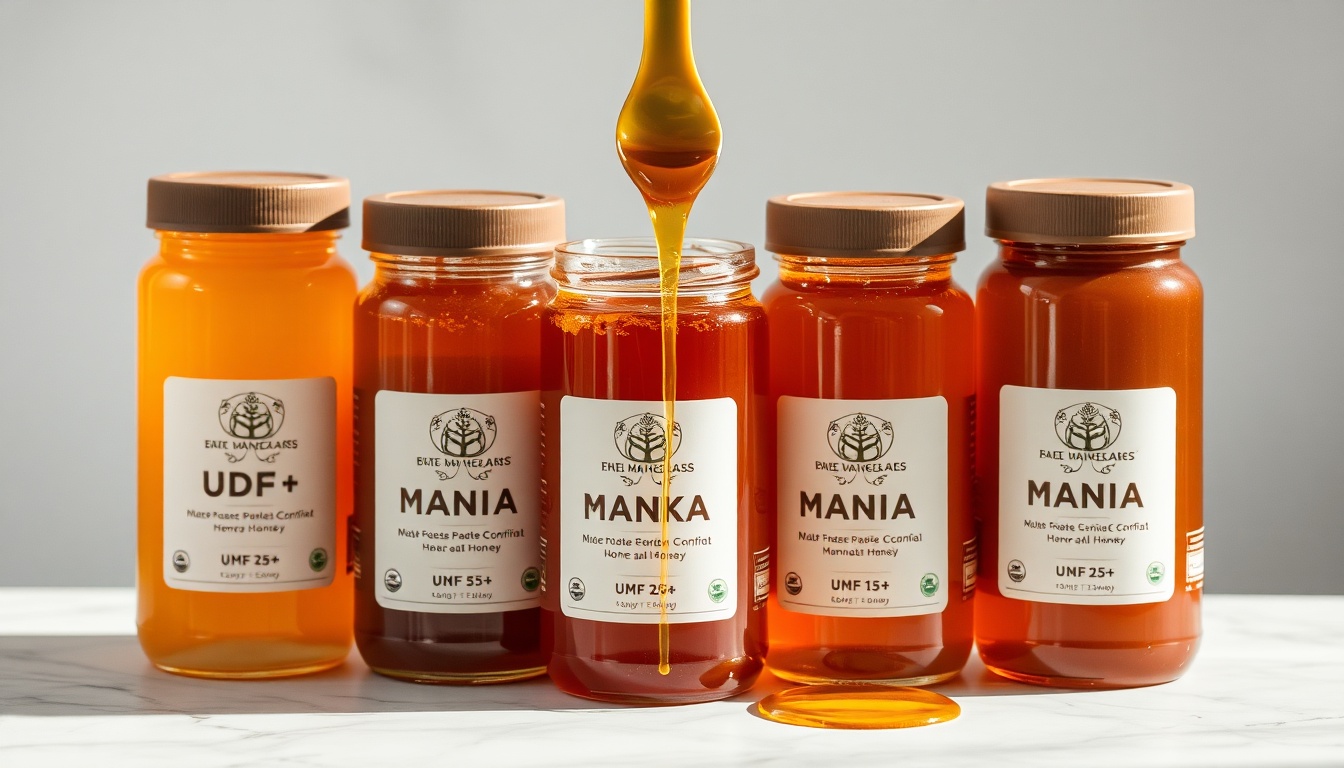
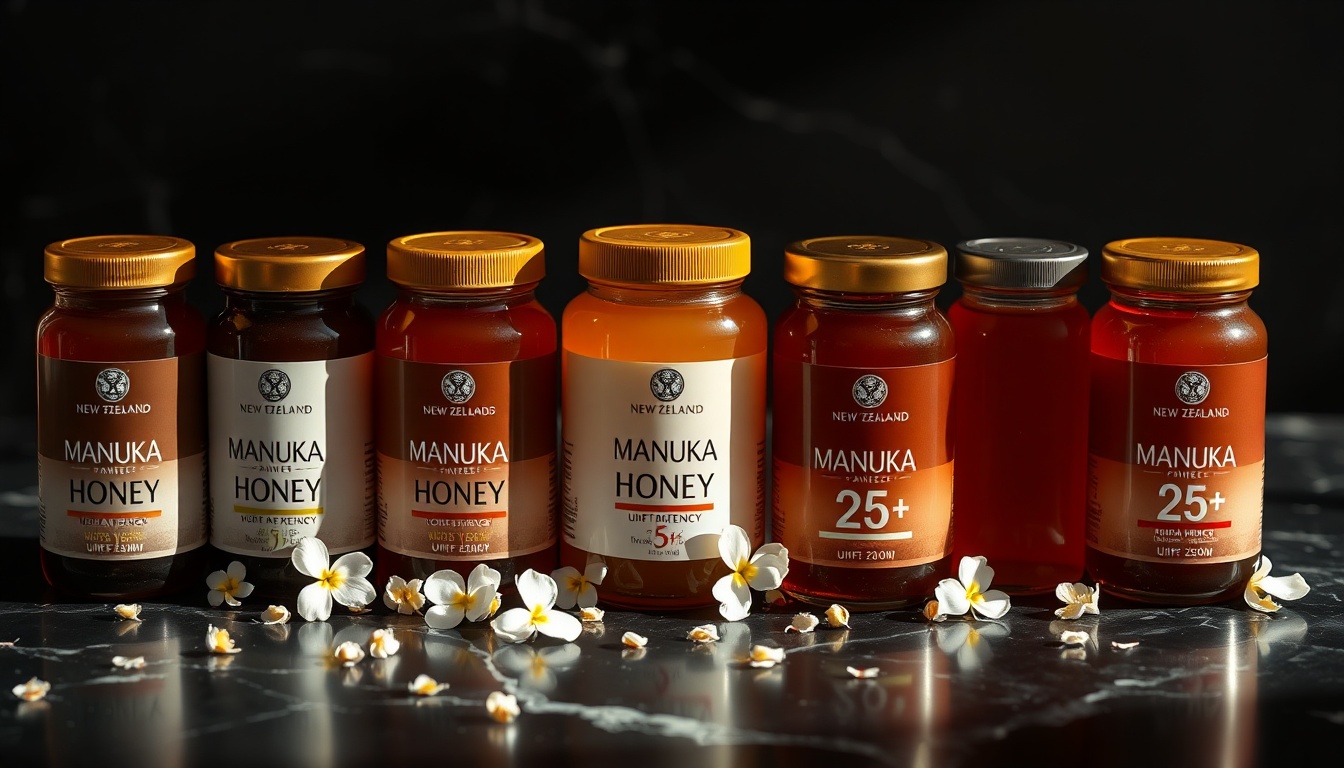
Not all manuka honey is equal. The UMF (Unique Manuka Factor) and MGO grading systems measure bioactive potency. UMF 5+ / MGO 83+ is entry-level; UMF 15+ / MGO 514+ is medical-grade. The grade you need depends entirely on what you are using it for — and for many daily health purposes, standard raw honey like clover honey ($8-15) or wildflower honey ($10-18) provides comparable benefits at a fraction of the cost.
1. Wound Healing and Burns
This is manuka honey's strongest evidence base. A 2015 Cochrane review of 26 trials (3,011 participants) found that honey — particularly manuka — significantly accelerated healing of partial-thickness burns compared to conventional dressings. Medical-grade manuka is FDA-cleared for wound care (marketed as Medihoney and Activon).
Manuka's wound healing mechanisms include osmotic dehydration of bacteria, continuous hydrogen peroxide generation, MGO-mediated biofilm disruption, low pH (3.2-4.5) inhibiting bacterial growth, and anti-inflammatory effects that reduce edema and promote granulation tissue formation.
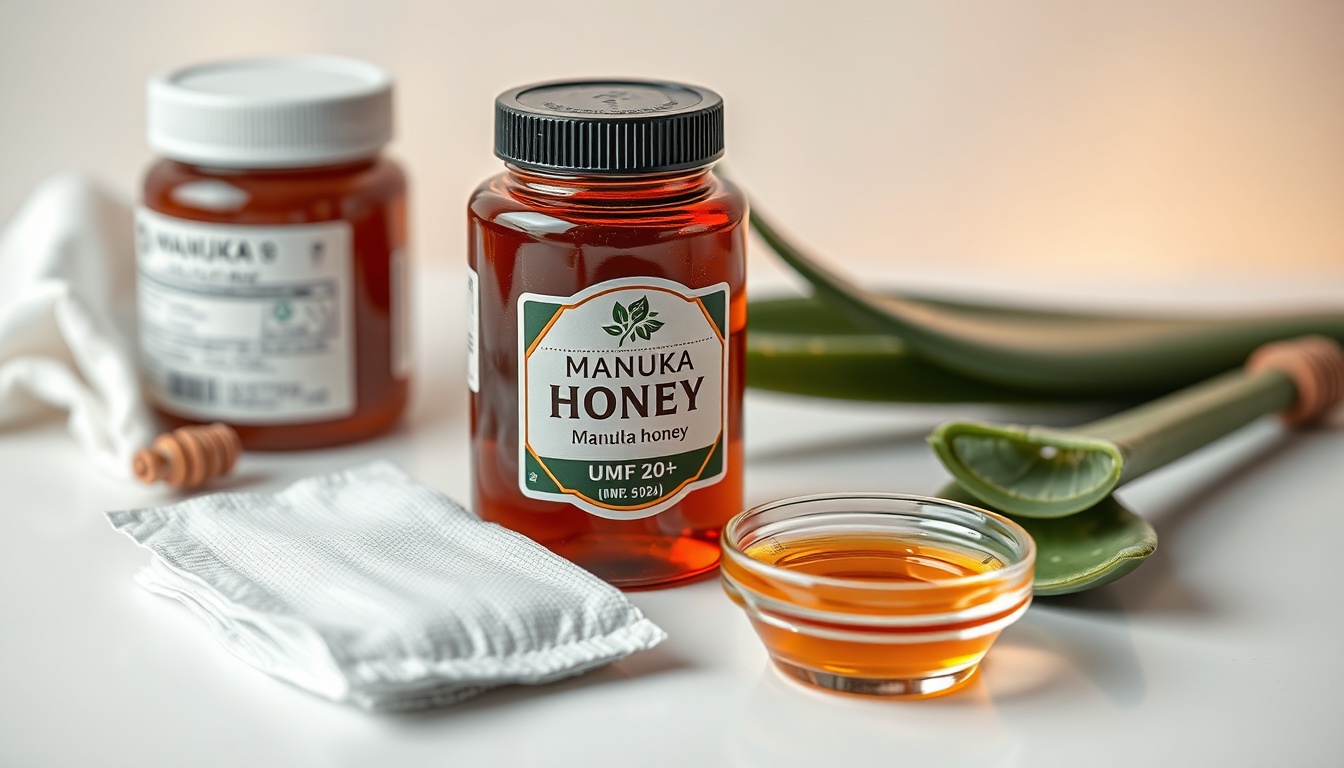
For wound care, use only medical-grade manuka (UMF 12+ / MGO 356+) or FDA-cleared manuka wound products. Grocery-store manuka is not sterile and should not be applied to open wounds. Always consult a healthcare provider for wounds that are deep, infected, or not healing.
Pro Tip
Medical-grade manuka is gamma-irradiated for sterility without losing bioactive potency. This is different from pasteurization, which destroys enzymes. Never use raw honey from a jar on serious wounds.
Get the Honey Buyer's Cheat Sheet (free PDF)
16 varieties on one page — color, flavor, best use and what a fair price looks like — from the 268 honeys we track.
2. Sore Throat and Upper Respiratory Infections
A 2020 BMJ Evidence-Based Medicine systematic review of 14 studies found that honey was superior to usual care (including antibiotics) for improving upper respiratory tract infection symptoms, particularly cough frequency and severity. While this review included all honey types, manuka's additional MGO-mediated antibacterial activity may provide extra benefit against throat pathogens.
Manuka coats and soothes inflamed throat tissue, provides osmotic antibacterial action against streptococcal bacteria, and reduces mucosal inflammation via NF-kB pathway inhibition. For sore throats, UMF 10+ / MGO 263+ is a reasonable grade — the MGO provides targeted antibacterial action in the throat.
Manuka is often taken straight off the spoon, letting it coat the throat slowly before swallowing, or dissolved in warm (not hot) tea or warm water with lemon. Avoid temperatures above 140°F/60°C, which degrade heat-sensitive enzymes.
3. Digestive Health and H. pylori
Helicobacter pylori infects roughly 50% of the global population and is the primary cause of stomach ulcers and gastritis. Manuka honey has demonstrated in vitro bactericidal activity against H. pylori at MGO concentrations achievable in the stomach (Al-Jabri et al., 2005).
Beyond H. pylori, manuka supports broader gut health through prebiotic oligosaccharides that feed beneficial Bifidobacterium and Lactobacillus species, anti-inflammatory effects on the gut mucosal lining, and selective antimicrobial activity that inhibits pathogens while preserving beneficial bacteria.
Some people use manuka (UMF 10+) on an empty stomach before meals for digestive comfort, and report acid reflux relief from its viscous mucosal coating and anti-inflammatory properties, though clinical evidence for GERD specifically is limited.
Pro Tip
Manuka honey is not a replacement for H. pylori antibiotic eradication therapy. If you have confirmed H. pylori infection, follow your gastroenterologist's treatment protocol. Manuka can be used as a complementary approach alongside standard treatment.
4. Skin Care and Acne
Manuka's combination of antibacterial, anti-inflammatory, and humectant properties makes it effective for several skin conditions. A 2017 randomized controlled trial found that manuka honey-based wound dressings improved atopic dermatitis (eczema) scores compared to conventional emollients.
For acne, manuka targets Cutibacterium acnes (the primary acne-causing bacterium) through MGO and hydrogen peroxide mechanisms. Its anti-inflammatory action reduces redness and swelling, while its humectant properties maintain skin hydration without clogging pores. Honey face masks using manuka (UMF 10+) applied for 15-20 minutes can help reduce breakouts and improve skin texture.
Manuka also shows promise for wound scarring. A 2016 Molecules review found that manuka promoted orderly collagen deposition during healing, potentially reducing hypertrophic scarring. This aligns with traditional use of honey for cosmetic wound outcomes.
5. Oral Health and Dental Plaque
This benefit surprises many people — how can a sugar-rich substance improve dental health? Research shows manuka honey inhibits the growth of Streptococcus mutans (the primary cavity-causing bacterium) and Porphyromonas gingivalis (a key periodontal pathogen) at concentrations as low as 1% in laboratory studies.
A 2010 study in the Journal of the International Academy of Periodontology found that chewing manuka honey (UMF 15+) significantly reduced dental plaque scores and gingival bleeding compared to sugar-free gum. The antibacterial effects of MGO and hydrogen peroxide outweighed the cariogenic potential of honey's sugars.
This does not mean you should replace toothpaste with honey. Rather, manuka can serve as a complementary oral health support — particularly for gingivitis and periodontal inflammation. Some natural toothpaste brands now incorporate manuka extract for this reason.
6. Anti-Inflammatory Effects
Chronic inflammation underlies many modern diseases — cardiovascular disease, diabetes, autoimmune conditions, and neurodegenerative disorders. Manuka honey contains several anti-inflammatory compounds that work through multiple pathways.
The primary mechanism is inhibition of the NF-kB signaling pathway — the master regulator of inflammatory gene expression. Manuka's polyphenols (including pinocembrin, chrysin, and galangin) block NF-kB activation, reducing production of pro-inflammatory cytokines (TNF-alpha, IL-1beta, IL-6) and inflammatory mediators (COX-2, iNOS). This anti-inflammatory action has been demonstrated in cell studies, animal models, and the 2022 meta-analysis which found significant C-reactive protein reduction with honey consumption.
Manuka's anti-inflammatory potency appears to exceed that of standard honeys, likely due to the additional contribution of MGO and leptosperin — compounds unique to Leptospermum-sourced honey.
7. Immune System Support
Manuka honey has immunomodulatory properties — meaning it helps regulate immune function rather than simply "boosting" it. A 2007 Molecular Nutrition & Food Research study found that manuka honey stimulated monocyte release of TNF-alpha, IL-1beta, and IL-6 — cytokines essential for initiating immune responses against pathogens.
Simultaneously, manuka modulates excessive immune activation (as seen in allergies and autoimmune conditions) through its anti-inflammatory pathways. This dual action — enhancing pathogen defense while reducing harmful inflammation — is what makes honey's immune effects clinically interesting.
For general immune support, a lower UMF grade (5-10) works just as well as a higher one — the polyphenols responsible for immunomodulatory effects are present in all raw honeys, not just high-MGO varieties. The added expense of UMF 20+ manuka is only justified for direct antimicrobial applications (wounds, throat infections).
8. Cough Suppression (Including in Children)
Honey is one of the few natural cough remedies with strong clinical evidence. A landmark 2007 Archives of Pediatrics study found that buckwheat honey ($15-25, ORAC 16,000+) outperformed dextromethorphan (the active ingredient in most OTC cough syrups) for nighttime cough and sleep quality in children.
While that study used buckwheat honey, manuka's additional antibacterial properties make it particularly suitable when cough is associated with bacterial throat infection. The MGO provides targeted action against respiratory pathogens while the honey's viscosity physically coats and soothes irritated airways.
For cough relief, honey is typically taken straight or stirred into a warm drink before bed. Never give honey to infants under 12 months due to botulism risk, and talk to your pediatrician about appropriate use for young children. For cough specifically, any raw honey — including more affordable buckwheat honey ($15-25) or wildflower honey ($10-18) — works well. Manuka is not necessary for cough relief.
9. Sinus Health
Chronic sinusitis affects 30 million Americans and is often driven by bacterial biofilms — structured communities of bacteria that resist antibiotics. A 2008 University of Ottawa study found that manuka honey was effective against biofilms formed by Staphylococcus aureus and Pseudomonas aeruginosa — two of the most common chronic sinusitis pathogens.
A 2014 randomized controlled trial published in the International Forum of Allergy & Rhinology found that manuka honey-enhanced saline nasal irrigation improved symptoms in chronic rhinosinusitis patients compared to standard saline irrigation alone. Patient-reported symptom scores improved significantly.
For sinus applications, medical-grade or food-grade manuka (UMF 12+) can be dissolved into a sterile saline nasal rinse — but this should only be done with sterile, distilled, or previously boiled water, never tap water. Talk to your doctor about whether nasal irrigation is appropriate for you and how to do it safely.
10. Cardiovascular Health Markers
The 2022 Nutrition Reviews meta-analysis of 18 RCTs found that honey consumption significantly reduced total cholesterol, LDL cholesterol, triglycerides, fasting blood glucose, and C-reactive protein — five independent cardiovascular risk markers. While this meta-analysis included all honey types, manuka's higher polyphenol content and unique MGO compound may contribute additional cardiovascular benefit.
Manuka's cardiovascular mechanisms include antioxidant protection of LDL from oxidation (oxidized LDL drives atherosclerosis), anti-inflammatory reduction of vascular inflammation, nitric oxide production for blood vessel dilation, and cholesterol metabolism modulation through polyphenol effects on HMG-CoA reductase.
For cardiovascular support, using raw honey (manuka or other raw varieties) as a sugar replacement is the evidence-based approach. Manuka's premium price is not justified for cardiovascular purposes alone — affordable raw buckwheat or wildflower honey provides comparable polyphenol content.
Which UMF/MGO Grade Do You Actually Need?
One of the biggest manuka marketing misconceptions is that higher grades are always better. The truth is that the UMF/MGO grade you need depends entirely on your intended use.
- UMF 5+ / MGO 83+ (daily eating, immune support, general wellness) — Adequate for daily consumption, tea sweetening, and general antioxidant intake. The polyphenol and prebiotic benefits are present at all grades. Most affordable option ($15-25/jar).
- UMF 10+ / MGO 263+ (sore throats, digestive health, skin care) — Good balance of potency and value for targeted health applications. Sufficient antibacterial strength for sore throats and H. pylori complementary support. Typical price: $25-45/jar.
- UMF 15+ / MGO 514+ (wound care, chronic infections, severe acne) — Medical-grade potency. Appropriate for serious antimicrobial applications. Research on wound healing and biofilm disruption typically uses this grade or higher. Price: $45-70/jar.
- UMF 20+ / MGO 829+ (severe wounds, clinical applications) — Hospital-grade potency. Rarely needed for home use. The antibacterial benefit above UMF 15+ shows diminishing returns for most applications. Extremely expensive ($70-120+/jar).
- For most people, UMF 10+ provides the best balance of evidence-based benefit and value. Spending more on UMF 20+ for daily consumption or tea is not supported by the evidence — the extra MGO provides no additional benefit for non-wound applications.
Pro Tip
Always buy manuka from verified New Zealand producers with UMF certification from the UMFHA (Unique Manuka Factor Honey Association). Look for the UMF trademark on the label. Learn how to spot fake manuka.
When Standard Raw Honey Is Just as Good
An honest assessment: for many of the benefits listed above, standard raw honey provides comparable results at 1/5 the price. Clover honey ($8-15) and wildflower honey ($10-18) deliver meaningful antioxidant, anti-inflammatory, and prebiotic benefits without the premium.
- Cough suppression — The landmark studies used buckwheat honey ($15-25), not manuka. Any dark, raw honey works equally well for cough.
- Antioxidant and anti-inflammatory effects — Dark honeys like buckwheat honey ($15-25, ORAC 16,000+) and chestnut honey ($20-35) match or exceed manuka's polyphenol content. For daily anti-inflammatory support, save your money.
- Prebiotic gut health — All raw honeys contain the same oligosaccharides (FOS, GOS). Manuka has no advantage for prebiotic effects.
- Cardiovascular markers — The meta-analyses showing lipid improvements used various honey types. Acacia honey ($12-20, GI ~32) is a better choice for cardiovascular support when glycemic control matters.
- Sleep support — Honey's sleep-promoting mechanism (liver glycogen replenishment + tryptophan-melatonin pathway) works with any honey type. Lavender honey ($15-25) may add calming linalool compounds.
Pro Tip
Where manuka truly excels over other honeys: wound healing, biofilm disruption, direct antibacterial applications, and sinus health. For everything else, high-quality local raw honey is an excellent — and much more affordable — choice.