Consumer Guide9 min read

Honey for Wound Healing: The Science Behind Nature's Bandage

Learn how medical-grade honey heals wounds, burns, and surgical sites. Covers the clinical evidence, which honey types work best, Medihoney, how to apply honey to wounds safely, and when to see a doctor.

Published March 14, 2026 · Updated April 3, 2026
honey wound healingmedical grade honeymanuka honey woundshoney for burns

Why Doctors Are Prescribing Honey for Wounds

Honey has been used to treat wounds for at least 4,000 years — ancient Egyptian medical papyri, Ayurvedic texts, and Greek physicians all documented its healing properties. But honey fell out of medical favor in the 20th century when antibiotics arrived. Now, as antibiotic resistance escalates into a global health crisis, medical science is rediscovering — alongside renewed interest in propolis and other bee products — what ancient healers knew: honey is an extraordinarily effective wound treatment.

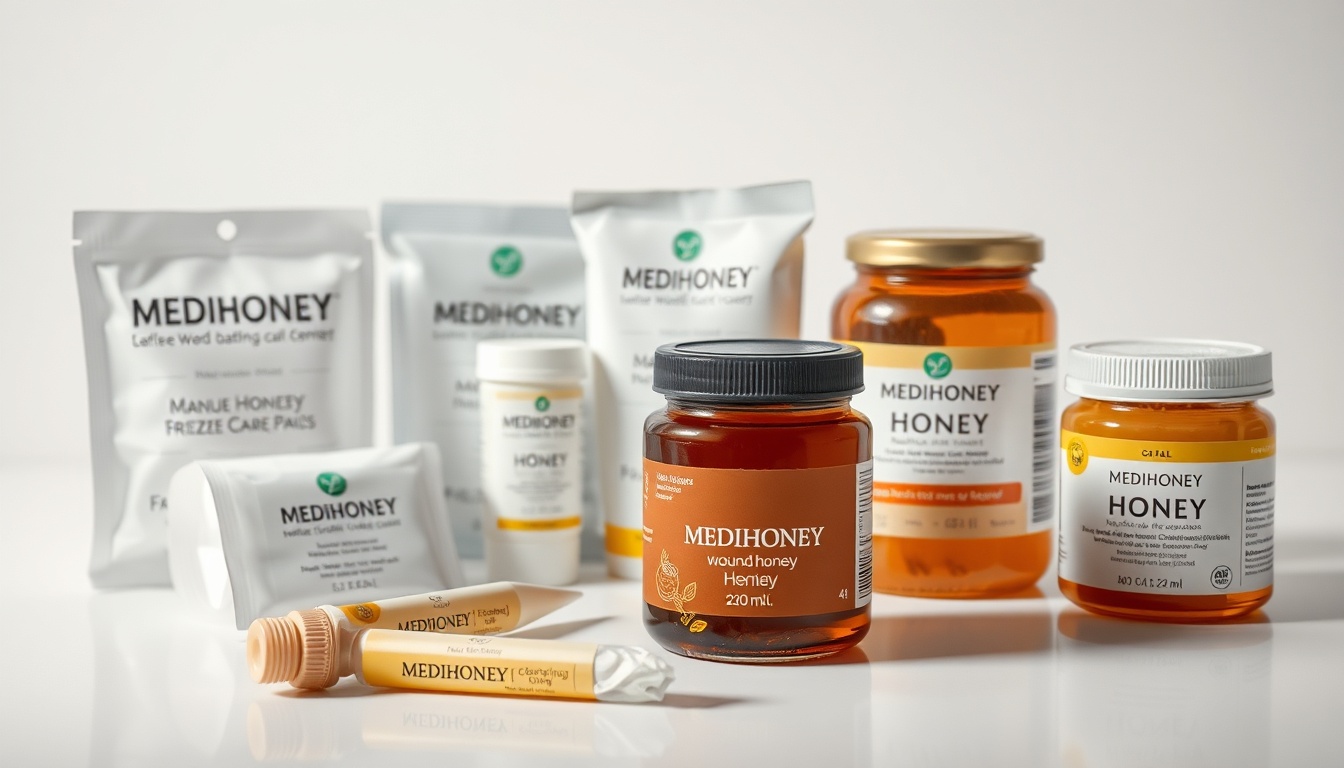
Today, FDA-cleared medical-grade honey products like Medihoney, ManukaHD, and Activon are used in hospitals worldwide for chronic wounds, burns, surgical sites, and diabetic ulcers. A 2015 Cochrane systematic review of 26 clinical trials involving 3,011 patients concluded that honey heals partial-thickness burns faster than conventional dressings and is effective for a range of acute and chronic wounds.

This isn't folk medicine — it's evidence-based wound care backed by over 4,000 published research papers. Here's how honey heals wounds, which types work best, and how to use it safely.

How Honey Heals: 7 Mechanisms of Action

Honey's wound-healing power comes from multiple synergistic mechanisms. No single factor explains its effectiveness — it's the combination that makes honey such a versatile wound treatment.

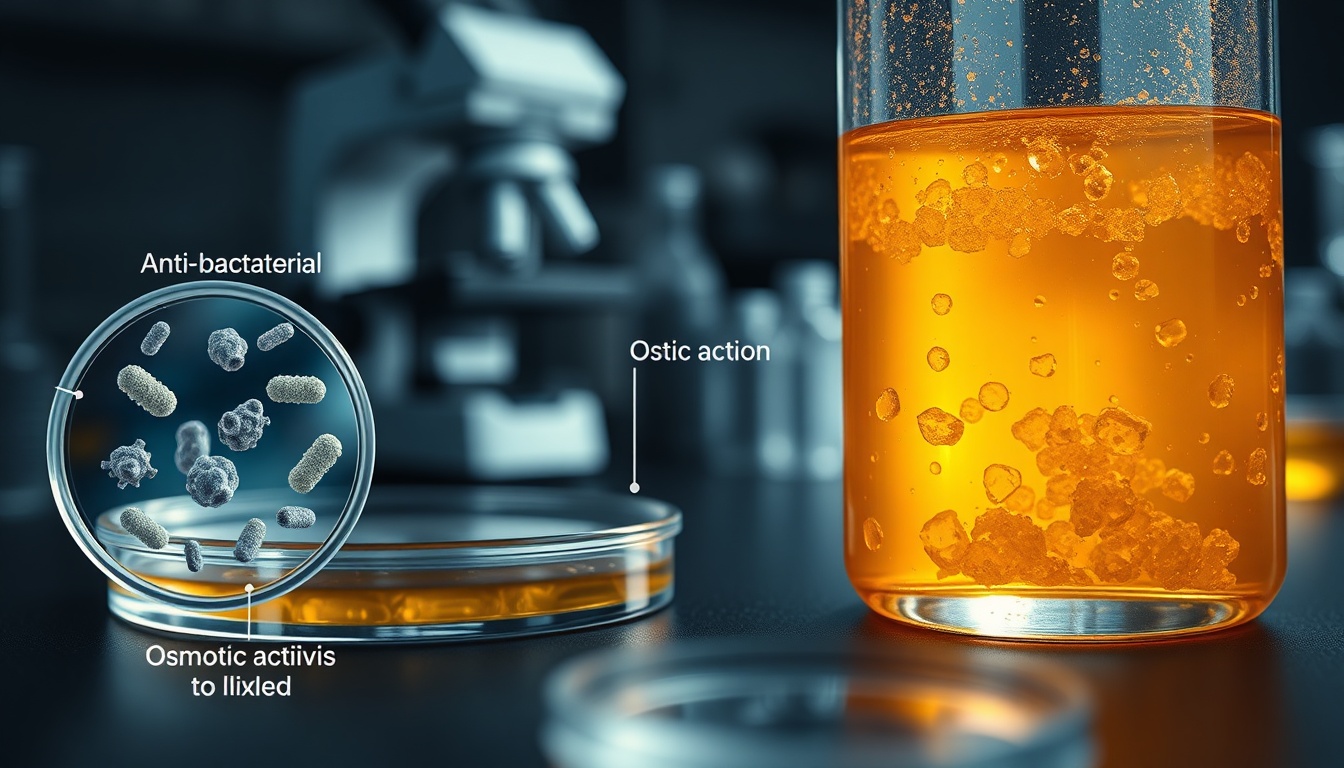
  • Osmotic effect — Honey is a supersaturated sugar solution (~80% sugars) with very low water activity (0.56-0.62). This creates a powerful osmotic gradient that draws fluid out of the wound bed, reducing edema and creating a moist healing environment. The outward flow of lymph also physically flushes bacteria from the wound.
  • Hydrogen peroxide generation — When honey is diluted by wound fluid, the enzyme glucose oxidase (added by bees) slowly produces hydrogen peroxide at concentrations high enough to kill bacteria but low enough to not damage human tissue. This "slow-release antiseptic" is more effective than directly applying hydrogen peroxide, which is too concentrated and damages healing cells.
  • Low pH — Honey's acidity (pH 3.2-4.5) creates a hostile environment for most wound pathogens, which thrive at neutral pH. The acidic environment also promotes oxygen release from hemoglobin, which accelerates tissue repair and supports macrophage and fibroblast activity.
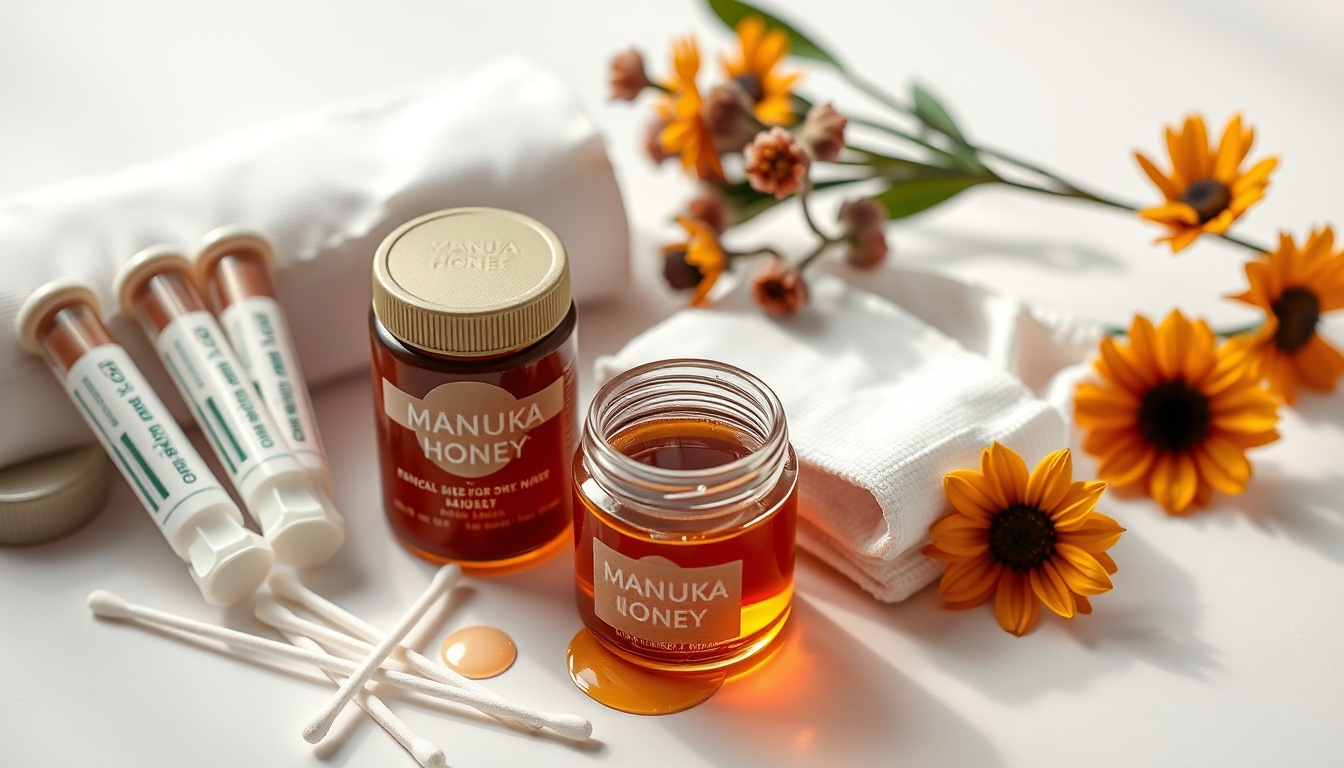
  • Methylglyoxal (MGO) — Found in high concentrations in manuka honey, MGO provides non-peroxide antibacterial activity that persists even when glucose oxidase is destroyed. This is why manuka honey maintains its antibacterial power in conditions where other honeys lose theirs.
  • Anti-inflammatory action — Honey reduces pro-inflammatory cytokines (TNF-α, IL-1β, IL-6) and reactive oxygen species at the wound site. Clinical studies show that honey reduces wound pain, edema, and redness faster than standard dressings. Patients consistently report less pain during honey dressing changes compared to conventional dressings.
  • Biofilm disruption — Chronic wounds often have bacterial biofilms — colonies of bacteria encased in a protective matrix that antibiotics cannot penetrate. A 2018 study in Frontiers in Microbiology found that manuka honey disrupted established biofilms of MRSA, Pseudomonas aeruginosa, and Streptococcus pyogenes at concentrations achievable in wound dressings.
  • Collagen and tissue regeneration — Honey promotes fibroblast proliferation, collagen synthesis, and angiogenesis (new blood vessel formation). It also promotes epithelial cell migration across the wound surface, which is the final stage of wound closure. Studies show honey-treated wounds have better organized collagen fibers, resulting in less scarring.

What the Clinical Evidence Shows

The evidence base for honey in wound care is substantial. Here are the most significant findings from systematic reviews and large clinical trials.

  • Burns — A 2015 Cochrane review found honey healed partial-thickness burns an average of 4-5 days faster than conventional dressings (silver sulfadiazine, polyurethane film). Honey-treated burns also had lower infection rates.
  • Diabetic foot ulcers — A 2014 RCT of 63 patients found that honey dressings healed diabetic ulcers in a mean of 14.4 days vs 20.4 days for saline-soaked gauze. A 2018 systematic review confirmed these findings across multiple trials.
  • Surgical wounds — A 2012 trial of 52 cesarean section patients found honey dressings reduced surgical site infections by 75% compared to standard care. Multiple trials show faster healing of split-thickness skin graft donor sites with honey.
  • Pressure ulcers — A 2015 systematic review found honey effective for stages I-III pressure ulcers, though evidence was strongest for superficial ulcers.
  • Venous leg ulcers — Results are mixed. A large 2009 New Zealand trial (368 patients) found no significant difference between honey and standard care for venous ulcers, though a subgroup with larger ulcers showed benefit. More recent studies using higher-grade manuka honey have shown better results.
  • MRSA-infected wounds — Multiple case series report successful clearance of MRSA from wounds using medical-grade honey when antibiotics had failed. Honey kills MRSA through osmotic and MGO mechanisms that bacteria cannot develop resistance to.

Which Honey Works Best for Wounds?

Not all honey is created equal when it comes to wound healing. The type of honey matters enormously, and using the wrong honey can actually introduce infection rather than prevent it.

  • Medical-grade manuka honey (Medihoney, ManukaHD, Activon) — The gold standard. Gamma-irradiated for sterility, standardized MGO content, FDA-cleared for wound care. This is what hospitals use and what clinical trials are based on. UMF 12+ or MGO 350+ is typical for wound-care products.
  • Medical-grade non-manuka honey (Revamil, SurgihoneyRO) — Produced under controlled conditions for consistent quality. Revamil is made from a specific proprietary bee garden in the Netherlands. SurgihoneyRO is bioengineered with enhanced reactive oxygen activity.
  • Raw manuka honey (food-grade) — Contains MGO and other antimicrobial compounds but is NOT sterile. May contain Clostridium spores. Acceptable for minor, superficial wounds (cuts, scrapes, mild burns) in otherwise healthy people, but NOT for deep wounds, surgical sites, or immunocompromised patients.
  • Raw honey (any variety) — Has glucose oxidase activity and general antimicrobial properties. Acceptable only for very minor wounds like small cuts or scrapes. Buckwheat honey and wildflower honey tend to have higher antioxidant activity.
  • Processed/commercial honey — AVOID for wound care. Pasteurization destroys glucose oxidase, and filtration removes pollen and other bioactive compounds. Essentially sugar water with no therapeutic value for wounds.

Pro Tip: For anything more serious than a paper cut, use medical-grade honey products, not food-grade honey from the grocery store. Medical-grade honey is gamma-irradiated to kill bacterial spores (including C. botulinum) without destroying the enzymes that make honey therapeutic.

How to Apply Honey to a Wound: Step-by-Step

If you're using medical-grade honey for wound care at home (for minor wounds only — see "When to See a Doctor" below), here's the proper technique.

  • Step 1: Clean the wound — Gently rinse with clean running water or sterile saline. Remove any visible debris. Do not use hydrogen peroxide or rubbing alcohol, which damage healing tissue.
  • Step 2: Apply honey to the dressing, not the wound — Spread a layer of medical-grade honey (~3mm thick) onto a sterile non-adherent dressing pad. This is easier and less painful than applying directly to the wound.
  • Step 3: Place the honey-covered dressing on the wound — Ensure the honey covers the entire wound surface plus a small margin of surrounding skin.
  • Step 4: Cover with a secondary dressing — Use a gauze pad or adhesive bandage to hold the honey dressing in place and absorb any excess exudate. Honey dressings produce more exudate than dry dressings because of the osmotic drawing effect.
  • Step 5: Change daily — Replace the dressing once daily or when it becomes saturated. Clean the wound gently at each dressing change. As the wound improves, you can extend changes to every 2 days.
  • Step 6: Monitor for improvement — You should see reduced redness, swelling, and pain within 2-3 days. The wound should show visible healing progress (smaller size, pink granulation tissue) within 5-7 days.

Medical-Grade Honey Products Available Today

Several FDA-cleared and CE-marked medical honey products are available for clinical and home use. These are the most widely used and clinically studied.

  • Medihoney (Derma Sciences / Integra) — The most widely used medical-grade honey worldwide. Available as tubes, gels, sheets, and calcium alginate dressings. Based on Leptospermum (manuka) honey. FDA-cleared for all wound types.
  • Activon (Advancis Medical) — 100% medical-grade manuka honey in tubes. Popular in the UK and Europe. Available without prescription.
  • ManukaHD (ManukaMed) — Medical-grade manuka honey dressings and gels. Particularly popular in burn centers.
  • SurgihoneyRO (SurgihoneyRO Ltd) — Bioengineered honey with enhanced reactive oxygen activity. Designed specifically for antibiotic-resistant infections.
  • Revamil (Bfactory Health Products) — Made from a controlled, standardized bee garden. Consistent batch-to-batch quality. Medical-grade and gamma-irradiated.
  • TheraHoney (Medline) — Medical-grade manuka honey in sheets and gels. Widely available in US hospitals and pharmacies.

When to See a Doctor Instead of Using Honey

Honey is remarkably effective for many wounds, but it's not appropriate for all situations. Seek professional medical care for the following.

  • Deep wounds — Puncture wounds, deep lacerations that may need stitches, wounds where muscle/tendon/bone is visible
  • Animal or human bites — High risk of infection from unusual bacteria; may need antibiotics and tetanus prophylaxis
  • Wounds showing signs of serious infection — Expanding redness, red streaking away from the wound, fever, pus with foul odor, increasing pain after initial improvement
  • Large burns — Any burn larger than 3 inches, all full-thickness burns, burns on the face/hands/feet/genitals/joints, and any chemical or electrical burn
  • Diabetic wounds — If you have diabetes, even minor wounds need medical assessment due to impaired healing and infection risk. Honey can supplement medical care but shouldn't replace it
  • Immunocompromised patients — People on chemotherapy, organ transplant recipients, and those with HIV/AIDS should not self-treat wounds with honey
  • Wounds that don't improve — If a honey-treated wound shows no improvement after 5-7 days, or worsens at any point, see a healthcare provider

Pro Tip: Honey allergy is rare but real. If you've never used honey on a wound before, apply a small amount to intact skin near (not on) the wound and wait 30 minutes. Redness, itching, or swelling means you should not use honey on the wound.

Honey vs Conventional Wound Treatments: How They Compare

How does honey stack up against the wound treatments you probably have in your medicine cabinet?

  • Honey vs Neosporin (bacitracin/polymyxin) — Honey has broader antimicrobial activity, promotes faster epithelialization, and doesn't contribute to antibiotic resistance. Neosporin is more convenient and familiar. For minor cuts, both work well. For anything more complex, honey is superior.
  • Honey vs silver sulfadiazine (burns) — Clinical trials consistently show honey heals burns faster with fewer infections. Silver sulfadiazine can delay healing by being cytotoxic to skin cells. Many burn centers have switched to honey-based dressings.
  • Honey vs iodine (Betadine) — Both are broad-spectrum antimicrobials. Iodine is cytotoxic at concentrations typically used, damaging healing tissue. Honey provides antimicrobial action without cytotoxicity. Honey is clearly preferred for chronic or healing wounds.
  • Honey vs hydrocolloid dressings — Similar moist healing principles, but honey adds antimicrobial and anti-inflammatory benefits. For clean, uninfected wounds, hydrocolloids are convenient. For infected or at-risk wounds, honey dressings are better.
  • Honey vs negative pressure wound therapy (wound VAC) — For complex chronic wounds, honey and NPWT can be complementary. Some wound specialists use honey under NPWT for synergistic effects.

Common Myths About Honey and Wounds

Despite strong evidence, several myths persist about honey in wound care.

  • "Any honey works on wounds" — False. Grocery-store honey may contain bacterial spores and has inconsistent antimicrobial activity. Only medical-grade (gamma-irradiated) honey is appropriate for anything beyond minor surface wounds.
  • "Honey is just sugar on a wound" — False. While the osmotic effect of sugar is part of honey's mechanism, honey also provides enzymatic hydrogen peroxide production, anti-inflammatory flavonoids, methylglyoxal (in manuka), and collagen-stimulating compounds that pure sugar does not.
  • "Bacteria can develop resistance to honey" — No evidence of this has been found. Unlike antibiotics that target specific bacterial mechanisms, honey attacks bacteria through multiple simultaneous pathways (osmotic, oxidative, pH, MGO). Developing resistance to all of these simultaneously is essentially impossible.
  • "Honey increases infection risk because bacteria love sugar" — The opposite is true. Honey's low water activity (0.56-0.62) means the sugars are unavailable to bacteria. The osmotic gradient actually draws water out of bacterial cells, killing them.
  • "Honey wound treatment is alternative medicine" — Medical-grade honey is FDA-cleared, used in hospital wound care protocols, and supported by Cochrane systematic reviews. It's evidence-based mainstream medicine.

Supporting Wound Healing from the Inside Out

While topical honey application directly treats the wound bed, emerging research suggests that oral honey consumption may support systemic wound-healing processes through complementary pathways. Wound healing is an energy-intensive, inflammation-regulated process — and honey's anti-inflammatory polyphenols can help modulate the systemic inflammatory response that determines whether a wound heals cleanly or develops excessive scarring.

The gut microbiome also plays a role in wound healing that clinicians are just beginning to appreciate. A 2020 study in Mucosal Immunology found that gut microbiome composition directly influenced wound-healing speed in skin, likely through immune cell regulation. Honey's prebiotic oligosaccharides support the Bifidobacterium and Lactobacillus populations that regulate immune function — the same immune cells (macrophages, neutrophils) responsible for clearing wound debris and initiating tissue repair.

From a nutritional standpoint, honey provides trace minerals like zinc and copper that are essential cofactors in collagen synthesis and wound remodeling. While the amounts in a tablespoon of honey are modest, they contribute to a wound-healing nutrition strategy alongside vitamin C and protein. For anyone recovering from surgery or managing chronic wounds, the combination of topical medical-grade honey on the wound plus 1-2 tablespoons of raw honey daily creates a dual inside-out approach that addresses both local wound biology and systemic healing capacity.

Frequently Asked Questions

Can you put regular honey on a wound?

For very minor wounds like small cuts and scrapes, raw honey from a trusted source can be used in a pinch. However, for anything more serious, you should use medical-grade honey products like Medihoney or Activon. These are gamma-irradiated to kill bacterial spores (including Clostridium botulinum) while preserving the therapeutic enzymes. Regular store-bought pasteurized honey has had its beneficial enzymes destroyed and should NOT be used on wounds — it would essentially just be putting sugar on a wound without the antimicrobial benefits.

How long does honey take to heal a wound?

Healing time depends on the wound type and severity. In clinical trials, partial-thickness burns treated with medical-grade honey healed in an average of 10-13 days compared to 15-18 days with conventional dressings. Diabetic foot ulcers healed in about 14 days vs 20 days with saline gauze. For minor cuts and scrapes, you should see significant improvement within 3-5 days. You should notice reduced pain, swelling, and redness within the first 2-3 days of honey application. If no improvement is visible after 5-7 days, consult a healthcare provider.

Is manuka honey better for wounds than regular honey?

For wound healing, yes. Manuka honey contains methylglyoxal (MGO), which provides strong antibacterial activity that persists even when the hydrogen peroxide pathway is blocked by wound fluid catalase enzymes. Regular honey relies primarily on glucose oxidase-generated hydrogen peroxide, which can be neutralized by catalase present in wound fluid and blood. Manuka also has superior biofilm-disrupting ability against resistant bacteria like MRSA and Pseudomonas. For wound care specifically, medical-grade manuka honey (UMF 12+ / MGO 350+) is the evidence-based choice.

Does honey on wounds prevent scarring?

Research suggests honey reduces scarring compared to conventional wound treatments. A 2019 study in Burns found that honey-treated wounds had more organized collagen fiber alignment and less hypertrophic scar tissue formation. The mechanisms include honey's anti-inflammatory effects (reducing excessive inflammation that causes scarring), promotion of orderly collagen synthesis by fibroblasts, and maintenance of a moist wound environment (dry wounds scar more). Clinical studies on burns show honey-treated areas have better cosmetic outcomes. However, honey cannot eliminate scarring entirely — deep wounds will still form some scar tissue.

Can you use honey on infected wounds?

Medical-grade honey is particularly effective for infected wounds, including those infected with antibiotic-resistant bacteria like MRSA. Multiple clinical studies have documented successful treatment of MRSA-infected wounds with medical-grade manuka honey when antibiotics had failed. However, self-treating infected wounds at home can be dangerous. Signs of serious infection (expanding redness, fever, red streaking, foul-smelling pus) require immediate medical attention. In clinical settings, honey is often used alongside systemic antibiotics for infected wounds, not as a sole treatment.

Is it safe to put honey on a burn?

For minor first-degree burns (like touching a hot pan) and small superficial second-degree burns, honey is safe and effective — it's actually the treatment with the best clinical evidence for partial-thickness burns. Cool the burn under running water for 10-20 minutes first, then apply medical-grade honey on a non-adherent dressing. Do NOT use honey (or any home treatment) on large burns, deep burns where the skin is white or charred, chemical burns, electrical burns, or burns on the face, hands, genitals, or joints. These require emergency medical care.

RHG

Raw Honey Guide Editorial Team

Reviewed by certified beekeepers and apiculture specialists. Our editorial team consults with professional beekeepers, food scientists, and registered dietitians to ensure accuracy.

Expert ReviewedFact Checked

Last updated: 2026-04-03