Why Honey Works for Your Skin
Honey has been used in skincare for thousands of years — Cleopatra reportedly bathed in milk and honey, and ancient Egyptians applied honey to wounds and burns. Modern dermatological research has confirmed what traditional practitioners knew intuitively: honey has remarkable properties that benefit skin health.
Raw honey is a complex substance containing over 200 compounds including sugars, enzymes, amino acids, vitamins, minerals, polyphenols, and organic acids. Several of these have direct, documented effects on skin.
- Natural humectant — Honey draws moisture from the air into the skin through its hygroscopic sugar content. This makes it an effective moisturizer that hydrates without clogging pores.
- Antibacterial activity — The enzyme glucose oxidase in raw honey produces small amounts of hydrogen peroxide on contact with skin, providing gentle antimicrobial action against acne-causing bacteria (Cutibacterium acnes) without the harshness of synthetic antimicrobials.
- Anti-inflammatory — Phenolic compounds and flavonoids in honey reduce redness, swelling, and irritation by modulating inflammatory pathways, particularly NF-κB signaling.
- Gentle exfoliation — Honey contains gluconic acid, a mild alpha hydroxy acid (AHA) that promotes gentle cell turnover without the irritation of stronger chemical exfoliants.
- Antioxidant protection — The polyphenols in honey neutralize free radicals that contribute to premature aging and skin damage from UV exposure and environmental pollutants.
- Wound healing properties — Honey's tissue-repair properties are why medical-grade honey products are used in clinical wound care and for eczema and skin conditions under professional supervision. In everyday skincare, this translates to honey being a popular ingredient for calming minor blemishes and irritation.
Pro Tip
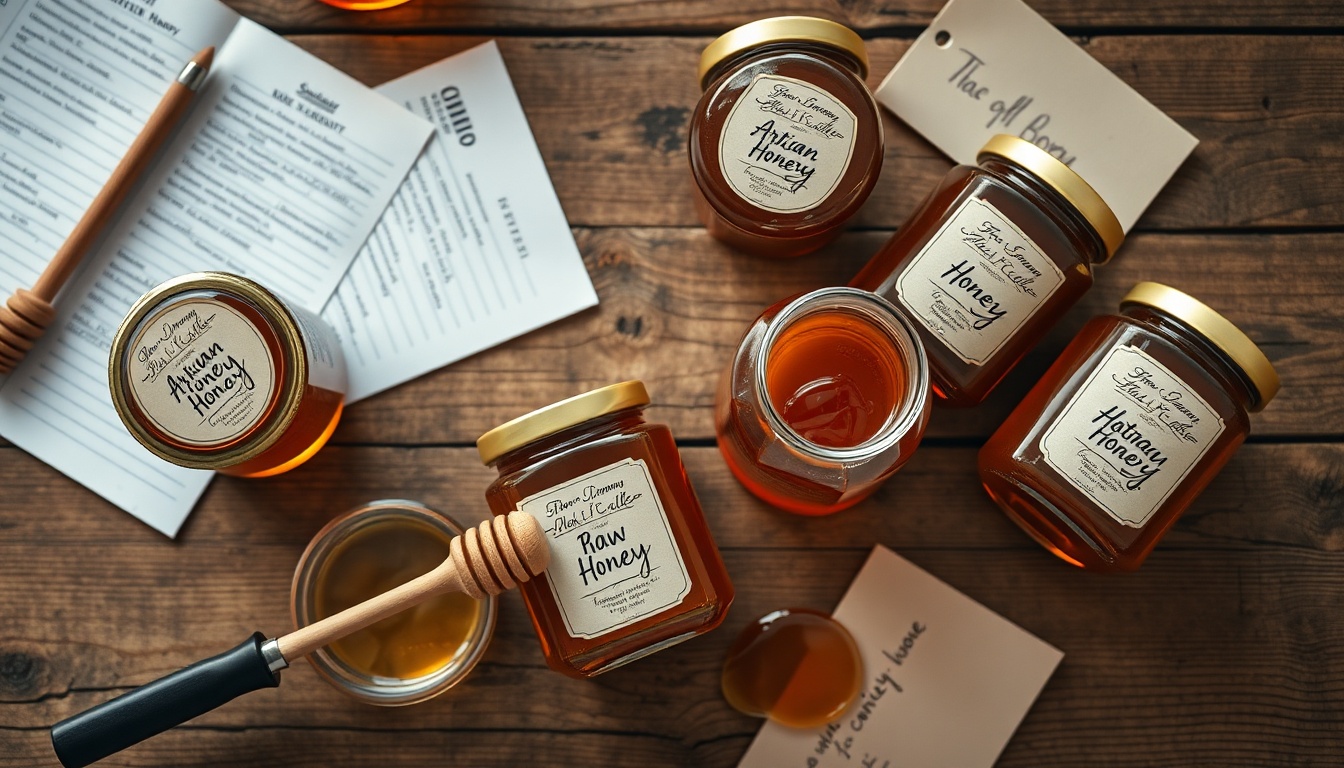
Always use raw, unfiltered honey for face masks. Pasteurized commercial honey has had many of its beneficial enzymes and bioactive compounds destroyed by heat processing.
Before You Start: Patch Test and Preparation
Honey is gentle and well-tolerated by most skin types, but a patch test is always wise before applying any new substance to your face — especially if you have sensitive skin or known allergies to bee products.
To patch test: apply a small amount of raw honey to the inside of your wrist or behind your ear. Leave it for 20-30 minutes, then rinse. Wait 24 hours and check for redness, itching, or irritation. If you see no reaction, the honey is safe for your face.
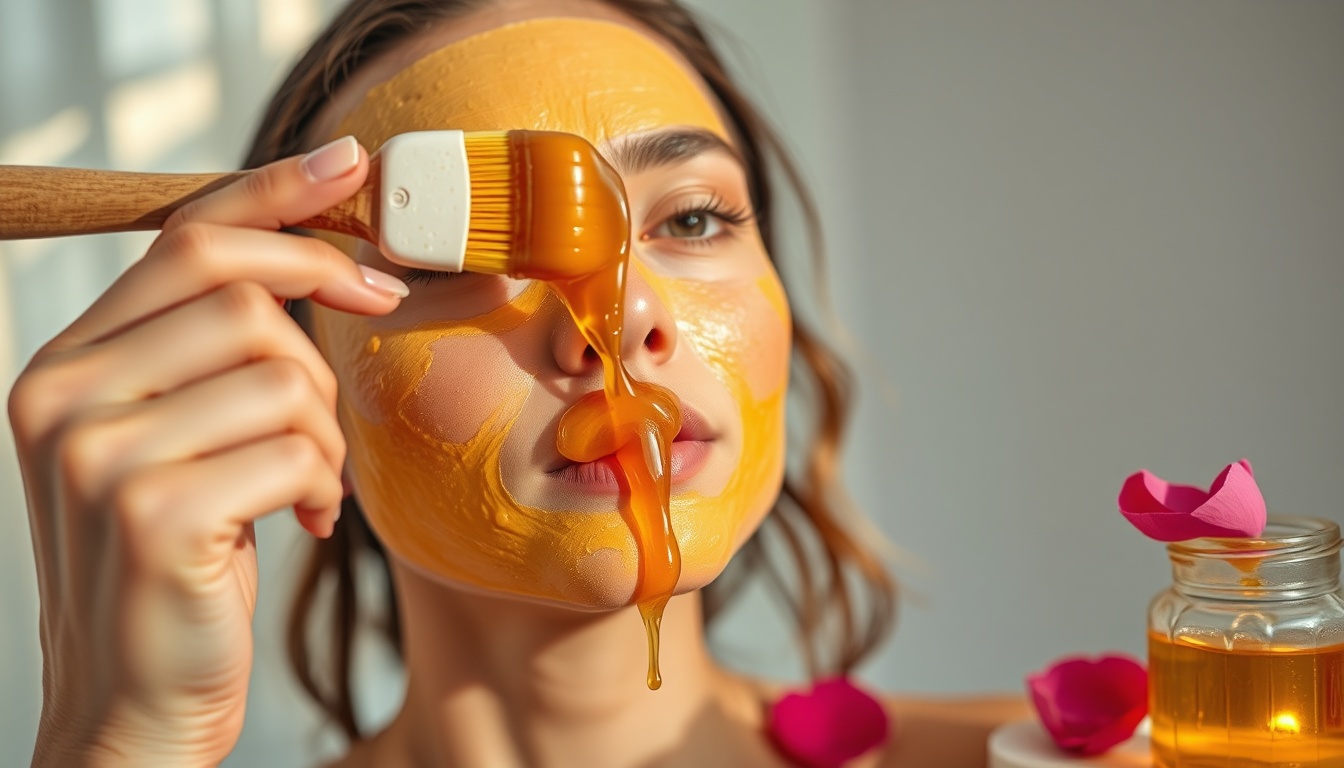
For all masks below, start with a clean face. Remove makeup and wash with a gentle cleanser. Pat skin damp (not dry) — honey adheres and absorbs better on slightly damp skin. Apply masks with clean fingers or a silicone brush, avoiding the eye area. Most masks work best at room temperature.
Get the Honey Buyer's Cheat Sheet (free PDF)
16 varieties on one page — color, flavor, best use and what a fair price looks like — from the 268 honeys we track.
Mask 1: Pure Honey Glow Mask (All Skin Types)
The simplest and most versatile honey face mask requires nothing but raw honey. This is the best starting point if you've never used honey on your skin.
- Ingredients: 1-2 tablespoons raw, unfiltered honey (manuka or wildflower work best)
- How to apply: Spread a thin, even layer across your face and neck, avoiding the eye area. The layer should be thick enough that you can't see through it.
- Leave on: 15-20 minutes. You'll feel it tighten slightly as it dries — this is normal.
- Rinse: With warm water, using gentle circular motions. Follow with your regular moisturizer.
- Frequency: 2-3 times per week.
Pro Tip
For extra glow, apply this mask after steaming your face over a bowl of hot water for 5 minutes. Open pores absorb more of honey's beneficial compounds.
Mask 2: Honey and Oatmeal Soothing Mask (Sensitive and Irritated Skin)
Colloidal oatmeal (finely ground oats) is an FDA-recognized skin protectant with anti-inflammatory and anti-itch properties. Combined with honey, it creates a calming mask ideal for rosacea-prone, post-sun, or reactive skin.
- Ingredients: 1 tablespoon raw honey + 2 tablespoons finely ground oatmeal (blend rolled oats in a food processor until powdery) + 1 teaspoon warm water
- How to apply: Mix ingredients into a paste. If too thick, add water a few drops at a time. Apply gently — do not rub or scrub, as sensitive skin doesn't need physical exfoliation.
- Leave on: 15-20 minutes.
- Rinse: With cool water (not warm — heat can increase redness in sensitive skin). Pat dry gently.
- Frequency: 1-2 times per week, or as needed after sun exposure or irritation flares.
Mask 3: Honey and Turmeric Brightening Mask (Dull or Hyperpigmented Skin)
Turmeric contains curcumin, a potent anti-inflammatory and antioxidant that clinical studies show can inhibit melanin production and reduce hyperpigmentation. Combined with honey's gentle exfoliating properties, this mask targets dark spots, uneven skin tone, and dullness.
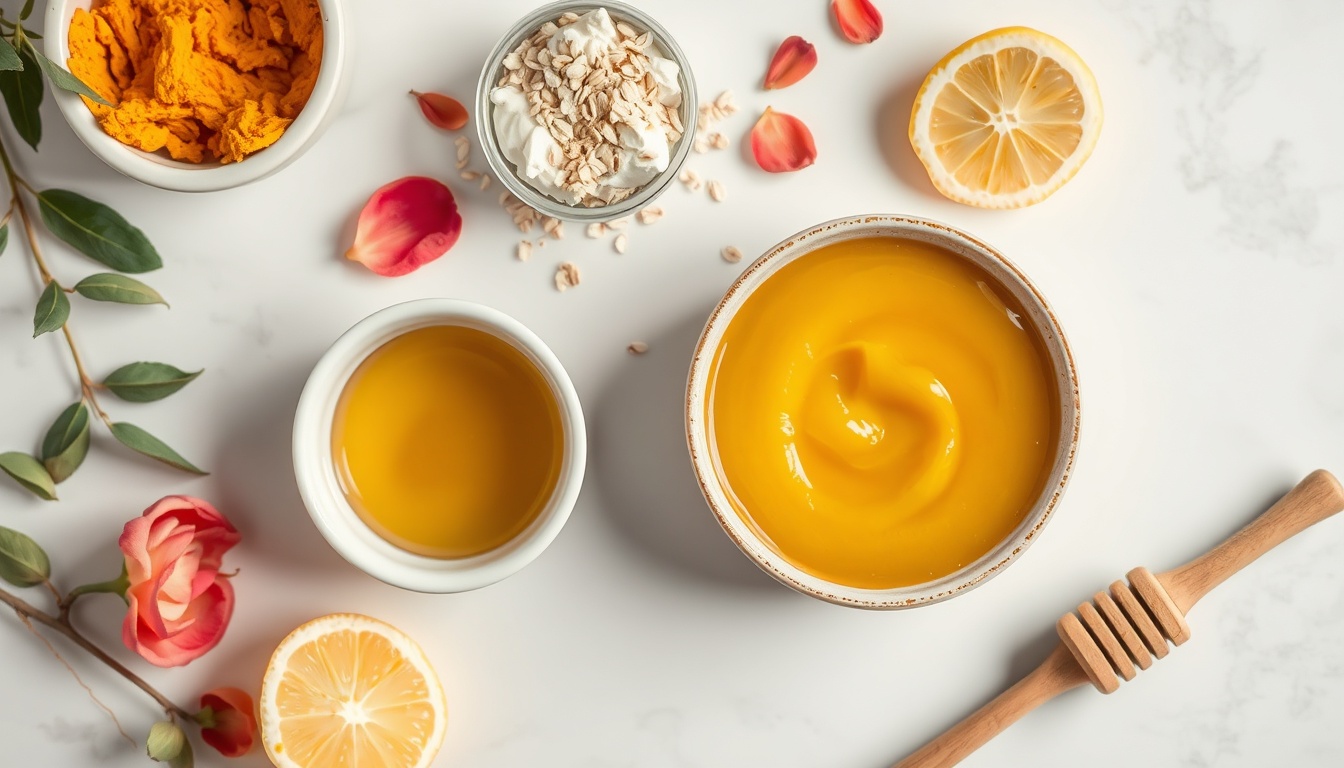
- Ingredients: 1 tablespoon raw honey + ½ teaspoon turmeric powder (culinary grade) + 1 teaspoon plain yogurt (the lactic acid adds gentle chemical exfoliation)
- How to apply: Mix thoroughly — the turmeric will turn the mixture golden. Apply an even layer to clean, damp skin.
- Leave on: 10-15 minutes (no longer — turmeric can temporarily stain skin yellow if left too long).
- Rinse: With warm water. If slight yellow tint remains, gently wipe with a cloth dampened with micellar water or milk. The tint fades within an hour.
- Frequency: Once per week. Consistent use over 4-6 weeks is needed to see brightening results.
Pro Tip
Turmeric stains everything it touches. Wear an old shirt, use a dark towel, and apply the mask with a silicone brush rather than your fingers to minimize yellow staining on hands and fabric.
Mask 4: Honey and Tea Tree Acne-Fighting Mask (Oily and Acne-Prone Skin)
Tea tree oil (melaleuca) has strong evidence for treating mild to moderate acne. A 2017 Australasian Journal of Dermatology review confirmed its efficacy against Cutibacterium acnes bacteria. Paired with honey's own antibacterial and anti-inflammatory properties, this mask targets active breakouts and excess oil.
- Ingredients: 1 tablespoon raw honey (manuka preferred for its additional methylglyoxal antibacterial action) + 2-3 drops tea tree essential oil (never more — tea tree is potent and can burn skin if overused)
- How to apply: Mix the tea tree oil thoroughly into the honey. Apply to clean, damp skin, concentrating on acne-prone zones (T-zone, chin, jawline) while applying a thinner layer on other areas.
- Leave on: 10-15 minutes. A slight tingling from the tea tree oil is normal. If you feel burning, rinse immediately.
- Rinse: With warm water, then splash with cool water to close pores. Follow with an oil-free moisturizer.
- Frequency: 2 times per week max. More frequent use can dry out and irritate skin.
Mask 5: Honey and Avocado Hydrating Mask (Dry and Mature Skin)
Avocado is rich in oleic acid, vitamins E and C, and phytosterols — all of which support the skin's lipid barrier. Combined with honey's humectant properties, this mask delivers deep hydration and nourishment for dry, flaky, or mature skin that needs moisture replenishment.
- Ingredients: 1 tablespoon raw honey + ¼ ripe avocado (mashed until completely smooth) + 1 teaspoon extra virgin olive oil (optional, for very dry skin)
- How to apply: Mash the avocado until no lumps remain, then mix in honey and oil. Apply a generous layer — this mask should feel thick and creamy.
- Leave on: 20-30 minutes. This mask is rich enough that longer application time increases benefit.
- Rinse: With warm water, using a soft washcloth to help remove the avocado residue. Follow with your regular serum and moisturizer.
- Frequency: 2-3 times per week for dry skin, once per week for normal skin seeking a hydration boost.
Mask 6: Honey and Lemon Exfoliating Mask (Oily Skin and Large Pores)
Lemon juice contains citric acid, an AHA that promotes exfoliation and can temporarily reduce the appearance of pores. With honey's own gluconic acid, this mask provides a dual-acid gentle peel that helps with oil control, blackheads, and skin texture.
- Ingredients: 1 tablespoon raw honey + 1 teaspoon fresh lemon juice (not bottled — fresh has more active citric acid)
- How to apply: Mix well and apply a thin, even layer. Avoid broken skin, cuts, or active acne lesions — the acid will sting.
- Leave on: 10 minutes maximum. Lemon juice can cause irritation if left on too long, especially on fair or sensitive skin.
- Rinse: With cool water. Apply a moisturizer with SPF afterward — citric acid increases photosensitivity for up to 24 hours.
- Frequency: Once per week. Do not use this mask before prolonged sun exposure.
Pro Tip
Always apply SPF after using any mask containing lemon juice or citric acid. AHAs increase your skin's sensitivity to UV damage for 24 hours. Skipping sunscreen after this mask can cause dark spots — the exact opposite of what you want.
Which Honey Is Best for Face Masks?
Not all honey is created equal for skincare. Here's how different honeys compare for face mask use.
- Manuka honey (UMF 10+, $35-60+) — The gold standard for skincare thanks to its unique benefits. Its high methylglyoxal (MGO) content provides the strongest antibacterial action. Best for acne-prone skin and anyone willing to invest in premium honey for their skincare routine.
- Raw wildflower honey ($10-18) — An excellent all-purpose option. Retains all natural enzymes, pollen, and bioactive compounds. Works well in every mask recipe above and is much more affordable than manuka.
- Buckwheat honey ($15-25) — The highest antioxidant content of any common honey variety (ORAC 16,000+). Its dark color and strong flavor don't matter for topical use, and the extra antioxidants benefit aging and sun-damaged skin.
- Acacia honey ($12-20) — Very mild, light, and slow to crystallize. A good choice for sensitive skin because it's less likely to cause reactions. Its low GI (~32) and gentle properties make it ideal for reactive or rosacea-prone skin.
- Clover honey ($8-15) — The most accessible raw honey variety. Mild flavor, reliable quality, and widely available in raw form. A perfectly good choice for general moisturizing masks when you don't need premium antibacterial action.
- Avoid: pasteurized, ultra-filtered, or "honey blend" products — These have been heat-treated and filtered, destroying the enzymes (especially glucose oxidase) that give honey its antibacterial and exfoliating properties. Supermarket squeeze-bottle honey is essentially sugar syrup for skincare purposes.
Common Mistakes to Avoid
Honey face masks are simple, but these common mistakes can reduce their effectiveness or cause skin problems.
- Using pasteurized honey — This is the most common mistake. Pasteurization destroys glucose oxidase and other enzymes that provide antibacterial and exfoliating benefits. Always use raw honey.
- Applying to dirty skin — Honey works on your skin, not on a layer of makeup and oil. Always cleanse first.
- Leaving masks on too long — More isn't better. Extended application (over 30 minutes) can dry out skin as the honey pulls moisture in both directions. Stick to recommended times.
- Using too much of active ingredients — More than 3 drops of tea tree oil, too much lemon juice, or excessive turmeric can irritate or stain skin. Follow the measurements.
- Skipping moisturizer afterward — Honey draws moisture into skin, but you need a moisturizer on top to lock that hydration in. Without it, the moisture evaporates.
- Expecting overnight results — Skincare is cumulative. Most people notice improved texture and glow after 2-3 weeks of consistent use, with more significant improvements at 6-8 weeks.
Beyond Topical: The Gut-Skin Axis and Holistic Honey Skincare
While honey face masks deliver direct topical benefits, dermatological research increasingly points to the gut-skin axis as a major driver of skin health. The connection is straightforward: an imbalanced gut microbiome triggers systemic inflammation that manifests as acne, eczema, rosacea, and premature aging. A 2021 review in Frontiers in Microbiology found that patients with acne vulgaris had significantly lower Bifidobacterium and Lactobacillus populations compared to clear-skinned controls.
This is where combining topical honey masks with oral honey for gut health creates a dual-pathway approach. Raw honey's prebiotic oligosaccharides (FOS and GOS) feed the exact beneficial bacteria linked to skin clarity, while its anti-inflammatory polyphenols reduce the systemic NF-κB-driven inflammation that triggers breakouts. In essence, honey face masks treat the symptom topically while eating raw honey addresses one of the root causes internally.
For those dealing with persistent inflammatory skin conditions rather than occasional breakouts, consider adding propolis to your routine. Propolis contains CAPE (caffeic acid phenethyl ester), one of nature's most potent NF-κB inhibitors. Propolis tinctures taken orally or propolis-based creams applied topically have shown clinical benefit for atopic dermatitis and wound healing. Combined with regular honey face masks and attention to honey's nutritional profile — particularly its antioxidant polyphenols — this creates a comprehensive natural skincare strategy that works from both inside and outside.