How to Make Mead: Complete Honey Wine Guide
Mead — humanity's oldest alcoholic drink — is made by fermenting honey with water. Learn how to make your first batch at home, which honeys produce the best results, and how to explore dozens of styles from traditional to fruit-infused melomel.
Last updated:
Mead is honey wine made by fermenting honey with water and yeast. For a 1-gallon batch: dissolve 3-3.5 lbs honey in non-chlorinated water, pitch wine yeast (Lalvin 71B), ferment at 60-70°F for 2-4 weeks, then rack and age for 3-12 months. Wildflower and orange blossom honeys are the best beginner choices. Total cost: $20-$50 per batch.
Mead Making at a Glance
For a standard 12-14% ABV mead
Ideal range for clean flavors
Patience rewarded — better with age
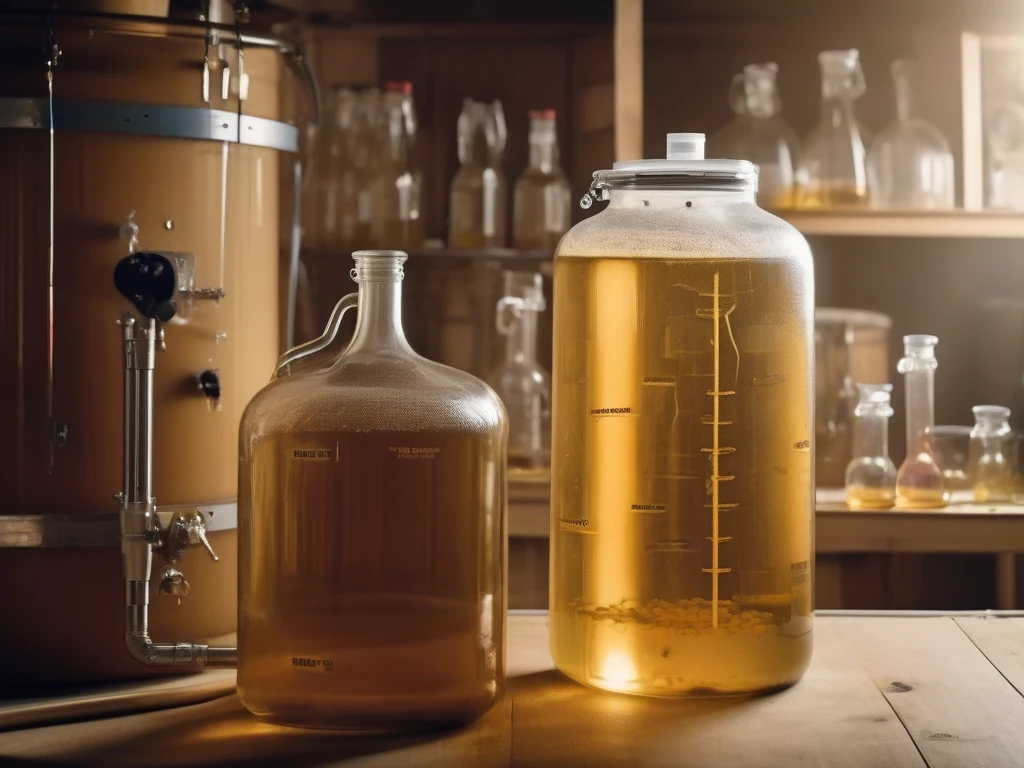
What Is Mead and Why Is It Called Honey Wine?
Mead is an alcoholic beverage made by fermenting honey with water — and it is likely the oldest alcoholic drink in human history, predating both wine and beer by thousands of years. Archaeological evidence from pottery vessels in northern China dates mead production to around 7000 BCE, and references appear in the ancient texts of Greece, Rome, India, Ethiopia, and throughout Norse mythology, where mead was the drink of the gods in Valhalla. The term "honey wine" is commonly used because mead's alcohol content (typically 8% to 18% ABV) and flavor complexity are closer to wine than beer, though mead is technically its own category — it is neither wine nor beer, since it is fermented from honey rather than grapes or grain. The basic process is elegantly simple: dissolve honey in water to create a sugar-rich solution called "must," add yeast, and let fermentation convert the honey's sugars into alcohol and carbon dioxide over several weeks to months. What makes mead endlessly diverse is the honey itself — wildflower, orange blossom, buckwheat, and clover honeys each produce dramatically different flavor profiles, and the addition of fruits, spices, or herbs creates dozens of recognized substyles. Mead has experienced a remarkable renaissance in the 21st century: the number of meaderies in the United States grew from fewer than 60 in 2003 to over 600 by 2025, driven by craft beverage culture, interest in historical drinks, and the gluten-free movement (traditional mead contains no grain).
How Do You Make Mead at Home? (Beginner Recipe)
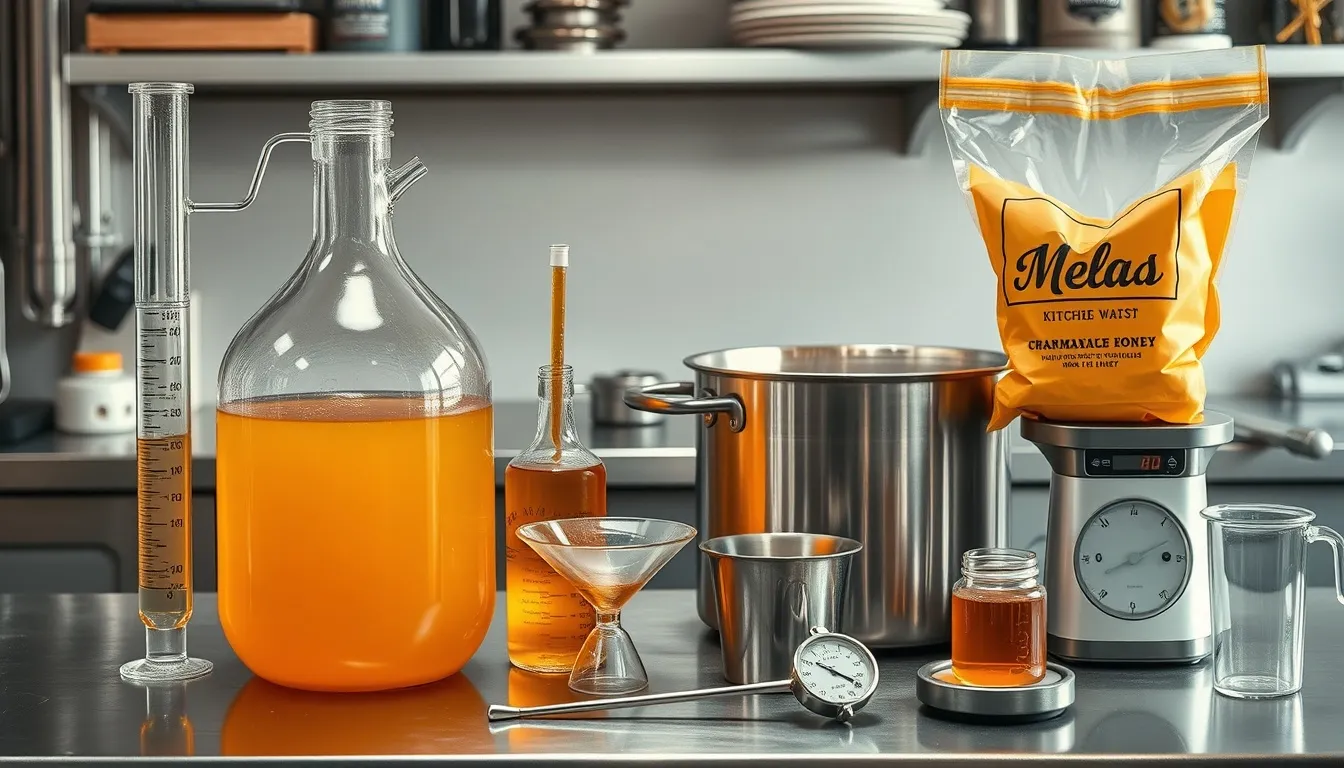
Making your first batch of mead requires surprisingly little equipment and no prior brewing experience. For a 1-gallon batch (about 5 standard bottles), you need: 3 to 3.5 pounds of honey, 1 gallon of non-chlorinated water (spring or filtered), one packet of wine yeast (Lalvin 71B or D-47 are excellent beginner choices), a 1-gallon glass carboy or jug, an airlock and rubber bung, a funnel, and a sanitizer like Star San. Sanitation is the single most important factor in successful mead-making — every piece of equipment that touches the mead must be thoroughly sanitized before use, as wild bacteria and yeast will spoil your batch. Step 1: Warm about half your water to around 100°F (not boiling — boiling drives off honey's delicate aromatics and can create off-flavors) and dissolve the honey completely by stirring for 2 to 3 minutes. Step 2: Pour the honey-water mixture (the "must") into your sanitized carboy using a funnel, then add the remaining cool water, leaving about 2 inches of headspace. Step 3: Rehydrate your yeast according to packet instructions (typically in 104°F water for 15 minutes), then pitch it into the must. Step 4: Attach the airlock filled with sanitizer or vodka, and place the carboy in a dark location at 60°F to 70°F. Step 5: For the first week, gently swirl the carboy twice daily to degas and keep nutrients suspended — this prevents stressed yeast and off-flavors. You should see bubbling in the airlock within 24 to 48 hours. Primary fermentation typically takes 2 to 4 weeks. When bubbling slows to fewer than one bubble per minute, rack (siphon) the mead off the sediment (lees) into a clean carboy for secondary fermentation and aging. Most beginner meads benefit from 2 to 3 months of aging before bottling, though patience is rewarded — mead dramatically improves at 6 to 12 months.
Which Honey Makes the Best Mead?
The honey you choose is the most consequential decision in mead-making because honey contributes 100% of the fermentable sugar and the majority of the flavor profile. Unlike wine, where terroir and grape variety dominate, or beer, where grain and hops compete for attention, mead showcases the honey front and center. [Wildflower honey](/honey/wildflower-honey) ($10-18) is the most popular choice for beginners — its balanced, multi-floral character produces a well-rounded, approachable mead with moderate complexity and a honey-forward flavor perfect for first-time meadmakers. [Orange blossom honey](/honey/orange-blossom-honey) ($12-20) is a meadmaker favorite for its bright, citrusy floral notes that translate beautifully into mead, producing an elegant, aromatic drink reminiscent of a floral white wine ideal for special occasions. [Clover honey](/honey/clover-honey) ($8-15), the most widely available variety, makes a clean, light, mildly sweet mead that's an excellent canvas for fruit or spice additions while maintaining budget-friendly accessibility for experimentation. [Buckwheat honey](/honey/buckwheat-honey) ($15-25) produces a bold, dark mead with molasses-like depth, earthy notes, and ORAC 16,000+ antioxidants creating robustness that pairs well with winter spices — think of it as the "stout" of the mead world. [Tupelo honey](/honey/tupelo-honey) ($25-45) is prized by advanced meadmakers for its exceptionally high fructose-to-glucose ratio and buttery character that never crystallizes, producing a smoother mead with complex Apalachicola terroir. [Acacia honey](/honey/acacia-honey) ($12-20) creates a distinctively delicate, floral clarity mead with slow crystallization properties ideal for showcasing pure fermentation character. For robust terroir expression, [Sourwood honey](/honey/sourwood-honey) ($20-35) from Appalachian ridgetops produces sophisticated single-floral complexity impossible to replicate. For your first batch, use the best-quality raw honey you can afford — at least 3 pounds per gallon for a standard-strength mead (12% to 14% ABV). Avoid ultra-processed, blended grocery store honey labeled "honey product" or anything with additives, as these lack the flavor complexity and may contain preservatives that inhibit fermentation. One gallon of mead requires roughly $15 to $40 worth of honey depending on variety, making it an economical craft beverage per bottle with systematic honey variety selection enabling mead-making excellence across beginner accessibility, terroir sophistication, and specialty applications.
What Are the Different Types and Styles of Mead?
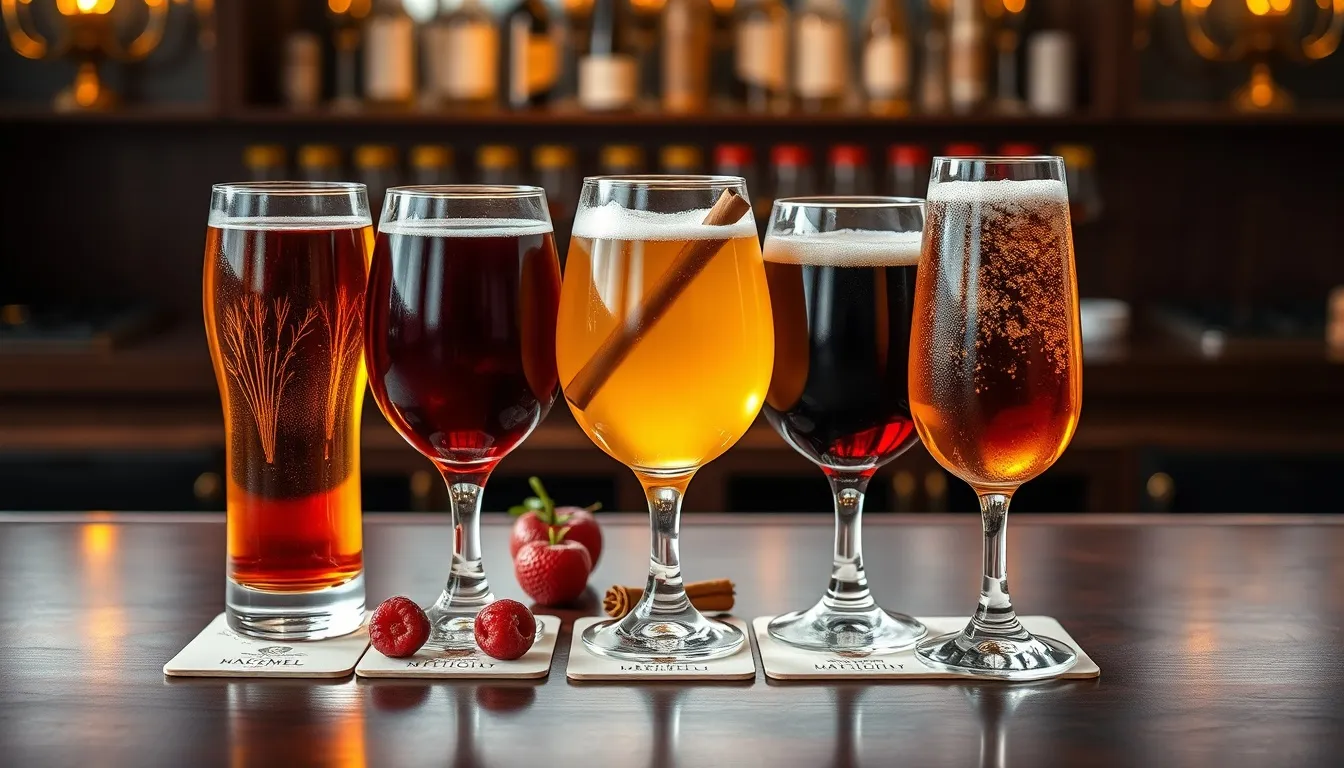
Mead's versatility has spawned dozens of recognized substyles, each with a distinct character. Traditional mead (or "show mead") uses only honey, water, and yeast — it showcases the honey variety's pure flavor and is judged on its balance between sweetness, acidity, and alcohol warmth. Melomel is mead made with fruit — common varieties include pyment (grape melomel, essentially a honey-grape wine), cyser (apple melomel, a honey cider hybrid), and berry melomels using blackberry, raspberry, cherry, or blueberry. Metheglin is mead spiced with herbs and spices: cinnamon, clove, vanilla, ginger, nutmeg, cardamom, star anise, lavender, and rosemary are all traditional additions. Some historical metheglin recipes included medicinal herbs and were consumed as health tonics. Braggot blends honey and malted grain (barley or wheat), creating a hybrid between mead and beer — it's often hopped and can range from light and crisp to rich and malty. Bochet is made from caramelized honey — the honey is heated until it turns dark amber to brown before adding water, producing toffee, marshmallow, and burnt sugar flavors. This is an advanced technique that requires careful heat management (caramelizing honey is extremely hot and can be dangerous). Capsicumel is mead made with hot peppers, combining honey sweetness with chili heat. Acerglyn incorporates maple syrup alongside honey. Session mead (or "hydromel") is a lower-alcohol style (3% to 8% ABV) fermented with less honey, designed for casual drinking rather than sipping. At the other end, sack mead uses extra honey (4+ pounds per gallon) to create a rich, sweet, high-alcohol mead (14% to 18% ABV) similar in intensity to a dessert wine. Sparkling mead is carbonated either through bottle conditioning (adding a small amount of honey before bottling to restart fermentation) or force carbonation.
What Equipment Do You Need and How Do You Troubleshoot Common Problems?
Beyond the basics (carboy, airlock, sanitizer), a few additional items dramatically improve your results. A hydrometer ($8 to $12) measures specific gravity, letting you calculate exact ABV and confirm fermentation is complete — this is the single best investment for a new meadmaker. An auto-siphon ($10 to $15) makes racking easier and reduces oxidation compared to starting a siphon by mouth. Yeast nutrient (Fermaid-O or Fermaid-K, $6 to $10) is strongly recommended: honey is nutrient-poor compared to grape juice or wort, and stressed yeast produces hydrogen sulfide (rotten egg smell) and fusel alcohols (harsh, hot flavors). Follow a staggered nutrient addition (SNA) schedule — add nutrients at 24 hours, 48 hours, and 72 hours after pitching yeast, plus one more at the 1/3 sugar break. The most common beginner problems and fixes: (1) Fermentation won't start — check that your yeast is fresh (not expired), water temperature was under 110°F when you pitched, and you used non-chlorinated water. (2) Rotten egg smell — this is hydrogen sulfide from stressed yeast, usually caused by insufficient nutrients. Add yeast nutrient and degas vigorously. It often clears during aging. (3) Fermentation stuck before expected ABV — check temperature (too cold slows yeast), add nutrient if you haven't, or pitch a more alcohol-tolerant yeast like Lalvin EC-1118. (4) Mead is too sweet — ferment longer, warm slightly (but stay under 75°F), or pitch EC-1118 to restart. (5) Mead tastes harsh or "hot" — this is young mead. Fusel alcohols mellow dramatically with aging; give it 3 to 6 more months. (6) Mead is cloudy — this usually clears with time and cold crashing (refrigerating for 48 hours), or use bentonite fining agent. Total startup cost for equipment is typically $30 to $60 for a 1-gallon setup or $80 to $150 for a 5-gallon setup, making mead one of the most accessible homebrewing hobbies.
How Long Does Mead Take to Make, and Is It Legal?
The timeline from honey to drinkable mead varies by style and personal patience. Primary fermentation (active bubbling) takes 2 to 4 weeks for a standard mead. Secondary fermentation and initial clearing takes another 4 to 8 weeks. A simple traditional mead can be drinkable at 3 months, but most meadmakers agree that 6 months produces significantly better results, and 12+ months is where many meads truly shine — aging smooths out harsh alcohol notes, integrates flavors, and develops complexity. Quick-drinking hydromel (session mead) can be ready in as little as 4 to 6 weeks due to its lower alcohol content. High-gravity sack meads and bochet may benefit from 1 to 2 years of aging. Once bottled, mead stores well for years — even decades for higher-alcohol varieties — when kept in a cool, dark location. Cork-finished bottles should be stored on their side; cap or swing-top bottles can stand upright. Regarding legality: in the United States, homebrewing mead is legal at the federal level for adults 21 and older, with a limit of 100 gallons per individual (200 per household) per year. This was clarified under the same 1978 law (Public Law 95-458) that legalized homebrew beer. However, distilling alcohol remains illegal without a federal permit — fortunately, mead is fermented, not distilled. State laws vary: most states permit homebrewing without additional license, but Alabama and Mississippi had restrictions until relatively recently (check current local regulations). Selling homemade mead requires a winery or meadery license in most jurisdictions, which involves permits, inspections, and compliance with TTB (Alcohol and Tobacco Tax and Trade Bureau) federal regulations. Many states have "farm winery" or cottage winery licenses that offer a lower-cost entry point for small-scale meaderies using locally sourced honey.
Related Honey Guides
Frequently Asked Questions
How do you make mead at home?
Dissolve 3-3.5 pounds of honey in 1 gallon of non-chlorinated water (warmed to 100°F, never boiled). Pour into a sanitized glass carboy, pitch rehydrated wine yeast (Lalvin 71B or D-47), attach an airlock, and ferment at 60-70°F for 2-4 weeks. Rack to secondary, age 2-3 months minimum. Use staggered yeast nutrient additions for best results.
What is the best honey for making mead?
Wildflower honey ($10-18) is the best all-purpose choice for beginners — it produces a balanced, honey-forward mead with moderate complexity. Orange blossom honey ($12-20) creates an elegant, citrusy mead with floral white wine character. Buckwheat honey ($15-25) makes a bold, dark mead with ORAC 16,000+ antioxidants and molasses depth. Clover honey ($8-15) provides a clean canvas for fruit and spice additions while maintaining budget accessibility. Tupelo honey ($25-45) offers premium never-crystallizing properties with buttery Apalachicola terroir. Use at least 3 pounds per gallon of high-quality raw honey for 12-14% ABV standard mead.
How long does it take to make mead?
Primary fermentation takes 2-4 weeks. A simple mead is drinkable at 3 months, but 6 months produces significantly better results. Most meads improve dramatically at 12+ months of aging. Quick session meads (hydromel) can be ready in 4-6 weeks.
Is mead the same as honey wine?
Mead and honey wine refer to the same beverage — an alcoholic drink (8-18% ABV) made by fermenting honey with water. "Honey wine" is an informal term used because mead's alcohol content and complexity are similar to grape wine, but mead is technically its own category since it ferments honey rather than fruit.
Is it legal to make mead at home?
Yes, homebrewing mead is legal in the United States for adults 21+ under federal law (Public Law 95-458), with a limit of 100 gallons per person per year. Most states permit it without additional license. Selling homemade mead requires a winery or meadery license.
Why does my mead smell like rotten eggs?
A rotten egg smell is hydrogen sulfide produced by stressed yeast, usually caused by insufficient nutrients. Honey is nutrient-poor compared to grape juice. Fix it by adding yeast nutrient (Fermaid-O or Fermaid-K) and degassing vigorously. The smell typically clears during aging.
Which honey varieties should I choose for different mead styles?
For traditional show mead: Wildflower honey ($10-18) showcases balanced complexity, or Tupelo honey ($25-45) for premium never-crystallizing character. For melomel (fruit mead): Clover honey ($8-15) provides neutral canvas highlighting fruit flavors. For metheglin (spiced mead): Orange blossom honey ($12-20) complements herbs and spices with citrus sophistication. For bochet (caramelized honey mead): Buckwheat honey ($15-25) adds molasses depth to caramelization. For session mead (low ABV): Acacia honey ($12-20) offers delicate floral clarity perfect for lighter styles. For sack mead (high ABV dessert style): Sourwood honey ($20-35) provides complex Appalachian terroir capable of supporting higher alcohol levels.
Edited by Sam French · Raw Honey Guide Editorial Team
Source reviewed against primary literature and official guidance where available. Health content is educational, not medical advice, and does not replace a licensed clinician.
Get the Honey Buyer's Cheat Sheet (free PDF)
16 varieties on one page — color, flavor, best use and what a fair price looks like — from the 268 honeys we track.
Related Guides
Honey Types Explained
Raw, filtered, pasteurized, creamed, and more.
Read GuideBeekeeping Basics
Start your beekeeping journey.
Read GuideCooking with Honey
Tips for baking, glazes, and pairings.
Read GuideRelated Articles
Mead: A Beginner's Guide to Honey Wine
What is mead and how is it made? Styles, recipes, equipment, and a step-by-step guide for brewing honey wine at home.
Read ArticleFermented Honey Garlic: How to Make It and Why It's Trending
How to make fermented honey garlic at home. Step-by-step guide with safety tips, troubleshooting, and 10 creative uses.
Read ArticleTypes of Honey: A Complete Guide to 20+ Varieties
Guide to 20+ honey varieties — clover, manuka, buckwheat, wildflower, and more. How floral source affects flavor and use.
Read ArticleWhen Is Honey Harvest Season? A Complete Guide by Region
When is honey harvested? Harvest seasons by US region, how timing affects flavor and price, and the best time to buy.
Read ArticleFind the perfect honey for your first batch of mead