Wildflower Honey Benefits: Nutrition, Uses & Complete Guide
Everything you need to know about the most diverse honey variety — why wildflower honey's multi-source origin creates unique flavors and nutrition, its evidence-based health benefits, how it compares to monofloral varieties, cooking and skincare uses, and how to buy genuine raw wildflower honey.
Last updated:
Wildflower honey is the most diverse honey variety, produced by bees foraging on dozens of flowering plant species. Its multi-source origin gives it a broader range of antioxidants (ORAC 3,000-8,000) and phenolic compounds than most monofloral honeys like clover (1,000-3,000). No two batches taste the same — color ranges from pale gold to deep amber, with flavors spanning floral to earthy depending on region and season. A 2022 meta-analysis of 18 trials found honey reduces glucose, cholesterol, and triglycerides. Raw wildflower honey at $10-20/lb offers the best balance of flavor complexity, nutritional diversity, and value. Buy from local beekeepers for the freshest, most traceable product.
What Makes Wildflower Honey Different from Other Varieties?
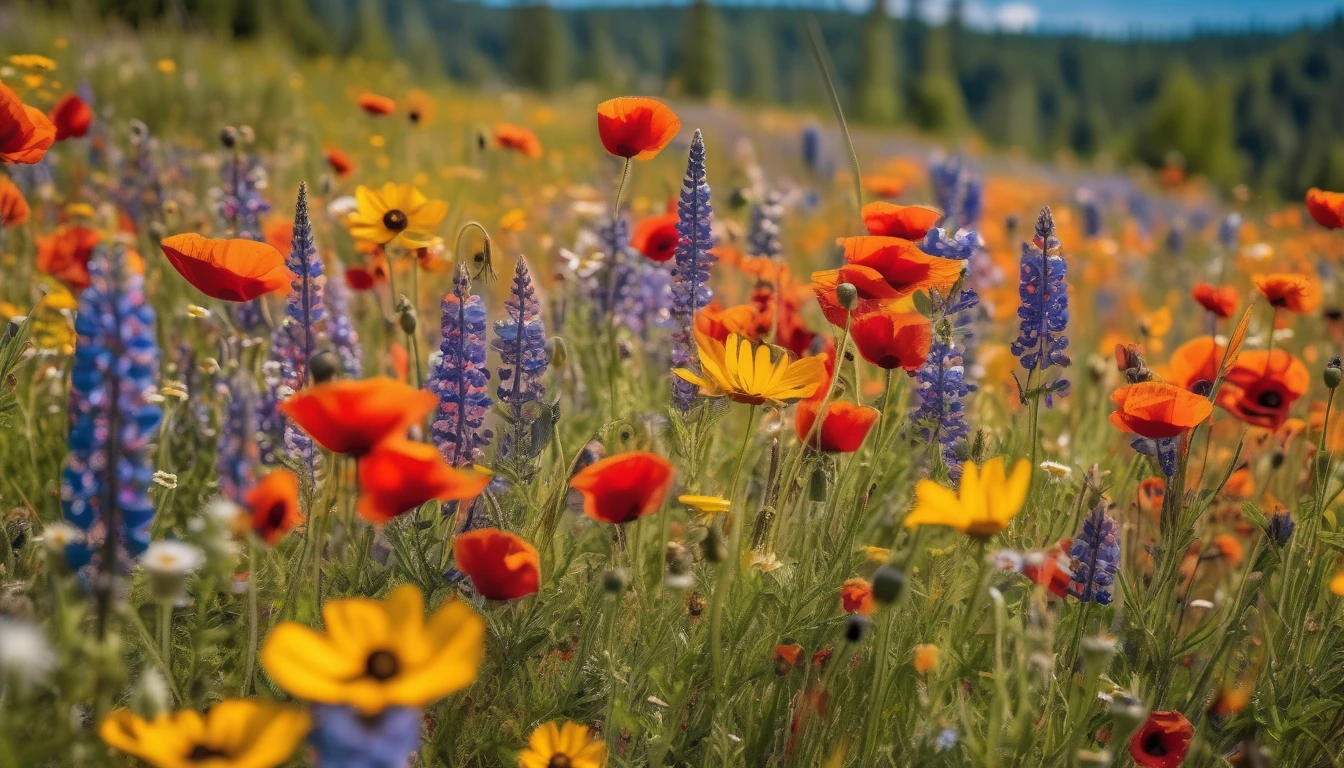
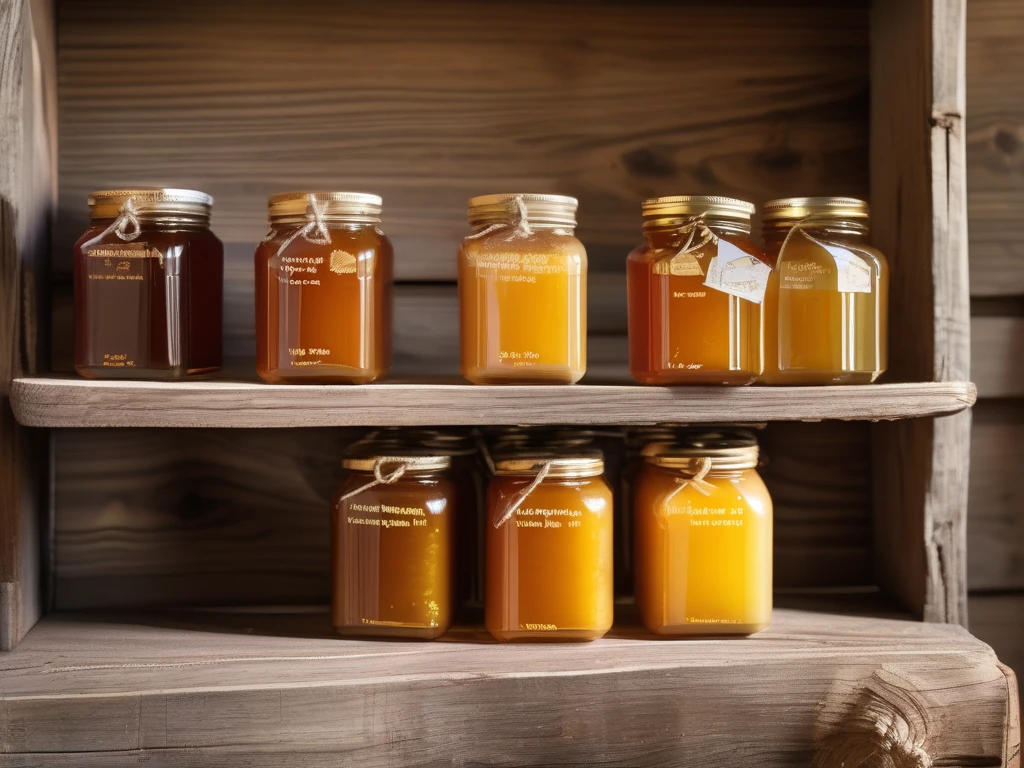
Wildflower honey — also called polyfloral, multifloral, or mixed-blossom honey — is produced by bees foraging on a diverse range of flowering plants rather than a single dominant species. Unlike monofloral varieties such as [clover honey](/honey/clover-honey), [Manuka honey](/honey/manuka-honey), or [acacia honey](/honey/acacia-honey) where bees feed primarily on one plant type, wildflower honey reflects the full botanical diversity of a region and season. This means no two batches of wildflower honey are ever identical: a jar harvested from a Pacific Northwest apiary in June will taste completely different from one produced in a Texas hill country meadow in September. The color ranges from pale gold to deep amber depending on the floral composition — lighter when dominated by [clover honey](/honey/clover-honey), alfalfa, or dandelion sources; darker when sourced from goldenrod, [buckwheat honey](/honey/buckwheat-honey) flowers, or aster. Flavor profiles span from mild and floral to robust and earthy, with seasonal notes that honey sommeliers describe as terroir — the taste of a specific place and time. Wildflower honey is the most widely available honey type globally, produced everywhere bees forage naturally. In the United States, it accounts for a significant share of domestic production alongside [clover honey](/honey/clover-honey), particularly from apiaries in the Southeast, Pacific Northwest, Great Plains, and New England. Prices typically range from $10-20 per pound for raw varieties — slightly more than commodity [clover honey](/honey/clover-honey) due to its artisanal character, but far less than specialty monofloral varieties like [Manuka honey](/honey/manuka-honey) or [tupelo honey](/honey/tupelo-honey). The nutritional profile varies batch to batch but generally features a broader spectrum of phenolic compounds, flavonoids, and pollen types compared to monofloral honeys, since the bees are collecting from dozens of plant species simultaneously.
Key Takeaways
- Polyfloral honey from diverse flowering plants — no two batches are ever identical in flavor or color
- Color ranges from pale gold to deep amber depending on the regional floral composition
- The most widely available honey type globally — produced wherever bees forage naturally
- Flavor profiles range from mild and floral to robust and earthy, reflecting regional terroir
- Priced at $10-20/lb for raw varieties — more artisanal than clover, less expensive than Manuka
- Broader spectrum of phenolic compounds and pollen types compared to single-source monofloral honeys
What Are the Evidence-Based Health Benefits of Wildflower Honey?
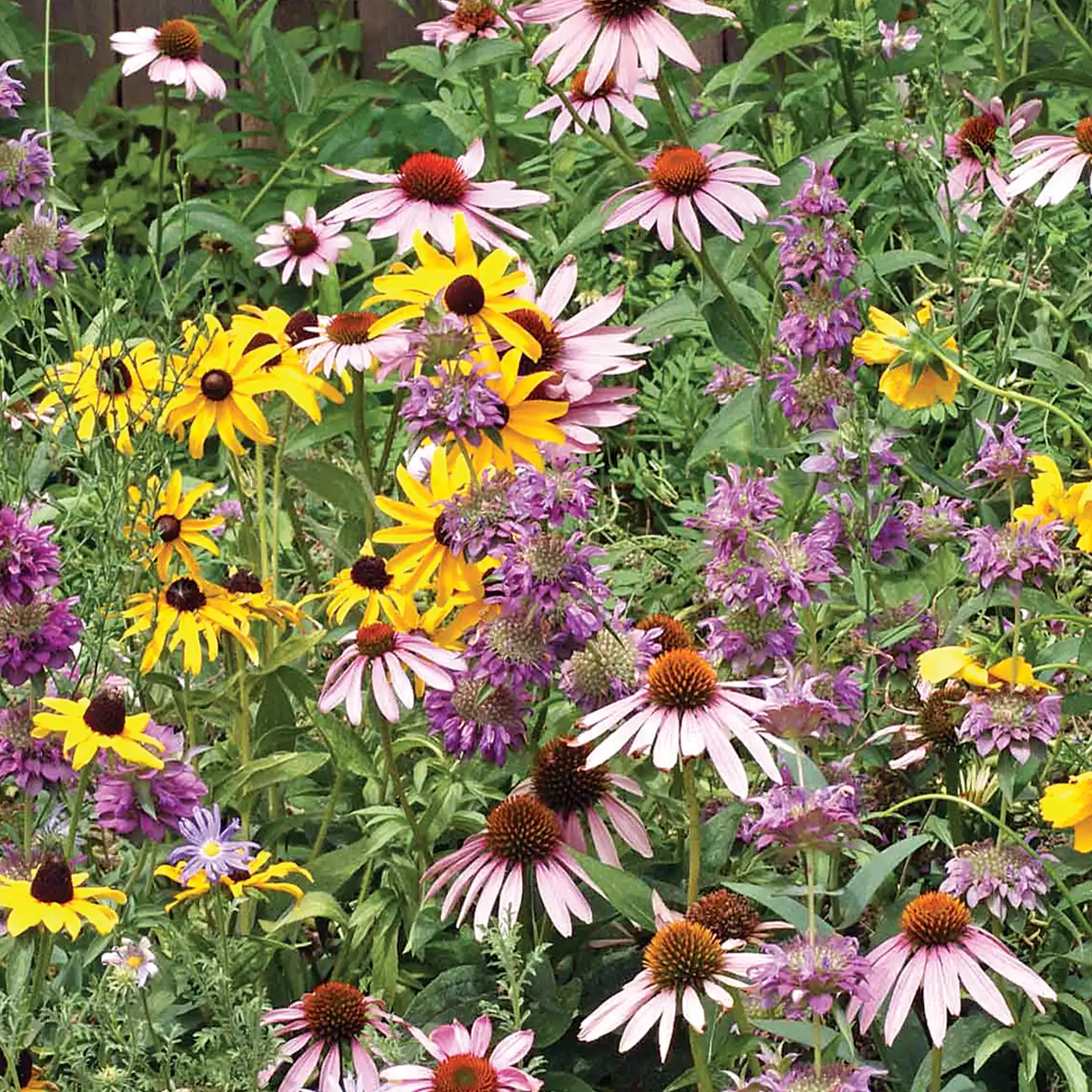
Wildflower honey's multi-source botanical origin gives it a uniquely broad phytochemical profile. Because bees visit dozens of plant species, wildflower honey accumulates a wider range of phenolic acids (gallic, caffeic, p-coumaric, ellagic, ferulic), flavonoids (quercetin, kaempferol, pinocembrin, chrysin, galangin), and organic acids than most monofloral varieties like [clover honey](/honey/clover-honey) or [acacia honey](/honey/acacia-honey). A 2022 systematic review and meta-analysis published in Nutrition Reviews, analyzing 18 clinical trials with 1,105 participants, found that honey consumption significantly reduced fasting blood glucose (−5.4 mg/dL), total cholesterol (−7.7 mg/dL), LDL cholesterol (−5.5 mg/dL), and triglycerides (−11.5 mg/dL). While this meta-analysis included various honey types, raw wildflower honey's diverse polyphenol profile may enhance these effects through synergistic antioxidant activity — a concept known as the "entourage effect" where multiple bioactive compounds work together more effectively than any single compound. Wildflower honey typically scores an ORAC (Oxygen Radical Absorbance Capacity) of 3,000-8,000 μmol TE/100g — higher than [clover honey](/honey/clover-honey) (1,000-3,000) though lower than [buckwheat honey](/honey/buckwheat-honey) (16,000+). The darker the wildflower honey, the higher its antioxidant content, as established by a landmark 2004 study in the Journal of Agricultural and Food Chemistry. Raw wildflower honey retains prebiotic oligosaccharides that selectively feed beneficial Bifidobacteria and Lactobacilli — a 2006 BMC Complementary Medicine study showed these oligosaccharides increased beneficial gut bacteria up to 10-fold. The diverse pollen content in wildflower honey has also made it the variety most commonly studied in the context of seasonal allergies, with a 2011 Finnish study finding that participants consuming pollen-enriched local honey experienced 60% fewer allergy symptoms — though results with standard wildflower honey have been less conclusive. A 2020 BMJ Evidence-Based Medicine systematic review confirmed honey's effectiveness for upper respiratory infections across 14 studies, consistent with honey's researched benefit for cough.
Key Takeaways
- Broader phytochemical profile than monofloral honeys — diverse phenolic acids, flavonoids, and organic acids
- 2022 Nutrition Reviews meta-analysis (18 trials): honey reduced glucose, cholesterol, LDL, and triglycerides
- ORAC antioxidant score: 3,000-8,000 μmol TE/100g — higher than clover (1,000-3,000), varies with darkness
- Prebiotic oligosaccharides increased beneficial gut bacteria up to 10-fold (BMC 2006)
- Finnish study: pollen-enriched local honey reduced allergy symptoms by 60% — though standard results vary
- BMJ 2020: honey superior to usual care for upper respiratory infections across 14 studies
How Does Wildflower Honey Compare to Other Honey Varieties?
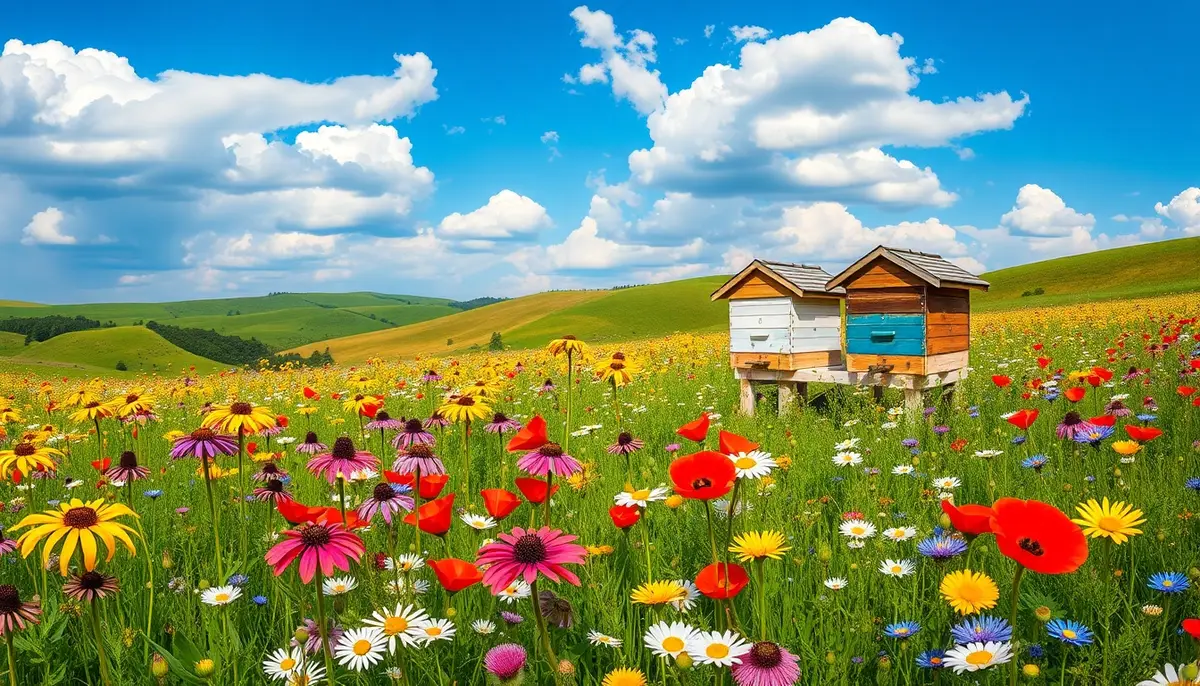
Wildflower honey occupies a unique middle ground in the honey spectrum. Its antioxidant content (ORAC 3,000-8,000) places it above light monofloral varieties like [clover honey](/honey/clover-honey) (1,000-3,000) and [acacia honey](/honey/acacia-honey) (1,000-2,500) but below dark monofloral powerhouses like [buckwheat honey](/honey/buckwheat-honey) (16,000+) and [Manuka honey](/honey/manuka-honey) (5,000-12,000). This variability is both its strength and limitation — you get a broader range of bioactive compounds, but the exact profile is unpredictable. In terms of sugar composition, wildflower honey averages approximately 38% fructose and 31% glucose, with the ratio varying by batch. Batches with higher glucose content crystallize faster (sometimes within weeks), while fructose-dominant batches stay liquid for months. The glycemic index typically falls between ~55–70 depending on composition (median ~65; Ischayek & Kern 2006 measured US wildflower/blend at ~69 on the glucose scale). This puts wildflower honey at roughly the same GI level as table sugar (GI ~65) — it is not a low-GI food, unlike [acacia honey](/honey/acacia-honey) (GI ~32) or [tupelo honey](/honey/tupelo-honey) (GI ~45). Darker batches with higher glucose content tend toward the upper range; lighter, more fructose-dominant batches may fall into the mid-range. Flavor-wise, wildflower honey offers more complexity than mild monofloral varieties: tasters often note layered flavors that shift from floral to fruity to earthy, sometimes within a single spoonful. This makes wildflower honey prized by cheese board enthusiasts and culinary professionals who value nuanced sweeteners. Price comparison: wildflower honey ($10-20/lb raw) sits between commodity [clover honey](/honey/clover-honey) ($8-15/lb) and specialty varieties like [Manuka honey](/honey/manuka-honey) ($30-80+/lb), [lavender honey](/honey/lavender-honey) ($15-35/lb), and [buckwheat honey](/honey/buckwheat-honey) ($12-25/lb). For consumers seeking a step up from commercial honey without the premium price of specialty varieties, raw wildflower honey offers the best balance of flavor complexity, nutritional diversity, and value. Its multi-source pollen content also makes it the preferred variety for those interested in the local honey allergy hypothesis, since it contains pollen from a wider range of local plants than any single-source honey.
Key Takeaways
- ORAC 3,000-8,000 — above clover (1,000-3,000) and acacia (1,000-2,500), below buckwheat (16,000+)
- Broader range of bioactive compounds than monofloral, but exact profile varies batch to batch
- Crystallization speed varies — high-glucose batches crystallize in weeks, high-fructose stay liquid for months
- Glycemic index ~55–70 depending on composition (median ~65; US blends ~69) — similar to table sugar, not lower
- More flavor complexity than mild monofloral varieties — layered floral, fruity, and earthy notes
- Best value for quality: $10-20/lb raw — between commodity clover and premium specialty varieties
What Are the Best Ways to Use Wildflower Honey in Cooking?
Wildflower honey's complex, layered flavor profile makes it a versatile ingredient that adds depth beyond simple sweetness. For cheese boards and charcuterie, drizzle wildflower honey over aged cheeses (Manchego, Parmigiano-Reggiano, aged cheddar, Pecorino) — the honey's multi-dimensional sweetness complements savory and salty flavors better than mild [clover honey](/honey/clover-honey). Pair with blue cheeses (Gorgonzola, Roquefort, Stilton) where the honey's complexity stands up to the cheese's intensity. For baking, use the standard honey substitution: 3/4 cup wildflower honey per 1 cup granulated sugar, reduce other liquids by 2-3 tablespoons per cup of honey, lower oven temperature by 25°F (14°C) to prevent over-browning, and add 1/4 teaspoon baking soda per cup of honey to neutralize acidity. Wildflower honey's deeper flavor works especially well in spice cakes, banana bread, whole wheat muffins, and gingerbread where its earthy notes complement warm spices. For marinades and glazes, combine 3 tablespoons wildflower honey with 2 tablespoons soy sauce, 1 tablespoon olive oil, and minced garlic for a versatile glaze for salmon, chicken, pork, or roasted vegetables. The honey's earthy, polyfloral notes add a nuanced sweetness that distinguishes this glaze from a plain soy-garlic sauce. For beverages, stir 1-2 teaspoons into herbal tea, golden milk, or smoothies — wildflower honey's floral notes pair particularly well with chamomile, lavender, and berry combinations. For salad dressings, whisk 2 tablespoons wildflower honey with 3 tablespoons olive oil, 1 tablespoon balsamic vinegar, and a pinch of salt for a dressing with more character than plain honey vinaigrette. Store at room temperature in a sealed glass jar. If crystallized, warm gently in a water bath at 95-110°F (35-43°C) for 15-30 minutes — never microwave, as this destroys beneficial enzymes.
Key Takeaways
- Cheese boards: drizzle over aged and blue cheeses — multi-dimensional sweetness complements savory flavors
- Baking substitution: 3/4 cup per 1 cup sugar, reduce liquids by 2-3 tbsp, lower oven by 25°F
- Works exceptionally well in spice cakes, banana bread, and gingerbread — earthy notes complement warm spices
- Versatile glaze: 3 tbsp honey + 2 tbsp soy sauce + 1 tbsp olive oil + garlic for salmon, chicken, or pork
- Pairs naturally with chamomile, lavender, and berry flavors in teas and smoothies
- Balsamic honey vinaigrette: more character than plain honey dressings for salads
How Is Wildflower Honey Used for Skin Care and Beauty?
Wildflower honey's diverse phytochemical profile makes it an excellent choice for skincare, offering a broader range of beneficial compounds than most monofloral varieties. Like all raw honey, it's a natural humectant — drawing moisture from the air into the skin and reducing transepidermal water loss (TEWL) by 40-60%. A 2003 study published in Complementary Therapies in Medicine (Al Waili) found that a topical honey, beeswax, and olive oil mixture improved eczema in 80% and psoriasis in 60% of patients. Wildflower honey's advantage for skincare lies in its diverse phenolic content: quercetin (anti-inflammatory, inhibits histamine release), gallic acid (antioxidant, protects against UV damage), caffeic acid (anti-aging, stimulates collagen synthesis), and chrysin (reduces inflammation, promotes wound healing). For a basic face mask, apply a thin layer of raw wildflower honey to clean, slightly damp skin, leave for 15-20 minutes, then rinse with warm water. For an antioxidant boost, mix 1 tablespoon wildflower honey with 1/2 teaspoon turmeric and 1 teaspoon plain yogurt — the combined polyphenols provide enhanced free radical protection. For acne-prone skin, wildflower honey's glucose oxidase produces hydrogen peroxide on skin contact, providing gentle antimicrobial activity against Propionibacterium acnes. Combine 1 tablespoon with 1/2 teaspoon cinnamon for a spot treatment. For dry or mature skin, mix 1 tablespoon wildflower honey with 1 teaspoon avocado oil and 1/2 teaspoon vitamin E oil for deep hydration. As a hair mask, combine 2 tablespoons wildflower honey with 1 tablespoon coconut oil and apply to damp hair for 20-30 minutes before shampooing — the honey adds moisture while the diverse enzymes help strengthen hair cuticles. Always patch test before full application, especially with darker wildflower honeys that have higher enzyme activity.
Key Takeaways
- Natural humectant reducing transepidermal water loss (TEWL) by 40-60%
- Diverse phenolics: quercetin (anti-inflammatory), gallic acid (UV protection), caffeic acid (collagen synthesis)
- 2003 Complement Ther Med study (Al Waili): honey mixture improved eczema in 80%, psoriasis in 60% of patients
- Antioxidant face mask: wildflower honey + turmeric + yogurt for enhanced free radical protection
- Glucose oxidase produces hydrogen peroxide — gentle antimicrobial action against acne bacteria
- Hair mask: 2 tbsp wildflower honey + 1 tbsp coconut oil for 20-30 minutes for moisture and strength
What Are the Safety Precautions and Buying Tips for Wildflower Honey?
Wildflower honey shares the standard safety considerations that apply to all honeys, plus a few unique buying considerations. Never give wildflower honey (or any honey) to infants under 12 months old — the risk of infant botulism from Clostridium botulinum spores is present in all honey regardless of type, source, or whether it's raw or pasteurized. After 12 months, the gut microbiome is mature enough to handle spores safely. Calorie awareness: wildflower honey contains approximately 64 calories per tablespoon (21g). The American Heart Association recommends limiting added sugars to 6 teaspoons (25g) per day for women and 9 teaspoons (36g) per day for men. People with diabetes should count honey as an added sugar per ADA guidelines. When buying wildflower honey, "wildflower" is an inherently vague label — it tells you the honey is polyfloral but nothing about which flowers or what region. This vagueness makes wildflower honey easier to mislabel or adulterate than specific monofloral varieties. A 2018 Food Chemistry study found 76% of commercial honey samples showed signs of adulteration (added sugar syrups, ultrafiltering to remove pollen). To buy genuine wildflower honey: prioritize local beekeepers at farmers markets where you can ask about the bees' foraging area and seasonal harvest timing; look for "raw" and "unfiltered" on labels (retains pollen for traceability); check for specific geographic origin rather than generic "product of multiple countries"; look for True Source Certification for retail purchases; expect to pay $10-20/lb for quality raw wildflower honey — prices below $8/lb for supposed "raw" wildflower honey should raise suspicion. The best wildflower honey comes from beekeepers who can tell you exactly where their hives sit and what blooms in that area — this provenance is what makes wildflower honey special. For those interested in the local honey allergy hypothesis, buy from a beekeeper within 25-50 miles of your home to ensure the pollen profile matches your local environment.
Key Takeaways
- Never give to infants under 12 months — botulism risk applies to all honey types, raw or pasteurized
- Calorie awareness: 64 cal/tbsp — count as added sugar per AHA and ADA guidelines
- "Wildflower" is inherently vague — easier to mislabel or adulterate than specific monofloral varieties
- 76% of commercial honey showed adulteration signs (Food Chemistry 2018) — buy from known sources
- Best source: local beekeepers who can describe the foraging area — provenance is wildflower honey's value
- For allergy hypothesis: buy from beekeepers within 25-50 miles to match local pollen profile
Frequently Asked Questions
What is wildflower honey and how is it different?
Wildflower honey (also called polyfloral or multifloral honey) is produced by bees foraging on many different flowering plants rather than one dominant species. Unlike monofloral varieties like [clover honey](/honey/clover-honey) or [Manuka honey](/honey/manuka-honey), no two batches of wildflower honey taste the same — the flavor, color, and nutritional profile reflect the specific flowers blooming in that region during that season. This diversity gives wildflower honey a broader range of phenolic compounds and antioxidants (ORAC 3,000-8,000) compared to lighter monofloral honeys like [clover honey](/honey/clover-honey) (1,000-3,000) or [acacia honey](/honey/acacia-honey) (1,000-2,500).
Is wildflower honey good for allergies?
The local honey allergy hypothesis suggests that consuming honey from local bees exposes you to small amounts of local pollen, building tolerance over time. A 2011 Finnish study found that pollen-enriched local honey reduced allergy symptoms by 60%. However, results with standard wildflower honey have been less conclusive. For the best chance of benefit, buy raw, unfiltered wildflower honey from a beekeeper within 25-50 miles of your home to ensure the pollen matches your local environment. Wildflower honey contains more diverse pollen than monofloral varieties like [clover honey](/honey/clover-honey) or [acacia honey](/honey/acacia-honey), potentially offering broader allergen exposure.
How does wildflower honey compare to Manuka honey?
They serve different purposes. Wildflower honey offers a broader spectrum of antioxidants from diverse plant sources (ORAC 3,000-8,000) at $10-20/lb — ideal for everyday use, cooking, and general wellness. [Manuka honey](/honey/manuka-honey) has unique methylglyoxal (MGO) antibacterial activity for wound care and specific medicinal applications, but costs $30-80+/lb. For daily sweetening and cooking, wildflower is a better value. For targeted antibacterial use, [Manuka honey](/honey/manuka-honey) justifies its premium. [Buckwheat honey](/honey/buckwheat-honey) offers even higher antioxidants (16,000+ ORAC) than wildflower at comparable pricing.
Why does wildflower honey taste different every time?
Wildflower honey reflects the specific flowers blooming when and where the bees foraged — a concept called terroir. A spring harvest from [clover honey](/honey/clover-honey)-rich meadows will be light and mild, while an autumn batch from goldenrod and aster will be dark and robust. Even the same apiary produces different honey each season. This variability is wildflower honey's defining characteristic and what makes each jar unique, unlike consistent monofloral varieties like [tupelo honey](/honey/tupelo-honey) or [orange blossom honey](/honey/orange-blossom-honey).
Is wildflower honey better than clover honey?
Neither is objectively "better" — they serve different preferences. Wildflower honey typically has higher antioxidant content (ORAC 3,000-8,000 vs [clover honey](/honey/clover-honey)'s 1,000-3,000) and more complex flavors, but the exact profile varies batch to batch. [Clover honey](/honey/clover-honey) offers consistent mild flavor ideal for cooking where you don't want honey to dominate. Wildflower costs slightly more ($10-20/lb vs $8-15/lb) but offers more flavor complexity and nutritional diversity. For maximum antioxidants, consider [buckwheat honey](/honey/buckwheat-honey) (16,000+ ORAC).
Which honey varieties should I choose for different uses?
For everyday use and cooking: wildflower or [clover honey](/honey/clover-honey) offer reliable sweetness. For maximum antioxidants: [buckwheat honey](/honey/buckwheat-honey) (16,000+ ORAC) or dark wildflower varieties. For blood sugar management: [acacia honey](/honey/acacia-honey) (GI ~32) or [tupelo honey](/honey/tupelo-honey) (GI ~45) versus wildflower's higher GI (~65). For therapeutic use: [Manuka honey](/honey/manuka-honey) UMF 10+ for antimicrobial activity. For delicate applications: [orange blossom honey](/honey/orange-blossom-honey) or [lavender honey](/honey/lavender-honey) for subtle floral notes. Wildflower provides the best balance of complexity, nutrition, and value for most applications.
How can you tell if wildflower honey is real?
Since "wildflower" is an inherently vague label, it's easier to mislabel than specific monofloral varieties like [Manuka honey](/honey/manuka-honey) or [tupelo honey](/honey/tupelo-honey). Buy from local beekeepers who can describe where their hives are located and what blooms in the area. Look for "raw" and "unfiltered" on labels, specific geographic origin, and True Source Certification for retail purchases. Expect to pay $10-20/lb — prices below $8/lb for supposed "raw" wildflower honey should raise suspicion. Authentic wildflower honey shows seasonal variation in color and flavor unlike consistent commercial blends.
Edited by Sam French · Raw Honey Guide Editorial Team
Source reviewed against primary literature and official guidance where available. Health content is educational, not medical advice, and does not replace a licensed clinician.
Get the Honey Buyer's Cheat Sheet (free PDF)
16 varieties on one page — color, flavor, best use and what a fair price looks like — from the 268 honeys we track.
Related Guides
Floral Sources Guide
Learn about honey varieties by floral origin.
Read GuideClover Honey Guide
America's most popular honey — mild flavor, health benefits, cooking uses, and buying tips.
Read GuideBuckwheat Honey Guide
Antioxidants, cough relief, dark honey benefits, athletic performance, and ORAC rating.
Read GuideRelated Articles
Wildflower Honey Benefits: Why This Versatile Honey Is Worth Buying
Wildflower honey offers broader antioxidant diversity than monofloral types. Benefits for allergies, gut health, and more.
Read ArticleHoneydew Honey Benefits: Why This Forest Honey Stands Apart
Honeydew honey is made from tree sap, not flowers. Exceptional minerals, antioxidants, and prebiotics. European favorite.
Read ArticleHoney for Allergies: Does Local Honey Actually Help?
Does local honey help allergies? What 4 clinical studies actually show, which honeys may help, and better alternatives.
Read ArticleReady to explore wildflower honey varieties?