Can Babies Eat Honey?
Everything parents need to know about honey and infant safety — why honey is dangerous for babies under 12 months, the signs of infant botulism, when it becomes safe, and healthy alternatives.
Last updated:
No — never give honey to a baby under 12 months old. Honey can contain Clostridium botulinum spores that cause infant botulism, a rare but serious illness. A baby's immature digestive system cannot fight these spores the way an older child's or adult's can. This applies to all forms of honey — raw, pasteurized, cooked, or baked. After a baby's first birthday, honey is safe and can even be used as a natural cough remedy. If your baby has eaten honey and shows signs of constipation, weakness, or poor feeding, seek emergency medical care immediately.
When Is Honey Safe? Quick Age Guide
No honey in any form
Start with small amounts
Including pregnant & nursing
Source: American Academy of Pediatrics, World Health Organization, CDC
Why Can't Babies Have Honey?
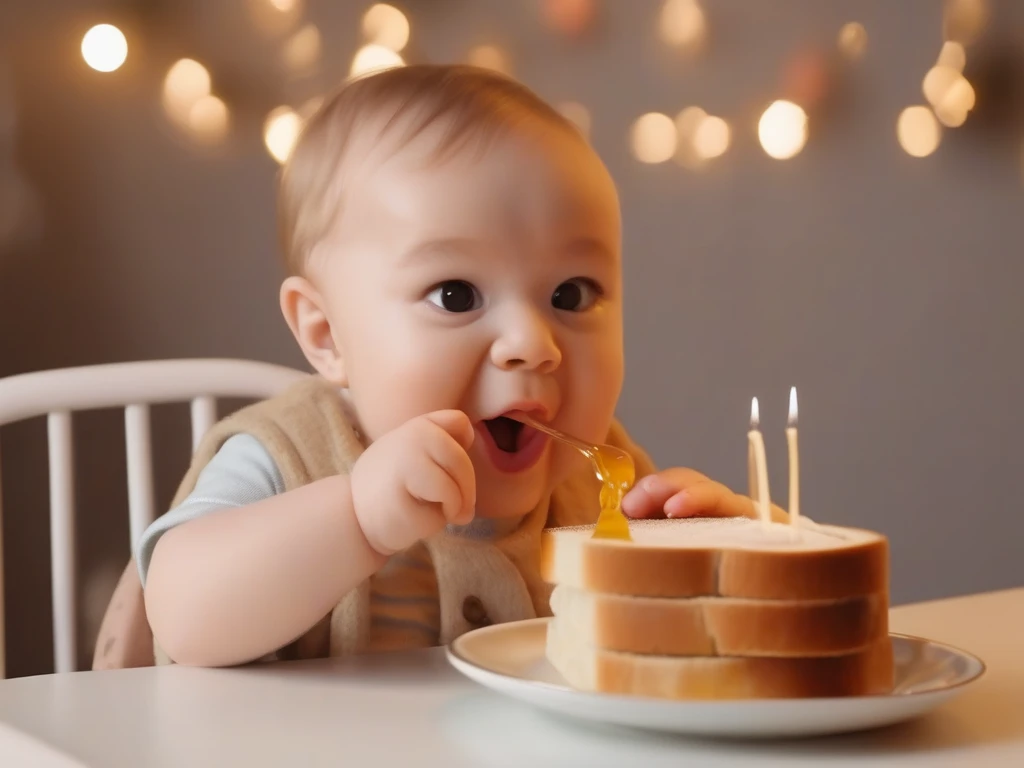
Honey is unsafe for babies under 12 months because of the risk of infant botulism, a rare but serious illness caused by Clostridium botulinum spores. These bacterial spores occur naturally in soil and dust and can find their way into honey during production. While the spores are completely harmless to older children and adults — whose mature digestive systems destroy them with stomach acid and established gut bacteria — an infant's immature gastrointestinal tract cannot neutralize them. In a baby's gut, the spores can germinate, colonize the intestines, and produce botulinum toxin, one of the most potent toxins known. This toxin attacks the nervous system, causing progressive muscle weakness that can affect breathing, swallowing, and movement. According to the Centers for Disease Control and Prevention (CDC), infant botulism accounts for about 70% of all botulism cases in the United States each year, with approximately 100-150 cases reported annually. While most babies recover fully with hospital treatment, the illness typically requires weeks of intensive care and can be life-threatening if not caught early. This is why every major pediatric health organization — including the American Academy of Pediatrics (AAP), the World Health Organization (WHO), and the UK National Health Service (NHS) — unanimously recommends no honey before age one, in any form or amount.
What Are the Signs of Infant Botulism?
Infant botulism symptoms usually appear within 3 to 30 days after a baby ingests contaminated honey, with most cases developing within 18 to 36 hours. The hallmark early sign is constipation — a baby who was previously having regular bowel movements may go 3 or more days without one. This is followed by progressive muscle weakness that typically starts at the head and moves downward. Parents may notice their baby becoming unusually floppy or limp (often described as a "floppy baby"), having difficulty sucking or swallowing during feeding, a weak cry that sounds different from normal, drooping eyelids, and a loss of facial expression. The baby may also drool more than usual due to difficulty swallowing saliva. As the condition progresses, the baby may have trouble holding their head up, show decreased movement of arms and legs, and in severe cases, develop breathing difficulties. If you notice any combination of these symptoms — especially constipation followed by lethargy and weak muscle tone — seek emergency medical attention immediately. Do not wait for symptoms to worsen. Early treatment with botulism immune globulin (BabyBIG) significantly improves outcomes, reducing hospital stays from an average of 5.7 weeks to 2.6 weeks. Infant botulism is treatable, and most babies make a full recovery, but prompt medical intervention is critical.

When Can Babies Start Eating Honey?
Babies can safely eat honey after their first birthday. By 12 months of age, a child's digestive system has matured enough to handle Clostridium botulinum spores — their stomach acid is stronger, their gut bacteria are well-established, and their intestinal environment no longer allows the spores to germinate and produce toxin. There is no medical reason to delay honey beyond 12 months unless your pediatrician advises otherwise for allergy or other health reasons. When introducing honey for the first time, start with a very small amount — about half a teaspoon mixed into food or spread thinly on toast. For first introductions, many pediatricians recommend clover honey or wildflower honey due to their mild, gentle flavor and lower risk of pollen sensitivity compared to single-source honeys. Watch for any signs of allergic reaction over the next 24 to 48 hours, though true honey allergies are extremely rare. Most toddlers love honey's sweet taste, and it can be a helpful tool for encouraging picky eaters to try new foods like yogurt, oatmeal, or whole-grain toast. Honey also has research behind it as a cough remedy after age one: clinical studies have found honey performs as well as or better than over-the-counter cough medicines for children's nighttime cough. For cough relief, buckwheat honey has been specifically studied and shown superior effectiveness compared to dextromethorphan, while wildflower honey offers gentle relief for sensitive toddlers. Talk to your pediatrician about an appropriate amount for soothing a toddler's cough. Just remember — no honey in any form before 12 months means no honey in food, baked goods, sauces, or even on a pacifier.
What About Honey in Cooked or Baked Foods?
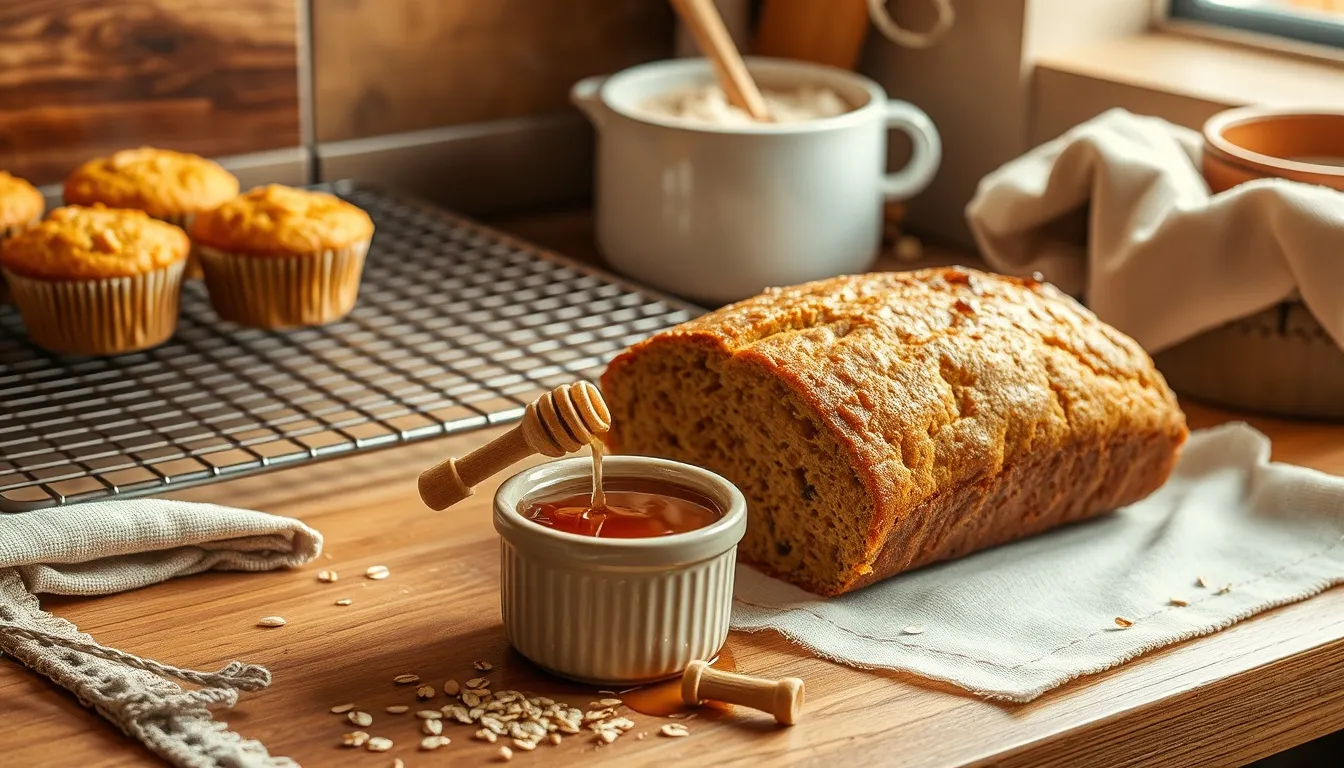
A common misconception is that cooking or baking honey makes it safe for babies. This is not reliably true. Clostridium botulinum spores are extremely heat-resistant — they can survive temperatures up to 250°F (121°C) for several minutes, and even higher temperatures may not destroy all spores, especially in the moist conditions typical of baking. Regular cooking and baking temperatures (usually 325-400°F on the outside, but lower internally) may not reach high enough temperatures throughout the food to neutralize every spore. For this reason, the American Academy of Pediatrics and food safety authorities explicitly warn against giving babies any food that contains honey, whether raw or cooked. This includes honey-sweetened cereals, honey graham crackers, honey-baked goods, honey-containing sauces or glazes, honey mustard, honey-flavored yogurt, and even some commercial products that list honey as an ingredient. When in doubt, read ingredient labels carefully on any food you plan to give to a baby under 12 months. Many products marketed to general audiences may contain honey. If you are cooking or baking for a family gathering where a baby will be present, use alternative sweeteners like mashed banana, apple sauce, or maple syrup (maple syrup is processed at temperatures high enough to eliminate botulism risk and is generally considered safe for babies who are eating solids, though it should still be used in small amounts).
Can Breastfeeding Mothers Eat Honey?
Yes, breastfeeding mothers can eat honey without any risk to their nursing baby. When a mother eats honey, her digestive system neutralizes any Clostridium botulinum spores before they could enter her bloodstream. Even if trace amounts somehow entered her system, botulinum toxin and spores do not pass into breast milk. The concern with infant botulism is specifically about spores entering a baby's immature gut directly — the risk comes from the baby ingesting honey, not from the mother consuming it. This has been confirmed by the CDC, the AAP, and the La Leche League International. So mothers who are breastfeeding can continue to enjoy honey in their tea, on toast, in cooking, and in any other form without worry. The same applies to pregnant women: honey is safe to eat during pregnancy because an adult's gastrointestinal system effectively prevents Clostridium botulinum spores from causing any harm. The only precaution is the same one that applies to everyone — avoid unpasteurized honey if you have a severely compromised immune system. For healthy breastfeeding mothers, honey offers beneficial nutrients including antioxidants, trace minerals, and natural antibacterial compounds. Just remember to keep the honey jar out of reach of the baby and never put honey on a pacifier, bottle nipple, or directly in a baby's mouth.
Safe Sweet Alternatives for Babies Under 12 Months
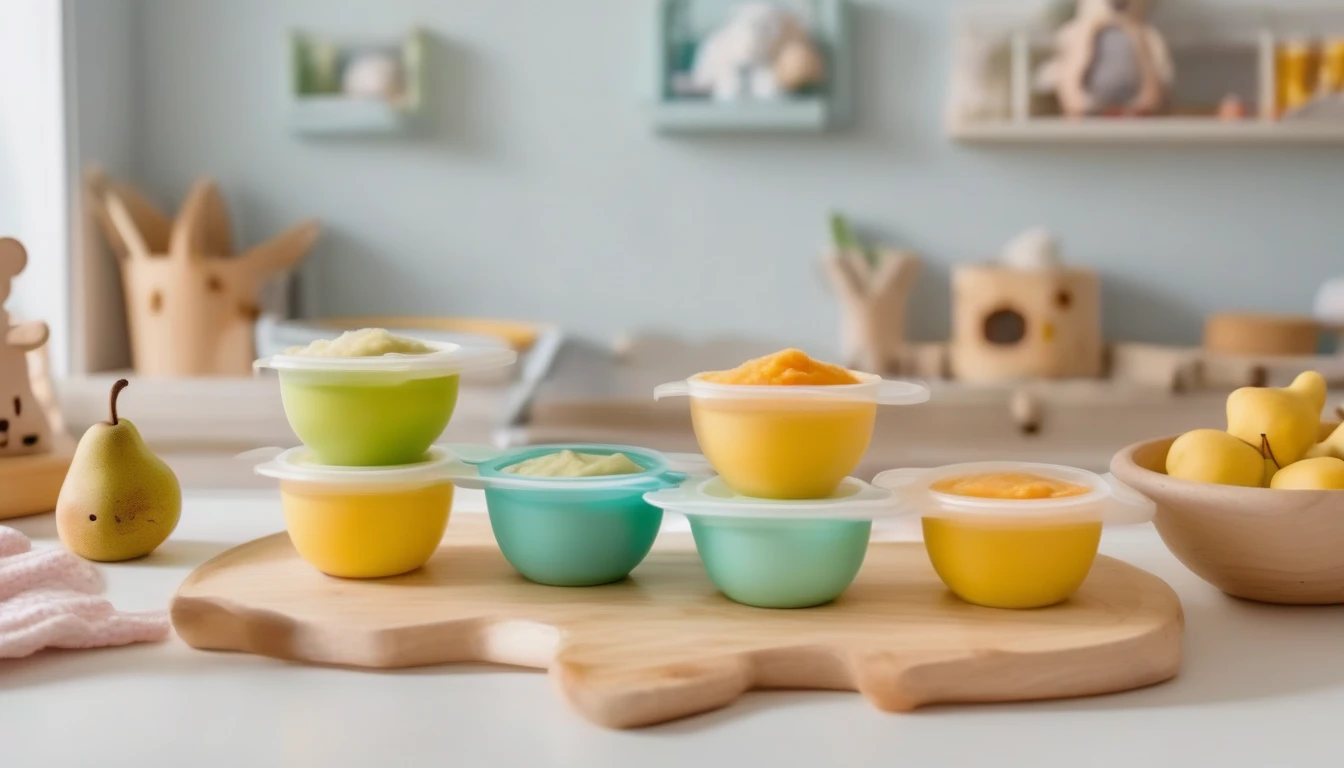
While honey is off-limits until age one, there are several safe ways to add natural sweetness to a baby's food once they start eating solids (typically around 6 months). Mashed ripe banana is one of the best natural sweeteners for baby food — it adds both sweetness and a creamy texture, plus it's rich in potassium and easy to digest. Unsweetened applesauce provides gentle sweetness and pairs well with oatmeal, yogurt, and purees. Mashed or pureed dates are nutrient-dense and naturally very sweet; they can be blended into smoothies or mixed into cereal. Pureed pears and peaches offer mild sweetness and are gentle on sensitive stomachs. Mashed sweet potato adds natural sweetness plus vitamin A to both savory and sweet dishes. Pure maple syrup (in small amounts) is generally considered safe for babies eating solids, as the production process involves sustained boiling at 219°F (104°C) that eliminates botulism risk. However, pediatricians generally recommend limiting all added sweeteners during infancy to help develop healthy taste preferences. The American Academy of Pediatrics advises against adding sugar or sweeteners to a baby's food during the first two years when possible, as this is a critical window for developing taste preferences that will last a lifetime. Breast milk and formula provide all the sweetness a baby needs in the first year.
Emergency: If Your Baby Has Eaten Honey
If your baby under 12 months has eaten honey, don't panic — not all honey contains botulism spores, and most babies will be fine. However, monitor closely for signs of infant botulism over the next 3-30 days: constipation, weak cry, poor feeding, floppiness, or difficulty swallowing. If you notice any of these symptoms, seek emergency medical attention immediately. Call your pediatrician right away for guidance. Early treatment with botulism immune globulin (BabyBIG) dramatically improves outcomes.
Frequently Asked Questions
Can babies eat honey?
No. Babies under 12 months should never eat honey in any form — raw, cooked, or baked. Honey can contain Clostridium botulinum spores that cause infant botulism, a rare but serious illness. A baby's immature digestive system cannot neutralize these spores. Wait until your child's first birthday to introduce honey.
Why is honey dangerous for babies?
Honey may contain Clostridium botulinum spores that are harmless to adults but dangerous for infants. In a baby's immature gut, the spores can germinate and produce botulinum toxin, causing progressive muscle weakness, breathing difficulties, and potentially life-threatening illness. About 100-150 cases of infant botulism occur in the US each year.
What are the symptoms of infant botulism?
Symptoms typically appear within 3-30 days of exposure and include: constipation (often the first sign), weak cry, poor feeding, difficulty sucking or swallowing, floppy or limp muscles, drooping eyelids, and decreased movement. Seek emergency medical attention immediately if you notice these signs.
When can babies start eating honey?
Babies can safely eat honey after their first birthday (12 months). By this age, their digestive system is mature enough to handle botulinum spores. Start with a small amount (half a teaspoon) and watch for any reactions. Honey is also an effective cough remedy for children over 12 months.
Which honey varieties are best for toddlers starting at 12 months?
For first introductions, clover honey and wildflower honey are ideal due to their mild, gentle flavors and lower pollen sensitivity risk. Clover honey offers reliable sweetness perfect for toast and oatmeal, while wildflower honey provides diverse nutrients from multiple flower sources. For cough relief specifically, buckwheat honey has been clinically studied and shown superior effectiveness, though its stronger molasses flavor may be better for older toddlers. Avoid specialty honeys like Manuka initially — save premium varieties until your child is comfortable with basic honey types.
Is cooked or baked honey safe for babies?
No. Cooking and baking do not reliably destroy Clostridium botulinum spores, which can survive temperatures up to 250°F (121°C). Avoid giving babies under 12 months any food containing honey, including honey graham crackers, honey-sweetened cereals, honey mustard, and baked goods made with honey.
Can breastfeeding mothers eat honey?
Yes. Breastfeeding mothers can safely eat honey. An adult's digestive system neutralizes botulinum spores before they could enter the bloodstream, and neither the spores nor the toxin pass into breast milk. The risk is only from a baby directly ingesting honey.
Edited by Sam French · Raw Honey Guide Editorial Team
Source reviewed against primary literature and official guidance where available. Health content is educational, not medical advice, and does not replace a licensed clinician.
Get the Honey Buyer's Cheat Sheet (free PDF)
16 varieties on one page — color, flavor, best use and what a fair price looks like — from the 268 honeys we track.
Related Guides
Health Benefits
Nutritional and therapeutic benefits of honey.
Read GuideHoney for Cough
Evidence-based natural cough relief.
Read GuideCan Dogs Eat Honey?
Pet safety, dosage, and benefits.
Read GuideRelated Articles
When Can Babies Have Honey? Age Guidelines and Safety Facts
When can babies eat honey? The 12-month rule, infant botulism risks, and how to introduce honey safely after age one.
Read ArticleIs Honey Safe During Pregnancy? What Expecting Mothers Need to Know
Is honey safe during pregnancy? Evidence on pasteurized vs raw, botulism risk, gestational diabetes, and safe daily amounts.
Read ArticleIs Honey Bad for Your Teeth? The Full Dental Health Picture
Is honey bad for teeth — or can it help? Evidence on cavity risk, manuka for gum disease, and smart consumption tips.
Read ArticleHoney for Toothache: Can It Help Dental Pain? What Science Says
Can honey relieve toothache? The science on antibacterial and anti-inflammatory properties, home remedies, and safety.
Read ArticleExplore our library of honey guides
Browse All Honey Guides