Can Dogs Eat Honey?
A complete guide to feeding honey to dogs safely — dosage by weight, documented health benefits, the best honey types for canines, and important warnings every pet owner needs to know.
Last updated:
Yes, most healthy adult dogs can safely eat honey in small amounts, a few times a week rather than daily — ask your veterinarian for an amount appropriate to your dog's size. Raw honey offers antibacterial benefits, may help with seasonal allergies, and can soothe sore throats. Never give honey to puppies under 12 months (botulism risk), diabetic dogs, or immunocompromised dogs. Avoid any honey products containing xylitol, which is extremely toxic to dogs.


Is Honey Safe for Dogs?
Yes, honey is generally safe for most adult dogs when given in small amounts. Raw honey contains natural sugars (fructose and glucose), trace enzymes, vitamins, and minerals that can offer modest health benefits. Veterinarians typically consider honey a safe occasional treat for healthy adult dogs. However, there are important exceptions. Puppies under one year old should never be given honey due to the risk of botulism — their immature immune and digestive systems cannot handle the Clostridium botulinum spores that may be present in raw honey. This is the same reason human infants under 12 months should avoid honey. Dogs with diabetes or obesity should also avoid honey because of its high sugar content (about 17 grams of sugar per tablespoon). Immunocompromised dogs or those undergoing chemotherapy should skip honey as well, since their weakened immune systems may not be able to fight off any naturally present bacteria or spores. If your dog has never had honey before, start with a very small amount (less than half a teaspoon) and watch for any allergic reactions or digestive upset over the next 24 hours before offering more.
How Much Honey Can Dogs Have?
The appropriate amount of honey for a dog depends primarily on their size and overall health — ask your veterinarian for guidance specific to your dog rather than relying on a generic chart. As a general guideline, veterinary nutritionists recommend treating honey as an occasional treat that makes up a small share of a dog's daily caloric intake, not a significant one. One tablespoon of honey contains approximately 64 calories and 17 grams of sugar, which is significant for a small dog whose total daily caloric needs might be only 200-400 calories. Excessive honey consumption can lead to weight gain, dental problems, and blood sugar spikes. Always introduce honey gradually and monitor your dog's weight and stool quality. If you notice loose stools, reduce the amount. For dogs with any health conditions, consult your veterinarian before adding honey to their diet — what works for a healthy dog may not be appropriate for one with metabolic issues.

What Are the Health Benefits of Honey for Dogs?
Honey offers several potential health benefits for dogs, though most evidence comes from veterinary case reports and extrapolation from human studies rather than large-scale canine clinical trials. The antibacterial properties of honey, particularly <Link to="/honey/new-zealand-manuka-umf-15" className="text-honey-600 hover:text-honey-700 font-medium">Manuka honey</Link>, have been used in veterinary medicine for wound care — medical-grade honey applied topically can help heal minor cuts, scrapes, hot spots, and skin irritations. The enzymes in raw honey produce small amounts of hydrogen peroxide when diluted, creating an antimicrobial environment. Some veterinarians recommend a small amount of local raw honey to help dogs with seasonal environmental allergies, based on the same theory used for humans: gradual exposure to local pollen through honey may help desensitize the immune system. While clinical evidence is limited, many dog owners report anecdotal improvements. Honey can also soothe a dog's sore or irritated throat and may help with kennel cough symptoms as a complementary remedy (not a replacement for veterinary treatment). The natural sugars in honey provide a quick energy boost, which can be helpful for working dogs or those recovering from illness. Raw honey also contains small amounts of antioxidants, B vitamins, vitamin C, and minerals like iron, manganese, and potassium. For senior dogs with mild joint stiffness, some holistic veterinarians suggest honey as a gentle anti-inflammatory complement to conventional treatments.
Which Types of Honey Are Best for Dogs?
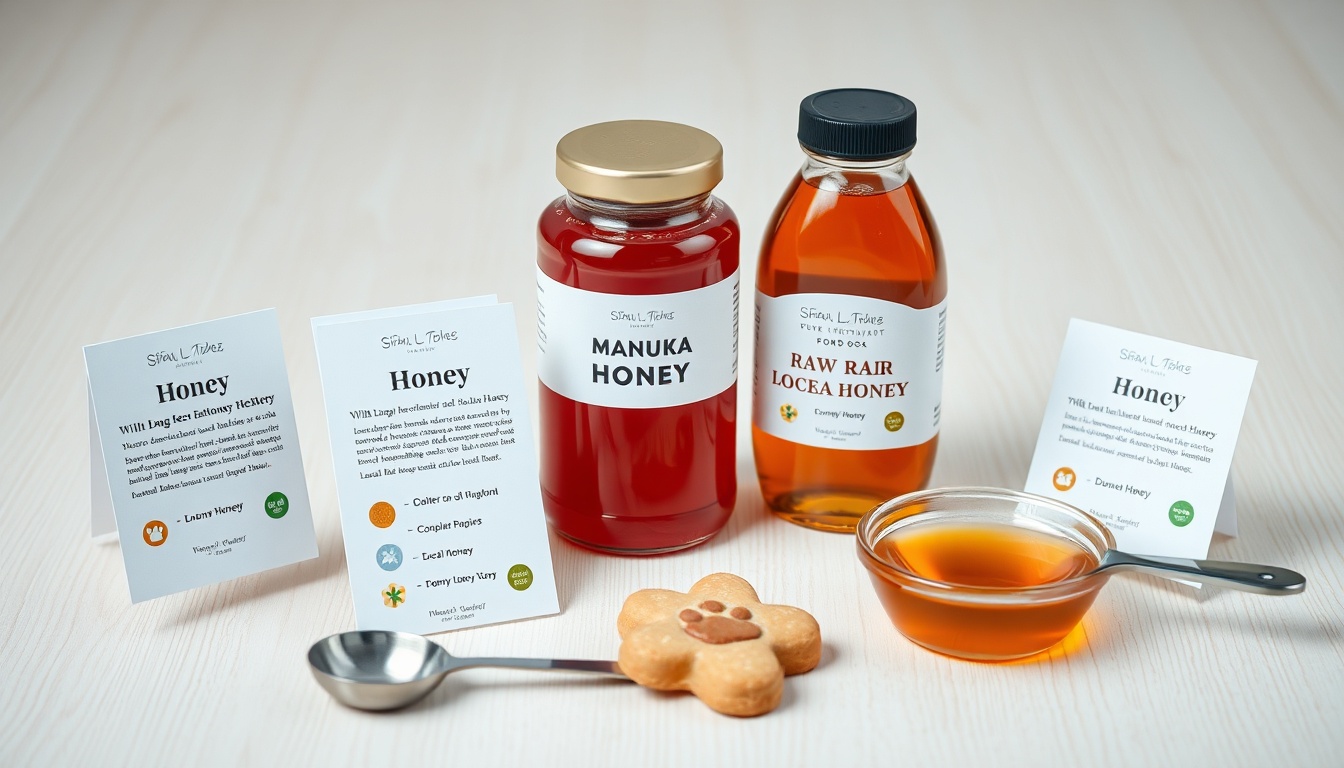
Not all honey is created equal when it comes to canine health. Raw, unfiltered honey is the best choice for dogs because it retains natural enzymes, pollen, propolis, and antioxidants that are destroyed during commercial processing. Processed or ultra-filtered honey found in squeeze bottles at most grocery stores has been heated to high temperatures, removing many of the beneficial compounds. <Link to="/honey/new-zealand-manuka-umf-15" className="text-honey-600 hover:text-honey-700 font-medium">Manuka honey</Link> is the premium option for dogs, especially for topical wound care, due to its exceptionally high antibacterial activity rated by the UMF (Unique Manuka Factor) or MGO (methylglyoxal) scale. A UMF 10+ rating is a good starting point for topical veterinary use. Local raw honey is ideal if you're hoping to help with seasonal allergies, since it contains pollen from plants in your area. For general supplementation, any high-quality raw honey from a trusted beekeeper will work well — <Link to="/honey/clover-honey" className="text-honey-600 hover:text-honey-700 font-medium">clover honey</Link>, <Link to="/honey/wildflower-honey" className="text-honey-600 hover:text-honey-700 font-medium">wildflower honey</Link>, and <Link to="/honey/buckwheat-honey" className="text-honey-600 hover:text-honey-700 font-medium">buckwheat honey</Link> are all good choices. <Link to="/honey/buckwheat-honey" className="text-honey-600 hover:text-honey-700 font-medium">Buckwheat honey</Link> has notably higher antioxidant content than lighter varieties. Avoid any honey products that contain xylitol, artificial sweeteners, or added flavors, as xylitol is extremely toxic to dogs and can cause rapid insulin release, liver failure, and death even in very small amounts. Also avoid "honey blends" or "honey-flavored syrups" that may contain additives unsafe for dogs. When in doubt, stick to single-ingredient raw honey from a reputable source.
When Should Dogs NOT Have Honey?
While honey is safe for most healthy adult dogs, there are several situations where it should be avoided entirely. Puppies under 12 months old are the most important group to protect — their immature gastrointestinal systems lack the robust gut bacteria and stomach acidity needed to neutralize Clostridium botulinum spores that can be present in raw honey, putting them at risk for infant botulism. Dogs with diabetes mellitus should not have honey, as the concentrated sugars (about 82% sugar by weight) will cause blood glucose spikes that can worsen their condition and complicate insulin management. Overweight or obese dogs should avoid honey as an unnecessary source of empty calories — even small amounts add up. Dogs with compromised immune systems, whether from disease, medication, or chemotherapy, should not eat raw honey due to the potential bacterial load. If your dog has a known bee or pollen allergy, honey could trigger an allergic reaction ranging from mild itching to more severe symptoms. Dogs with dental disease should avoid honey since the sugars promote bacterial growth on teeth and can worsen existing dental problems. If your dog experiences vomiting, diarrhea, excessive gas, or lethargy after eating honey, discontinue use immediately and consult your veterinarian. Finally, never apply honey to deep wounds, puncture wounds, or burns without veterinary guidance — while honey has wound-healing properties, serious injuries require professional treatment.
How to Give Your Dog Honey: Practical Tips
There are many easy and safe ways to incorporate honey into your dog's routine. The simplest method is to offer a small amount of raw honey directly from a spoon — most dogs love the sweet taste and will lick it right off. You can also drizzle a small amount over your dog's regular food as a flavor enhancer, which is especially helpful for picky eaters or dogs who need to take medication hidden in their food. For a cooling summer treat, mix a teaspoon of honey into plain unsweetened yogurt and freeze it in a Kong toy or silicone mold. Honey can be mixed into homemade dog treats — combine it with peanut butter (make sure it's xylitol-free), oats, and mashed banana for simple baked biscuits. For dogs with a sore throat or kennel cough, mix a small amount of honey with warm (not hot) water and offer it as a soothing drink. For topical wound care, apply a thin layer of medical-grade <Link to="/honey/new-zealand-manuka-umf-15" className="text-honey-600 hover:text-honey-700 font-medium">Manuka honey</Link> to minor cuts, hot spots, or skin irritations after cleaning the area, then cover with a light bandage to prevent your dog from licking it off. A recovery cone may be needed. For allergy support, some owners offer a consistent small amount of local raw honey daily, starting a month or more before allergy season — ask your vet whether this is appropriate for your dog. Keep a log of any changes you notice in your dog's energy, coat quality, digestion, or allergy symptoms.
Important Safety Reminder
Never give honey to puppies under 12 months old due to botulism risk. Always check that honey products do not contain xylitol, which is extremely toxic to dogs even in tiny amounts. If your dog shows signs of an allergic reaction (swelling, difficulty breathing, hives) or digestive distress after eating honey, contact your veterinarian immediately. This guide is for informational purposes and does not replace professional veterinary advice.
Frequently Asked Questions
Can dogs eat honey safely?
Yes, most healthy adult dogs can safely eat small amounts of honey as an occasional treat. Raw honey contains enzymes, vitamins, and antioxidants that may benefit dogs. However, puppies under 12 months, diabetic dogs, and immunocompromised dogs should avoid honey entirely.
How much honey can I give my dog?
The appropriate amount depends on your dog's size — ask your veterinarian for guidance specific to your dog. Give honey only occasionally, not daily, and as a small share of daily calories rather than a significant one.
Can puppies eat honey?
No. Puppies under 12 months old should never eat honey. Their immature digestive and immune systems cannot handle Clostridium botulinum spores that may naturally occur in raw honey, putting them at risk for botulism. Wait until your dog is at least one year old before introducing honey.
Is Manuka honey good for dogs?
Yes, Manuka honey is considered the premium choice for dogs, especially for topical wound care due to its high antibacterial activity. A UMF 10+ rating is recommended for topical use on minor cuts and hot spots. For eating, any raw honey works, but Manuka honey offers the strongest antimicrobial benefits.
Can honey help dogs with allergies?
Some veterinarians and dog owners report that local raw honey may help with seasonal environmental allergies through gradual pollen desensitization. While clinical evidence is limited, some owners give local raw honey daily starting a month or more before allergy season, though this should be discussed with your vet first.
What honey should dogs avoid?
Dogs should never have honey products containing xylitol (an artificial sweetener that is extremely toxic to dogs), honey blends with added flavors or sweeteners, or heavily processed ultra-filtered honey that has lost its beneficial enzymes and nutrients. Stick to plain, single-ingredient raw honey from a trusted source.
Edited by Sam French · Raw Honey Guide Editorial Team
Source reviewed against primary literature and official guidance where available. Health content is educational, not medical advice, and does not replace a licensed clinician.
Get the Honey Buyer's Cheat Sheet (free PDF)
16 varieties on one page — color, flavor, best use and what a fair price looks like — from the 268 honeys we track.
Related Guides
Health Benefits
Nutritional and therapeutic benefits of honey.
Read GuideHoney Nutrition Facts
USDA reference values and label-reading context.
Read GuideCan Babies Eat Honey?
Infant botulism risk and safe age guide.
Read GuideRelated Articles
Can Dogs Eat Honey? Benefits, Risks, and Safe Feeding
Is honey safe for dogs? Benefits, risks, feeding by size, best types, and what the research says about kennel cough and wounds.
Read ArticleCan Cats Eat Honey? Safety, Risks, and What Vets Say
Is honey safe for cats? Why cats handle sugar differently than dogs, real risks, and safer alternatives from veterinarians.
Read ArticleWhen Can Babies Have Honey? Age Guidelines and Safety Facts
When can babies eat honey? The 12-month rule, infant botulism risks, and how to introduce honey safely after age one.
Read ArticleExplore our library of honey guides
Browse All Honey Guides