Raw Honey vs Regular Honey
Raw and regular honey start from the same source but end up very different. Learn how processing changes honey's nutrition, enzymes, flavor, and health benefits — and how to choose the right one.
Last updated:
Raw honey is minimally processed — strained and bottled at hive temperature (~95°F) — retaining natural enzymes, pollen, and antioxidants. Regular honey is heated to 150-170°F and pressure-filtered, which destroys enzymes, removes pollen, and reduces antioxidant content by up to 33%. Both have the same calories and sugar, but raw honey offers significantly more health benefits.
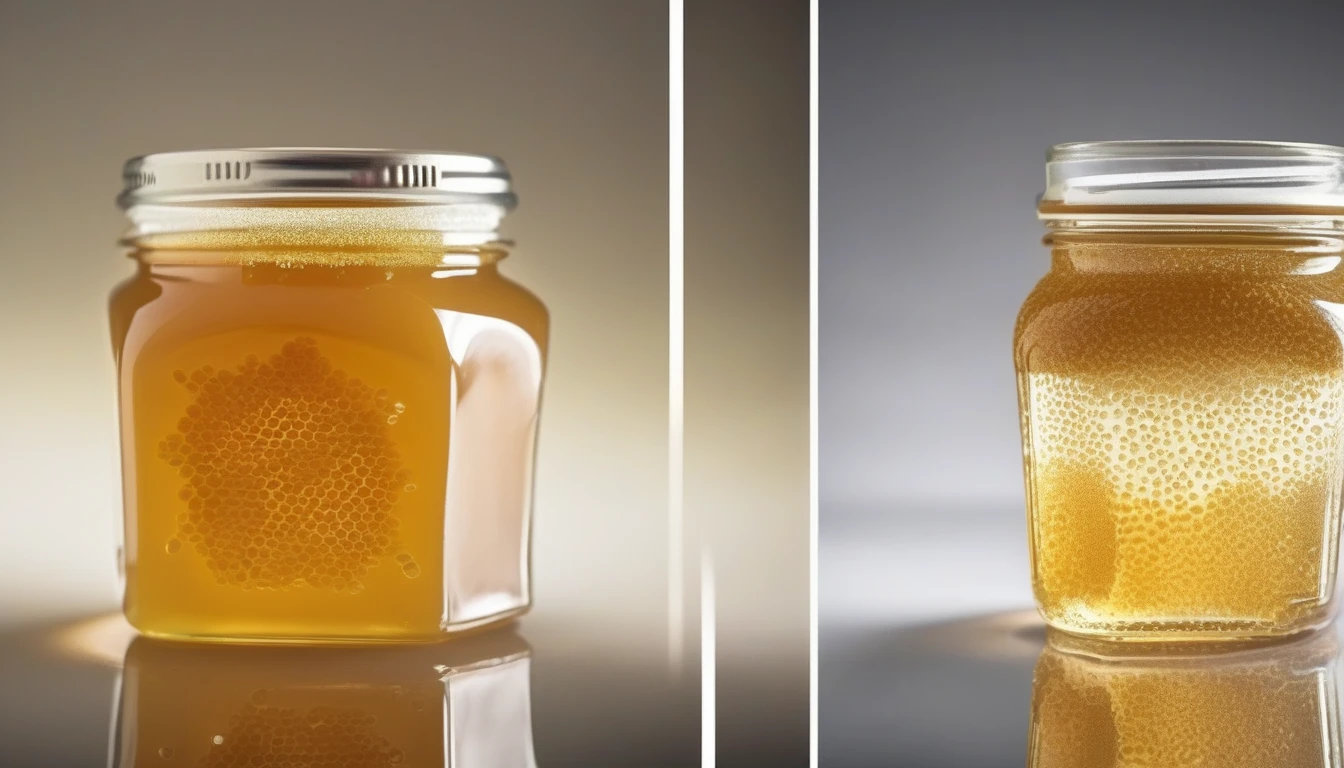
Quick Comparison: Raw vs Regular Honey
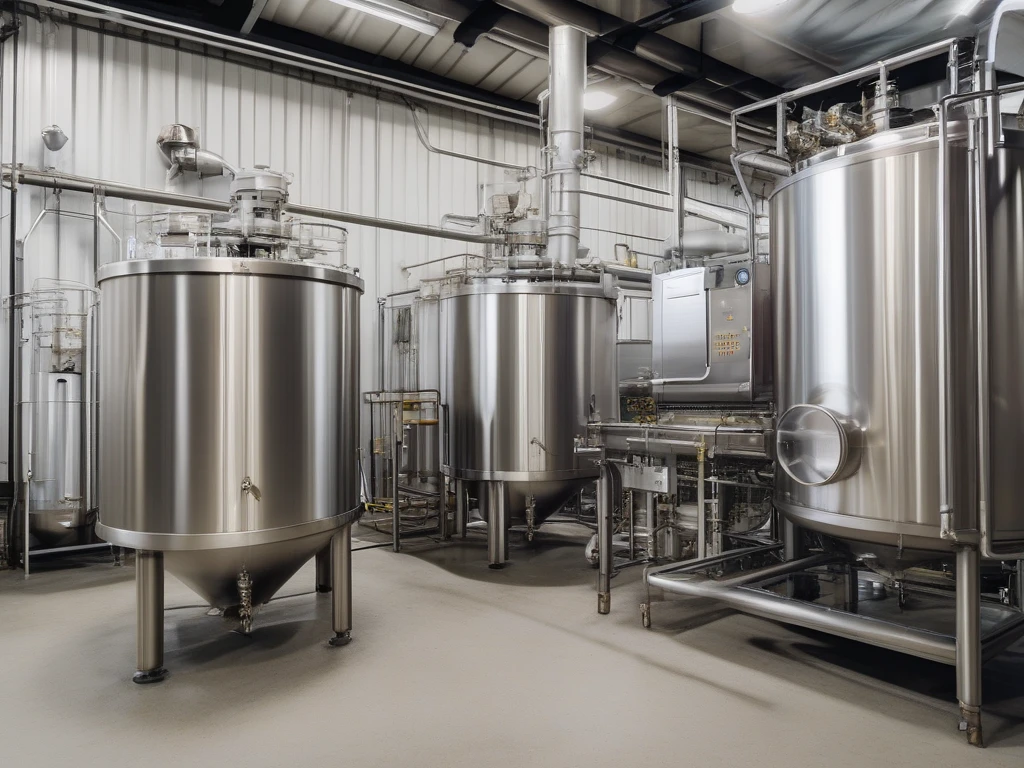
What Is the Difference Between Raw and Regular Honey?
The fundamental difference between raw honey and regular (commercial) honey comes down to processing. Raw honey is extracted from the hive, lightly strained to remove large debris like wax and bee parts, and bottled — that's it. It is never heated above the natural hive temperature of about 95°F (35°C) and is not pressure-filtered. Regular honey, by contrast, undergoes significant processing after extraction. It is typically heated to 150–170°F (65–77°C) to make it thinner and easier to filter, then pressure-filtered through fine mesh or diatomaceous earth to remove pollen, air bubbles, and any cloudiness. Some commercial honeys are also ultra-filtered, a process that forces the honey through extremely fine filters under high pressure, removing virtually all pollen grains. This matters because pollen is what allows scientists to trace honey's botanical and geographical origin — without pollen, there is no way to verify where <Link to="/honey/wildflower-honey" className="text-honey-600 hover:text-honey-700 font-medium">wildflower honey</Link> came from specific meadows or whether premium varieties like <Link to="/honey/sourwood-honey" className="text-honey-600 hover:text-honey-700 font-medium">sourwood honey</Link> are authentic. The result of all this processing is a crystal-clear, uniform product that stays liquid on the shelf for months. But that visual appeal comes at a significant cost to the honey's nutritional value, flavor complexity, and enzymatic activity.
How Does Processing Affect Honey's Nutrition?
Heat is the single biggest factor that degrades honey's nutritional profile. Raw honey contains over 200 bioactive compounds including enzymes (diastase, invertase, glucose oxidase), antioxidants (flavonoids, phenolic acids), vitamins (B6, thiamin, niacin, riboflavin), minerals (calcium, iron, zinc, potassium, magnesium, selenium), amino acids, and organic acids. Many of these compounds are heat-sensitive, particularly in antioxidant-rich varieties like <Link to="/honey/buckwheat-honey" className="text-honey-600 hover:text-honey-700 font-medium">buckwheat honey</Link> and <Link to="/honey/chestnut-honey" className="text-honey-600 hover:text-honey-700 font-medium">chestnut honey</Link> that contain exceptionally high polyphenol levels. Diastase, an enzyme used as a marker of honey quality, degrades significantly when heated above 104°F (40°C). Glucose oxidase, the enzyme responsible for honey's antibacterial hydrogen peroxide production in varieties like <Link to="/honey/clover-honey" className="text-honey-600 hover:text-honey-700 font-medium">clover honey</Link> and <Link to="/honey/eucalyptus-honey" className="text-honey-600 hover:text-honey-700 font-medium">eucalyptus honey</Link>, is largely destroyed above 140°F (60°C). Invertase, which continues to break down sugars after bottling, is similarly heat-sensitive. A 2015 study in the Journal of Apicultural Research found that heating honey to 140°F for just 30 minutes reduced its antioxidant capacity by up to 33%. Heating to 170°F — standard commercial pasteurization temperature — destroyed nearly all enzyme activity. The flavonoid content, which gives honey its anti-inflammatory and antioxidant properties, also decreases substantially with heat exposure. Additionally, heating can produce hydroxymethylfurfural (HMF), a compound that forms when sugars are heated. Fresh raw <Link to="/honey/acacia-honey" className="text-honey-600 hover:text-honey-700 font-medium">acacia honey</Link> has HMF levels below 10 mg/kg, while heavily processed honey can have levels exceeding 40 mg/kg. The International Honey Commission uses HMF as a quality indicator — high levels signal overheating or prolonged storage.
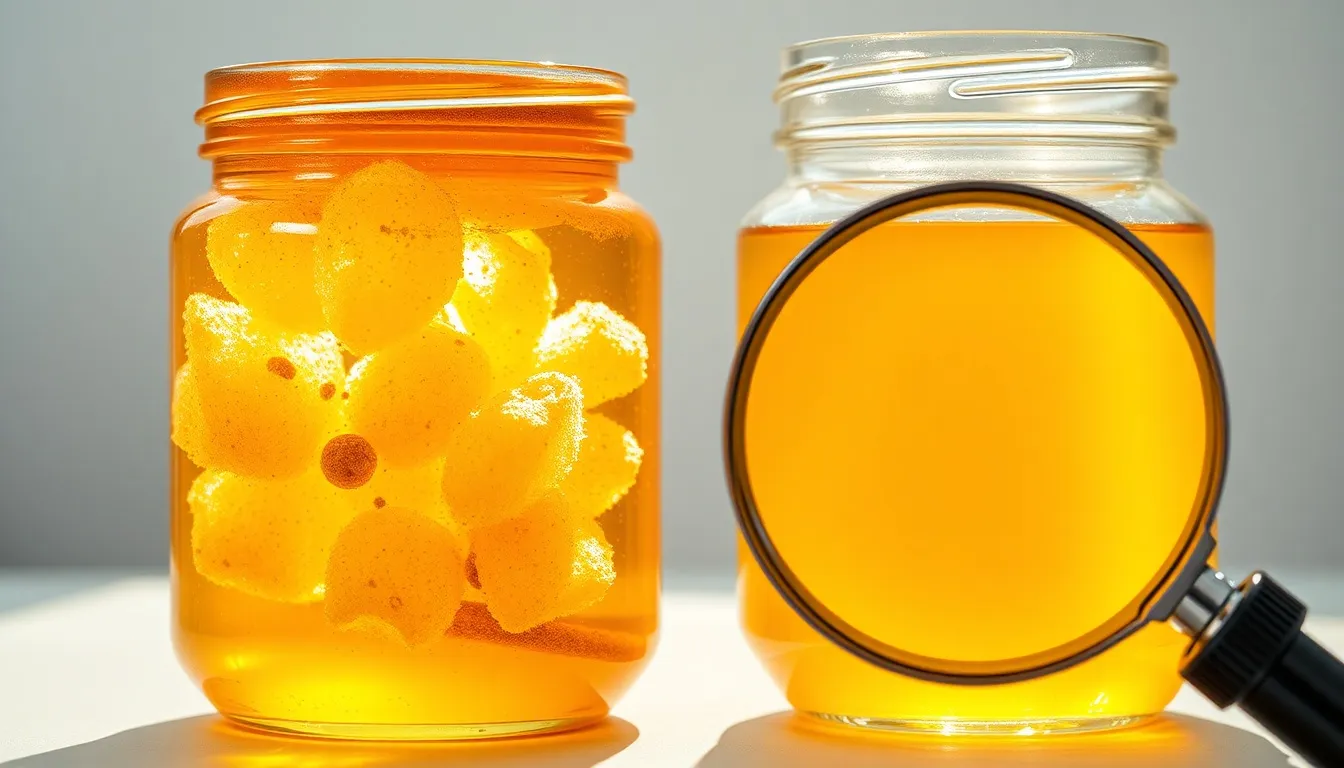
Does Raw Honey Taste Different from Regular?
The flavor difference between raw and processed honey is immediately noticeable to anyone who has tasted both side by side. Raw honey has layers of complexity — floral notes, fruity undertones, earthy depths, and sometimes a slight bite or peppery finish, especially in darker varieties like <Link to="/honey/buckwheat-honey" className="text-honey-600 hover:text-honey-700 font-medium">buckwheat honey</Link> with its molasses-like intensity or <Link to="/honey/chestnut-honey" className="text-honey-600 hover:text-honey-700 font-medium">chestnut honey</Link> with its tannic bite. Each jar of raw honey reflects its terroir: the specific flowers the bees visited, the soil and climate conditions, and even the season of harvest. A jar of raw <Link to="/honey/wildflower-honey" className="text-honey-600 hover:text-honey-700 font-medium">wildflower honey</Link> from the Appalachian mountains will taste completely different from raw <Link to="/honey/orange-blossom-honey" className="text-honey-600 hover:text-honey-700 font-medium">orange blossom honey</Link> from Florida's citrus groves, or the distinctive spice notes of raw <Link to="/honey/sourwood-honey" className="text-honey-600 hover:text-honey-700 font-medium">sourwood honey</Link> from the Blue Ridge Mountains. Regular processed honey, by contrast, tends to have a flat, one-dimensional sweetness. The high-heat processing drives off volatile aromatic compounds — the same molecules responsible for the complex flavors in raw honey. Ultra-filtering removes pollen particles that contribute subtle texture and taste. Many commercial honeys are also blends of honeys from multiple origins (often including imported honey of uncertain quality), which further dilutes any distinctive character. The texture also differs significantly. Raw honey is naturally thicker and may have a slightly grainy or creamy texture from the natural crystallization process. It often contains visible flecks of pollen, small wax particles, and propolis — all of which are beneficial compounds. Regular honey is uniformly smooth, thin, and pourable due to the heating and filtering process.
Which Is Healthier: Raw or Regular Honey?
From a health perspective, raw honey is superior to regular honey in virtually every measurable category. Multiple studies comparing raw and processed honey consistently find that raw honey retains significantly higher polyphenol and flavonoid levels — heat treatment and filtration both reduce antioxidant content, with pasteurization alone reducing flavonoid levels by up to 30%. Raw <Link to="/honey/buckwheat-honey" className="text-honey-600 hover:text-honey-700 font-medium">buckwheat honey</Link> contains up to 3-9 times more antioxidants than lighter varieties like <Link to="/honey/clover-honey" className="text-honey-600 hover:text-honey-700 font-medium">clover honey</Link>. Raw honey contains bee pollen, which is considered a superfood in its own right — rich in protein, free amino acids, vitamins, and bioactive compounds. The propolis naturally present in raw honey has been studied for its anti-inflammatory, antiviral, and anticancer properties. The intact enzymes in raw honey — particularly glucose oxidase — produce hydrogen peroxide when diluted, giving raw honey genuine antibacterial properties that processed honey largely lacks. This is why raw honey has been used in wound care for millennia and why medical-grade honeys like raw <Link to="/honey/manuka-honey" className="text-honey-600 hover:text-honey-700 font-medium">Manuka honey</Link> must meet strict enzyme activity standards. For digestive health, the prebiotics in raw honey (particularly oligosaccharides) support beneficial gut bacteria, with <Link to="/honey/wildflower-honey" className="text-honey-600 hover:text-honey-700 font-medium">wildflower honey</Link> providing diverse prebiotic compounds from multiple botanical sources. A 2006 study in BMC Complementary and Alternative Medicine found that honey oligosaccharides increased populations of Bifidobacteria and Lactobacilli by up to 10-fold in vitro. However, it is important to note that both raw and regular honey contain approximately the same amount of sugar (about 80%) and calories (roughly 64 calories per tablespoon). Neither is a "health food" in the way that fruits or vegetables are. The health advantages of raw honey are real but incremental — choosing raw over regular is a better choice, but honey should still be consumed in moderation. Never give any honey (raw or processed) to infants under 12 months due to the risk of infant botulism.
How to Tell Raw Honey from Regular at the Store
Identifying genuine raw honey at the store requires reading labels carefully, because the term "raw" has no federal legal definition in the United States. The FDA has a standard of identity for honey but does not regulate the use of "raw" on labels. That said, there are reliable indicators to look for. First, check the ingredient list — it should say only "honey" with no added sugars, syrups, or flavors. Look for "raw" prominently on the label, ideally combined with "unfiltered" or "unpasteurized." True raw honey will often appear cloudy or opaque rather than crystal clear, due to naturally occurring pollen, wax particles, and air bubbles. If it has crystallized in the jar (a white or pale layer forming at the bottom or throughout), that is actually a strong positive indicator — crystallization is a natural process that commercial processors specifically try to prevent through heating. <Link to="/honey/clover-honey" className="text-honey-600 hover:text-honey-700 font-medium">Clover honey</Link> and <Link to="/honey/wildflower-honey" className="text-honey-600 hover:text-honey-700 font-medium">wildflower honey</Link> crystallize readily when raw, while <Link to="/honey/acacia-honey" className="text-honey-600 hover:text-honey-700 font-medium">acacia honey</Link> and <Link to="/honey/tupelo-honey" className="text-honey-600 hover:text-honey-700 font-medium">tupelo honey</Link> resist crystallization naturally. Check for origin information: the more specific, the better. A label that says "Raw <Link to="/honey/sourwood-honey" className="text-honey-600 hover:text-honey-700 font-medium">Sourwood Honey</Link> from North Carolina" or "Raw <Link to="/honey/orange-blossom-honey" className="text-honey-600 hover:text-honey-700 font-medium">Orange Blossom Honey</Link> from Florida" is far more trustworthy than one that simply says "Pure Honey" with no origin. Single-origin honey from a named farm or beekeeper is ideal. Third-party certifications add credibility: USDA Organic (requires specific hive management practices), True Source Certified (verifies origin), or state-level certifications. Price is another indicator — genuine raw honey typically costs $10-20 or more per pound due to higher production costs, while heavily processed commercial honey often sells for $5-8 per pound. The best way to ensure you are getting real raw honey is to buy directly from a local beekeeper at a farmers market, farm stand, or through their website. You can ask them directly about their processing methods and even visit the apiary.
Raw vs Regular Honey: Side-by-Side Comparison
Here is a clear summary of how raw and regular honey compare across every important dimension. Processing: raw honey is strained and bottled at hive temperature (95°F), while regular honey is heated to 150-170°F and pressure-filtered. Enzymes: raw honey contains active diastase, invertase, and glucose oxidase; regular honey has reduced or destroyed enzyme activity. Pollen: raw honey retains natural pollen from the bees' foraging area (visible in <Link to="/honey/wildflower-honey" className="text-honey-600 hover:text-honey-700 font-medium">wildflower honey</Link> and <Link to="/honey/buckwheat-honey" className="text-honey-600 hover:text-honey-700 font-medium">buckwheat honey</Link>); regular honey has pollen partially or completely removed by filtering. Antioxidants: raw honey has up to 33% higher antioxidant levels compared to heat-processed honey, with varieties like raw <Link to="/honey/chestnut-honey" className="text-honey-600 hover:text-honey-700 font-medium">chestnut honey</Link> offering exceptional polyphenol content. Antibacterial properties: raw honey produces hydrogen peroxide via intact glucose oxidase; this activity is significantly reduced in regular honey. Flavor: raw honey has complex, terroir-driven flavor notes (from <Link to="/honey/acacia-honey" className="text-honey-600 hover:text-honey-700 font-medium">acacia honey's</Link> delicate floral notes to <Link to="/honey/sourwood-honey" className="text-honey-600 hover:text-honey-700 font-medium">sourwood honey's</Link> spice complexity); regular honey has uniform, flat sweetness. Texture: raw honey is thick, may crystallize, and can have visible particles; regular honey is thin, smooth, and stays liquid longer. Appearance: raw honey is cloudy or opaque; regular honey is clear and golden. Shelf life: both last indefinitely if stored properly, though regular honey stays liquid longer on the shelf. Crystallization: raw <Link to="/honey/clover-honey" className="text-honey-600 hover:text-honey-700 font-medium">clover honey</Link> crystallizes naturally within weeks to months; regular honey resists crystallization due to processing. Price: raw honey costs $10-20+ per pound; regular honey costs $5-8 per pound. Calories: both contain approximately 64 calories per tablespoon — no meaningful difference. Sugar content: both are roughly 80% sugar (fructose and glucose) — no meaningful difference. Safety: neither should be given to infants under 12 months.
Frequently Asked Questions
Is raw honey healthier than regular honey?
Yes. Raw honey retains more antioxidants (up to 33% higher), active enzymes (diastase, invertase, glucose oxidase), bee pollen, and propolis that are destroyed or removed during commercial processing. Dark varieties like raw buckwheat honey contain exceptionally high antioxidant levels compared to lighter varieties. However, both contain about the same calories and sugar content, so moderation is still important.
What does "raw" mean on a honey label?
Raw honey has not been heated above natural hive temperature (~95°F/35°C) and has not been pressure-filtered. It retains natural pollen, enzymes, and beneficial compounds. However, the term "raw" is not federally regulated in the US, so buying from trusted local beekeepers or looking for third-party certifications provides the most assurance.
Why is raw honey cloudy and regular honey clear?
Raw honey appears cloudy because it contains natural pollen grains, tiny wax particles, propolis, and air bubbles. Regular honey is heated and pressure-filtered to remove these particles, producing a clear, uniform appearance. The cloudiness in raw honey is actually a sign of quality and minimal processing.
Does regular honey have any benefits?
Regular honey still contains natural sugars and some antioxidants, and can be used as a better alternative to refined sugar. However, the high-heat processing destroys most enzymes and reduces antioxidant content by up to 33%. For maximum health benefits, raw honey is the better choice.
Why does raw honey crystallize but regular honey doesn't?
All pure honey eventually crystallizes — it's a natural process where glucose molecules form crystals. Raw honey crystallizes faster because it contains pollen and wax particles that act as seed points for crystal formation. Some varieties like clover honey and wildflower honey crystallize quickly, while acacia honey and tupelo honey resist crystallization naturally. Regular honey resists crystallization because heating dissolves existing crystals and filtering removes the seed particles.
Is raw honey safe to eat?
Raw honey is safe for healthy adults and children over 12 months. Like all honey (raw or processed), it should never be given to infants under 12 months due to the risk of infant botulism. People with severe pollen allergies should introduce raw honey cautiously, as it contains natural pollen.
Edited by Sam French · Raw Honey Guide Editorial Team
Source reviewed against primary literature and official guidance where available. Health content is educational, not medical advice, and does not replace a licensed clinician.
Get the Honey Buyer's Cheat Sheet (free PDF)
16 varieties on one page — color, flavor, best use and what a fair price looks like — from the 268 honeys we track.
Related Guides
Honey Types Explained
Raw, filtered, pasteurized, creamed, and more.
Read GuideQuality & Grading
Identify quality honey and spot fakes.
Read GuideReal vs Fake Honey
Test honey purity and spot fakes.
Read GuideRelated Articles
Raw Honey vs Regular Honey: What's Actually Different?
Raw vs regular honey: compare nutrition, enzymes, antioxidants, processing methods, and which one is better for your health.
Read ArticleRaw Honey Benefits: 12 Science-Backed Reasons to Make the Switch
12 science-backed raw honey benefits: immune support, wound healing, gut health, better sleep, and more. Daily usage guide.
Read ArticleIs Heated Honey Toxic? What Science Says About Honey and Heat
Is heated honey toxic? The science on HMF formation, enzyme loss, Ayurvedic claims, and safe cooking temperatures.
Read ArticleRaw Honey vs Manuka Honey: Which Should You Buy?
Raw honey vs manuka honey: compare price, antibacterial strength, taste, and best uses. Is manuka worth the premium?
Read ArticleReady to try real raw honey?