June 15, 2026 — 26 days away
Premium honey gifts perfect for dad: Manuka, buckwheat, sourwood varieties with authentic craftsmanship
Father's Day & Holiday Honey Gifts
Perfect for Father's Day 2026 (June 15) and all gift occasions. Premium single-origin jars, curated gift baskets, and subscription boxes — find the ideal honey gift for every dad and recipient.
Last updated:
The best honey gifts range from $10 stocking stuffers (honey sticks, lip balm) to $80+ premium jars (manuka, sourwood, sidr). Build a custom gift basket for $30 to $60, or gift a monthly subscription box ($25 to $45/month) for a gift that keeps giving. Over 210 honey varieties exist to choose from.
Key Facts
From stocking stuffers to premium jars
Every flavor profile imaginable
Monthly or quarterly delivery
What Are the Best Father's Day Honey Gifts for 2026?
Father's Day 2026 (June 15) offers the perfect opportunity to give dad something truly special — premium honey that combines luxury, health benefits, and authentic craftsmanship. The best Father's Day honey gifts cater to different dad personalities and interests. For the foodie dad, a premium [Manuka honey](/honey/new-zealand-manuka-umf-15) UMF 15+ jar ($45 to $70) delivers therapeutic-grade antimicrobial properties with a distinctive earthy flavor that pairs beautifully with aged cheese and artisan crackers. For the health-conscious dad, [buckwheat honey](/honey/buckwheat-honey) offers exceptional antioxidant density — up to 9× higher than [clover honey](/honey/clover-honey) — with a robust molasses-like character perfect for morning oatmeal or post-workout snacks. For the adventurous dad who loves bold flavors, [sourwood honey](/honey/sourwood-honey) from the Appalachian Mountains provides complex anise and spice notes that transform his morning coffee or evening whiskey tasting. For the traditional dad, a curated sampler featuring [wildflower honey](/honey/wildflower-honey) for everyday sweetening, [orange blossom honey](/honey/orange-blossom-honey) for citrus enhancement, and [acacia honey](/honey/acacia-honey) for its crystallization resistance and neutral profile creates a complete honey exploration experience. Pair any premium honey with a quality wooden honey dipper, artisan crackers, and a handwritten note explaining the honey's unique characteristics. For dad who has everything, [tupelo honey](/honey/tupelo-honey) from the Southeast swamps offers the rare distinction of never crystallizing, with a buttery sweetness that's perfect for his favorite recipes. These Father's Day honey gifts range from $25 for a single premium jar to $80 for an elaborate gift set, ensuring you can find the perfect option for any budget while giving dad something he'd rarely buy for himself.
What Are the Best Honey Gifts for the Holidays?
Honey makes one of the most universally appreciated holiday gifts — it's luxurious, practical, and works for almost every dietary preference. The best honey gifts fall into a few categories depending on your budget and who you're shopping for. For the foodie in your life, a curated honey sampler set featuring 4 to 6 varieties from different floral sources lets them taste the remarkable range of flavors honey offers, from delicate acacia to bold buckwheat. These sets typically run $25 to $50 and come beautifully packaged in gift-ready boxes. For someone who appreciates premium quality, a single jar of high-grade manuka honey (UMF 15+ or MGO 500+) is a standout gift — these range from $40 to $80 depending on the grade and size, and the recipient gets something they'd rarely buy for themselves. Honey and cheese pairing boards are another excellent option: pair a mild clover honey with aged cheddar, a floral orange blossom with brie, and a robust buckwheat with blue cheese for a gift that doubles as an experience. For the health-conscious recipient, raw unfiltered honey paired with a honey dipper and a card explaining the health benefits makes a thoughtful, personal gift. Whatever direction you go, look for raw, single-source honey from reputable producers — the quality difference between mass-produced store honey and artisan raw honey is immediately noticeable.
How Do You Build a Honey Gift Basket?
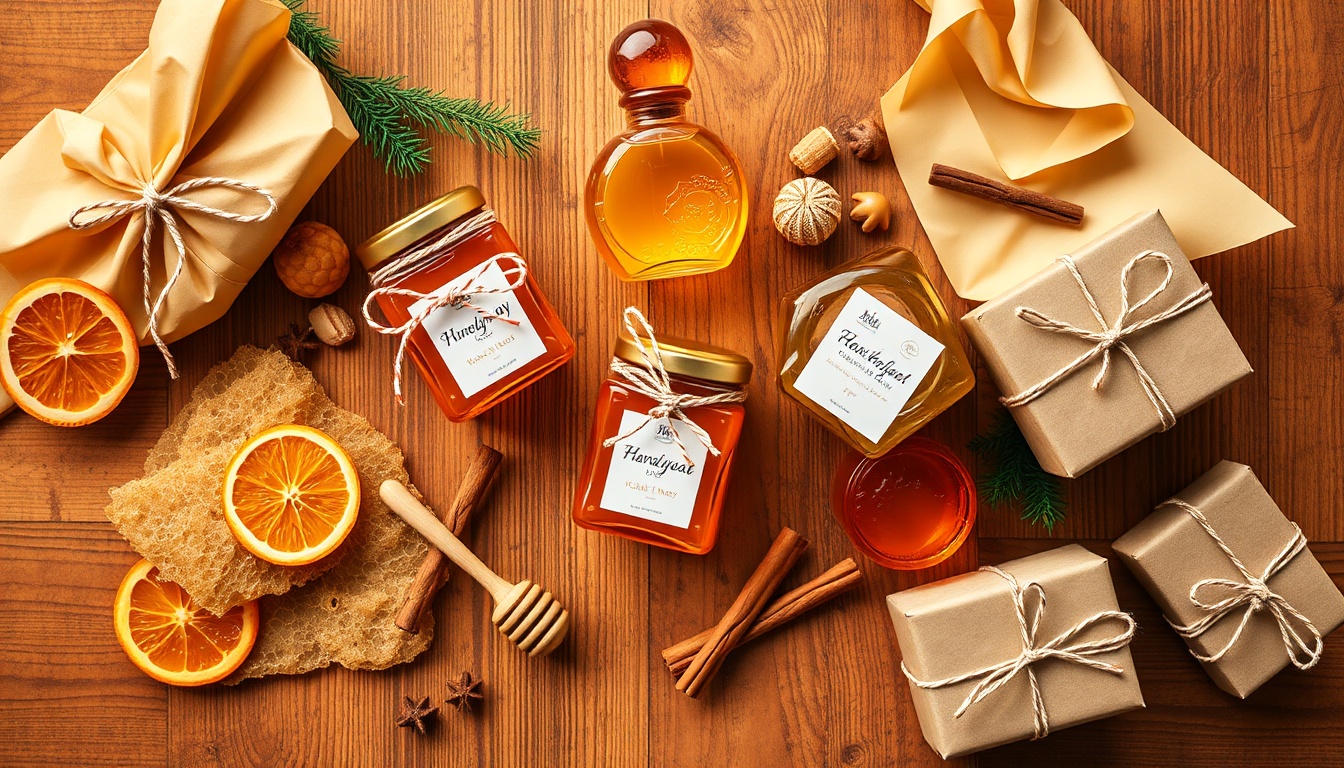
Building a honey gift basket lets you customize the experience for the recipient while keeping costs manageable. Start with a base: a rustic wooden crate, a woven basket, or even a reusable ceramic bowl all work well. The centerpiece should be 2 to 3 jars of high-quality raw honey in different varieties — choose contrasting flavors like a light wildflower, a medium-bodied clover, and a dark buckwheat to showcase honey's diversity. Next, add complementary items that pair well with honey. A wooden honey dipper ($3 to $8) is both functional and visually appealing. Include a small wedge of aged cheese, a sleeve of artisan crackers, or a bag of mixed nuts for snacking. Beeswax candles add a thematic touch and smell incredible — small votives run $5 to $10 each. For a breakfast-themed basket, add a box of quality tea, a small jar of honeycomb, and some fresh scones or biscotti. Tuck in a printed card with honey pairing suggestions or recipe ideas (honey glazed salmon, honey lemon vinaigrette, honey cinnamon butter). The total cost for a well-assembled honey gift basket typically runs $30 to $60 when sourced carefully. Pro tip: buy directly from local beekeepers at farmers' markets for the best prices on high-quality honey, and you'll often get jars with handmade labels that add a charming artisan feel to the basket.
What Are the Best Honey Stocking Stuffers?
Honey-themed stocking stuffers are perfect for filling stockings without breaking the bank, and they appeal to all ages. Honey sticks (also called honey straws) are the ultimate stocking stuffer — these sealed plastic tubes filled with flavored or pure honey cost just $0.25 to $0.50 each, and a bundle of 10 to 15 mixed flavors runs $5 to $8. They're great for sweetening tea, eating as a snack, or tucking into a lunchbox. Beeswax lip balm is another winner, with brands like Burt's Bees offering tubes for $3 to $5. Look for lip balms made with real beeswax and honey for the most authentic product. Honey candy and honey drops — hard candies made with real honey, often combined with lemon, ginger, or eucalyptus — make excellent stocking stuffers at $4 to $7 per tin. For something more unique, small 2-ounce jars of specialty honey (lavender, sage, or sourwood) can be found for $5 to $10 each and introduce the recipient to varieties they've never tried. Beeswax food wraps ($8 to $12 for a pack of three) appeal to eco-conscious recipients and replace single-use plastic wrap. Honey-scented beeswax candle tealights come in packs of 6 for around $8 to $12 and fill a room with a warm, natural fragrance. Even simple items like a wooden honey dipper ($3 to $5) or a honey bear squeeze bottle filled with local raw honey make charming, practical stocking additions.
Which Premium Honeys Make the Best Gifts?
When you want to give a single jar of honey that truly impresses, certain varieties stand above the rest as luxury gift items. Manuka honey from New Zealand tops the list — it's the most recognized premium honey worldwide, and a jar of UMF 20+ manuka ($60 to $100) communicates that you chose something genuinely special. The unique methylglyoxal content gives it antibacterial properties that no other honey matches. Sidr honey from Yemen is rarer and even more expensive, with authentic jars running $80 to $150. It's harvested from the jujube tree in remote mountain regions and has been prized in Middle Eastern cultures for centuries. For domestic options, sourwood honey from the Appalachian Mountains is considered one of America's finest honeys — its complex anise-like flavor and limited production make it a coveted gift at $20 to $40 per jar. Tupelo honey from the Florida and Georgia swamps is another American treasure: it's one of the few honeys that never crystallizes, has a distinctive buttery flavor, and runs $25 to $45 per jar. Acacia honey from Hungary or Italy is prized for its crystal-clear appearance and exceptionally mild, floral sweetness — it's the most visually striking honey you can gift, typically $15 to $30 per jar. For the adventurous recipient, buckwheat honey offers an intense, almost molasses-like flavor that pairs beautifully with strong cheeses and dark bread. Whichever premium variety you choose, look for third-party certifications (True Source, UMF, or single-origin verification) to ensure authenticity.
What Honey Subscription Boxes Are Worth Gifting?
Honey subscription boxes have become one of the most popular gift options because they deliver the excitement of discovery month after month. The concept is simple: the recipient receives a curated selection of honeys on a regular basis, typically monthly or quarterly, with each shipment featuring different varieties, regions, or producers. Several reputable options exist at different price points. Monthly honey clubs from specialty producers typically run $25 to $45 per month and include 2 to 3 jars of single-origin honey along with tasting notes, pairing suggestions, and information about the beekeeper. Quarterly boxes tend to be larger and more elaborate, running $50 to $80 per shipment, and often include honeycomb, beeswax products, or honey-infused foods alongside the honey jars. When choosing a subscription for a gift, look for a few key features: the ability to pre-pay for a set number of months (3, 6, or 12 months are common gift options), a welcome card or letter you can customize, and a strong track record of variety — you don't want the recipient getting the same clover honey every month. The best services source from small-batch beekeepers and include educational materials about the floral sources, harvest conditions, and regional characteristics of each honey. A 6-month subscription ($150 to $270) hits the sweet spot for most gift-givers: long enough to feel substantial, short enough that the cost is manageable. Some services also offer a "build your own" option where you select specific varieties for each month, which is perfect if you know the recipient's taste preferences. Read reviews carefully — the best subscription boxes prioritize raw, unfiltered honey from verified sources rather than mass-produced blends.
Edited by Sam French · Raw Honey Guide Editorial Team
Source reviewed against primary literature and official guidance where available. Health content is educational, not medical advice, and does not replace a licensed clinician.
Related Guides
Honey Subscription Boxes
Compare monthly honey boxes.
Read GuideHoney Types Explained
Raw, filtered, pasteurized, creamed, and more.
Read GuideQuality & Grading
Identify quality honey and spot fakes.
Read GuideRelated Articles
The Ultimate Guide to Buying Honey at Farmers Markets
How to buy the best raw honey at farmers markets. Questions to ask beekeepers, red flags to avoid, and a price guide.
Read ArticleHoney and Walnuts: 7 Benefits Backed by Science
Honey and walnuts: benefits for heart health, brain function, male fertility, and gut health. Recipes and healthy pairing ideas.
Read ArticleEating Honeycomb: Benefits, Taste, Safety, and How to Enjoy It
Yes, you can eat honeycomb — and it's packed with enzymes, propolis, and beeswax. Taste, benefits, 10 ways to enjoy it.
Read Article