Hot Honey: Complete Guide to Spicy Honey
Hot honey is the sweet-heat condiment that has taken kitchens by storm. Learn how to make it, which peppers and honeys to use, and the best ways to enjoy it on everything from pizza to cocktails.
Last updated:
Hot honey is raw honey infused with chili peppers, combining natural sweetness with lingering heat. Make it at home by gently warming 1 cup honey with 1-3 tablespoons red pepper flakes over low heat for 5-10 minutes. Best on pizza, fried chicken, cheese boards, and biscuits. Store at room temperature indefinitely.
Hot Honey at a Glance
Honey + pepper flakes + low heat
Never exceed to preserve enzymes
Keeps indefinitely at room temp
What Is Hot Honey and Why Is It So Popular?
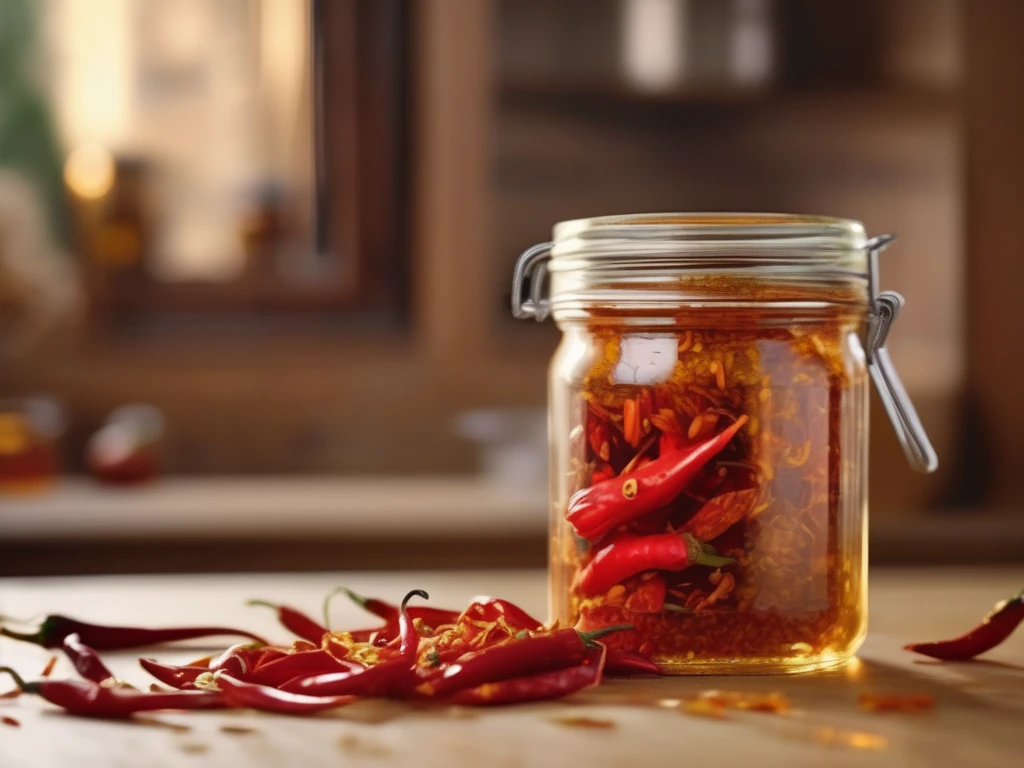
Hot honey — also called spicy honey — is raw honey infused with chili peppers, combining natural sweetness with a lingering heat that has made it one of the fastest-growing condiments in American kitchens. The concept isn't new: Italians have drizzled miele piccante over pizza for centuries, and Korean cooks have long paired gochugaru-spiked honey with fried chicken. But the modern hot honey movement exploded in the United States around 2017-2018, driven by pizzerias in Brooklyn pairing it with pepperoni slices and food media amplifying the trend. By 2024, hot honey had become a $300+ million category in the U.S. condiment market, with year-over-year growth exceeding 100% according to market research firm Circana. The appeal is simple but powerful: the combination of sweet and spicy hits multiple taste receptors simultaneously, creating a flavor experience that's more complex and satisfying than either element alone. Capsaicin — the compound that makes peppers hot — triggers pain receptors on the tongue, which in turn causes the brain to release endorphins. Meanwhile, honey's sugars activate pleasure centers. The result is a neurological one-two punch that many people find genuinely addictive. Hot honey works because it bridges the gap between sweet and savory, making it extraordinarily versatile. It's equally at home on a cheese board, drizzled over fried chicken, stirred into a cocktail, or used as a pizza finishing sauce.
How Do You Make Hot Honey at Home?
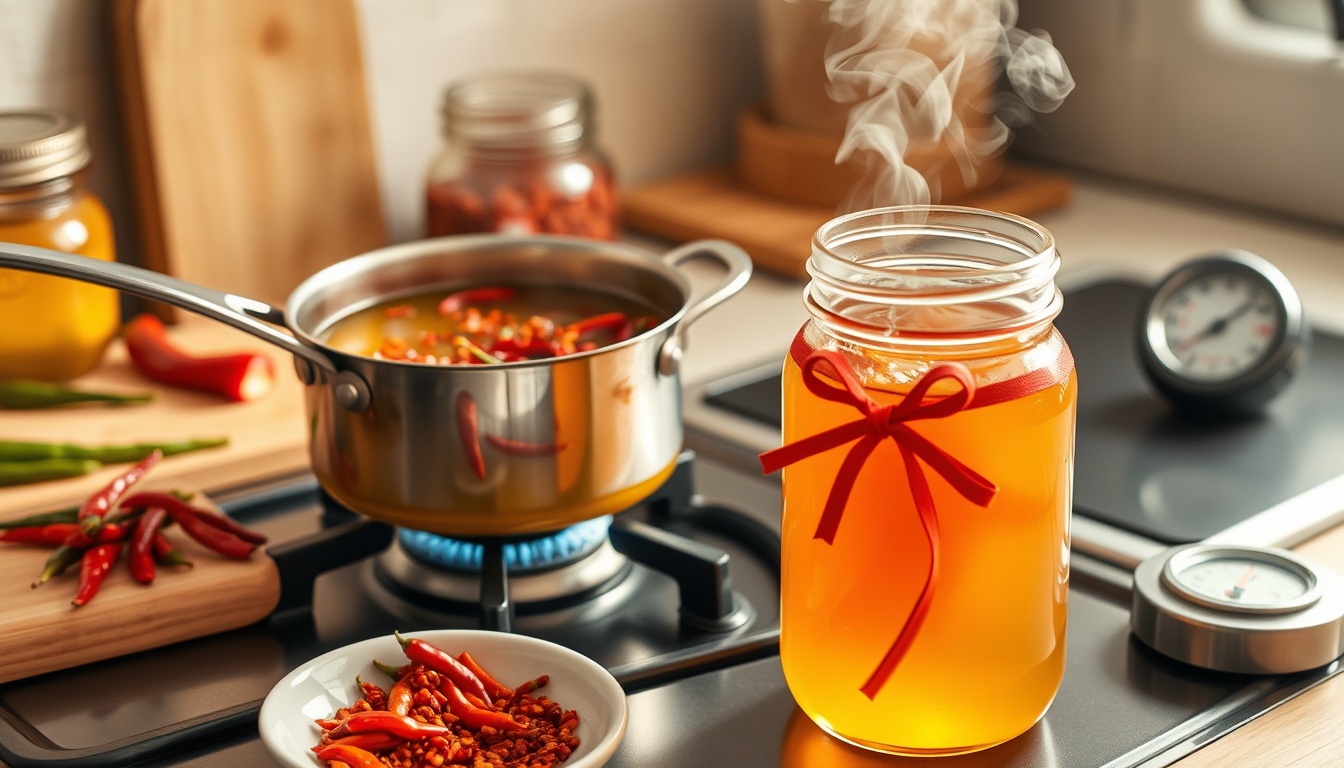
Making hot honey at home is remarkably simple and produces results that rival or surpass commercial versions. The basic method requires just two ingredients: raw honey and dried chili flakes. Combine 1 cup of honey with 1 to 3 tablespoons of red pepper flakes (adjust based on your heat tolerance) in a small saucepan over the lowest possible heat. Warm the mixture gently for 5 to 10 minutes, stirring occasionally — the goal is to get the honey just warm enough to extract the capsaicin from the pepper flakes without boiling, which would destroy honey's beneficial enzymes and develop a bitter flavor. The honey should never exceed 150°F. Remove from heat, let it steep for at least 10 minutes (longer steeping equals more heat), then strain through a fine mesh sieve if you prefer a smooth texture, or leave the flakes in for a rustic look and continued heat development over time. For a fresh chili version, slice 3 to 5 fresh cayenne, Thai, or Fresno peppers lengthwise and simmer them in 1 cup of honey on low heat for 10 minutes, then remove. Fresh peppers produce a brighter, more vegetal heat compared to the smoky warmth of dried flakes. For a smoky variation, use chipotle flakes or smoked paprika alongside the chili. Apple cider vinegar (1 teaspoon per cup) is an optional addition that brightens the flavor and helps balance the sweetness. Store homemade hot honey in a clean glass jar at room temperature — it keeps indefinitely because honey's low moisture content and natural acidity prevent bacterial growth. The heat will continue to develop slowly over the first week before stabilizing.
What Are the Best Peppers and Honey Varieties for Hot Honey?
The pepper and honey combination you choose fundamentally changes the character of your hot honey. For peppers, red pepper flakes (crushed red pepper) are the standard starting point — they deliver moderate, familiar heat around 30,000 to 50,000 Scoville Heat Units with good flavor complexity. Cayenne pepper flakes or powder provide clean, straightforward heat (30,000 to 50,000 SHU) without much flavor distraction. Thai bird's eye chilis offer intense heat (50,000 to 100,000 SHU) with a sharp, bright burn that fades quickly. Habanero (100,000 to 350,000 SHU) adds tropical, fruity notes alongside serious heat — use sparingly (1 to 2 peppers per cup of honey). Chipotle (smoked jalapeño) brings moderate heat (2,500 to 8,000 SHU) with a deep, smoky character that pairs exceptionally well with dark honeys. Gochugaru (Korean red pepper flakes) delivers a mild, slightly sweet heat with fermented undertones. For the honey base, wildflower and clover are excellent all-purpose choices — their mild, neutral sweetness lets the pepper shine. Buckwheat honey creates a bold, molasses-like hot honey that stands up to robust foods like ribs and dark chocolate. Orange blossom honey adds floral citrus notes that complement the heat beautifully and works well in cocktails. Sourwood honey has a caramel quality that creates a particularly refined hot honey. Avoid using expensive Manuka or other medicinal honeys — heating reduces their therapeutic compounds, and the pepper flavor would overwhelm their subtle characteristics.
What Are the Best Ways to Use Hot Honey?
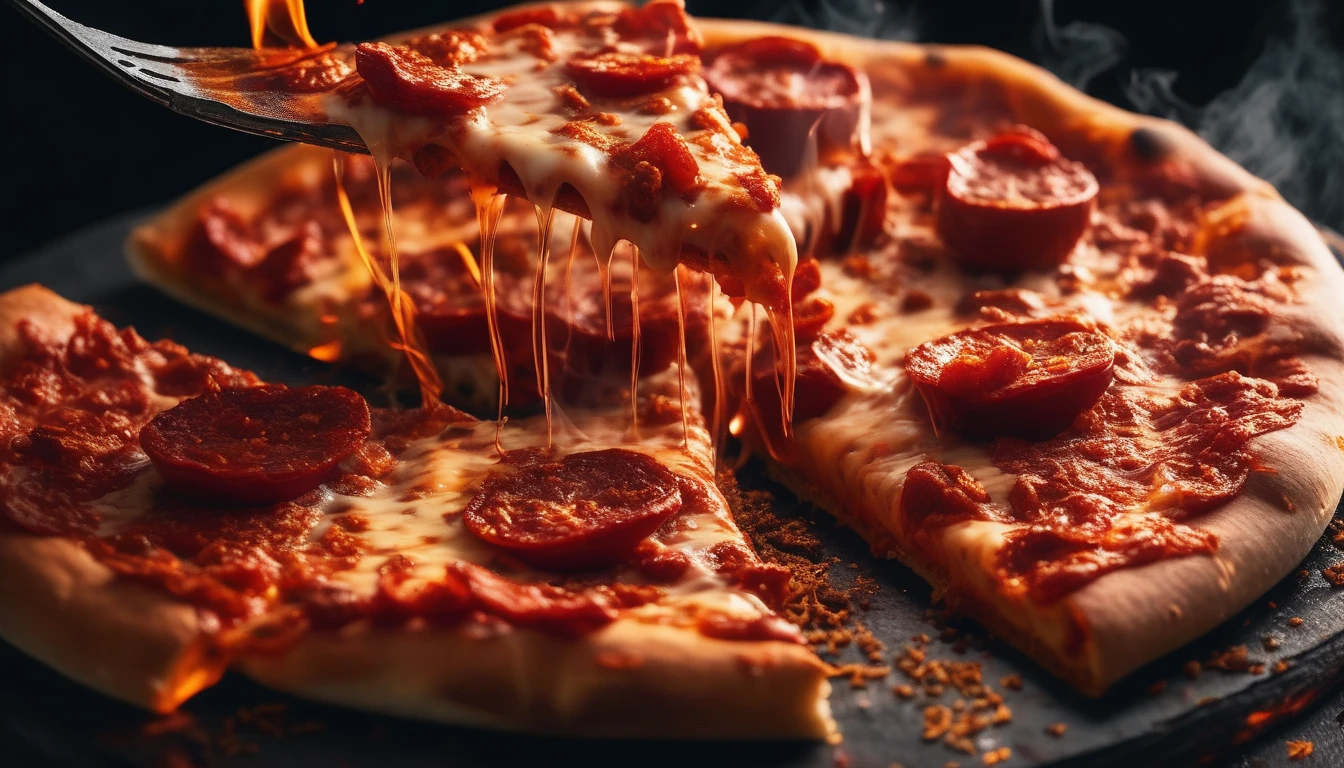
Hot honey's versatility is what separates it from other spicy condiments. The most iconic use is on pizza — specifically pepperoni pizza, where the hot honey's sweetness amplifies the pepperoni's saltiness while the heat cuts through the cheese's richness. Drizzle it on during the last minute of baking or immediately after it comes out of the oven. Fried chicken is the second most popular pairing: the crispy coating absorbs the honey while the heat complements the seasoned breading. Brush it on immediately after frying, or serve it as a dipping sauce. For cheese boards, hot honey transforms ordinary cheese plates into memorable experiences — drizzle it over aged cheddar, brie, blue cheese, or fresh mozzarella. The sweet-heat-salt combination with aged cheeses is extraordinary. On biscuits, hot honey replaces regular honey with an upgrade that adds dimension to buttery Southern-style biscuits. In cocktails, hot honey syrup (equal parts hot honey and warm water, stirred until combined) adds complexity to margaritas, whiskey sours, and palomas. Hot honey also excels as a glaze for roasted vegetables like Brussels sprouts, carrots, and sweet potatoes — toss them in hot honey during the last 5 minutes of roasting. For breakfast, drizzle it over cornbread, waffles, yogurt parfaits, or a bacon-egg-and-cheese sandwich. As a marinade component, mix hot honey with soy sauce, garlic, and lime juice for wings, salmon, or pork chops. The combination of hot honey with vanilla ice cream — the heat slowly building against the cold sweetness — has become a modern dessert classic.

How Do You Choose a Commercial Hot Honey?
The hot honey market has exploded with dozens of brands, and quality varies significantly. When evaluating commercial hot honey, start with the ingredient list. The best hot honeys use real honey (ideally raw) as the first ingredient, real chili peppers, and minimal additives. Avoid products that list sugar, corn syrup, or "honey flavor" — these are sweetened imposters, not real hot honey. Some brands add apple cider vinegar, which is fine and adds brightness, but other additives like preservatives or artificial flavors indicate a lower-quality product. Heat level is largely personal preference, but most commercial hot honeys fall in the mild-to-medium range (roughly equivalent to a jalapeño or less). Brands typically range from about $8 to $15 for an 8 to 12 ounce bottle, which is a reasonable premium over regular raw honey given the additional ingredients and processing. When comparing options, consider whether the honey base is raw or pasteurized — raw honey retains more enzymes and has a more complex flavor. Some artisanal producers use single-origin honeys or specific pepper varieties that create unique flavor profiles. Look for hot honeys that specify the pepper type — this transparency usually indicates a more thoughtful product. The best commercial hot honeys achieve a balance where you taste the honey first, feel the heat build gradually, and finish with a warmth that lingers without overwhelming. If the heat hits instantly and masks the honey, the balance is off.
Are There Any Safety Concerns with Hot Honey?
Hot honey inherits the safety considerations of both honey and chili peppers. The most critical warning: never give hot honey — or any honey — to children under 12 months old. Honey can contain Clostridium botulinum spores that cause infant botulism, a potentially life-threatening condition. The addition of chili peppers does not neutralize these spores. For adults, hot honey is generally safe for most people, but those with gastroesophageal reflux disease (GERD) or acid reflux should be cautious, as both honey (mildly acidic, pH 3.2 to 4.5) and capsaicin can aggravate symptoms. People with irritable bowel syndrome (IBS) may also find that capsaicin triggers digestive discomfort. When making hot honey at home, wear gloves when handling hot peppers — especially habaneros and anything above 100,000 SHU — to avoid capsaicin burns on your skin. If you get capsaicin on your hands, wash with dish soap and cold water; hot water opens pores and drives the capsaicin deeper into the skin. Never touch your eyes or face after handling peppers without thorough handwashing. For storage, hot honey keeps indefinitely at room temperature in a sealed glass jar, just like regular honey. If it crystallizes (a natural process), gently warm the jar in a bowl of warm water — do not microwave, as this creates hot spots that can burn and degrades honey's beneficial compounds. People taking blood-thinning medications should consult their doctor before consuming large amounts of hot honey regularly, as both honey and capsaicin have mild blood-thinning properties.
Frequently Asked Questions
How do you make hot honey at home?
Combine 1 cup raw honey with 1-3 tablespoons red pepper flakes in a saucepan over low heat for 5-10 minutes (never exceeding 150°F). Steep for 10+ minutes, then strain or leave the flakes in. Store in a glass jar at room temperature — it keeps indefinitely.
What is the best honey for making hot honey?
Wildflower and clover honey are the best all-purpose bases — their mild sweetness lets the pepper shine. Buckwheat honey creates a bold, molasses-like hot honey ideal for ribs and dark chocolate. Orange blossom adds floral citrus notes great for cocktails.
What peppers work best for hot honey?
Red pepper flakes are the standard (30,000-50,000 SHU). Cayenne gives clean heat, Thai chilis add bright intensity, habaneros bring tropical fruitiness, and chipotle adds deep smokiness. Use 1-3 tablespoons of flakes per cup of honey.
What do you put hot honey on?
The most popular uses are pepperoni pizza, fried chicken, cheese boards (especially aged cheddar and brie), biscuits, roasted vegetables, cocktails, cornbread, waffles, and vanilla ice cream. It works as both a finishing drizzle and a marinade ingredient.
How long does hot honey last?
Hot honey keeps indefinitely at room temperature in a sealed glass jar, just like regular honey. The heat may intensify slightly during the first week if pepper flakes are left in, then stabilizes. If it crystallizes, gently warm in a bowl of warm water.
Is hot honey safe for children?
Never give hot honey to children under 12 months — honey can contain botulism spores dangerous to infants. For older children, start with very mild hot honey and small amounts, as capsaicin can be intense for young palates and may cause digestive discomfort.
Edited by Sam French · Raw Honey Guide Editorial Team
Source reviewed against primary literature and official guidance where available. Health content is educational, not medical advice, and does not replace a licensed clinician.
Get the Honey Buyer's Cheat Sheet (free PDF)
16 varieties on one page — color, flavor, best use and what a fair price looks like — from the 268 honeys we track.
Related Guides
Honey Marinades & Glazes
Glazes, marinades, and dressings.
Read GuideCooking with Honey
Tips for baking, glazes, and pairings.
Read GuideHoney Mustard
Sauces, dressings, glazes — recipes and best honey types.
Read GuideRelated Articles
Hot Honey: How to Make It and 10 Creative Ways to Use It
Make hot honey at home in 10 minutes with 2 ingredients. Plus 10 creative ways to use it — pizza, chicken, cocktails.
Read ArticleHow to Make Infused Honey: 8 Flavors to Try at Home
How to make infused honey: 8 easy recipes — lavender, chili, garlic, vanilla, cinnamon, rosemary, ginger, and lemon.
Read ArticleFermented Honey Garlic: How to Make It and Why It's Trending
How to make fermented honey garlic at home. Step-by-step guide with safety tips, troubleshooting, and 10 creative uses.
Read ArticleHoney Sriracha Chicken: Crispy Baked Recipe (4 Variations)
Crispy honey sriracha chicken in 35 minutes — baked, not fried. Wildflower ($10-18) or buckwheat ($15-25) honey glaze. 4 variations for Father's Day grilling and summer entertaining.
Read ArticleHoney Sriracha Shrimp: Spicy-Sweet Recipe (Ready in 15 Minutes)
Quick honey sriracha shrimp with a sticky, spicy-sweet glaze. One-pan recipe in 15 minutes with serving ideas, best shrimp tips, and 3 heat levels.
Read ArticleFind the perfect honey base for your hot honey