Why Honey and Sriracha Work So Well Together
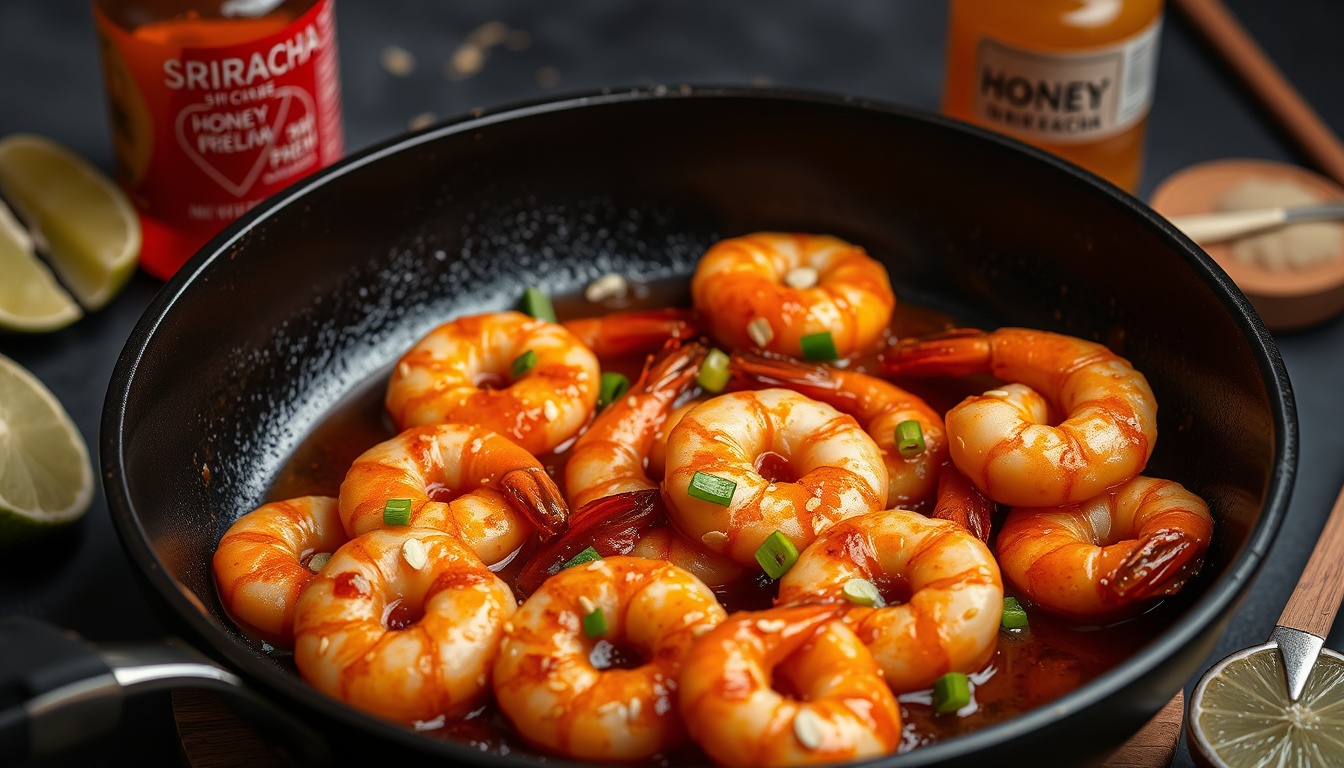
The pairing works because each ingredient solves the other's weakness. Sriracha brings capsaicin heat and garlic punch, but on its own it can taste one-dimensionally spicy. Raw honey brings complex sweetness — fructose, glucose, and trace floral compounds — but alone it can be cloyingly sweet on savory proteins.
Combined, the honey tempers the sriracha burn into a rounded, addictive heat that builds gradually instead of hitting all at once. The sriracha prevents the honey from making the dish taste like candy. The result is a sticky glaze that caramelizes on high heat, creating those coveted dark, lacquered edges on each shrimp.
This sweet-heat balance is similar to what makes honey sriracha sauce so versatile, but applied directly as a quick-cook glaze instead of a standalone condiment.
Choosing and Preparing Shrimp
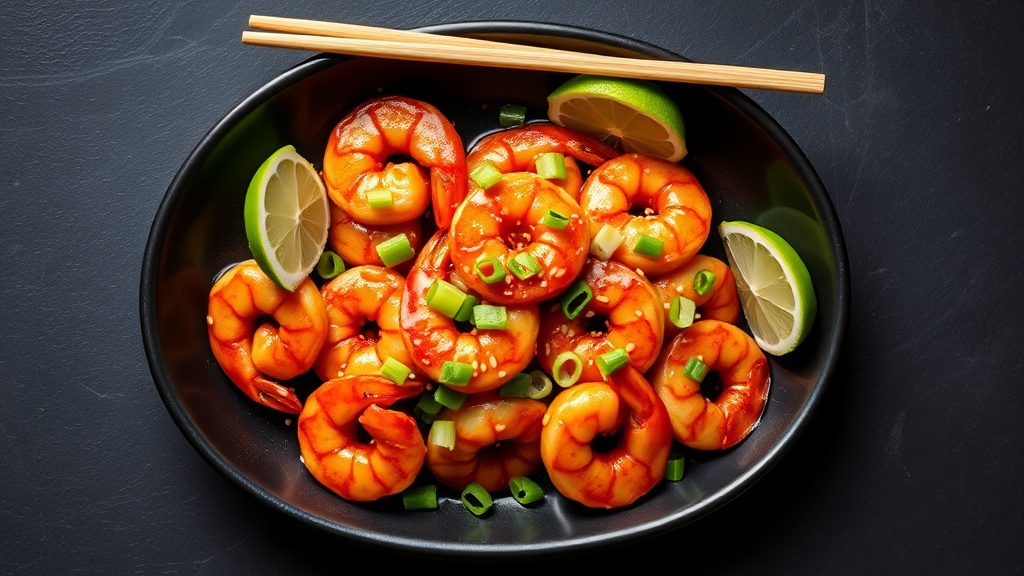
Shrimp size and preparation make a real difference in this recipe.
- Large shrimp (21-25 count per pound) are ideal. They are big enough to develop a good sear without overcooking through before the glaze caramelizes. Jumbo shrimp (16-20 count) also work but need an extra 30-60 seconds of cooking time per side
- Buy peeled and deveined shrimp to save 15 minutes of prep. Shell-on shrimp develop slightly more flavor but prevent the glaze from directly coating the meat — not worth the tradeoff here
- Fresh or frozen both work well. If using frozen, thaw in the refrigerator overnight or in a colander under cold running water for 5-10 minutes. Never thaw at room temperature
- Pat shrimp thoroughly dry with paper towels before cooking. This is the single most important step for getting a proper sear. Wet shrimp release steam in the hot pan, dropping the temperature and causing the shrimp to boil in their own liquid instead of searing
- Tail-on or tail-off is personal preference. Tails make a nice handle for eating with fingers and look better for presentation. Remove them if the shrimp will go into tacos, rice bowls, or stir-fries where you eat with utensils
Get the Honey Buyer's Cheat Sheet (free PDF)
16 varieties on one page — color, flavor, best use and what a fair price looks like — from the 304 honeys we track.
Three Heat Levels
The beauty of this recipe is how easily you can dial the heat up or down while keeping the fundamental sweet-spicy balance intact.
- Mild (1 tablespoon sriracha) — a gentle warmth that even most kids will eat. The honey flavor dominates with just a background tingle. Good for serving a crowd with mixed spice tolerance
- Medium (2 tablespoons sriracha, as written) — noticeable but comfortable heat that builds over a few bites. The sweet and spicy are roughly equal, neither overpowering the other. The standard recommendation for most palates
- Hot (3-4 tablespoons sriracha) — a genuine kick that lingers after each bite. The heat leads and the honey sweetness comes through as an afterglow. Add a pinch of red pepper flakes for extra dimension. For spice enthusiasts only
Pro Tip
For a different heat profile, try replacing half the sriracha with sambal oelek (chili paste without garlic or sugar). It provides a rawer, more direct chili heat compared to sriracha's fermented garlic flavor. Or use gochujang for a deeper, more savory-sweet Korean-style heat.
Best Honey Varieties for Sriracha Shrimp
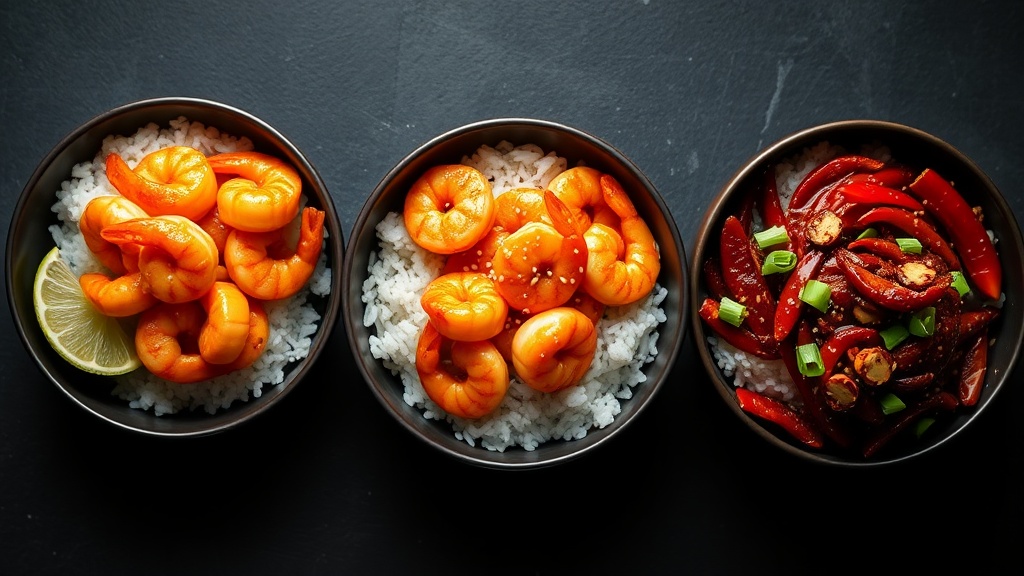
The honey variety subtly changes the character of the finished dish.
- Wildflower honey — complex, multi-floral sweetness that adds depth without competing with the sriracha. The best all-purpose choice for this recipe
- Clover honey — clean, mild sweetness that lets the sriracha and garlic lead. Good if you want a more straightforward heat-forward flavor
- Orange blossom honey — adds subtle citrus notes that pair naturally with the lime juice in the sauce, creating a brighter, more tropical-tasting glaze
- Buckwheat honey — dark and malty, creates an unexpectedly complex glaze with deeper molasses-like undertones. Bold choice that pairs well with the higher heat levels
- Avoid manuka honey here — its earthy notes clash with sriracha, and its distinctive flavor fades with cooking heat. Save it for raw applications
Cooking Tips for Perfect Results
Shrimp go from perfectly done to rubbery in a narrow 30-second window. A few techniques keep you on the right side of that line.
Use the highest heat your stovetop produces. High heat sears the shrimp exterior quickly while the interior stays tender. Medium heat gives the moisture too much time to escape, producing tough, dry shrimp with no caramelization.
Do not crowd the pan. If your skillet cannot hold all the shrimp in a single layer with small gaps between them, cook in two batches. Crowded shrimp steam instead of sear and the sauce will not caramelize properly.
Add the sauce after searing, not before. If you marinate the shrimp in the sauce beforehand, the sugars in the honey burn on the hot pan before the shrimp cook through. The quick toss-and-coat approach at the end gives you a glossy glaze without burning.
Shrimp are done when they curl into a loose C shape and turn opaque throughout. If they curl into a tight O shape, they are overcooked. Pull them off heat slightly before you think they are done — residual heat finishes the cooking.
What to Serve with Honey Sriracha Shrimp
The bold, sticky glaze pairs best with sides that provide a neutral base or a cooling contrast.
- Steamed jasmine rice — the classic pairing. The fluffy, slightly fragrant rice absorbs the sauce and provides a starchy counterpoint to the heat. Add a squeeze of lime and scatter of cilantro over the rice for a more complete bowl
- Rice noodles — toss the shrimp and sauce with thin rice vermicelli for an instant noodle bowl. Add shredded cabbage, julienned carrots, and fresh herbs for a Vietnamese-inspired meal
- Flour tortillas — make quick shrimp tacos with shredded cabbage, sliced avocado, and a drizzle of lime crema. Similar to honey lime shrimp tacos but with a spicy-sweet twist
- Mixed green salad — the cold, crisp greens contrast the warm, sticky shrimp. Use a simple rice vinegar and sesame oil dressing rather than anything creamy, which would compete with the glaze
- Steamed broccoli or bok choy — simple steamed vegetables provide a clean, fresh contrast. Finish with a light sprinkle of sesame oil and sea salt
Storage and Reheating
Honey sriracha shrimp is best eaten immediately — the glaze is at its stickiest and most vibrant right off the heat.
If you have leftovers, store in an airtight container in the refrigerator for up to 2 days. Reheat gently in a skillet over medium heat for 2-3 minutes, adding a splash of water to loosen the glaze. Do not microwave — it makes shrimp rubbery and unevenly hot.
The honey sriracha sauce (without shrimp) can be made ahead and refrigerated for up to a week. Double the sauce recipe and store the extra for stir-fries, chicken, or drizzling over roasted vegetables.