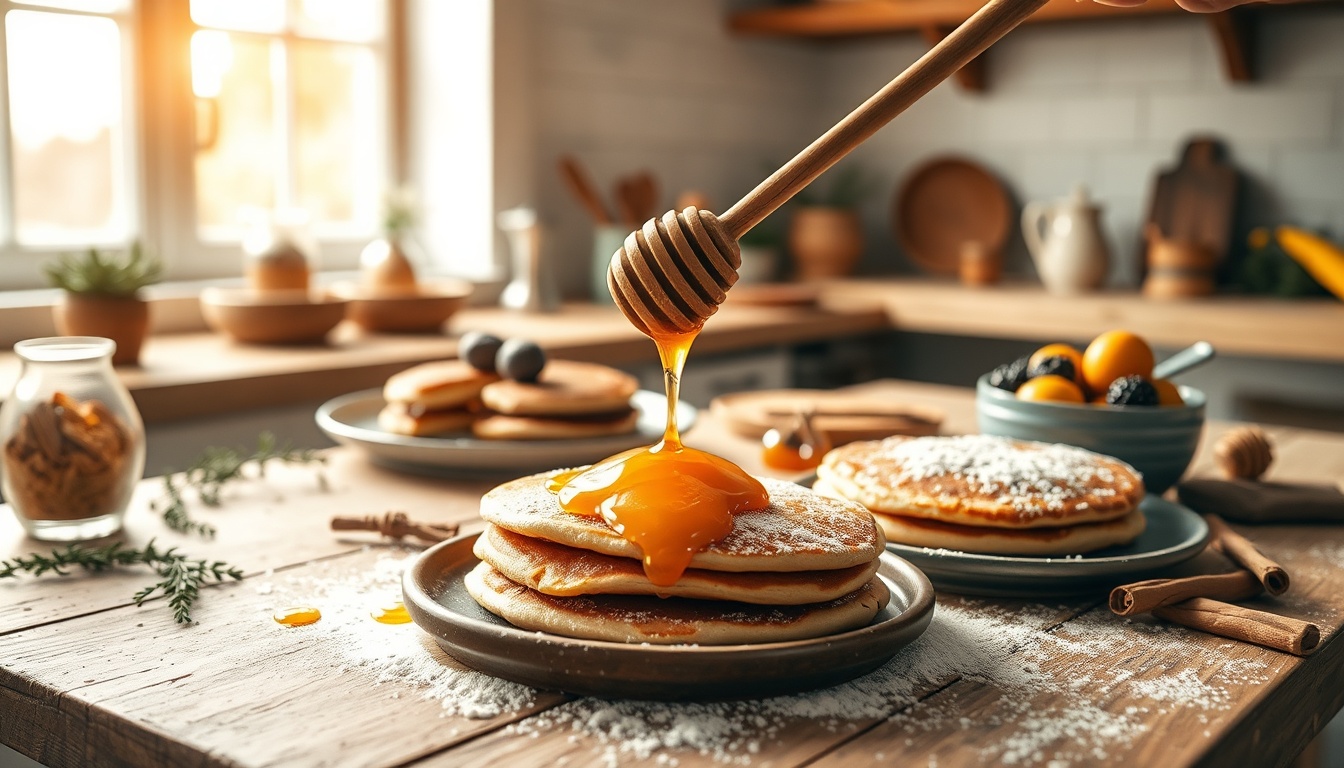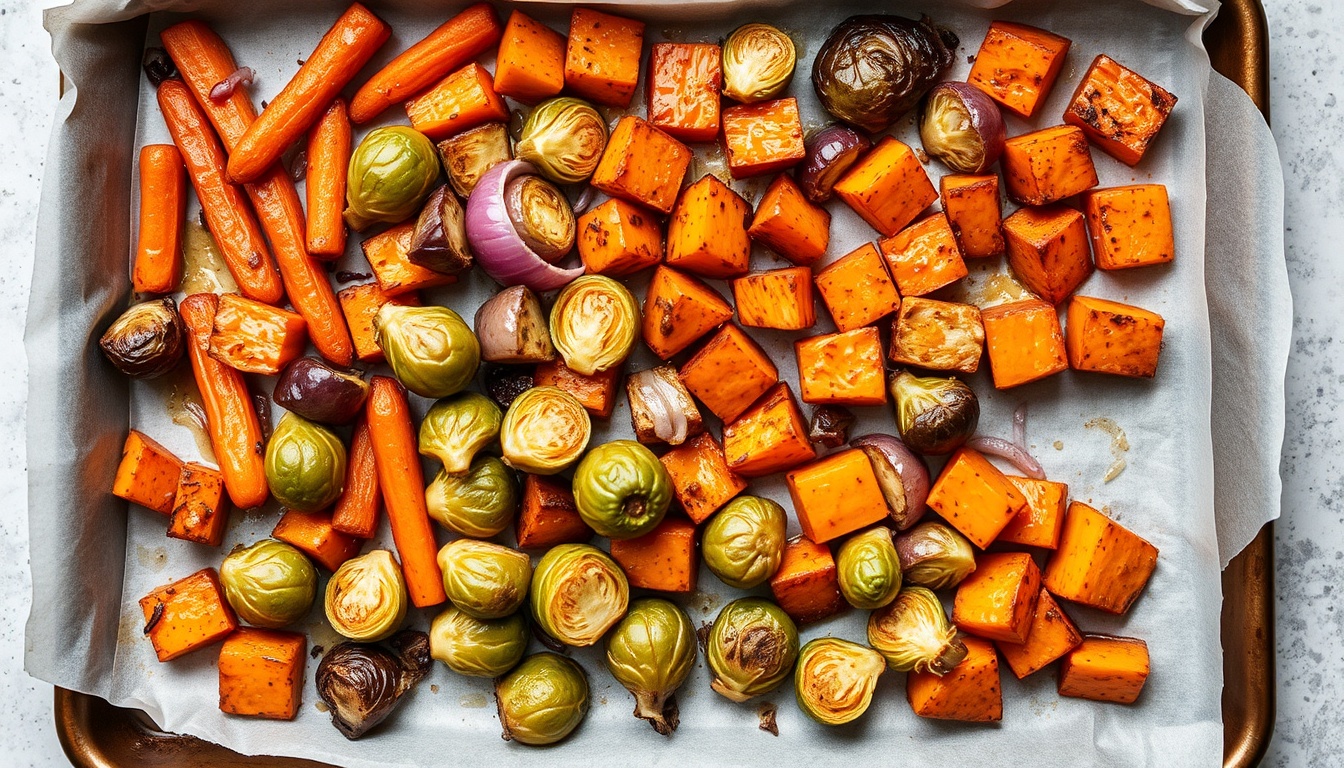
Why Honey Makes the Best Roasted Vegetables
Roasted vegetables are already delicious. Honey transforms them into something people actually crave — and the science explains why.
Honey's fructose caramelizes at 230°F, about 30°F lower than table sugar. This means the glaze starts developing a sticky, golden crust while the vegetables are still roasting — not just in the final minutes. The natural acidity (pH 3.2–4.5) brightens flavors and prevents that flat, one-note sweetness you get from maple syrup or brown sugar. And honey's 180+ aromatic compounds add floral complexity that elevates humble root vegetables into something special.
The technique is simple: roast the vegetables first to develop their own caramelization, then toss with honey in the final 10 minutes. This two-stage method prevents the honey from burning while giving you both roasted depth and sticky glaze.
Honey Roasted Vegetables Recipe (Master Method)
This master recipe works with virtually any vegetable combination. The key is cutting everything to similar sizes so they finish at the same time.
- 2 pounds mixed vegetables (see seasonal combos below), cut into 1-inch pieces
- 3 tablespoons olive oil
- 3 tablespoons honey (wildflower $13–24 or clover $9–15)
- 1 tablespoon balsamic vinegar or lemon juice
- 3 cloves garlic, minced
- 1/2 teaspoon salt
- 1/4 teaspoon black pepper
- Fresh herbs for finishing (thyme, rosemary, or parsley)
Pro Tip
Cut dense vegetables (carrots, sweet potatoes, beets) smaller than soft vegetables (zucchini, bell peppers, mushrooms). Dense vegetables need more time, and smaller pieces cook faster.
Get the Honey Buyer's Cheat Sheet (free PDF)
16 varieties on one page — color, flavor, best use and what a fair price looks like — from the 304 honeys we track.
Step-by-Step Instructions
Total time: 35 minutes. The two-stage roasting method is the key to perfect results — roast first, glaze second.
- Preheat and prep: Preheat oven to 425°F. Line a large sheet pan with parchment paper. Cut all vegetables into similar-sized pieces (about 1 inch).
- First roast (no honey): Toss vegetables with olive oil, salt, and pepper on the sheet pan. Spread in a single layer with space between pieces — crowding creates steam instead of caramelization. Roast for 20 minutes.
- Make the glaze: While vegetables roast, whisk together honey, balsamic vinegar (or lemon juice), and minced garlic in a small bowl.
- Glaze and finish: Remove pan from oven. Drizzle the honey mixture over the vegetables and toss gently with a spatula. Return to oven for 10–12 minutes until the glaze is sticky and caramelized, and vegetables are tender with golden edges.
- Garnish and serve: Remove from oven, toss with fresh herbs, and serve immediately. The glaze firms up as it cools, so serve while everything is still warm and sticky.
Pro Tip
Use two sheet pans if your vegetables do not fit in a single layer. Overcrowding is the number one reason roasted vegetables turn out soggy instead of caramelized.
Best Honey Varieties for Roasted Vegetables
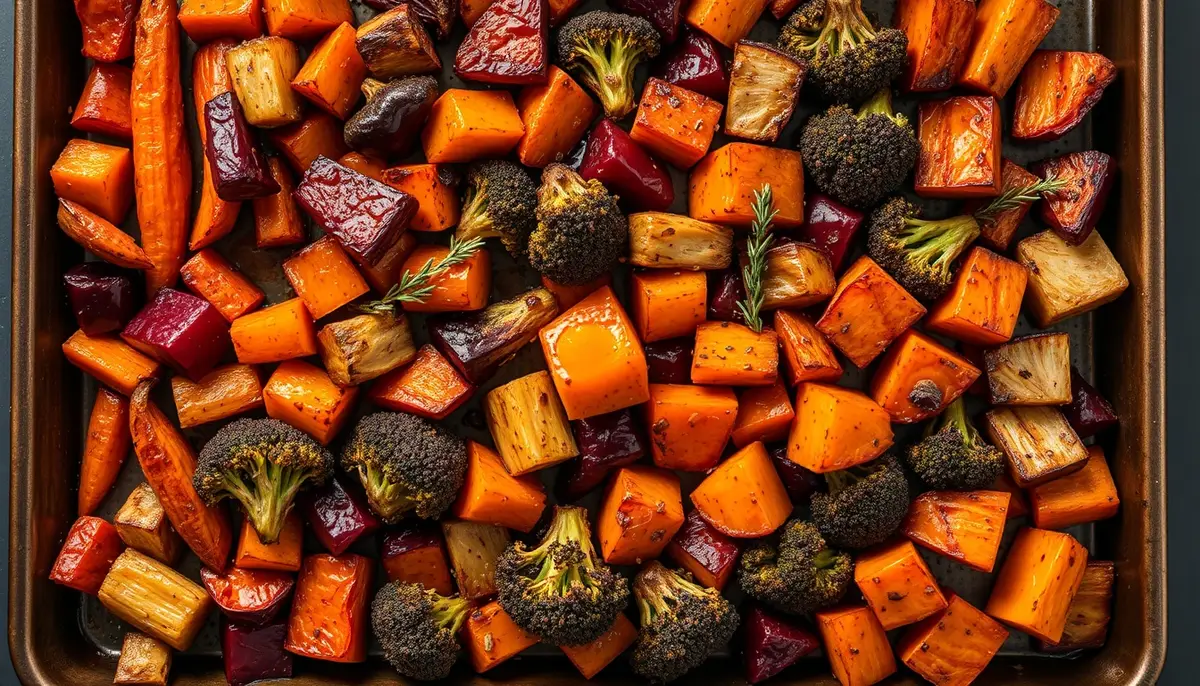
The honey you choose subtly shifts the flavor profile of the finished dish. Match the honey to the vegetables and the occasion.
- Wildflower honey ($13–24) — the best all-around choice. Complex floral notes complement any vegetable combination. Our top recommendation
- Clover honey ($9–15) — mild and sweet, lets the vegetables' natural flavors shine through. The safest neutral option and best value for large batches
- Orange blossom honey ($12–24) — adds citrus brightness. Excellent with Mediterranean vegetables (zucchini, bell peppers, eggplant)
- Buckwheat honey ($9–23) — bold, molasses-like depth. Outstanding with root vegetables and winter squash. Creates the deepest, darkest glaze
- Lavender honey ($11–17) — delicate floral notes. Beautiful with spring vegetables, especially asparagus and baby carrots
- Sourwood honey ($14–23) — tangy, caramel undertones. Pairs wonderfully with sweet potatoes and honey roasted carrots
6 Seasonal Vegetable Combinations
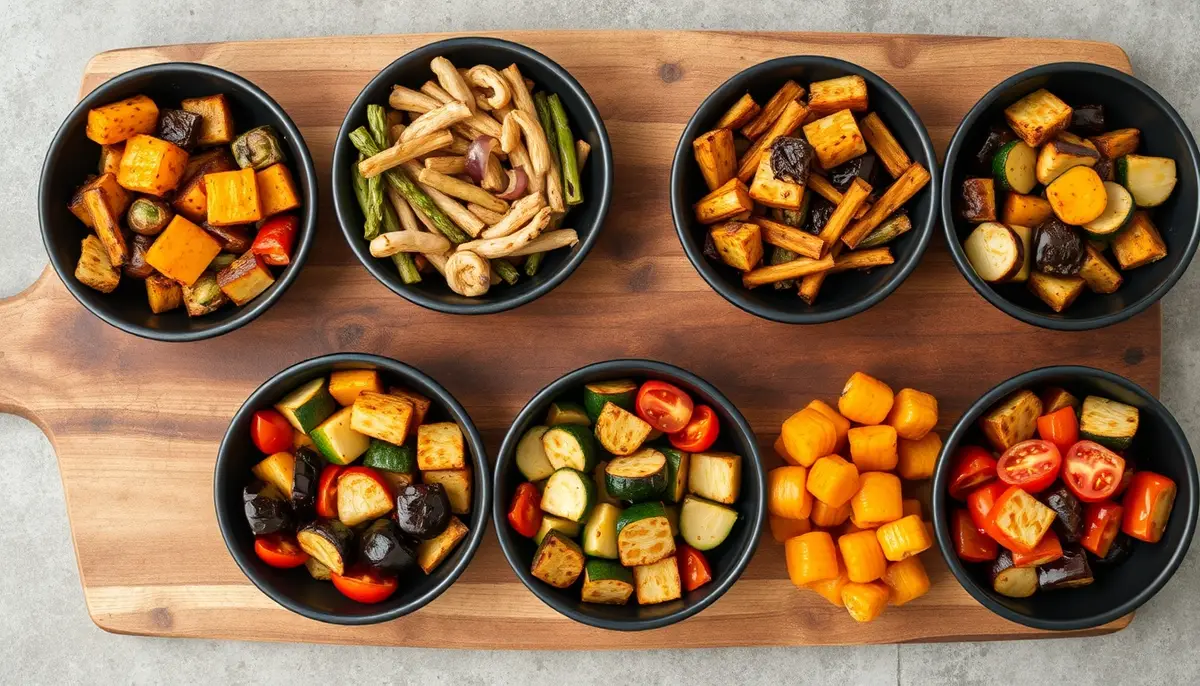
Each combination is designed around what is in season, what roasts well together (similar cook times), and which flavors complement each other. Use the master method above with these specific combos.
1. Fall Harvest (September–November)
Butternut squash, Brussels sprouts, red onion, and cranberries. Peel and cube the squash into 1-inch pieces, halve the Brussels sprouts, and quarter the onion into wedges. Add dried cranberries during the last 5 minutes — they plump in the heat. Use buckwheat or wildflower honey. Finish with toasted pecans and fresh thyme. This is the quintessential Thanksgiving side dish.
2. Winter Warmth (December–February)
Carrots, parsnips, turnips, and sweet potatoes. Cut everything into 1-inch batons for even roasting. These dense root vegetables need the full 20-minute initial roast to soften properly. Use buckwheat honey for a dark, rich glaze. Finish with fresh rosemary and a pinch of cinnamon. Goes perfectly with honey garlic pork tenderloin or honey glazed ham.
3. Spring Garden (March–May)
Asparagus, radishes, snap peas, and baby carrots. Cut asparagus into 2-inch pieces, halve the radishes, and leave snap peas whole. These tender vegetables need only 15 minutes in the initial roast (reduce from 20). Use lavender or orange blossom honey for floral brightness. Finish with fresh mint and a squeeze of lemon. Light, colorful, and vibrant.
4. Summer Abundance (June–August)
Zucchini, bell peppers (mixed colors), cherry tomatoes, and red onion. Cut zucchini into half-moons, peppers into 1-inch pieces, and halve the cherry tomatoes. Summer vegetables are softer, so reduce the initial roast to 15 minutes. Use orange blossom or acacia honey ($9–16). Finish with fresh basil and crumbled feta. Serve with honey balsamic dressing drizzled over top.
5. Mediterranean Medley (Year-Round)
Eggplant, zucchini, bell peppers, red onion, and cherry tomatoes. Cube the eggplant (salt and drain for 15 minutes to remove bitterness), slice zucchini into rounds, and chop peppers into chunks. Replace balsamic vinegar in the glaze with lemon juice and add 1 teaspoon dried oregano. Use orange blossom honey. Finish with Kalamata olives, crumbled feta, and fresh oregano. Serve with pita and hummus.
6. Spicy Honey Roasted Vegetables (Year-Round)
Cauliflower, sweet potatoes, chickpeas, and red onion. A heartier, protein-boosted version using honey roasted chickpeas concepts. Use hot honey instead of regular honey, or add 1/2 teaspoon cayenne and 1 teaspoon smoked paprika to the glaze. Drain and pat dry a can of chickpeas, toss with the vegetables from the start. Use buckwheat honey for maximum depth. Finish with cilantro and a squeeze of lime. Serve over rice or couscous for a complete vegetarian meal.
The Science of Perfect Roasted Vegetables
Understanding why certain techniques work helps you roast any vegetable perfectly, not just the combinations listed here.
- High heat (425°F) is essential — it drives off surface moisture fast, allowing caramelization instead of steaming. Below 375°F, vegetables stew in their own moisture
- Single layer with space between pieces — each piece needs contact with the hot pan and exposure to circulating hot air. Crowding traps steam
- Oil first, honey second — oil withstands 425°F without burning, creating the initial sear. Honey at that temperature for 20+ minutes would scorch
- Parchment paper prevents sticking — honey is incredibly sticky when caramelized. Without parchment, you will leave half the glaze on the pan
- Do not flip too often — let vegetables develop a golden crust on one side before turning. One flip halfway through the initial roast is ideal
- Rest briefly after roasting — the glaze sets slightly as it cools for 2–3 minutes, becoming sticky and clinging to the vegetables instead of sliding off
Perfect Pairings
Honey roasted vegetables work as a side dish with nearly any protein. Here are some combinations from the blog.
- Honey garlic chicken thighs — the most popular pairing
- Honey glazed salmon for a lighter meal
- Honey dijon chicken for a weeknight classic
- Honey garlic steak bites for date night
- Honey bread for soaking up the sticky glaze
- Honey vinaigrette drizzled over the finished vegetables and mixed greens
Storage and Meal Prep
Honey roasted vegetables are one of the best meal prep side dishes because the honey glaze acts as a natural preservative and flavor enhancer.
- Refrigerator: 4–5 days in an airtight container. The honey glaze keeps vegetables moist and flavorful longer than plain roasted vegetables
- Reheating: Spread on a sheet pan and reheat at 400°F for 8–10 minutes to restore crispiness. Microwave works for convenience but sacrifices the crispy edges
- Meal prep: Roast a large batch on Sunday. Use throughout the week in grain bowls, wraps, salads, pasta, or alongside proteins. Add fresh herbs when serving, not when storing
- Freezing: Not ideal — most roasted vegetables become mushy after freezing. Root vegetables (carrots, sweet potatoes, beets) freeze better than soft vegetables (zucchini, peppers)
Pro Tip
For meal prep, slightly undercook the vegetables (remove 2 minutes early). They finish cooking during reheating, so you end up with perfect texture instead of overdone vegetables.
Common Mistakes to Avoid
These mistakes are the difference between perfectly caramelized honey roasted vegetables and a soggy, burnt mess.
- Adding honey too early — honey burns above 350°F with prolonged exposure. The two-stage method (roast first, glaze second) prevents scorching while maximizing caramelization
- Overcrowding the pan — the single biggest mistake. Vegetables release moisture as they cook. Too many vegetables trap that steam, and you get soft, steamed vegetables instead of crispy, caramelized ones
- Cutting vegetables unevenly — a 2-inch piece of carrot and a 1/2-inch piece of zucchini will not finish at the same time. Cut everything to 1 inch, and adjust for density (see tip above)
- Using too much honey — 3 tablespoons for 2 pounds of vegetables is the sweet spot. More creates a candy-like coating that overwhelms the vegetables' natural flavors
- Skipping the parchment paper — caramelized honey bonds to bare metal like cement. Parchment paper makes cleanup effortless and prevents losing half the glaze to the pan