Learn About Honey
Your complete honey education — health benefits, cooking, sweetener comparisons, skincare, beekeeping, and more.
Free Guides
Topic Areas
Honey Varieties
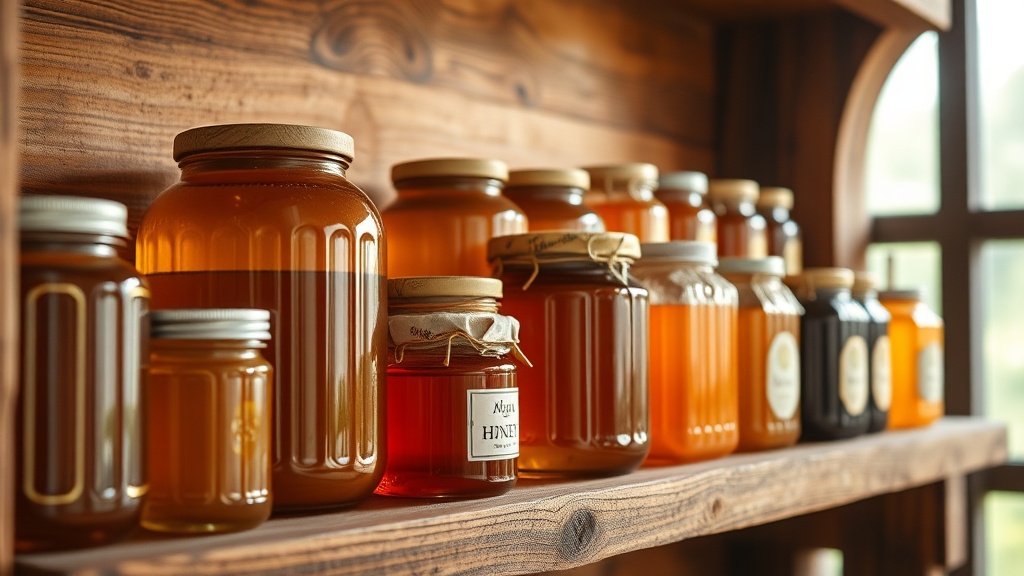
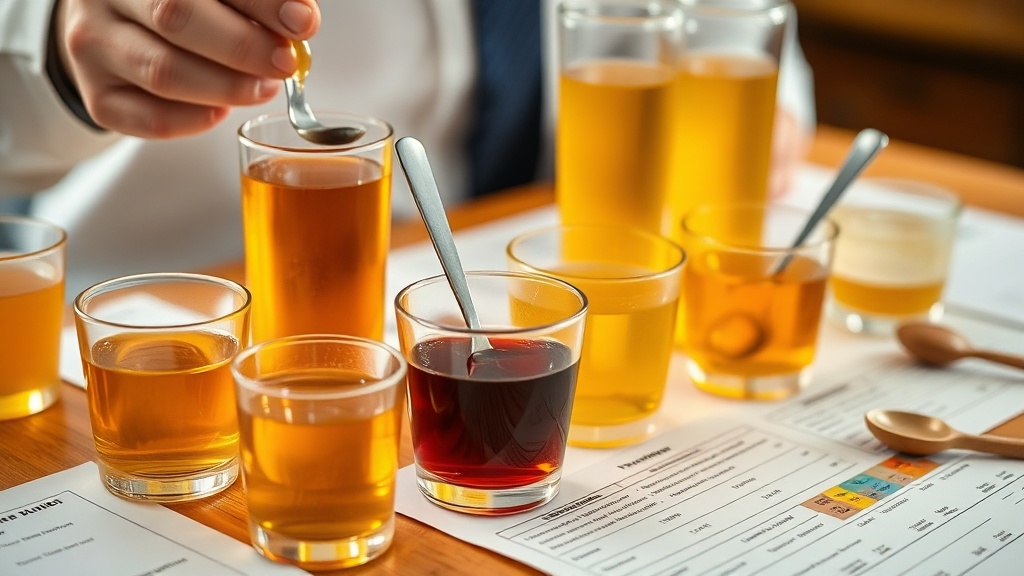
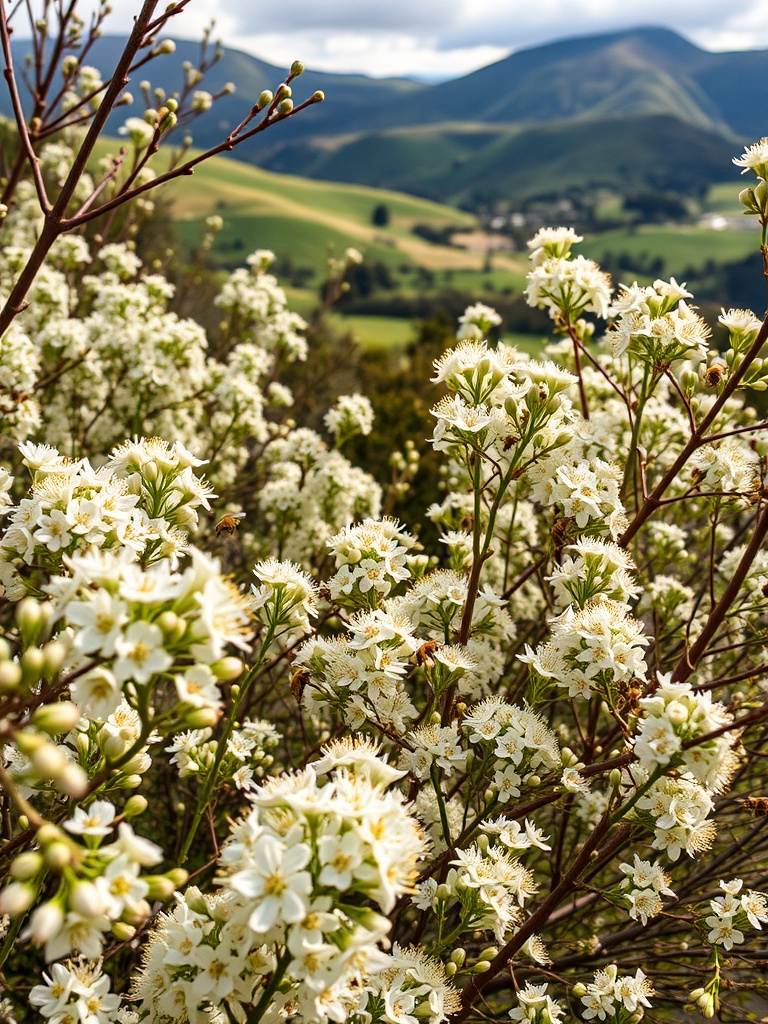
Honey Basics & Types
Start here to understand what makes each honey unique — from floral origins and processing methods to how bees produce it and how seasons shape its flavor.
Health & Wellness
Explore the evidence-based health benefits of honey — from sore throat and cough relief to wound healing, sleep support, and powerful natural remedy combinations.
Beauty & Skincare
Honey is a natural humectant with antibacterial properties that make it ideal for face masks, acne treatments, and hair care. Learn how to use it in your beauty routine.
Cooking & Recipes
From baking substitutions and marinades to cocktails and cheese boards, honey is one of the most versatile ingredients in the kitchen. Whether using mild [clover honey](/honey/clover-honey) for baking or bold [buckwheat honey](/honey/buckwheat-honey) for marinades, these guides cover every culinary use.
Honey vs Other Sweeteners
How does honey stack up against sugar, maple syrup, agave, and other sweeteners? Compare nutrition, glycemic index, flavor, and the best uses for each. See all 9 comparisons on our sweetener comparisons hub.
View all comparisonsHoney & Special Diets
Whether you follow keto, paleo, Whole30, or manage diabetes, find out how honey fits into your diet — plus important safety information for infants and pets.
Storage, Quality & Authenticity
Protect your investment in quality honey. Learn proper storage techniques, how to spot fakes, understand grading systems, and master decrystallization.
Beekeeping & Harvesting
From setting up your first hive to extracting and bottling honey, these guides cover the entire beekeeper's journey from beginner to harvest day.
International Honey Guides
Every country has its own honey tradition shaped by unique flora, climate, and culture. Explore 13 country deep-dives — from Greek thyme to Japanese Nihon mitsubachi to Yemeni Wadi Doan Sidr — with the rarest, most scientifically studied varieties from each region.
Frequently Asked Questions About Honey
What is the healthiest type of honey?
Raw, unfiltered honey retains the most beneficial enzymes, antioxidants, and pollen. Among varieties, [Manuka honey](/honey/new-zealand-manuka-umf-15) (UMF 10+) has the strongest clinical evidence for antibacterial properties, while [buckwheat honey](/honey/buckwheat-honey) has the highest antioxidant content. For everyday health benefits, any raw honey from a trusted local beekeeper is an excellent choice.
How many varieties of honey exist?
There are over 300 varieties of honey in the United States alone, each with unique flavor, color, and properties depending on the floral source. Our database covers 210 varieties from around the world, ranging from common [clover](/honey/clover-honey) and [wildflower](/honey/wildflower-honey) to rare [sourwood](/honey/sourwood-honey) and [Yemeni Sidr](/honey/yemeni-sidr-honey).
Is honey better than sugar?
Honey contains antioxidants, enzymes, vitamins, and minerals that refined sugar lacks entirely. Its GI varies by variety — [acacia honey](/honey/acacia-honey) scores ~32 (well below sugar's GI 65), while common [clover honey](/honey/clover-honey) averages ~69 (slightly above sugar) — so choose a fructose-rich variety if blood sugar management matters. However, honey is still a caloric sweetener — about 64 calories per tablespoon — so moderation matters for both.
Can honey help with allergies?
The theory is that local honey contains trace amounts of regional pollen, acting like a natural form of immunotherapy. Clinical studies have generally not supported this — trials comparing local honey to placebo have found no meaningful difference in allergy symptoms, and the mechanism is biologically questionable since most pollen in honey comes from insect-pollinated flowers rather than the wind-borne pollens (grass, ragweed, trees) that typically cause allergies. If you want to try it anyway, there is no established dose — talk to your allergist about your overall allergy management plan.
Does honey expire or go bad?
Honey is one of the few foods that never truly expires. Chemical analysis of honey from Tutankhamun's 3,000-year-old tomb confirmed its sugar composition and antimicrobial properties were fully intact. Its low moisture content (under 18%), acidic pH (3.2-4.5), and natural hydrogen peroxide production create an environment where bacteria and mold cannot grow. Crystallization is normal and does not indicate spoilage — some varieties like [clover honey](/honey/clover-honey) crystallize quickly while [acacia honey](/honey/acacia-honey) resists crystallization for months.
How can I tell if honey is real or fake?
Genuine raw honey crystallizes over time (fake honey often stays perfectly clear), dissolves slowly in water rather than immediately, and has a complex aroma beyond just "sweet." [Wildflower honey](/honey/wildflower-honey) and [clover honey](/honey/clover-honey) crystallize readily, while [acacia honey](/honey/acacia-honey) and [tupelo honey](/honey/tupelo-honey) remain liquid longer due to high fructose content. Check the label for a single ingredient (honey) with no added sugars or syrups. The most reliable method is buying directly from a local beekeeper or looking for True Source Certified honey.