Clover Honey Benefits: Nutrition, Uses & Complete Buying Guide
Everything you need to know about America's most popular honey — why clover honey is the gold standard for everyday use, its evidence-based health benefits, how it compares to other varieties, cooking and skincare applications, and how to buy real raw clover honey.
Last updated:
Clover honey is the most widely consumed honey in North America (50-70% of all honey sold), prized for its mild, clean sweetness and exceptional versatility. Raw clover honey retains beneficial enzymes, prebiotic oligosaccharides, and phenolic compounds — a 2022 meta-analysis of 18 clinical trials found honey reduces fasting glucose, cholesterol, and triglycerides. While it has lower antioxidant levels than dark honeys like buckwheat (ORAC 1,000-3,000 vs 16,000+), its mild flavor makes it the best all-purpose honey for cooking, baking, beverages, and skincare. Buy raw, unfiltered, with True Source Certification — expect to pay $8-15 per pound from reputable sources.

What Makes Clover Honey Special Among Honey Varieties?
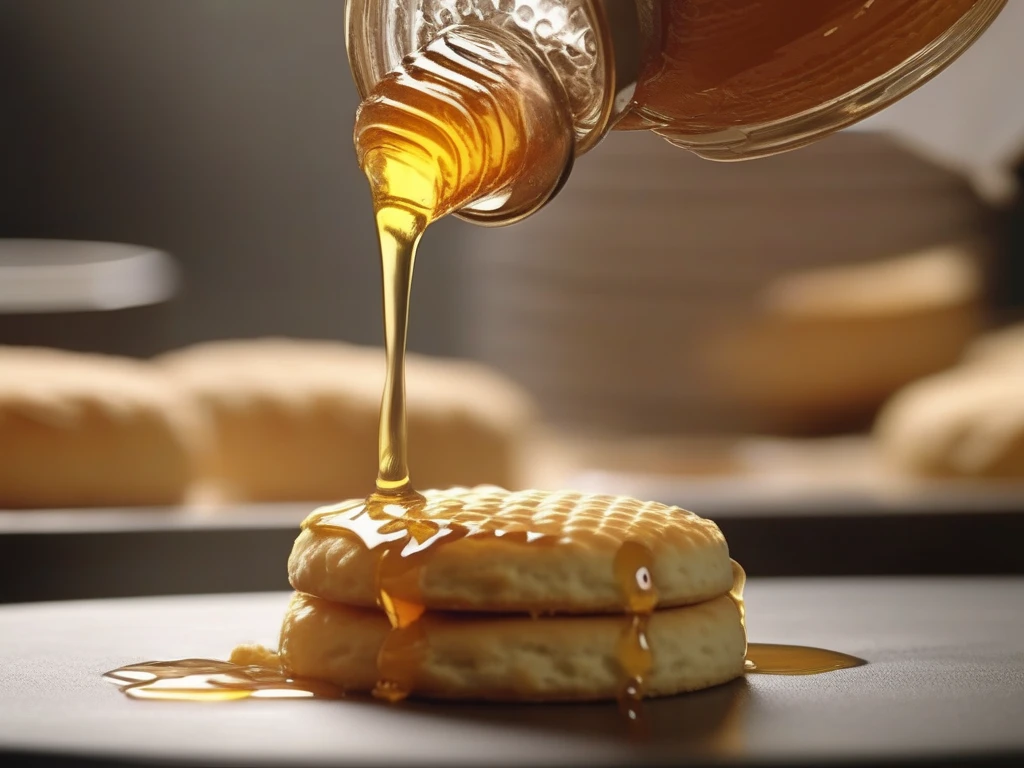
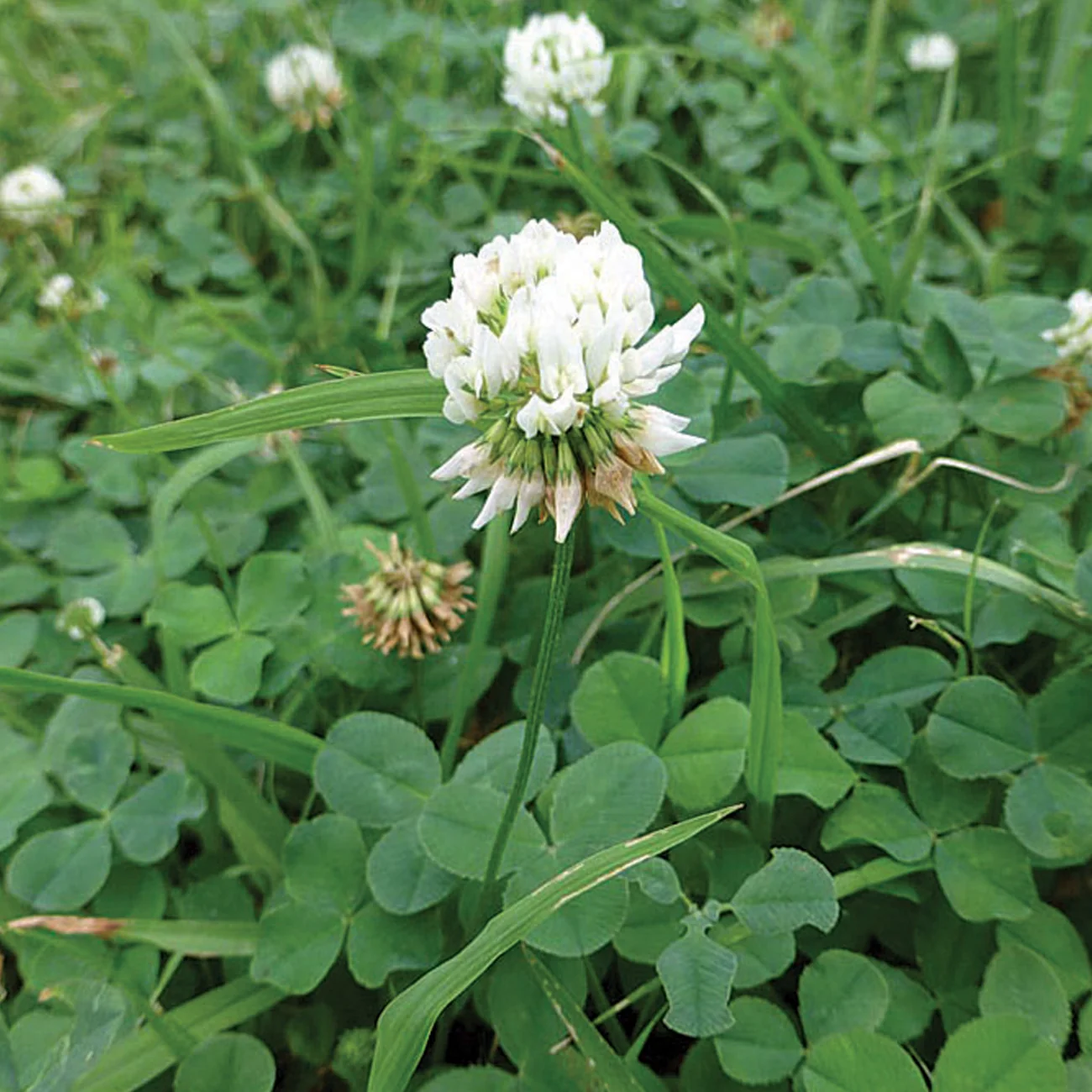
Clover honey is the most widely produced and consumed honey in the United States, Canada, and New Zealand, accounting for an estimated 50-70% of all honey sold in North America. It's produced by bees foraging primarily on clover blossoms — white clover (Trifolium repens), sweet clover (Melilotus officinalis), and red clover (Trifolium pratense) — which are among the most prolific nectar-producing plants in temperate climates. The result is a light amber to pale gold honey with a clean, mild sweetness and subtle floral undertones that make it the benchmark against which most consumers judge all other honeys. Unlike bold varieties like [buckwheat honey](/honey/buckwheat-honey) with its molasses-like intensity or distinctive ones like [Manuka honey](/honey/new-zealand-manuka-umf-15) with therapeutic MGO activity, clover honey's strength lies in its accessibility: the mild, crowd-pleasing flavor profile means it works universally — in tea, on toast, in baking, and as an everyday sweetener. Clover honey is produced across the US Midwest (particularly North Dakota, South Dakota, Montana, and Minnesota — collectively producing over 40% of US honey), the Canadian prairies (Alberta, Saskatchewan, Manitoba), and Canterbury and Waikato regions of New Zealand. The honey's light color reflects a moderate phenolic content (20-50 mg GAE/100g) — lower than dark honeys like [buckwheat honey](/honey/buckwheat-honey) but sufficient to provide meaningful antioxidant activity. Clover honey typically crystallizes within 1-3 months due to its balanced glucose-to-fructose ratio, which is why it's one of the most popular bases for creamed honey production, unlike high-fructose varieties like [acacia honey](/honey/acacia-honey) and [tupelo honey](/honey/tupelo-honey) that resist crystallization for months. Its affordability ($8-15 per pound for raw varieties) and wide availability make it the ideal entry point for consumers exploring raw honey.
Key Takeaways
- Most widely consumed honey in North America — 50-70% of all honey sold in the US and Canada
- Light amber to pale gold color with mild, clean sweetness and subtle floral undertones
- Produced primarily in the US Midwest (North Dakota, South Dakota, Montana, Minnesota) and Canadian prairies
- Moderate phenolic content (20-50 mg GAE/100g) — lower than buckwheat but still provides antioxidant activity
- Crystallizes within 1-3 months — one of the most popular bases for creamed honey
- Affordable at $8-15/lb for raw varieties — the ideal entry point for exploring raw honey
What Are the Evidence-Based Health Benefits of Clover Honey?
While clover honey doesn't have the dramatic antioxidant levels of buckwheat or the unique antibacterial MGO of Manuka, it shares the core health benefits that make raw honey a functional food. A 2022 systematic review and meta-analysis published in Nutrition Reviews, analyzing 18 clinical trials with 1,105 participants, found that honey — including lighter varieties — significantly reduced fasting blood glucose (−5.4 mg/dL), total cholesterol (−7.7 mg/dL), LDL cholesterol (−5.5 mg/dL), and triglycerides (−11.5 mg/dL) compared to control diets. Raw clover honey retains its full complement of enzymes, including glucose oxidase (which generates antibacterial hydrogen peroxide), diastase, and invertase — enzymes destroyed by the pasteurization process used in commercial honey. A 2020 systematic review in BMJ Evidence-Based Medicine confirmed honey's effectiveness for upper respiratory infections, finding it superior to usual care for reducing cough frequency and severity across 14 studies. Clover honey's prebiotic oligosaccharides support gut health by selectively feeding beneficial Bifidobacteria and Lactobacilli — a 2006 BMC Complementary Medicine study demonstrated that honey oligosaccharides increased beneficial gut bacteria up to 10-fold. Clover honey also contains phenolic acids (caffeic acid, p-coumaric acid, ellagic acid) and flavonoids (kaempferol, quercetin, pinocembrin) that exhibit anti-inflammatory and antioxidant activity. Its measured glycemic index of approximately 69 (Ischayek & Kern 2006) places it near table sugar (GI 65) — a reminder that all sweeteners should be consumed in moderation.
Key Takeaways
- 2022 Nutrition Reviews meta-analysis: honey reduced fasting glucose, total cholesterol, LDL, and triglycerides across 18 trials
- Raw clover honey retains glucose oxidase, diastase, and invertase — enzymes destroyed by pasteurization
- BMJ 2020: honey superior to usual care for upper respiratory infections across 14 studies
- Prebiotic oligosaccharides increased beneficial gut bacteria up to 10-fold (BMC 2006)
- Contains caffeic acid, quercetin, kaempferol, and pinocembrin — anti-inflammatory phenolic compounds
- GI approximately 69 (Ischayek & Kern 2006) — similar to table sugar (65); people with diabetes should talk to their doctor about how it fits their diet
How Does Clover Honey Compare to Other Honey Varieties?
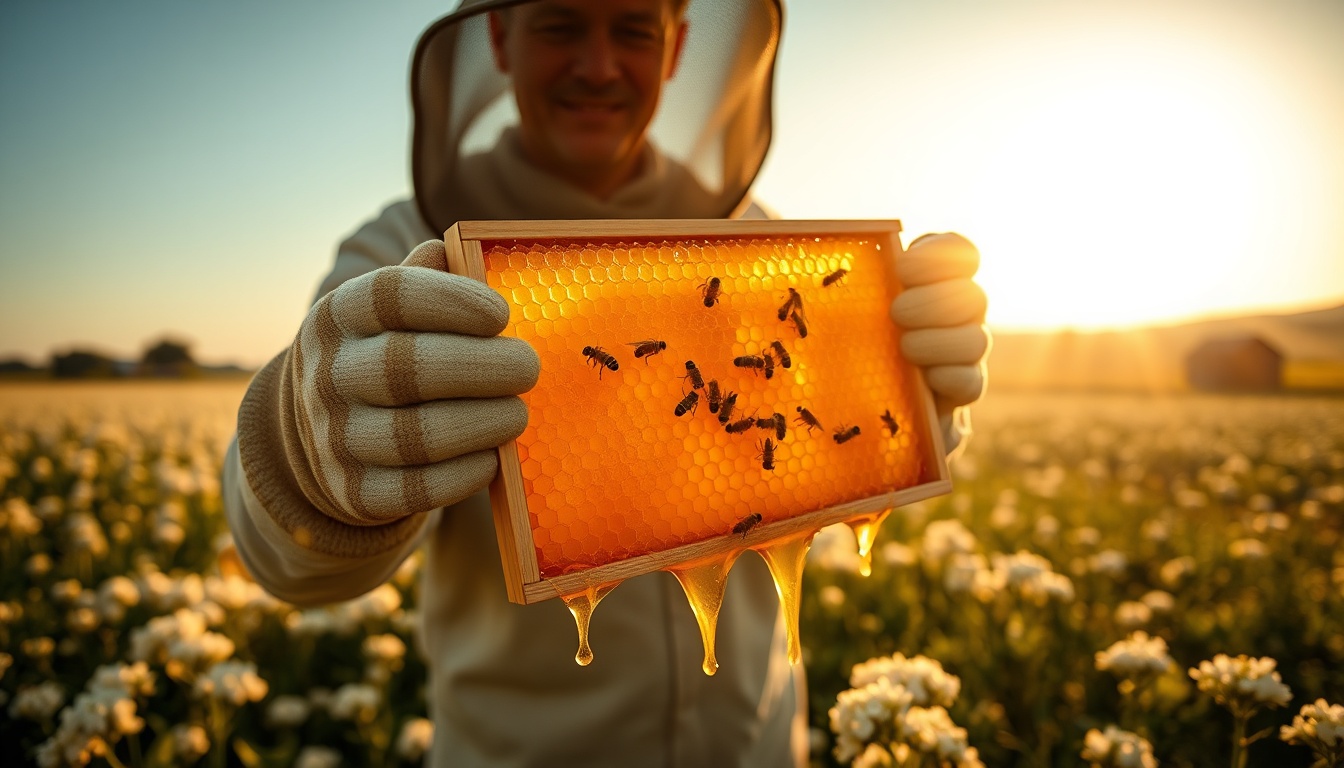
Understanding where clover honey sits relative to other varieties helps consumers make informed choices. On the antioxidant spectrum, clover honey scores an ORAC of approximately 1,000-3,000 μmol TE/100g — lower than [buckwheat honey](/honey/buckwheat-honey) (16,000+), [Manuka honey](/honey/new-zealand-manuka-umf-15) (5,000-12,000), and [wildflower honey](/honey/wildflower-honey) (3,000-8,000 depending on composition), but higher than commercially processed honey which loses antioxidants during heating and ultrafiltration. Clover honey's total phenolic content of 20-50 mg GAE/100g places it in the light-to-medium range. Its sugar profile is approximately 38% fructose, 36% glucose, and 7% maltose (White 1975), with the balanced fructose-to-glucose ratio (~1.06) explaining why it crystallizes relatively quickly compared to high-fructose varieties like [acacia honey](/honey/acacia-honey) (ratio ~1.47) and [tupelo honey](/honey/tupelo-honey) which maintain liquid consistency for many months. Nutritionally, clover honey provides approximately 304 calories, 82g carbohydrates, and trace minerals per 100g — essentially identical to other honeys in macronutrient terms. Where clover honey clearly excels is versatility and accessibility: its mild flavor doesn't overpower other ingredients in recipes, making it the preferred cooking and baking honey compared to bold varieties like [sourwood honey](/honey/sourwood-honey) with complex Appalachian spice notes. It's also the most reliable variety for consistency — since clover grows abundantly and predictably, batch-to-batch variation is lower than for rarer monofloral honeys like [tupelo honey](/honey/tupelo-honey) or [sage honey](/honey/sage-honey). Price is another significant advantage: raw clover honey typically costs $8-15/lb versus $12-20 for [wildflower honey](/honey/wildflower-honey), $15-30 for [orange blossom honey](/honey/orange-blossom-honey), and $30-80+ for quality [Manuka honey](/honey/new-zealand-manuka-umf-15). For everyday use — sweetening tea, drizzling on yogurt, basic baking — clover honey offers the best value proposition. For targeted health applications (wound care, maximum antioxidants, cough treatment), darker varieties like [buckwheat honey](/honey/buckwheat-honey) or specialty therapeutic honeys like [Manuka honey](/honey/new-zealand-manuka-umf-15) may justify their premium.
Key Takeaways
- ORAC: clover 1,000-3,000 vs buckwheat 16,000+ vs Manuka 5,000-12,000 vs wildflower 3,000-8,000 μmol TE/100g
- Phenolics: 20-50 mg GAE/100g — light-to-medium range, higher than processed honey
- Sugar ratio: ~1.06 fructose-to-glucose — crystallizes faster than high-fructose varieties like acacia
- Mild flavor is an advantage for cooking and baking — doesn't overpower other ingredients
- Most consistent variety due to abundant, predictable clover growth — lower batch variation
- Best value: $8-15/lb raw vs $30-80+ for quality Manuka — ideal for everyday use
What Are the Best Ways to Use Clover Honey in Cooking and Everyday Life?
Clover honey's mild, clean flavor profile makes it the most versatile cooking honey available. In baking, substitute clover honey for granulated sugar at a 3/4 cup honey per 1 cup sugar ratio, reduce other liquids by 2-3 tablespoons per cup of honey used, lower oven temperature by 25°F (14°C) to prevent over-browning, and add 1/4 teaspoon baking soda per cup of honey to neutralize acidity. This substitution works particularly well in muffins, quick breads, cookies, and cakes — unlike bold varieties like [buckwheat honey](/honey/buckwheat-honey) which can overpower delicate baked goods. For beverages, clover honey dissolves cleanly in both hot and cold drinks — stir 1-2 teaspoons into tea, coffee, lemonade, or smoothies. Unlike stronger honeys ([buckwheat honey](/honey/buckwheat-honey), [chestnut honey](/honey/chestnut-honey)), clover won't dominate the drink's flavor, though [orange blossom honey](/honey/orange-blossom-honey) provides natural citrus enhancement for lemonade applications. As a glaze, combine 3 tablespoons clover honey with 1 tablespoon butter and a pinch of salt for roasted carrots, sweet potatoes, or chicken. For salad dressings, whisk 2 tablespoons clover honey with 3 tablespoons olive oil, 1 tablespoon apple cider vinegar, and Dijon mustard for a classic honey vinaigrette — though [acacia honey](/honey/acacia-honey) provides an even more neutral profile for delicate greens. Clover honey is the standard base for hot honey — warm it with red pepper flakes (1-2 tablespoons per cup) for pizza drizzle, fried chicken, or cheese boards. For breakfast, drizzle raw clover honey on Greek yogurt with granola, spread on warm toast with butter, or stir into oatmeal. Its neutral sweetness also makes it ideal for honey-based marinades where you want the other flavors (garlic, soy sauce, ginger) to shine — [wildflower honey](/honey/wildflower-honey) adds subtle complexity while [tupelo honey](/honey/tupelo-honey) provides Southern authenticity for barbecue applications. Store at room temperature in a sealed glass jar — when it crystallizes (typically within 1-3 months), gently warm the jar in a water bath at 95-110°F (35-43°C) for 15-30 minutes to re-liquefy without damaging enzymes.
Key Takeaways
- Baking substitution: 3/4 cup honey per 1 cup sugar, reduce liquids by 2-3 tbsp, lower oven by 25°F
- Dissolves cleanly in hot and cold beverages without overpowering other flavors
- Classic honey glaze: 3 tbsp clover honey + 1 tbsp butter + pinch of salt for roasted vegetables
- Ideal base for hot honey — mild sweetness lets the pepper heat shine
- Best honey for marinades where you want garlic, soy, and ginger to be the dominant flavors
- Re-liquefy crystallized honey in a water bath at 95-110°F for 15-30 minutes
How Is Clover Honey Used for Skin Care and Beauty?
Clover honey's mild composition and natural humectant properties make it one of the safest and most accessible honeys for skincare, particularly for sensitive skin types. Honey is a natural humectant — it draws moisture from the air into the skin, helping maintain hydration levels. A 2003 study published in Complementary Therapies in Medicine (Al Waili) found that a topical mixture of honey, beeswax, and olive oil improved eczema in 80% and psoriasis in 60% of patients. While that study used general honey, clover honey's neutral pH (3.4-4.0) and mild enzyme activity make it less likely to cause irritation than more acidic or bioactive varieties. For a basic face mask, apply a thin layer of raw clover honey to clean, slightly damp skin, leave for 15-20 minutes, then rinse with warm water. For dry or sensitive skin, mix 1 tablespoon clover honey with 1 tablespoon plain Greek yogurt (lactic acid for gentle exfoliation) and 1 teaspoon avocado oil. For oily or acne-prone skin, combine 1 tablespoon clover honey with 1/2 teaspoon cinnamon (antimicrobial) and 1 teaspoon lemon juice (astringent). Clover honey's glucose oxidase produces low levels of hydrogen peroxide on contact with skin, providing gentle antimicrobial activity that can help prevent breakouts. Its anti-inflammatory properties help calm redness and irritation. For lip care, apply a small amount of raw clover honey to chapped lips as a natural balm — its humectant action draws moisture while creating a protective barrier. For hair, combine 2 tablespoons clover honey with 1 tablespoon coconut oil as a pre-shampoo mask for 20-30 minutes to add moisture without weighing hair down.
Key Takeaways
- Natural humectant — draws moisture from the air into skin, maintaining hydration
- 2003 Complement Ther Med study (Al Waili): honey + beeswax + olive oil improved eczema in 80%, psoriasis in 60% of patients
- Mild pH (3.4-4.0) and gentle enzyme activity — less likely to irritate sensitive skin than strong honeys
- Glucose oxidase produces gentle hydrogen peroxide — mild antimicrobial action for breakout prevention
- DIY face mask: raw clover honey on clean, damp skin for 15-20 minutes — the simplest honey mask
- Pre-shampoo hair mask: 2 tbsp clover honey + 1 tbsp coconut oil for 20-30 minutes
What Are the Safety Precautions and Buying Tips for Clover Honey?
Clover honey shares the standard safety considerations that apply to all honeys. Never give clover honey (or any honey) to infants under 12 months old — the risk of infant botulism from Clostridium botulinum spores is present regardless of honey type, variety, or whether it's raw or pasteurized. After 12 months, the gut microbiome is sufficiently mature to handle spores safely. Calorie awareness: clover honey contains approximately 64 calories per tablespoon (21g). The American Heart Association recommends limiting added sugars to 6 teaspoons (25g) per day for women and 9 teaspoons (36g) per day for men — 2 tablespoons of honey would use most of a woman's daily allowance. People with diabetes should talk to their doctor about how honey fits their diet; clover honey's measured GI (~69, Ischayek & Kern 2006) is similar to table sugar (GI 65). When buying clover honey, look for these quality indicators: "raw" on the label (means unheated above hive temperature, retaining enzymes and pollen), "unfiltered" (retains beneficial pollen particles), country of origin labeling (avoid vague "blend of honeys from multiple countries"), and True Source Certification (third-party verification against honey laundering). Be aware that clover honey is the most commonly adulterated variety due to its high production volume — a 2018 Food Chemistry study found 76% of commercial honey samples showed signs of adulteration. Farmers market purchases direct from beekeepers are the most reliable source. National brands with True Source Certification (Nature Nate's, Really Raw Honey, Y.S. Eco Bee Farms) are trustworthy retail options. Store at room temperature — crystallization is natural and doesn't affect quality or safety.
Key Takeaways
- Never give to infants under 12 months — botulism risk is the same for all honey types, raw or pasteurized
- Calorie awareness: 64 cal/tbsp — 2 tbsp uses most of AHA's daily added sugar allowance for women
- GI ~69 (Ischayek & Kern 2006) — similar to table sugar (65); people with diabetes should talk to their doctor about how it fits their diet
- Most commonly adulterated variety — 76% of commercial samples showed adulteration signs (Food Chemistry 2018)
- Buy raw, unfiltered, with country of origin labeling and True Source Certification when possible
- Best source: local beekeepers at farmers markets — or certified brands like Nature Nate's, Really Raw Honey
Frequently Asked Questions
What is clover honey good for?
Clover honey is the most versatile honey variety — ideal for everyday sweetening, baking (substitute 3/4 cup per 1 cup sugar), tea and beverages, salad dressings, glazes, and hot honey. Its mild flavor won't overpower other ingredients, unlike bold varieties like [buckwheat honey](/honey/buckwheat-honey) or complex [wildflower honey](/honey/wildflower-honey). Health-wise, a 2022 Nutrition Reviews meta-analysis of 18 trials found honey reduces fasting glucose, cholesterol, and triglycerides. Raw clover honey also retains prebiotic oligosaccharides that support gut health and enzymes like glucose oxidase with antibacterial properties. For maximum antioxidants, consider [buckwheat honey](/honey/buckwheat-honey) (9× higher ORAC), for therapeutic applications choose [Manuka honey](/honey/new-zealand-manuka-umf-15) UMF 10+, but for everyday reliability and cooking versatility, clover honey is unmatched.
Is clover honey the same as regular honey?
Most "regular" or generic honey sold in supermarkets is predominantly clover honey, but with a crucial difference: commercial regular honey is typically pasteurized (heated to 161°F+) and ultrafiltered, which destroys beneficial enzymes (glucose oxidase, diastase), removes pollen, and reduces antioxidant content. Raw clover honey retains its full nutritional profile — enzymes, pollen, phenolic compounds, and prebiotic oligosaccharides. Look for "raw" and "unfiltered" on the label.
How does clover honey compare to Manuka honey?
They serve different purposes. Clover honey is mild-flavored, versatile, and affordable ($8-15/lb) — best for everyday use, cooking, and general wellness. [Manuka honey](/honey/new-zealand-manuka-umf-15) has unique methylglyoxal (MGO) antibacterial activity for wound care and costs $30-80+/lb. Antioxidant-wise, Manuka scores higher (ORAC 5,000-12,000 vs clover's 1,000-3,000), though [buckwheat honey](/honey/buckwheat-honey) provides even higher antioxidants (16,000+ ORAC) at a more accessible price point. For daily sweetening and cooking, clover is the better value. For targeted medicinal use, [Manuka honey](/honey/new-zealand-manuka-umf-15) justifies its premium. Between these extremes, [wildflower honey](/honey/wildflower-honey) offers moderate antioxidants with more complexity than clover, while [orange blossom honey](/honey/orange-blossom-honey) provides citrus enhancement for beverages.
Why does clover honey crystallize so fast?
Clover honey has a balanced glucose-to-fructose ratio (approximately 1.06), and higher glucose content promotes faster crystallization. Most clover honey crystallizes within 1-3 months — this is completely natural and doesn't affect quality, safety, or nutrition. Compare this to high-fructose varieties like [acacia honey](/honey/acacia-honey) (ratio ~1.47) and [tupelo honey](/honey/tupelo-honey) which resist crystallization for 6+ months, or [sage honey](/honey/sage-honey) which also maintains liquid consistency. [Wildflower honey](/honey/wildflower-honey) crystallizes at a similar rate to clover, while [buckwheat honey](/honey/buckwheat-honey) may crystallize even faster due to its glucose-dominant profile. To re-liquefy, place the jar in warm water (95-110°F / 35-43°C) for 15-30 minutes. Avoid microwaving or boiling, which destroys beneficial enzymes. Crystallized honey is actually preferred by some for spreading.
Is clover honey good for your skin?
Yes — clover honey is one of the best honeys for sensitive skin due to its mild pH (3.4-4.0) and gentle enzyme activity. It's a natural humectant that draws moisture into the skin. A 2003 Complementary Therapies in Medicine study (Al Waili) found honey-based topical treatments improved eczema in 80% and psoriasis in 60% of patients. For a simple face mask, apply raw clover honey to clean, damp skin for 15-20 minutes. Its glucose oxidase produces mild hydrogen peroxide for gentle antimicrobial protection against breakouts.
How can you tell if clover honey is real?
Clover honey is the most commonly adulterated variety — a 2018 Food Chemistry study found 76% of commercial samples showed signs of adulteration. Look for: "raw" and "unfiltered" on the label, specific country of origin (not vague "blend of honeys"), True Source Certification, and reasonable pricing ($8-15/lb for raw). The most reliable source is directly from local beekeepers at farmers markets. Certified national brands include Nature Nate's, Really Raw Honey, and Y.S. Eco Bee Farms.
Which honey varieties should I choose for different uses?
For everyday sweetening and cooking: clover honey offers the best value and versatility. For maximum antioxidants: [buckwheat honey](/honey/buckwheat-honey) provides 9× higher ORAC than clover honey. For citrus beverages: [orange blossom honey](/honey/orange-blossom-honey) enhances lemon and lime flavors. For delicate applications: [acacia honey](/honey/acacia-honey) has the mildest flavor and resists crystallization. For therapeutic use: [Manuka honey](/honey/new-zealand-manuka-umf-15) UMF 10+ provides verified antibacterial activity. For complex flavor: [wildflower honey](/honey/wildflower-honey) offers diverse botanical notes. For Southern cooking: [tupelo honey](/honey/tupelo-honey) never crystallizes and provides buttery sweetness. Clover honey remains the ideal baseline — affordable, reliable, and perfect for exploring honey's benefits before investing in specialty varieties.
Edited by Sam French · Raw Honey Guide Editorial Team
Source reviewed against primary literature and official guidance where available. Health content is educational, not medical advice, and does not replace a licensed clinician.
Get the Honey Buyer's Cheat Sheet (free PDF)
16 varieties on one page — color, flavor, best use and what a fair price looks like — from the 268 honeys we track.
Related Guides
Floral Sources Guide
Learn about honey varieties by floral origin.
Read GuideHoney Nutrition Facts
USDA reference values and label-reading context.
Read GuideWildflower Honey Guide
The most diverse honey — unique terroir flavors, broad antioxidant profile, allergy research, and buying tips.
Read GuideRelated Articles
Clover Honey Benefits: Why America's Favorite Honey Deserves a Closer Look
Clover honey benefits: antioxidants, antibacterial action, cough relief, and heart health. How it compares to manuka.
Read ArticleSourwood Honey Benefits: Why This Appalachian Honey Is Worth the Price
Sourwood honey: caramel-anise flavor, strong antioxidants, antimicrobial power, and why it's one of America's most prized.
Read ArticleTypes of Honey: A Complete Guide to 20+ Varieties
Guide to 20+ honey varieties — clover, manuka, buckwheat, wildflower, and more. How floral source affects flavor and use.
Read ArticleReady to explore clover honey varieties?