Honey Types Explained
How honey is processed affects its texture, shelf life, and nutritional content. Learn about each type to make informed choices.
Last updated:
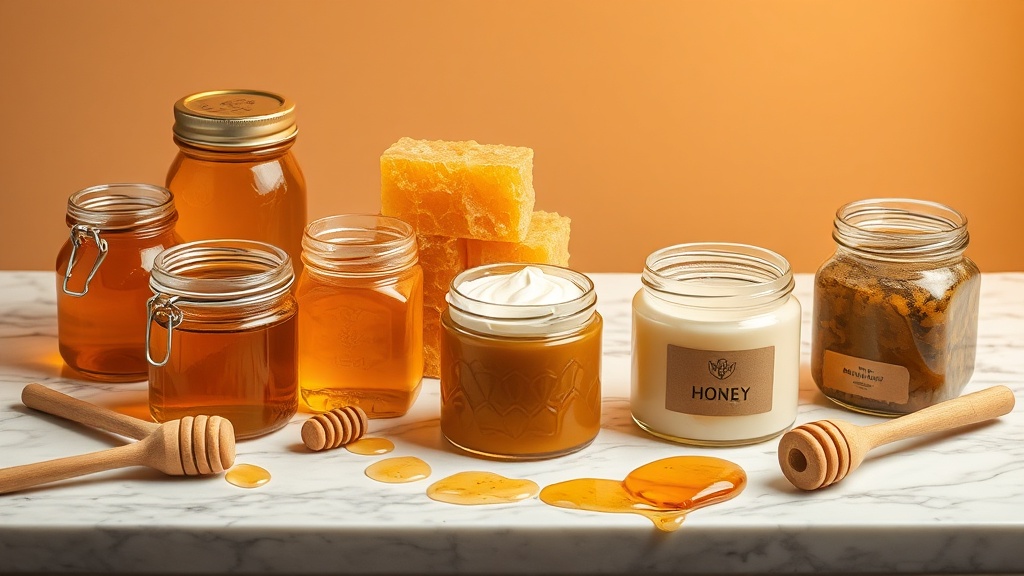
Raw honey is unheated and retains all natural enzymes and nutrients. Filtered honey has had particles removed but keeps most benefits. Pasteurized honey is heat-treated for shelf life but loses some enzymes. Creamed honey is controlled-crystallized for spreadability. Comb honey is completely unprocessed, still in beeswax. For maximum health benefits, choose raw and unfiltered.
Raw Honey
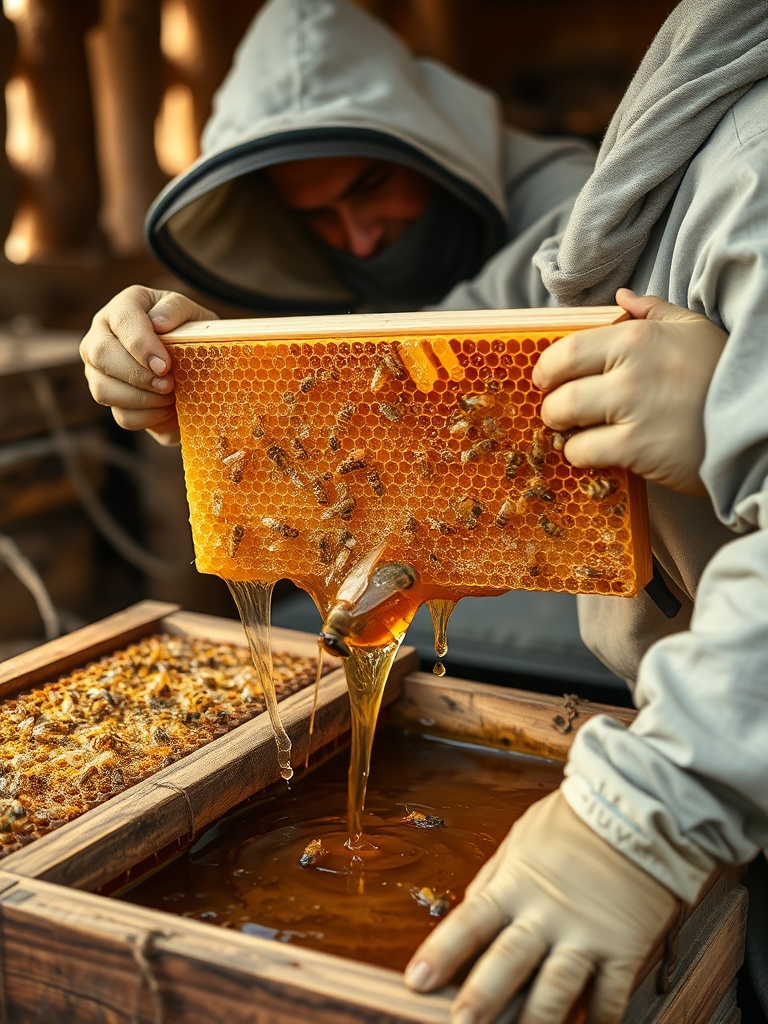
Browse RawHoney as it exists in the beehive. Raw honey is strained to remove debris but is never heated above natural hive temperatures, preserving all natural enzymes, pollen, and beneficial compounds.
Benefits
- Contains natural enzymes
- Preserves pollen and propolis
- Maximum nutritional value
- Natural antibacterial properties
Considerations
Not recommended for infants under 12 months. May crystallize faster than processed honey.
Filtered Honey
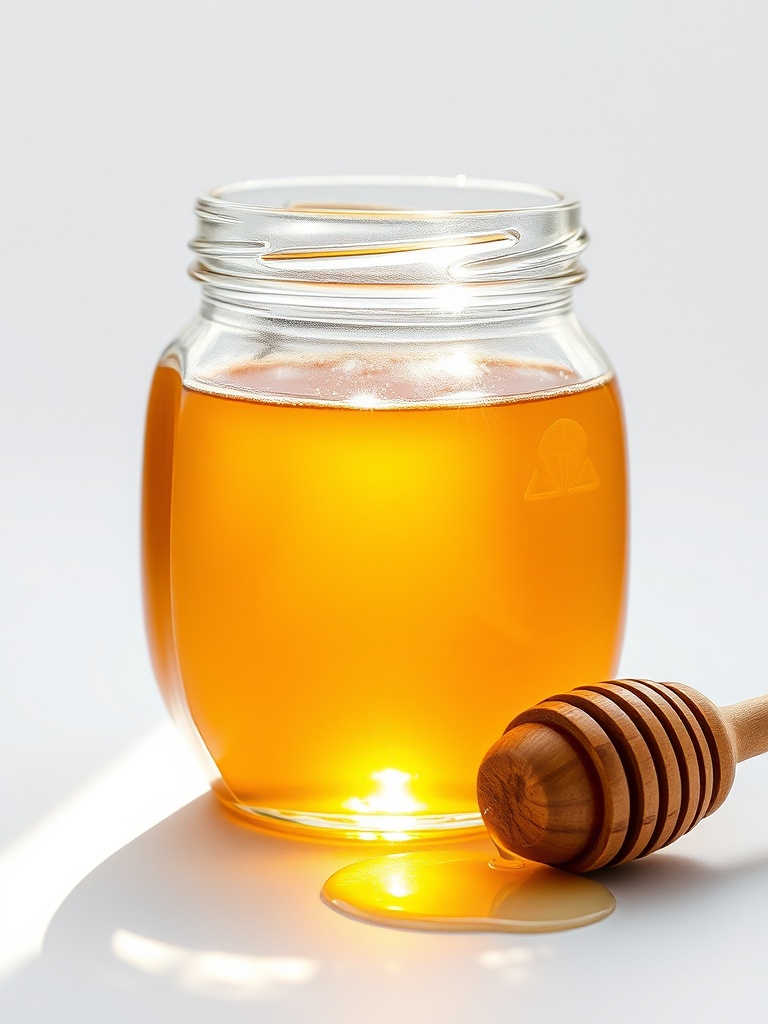
Browse FilteredRaw honey that has been lightly filtered to remove larger particles like wax and bee parts while still preserving most beneficial properties.
Benefits
- Clearer appearance
- Longer shelf life
- Retains most nutrients
- Slower crystallization
Considerations
Some pollen may be removed during filtering.
Pasteurized Honey
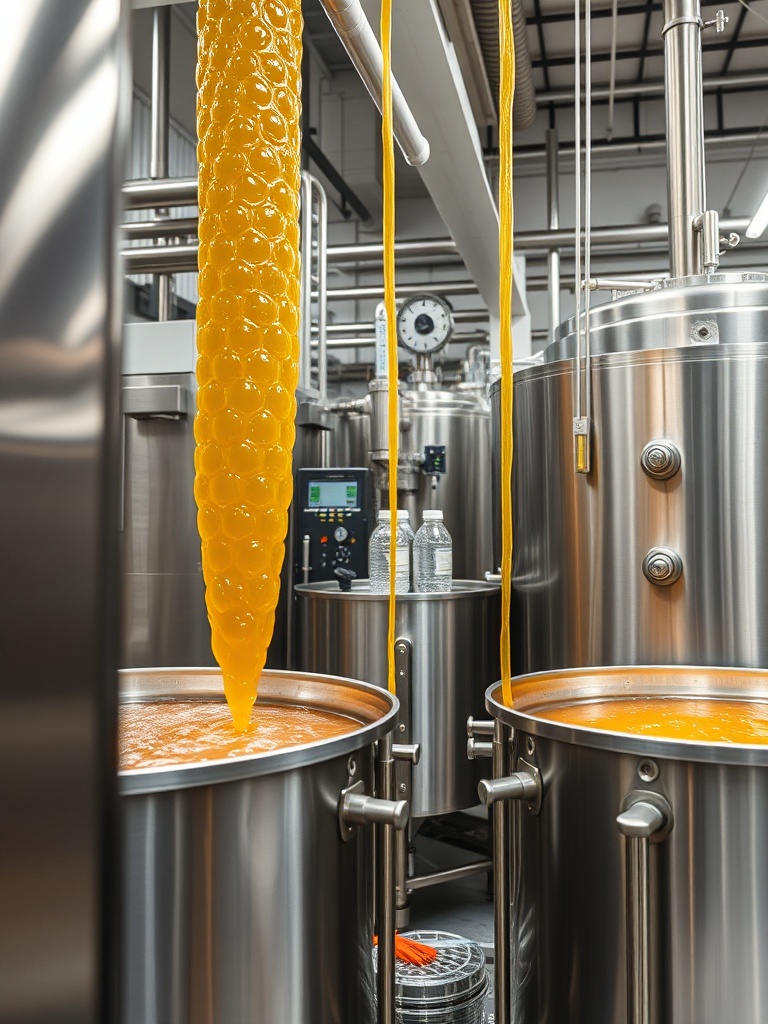
Browse PasteurizedHoney that has been heated to high temperatures to kill yeast cells and slow crystallization. This process extends shelf life but reduces some beneficial properties.
Benefits
- Long shelf life
- Consistent texture
- Clear appearance
- Widely available
Considerations
Heat destroys some enzymes and antioxidants.
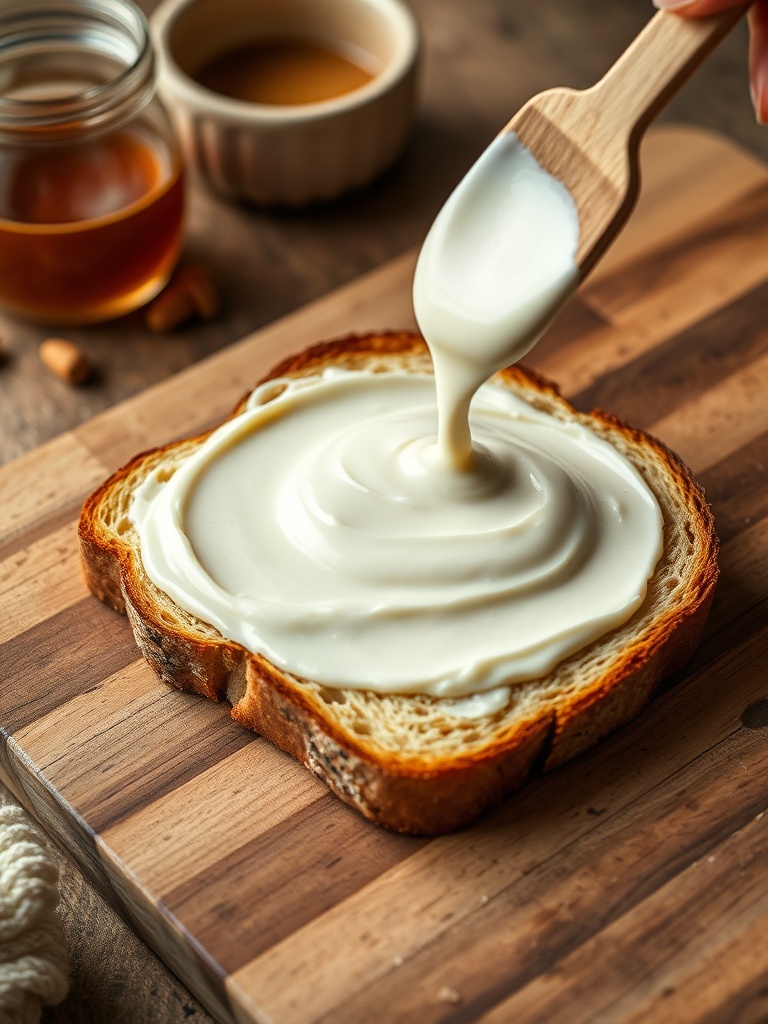
Creamed Honey
Browse CreamedAlso called whipped or spun honey. Controlled crystallization creates a smooth, spreadable texture while maintaining raw honey benefits.
Benefits
- Spreadable consistency
- No dripping
- Same nutrition as raw
- Great for toast
Considerations
Texture preference is personal - some prefer liquid honey.
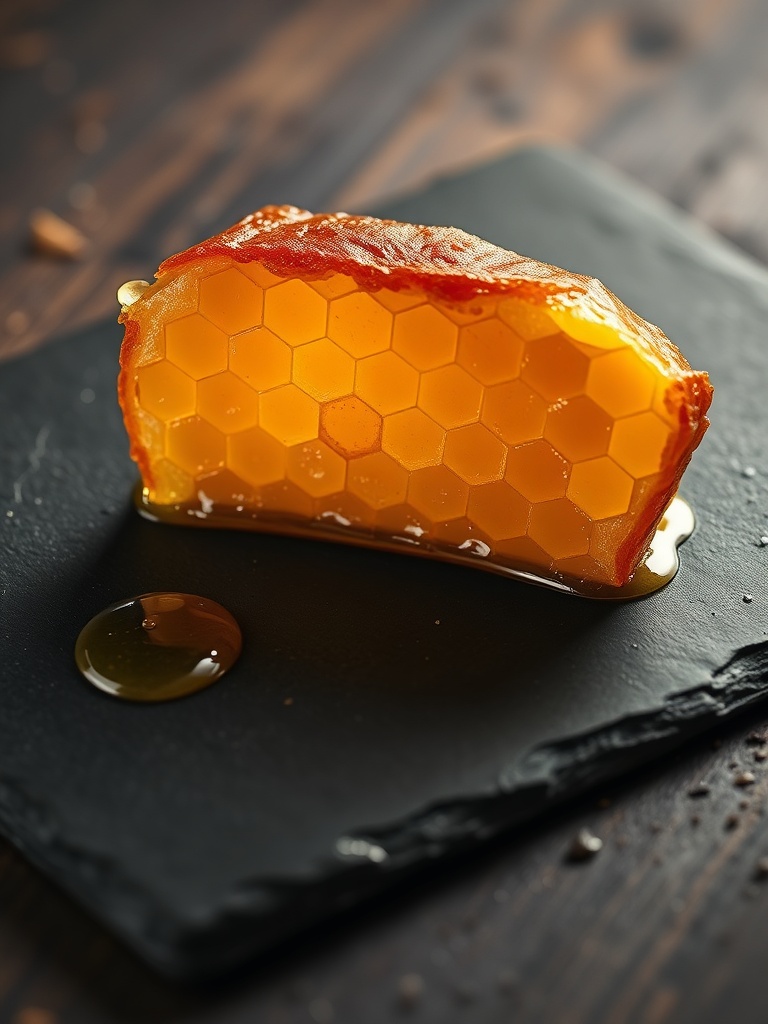
Comb Honey
Browse CombHoney sold still in the beeswax comb, exactly as the bees made it. The most unprocessed form of honey available.
Benefits
- Completely unprocessed
- Contains beeswax
- Edible wax adds fiber
- Impressive presentation
Considerations
Higher price point. Wax texture may not appeal to everyone.
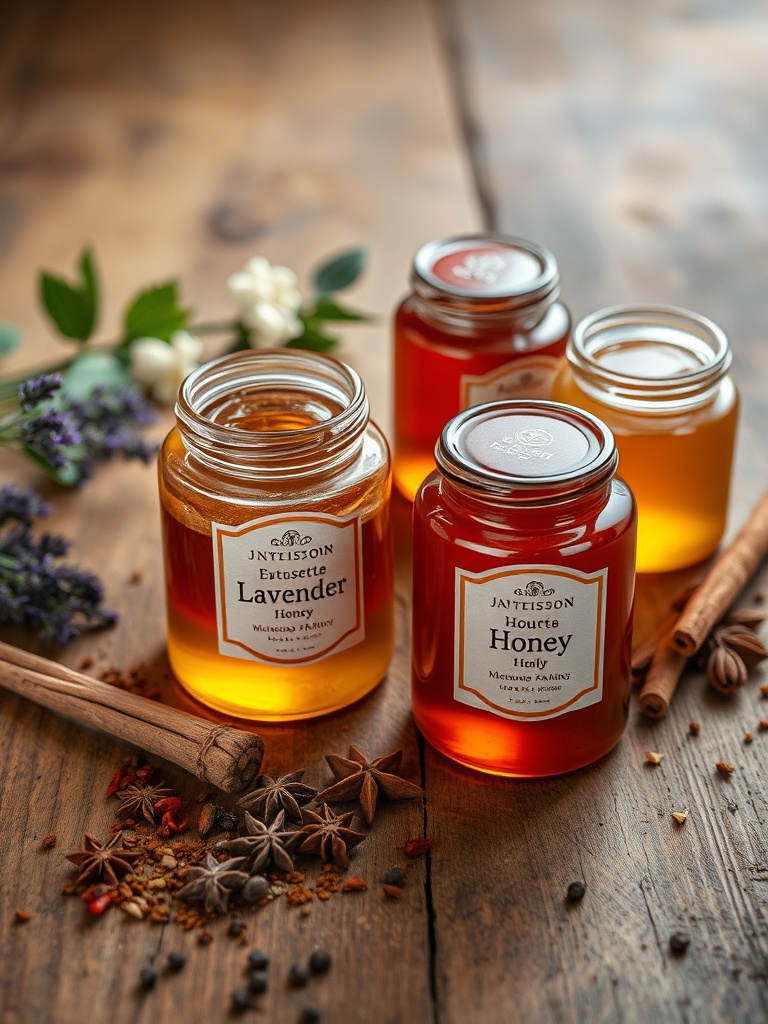
Infused Honey
Browse InfusedHoney that has been combined with other ingredients like herbs, spices, fruit, or hot peppers to create unique flavors.
Benefits
- Creative flavor combinations
- Unique gifting option
- Culinary versatility
- Added functional ingredients
Considerations
Added ingredients may alter nutritional profile.
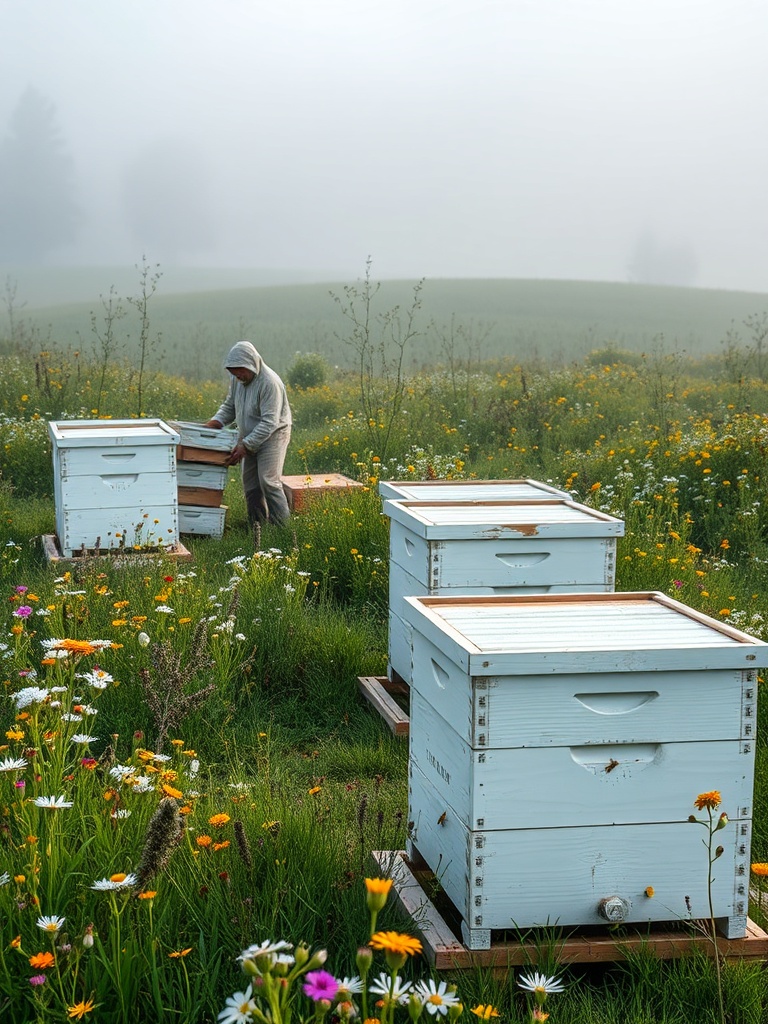
Organic Honey
Browse OrganicHoney certified to meet organic standards, meaning bees forage on pesticide-free flowers and hives are managed without synthetic chemicals.
Benefits
- No pesticide exposure
- Environmental sustainability
- Strict quality standards
- Traceability
Considerations
Certification can be difficult as bees forage up to 5 miles from hives.
Free Honey Tasting Scorecard
Rate and compare honey varieties side by side with our printable scorecard. Score color, aroma, sweetness, and more.
Frequently Asked Questions
What is raw honey?
Raw honey is honey that has never been heated above natural hive temperatures (about 95°F/35°C), preserving all its natural enzymes, pollen, propolis, and antioxidants. It is minimally processed — strained but not filtered or pasteurized. Raw honey varieties like [wildflower honey](/honey/wildflower-honey), [clover honey](/honey/clover-honey), [buckwheat honey](/honey/buckwheat-honey), and [acacia honey](/honey/acacia-honey) each offer distinct flavor profiles and nutritional benefits that processing would diminish or destroy.
What is the difference between raw and pasteurized honey?
Raw honey retains all natural enzymes and nutrients because it is never heated above hive temperature. Pasteurized honey is heated to 150–170°F to slow crystallization and extend shelf life, which destroys most enzymes and reduces antioxidant content by up to 33%. This processing loss is particularly significant for high-antioxidant raw varieties like [buckwheat honey](/honey/buckwheat-honey), [chestnut honey](/honey/chestnut-honey), and [heather honey](/honey/heather-honey). Even mild varieties like [clover honey](/honey/clover-honey) and [wildflower honey](/honey/wildflower-honey) lose beneficial enzyme activity through pasteurization.
What is creamed honey?
Creamed honey, also called whipped or spun honey, is made through controlled crystallization that creates a smooth, spreadable texture while maintaining the same nutritional benefits as raw honey. The controlled process produces uniform tiny crystals that give it a creamy consistency. [Clover honey](/honey/clover-honey) and [wildflower honey](/honey/wildflower-honey) cream particularly well due to their natural crystallization patterns, while high-fructose varieties like [acacia honey](/honey/acacia-honey) and [tupelo honey](/honey/tupelo-honey) resist crystallization and are rarely found in creamed form.
Is comb honey better than liquid honey?
Comb honey is the most unprocessed form available since it is still sealed in beeswax exactly as the bees made it. It contains beeswax (a source of fiber) and offers the same nutritional benefits as raw liquid honey. Whether it is "better" depends on personal preference and intended use.
What is the healthiest type of honey?
Raw and unfiltered honey offers the most health benefits, preserving natural enzymes, antioxidants, pollen, and propolis. Among raw honey varieties, darker options like [buckwheat honey](/honey/buckwheat-honey) have the highest antioxidant content — up to 20 times more than light [clover honey](/honey/clover-honey). [Manuka honey](/honey/new-zealand-manuka-umf-15) offers additional antibacterial properties from methylglyoxal (MGO), while [heather honey](/honey/heather-honey) and [chestnut honey](/honey/chestnut-honey) also provide exceptional antioxidant density. [Wildflower honey](/honey/wildflower-honey) offers diverse beneficial compounds from multiple floral sources.
How do you choose between honey types?
Choose raw or unfiltered for maximum health benefits — consider [buckwheat honey](/honey/buckwheat-honey) for highest antioxidants, [acacia honey](/honey/acacia-honey) for slow crystallization, or [wildflower honey](/honey/wildflower-honey) for diverse nutrients. Choose creamed if you prefer a spreadable texture ([clover honey](/honey/clover-honey) creams particularly well). Choose comb for the ultimate unprocessed experience. Choose infused honey for culinary creativity. Choose organic if pesticide-free sourcing matters to you. For all types, look for single-origin honey from a named beekeeper or region — like [tupelo honey](/honey/tupelo-honey) from Florida's Apalachicola River or [sourwood honey](/honey/sourwood-honey) from Appalachian mountains — for the best quality and flavor.
Edited by Sam French · Raw Honey Guide Editorial Team
Source reviewed against primary literature and official guidance where available. Health content is educational, not medical advice, and does not replace a licensed clinician.
Related Guides
Raw Honey vs Regular
Processing, nutrition, and how to choose.
Read GuideCreamed Honey Guide
What creamed honey is, the Dyce method, best varieties, and buying tips.
Read GuideWhat Honey Should I Buy?
Personalized quiz to find your perfect honey.
Read GuideRelated Articles
Types of Honey: A Complete Guide to 20+ Varieties
Guide to 20+ honey varieties — clover, manuka, buckwheat, wildflower, and more. How floral source affects flavor and use.
Read ArticleRaw Honey vs Regular Honey: What's Actually Different?
Raw vs regular honey: compare nutrition, enzymes, antioxidants, processing methods, and which one is better for your health.
Read ArticleHeather Honey Benefits: Why This Scottish Classic Is Worth the Premium
Heather honey benefits: exceptionally high antioxidants, unique thixotropic gel texture, and bold, complex flavor profile.
Read Article