The Most Important Honey Decision You'll Make
Walk down any grocery store aisle and you'll find honey in a squeezable bear bottle for $5 alongside a jar of raw honey for $15. Is there really a difference? The short answer: yes, and it's significant.
The distinction between raw and regular (processed) honey isn't just about taste or marketing — it's about whether the honey retains the enzymes, antioxidants, prebiotics, and bioactive compounds that drive every health benefit you've read about. Understanding this difference is fundamental to getting actual value from the honey you buy.
This guide breaks down exactly what processing does to honey, what survives and what doesn't, and whether raw honey is worth the higher price for your specific goals.
What Is Raw Honey?
There is no official FDA definition of "raw honey," but the widely accepted industry standard is honey that has not been heated above 118°F (48°C) and has not been ultra-filtered. Raw honey goes through minimal processing: extraction from the comb, coarse straining to remove large debris (wax, bee parts), and bottling.
**What raw honey retains:** All of honey's naturally occurring enzymes (glucose oxidase, diastase, invertase, catalase), the full spectrum of 30+ polyphenol antioxidants, prebiotic oligosaccharides (FOS and GOS), bee pollen traces, propolis fragments, vitamins (B2, B3, B5, B6, C), and the complete mineral profile. See our honey nutrition facts guide for the full breakdown.
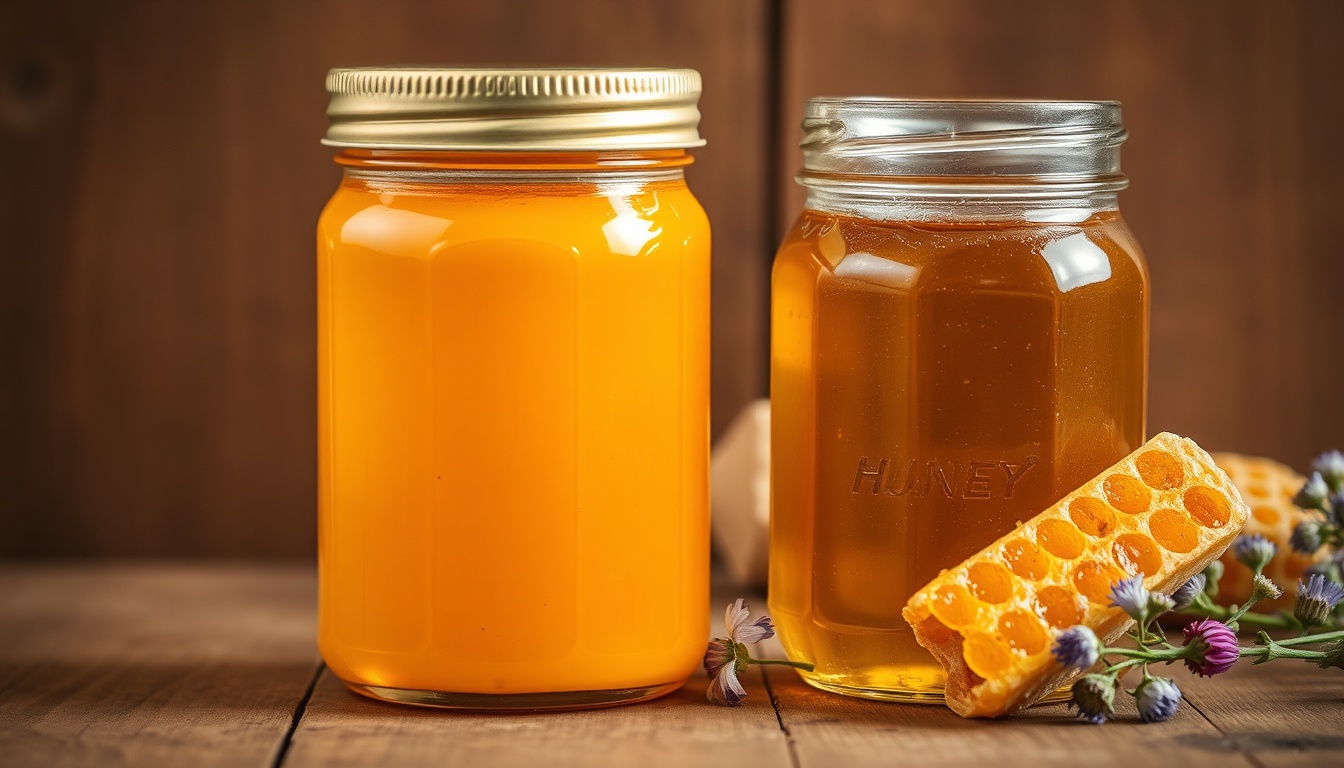
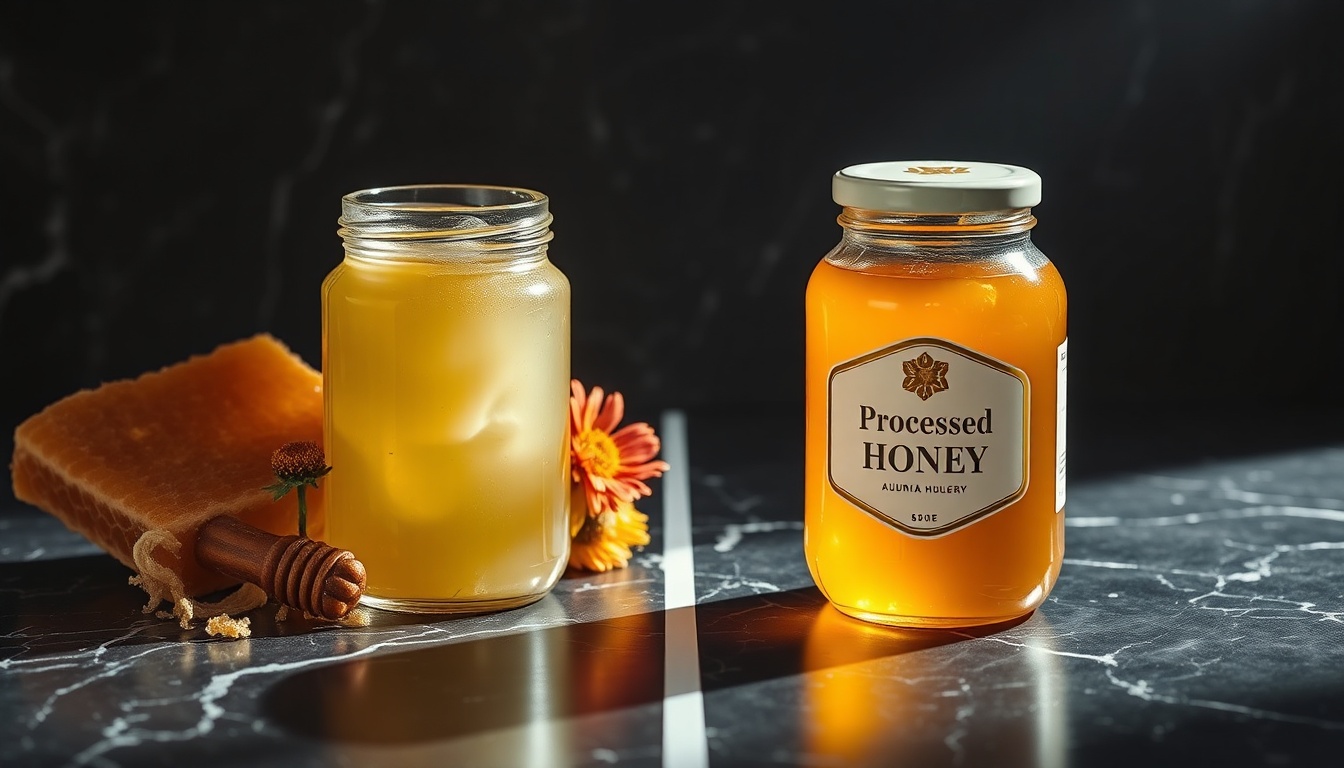
**What raw honey looks like:** Raw honey is typically cloudier and thicker than processed honey due to pollen, wax particles, and air bubbles. It crystallizes naturally over time — a sign of authenticity, not spoilage. The color ranges from nearly white to dark brown depending on the floral source.
Get the Honey Buyer's Cheat Sheet (free PDF)
16 varieties on one page — color, flavor, best use and what a fair price looks like — from the 268 honeys we track.
What Is Regular (Processed) Honey?
Regular honey — the kind in most grocery store squeeze bottles — has been pasteurized and ultra-filtered. These are two distinct industrial processes:
**Pasteurization (heating to 145-160°F / 63-71°C):** Destroys yeast cells to prevent fermentation, delays crystallization, and makes honey more liquid for easier bottling. The problem: this heat also destroys or degrades most of the compounds that make honey beneficial beyond simple sugar.
**Ultra-filtration:** Passes honey through fine filters under pressure to remove pollen, wax, and particulates. This produces a crystal-clear, uniformly colored product with extended shelf stability — but also removes pollen (which carries its own health benefits), propolis traces, and some antioxidant compounds that bind to these particles.
Some commercial honeys undergo additional processing: blending with cheaper honeys or syrups (honey adulteration is a well-documented global problem), moisture reduction through vacuum evaporation, and color standardization. See our how to tell if honey is real guide for authenticity tests.
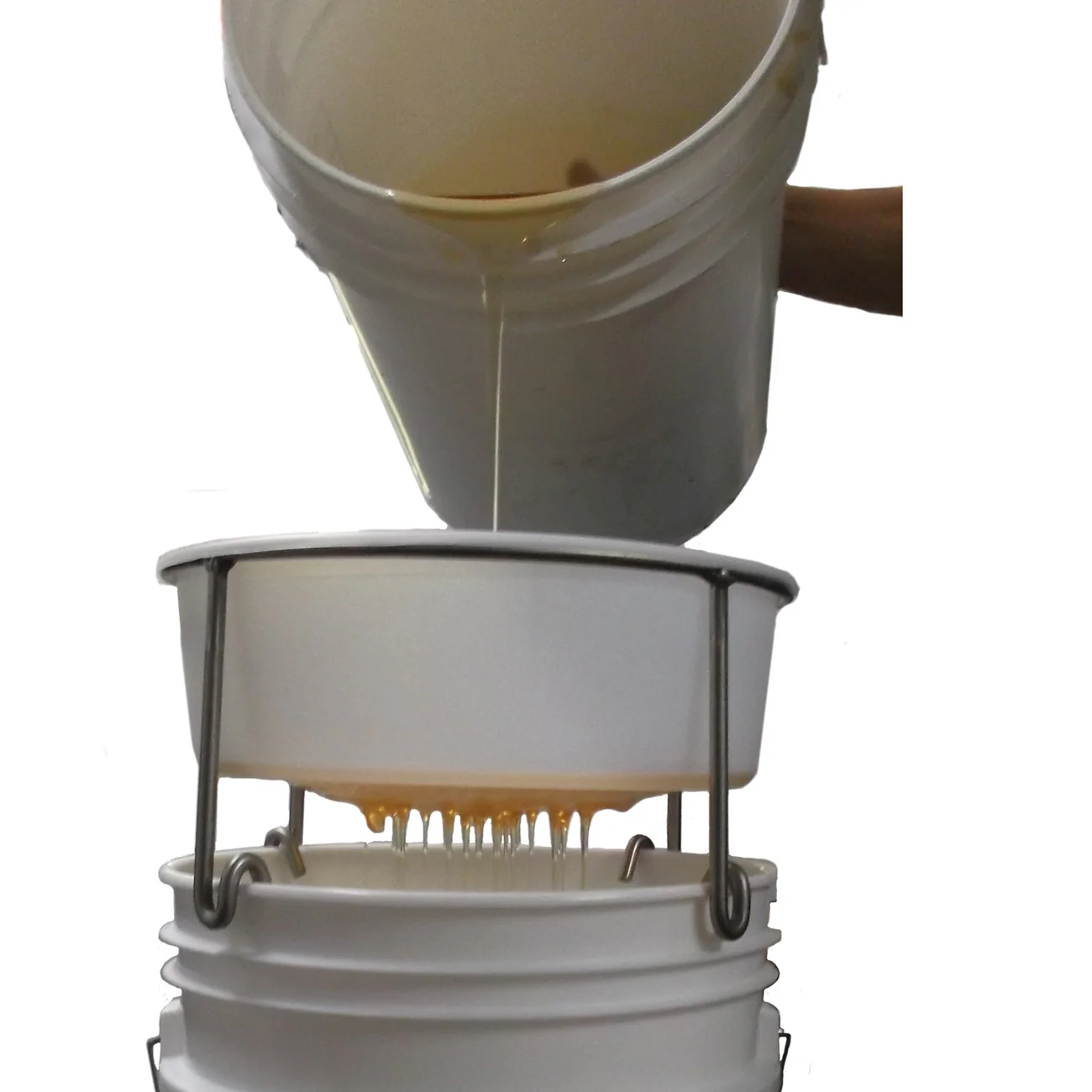
Photo: Queen Right Colonies, used with permission
Nutritional Comparison: What Processing Destroys
The calorie and sugar content of raw and processed honey is essentially identical — both contain roughly 64 calories and 17g of sugar per tablespoon. The critical differences lie in the bioactive compounds:
- **Enzymes — largely destroyed by pasteurization:** Glucose oxidase (produces hydrogen peroxide, honey's primary antibacterial compound), diastase (starch digestion enzyme, used as a quality indicator), invertase (sugar metabolism), and catalase (antioxidant enzyme). A 2002 study in the Journal of Food Science found that heating honey to 160°F for even short durations destroyed 35-50% of diastase activity
- **Antioxidant polyphenols — partially reduced:** Heat degrades some phenolic compounds, though the most heat-stable flavonoids (quercetin, kaempferol) survive better than others. A 2012 study in the Journal of Agricultural and Food Chemistry found 10-30% antioxidant activity loss depending on temperature and duration. The biggest losses come from prolonged industrial heating
- **Prebiotic oligosaccharides — largely preserved:** FOS and GOS are heat-stable, so processed honey retains most of its prebiotic content. This is one area where the gap between raw and regular is smaller
- **Bee pollen — completely removed by ultra-filtration:** Pollen contains amino acids, vitamins, and enzymes not found in honey itself. A 2011 Food Safety News investigation found that 76% of supermarket honeys had all pollen removed, making origin verification impossible
- **Propolis traces — removed by ultra-filtration:** Propolis contributes CAPE (caffeic acid phenethyl ester) and other compounds with anti-inflammatory and antimicrobial properties. See our propolis benefits guide
- **Vitamins — partially degraded:** B-complex vitamins and vitamin C are heat-sensitive. Raw honey retains the full complement; processed honey loses a significant portion
Health Benefits: Where Raw Honey Wins
Nearly every clinical study demonstrating honey's health benefits used raw or minimally processed honey. Here's where the raw advantage is most pronounced:
- **Antibacterial activity:** Raw honey's intact glucose oxidase continuously generates hydrogen peroxide — the primary antimicrobial mechanism in most honeys (Manuka honey's MGO pathway is a notable exception). Eucalyptus honey and clover honey show particularly strong peroxide activity, while buckwheat honey offers high antioxidant density for anti-inflammatory support. Pasteurized honey has dramatically reduced antibacterial activity. This matters for wound healing, sore throat relief, and skin health
- **Gut health:** Raw honey's enzymes and intact prebiotic oligosaccharides support beneficial bacteria growth. The 2022 meta-analysis showing honey's metabolic benefits used raw or minimally processed honey in most included trials. See our honey and gut health guide
- **Anti-inflammatory effects:** Raw honey's full polyphenol profile provides maximum NF-κB pathway inhibition and COX-2 suppression. Dark varieties like buckwheat honey, chestnut honey, and heather honey contain the highest antioxidant density, while lighter varieties like acacia honey and clover honey provide gentler anti-inflammatory support. The anti-inflammatory benefits documented in clinical trials are specifically attributable to these intact compounds
- **Allergy support:** The local honey theory for seasonal allergies requires pollen exposure — ultra-filtered processed honey contains zero pollen, making it useless for this purpose. Local varieties like wildflower honey from regional nectar sources or basswood honey from specific tree pollens provide the pollen diversity needed for potential desensitization
- **Cough suppression:** The 2020 BMJ Evidence-Based Medicine systematic review confirming honey's superiority to OTC cough medicines used whole, unprocessed honey. The viscous texture, intact enzymes, and antimicrobial compounds all contribute to efficacy
Where Processed Honey Is Comparable
In fairness, processed honey is not nutritionally worthless. It retains certain properties:
- **Caloric energy:** Same sugar content and energy profile. For athletic fuel and energy purposes, processed honey works similarly
- **Basic prebiotic content:** The heat-stable oligosaccharides survive processing, so processed honey retains some prebiotic benefit
- **Some antioxidant activity:** The most heat-resistant polyphenols (quercetin, kaempferol) partially survive. Processed honey still has more antioxidants than refined sugar — the bar is just much lower
- **Humectant properties:** For topical moisture retention in skincare and hair care, processed honey still draws water to the skin. However, raw honey adds antibacterial and enzymatic benefits that processed honey lacks
- **Cooking and baking:** In recipes where honey is heated above 160°F anyway (baking, glazes, marinades), starting with raw honey provides no advantage since cooking destroys the same compounds as pasteurization. For high-heat cooking, clover honey offers reliable caramelization, wildflower honey adds complexity to glazes, and buckwheat honey provides bold flavor for BBQ applications. See our honey baking guide
Pro Tip
If you're using honey primarily as a sweetener in hot coffee, baking, or cooking, processed honey is a reasonable economical choice. If you're using honey for health benefits, raw is significantly superior.
Taste and Texture Differences
Beyond nutrition, raw and processed honey have noticeably different sensory profiles:
**Raw honey:** More complex flavor with floral, herbal, or fruity notes that reflect the specific flower source. Wildflower honey offers multi-floral complexity, orange blossom honey provides bright citrus undertones, buckwheat honey delivers bold molasses-like richness, while lavender honey contributes delicate sophisticated floral notes. Thicker, sometimes granular texture — especially as it naturally crystallizes. Each batch varies because it's unblended. Some describe it as more "alive" tasting.
**Processed honey:** Uniform, mild sweetness with less complexity. Smooth, pourable consistency designed for convenience. Consistent across batches because it's typically blended from multiple sources. The flavor flattening is a direct result of heat treatment destroying volatile aromatic compounds.
For culinary use where honey flavor is the star — cheese boards, tea pairing, drizzling — raw honey is dramatically better. Sourwood honey excels with aged cheeses, orange blossom honey complements green teas, lavender honey elevates desserts, and tupelo honey provides buttery sophistication for drizzling. For recipes where honey is one ingredient among many, the taste difference is less noticeable.
Price Comparison and Value Analysis
Raw honey typically costs 2-4x more than processed honey. Is the premium justified?
- **Processed honey (generic):** $0.15-0.30/oz — mass-produced, blended, often imported. May be adulterated with corn syrup or rice syrup in worst cases
- **Raw honey (national brand):** $0.40-0.75/oz — certified raw, typically domestic or single-origin import like clover honey or wildflower honey. Retains most bioactive compounds
- **Raw honey (local/artisanal):** $0.75-1.50/oz — single-source, small-batch varieties like sourwood honey, basswood honey, or orange blossom honey from identified apiaries. Maximum freshness and traceability
- **Raw manuka honey:** $1.50-5.00/oz — premium antimicrobial properties with UMF/MGO certification. New Zealand Manuka honey commands top pricing for verified therapeutic activity. See our manuka honey benefits guide
Pro Tip
The value calculation: If you consume 1-2 tablespoons daily, you use roughly one 16oz jar per month. The difference between processed ($5-8) and raw ($12-20) is $7-12/month — less than a single supplement bottle. Given that raw honey replaces multiple supplements (prebiotics, antioxidants, antimicrobials), the premium is arguably excellent value. See our honey price comparison tool for a detailed price breakdown.
How to Identify Genuine Raw Honey
The term "raw" is not regulated by the FDA, so some honeys labeled "raw" may still be heated or ultra-filtered. Here's how to verify:
- **Crystallization:** Real raw honey crystallizes over time (weeks to months depending on variety). If honey labeled "raw" stays perfectly liquid for years, it was likely heat-treated. Acacia honey and tupelo honey are exceptions — they stay liquid naturally due to high fructose content, while clover honey and wildflower honey crystallize quickly within weeks
- **Cloudiness:** Raw honey contains pollen and wax particles that create slight cloudiness. Crystal-clear "raw" honey may be ultra-filtered
- **Foam or air bubbles:** Small air bubbles or a thin foam layer on top are normal in raw honey and indicate minimal processing
- **Label details:** Look for "raw and unfiltered," a specific floral source, and ideally a beekeeper or apiary name. Vague labels ("pure honey," "natural honey") mean little. "True Source Certified" indicates origin verification but not raw status
- **Price:** If "raw" honey costs the same as regular honey, be skeptical. Genuine raw honey has higher production costs from smaller-scale operations and minimal processing
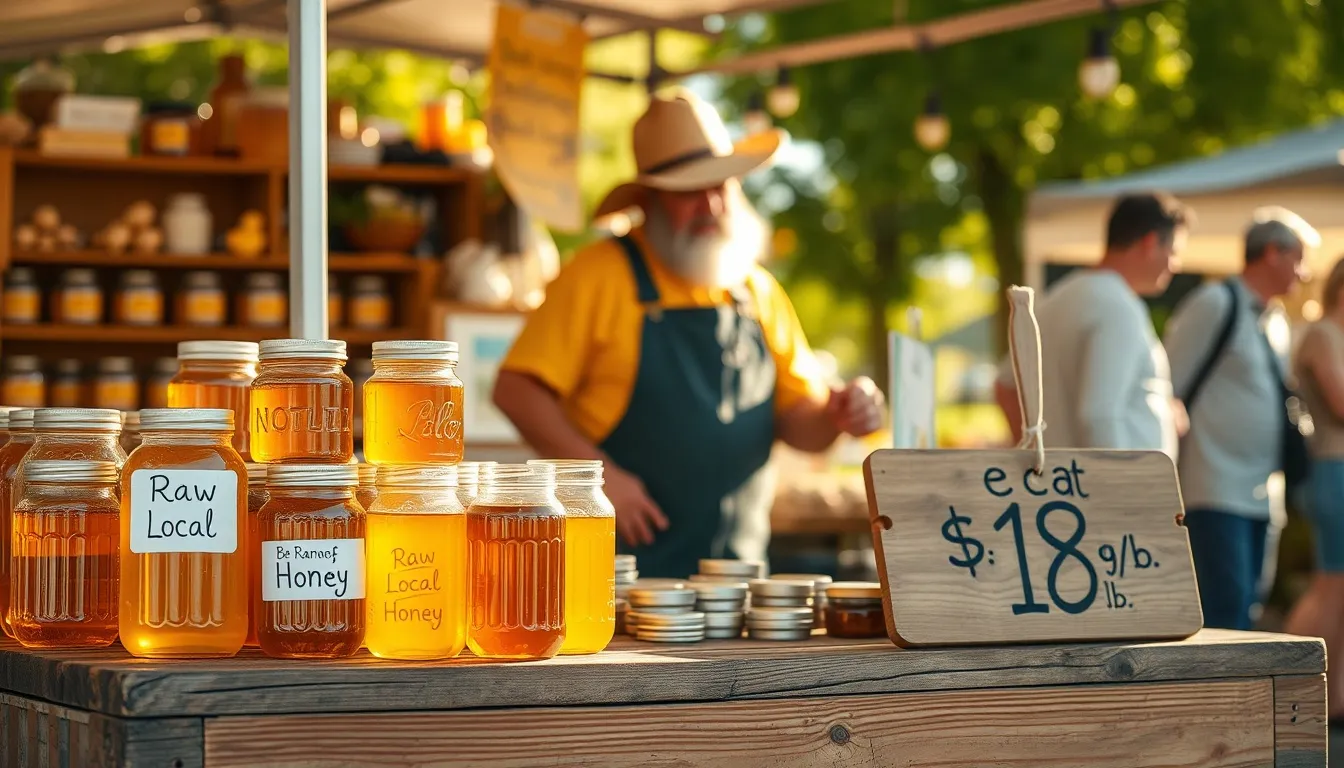
- **Source directly:** Farmers markets, local beekeepers, and specialty retailers with verifiable supply chains are more reliable than generic supermarket brands. See our buying at farmers markets guide
Raw vs Regular: Quick Decision Guide
Choose based on your primary use case:
- **Choose raw honey if:** You want health benefits (immunity, gut health, inflammation, skin, wound care), you eat honey straight or in unheated foods, you appreciate complex flavors, or you want to support local beekeepers
- **Processed honey is fine if:** You only use honey for baking or cooking above 160°F, you need the cheapest sweetener option, you prefer uniform texture and easy squeezing, or you're mixing it into hot beverages where enzymes would be destroyed anyway
- **Best compromise:** Buy raw honey for daily health use (straight, in warm-not-hot tea, on toast, in yogurt) and keep a bottle of processed honey for cooking and baking where heat destroys bioactive compounds regardless
Pro Tip
When adding honey to tea or warm drinks, let the liquid cool below 118°F (48°C) before stirring in raw honey to preserve its enzymes. If you can comfortably sip the drink, it's cool enough for raw honey.