Acacia Honey Benefits: Low GI, Uses & Complete Buying Guide
Everything you need to know about acacia honey — the lightest, mildest, and lowest-glycemic honey variety. Why it stays liquid for years, its evidence-based health benefits, how it compares to Manuka and clover, and how to spot fakes.
Last updated:
Acacia honey is the mildest and lowest-glycemic honey variety (GI 32 — less than half that of clover at ~69), produced from black locust tree blossoms primarily in Hungary, Italy, and Romania. Its unusually high fructose-to-glucose ratio (~1.47) means it stays liquid for 1-2 years without crystallizing. Acacia is prized for cheese boards, cocktails, and delicate teas where you want sweetness without strong honey flavor. While its antioxidant content is lower than dark honeys like buckwheat (ORAC 1,000-2,500 vs 16,000+), its low glycemic response makes it the best honey choice for blood sugar management. Expect to pay $12-25 per pound from reputable sources.

What Makes Acacia Honey Different from Other Varieties?
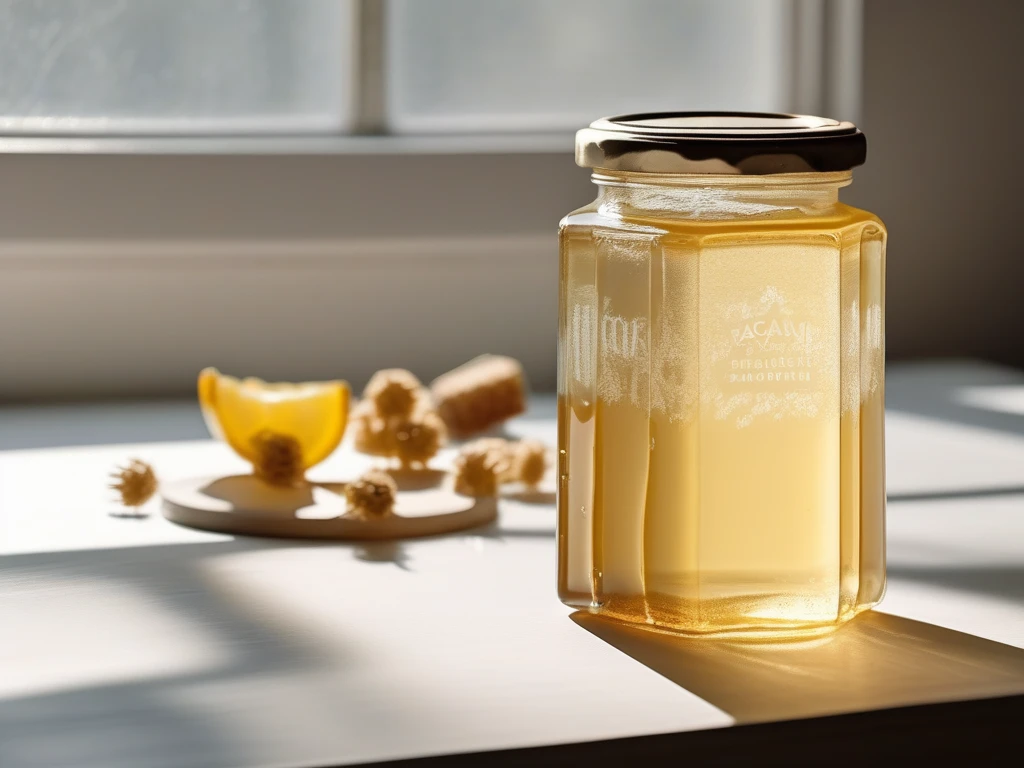
Acacia honey is produced from the nectar of the black locust tree (Robinia pseudoacacia), despite its common name — the tree is not a true acacia but was misnamed by early European botanists. Native to the Appalachian region of North America, the black locust was widely planted across Europe in the 17th century and now thrives in Hungary, Italy, France, Romania, and the Balkans, which together produce the majority of the world's acacia honey. Hungary alone accounts for an estimated 50-60% of global production. The honey is prized for its exceptionally light color — ranging from nearly water-white to pale straw — and its delicate, mild sweetness with subtle vanilla and floral notes that never overpower other flavors. What truly distinguishes acacia honey from virtually all other varieties is its remarkably high fructose-to-glucose ratio (approximately 1.47:1; White 1975), which gives it two unique properties: extremely slow crystallization (it can remain liquid for 1-2 years at room temperature, far longer than any other common honey) and the lowest glycemic index of any honey variety (GI 32, compared to ~69 for clover per Ischayek & Kern 2006 and ~73-83 for buckwheat per Arcot & Brand-Miller 2005). This low GI is why acacia honey is specifically studied as a sweetener option for blood sugar management. Its water-white clarity and liquid consistency make it the premium choice for cheese boards, cocktails, and any application where visual elegance matters. Acacia honey typically costs $12-25 per pound depending on origin, with Hungarian and <Link to="/honey/italian-acacia-honey" className="text-honey-600 hover:text-honey-800 underline">Italian acacia honey</Link> varieties commanding the highest prices.
Key Takeaways
- From black locust trees (Robinia pseudoacacia) — primarily produced in Hungary, Italy, France, and Romania
- Nearly water-white to pale straw color with delicate vanilla-floral sweetness
- Highest fructose-to-glucose ratio (~1.47:1; White 1975) among slow-crystallizing honeys — stays liquid for 1-2 years
- Lowest glycemic index of any honey variety (GI 32 vs ~69 for clover, ~73-83 for buckwheat)
- Hungary produces an estimated 50-60% of the world's acacia honey supply
- Premium pricing at $12-25/lb — valued for its clarity, mild flavor, and liquid consistency
What Are the Evidence-Based Health Benefits of Acacia Honey?
Acacia honey's standout health benefit is its low glycemic index (GI 32), which has been validated in clinical research. A 2009 study published in the International Journal of Food Sciences and Nutrition measured the glycemic response to acacia honey versus glucose in healthy volunteers and found a significantly lower postprandial blood glucose spike. This makes acacia honey the most blood-sugar-friendly honey variety — though it is still an added sugar and should be consumed in moderation by people with diabetes, per American Diabetes Association guidelines. Like all raw honeys, acacia honey contains glucose oxidase, which produces hydrogen peroxide on contact with wound tissue — a mechanism that underpins honey's traditional use for wound care. A 2014 study in the Asian Pacific Journal of Tropical Biomedicine found that acacia honey demonstrated antibacterial activity against both Staphylococcus aureus and Escherichia coli, though this activity was lower than darker honeys like buckwheat or Manuka (which has additional methylglyoxal). Acacia honey's antioxidant profile is lighter than dark varieties — its ORAC value is approximately 1,000-2,500 μmol TE/100g and total phenolics around 15-35 mg GAE/100g — but it contains chrysin, a flavonoid studied for anti-inflammatory and anxiolytic (anxiety-reducing) properties in animal models. A 2019 study in Molecules found chrysin inhibited NF-κB and COX-2 inflammatory pathways. Acacia honey's prebiotic oligosaccharides support gut microbiome health, and its high fructose content may support liver glycogen replenishment during sleep — a mechanism underlying honey's traditional use as a nighttime remedy.
Key Takeaways
- Lowest glycemic index of any honey (GI 32) — validated in clinical glycemic response studies
- Antibacterial activity against S. aureus and E. coli via hydrogen peroxide production (Asian Pacific J Tropical Biomedicine 2014)
- Contains chrysin flavonoid — studied for anti-inflammatory NF-κB/COX-2 inhibition (Molecules 2019)
- ORAC 1,000-2,500 μmol TE/100g — lighter antioxidant profile than dark honeys but still meaningful
- Prebiotic oligosaccharides support beneficial gut bacteria growth
- High fructose content supports liver glycogen replenishment — traditional nighttime remedy mechanism
How Does Acacia Honey Compare to Other Honey Varieties?
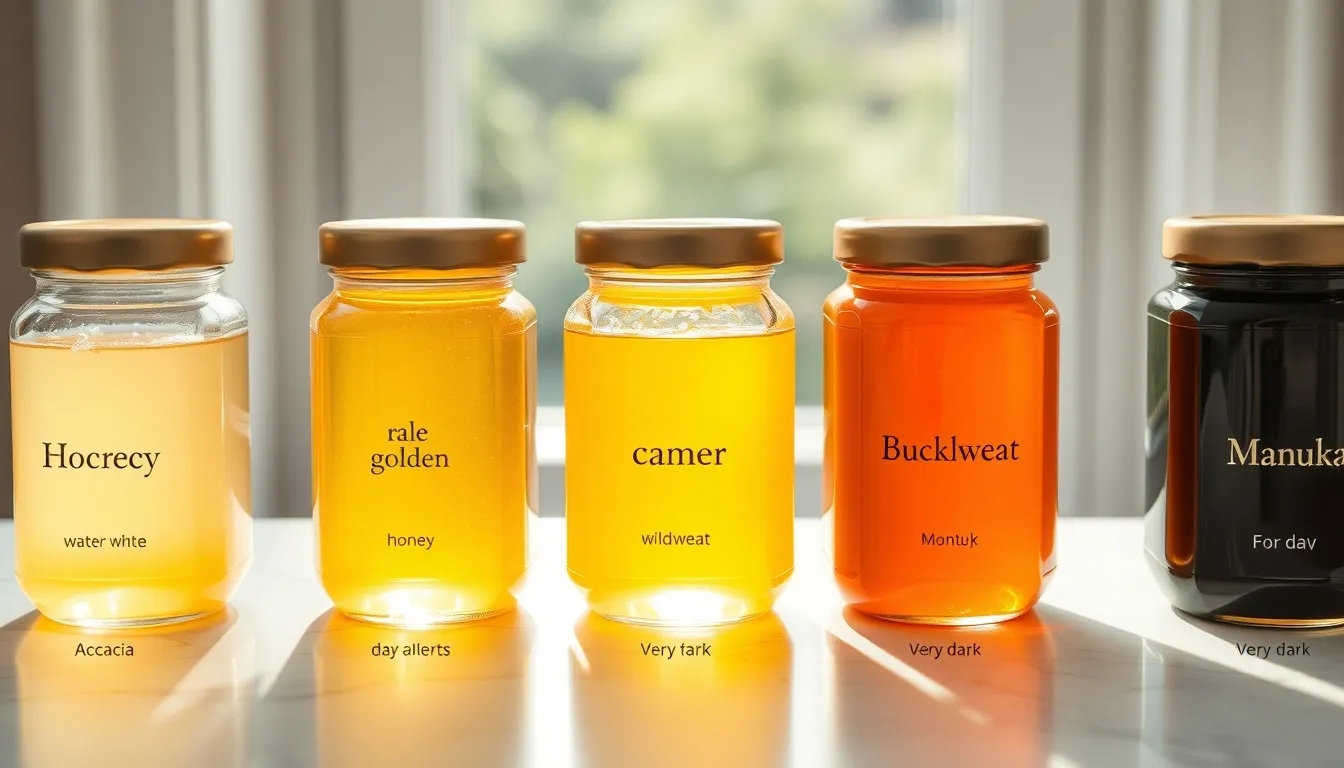
Acacia honey occupies a unique niche: it's the mildest, lightest, and most blood-sugar-friendly honey variety, but with lower antioxidant and antibacterial potency than darker alternatives. On the antioxidant spectrum, acacia's ORAC of 1,000-2,500 μmol TE/100g is the lowest among common monofloral honeys — compared to <Link to="/honey/new-york-buckwheat-honey" className="text-honey-600 hover:text-honey-800 underline">buckwheat honey</Link> (16,000+), <Link to="/honey/manuka-honey" className="text-honey-600 hover:text-honey-800 underline">Manuka honey</Link> (5,000-12,000), <Link to="/honey/texas-wildflower-honey" className="text-honey-600 hover:text-honey-800 underline">wildflower honey</Link> (3,000-8,000), and <Link to="/honey/pure-clover-honey-usa" className="text-honey-600 hover:text-honey-800 underline">clover honey</Link> (1,000-3,000). Where acacia clearly excels is glycemic response: its GI of 32 is dramatically lower than clover (~69), buckwheat (~73-83), wildflower, and even Manuka. The sugar profile explains both advantages: acacia's ~41% fructose and ~28% glucose (ratio ~1.47) means slower glucose absorption and resistance to crystallization. By contrast, clover has a more balanced 38:31 ratio that promotes faster crystallization. In terms of flavor, acacia is the mildest commercial honey — sometimes described as "barely honey" by tasters accustomed to stronger varieties. This is either its greatest strength (for those who want sweetness without honey's typical flavor) or its weakness (for those who enjoy robust honey character). Acacia honey costs $12-25/lb — more than clover ($8-15) but less than Manuka ($30-80+). For diabetics or blood sugar-conscious consumers, acacia honey offers the best glycemic profile. For maximum health impact (antioxidants, antibacterial), buckwheat or Manuka are superior. For everyday versatility and value, clover wins. Acacia's niche is elegance: cheese boards, cocktails, delicate teas, and desserts where you want sweetness without overwhelming honey flavor.
Key Takeaways
- Glycemic index: acacia 32 vs clover ~69 vs buckwheat ~73-83 — lowest of all common honeys
- ORAC: acacia 1,000-2,500 vs buckwheat 16,000+ vs Manuka 5,000-12,000 — lighter antioxidant profile
- Sugar ratio: ~1.47 fructose-to-glucose — stays liquid longest, slowest crystallization of any honey
- Mildest flavor of all commercial honeys — delicate vanilla-floral notes vs robust buckwheat or bold Manuka
- Price: $12-25/lb — mid-range between clover ($8-15) and Manuka ($30-80+)
- Best for: blood sugar management, cheese boards, cocktails, and delicate flavor applications
What Are the Best Ways to Use Acacia Honey?
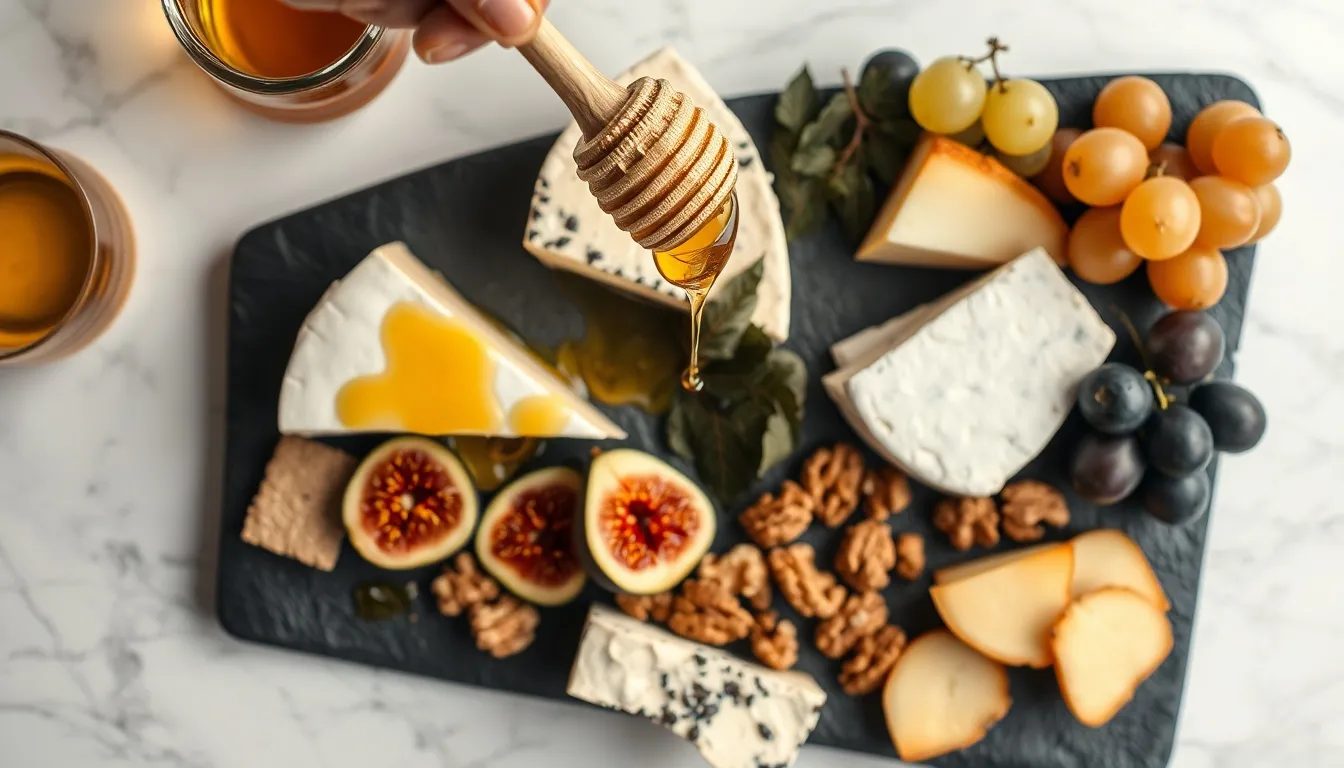
Acacia honey's mild flavor and liquid consistency make it ideal for applications where you want sweetness without a dominant honey taste. For cheese boards and charcuterie, drizzle acacia honey over soft cheeses like brie, camembert, ricotta, and fresh goat cheese — its light sweetness complements rather than competes with delicate cheese flavors. Pair with prosciutto, fig jam, and marcona almonds for a classic combination. For cocktails and beverages, acacia is the bartender's honey of choice: its thin consistency mixes easily without heating, and its neutral sweetness won't alter a cocktail's flavor profile. Make a honey simple syrup by dissolving equal parts acacia honey and warm water — use in gin and tonics, whiskey sours, French 75s, and mocktails. For tea, acacia honey dissolves instantly and sweetens without masking the tea's own flavors — particularly excellent with white tea, green tea, and chamomile where you want the tea character to shine. In baking, substitute acacia honey for sugar at a 3/4 cup honey per 1 cup sugar ratio with the standard adjustments (reduce liquids by 2-3 tablespoons, lower oven by 25°F, add 1/4 teaspoon baking soda per cup). Acacia is particularly good in macarons, meringues, and light pastries where stronger honeys would be overpowering. For breakfast, drizzle over Greek yogurt with berries, fresh fruit, or granola — acacia's clarity makes it visually striking on white yogurt. As a dessert finisher, use acacia honey on panna cotta, vanilla ice cream, crêpes, or fresh ricotta with pistachios. Its liquid consistency and slow crystallization also make acacia the best choice for honey-sweetened beverages stored in the refrigerator — it won't solidify like clover or wildflower would.
Key Takeaways
- Cheese boards: drizzle over brie, camembert, ricotta, and fresh goat cheese — complements without competing
- Cocktails: dissolves easily, doesn't alter flavor profiles — ideal for honey simple syrup (1:1 with warm water)
- Tea: best honey for white, green, and chamomile teas where you want the tea character to shine
- Baking: preferred for delicate pastries, macarons, and meringues where stronger honeys would overpower
- Stays liquid in the refrigerator — best choice for cold beverages and chilled applications
- Visual elegance: water-white clarity makes it striking as a drizzle on yogurt, panna cotta, or desserts
Is Acacia Honey Good for Skin and Blood Sugar Management?
Acacia honey is increasingly recommended for two specific use cases: blood sugar-conscious sweetening and gentle skincare. For blood sugar management, acacia's GI of 32 places it in the low-glycemic category alongside foods like lentils and apples. A 2018 systematic review in Nutrition Reviews confirmed that lower-GI sweeteners produce smaller postprandial glucose and insulin responses. However, acacia honey is still approximately 80% sugar (primarily fructose) at 304 calories per 100g, so portion control matters — the American Diabetes Association recommends counting honey as an added sugar regardless of its glycemic index. For people managing blood sugar, acacia honey is the least-disruptive honey option but should not be considered "free" or unlimited. For skincare, acacia honey's mild composition makes it exceptionally gentle for sensitive and reactive skin types. Its natural humectant properties (all honeys draw moisture from the air) help maintain skin hydration. The lower enzyme activity compared to stronger varieties like Manuka means less potential for irritation — making acacia ideal for first-time honey mask users. For a simple acacia honey face mask, apply a thin layer of raw acacia honey to clean, damp skin for 10-15 minutes, then rinse with warm water. For a hydrating mask, mix 1 tablespoon acacia honey with 1 tablespoon aloe vera gel and 1 teaspoon jojoba oil. For a gentle lip treatment, apply a small amount to dry lips before bed — the humectant action and slow crystallization keep it effective overnight. Acacia honey's low phenolic content means it's less antibacterial than Manuka or buckwheat for acne-specific treatments, but its gentleness makes it the safest everyday skincare honey.
Key Takeaways
- GI 32 places acacia in the low-glycemic category — smallest blood sugar spike of any honey
- 2018 Nutrition Reviews: lower-GI sweeteners produce smaller postprandial glucose and insulin responses
- Still 80% sugar at 304 cal/100g — portion control matters, count as added sugar per ADA guidelines
- Mildest enzyme activity of common honeys — least likely to irritate sensitive or reactive skin
- Natural humectant that draws moisture into skin — effective as a simple 10-15 minute face mask
- Best "beginner" honey for skincare — gentle introduction before trying stronger varieties like Manuka
What Should You Know Before Buying Acacia Honey?
Acacia honey shares standard honey safety precautions plus some variety-specific considerations. Never give acacia honey (or any honey) to infants under 12 months old — the risk of infant botulism from Clostridium botulinum spores exists regardless of honey type, variety, or processing method. After 12 months, the infant gut microbiome can safely handle spores. Calorie awareness: acacia honey has approximately 64 calories per tablespoon (21g), and the AHA recommends limiting added sugars to 6 teaspoons (25g/day) for women and 9 teaspoons (36g/day) for men. When buying acacia honey, be aware that mislabeling is common — because acacia commands premium prices and consumers expect it to be water-white and liquid, some producers blend lighter honeys or add fructose syrup to mimic its appearance. Look for these quality indicators: country of origin clearly stated (Hungarian, Italian, Romanian, and French acacia are considered the finest), "raw" and "unfiltered" labeling (though acacia is naturally very clear so filtering changes are less visible than with darker honeys), certifications from national beekeeping organizations, and a price consistent with quality ($12-25/lb — suspiciously cheap acacia may be blended or adulterated). Genuine acacia honey should be nearly water-white to very pale straw, with a delicate floral scent and no strong aftertaste. It should pour easily (it's among the thinnest honeys) and remain liquid for many months without crystallizing. If your acacia honey crystallizes quickly (within 1-3 months), it may be blended with higher-glucose honeys. Store at room temperature in a sealed glass jar — acacia honey's high fructose content makes it the most shelf-stable liquid honey available.
Key Takeaways
- Never give to infants under 12 months — botulism risk applies to all honey types including acacia
- Calorie awareness: 64 cal/tbsp — same as other honeys despite the lower glycemic index
- Mislabeling risk: premium price motivates blending with lighter honeys or fructose syrup
- Quality indicators: country of origin, raw/unfiltered labels, consistent $12-25/lb pricing
- Genuine acacia is water-white, pours easily, and stays liquid for months — quick crystallization suggests blending
- Most shelf-stable liquid honey — high fructose content means it resists crystallization for 1-2 years
Frequently Asked Questions
What is acacia honey good for?
Acacia honey is prized for its delicate flavor, water-white clarity, and lowest glycemic index of any honey (GI 32 vs ~69 for <Link to="/honey/clover-honey" className="text-honey-600 hover:text-honey-800 underline">clover honey</Link>). At $12-20 per pound, it's ideal for cheese boards, cocktails, delicate teas, and desserts where you want sweetness without overpowering flavors. Its liquid consistency makes it perfect for beverages — unlike <Link to="/honey/wildflower-honey" className="text-honey-600 hover:text-honey-800 underline">wildflower honey</Link> ($10-18) that crystallizes quickly, acacia dissolves instantly and won't crystallize in the refrigerator for 1-2 years. For health-conscious applications, its low GI makes it the most blood-sugar-friendly honey option, while <Link to="/honey/manuka-honey-umf-10" className="text-honey-600 hover:text-honey-800 underline">Manuka honey</Link> ($35-60) offers therapeutic benefits at a much higher price point.
Is acacia honey better than regular honey?
Acacia honey excels at different things than regular (typically clover) honey. Acacia has a much lower glycemic index (GI 32 vs ~69 for clover), stays liquid 1-2 years without crystallizing, and has the mildest flavor. However, darker honeys like <Link to="/honey/new-york-buckwheat-honey" className="text-honey-600 hover:text-honey-800 underline">New York buckwheat honey</Link> and <Link to="/honey/manuka-honey" className="text-honey-600 hover:text-honey-800 underline">New Zealand Manuka honey</Link> have significantly more antioxidants (ORAC 5,000-16,000+ vs acacia's 1,000-2,500) and stronger antibacterial activity. Choose acacia for blood sugar management, elegance, and mild flavor; choose darker honeys for maximum health benefits.
Why is acacia honey so expensive?
Acacia honey costs $12-25/lb because black locust trees bloom for only 10-15 days per year (typically May-June), making the harvest window very narrow and weather-dependent. A late frost or heavy rain during bloom can devastate an entire year's production. Additionally, acacia honey is primarily produced in Central/Eastern Europe (Hungary, Romania, Italy), so import costs add to the price. Its premium status also makes it a target for adulteration — buy from reputable sources with clear country of origin labeling.
Does acacia honey crystallize?
Acacia honey crystallizes extremely slowly — it can remain liquid for 1-2 years at room temperature, far longer than any other common honey. This is due to its high fructose-to-glucose ratio (approximately 1.47). Honeys crystallize when glucose separates from water, and acacia's low glucose content means this process is very slow. If your acacia honey crystallizes within a few months, it may be blended with higher-glucose honeys.
Is acacia honey good for diabetics?
Acacia honey has the lowest glycemic index of any honey (GI 32), placing it in the low-glycemic category alongside lentils and apples — significantly lower than <Link to="/honey/clover-honey" className="text-honey-600 hover:text-honey-800 underline">clover honey</Link> (GI ~69, $8-15) or <Link to="/honey/buckwheat-honey" className="text-honey-600 hover:text-honey-800 underline">buckwheat honey</Link> (GI 73-83, $15-25). Clinical studies confirm it produces a smaller blood sugar spike than other honeys. However, acacia honey ($12-20) is still approximately 80% sugar at 64 calories per tablespoon. The American Diabetes Association recommends counting all honey as added sugar. For diabetics, acacia is the least-disruptive honey choice but should be used in moderation and counted in carbohydrate intake, while <Link to="/honey/orange-blossom-honey" className="text-honey-600 hover:text-honey-800 underline">orange blossom honey</Link> (GI ~40, $12-18) offers a moderate alternative.
How can you tell if acacia honey is real?
Genuine acacia honey should be nearly water-white to very pale straw in color, with a thin, pourable consistency and delicate floral scent with no strong aftertaste. It should remain liquid for many months without crystallizing. Red flags for fake acacia: quick crystallization (within 1-3 months), strong or off flavors, suspiciously low price (below $10/lb), vague country of origin, or thick consistency. Buy from sources with clear provenance — Hungarian, Italian, and Romanian acacia are considered the finest.
Edited by Sam French · Raw Honey Guide Editorial Team
Source reviewed against primary literature and official guidance where available. Health content is educational, not medical advice, and does not replace a licensed clinician.
Get the Honey Buyer's Cheat Sheet (free PDF)
16 varieties on one page — color, flavor, best use and what a fair price looks like — from the 268 honeys we track.
Related Guides
Floral Sources Guide
Learn about honey varieties by floral origin.
Read GuideClover Honey Guide
America's most popular honey — mild flavor, health benefits, cooking uses, and buying tips.
Read GuideLavender Honey Guide
Aromatic Provençal honey — calming linalool, floral flavor, cheese boards, skincare, and buying tips.
Read GuideRelated Articles
Acacia Honey Benefits: Why This Light, Low-GI Honey Stands Out
Acacia honey has the lowest glycemic index (32-35) of common honeys. Benefits for blood sugar, digestion, and inflammation.
Read ArticleSage Honey Benefits: Why This California Classic Deserves Attention
Sage honey benefits: exceptional antioxidants, slow crystallization, antimicrobial strength, and delicate herbal flavor.
Read ArticleReady to explore acacia honey varieties?