What Makes Sage Honey Special?
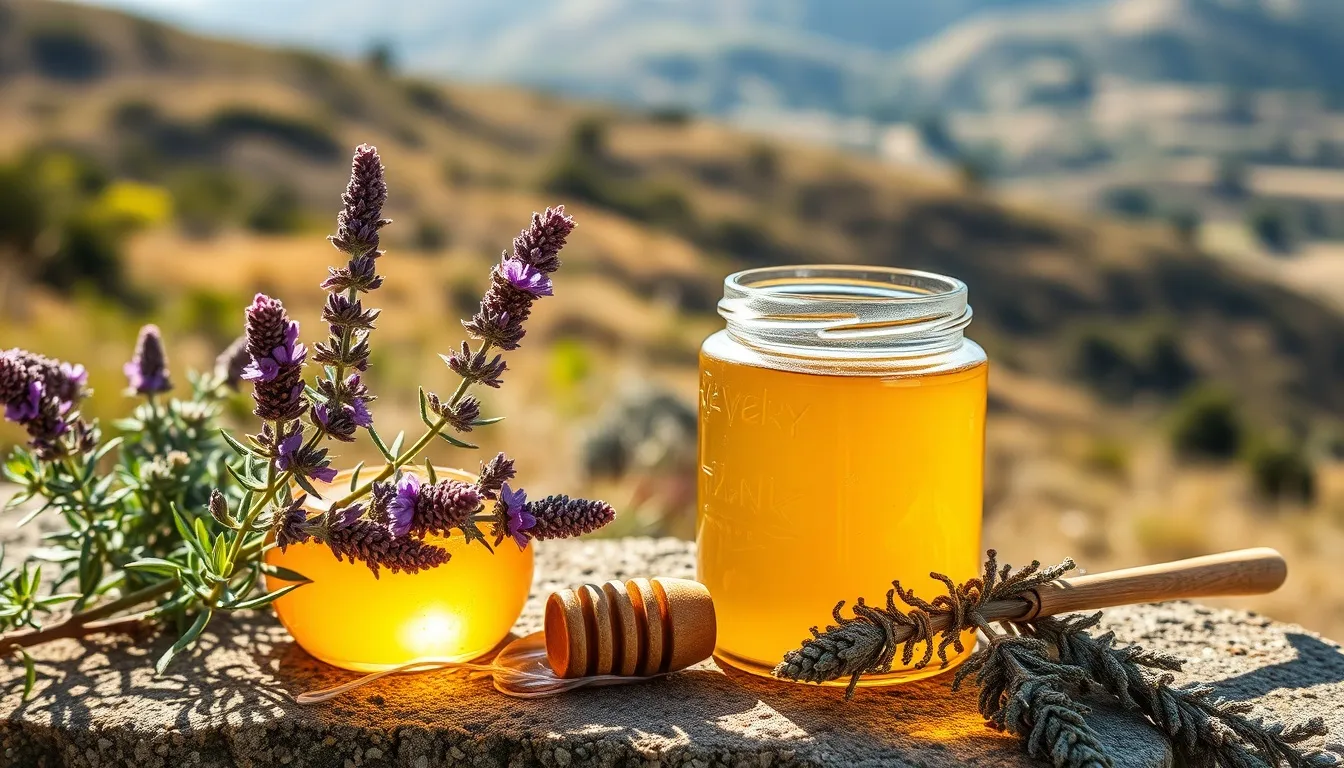
Sage honey is produced primarily from the nectar of wild sage plants (Salvia spp.) — particularly white sage (Salvia apiana), black sage (Salvia mellifera), and purple sage (Salvia leucophylla) — that grow abundantly in the coastal chaparral and mountain foothills of California, the Pacific Northwest, and parts of the American Southwest. It's one of the most distinctive and highly regarded American honeys, prized for its light color, exceptionally slow crystallization, and delicate herbal flavor.
California has been America's dominant sage honey producer since the late 1800s. The state's unique Mediterranean climate — hot, dry summers and mild, wet winters — creates ideal growing conditions for native sage species, which bloom intensely from late spring through early summer. Sage honey was historically the premium California honey before urban development reduced wild sage habitat, making pure monofloral sage honey increasingly scarce and valuable.
Diabetes note — Honey is a fast-acting carbohydrate, and no honey variety is medically preferred. Use the honey carbohydrate and label guide to compare serving-size total carbohydrate and added sugars within an individualized care plan.
Antioxidant and Polyphenol Profile
Sage honey benefits from the same family of bioactive compounds that make culinary sage (Salvia officinalis) one of the most studied medicinal herbs. The genus name Salvia comes from the Latin "salvare" meaning "to save" or "to heal" — and sage honey retains meaningful quantities of sage-derived polyphenols.
A 2010 study in the Journal of Agricultural and Food Chemistry analyzed the phenolic profiles of California sage honeys and identified significant concentrations of rosmarinic acid, carnosic acid derivatives, caffeic acid, and salvianolic acids — compounds that are hallmarks of the Salvia genus. Rosmarinic acid in particular is a potent antioxidant that has demonstrated anti-inflammatory effects through dual COX-2 and NF-κB pathway inhibition in multiple studies.
While sage honey is lighter in color than buckwheat honey ($15-25, ORAC 16,000+) or chestnut honey ($20-35) (and thus lower in total polyphenol content by weight), its specific polyphenol profile is therapeutically interesting. A 2015 study in Food Chemistry found that the antioxidant capacity of sage honey was higher than expected based on color alone — similar to the anomaly seen in linden honey ($15-25) — suggesting that sage-specific compounds contribute disproportionately to antioxidant activity.
The carnosic acid derivatives found in sage honey are particularly notable for neuroprotective properties. A 2012 review in Neurochemistry International documented carnosic acid's ability to activate the Nrf2/ARE pathway — the body's primary cellular defense system against oxidative stress — which protects neurons from age-related damage. While concentrations in honey are lower than in sage leaf extracts, regular consumption adds these unique compounds to your dietary antioxidant portfolio.
Get the Honey Buyer's Cheat Sheet (free PDF)
16 varieties on one page — color, flavor, best use and what a fair price looks like — from the 268 honeys we track.
Antimicrobial and Immune Support
Sage honey demonstrates broad-spectrum antimicrobial activity through multiple mechanisms. Beyond the hydrogen peroxide generation common to all honeys, sage honey contains antimicrobial compounds from the Salvia plant family that provide additional antibacterial pathways.
A 2013 study in the Journal of Apicultural Research tested 15 monofloral honeys from the American West and found California sage honey among the top three for antimicrobial potency against Staphylococcus aureus and Escherichia coli. The researchers attributed this partly to the non-peroxide antimicrobial factors inherited from sage nectar — particularly the phenolic diterpenes carnosol and carnosic acid.
For immune system support, sage honey provides the standard honey benefits (prebiotic SCFA production supporting GALT function, cytokine modulation via polyphenols) plus sage-specific immunomodulatory effects. Rosmarinic acid has been shown to modulate T-helper cell balance and reduce inflammatory cytokine production without suppressing overall immune function — the kind of balanced immune modulation described in our honey for inflammation guide.
Sage honey's antimicrobial properties make it a solid choice for sore throat and cough relief, wound care support, and daily immune maintenance. While it doesn't match manuka honey's ($35-60+) methylglyoxal-driven potency for clinical wound applications, its broad-spectrum activity and pleasant flavor make it excellent for everyday oral use.
Carbohydrate and Label Context
Sage honey, like every retail food honey, is a fast-acting carbohydrate. Floral-source descriptions do not establish the sugar profile of a particular jar, and they do not make sage honey a diabetes treatment or a medically preferred variety.
For a food decision, start with the serving size and total carbohydrate on the product label and count honey with other added sugars. The honey carbohydrate and label guide explains that workflow and why an individualized care plan takes priority over variety claims.
Choose sage honey for its flavor and behavior in a recipe, not for an assumed glucose or weight-management effect.
Digestive and Gut Health
Like all raw honeys, sage honey contains prebiotic oligosaccharides (FOS and GOS) that feed beneficial Bifidobacterium and Lactobacillus species in the gut — mechanisms detailed in our honey and gut health guide.
Sage honey has potential additional digestive benefits through its Salvia-derived compounds. Sage has been used traditionally for centuries to treat digestive complaints including bloating, flatulence, and indigestion. A 2014 study in the Journal of Traditional and Complementary Medicine reviewed the gastroprotective effects of Salvia species, finding evidence for anti-spasmodic, carminative, and anti-ulcer properties mediated by rosmarinic acid and other polyphenols.
For acid reflux, sage honey provides the standard viscous mucosal coating that protects the esophageal lining, plus anti-inflammatory polyphenols that may help reduce reflux-associated tissue damage. Its relatively low acidity among honeys (pH typically 3.8-4.2, slightly higher than many varieties) may also be marginally better tolerated by sensitive individuals.
The anti-spasmodic properties inherited from sage nectar could benefit people with IBS-type symptoms, where gut smooth muscle spasms contribute to cramping and discomfort. Combined with prebiotic SCFA production that supports gut barrier integrity, sage honey addresses digestive health through multiple pathways.
Pro Tip
For digestive support, try 1 tablespoon of raw sage honey in warm (not hot) water with a squeeze of lemon first thing in the morning. The combination provides prebiotic fiber, anti-spasmodic compounds, and gentle stimulation of digestive secretions.
Flavor Profile and Culinary Uses
**Appearance:** Very light amber to pale gold, sometimes nearly water-white when freshly harvested from white sage. One of the lightest premium honeys available — similar to acacia in color.
**Aroma:** Clean, delicate, and faintly herbal. The sage character is subtle — a whisper of herbaceous quality rather than the pungent sage you'd expect from cooking with sage leaves. Some batches have mild floral or clover-like undertones depending on which sage species dominated.
**Taste:** Mild, clean sweetness with a delicate herbal finish. Less floral than orange blossom honey ($12-20) or lavender honey ($15-25), less complex than linden honey ($15-25), but more nuanced than basic clover. The flavor is elegantly understated — sweet without being cloying, with a very faint herbaceous quality that lingers pleasantly.
**Crystallization:** Exceptionally slow — often remains liquid for 12-18 months or longer, rivaling acacia honey and tupelo honey for staying power. This makes sage honey a favorite for people who prefer pourable honey without the need for decrystallization.
- **Tea pairing:** Excellent with green tea, white tea, and herbal teas — its mild character enhances without overwhelming delicate brews
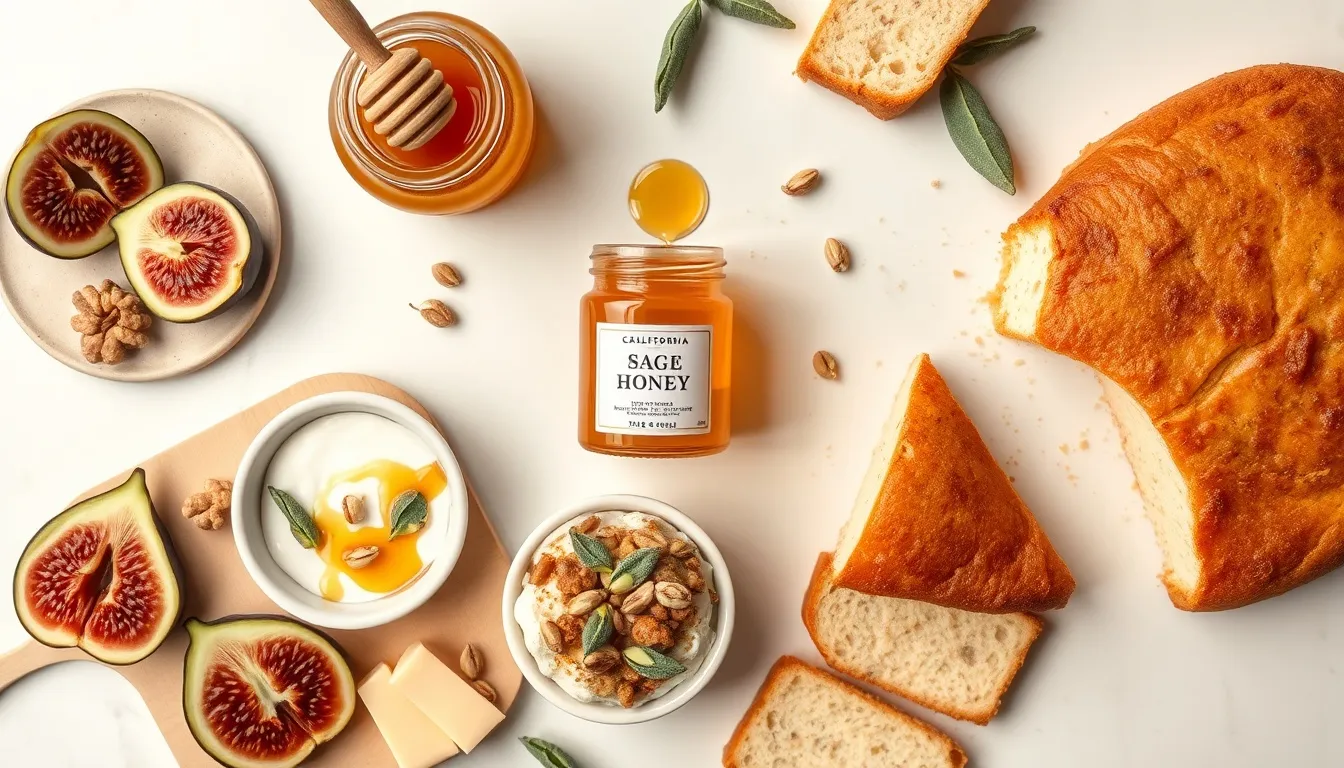
- **Everyday sweetener:** Its mild flavor and slow crystallization make sage honey an ideal all-purpose table honey — equally good in coffee, drizzled on yogurt, or spread on toast
- **Baking:** Performs well in baking substitutions where you want sweetness without strong honey flavor — delicate cakes, muffins, and scones
- **Cheese pairing:** Pairs beautifully with fresh goat cheese, brie, ricotta, and cream cheese — the subtle herbal quality complements dairy without competing
- **Salad dressings:** Ideal for honey vinaigrettes and honey-lemon dressings where you want balanced sweetness
- **Cocktails and beverages:** Dissolves easily (stays liquid) and adds clean sweetness — excellent in honey water, cocktails, and iced drinks
Sage Honey vs Other Varieties
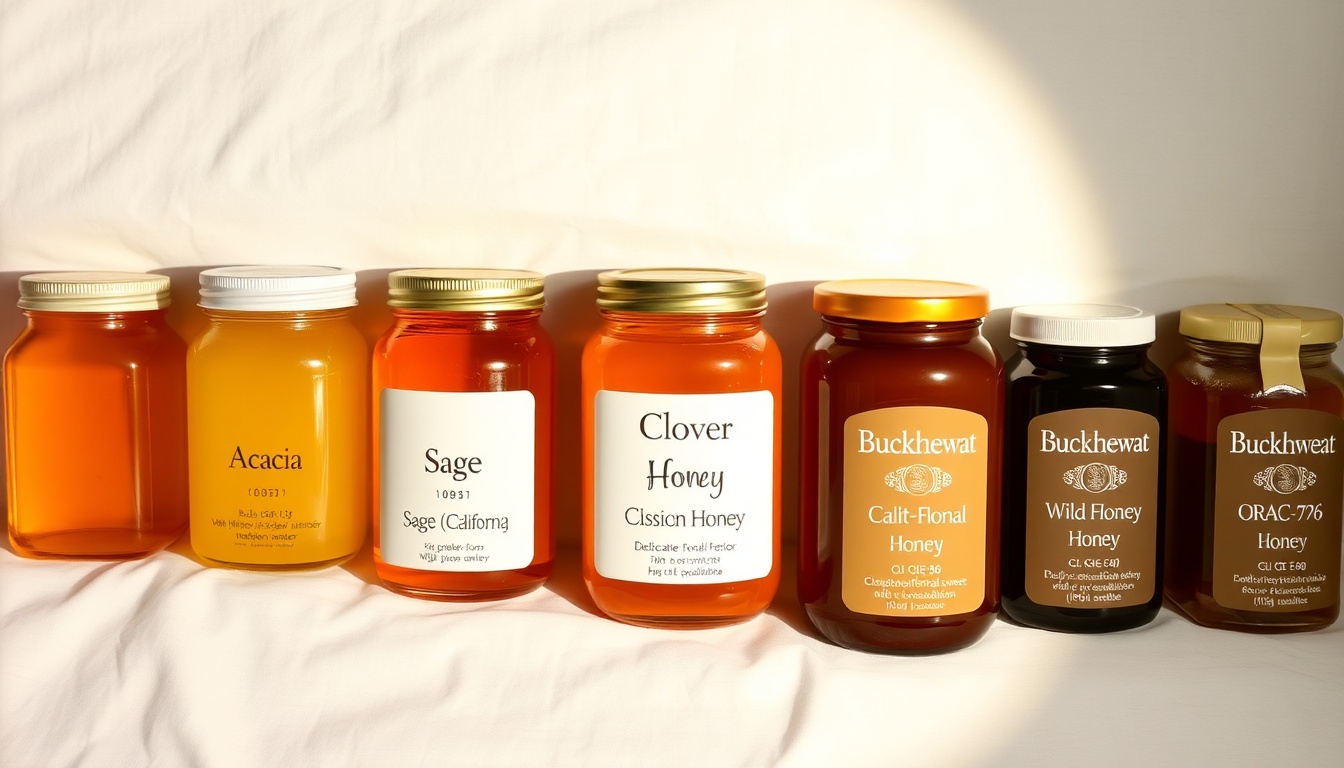
**Sage vs Acacia honey ($12-20):** Very similar profiles — both are light, mild, slow to crystallize, and have lower GI. Acacia may be slightly milder and lower GI (32-35 vs sage's 35-45). Sage offers unique Salvia polyphenols (rosmarinic acid). Both are excellent all-purpose table honeys.
**Sage vs Clover honey ($8-15):** Clover is the everyday workhorse — sweeter, more accessible, and much cheaper. Sage is more refined, slower to crystallize, and lower GI. Clover crystallizes within weeks; sage stays liquid for months. Sage is the upgrade pick for daily use.
**Sage vs Manuka honey ($35-60+):** Very different purposes. Manuka excels at wound care and topical applications (MGO). Sage is a daily consumption honey with gentle metabolic and digestive benefits. Manuka costs 5-15x more than sage.
**Sage vs Tupelo honey ($25-45):** Both are slow-crystallizing, high-fructose honeys with lower GI. Tupelo is sweeter, butterier, and more expensive. Sage has the herbal Salvia polyphenol advantage. Both are premium American regional honeys — tupelo from the Southeast, sage from the West.
**Sage vs Buckwheat honey ($15-25):** Opposite ends of the spectrum. Buckwheat is dark, robust, and 3-9x higher in antioxidants (ORAC 16,000+). Sage is light, delicate, and mild. Buckwheat is better for therapeutic antioxidant intake; sage is better for everyday sweetening and blood sugar management.
How to Choose Quality Sage Honey
Pure monofloral sage honey has become increasingly scarce as California urbanization reduces wild sage habitat. Here's how to find the genuine article:
- **Origin:** California is the primary source — look for sage honey from San Diego County, Riverside County, the Central Coast, or the Sierra Nevada foothills. Oregon and Washington also produce smaller quantities. Mexican sage honey from Baja California is also authentic
- **Sage species:** White sage (Salvia apiana) honey is the most prized and lightest colored. Black sage (Salvia mellifera) produces a slightly darker, more robust honey. Purple sage (Salvia leucophylla) is less common. Most commercial "sage honey" is a blend of these species, which is fine
- **Color test:** Genuine sage honey should be very light — water-white to pale gold. Dark "sage honey" is likely blended with wildflower or buckwheat. The light color is one of sage honey's defining characteristics
- **Crystallization:** If it's already crystallized on the shelf, it may be mislabeled or heavily blended — pure sage honey stays liquid for many months. Some crystallization after a year is normal
- **Buy raw:** Processing destroys the volatile sage compounds and enzymes that give sage honey its unique health benefits. Look for "raw" and "unfiltered" on the label — see our honey label guide
- **Price range:** $12-20 per pound for quality California sage honey. Premium single-source white sage honey may run $18-28. Suspiciously cheap options may be imported and mislabeled — check our authenticity guide
- **Direct from beekeepers:** California farmer's markets in sage country (San Diego, Santa Barbara, Los Angeles foothills) are excellent sources. Ask which sage species the bees foraged — knowledgeable beekeepers know their terrain
Conservation: Sage Habitat Under Threat
California's coastal sage scrub — the primary habitat for the wild sage species that produce sage honey — has lost over 90% of its original range to urban development, agriculture, and invasive grasses. The remaining sage habitat faces escalating threats from increasingly severe wildfires driven by climate change. The supply risk index rates sage honey at 95/100, making it one of the most supply-vulnerable honey varieties in the world alongside tupelo honey ($25-45, rated 100/100).
Supporting California sage honey producers directly funds habitat stewardship. Beekeepers who manage apiaries in sage country have strong economic incentives to advocate for sage scrub conservation — their livelihood depends on healthy, blooming sage populations. When you choose California sage honey ($15-25/lb) over commodity alternatives like clover honey ($8-15), you're voting with your purchasing power for native habitat preservation.
With World Environment Day (June 5) highlighting biodiversity loss, sage honey connects consumers to one of North America's most threatened ecosystems. The coastal sage scrub biome supports over 100 sensitive species including the California gnatcatcher and coastal horned lizard. Every jar of authentic California sage honey represents pollination services that help sustain this irreplaceable landscape.
Safety and Considerations
Sage honey is safe for most people at normal dietary amounts. A few standard precautions:
- **Infants under 12 months:** Never give honey to infants under 12 months due to infant botulism risk — see our baby honey safety guide
- This section does not establish a universal or medical honey dose for this purpose. Use the daily added-sugar guide to count honey with other added or free sugars.
- **Sage allergies:** People with known allergies to Salvia plants or the broader Lamiaceae (mint) family should approach cautiously, though cross-reactivity with sage honey is uncommon
- **Medication interactions:** Sage preparations can interact with anticoagulants, diabetes medications, and sedatives. While honey concentrations are low, mention regular sage honey consumption to your doctor if you take these medications
- During pregnancy, treat honey as a carbohydrate-containing sweetener and use guidance from the prenatal care team for nutrition, symptoms, and glucose management.