Why Honey Makes an Exceptional Gift
Thanksgiving 2026 is Thursday, November 26, and Christmas is Friday, December 25. The useful honey gift this season is a jar the host will actually cook with — clover or wildflower for the ham glaze, buckwheat if they smoke the ham, orange blossom if they add citrus — not a medical story.
What's new for 2026: our catalogue added 40 honeys on September 26, 2026, and this guide now draws on them — a 3 oz Western North Carolina sourwood for $8, New Zealand pohutukawa and creamed rewarewa, Cretan thyme, Greek Mainalo fir and a farm-bottled Florida tupelo. Every price in this guide is a catalogue listing as of October 7, 2026; jar sizes vary by seller.
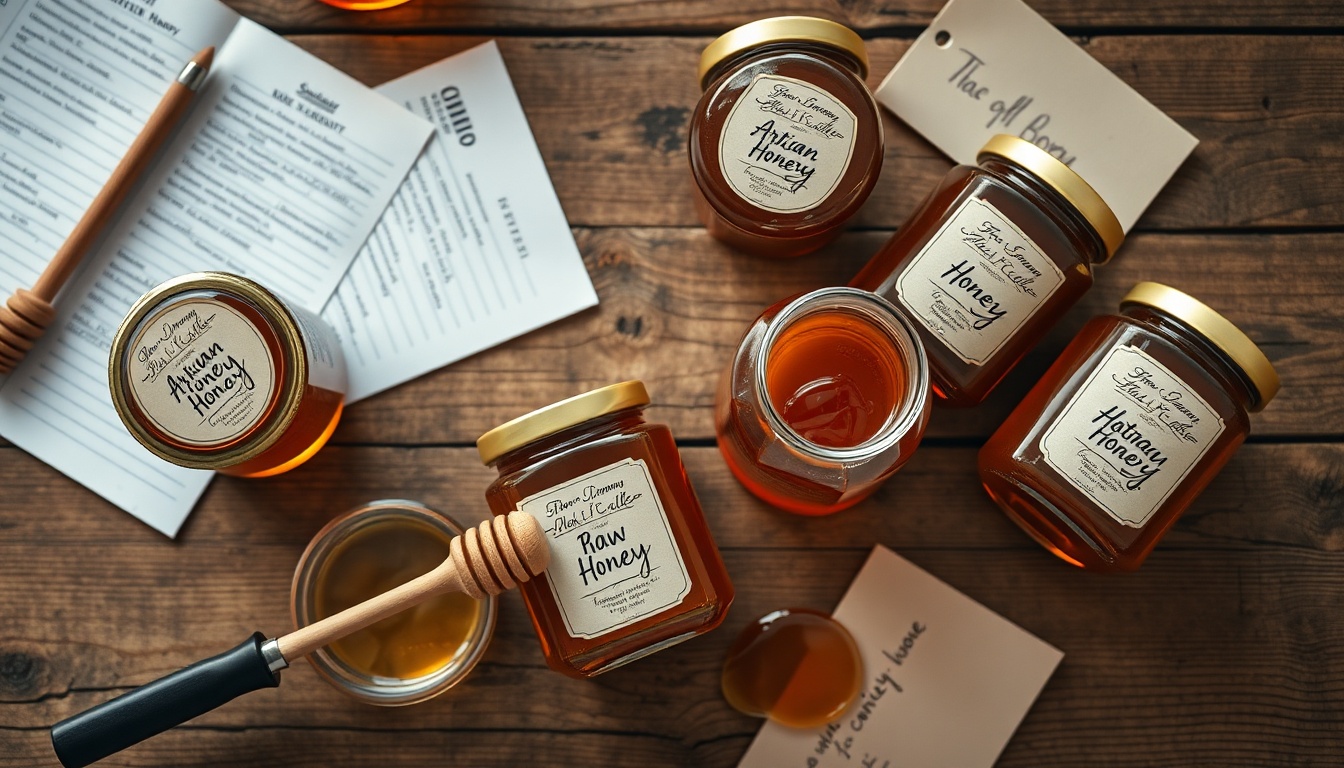
Honey's gift appeal goes deeper than novelty. A quality raw honey keeps the pollen and aromatic compounds that heat-processing strips out, giving each varietal a distinct flavor that reflects the flowers, soil, and season of its origin. When you give someone a jar of Sidr honey from Yemen, you are giving them a place in a jar — something they cannot pick up at a grocery store.
Sealed honey keeps indefinitely in a cupboard, suits most diets that avoid refined sugar, and scales from an $8 tasting jar to a $162 collector jar. This guide covers every tier, every recipient type, and what to look for when you buy.
Match the Honey to the Recipient
The best honey gift is not the most expensive one — it is the one that fits the person. Before choosing, think about what they already love. For Christmas, our researched honey gift guide pairs six specific gift ideas with recipient checks, wrapping ideas and delivery terms; its budget chooser filters catalogue jars by budget and recipient.
- For the tea lover — Light floral honeys are the classic pairing: acacia honey ($9-16, mild, slow to crystallize, won't overpower delicate greens), orange blossom honey ($12-24, bright citrus notes for black and herbal teas), linden honey ($6.99, herby and faintly minty), or New Zealand kanuka ($15, butterscotch notes). A set of 3-4 varieties with a wooden honey dipper is a complete gift.
- For the home baker and cook — Buckwheat honey ($9-23) with its molasses-like depth suits gingerbread, glazes, and marinades. Wildflower honey ($13-24) adds regional character to dressings and compound butters. Clover honey ($9-15) is the reliable glaze and baking jar: ¾ cup replaces 1 cup sugar. Wisconsin cranberry blossom honey ($3.50-12) is the on-theme jar for cranberry sauce and turkey glaze.
- For the cheese lover — Chestnut honey ($21.50) works with aged pecorino and Manchego. White truffle honey ($23.99) pairs with soft blues and Brie. Cretan thyme ($18.99) goes on baked feta. Fresh honeycomb ($35) adds texture to any board. Pair two or three with a small cutting board and pairing notes.
- For the prestige jar — UMF-graded Manuka honey (UMF 15+, $39.99 for 250 g) from New Zealand is the recognizable luxury label. Keep it for the table, not a hot glaze. Register Family Farm tupelo ($39.99 for 12.5 oz) and Mainalo fir honey ($32.26, a Greek PDO honey) are the jars with a checkable story.
- For the culinary adventurer — People who like to explore new flavors deserve the unusual: Black Forest honey (Germany, intensely herbal from fir honeydew), Ajwain honey (India, sharp and spiced), creamed rewarewa (New Zealand, caramel and malt, $9), pohutukawa (New Zealand's coastal "Christmas tree", pale and delicate, $14), or Greek Thyme honey ($5.44-29.76, sharp, aromatic). Single-origin specialty jars from artisan importers give adventurous recipients something to discover.
- For the beekeeper or naturalist — Comb honey in its original frame, uncapped and fresh, is the most "honest" form of honey and fascinating to those who appreciate the process. Add a beeswax candle, and pair with a beekeeping memoir or a field guide to their regional wildflowers.
- For the minimalist — A single exceptional jar. One jar of genuine tupelo honey ($19-29), Sidr honey, or Scottish heather honey ($11-19), properly sourced, beautifully labeled, and accompanied by a simple card explaining the variety's origin and flavor. Nothing more. Quality over quantity.
Get the Honey Buyer's Cheat Sheet (free PDF)
16 varieties on one page — color, flavor, best use and what a fair price looks like — from the 304 honeys we track.
Honey Gift Ideas by Budget
The tiers below come from our catalogue. On October 7, 2026, 191 of the 304 honeys we track listed a lowest price under $15, 90 listed $15 to $30, 12 listed $30 to $60 and 11 listed $60 or more; the median lowest listed price was $12.14. The chart and chooser on this page recount the live catalogue.
Under $15: Tasting Jars and Everyday Glaze Jars
Under $15 buys a real single-origin jar, not filler. A 3 oz Western North Carolina sourwood is $8; clover for the ham glaze lists from $5.99; New Zealand pohutukawa is $14; a box of Ames Farm clover comb is $14.50.
Local honey from a farmers market — especially a varietal your recipient probably has not tried (sourwood, star thistle, gallberry, blackberry blossom) — adds freshness and regional identity. Look for labels that say "raw," name a specific floral source, and identify the apiary by name or region. Generic "pure honey" from a mass-market brand, even at the same price, does not have the same story.
Two small jars with a theme (light and dark, or two farms from the same county) make a more curated impression than a single jar.
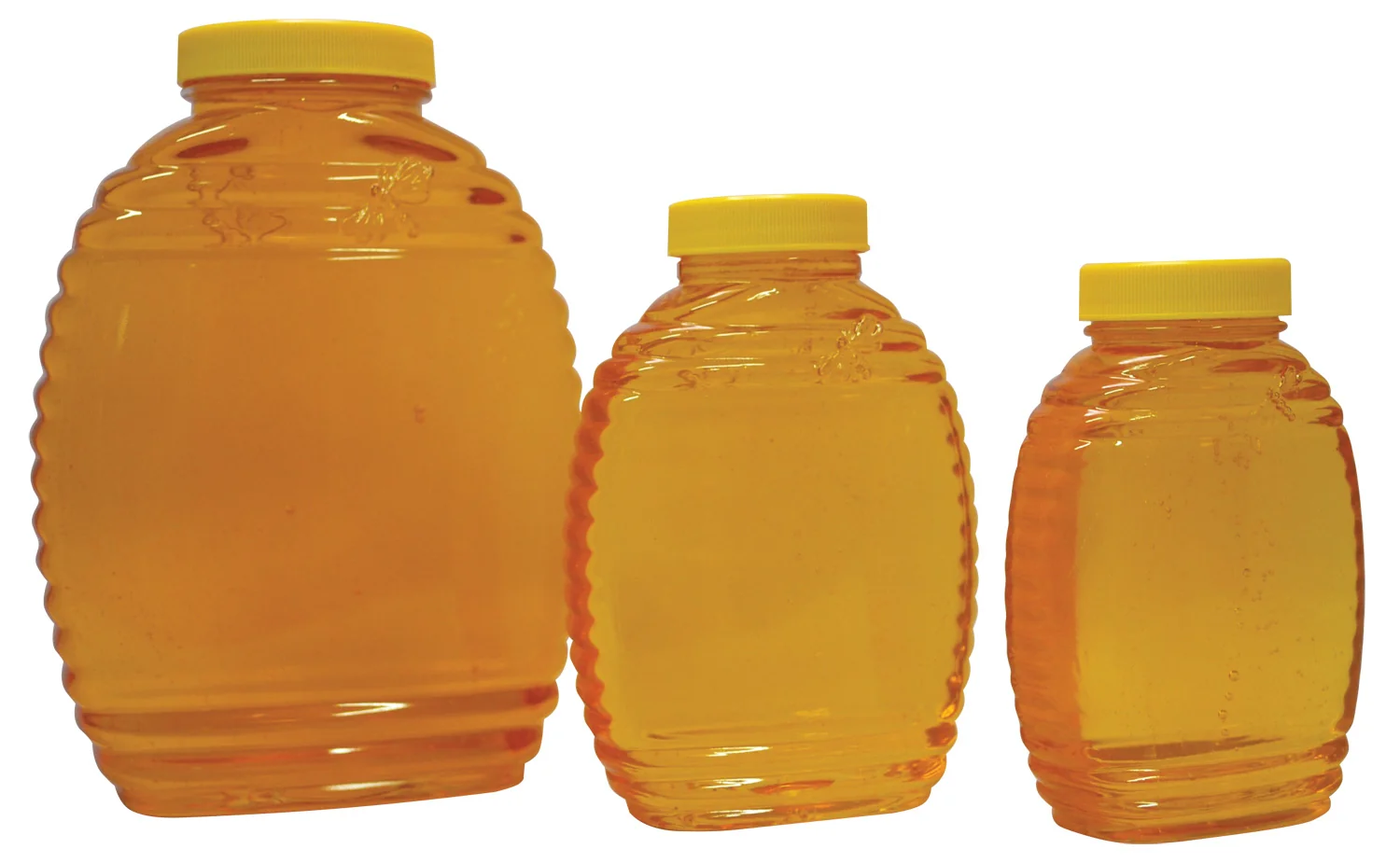
Photo: Queen Right Colonies, used with permission
$15–$30: Named Single-Origin Jars and Tasting Flights
Ninety of the 304 honeys we track start in this tier, including most imported single-origin jars: Cretan thyme at $18.99, Italian chestnut at $16.95, white truffle honey at $23.99, and creamed clover at $16-29, which cannot drip in a gift box.
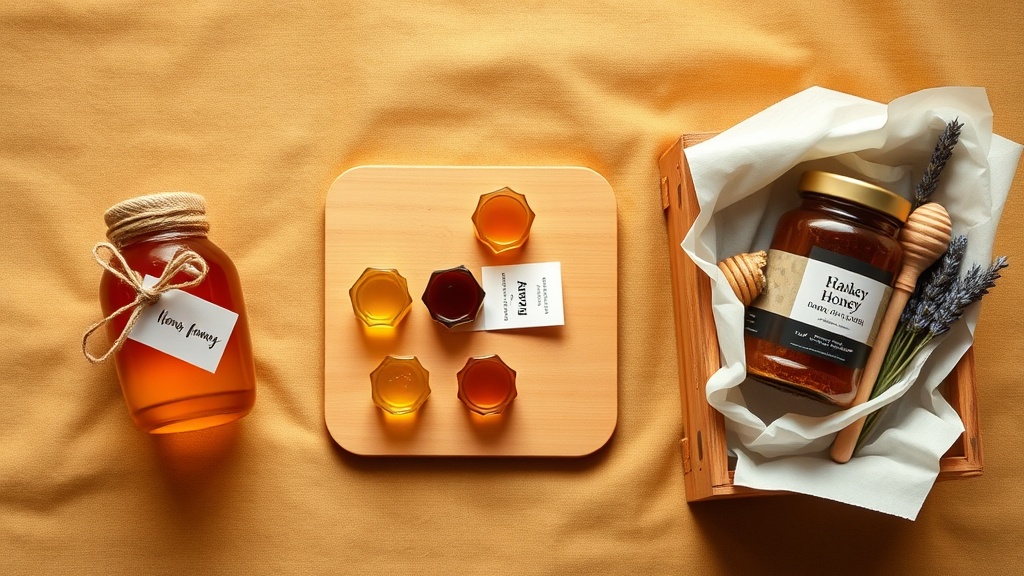
Tasting sets — typically four to six small jars — also land here. Look for named single-origin varietals (not just "amber honey" and "dark honey"), a range from light to bold, and a flavor card. Good sets name the country and region of each honey, and the best name the beekeeper or cooperative.
Honeycomb works at every budget: Ames Farm clover comb is $14.50 and a fresh Arizona honeycomb is $35. Comb is visually striking and tastes different from extracted honey; biting through it is something most adults have never done.
Honey + accompaniment: combine an 8-oz jar with a small block of aged cheese, crackers, or a wooden dipper. The pairing tells the recipient what to do with it tonight.
$30–$60: Farm Tupelo, PDO Fir Honey and UMF Manuka
Register Family Farm tupelo is $39.99 for a 12.5 oz jar, bottled on the farm from hives moved onto the Apalachicola and Choctawhatchee river swamps for the two-to-three-week tupelo bloom. Its high fructose content keeps it liquid in the jar.
Mainalo fir honey ($32.26) is fir honeydew from Mount Mainalo in the Peloponnese, a Greek honey with Protected Designation of Origin status. Jarrah ($43-59) is dark and malty, from a Western Australian eucalypt that often flowers every second year.
Genuine Manuka with a UMF mark sits in this tier: UMF 10+ lists at $34.99-54.99 and UMF 15+ at $39.99 for a 250 g jar. The mark is an authenticity grade, not a kitchen instruction. Tell the recipient not to cook it on the Thanksgiving ham.
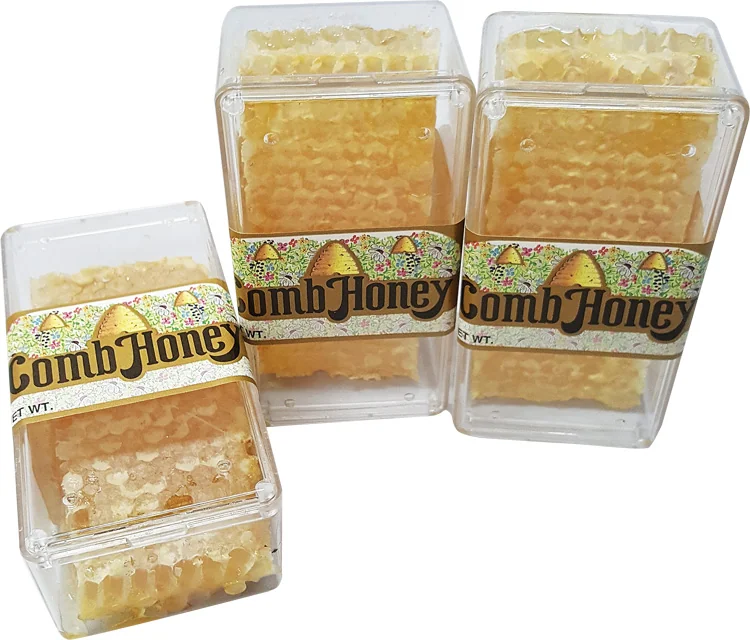
Photo: Queen Right Colonies, used with permission
$60 and Up: Collector Jars
Only 11 of the 304 honeys we track started at $60 or more on October 7, 2026. UMF 25+ manuka is the most expensive listing in our catalogue at $174.99; UMF 20+ runs from $32.98 for a small jar to $108.88. Yemeni Sidr honey from wild sidr (jujube) trees lists at $79.99; buy from a seller who names the valley and the harvest. Saudi black seed honey, a blossom honey from Nigella sativa flowers in Al-Qassim, lists at $96-162.
A large basket at this budget might hold 4-6 full-size jars across varietals, honeycomb, a wooden dipper set, and a honey book. The best are curated by people who know honey, not assembled to hit a price.
What to Look For: Reading the Label
Most honey on grocery store shelves — including many premium-looking products — is ultra-filtered, blended from multiple countries, or heat-processed to extend shelf life. These practices are legal and produce consistent, shelf-stable honey, but they strip the flavor complexity and pollen that make specialty honey worth gifting.
Five things to look for on a honey gift label:
- "Raw" — not heated above ~95°F (the temperature inside a beehive), not ultra-filtered. Retains the pollen and aromatic compounds that give each variety its distinctive character.
- Named floral source — "Orange Blossom" or "Buckwheat" is more meaningful than "Wildflower." Monofloral honey is traceable to a specific plant and has a characteristic flavor profile you can describe and appreciate.
- Specific origin — country AND region is best. "New Zealand Manuka" is less informative than "Wairarapa, North Island, New Zealand." Geographic specificity signals authentic sourcing and traceability.
- Harvest date or "best by" date — Fresh honey is not strictly necessary (honey lasts indefinitely) but a harvest date signals the producer knows and cares about their product.
- Certifications — for Manuka, look for UMF or MGO grading; USDA Organic certification sets production standards; True Source Certified indicates the honey's origin was traced and verified.
Pro Tip
Country-of-origin and syrup fraud is a real issue in honey. The European Commission's "From the Hives" action (samples taken November 2021 to February 2022, results published March 2023) flagged 147 of 320 imported honey consignments — 46% — as suspected of adulteration, mostly with sugar syrups. For gifting, stick to domestic producers you can verify, specialty importers with direct sourcing relationships, or products with independent third-party certification. Source: EU Joint Research Centre.
How to Present a Honey Gift Beautifully
The packaging of a honey gift matters more than you might expect — not for pretension, but because honey's amber tones and natural materials lend themselves naturally to beautiful presentation.
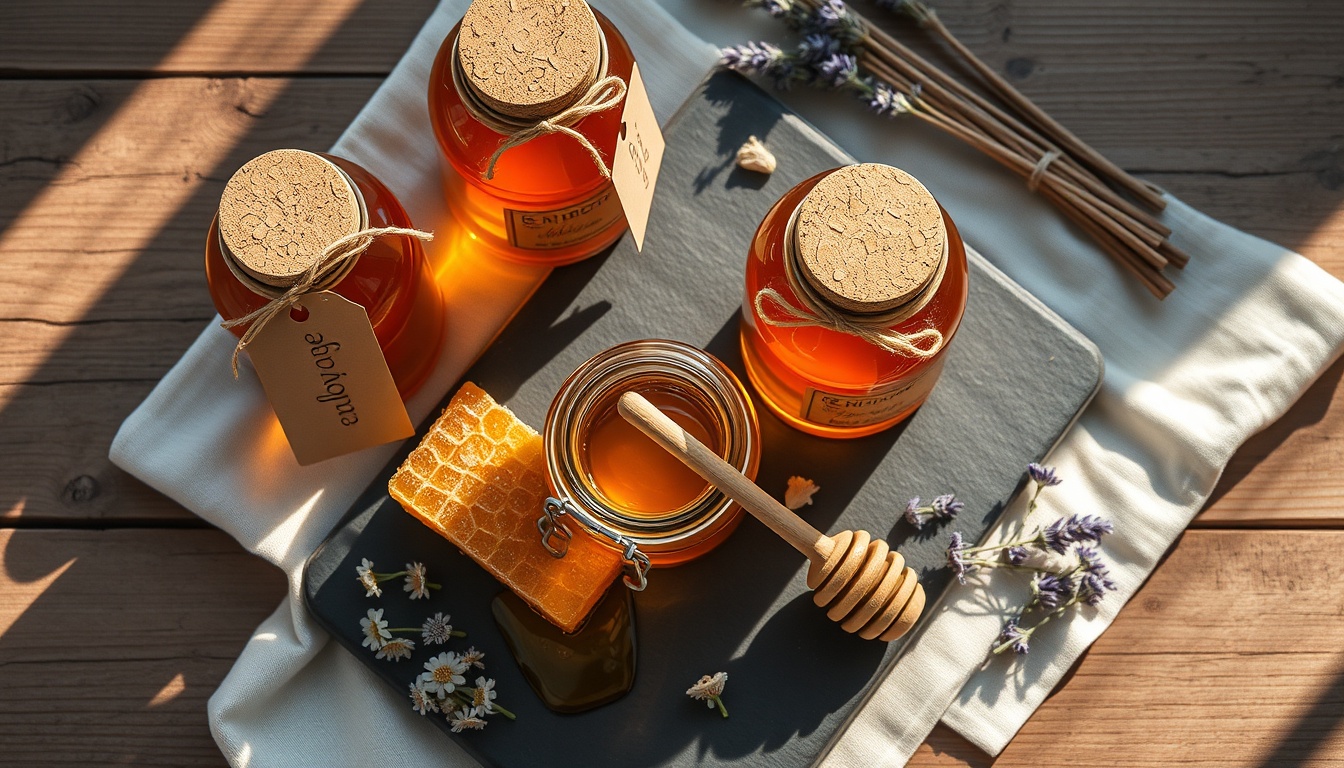
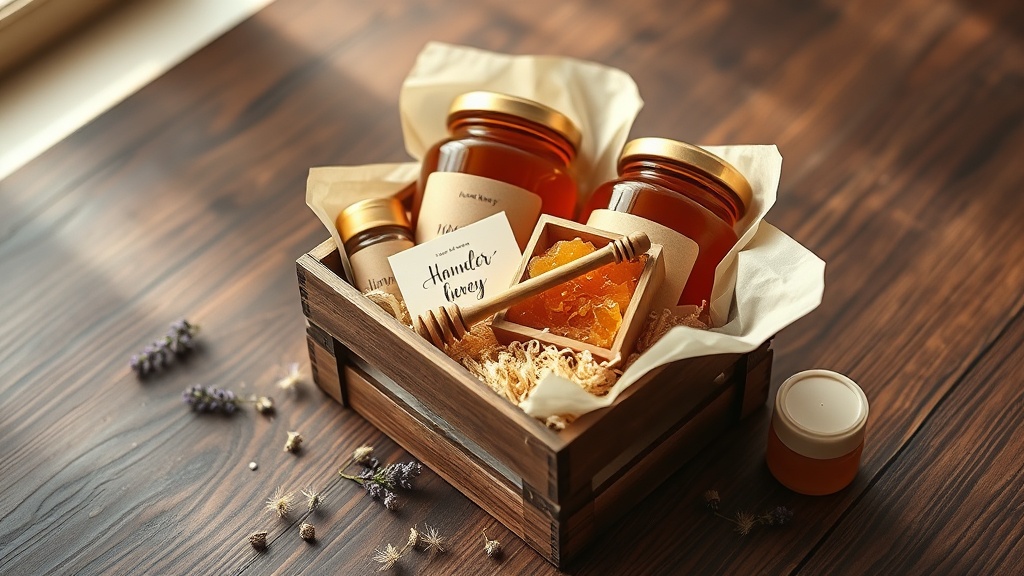
A single jar of exceptional honey, wrapped in parchment paper and tied with kitchen twine, with a small handwritten card explaining the variety's origin and one suggested use ("Drizzle over fresh ricotta and walnuts"), is more personal and memorable than the same jar in a generic gift box.
For multi-jar sets, a small wooden crate, a slate board, or a simple linen-lined basket with a layer of excelsior (paper packing material) presents beautifully and doubles as usable kitchen storage after opening.
Adding context gives every honey gift a story: a hand-typed tasting note card, a printed map showing where the apiary is located, a QR code linking to information about the variety, or a few recipe suggestions matched to the specific honey you chose. This is the difference between "nice honey" and a gift the recipient will remember and talk about.
Honey Gifts for Specific Occasions
Start with Thanksgiving and Christmas, the two holiday cooking dates. The other occasions below are for later in the year.
- Thanksgiving host (order by mid-November 2026) — A 12 oz jar of clover or wildflower plus a card that says “¾ cup for an 8 lb ham, last 30–45 minutes at 325 °F.” Pair with orange blossom if they like citrus glaze, or buckwheat for smoked ham. See the glazed ham guide.
- Christmas host — Same glaze jar if they roast ham or a bird, or a 3-jar flight (light, medium, dark) if they already have clover. Comb honey for the cheese-board host. Ship by USPS Ground Advantage no later than Thursday, December 17 (dates below).
- Stocking stuffers — Small catalogue jars: 3 oz sourwood ($8), Oregon meadowfoam in 3 oz jars (listed from $7), and 2 oz cranberry blossom (listed from $3.50).
- Graduation — A three-jar explorer set: clover, orange blossom, and buckwheat, from about $20 for the smallest catalogue jars, with tasting notes and a dipper.
- Housewarming — Honey has old associations with home and hospitality. A jar of local wildflower honey — ideally from bees near the new home — is a thoughtful, locality-specific gift.
- Weddings and anniversaries — Honey wedding favors are memorable, zero-waste alternatives to traditional favors. Clover honey ($9-15) in small hex jars with custom labels is the most cost-effective option. Wildflower honey ($13-24) from a local beekeeper near the venue adds a terroir story. Acacia honey ($9-16) stays liquid on display tables longer than most. Many artisan beekeepers offer custom labeling programs for events.
- Teacher or host gifts — A locally sourced varietal honey (100-200g) with a note explaining what you know about where it came from is personal without being expensive. The story matters as much as the jar.
- Corporate gifts and client appreciation — Branded honey from a regional producer or a small curated two-jar set with professional packaging makes a memorable impression that avoids the generic fruit basket trap. Look for producers who offer corporate labeling programs.
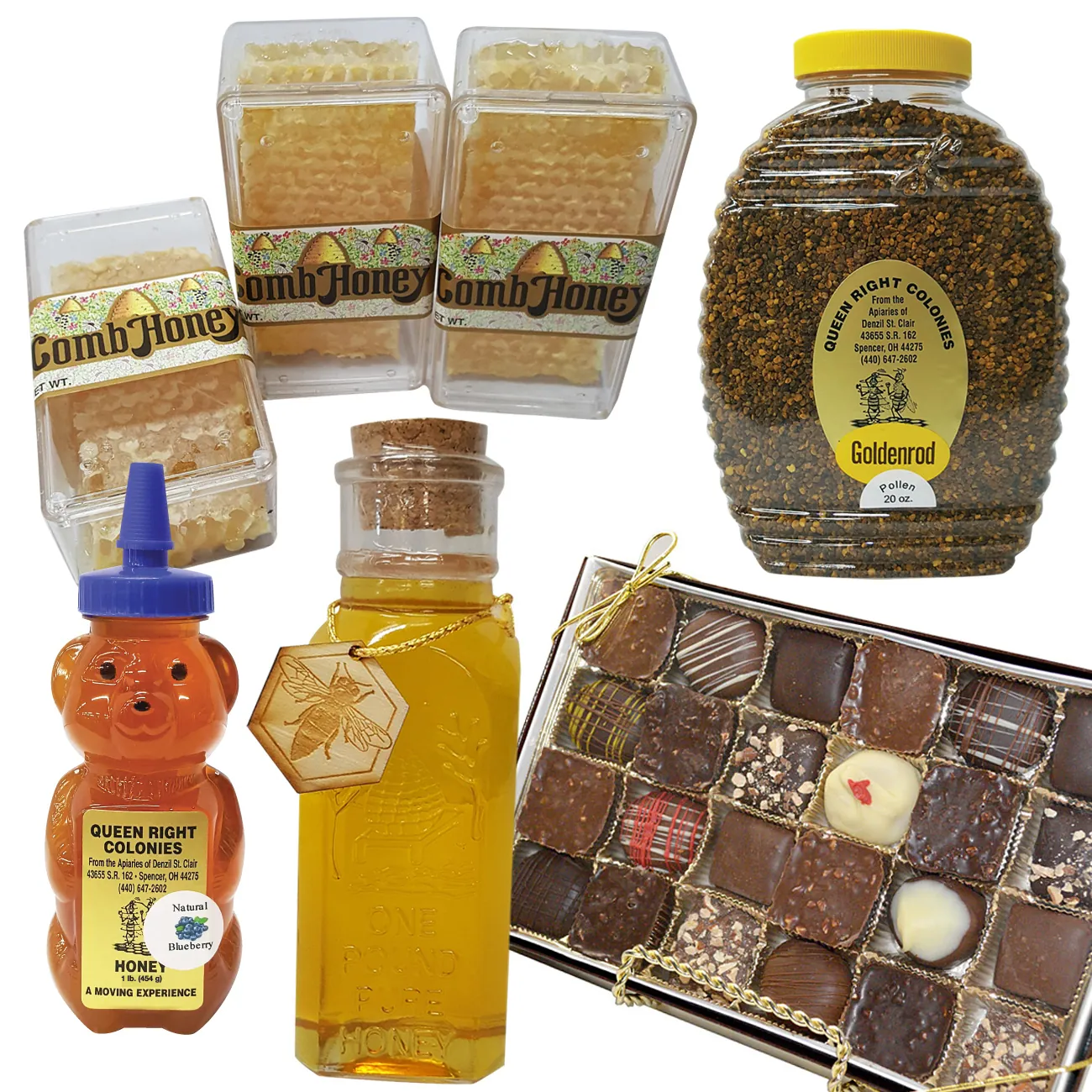
Photo: Queen Right Colonies, used with permission
When to Ship Honey for Christmas 2026
USPS published its 2026 holiday dates on September 22, 2026. For delivery by Friday, December 25 in the contiguous U.S.: Ground Advantage and First-Class Mail by Thursday, December 17; Priority Mail by Friday, December 18; Priority Mail Express by Saturday, December 19. Ground Advantage to Alaska and Hawaii: December 16. Source: USPS 2026 holiday mailing dates.
FedEx's 2026 chart targets arrival by Thursday, December 24: Ground and Home Delivery from Thursday, December 17 (5-day transit) to Wednesday, December 23 (1-day transit), Express Saver Monday, December 21, 2Day Tuesday, December 22. FedEx says the dates are subject to change. Source: FedEx 2026 holiday shipping deadlines.
UPS had not published 2026 holiday ship-by dates when we checked on September 27, 2026. For Thanksgiving, order host jars at least a week before Thursday, November 26.
Can You Ship Honey Safely?
Yes, honey ships well. It is shelf-stable and non-perishable. A few practical notes:
Glass jars should be wrapped individually in bubble wrap and packed tightly so they cannot shift. Place each jar in a sealed zip-lock bag before wrapping — even well-sealed honey lids can loosen in transit, and a small leak inside a bag is a very different problem than a small leak inside a cardboard box.
Honeycomb sections are more fragile. Pack them in rigid containers (tin boxes or sturdy plastic containers) with no room to shift. Avoid shipping honeycomb in extreme heat — above 90°F, comb will soften and may collapse into the liquid honey.
International shipping of honey may require customs declarations and agricultural inspection; check the destination country's rules before you send.
Many specialty honey producers already ship nationally and have optimized their packaging. Ordering directly from the producer and requesting they ship to your gift recipient — with a gift note — is often the simplest approach for distance gifting.