Why Honey Labels Are So Confusing
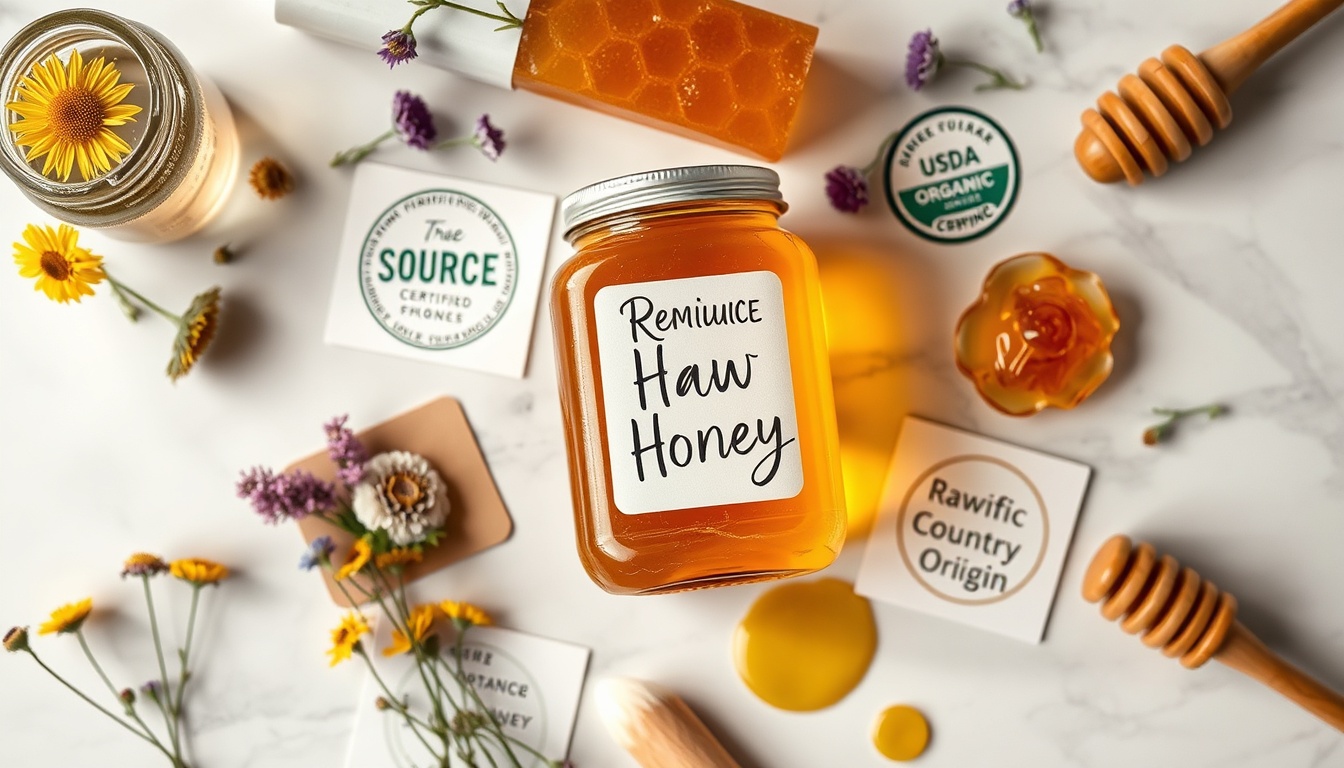
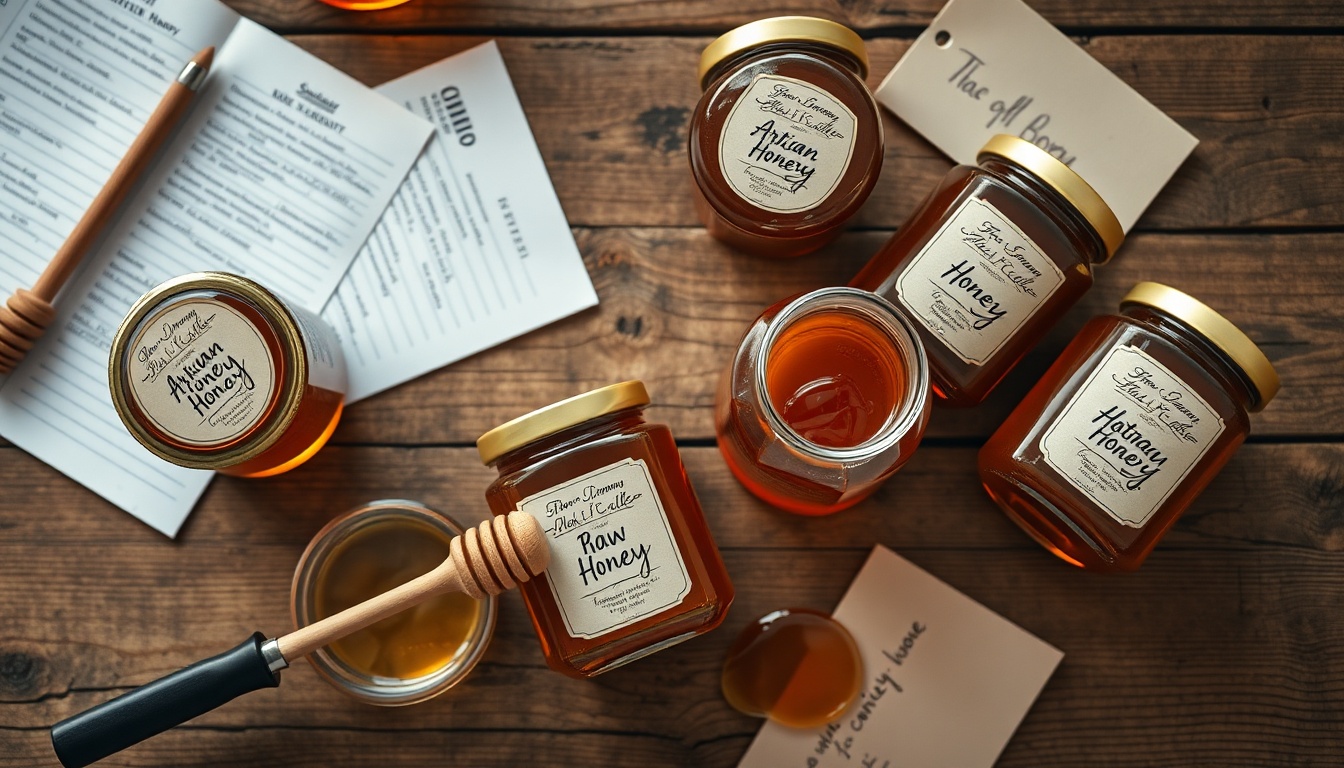
Walk down the honey aisle of any grocery store and you'll see a dizzying array of claims: raw, pure, natural, organic, unfiltered, unpasteurized, wildflower, artisanal. Some of these terms have strict legal definitions. Others are pure marketing.
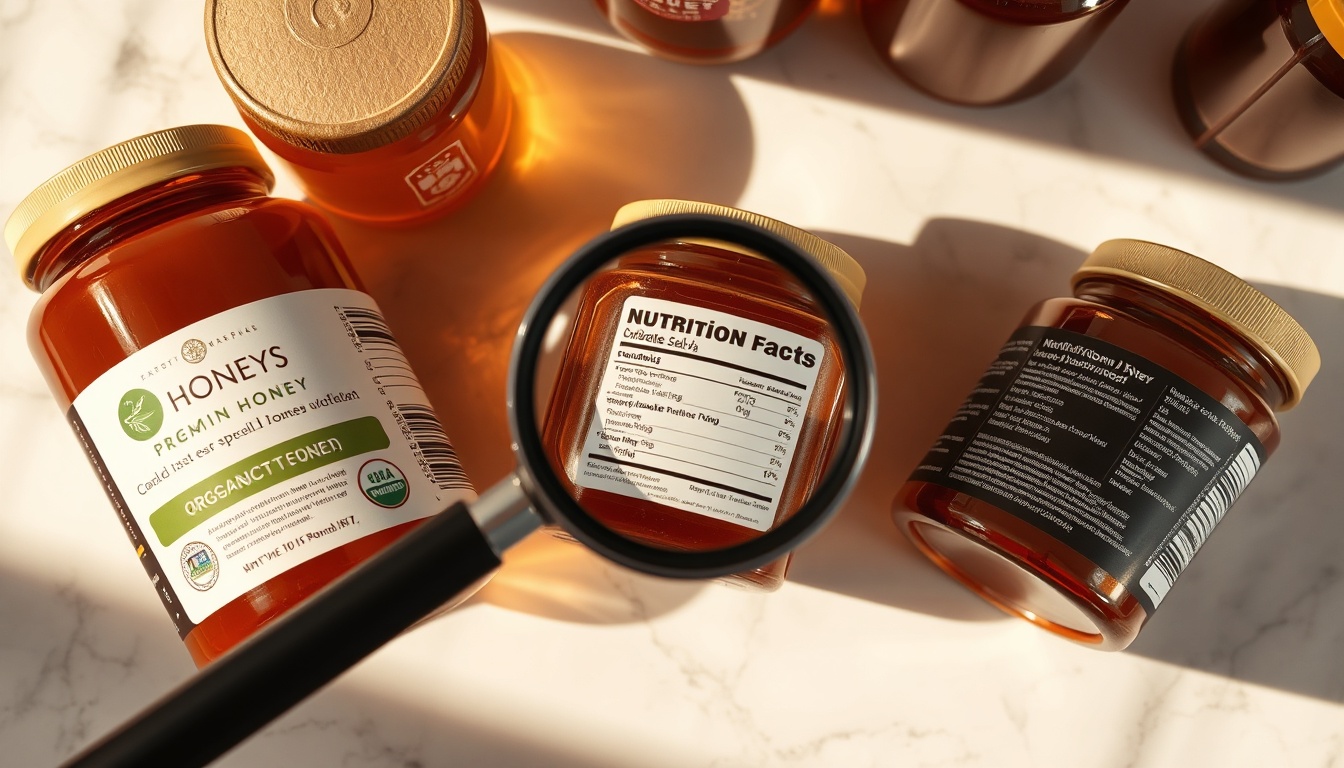
Understanding what honey labels actually mean is the single most important skill for buying quality honey. If you suspect a jar might not be genuine, our guide on how to tell if honey is real covers seven home tests you can do. This guide breaks down every common label term so you can tell genuine quality claims from meaningless buzzwords.
"Raw" Honey: What It Actually Means
There is no FDA-regulated definition of "raw" honey in the United States. In practice, "raw" generally means the honey has not been heated above the natural hive temperature (approximately 95°F/35°C) and has not been ultra-filtered.
Most beekeepers and industry groups consider honey "raw" if it has been strained (to remove large debris like wax and bee parts) but not finely filtered or pasteurized. Raw honey retains its natural enzymes, pollen, and beneficial compounds that processing can destroy.
The catch: because "raw" has no legal standard, any producer can put it on their label. Look for additional indicators of quality — small-batch producers, named floral sources (e.g. clover, wildflower, buckwheat), and visible pollen or crystallization are all good signs. For a deeper dive, see our comparison of raw honey vs regular honey.
Pro Tip
Crystallized honey is a sign of quality, not spoilage. Raw honey crystallizes faster because it contains natural pollen and wax particles that act as seed crystals.
Get the Honey Buyer's Cheat Sheet (free PDF)
16 varieties on one page — color, flavor, best use and what a fair price looks like — from the 268 honeys we track.
"Organic" Honey: Why It's Complicated
USDA Organic honey must meet specific standards: bees must forage in areas free from synthetic pesticides within a roughly 2-mile foraging radius, and no antibiotics or synthetic chemicals can be used in hive management. The honey cannot be ultra-filtered, and all handling must follow organic processing standards.
Here's why organic honey is rare and expensive: controlling what bees forage on within a multi-mile radius is nearly impossible in most of the continental US. Most certified organic honey sold in America comes from Brazil, Mexico, or remote regions of Canada where vast areas of wildland meet the foraging radius requirement.
If you see inexpensive "organic" honey at the store, check the country of origin. Legitimate organic certification from USDA, EU, or equivalent bodies involves regular third-party audits and paper trails.
"Pure" and "Natural": Mostly Meaningless
The terms "pure" and "natural" on honey labels have no regulated definition. "Pure honey" technically just means the jar contains only honey (no added corn syrup or sweeteners), but the FDA doesn't actively enforce this. "Natural" is similarly vague — virtually all honey could be called natural since bees make it.
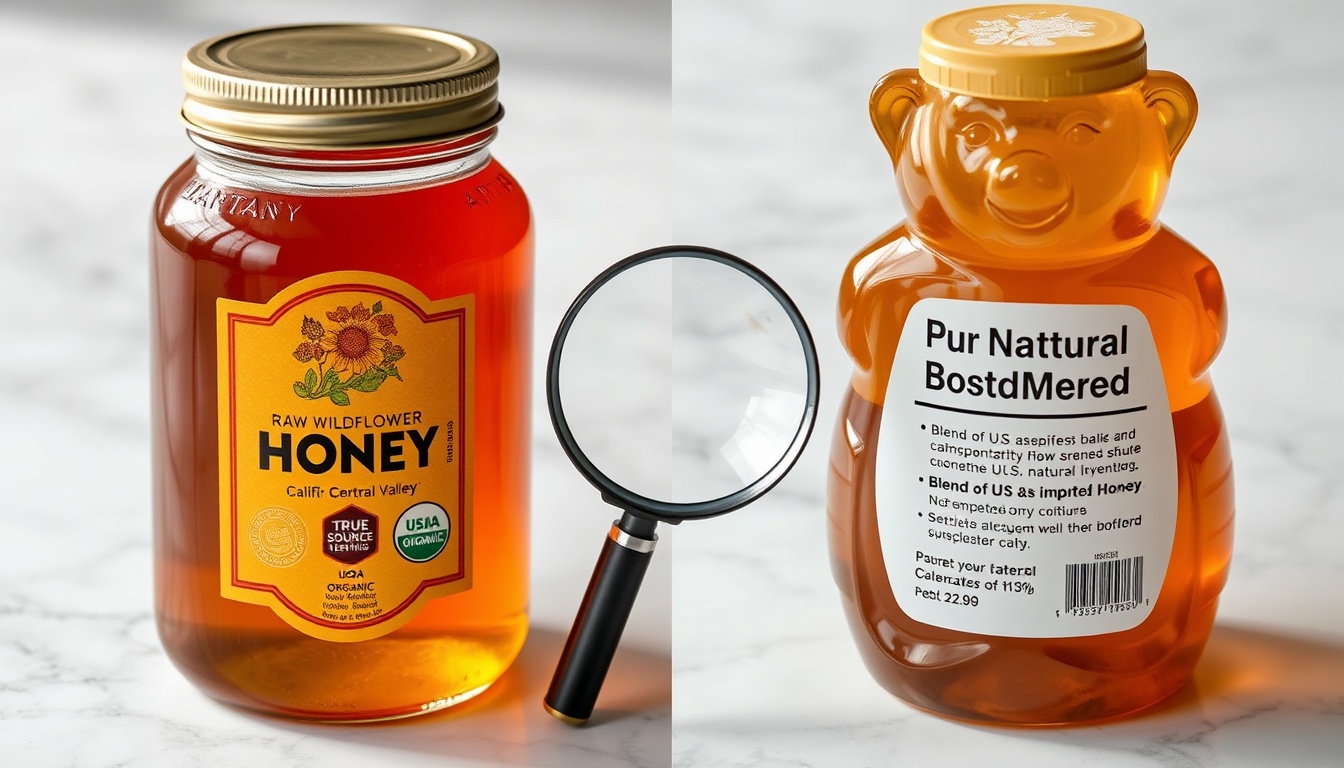
These terms tell you almost nothing about quality, processing methods, or sourcing. A jar of heavily processed, ultra-filtered honey from a blend of international sources can legally be labeled "pure natural honey." Focus on more meaningful indicators instead.
"Unfiltered" vs "Strained": A Key Distinction
These terms describe how debris is removed from honey after extraction. Straining uses a coarse mesh to remove large particles (wax, bee parts) while retaining pollen and beneficial compounds. Filtering uses fine materials or pressure to remove virtually everything, including pollen.
Ultra-filtered honey has had its pollen removed entirely, which makes it impossible to trace the honey's geographic or floral origin. A 2011 Food Safety News investigation found that 76% of grocery store honey had no pollen, raising questions about origin and adulteration.
"Unfiltered" honey retains its pollen and has a cloudier appearance. This is generally a positive quality indicator — pollen content is one of the few ways to verify where honey actually comes from.
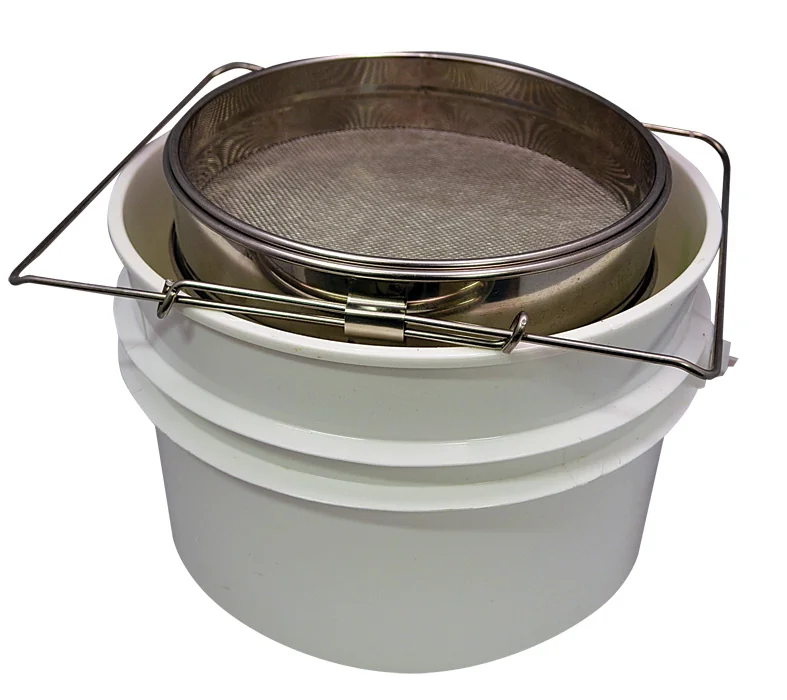
Photo: Queen Right Colonies, used with permission
Manuka Ratings: UMF and MGO Explained
Manuka honey from New Zealand uses specific grading systems to indicate antibacterial potency. The two main systems are UMF (Unique Manuka Factor) and MGO (Methylglyoxal), and they measure related but different things.
UMF is a comprehensive rating that tests for three markers: MGO, leptosperin (a compound unique to manuka nectar), and DHA (a precursor to MGO). UMF 10+ is considered therapeutic grade. MGO measures only the methylglyoxal content in mg/kg — MGO 263+ roughly corresponds to UMF 10+. Genuine Manuka honey UMF 15+ typically costs $35-60+ per jar.
Legitimate Manuka honey should display a UMF or MGO rating from a licensed testing lab and carry the UMF trademark license number. For a full breakdown, see our guide to Manuka honey grading systems. Be wary of Manuka honey without these certifications — studies have found that far more "Manuka honey" is sold worldwide than New Zealand actually produces.
True Source Certified and Other Seals
True Source Certified is a voluntary traceability program that verifies honey has been ethically sourced and not illegally transshipped (a practice where honey is routed through third countries to avoid tariffs or hide its origin). This seal is a meaningful quality indicator.
Other seals to look for include USDA Organic, Non-GMO Project Verified (less meaningful for honey since bees can't be GMO, but indicates pesticide consciousness), and state-level certifications like the Florida Department of Agriculture seal.
Country of origin labeling is required by US law. If a jar says "Product of USA," the honey should have been produced domestically. Blended honeys must list all countries of origin. "Packed in USA" is different from "Product of USA" — the former may contain imported honey that was only bottled domestically.
Red Flags on Honey Labels
Knowing what to avoid is just as important as knowing what to look for. Here are warning signs that a honey product may not be what it claims.
- No country of origin listed — this is legally required and its absence suggests the producer is hiding something
- Extremely low price — genuine raw clover honey costs $8-15 per pound, wildflower $10-18, specialty varieties like buckwheat $15-25; if it's $3 for a bear bottle, corners were cut
- Ingredients list includes corn syrup, sugar, or "honey blend" — this is not pure honey
- "Honey sauce" or "honey-flavored" — these products may contain little actual honey
- No crystallization after months of storage — natural honey crystallizes; permanently liquid honey may be ultra-processed
- Vague origin like "imported" without naming specific countries
How to Buy the Best Honey: A Quick Decision Framework
You don't need to become a label expert to buy good honey. Follow this simple priority list: First, buy from a local beekeeper if possible — you can ask questions directly and verify quality. Second, look for a named floral source (clover, wildflower, buckwheat) rather than generic "honey." Third, check for "raw" and "unfiltered" on the label, plus a specific country of origin.
Remember that expensive doesn't always mean better, but very cheap honey should raise questions. The sweet spot for quality domestic honey is typically $10-20 per pound, depending on variety and region. Acacia honey ($12-20) and orange blossom honey ($12-20) offer premium quality at mid-range prices, while rare varieties like tupelo ($25-45) and sourwood ($20-35) command higher prices due to limited geographic production. Use our honey price comparison tool to benchmark prices.