Understanding Honey Quality
Not all honey is created equal. Learn how to identify and choose the best quality honey for your needs.
Last updated:
Quality honey is graded by color on the Pfund scale from Water White to Dark Amber, with darker honeys containing more antioxidants — buckwheat honey has 16,000+ ORAC antioxidants compared to 1,000-3,000 for lighter varieties like clover honey. Look for labels that say raw and unfiltered, check the country of origin, and verify certifications like True Source Certified or USDA Organic. Choose varieties like acacia honey for delicate applications, wildflower honey for complex flavors, or Manuka honey for therapeutic benefits. Avoid suspiciously cheap honey, which is often adulterated with corn or rice syrup.
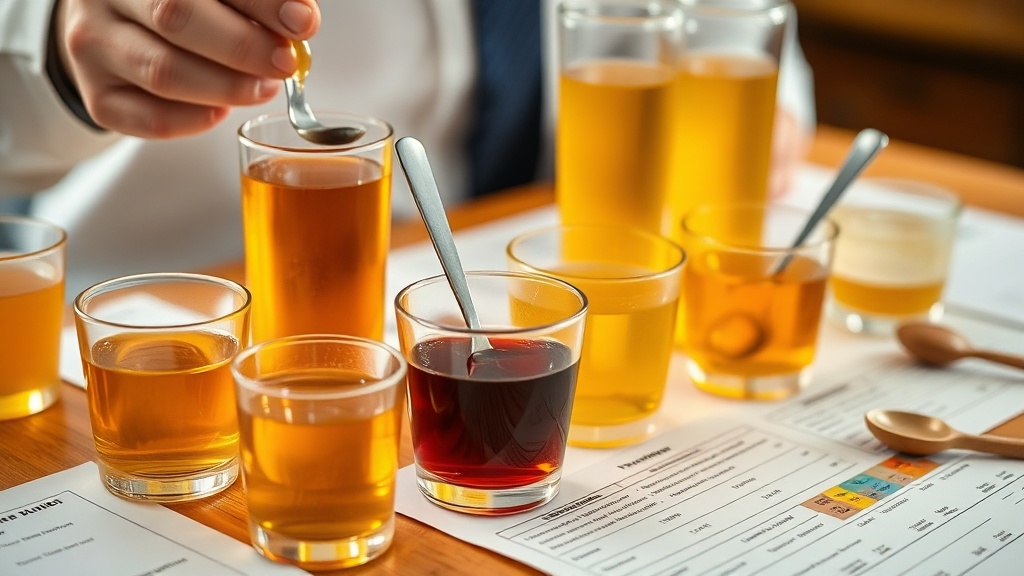
How Is Honey Graded by Color?
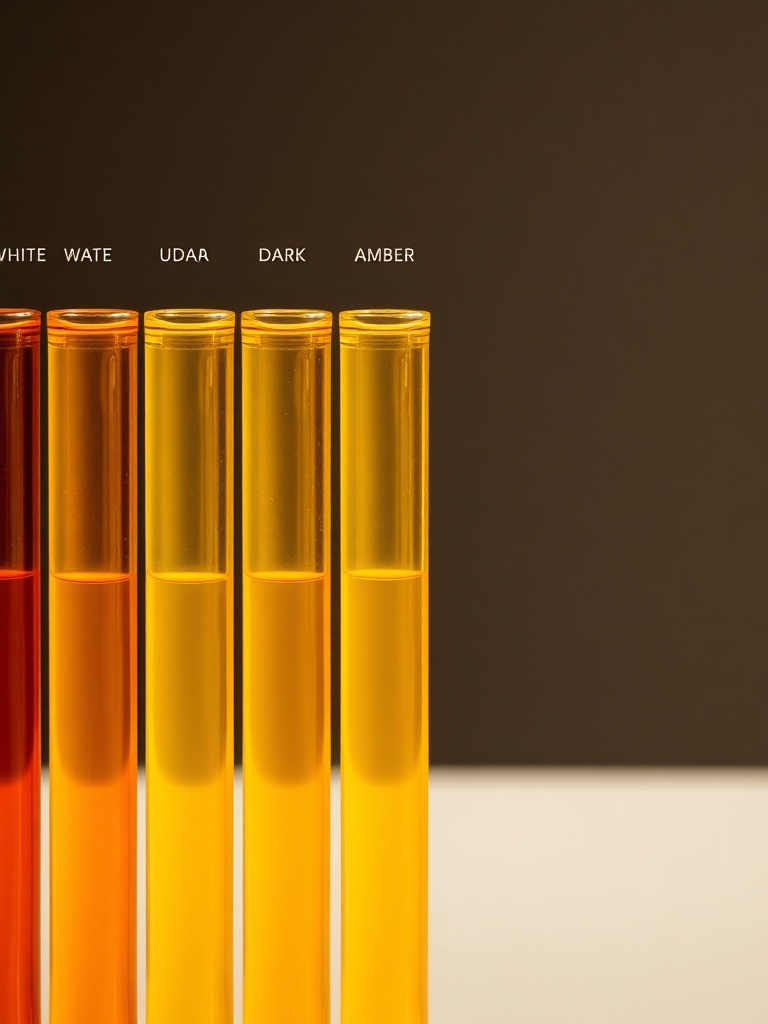
Honey color is measured using the Pfund scale and ranges from "Water White" to "Dark Amber." Color indicates floral source and flavor intensity.
- Water White (0-8mm): Very light, mild flavor — acacia honey, sage honey
- Extra Light Amber (8-17mm): Light, delicate — clover honey, orange blossom honey
- Light Amber (17-34mm): Classic honey flavor — wildflower honey, basswood honey
- Amber (34-50mm): Rich, full-bodied — tulip poplar honey, goldenrod honey
- Dark Amber (50-85mm): Strong, robust flavor — buckwheat honey, chestnut honey
- Darker honey typically has more antioxidants — buckwheat honey ORAC 16,000+ vs clover 1,000-3,000
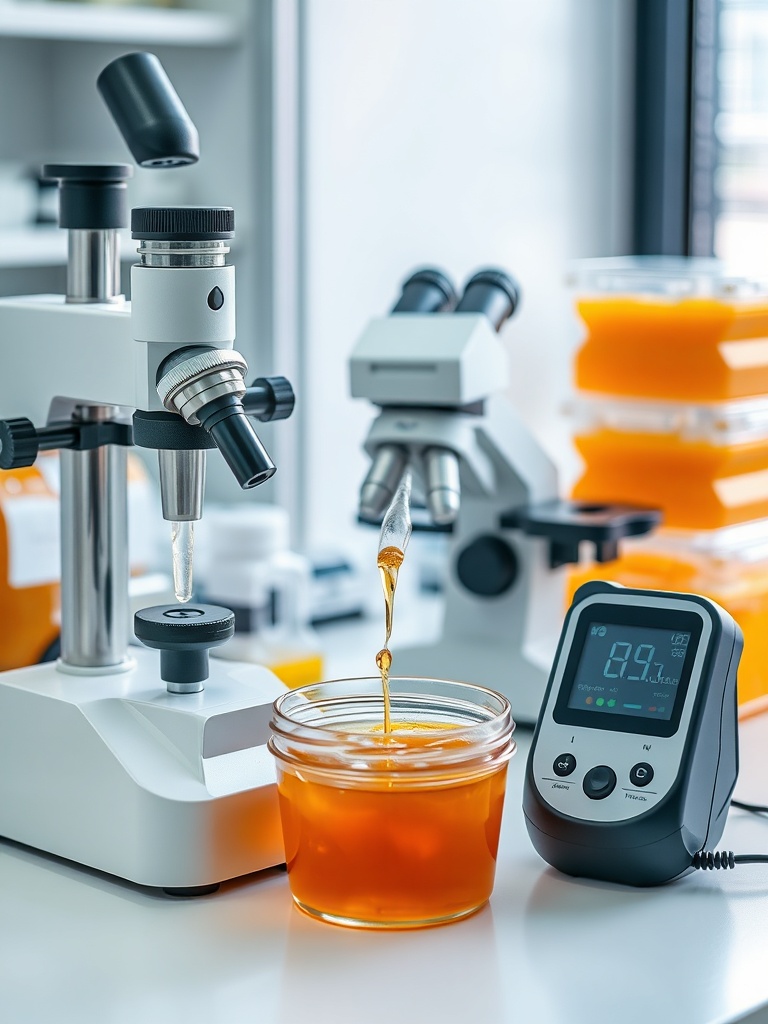
How Is Honey Quality Tested?
Professional honey testing involves several measurements to ensure purity and quality. Understanding these helps you choose better honey.
- Moisture content should be below 18.6%
- HMF (hydroxymethylfurfural) indicates heat damage
- Pollen analysis confirms floral source and origin
- Diastase activity measures enzyme preservation
- Residue testing checks for pesticides and antibiotics
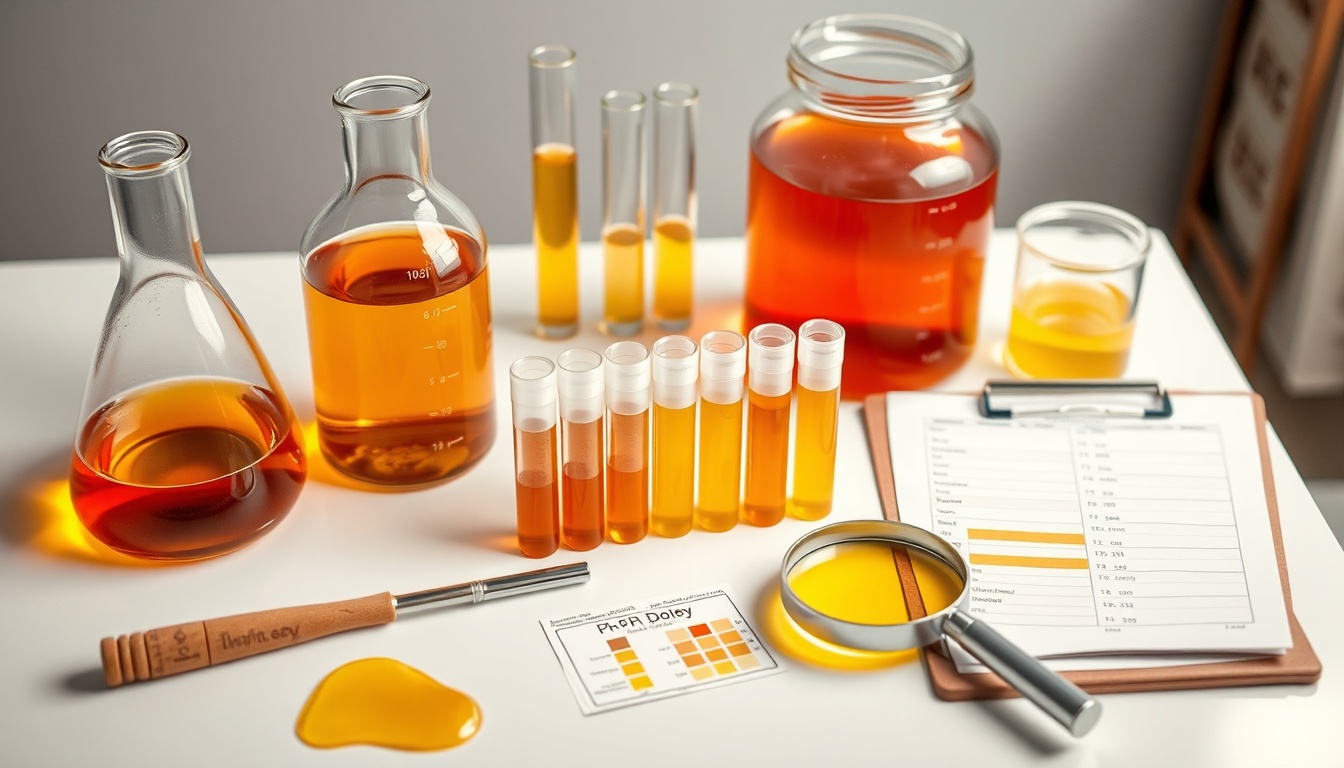
How Do You Read Honey Labels?
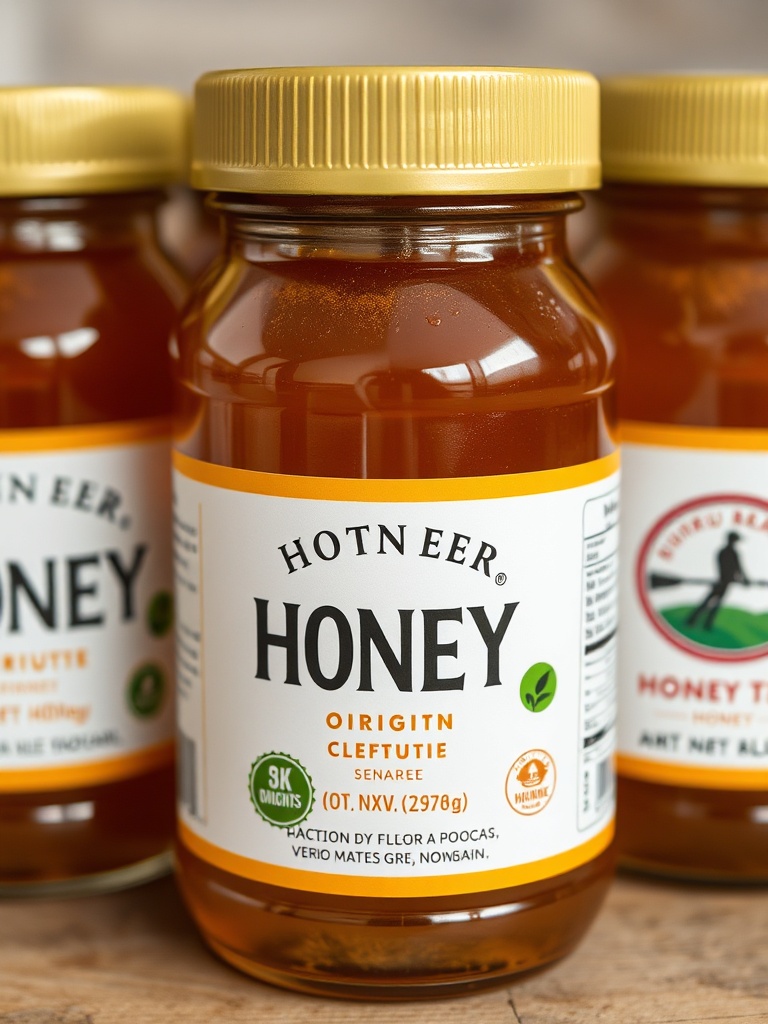
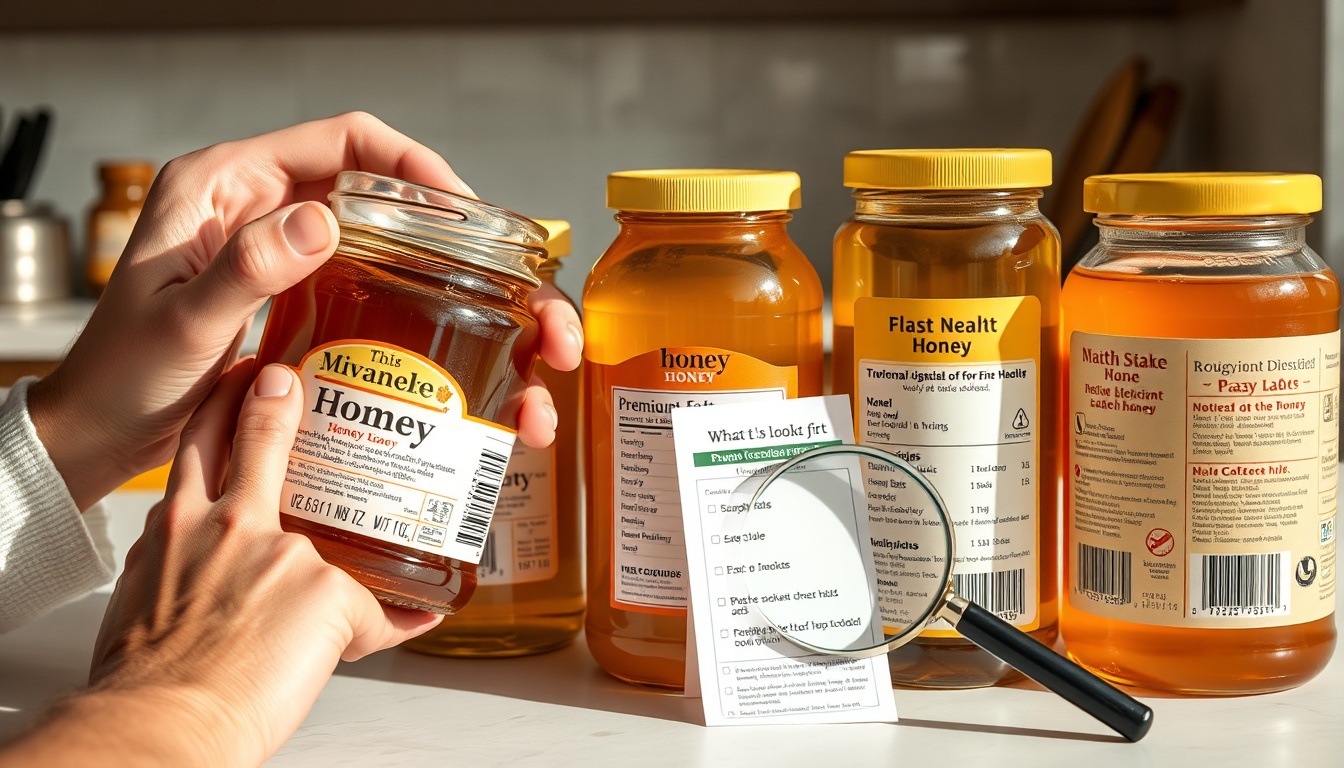
Honey labels reveal important information about origin, processing, and quality. Knowing what to look for helps you make informed choices.
- "Raw" means not heated above 118°F (48°C)
- "Unfiltered" retains pollen and propolis
- "Pure honey" should contain no additives
- Country of origin is legally required on labels
- Floral source should match flavor expectations
- UMF/MGO ratings apply specifically to Manuka honey
How Do You Spot Fake or Adulterated Honey?
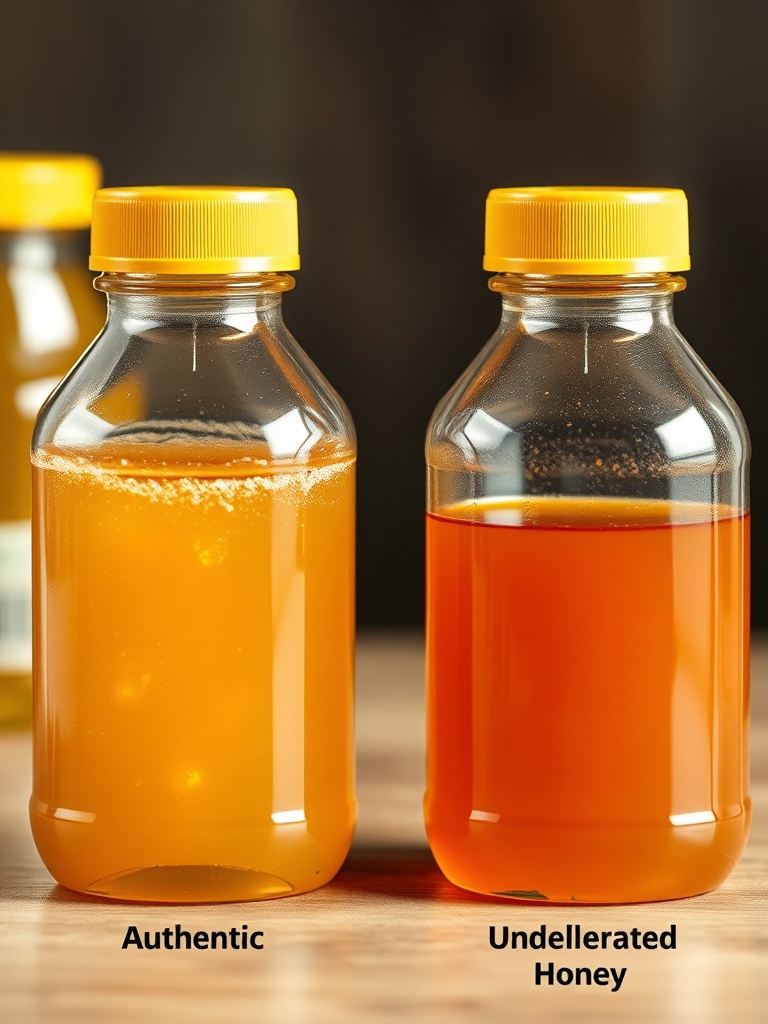
Unfortunately, honey fraud is common. Adulterated honey may contain corn syrup, rice syrup, or be ultra-filtered to hide origin.
- Unusually low prices often indicate adulteration
- Ultra-filtered honey lacks pollen (making origin untraceable)
- Authentic honey crystallizes naturally over time
- Pure honey has slight imperfections and variations
- Buy from trusted sources, preferably local beekeepers
What Honey Certifications Should You Look For?
What Are Smart Tips for Buying Honey?
- Buy from local beekeepers when possible - freshest honey, supports local agriculture
- Ask questions: Where is it from? How is it processed? When was it harvested?
- If the price seems too good to be true, it probably is
- Look for single-origin honey rather than blends for distinctive flavors — try sourwood honey for complex Appalachian spice notes, tupelo honey for unique Florida wetland terroir, or orange blossom honey for citrus-floral character
Printable Buying Guide
Take our one-page buying checklist to your next farmers market. Green flags, red flags, and the right questions to ask.
Frequently Asked Questions
How is honey graded?
Honey is graded primarily by color using the Pfund scale, ranging from Water White to Dark Amber. Darker honeys generally have stronger flavors and higher antioxidant content. For example, <Link to="/honey/acacia-honey" className="text-honey-600 hover:text-honey-800 underline">acacia honey</Link> typically grades Water White to Extra Light Amber with delicate flavor, <Link to="/honey/wildflower-honey" className="text-honey-600 hover:text-honey-800 underline">wildflower honey</Link> ranges Light Amber to Amber with complex flavors, while <Link to="/honey/buckwheat-honey" className="text-honey-600 hover:text-honey-800 underline">buckwheat honey</Link> grades Dark Amber with robust molasses character and exceptional antioxidant content ORAC 16,000+ vs lighter varieties.
How can you tell if honey is real or fake?
Real honey crystallizes naturally over time and has slight imperfections and variations. <Link to="/honey/clover-honey" className="text-honey-600 hover:text-honey-800 underline">Clover honey</Link> and <Link to="/honey/wildflower-honey" className="text-honey-600 hover:text-honey-800 underline">wildflower honey</Link> crystallize within 2-6 months, while <Link to="/honey/acacia-honey" className="text-honey-600 hover:text-honey-800 underline">acacia honey</Link> and <Link to="/honey/tupelo-honey" className="text-honey-600 hover:text-honey-800 underline">tupelo honey</Link> remain liquid for 1-2+ years due to high fructose content. Suspiciously cheap honey, perfectly clear honey with no pollen, and honey that never crystallizes (except natural non-crystallizing varieties) may be adulterated with corn syrup or rice syrup.
What does "raw" mean on a honey label?
Raw on a honey label means the honey has not been heated above 118 degrees Fahrenheit (48 degrees Celsius), preserving its natural enzymes, pollen, and beneficial compounds. This is especially important for varieties like <Link to="/honey/buckwheat-honey" className="text-honey-600 hover:text-honey-800 underline">buckwheat honey</Link> with exceptional antioxidant content, <Link to="/honey/new-zealand-manuka-umf-15" className="text-honey-600 hover:text-honey-800 underline">Manuka honey</Link> with therapeutic MGO compounds, and <Link to="/honey/wildflower-honey" className="text-honey-600 hover:text-honey-800 underline">wildflower honey</Link> with diverse beneficial compounds from multiple floral sources.
Is organic honey really organic?
Organic honey certification requires that bees forage on pesticide-free flowers and hives are managed without synthetic chemicals. However, certification is challenging because bees can forage up to 5 miles from their hives. Look for organic varieties like <Link to="/honey/clover-honey" className="text-honey-600 hover:text-honey-800 underline">clover honey</Link> from certified organic farms, <Link to="/honey/wildflower-honey" className="text-honey-600 hover:text-honey-800 underline">wildflower honey</Link> from protected wildlands, or <Link to="/honey/orange-blossom-honey" className="text-honey-600 hover:text-honey-800 underline">orange blossom honey</Link> from certified organic citrus groves.
Which honey varieties should I choose for different quality goals?
For maximum antioxidants, choose <Link to="/honey/buckwheat-honey" className="text-honey-600 hover:text-honey-800 underline">buckwheat honey</Link> with ORAC 16,000+ density or <Link to="/honey/chestnut-honey" className="text-honey-600 hover:text-honey-800 underline">chestnut honey</Link> with exceptional phenolic compounds. For therapeutic applications, select <Link to="/honey/new-zealand-manuka-umf-15" className="text-honey-600 hover:text-honey-800 underline">Manuka honey</Link> UMF 10+ with verified antibacterial activity. For everyday quality and value, choose <Link to="/honey/wildflower-honey" className="text-honey-600 hover:text-honey-800 underline">wildflower honey</Link> from trusted local beekeepers or <Link to="/honey/clover-honey" className="text-honey-600 hover:text-honey-800 underline">clover honey</Link> with consistent mild flavor. For premium culinary applications, select <Link to="/honey/acacia-honey" className="text-honey-600 hover:text-honey-800 underline">acacia honey</Link> with delicate flavor and crystallization resistance or <Link to="/honey/tupelo-honey" className="text-honey-600 hover:text-honey-800 underline">tupelo honey</Link> with unique never-crystallizing characteristic.
Edited by Sam French · Raw Honey Guide Editorial Team
Source reviewed against primary literature and official guidance where available. Health content is educational, not medical advice, and does not replace a licensed clinician.
Related Guides
Real vs Fake Honey
Test honey purity and spot fakes.
Read GuideOrganic Honey Guide
What organic certification means, USDA vs EU standards, and whether organic honey is worth it.
Read GuideHoney Color Scale Chart
Interactive Pfund color grades explained.
Read GuideRelated Articles
How to Tell If Honey Is Real: 7 Tests You Can Do at Home
Learn 7 easy at-home tests to tell if your honey is real or fake. Water test, thumb test, flame test, and more. Spot adulterated honey before you buy.
Read ArticleManuka Honey Grading Systems Explained: UMF vs MGO vs KFactor
UMF vs MGO vs KFactor — manuka honey ratings decoded. Learn what the numbers mean and how to choose authentic manuka.
Read ArticleHow to Read a Honey Label: What Every Buyer Should Know
Decode honey labels: raw, organic, unfiltered, UMF, MGO, True Source Certified. Spot marketing claims and buy smarter.
Read ArticleFind quality honey from trusted sources
Find Local Honey Sources