What Makes Buckwheat Honey Different?
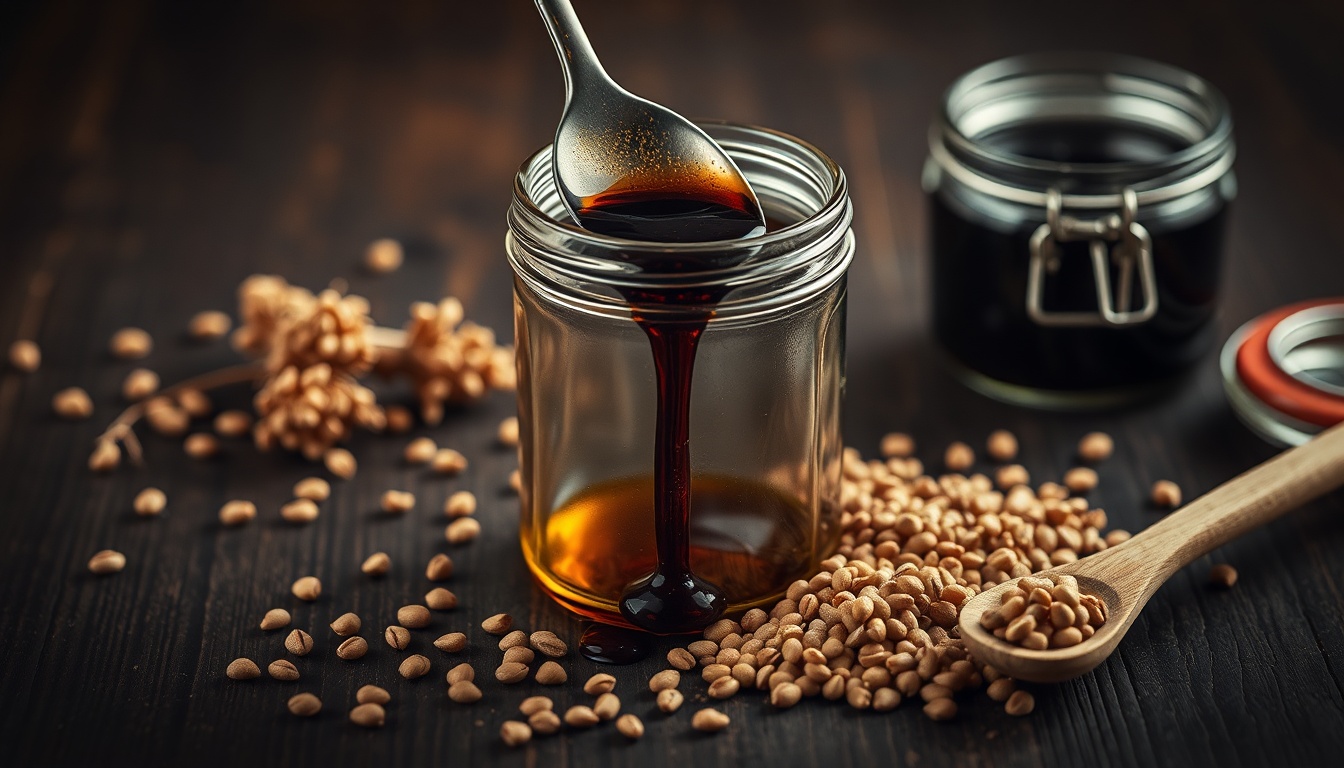
Buckwheat honey is a dark, robust honey produced from the nectar of buckwheat flowers (Fagopyrum esculentum). With its deep amber-to-nearly-black color, strong molasses-like flavor, and distinctively malty aroma, it's one of the most polarizing honeys — people tend to love it or find it overwhelming.
But beyond flavor preference, buckwheat honey has attracted significant scientific attention for one reason: it consistently outperforms lighter honeys in clinical measurements of antioxidant content, antibacterial activity, and therapeutic potential. A landmark 2004 study in the Journal of Agricultural and Food Chemistry found that buckwheat honey contained 3-9 times higher antioxidant activity than lighter varieties like clover or acacia.
At $15-25 per pound in 2026, buckwheat honey costs more than everyday clover ($8-15/lb) but far less than manuka ($35-60+/lb). This guide covers what the research actually shows about buckwheat honey's specific health benefits, how it compares to other types of honey, and whether its premium price is justified by the evidence.
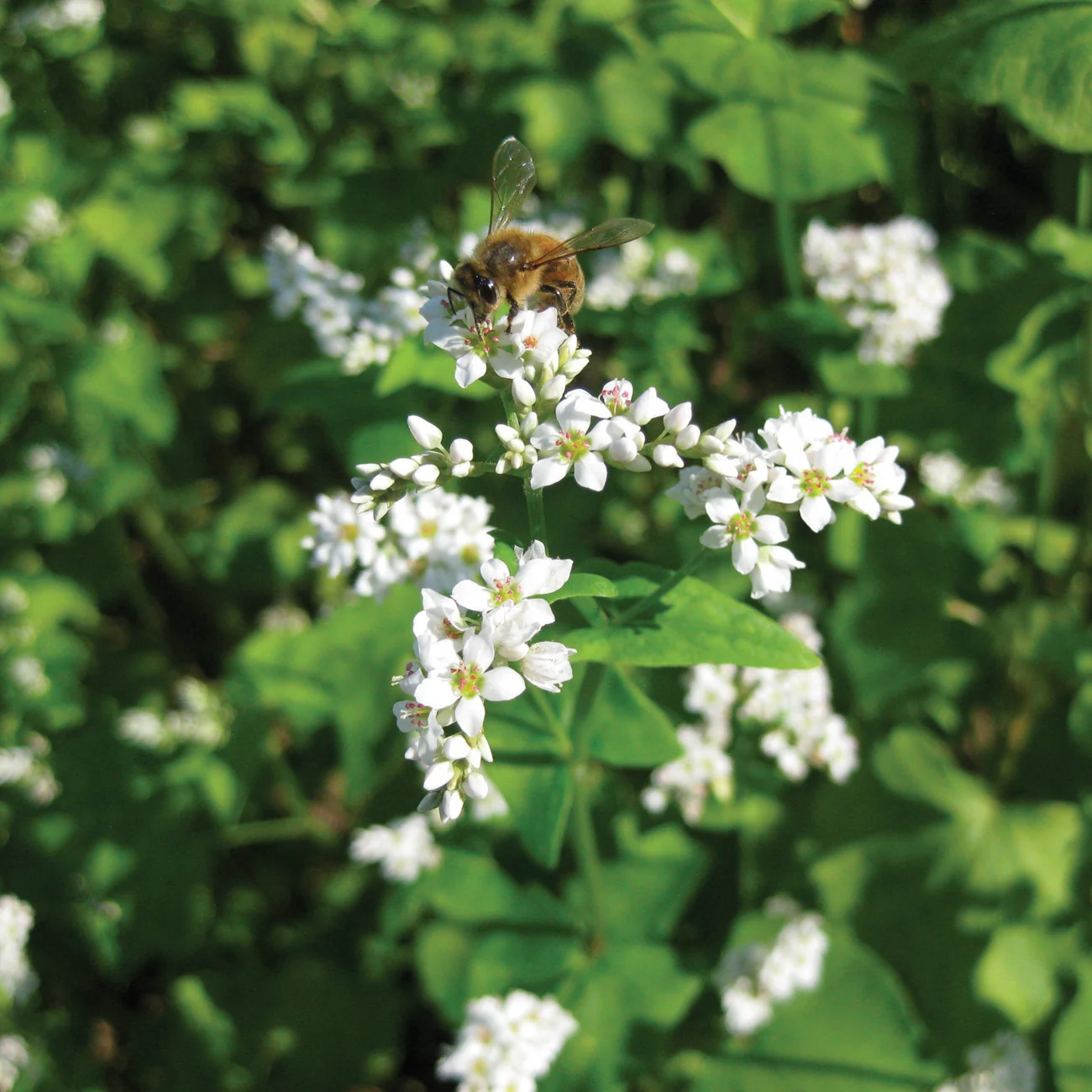
Photo: Queen Right Colonies, used with permission
1. Superior Antioxidant Content
Buckwheat honey's most robustly documented advantage is its antioxidant profile. The dark color isn't just aesthetic — it's a direct indicator of polyphenol concentration.
The 2004 JAFC study measured antioxidant capacity across 14 honey varieties using ORAC, FRAP, and DPPH assays. Buckwheat honey ranked highest (ORAC 16,000+), with values comparable to some fruits and vegetables — far above lighter varieties like clover (ORAC 1,000-3,000) or acacia. The primary antioxidant compounds identified include gallic acid, p-coumaric acid, caffeic acid, quercetin, kaempferol, and chrysin — the same polyphenols responsible for honey's anti-inflammatory effects.
A 2003 study in the Journal of Agricultural and Food Chemistry demonstrated that consuming buckwheat honey directly increased plasma antioxidant capacity in human subjects. Participants who consumed buckwheat honey showed measurable increases in serum antioxidant levels and resistance to LDL oxidation — a key early step in atherosclerosis development.
Why does this matter? Higher antioxidant intake is consistently associated with reduced oxidative stress, which underlies chronic diseases including cardiovascular disease, neurodegenerative conditions, and certain cancers. While buckwheat honey isn't a medicine, its antioxidant density makes it one of the most nutritionally active natural sweeteners available. Compare this to honey's overall nutritional profile — buckwheat honey sits at the top of most measurements.
Get the Honey Buyer's Cheat Sheet (free PDF)
16 varieties on one page — color, flavor, best use and what a fair price looks like — from the 268 honeys we track.
2. Cough Suppression: The Strongest Clinical Evidence
The single strongest clinical study specifically involving buckwheat honey is the landmark 2007 pediatric cough trial published in Archives of Pediatrics & Adolescent Medicine.
In this randomized, partially double-blinded study of 105 children aged 2-18 with upper respiratory infections, a single dose of buckwheat honey before bedtime was compared to dextromethorphan (DM, the active ingredient in most OTC cough suppressants) and no treatment. Buckwheat honey scored significantly better than both DM and no treatment for cough frequency, cough severity, child sleep quality, and parent sleep quality.
The study specifically chose buckwheat honey (not a lighter variety) because the researchers hypothesized that its higher antioxidant content would provide superior throat-soothing and anti-inflammatory effects. The demulcent (coating) action of honey's viscous texture combined with the anti-inflammatory effects of its concentrated polyphenols likely drives the cough-suppressing mechanism.
This study became one of the most cited honey studies in medical literature. The 2020 BMJ Evidence-Based Medicine systematic review of 14 studies further confirmed honey's superiority over usual care for cough and sore throat.
For cough suppression specifically, buckwheat honey has the strongest direct clinical evidence of any single honey variety.
Pro Tip
For cough relief, buckwheat honey can be taken directly or mixed into warm (not hot) water or tea before bedtime. Never give honey to children under 12 months due to infant botulism risk. The strong flavor can be mellowed by mixing with warm water and lemon.

3. Cardiovascular Protection
Buckwheat honey's cardiovascular benefits stem from its concentrated polyphenol and antioxidant content — the same compounds that give it its dark color.
The 2003 JAFC human feeding study demonstrated that buckwheat honey consumption increased resistance to LDL oxidation in blood serum. Oxidized LDL is a critical early step in atherosclerosis (plaque buildup in arteries), making this finding clinically relevant. Participants consuming buckwheat honey showed significantly greater LDL oxidation resistance than those consuming corn syrup with equivalent calorie content.
The 2022 Nutrition Reviews meta-analysis of 18 RCTs found that honey consumption (across all types) reduced total cholesterol, LDL cholesterol, triglycerides, and fasting blood glucose while increasing HDL cholesterol. While this meta-analysis didn't isolate buckwheat honey specifically, the dose-response relationship with polyphenol content suggests that darker honeys like buckwheat would provide greater cardiovascular benefits than lighter varieties. See the full honey and cholesterol and honey and blood pressure evidence.
Buckwheat honey also contains relatively high levels of rutin — a flavonoid glycoside derived from the buckwheat plant itself. Rutin has documented vasoprotective properties, improving capillary strength and reducing vascular permeability. A 2015 meta-analysis in the European Journal of Clinical Pharmacology found rutin supplementation significantly reduced diastolic blood pressure.
4. Antibacterial and Wound-Healing Properties
While manuka honey ($35-60+/lb) dominates the wound-care conversation, buckwheat honey ($15-25/lb) has notable antibacterial properties of its own — driven by different mechanisms.
Buckwheat honey generates hydrogen peroxide through its glucose oxidase enzyme — the primary antibacterial mechanism in most non-manuka honeys. A 2010 study in the Canadian Journal of Microbiology found buckwheat honey effective against multiple wound pathogens including S. aureus, E. coli, and P. aeruginosa. Its antibacterial activity was higher than clover, wildflower, or blueberry honey from the same study.
For wound healing, buckwheat honey's high antioxidant content provides an additional advantage: it reduces oxidative stress at the wound site, which can otherwise impair tissue repair. The anti-inflammatory polyphenols help modulate the inflammatory phase of wound healing — preventing the excessive inflammation that delays recovery while maintaining the beneficial inflammatory signals needed for tissue regeneration.
That said, for clinical wound care, medical-grade manuka honey (with its non-peroxide MGO activity) remains the gold standard. Buckwheat honey is better suited for minor cuts, burns, and everyday skin care applications rather than serious wound management.
5. Gut Health and Prebiotic Effects
Like other raw honeys, buckwheat honey contains prebiotic oligosaccharides (FOS and GOS) that selectively feed beneficial gut bacteria — particularly Bifidobacterium and Lactobacillus species. But buckwheat honey may offer additional gut health advantages through its concentrated polyphenol content.
A 2019 study in Nutrients found that honey polyphenols reach the colon largely intact, where gut bacteria metabolize them into bioactive compounds (short-chain fatty acids, phenolic acids) that nourish colonocytes, strengthen the intestinal barrier, and modulate local immune function. The higher polyphenol load in buckwheat honey means more substrate for these beneficial microbial transformations.
Buckwheat honey's selective antimicrobial activity is also relevant to gut health. It inhibits pathogenic bacteria (including H. pylori and certain Clostridium species) while generally sparing beneficial Lactobacilli — a selective antimicrobial effect that supports healthy microbiome balance rather than indiscriminately killing gut bacteria like broad-spectrum antibiotics.
6. Iron and Mineral Content
Buckwheat honey contains notably higher mineral concentrations than lighter honeys — a difference directly related to the buckwheat plant's mineral-rich nectar.
Studies measuring mineral content across honey varieties consistently find buckwheat honey contains 3-5 times higher iron, potassium, manganese, and zinc concentrations compared to clover or acacia honey (White 1979, USDA Technical Bulletin 1261; Bogdanov et al. 2008, American Bee Journal). The color-mineral correlation is direct: polyphenols that darken honey also reflect the mineral-rich nectar from which the honey was produced.
This comparison does not establish a recommended daily honey serving. Use the daily added-sugar guide to count honey with other added or free sugars.
Flavor Profile and Best Uses
Buckwheat honey's bold flavor profile is distinctive: malty, molasses-like, slightly bitter, with earthy, almost savory notes. It's significantly more assertive than mild honeys like clover or acacia.
**Best culinary pairings:** Buckwheat honey excels with strong-flavored foods that can stand up to its intensity. Try it on dark breads (rye, pumpernickel), blue or aged cheeses, oatmeal or porridge, dark chocolate desserts, BBQ sauces and marinades, and coffee (its malty notes complement dark roasts). It's excellent in gingerbread, dark beer bread, and baked beans.
**Honey and tea:** Buckwheat honey pairs well with robust black teas (English Breakfast, Assam) and earthy herbal teas (rooibos, chamomile) but can overwhelm delicate green or white teas. See the honey tea pairing guide for details.
**Baking:** Buckwheat honey works well in recipes where its strong flavor is an asset: gingerbread, spice cakes, dark muffins, and whole grain breads. For recipes where a neutral sweetener is needed, use a milder honey instead. See the honey baking substitution guide.
**Health use:** For cough relief, buckwheat honey can be taken straight (1-2 teaspoons) despite its strong taste, or mixed with warm water, lemon juice, and a touch of cinnamon to mellow the flavor while adding antimicrobial compounds.
Buckwheat Honey vs Other Dark Honeys
How does buckwheat honey compare to other popular dark honeys?
**Buckwheat ($15-25/lb) vs Manuka ($35-60+/lb):** Buckwheat has higher antioxidant activity in most measurements (ORAC 16,000+), but manuka has stronger antibacterial activity (especially against MRSA) due to its unique MGO content. Buckwheat has stronger cough suppression evidence. Manuka is better for wound care; buckwheat is better for dietary antioxidant intake.
**Buckwheat vs Chestnut ($20-35/lb):** Similar antioxidant profiles, both very dark with bold flavors. Chestnut honey has a more bitter, less sweet profile. Both are popular in European traditional medicine. Buckwheat has more clinical research behind it.
**Buckwheat vs Honeydew:** Honeydew honey (from aphid secretions, not flower nectar) has comparable mineral content but different polyphenol composition. Both are dark and assertive. Honeydew honey has higher oligosaccharide content, potentially making it better for gut health specifically.
**Buckwheat vs Wildflower ($10-18/lb):** Wildflower honey varies enormously depending on the regional flower mix. Dark wildflower honeys from fall harvests can approach buckwheat in antioxidant content, while light spring wildflower honeys are significantly lower.
Buying and Storage Guide
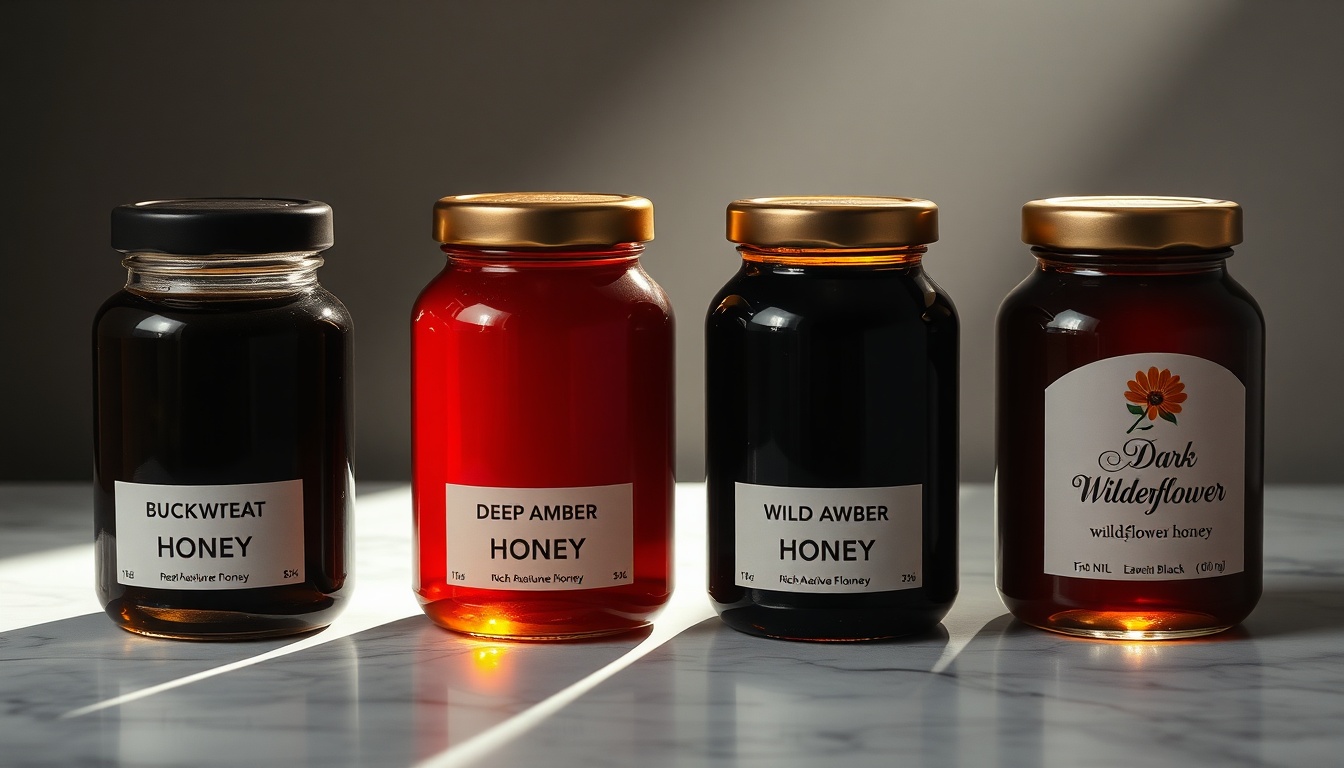
**What to look for:** Buy raw, unfiltered buckwheat honey from a reputable source. The color should be very dark amber to nearly black. If labeled "buckwheat honey" but looks light golden, it may be blended with lighter honeys. Check for a single-origin or varietal label rather than "buckwheat blend." Local beekeepers and specialty stores are the most reliable sources.
**Price range:** Expect $15-25/lb for quality raw buckwheat honey in 2026 — more than clover ($8-15/lb) or wildflower ($10-18/lb) but far less than manuka ($35-60+/lb). Given its superior antioxidant profile (ORAC 16,000+) compared to lighter honeys, the modest price premium is well-justified by nutritional value.
**Seasonality:** Buckwheat blooms mid-to-late summer in most regions. Fresh crop buckwheat honey is typically available from beekeepers in late August through October. However, properly stored honey doesn't degrade significantly — year-old buckwheat honey is still highly beneficial.
**Storage:** Like all raw honeys, store buckwheat honey at room temperature in an airtight container away from direct sunlight. It will crystallize over time (often faster than lighter honeys due to its glucose-to-fructose ratio), but this doesn't affect quality or benefits. See how to decrystallize honey safely.
**Authenticity:** Use the honey authenticity tests and label reading guide to verify quality. True buckwheat honey should taste strongly malty and slightly bitter — if it tastes like generic mild honey, it may be adulterated or mislabeled.
The Bottom Line
Buckwheat honey is one of the most well-researched and nutritionally potent honey varieties available. Its standout advantages are: superior antioxidant content (3-9x higher than lighter honeys), the strongest direct clinical evidence for cough suppression of any single honey variety, documented cardiovascular benefits including increased LDL oxidation resistance, and notably higher mineral content per serving.
The tradeoff is its bold, polarizing flavor — it's not for everyone, and it doesn't work in every culinary application. But for people who appreciate its robust taste or who are choosing honey primarily for health benefits, buckwheat honey offers measurably more bioactive compounds per tablespoon than lighter alternatives at a fraction of manuka's price.
Start with a small jar to test your palate preference. If the straight flavor is too intense, try it in coffee, on dark bread with cheese, or mixed with warm lemon water. You'll get maximum health benefit from a honey you actually enjoy eating regularly.
Buckwheat is also increasingly planted as a pollinator cover crop — it blooms rapidly (30-45 days from planting), produces abundant nectar, and supports bees during the critical late-summer nectar dearth when few other plants are flowering. During National Pollinator Week (June 22-28, 2026), purchasing buckwheat honey from local beekeepers creates direct economic incentive for farmers to continue planting this pollinator-supporting crop.