Consumer Guide9 min read

Linden Honey Benefits: The Calming Honey for Sleep, Immunity, and More

Discover the evidence-based benefits of linden (basswood/lime tree) honey — from its calming sedative properties and immune support to respiratory health, antioxidant content, and delicate floral flavor. Includes buying guide.

Published January 14, 2026 · Updated February 20, 2026
linden honeylinden honey benefitsbasswood honeylime tree honey

What Makes Linden Honey Special?

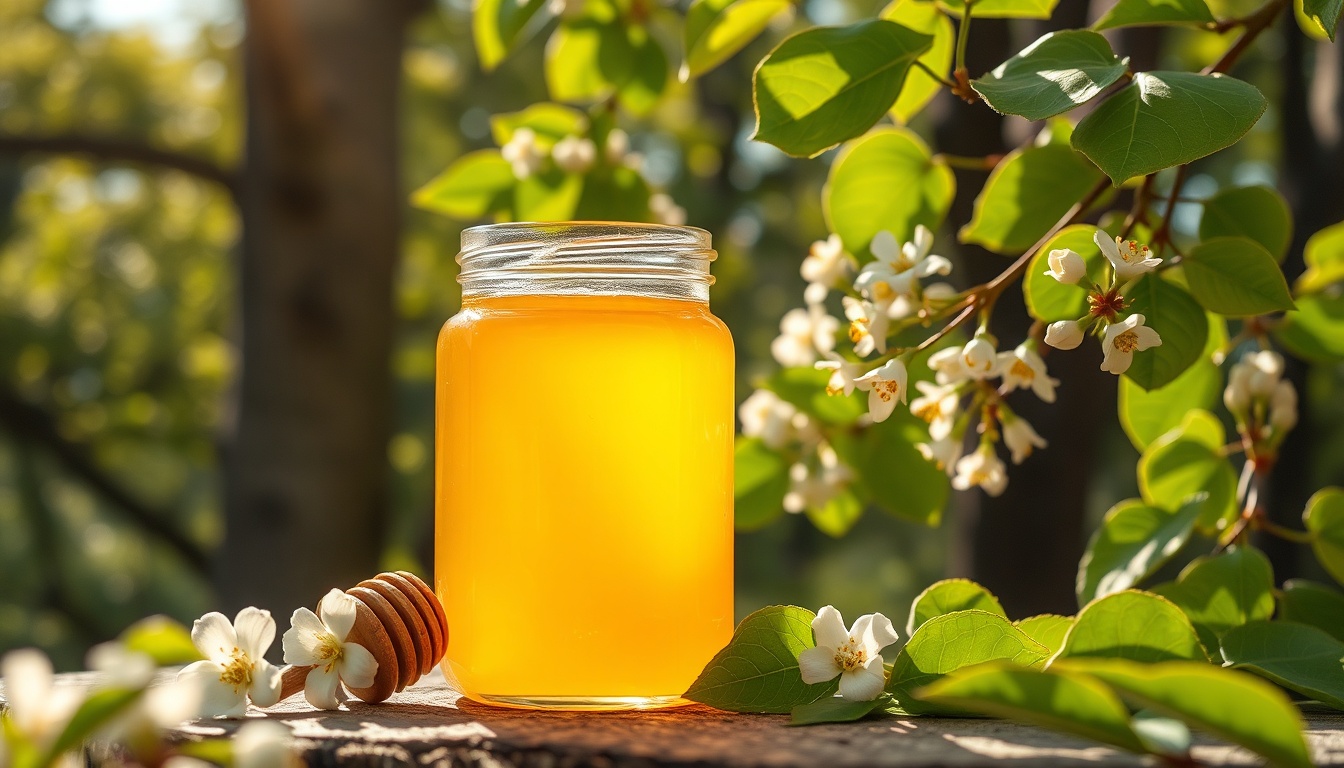
Linden honey — also called basswood honey (in North America), lime tree honey (in the UK), or tilleul honey (in France) — is produced from the fragrant blossoms of Tilia trees, a genus of about 30 species found across Europe, eastern North America, and parts of Asia. It's one of the most prized honeys in European apiculture, valued for its delicate floral flavor, pale golden color, and a distinctive reputation as a calming, sleep-promoting honey.

Linden trees produce an intense but brief nectar flow — typically just 2-3 weeks in late June or July — making pure linden honey relatively seasonal. Beekeepers in Germany, Poland, Romania, Hungary, Russia, and the American Midwest actively seek linden nectar flows because the resulting honey commands premium prices and has a devoted following, particularly in Central and Eastern Europe where linden flower tea has been used as a folk remedy for centuries.

What distinguishes linden honey from other varieties is its retained volatile compounds from linden blossoms — particularly farnesol, geraniol, linalool, and eucalyptol — which give it both its characteristic aroma and its mild sedative properties. These are the same compounds that make linden blossom tea (tilleul) a popular herbal remedy for anxiety and insomnia across Europe.

Calming and Sleep-Promoting Properties

Linden honey's most distinctive benefit is its calming, mildly sedative effect — a property that distinguishes it from most other honey varieties. This isn't just folklore: the bioactive compounds responsible have been identified and studied.

Linden blossoms contain farnesol, a sesquiterpene alcohol that modulates GABA-A receptors in the brain — the same receptors targeted by benzodiazepines and other sedative medications. A 2008 study in the Journal of Ethnopharmacology confirmed that linden flower extracts produced dose-dependent sedative and anxiolytic effects in animal models, mediated through GABAergic pathways. While the concentration in honey is lower than in concentrated extracts, multiple studies have detected farnesol and other volatile terpenes in linden honey at measurable levels.

The combination of these retained plant-derived sedative compounds with honey's own sleep-supporting mechanisms — liver glycogen replenishment (preventing cortisol-triggering nighttime drops) and tryptophan-to-melatonin pathway facilitation — makes linden honey a particularly effective choice for our honey before bed recommendations. Traditional use in Poland, Germany, and Russia specifically recommends linden honey in warm milk or chamomile tea before sleep.

A 2015 study in the journal Phytomedicine reviewed the anxiolytic evidence for linden preparations and concluded that the combined effect of farnesol, linalool, and other terpenes produces a clinically meaningful calming effect — not strong enough to replace prescription anxiolytics, but sufficient for mild-to-moderate sleep difficulty and everyday stress management. For people seeking natural alternatives for sleep support, linden honey represents one of the most evidence-informed choices available.

Pro Tip: For the best sleep-promoting effect, dissolve 1-2 tablespoons of raw linden honey in warm chamomile tea or warm milk 30-60 minutes before bed. The combination of linden's farnesol with chamomile's apigenin (another GABA-A modulator) creates a synergistic calming effect.

Immune Support and Antimicrobial Activity

Linden honey has demonstrated strong antimicrobial activity in laboratory studies, with effectiveness against both Gram-positive and Gram-negative bacteria. A 2012 study in the journal Food Chemistry tested 20 European monofloral honeys and found linden honey among the top performers for antimicrobial activity — on par with dark honeys despite its lighter color, which is unusual since antimicrobial strength typically correlates with darkness.

This anomaly is partially explained by linden honey's unique phenolic acid profile. While most honeys rely primarily on hydrogen peroxide generation for antimicrobial activity, linden honey contains high concentrations of p-coumaric acid, caffeic acid, and ellagic acid that provide additional non-peroxide antimicrobial mechanisms. A 2018 study in the Journal of Apicultural Research found that linden honey maintained significant antimicrobial activity even after catalase treatment (which destroys hydrogen peroxide), confirming these non-peroxide pathways.

For immune system support, linden honey also provides immunomodulatory polyphenols that enhance innate immune function. The tiliroside (a flavonoid glycoside characteristic of linden) has demonstrated immune-modulating effects in a 2017 study in Immunopharmacology and Immunotoxicology — enhancing macrophage phagocytic activity while preventing excessive inflammatory cytokine production. This balanced immune response is particularly valuable during cold and flu season where immune overreaction can cause as much damage as the infection itself.

Respiratory Health Benefits

Linden blossom preparations have been used for centuries across Europe as a remedy for coughs, bronchitis, and upper respiratory infections — and linden honey inherits some of these respiratory benefits. The European Medicines Agency (EMA) has officially recognized linden flower as a traditional herbal medicine for "relief of cold symptoms" based on long-established use.

The mucilage content in linden nectar — a polysaccharide that creates a soothing, gel-like consistency — transfers partially to the honey and provides additional throat-coating benefits beyond what other honeys offer. Combined with honey's proven cough-suppressing effects (confirmed by the 2021 BMJ meta-analysis of 14 studies), linden honey offers multi-mechanism respiratory support.

For sinus congestion, linden honey's anti-inflammatory polyphenols help reduce mucosal swelling while its antimicrobial activity targets common sinus pathogens. The diaphoretic (sweat-promoting) effect attributed to linden preparations in traditional European phytotherapy is also relevant — promoting mild perspiration during fevers supports the body's natural immune response.

A practical combination: linden honey with ginger and lemon in warm water creates a traditional European cold remedy that addresses multiple symptom pathways — linden's calming and mucilage-coating effects, ginger's anti-inflammatory and anti-nausea properties, and lemon's vitamin C and citric acid.

Antioxidant and Anti-Inflammatory Effects

Despite its relatively pale color, linden honey has surprisingly high antioxidant content. A 2014 study in the Journal of Food Science and Technology analyzed the antioxidant capacity of 18 monofloral honeys from Central Europe and found linden honey ranked third overall — behind chestnut and buckwheat but ahead of all other light-colored honeys tested. Its DPPH radical scavenging activity averaged 62.4%, compared to 38.2% for acacia and 41.7% for clover.

Linden honey's antioxidant profile is dominated by flavonoids — particularly tiliroside, quercetin, kaempferol, and naringenin — along with phenolic acids including p-coumaric acid and caffeic acid. Tiliroside is particularly noteworthy as it's relatively rare among honeys and has demonstrated specific anti-inflammatory effects: a 2013 study in Biochemical Pharmacology found tiliroside inhibited NF-κB activation and reduced iNOS expression, both key steps in the inflammatory cascade.

The quercetin content contributes to cardiovascular protection — the same flavonoid found in eucalyptus and chestnut honeys. A 2016 meta-analysis in the Journal of the American Heart Association found quercetin supplementation reduced blood pressure, and the 2022 Nutrition Reviews meta-analysis confirmed that honey consumption improves multiple cardiovascular markers including LDL cholesterol and CRP.

Kaempferol, another abundant flavonoid in linden honey, has demonstrated hepatoprotective effects in multiple studies — protecting liver cells from oxidative damage. A 2019 review in Pharmacological Research summarized evidence from 47 studies showing kaempferol's protective effects against alcoholic and non-alcoholic fatty liver disease. While the kaempferol dose from honey alone is modest, regular consumption contributes to cumulative dietary flavonoid intake.

Digestive Health Support

Linden honey contains the standard prebiotic oligosaccharides (FOS and GOS) found in all raw honeys, feeding beneficial Bifidobacterium and Lactobacillus species. Our honey and gut health guide covers these mechanisms in detail.

Linden honey has an additional digestive advantage through its anti-spasmodic properties. The farnesol and other terpenes that produce its calming effects also relax smooth muscle in the gastrointestinal tract — the same mechanism behind linden tea's traditional use for stomach cramps, bloating, and digestive discomfort in German and French phytotherapy. A 2006 study in Planta Medica confirmed that linden flower preparations reduced intestinal smooth muscle contractions in a dose-dependent manner.

For people dealing with stress-related digestive issues (where anxiety triggers gut symptoms via the gut-brain axis), linden honey's dual calming and digestive-soothing properties address both the psychological trigger and the physical symptom. The gut-brain axis research increasingly shows that calming the nervous system directly improves gut function, making linden honey's anxiolytic properties relevant to digestive health.

The anti-inflammatory polyphenols also support gut barrier integrity. For acid reflux and constipation, linden honey provides the same viscous mucosal coating and osmotic laxative effects as other honeys, with the added benefit of smooth muscle relaxation that may help with motility.

Flavor Profile and Culinary Uses

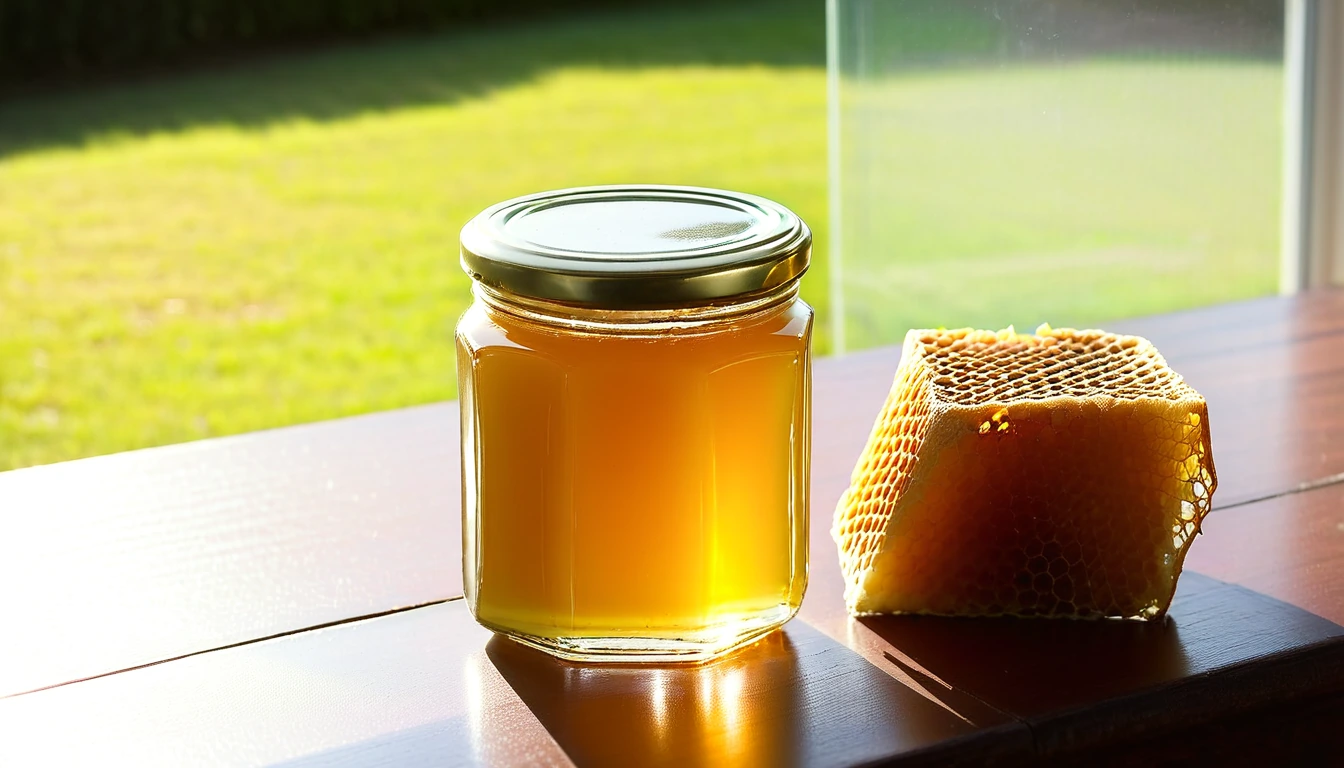
**Appearance:** Pale to light golden amber, sometimes with greenish-yellow tints when very fresh. One of the lighter premium honeys, comparable to acacia in color.

**Aroma:** Distinctly floral and aromatic — linden blossoms, fresh herbs, hint of mint, and a subtle woody-balsamic undertone. Often described as the most "perfumed" honey variety. The aroma is immediately recognizable and quite different from other light honeys.

**Taste:** Delicate yet complex. Opens with moderate sweetness and fresh floral notes, develops herbal mid-tones (faintly mentholated, like a distant echo of linden blossom tea), and finishes with a brief, pleasant bitterness and slight peppery warmth. Less sweet than clover, more complex than acacia, and much more delicate than buckwheat or chestnut.

**Crystallization:** Moderate to fast crystallization rate — typically granulates within 2-4 months into fine, creamy crystals with a spreadable texture. Many linden honey enthusiasts prefer the crystallized form. See our crystallization guide for details.

  • **Tea pairing:** The natural partner for chamomile, linden blossom, mint, and green tea — its delicate floral character enhances rather than overwhelms light teas
  • **Bedtime rituals:** In warm milk, chamomile tea, or golden milk for its calming properties
  • **Yogurt and breakfast:** Excellent drizzled over Greek yogurt, ricotta, fresh fruit, or granola — the floral notes complement dairy beautifully
  • **Cheese pairing:** Best with fresh, mild cheeses (ricotta, fresh mozzarella, young goat cheese, brie) where its delicate character isn't overpowered
  • **Desserts:** Pannacotta, crème brûlée, fruit tarts, and light pastries where you want floral honey flavor without heaviness
  • **Salad dressings:** Honey-mustard or honey-lemon vinaigrettes where its subtle complexity elevates simple greens

Linden Honey vs Other Varieties

**Linden vs Lavender:** Both are floral honeys with calming properties. Linden's sedative effects are more research-backed (farnesol GABA-A modulation), while lavender's calming properties come from retained linalool. Flavor-wise, linden is more herbal and complex; lavender is more perfumed and sweeter. Both are excellent choices for sleep support.

**Linden vs Acacia:** Both are light-colored and mild. Acacia has the lowest GI (32-35) and mildest flavor, making it best for diabetic considerations. Linden has higher antioxidant content despite similar color, plus unique calming properties. Linden crystallizes faster; acacia stays liquid longest.

**Linden vs Manuka:** Very different profiles. Manuka excels at wound care and topical antimicrobial applications (MGO). Linden excels at systemic calming, sleep support, and respiratory comfort. Manuka costs 5-10x more than linden. For daily health supplementation, linden offers excellent value.

**Linden vs Clover:** Clover is mild, sweet, and universally appealing — the everyday honey. Linden is more aromatic, complex, and therapeutically targeted. Clover is better for cooking and baking; linden shines in tea pairings and nighttime rituals.

**Linden vs Orange Blossom:** Both are floral and aromatic but from different flavor families. Orange blossom is citrusy and bright; linden is herbal and balsamic. Both have retained volatile compounds with calming properties — orange blossom's neroli vs linden's farnesol.

How to Choose Quality Linden Honey

Genuine monofloral linden honey is moderately rare due to the short bloom period and competition from other nectar sources. Here's how to ensure you're getting the real thing:

  • **Origin:** Central and Eastern Europe (Germany, Poland, Romania, Hungary, Czech Republic) produces the most renowned linden honeys. In North America, look for "basswood honey" from Wisconsin, Minnesota, Michigan, or Ontario — the American Midwest has significant Tilia americana populations
  • **Aroma test:** Genuine linden honey has an unmistakable floral-herbal-balsamic aroma. If it smells generically sweet, it's likely blended or mislabeled. The linden character should be immediately noticeable when you open the jar
  • **Color:** Should be pale golden to light amber. Very dark "linden honey" is almost certainly mislabeled or heavily blended with darker varieties
  • **Buy raw and unfiltered:** Processing destroys the volatile terpenes responsible for linden honey's unique calming properties. Pasteurized linden honey loses its distinctive character
  • **Price range:** $12-22 per pound for quality imported linden honey, $10-16 for domestic basswood honey. Premium single-origin European linden can run higher. Suspiciously cheap options may be diluted — see our honey authenticity guide
  • **Harvest date:** Linden blooms in June-July. Fresh linden honey (harvested that summer/fall) will have the strongest aroma and volatile compound content. Older stock gradually loses aromatic intensity

Safety and Considerations

Linden honey is safe for most people at normal dietary amounts. Its mild sedative properties are gentle — you won't feel drowsy from a tablespoon in morning tea — but they're worth noting for certain situations:

  • **Infants under 12 months:** Never give any honey to babies under 1 year due to infant botulism risk — see our baby honey safety guide
  • **Sedative medications:** If you take benzodiazepines, barbiturates, or other GABA-modulating sedatives, be aware that linden honey's farnesol could theoretically produce additive effects. The concentration is low, but mention it to your doctor if you consume large amounts regularly
  • **Surgery:** Discontinue regular linden honey consumption 1-2 weeks before scheduled surgery due to its mild blood-thinning and sedative properties
  • **Driving/machinery:** Normal amounts (1-2 tablespoons) are unlikely to cause noticeable drowsiness, but don't consume large quantities before activities requiring alertness
  • **Diabetes:** Moderate GI (similar to other light honeys, around 45-55). Acceptable in small amounts for well-controlled type 2 diabetes — see our daily dosing guide
  • **Allergies:** People with known Tilia (linden/lime tree) allergies should approach cautiously, though cross-reactivity with linden honey is uncommon

Frequently Asked Questions

What is linden honey good for?

Linden honey is best known for its calming and sleep-promoting properties — it contains farnesol and other terpenes from linden blossoms that modulate GABA-A receptors in the brain. It's also excellent for respiratory health (coughs, sore throats, colds), immune support, and general antioxidant protection. It ranks third in antioxidant content among European monofloral honeys despite its light color.

Does linden honey help you sleep?

Yes, linden honey is one of the best honey varieties for sleep support. It contains farnesol, a compound from linden blossoms that has demonstrated sedative effects through GABA-A receptor modulation. Combined with honey's liver glycogen replenishment and tryptophan-melatonin pathway facilitation, it provides triple-mechanism sleep support. Try 1-2 tablespoons in warm chamomile tea 30-60 minutes before bed.

What does linden honey taste like?

Linden honey has a delicate, complex flavor — moderately sweet with distinctive floral notes, herbal mid-tones (faintly mentholated, like a subtle echo of linden blossom tea), a brief pleasant bitterness, and slight peppery warmth at the finish. It's more aromatic and complex than clover or acacia but much more delicate than buckwheat or chestnut.

Is linden honey the same as basswood honey?

Yes, linden honey and basswood honey are the same product from the same genus of trees (Tilia). "Basswood" is the common name used in North America (from Tilia americana), while "linden" is used in European English. It's also called lime tree honey in the UK and tilleul in France.

Why is linden honey so expensive?

Linden trees bloom for only 2-3 weeks per year (typically late June/July), creating a very narrow harvest window. Weather conditions during this brief period dramatically affect yield — a single rainy week can ruin the entire linden honey crop. Combined with high demand (especially in Central Europe where it's culturally treasured), this scarcity drives premium pricing of $12-22 per pound.

Does linden honey crystallize?

Yes, linden honey crystallizes relatively quickly — typically within 2-4 months — into fine, creamy crystals. Many connoisseurs prefer it crystallized as the texture becomes spreadable and the flavor mellows. To decrystallize, gently warm in water under 110°F/43°C to preserve the volatile compounds.

RHG

Raw Honey Guide Editorial Team

Reviewed by certified beekeepers and apiculture specialists. Our editorial team consults with professional beekeepers, food scientists, and registered dietitians to ensure accuracy.

Expert ReviewedFact Checked

Last updated: 2026-02-20