Why Honey and Ginger Is a Powerhouse Combination
Honey and ginger is one of the oldest and most widely used herbal combinations in the world. It appears in Traditional Chinese Medicine, Ayurvedic practice, Southeast Asian folk remedies, and Caribbean bush medicine — cultures separated by thousands of miles that independently arrived at the same pairing.
The reason is not mysterious: ginger (Zingiber officinale) contains gingerols and shogaols — potent bioactive compounds with anti-inflammatory, anti-nausea, and antimicrobial properties. Raw honey brings its own arsenal of polyphenols, hydrogen peroxide generation, prebiotic oligosaccharides, and soothing viscosity. Together, they address a wider range of symptoms through complementary mechanisms than either ingredient alone.
Modern clinical research has validated many of these traditional uses. This guide covers what the science actually supports, what remains unproven, and how to make the most of this combination in your daily routine.
7 Evidence-Based Benefits of Honey and Ginger
Several benefits of this combination have genuine clinical support.
- Nausea and motion sickness relief — This is ginger's strongest clinical evidence. A 2020 meta-analysis in the Journal of the Academy of Nutrition and Dietetics analyzing 12 RCTs found that ginger significantly reduced nausea severity and vomiting episodes, particularly for pregnancy-related morning sickness and postoperative nausea. The mechanism involves ginger's 6-gingerol and 6-shogaol binding to 5-HT3 serotonin receptors in the gut, the same receptor family targeted by prescription anti-nausea medications. Honey adds palatable sweetness that makes ginger more tolerable when you are already nauseous, and its glucose provides gentle energy when eating is difficult.
- Anti-inflammatory synergy — Ginger's gingerols inhibit COX-2 and 5-lipoxygenase enzyme pathways (similar targets to ibuprofen), while honey's polyphenols suppress the NF-kB inflammatory master switch through a different mechanism. A 2020 systematic review in Phytotherapy Research found that ginger supplementation significantly reduced C-reactive protein and IL-6 inflammatory markers. The 2022 Nutrition Reviews meta-analysis found honey also reduced CRP in 18 clinical trials. Together, they target inflammation through complementary pathways — an approach pharmacologists call "multi-target therapy."
- Sore throat and cough support — Honey is a traditional remedy for upper respiratory symptoms. A 2020 BMJ Evidence-Based Medicine review found honey superior to usual care for cough frequency and severity. Ginger adds a warming, throat-clearing sensation from its phenolic compounds and may help reduce throat inflammation. The combination in warm water creates a soothing drink that addresses both the symptom (cough) and the underlying irritation.
- Digestive health — Ginger is a documented prokinetic agent, meaning it speeds gastric emptying. A 2018 Food Science and Nutrition systematic review confirmed ginger accelerates gastric emptying in both healthy volunteers and patients with dyspepsia. This helps with bloating, nausea, and post-meal discomfort. Honey adds prebiotic oligosaccharides that feed beneficial gut bacteria. The combination supports digestion from multiple angles: faster mechanical processing (ginger) and better microbial environment (honey).
- Immune system support — Ginger's gingerols stimulate macrophage and natural killer cell activity, enhancing innate immune response. Honey contributes its own immune benefits: hydrogen peroxide production, antimicrobial peptides (bee defensin-1), and the documented ability to inhibit over 60 bacterial species including antibiotic-resistant strains. During cold and flu season, the combination provides broader immune coverage than either ingredient alone.
- Blood sugar regulation — Ginger shows promise for glycemic control. A 2019 Critical Reviews in Food Science and Nutrition meta-analysis of 10 RCTs found ginger supplementation significantly reduced fasting blood glucose and HbA1c in people with type 2 diabetes. Honey's GI varies by variety — acacia is ~32 (well below sugar's GI 65), while common clover honey averages ~69 (Ischayek & Kern 2006, slightly above sugar). The 2022 meta-analysis found honey reduced fasting glucose compared to control sweeteners. Together, they offer a mildly sweet remedy that may modestly support blood sugar management.
- Pain and muscle soreness — A 2015 meta-analysis in Pain Medicine found that ginger reduced muscle pain after exercise (DOMS) compared to placebo. The gingerols' COX-2 inhibition mimics the mechanism of anti-inflammatory painkillers. Honey's antioxidants help neutralize the reactive oxygen species generated during intense exercise, supporting athletic recovery. Some athletes use ginger-honey drinks as a natural post-workout recovery aid.
Get the Honey Buyer's Cheat Sheet (free PDF)
16 varieties on one page — color, flavor, best use and what a fair price looks like — from the 268 honeys we track.
What Honey and Ginger Cannot Do
As with any natural remedy, some claims go beyond the evidence.
- It will not cure cancer — Ginger and honey both show anti-cancer activity in cell studies. But petri dish results rarely translate to clinical outcomes. There are no human trials showing that drinking ginger-honey tea prevents or treats cancer.
- It will not replace prescription medications — For conditions like diabetes, high blood pressure, chronic pain, or diagnosed digestive disorders, honey and ginger may complement treatment but cannot replace prescribed medications. Always work with your healthcare provider.
- It will not "boost metabolism" for rapid weight loss — While ginger may have a mild thermogenic effect (a 2012 Metabolism study found it increased diet-induced thermogenesis by about 43 calories), this is too small to cause meaningful weight loss without dietary changes.
- It will not "detox" your liver or body — Your liver and kidneys detoxify your body continuously. No food or drink accelerates this process. Ginger and honey support overall health, but detox claims are marketing, not science.
Pro Tip
The genuine benefits of honey and ginger — nausea relief, anti-inflammatory effects, sore throat support, digestive aid, and immune support — are substantial enough without needing to inflate the claims.
Best Honey Types for Ginger Recipes
The type of honey you choose affects both flavor balance and health benefits. Ginger has a bold, spicy flavor that pairs differently with various honeys.
- Wildflower honey ($10-18/lb) — The best all-purpose match. Complex flavor from diverse floral sources complements ginger's spice without overwhelming it. Strong antioxidant profile and widely available at farmers markets and grocery stores.
- Buckwheat honey ($15-25/lb) — Dark honeys like buckwheat have 3-9x more antioxidants than light varieties (ORAC 16,000+). The robust, molasses-like flavor stands up to ginger's intensity, creating a bold, warming drink. Particularly good for nighttime cough remedies where maximum antioxidant delivery matters.
- Manuka honey (UMF 10+, $35-60+/lb) — Adds methylglyoxal antibacterial potency for when you are actively fighting a cold or infection. The earthy, medicinal flavor pairs naturally with ginger. Premium choice for immune support during illness.
- Acacia honey ($12-20/lb, GI ~32) — Light and delicate, acacia lets the ginger flavor dominate. Best if you want a strongly ginger-forward drink. Also ideal for ginger-honey stir-fry sauces where you want sweetness without strong honey flavor. Lowest glycemic index of common varieties.
- Orange blossom honey ($12-20/lb) — Citrusy and floral notes create a particularly pleasant contrast with ginger's warmth. Excellent in iced ginger-honey drinks and cocktails. A lighter option that adds complexity without heaviness.
- Clover honey ($8-15/lb) — America's most popular honey and the most affordable raw option. Mild, clean sweetness that lets ginger be the star. Best choice for daily ginger tea on a budget.
Pro Tip
Always use raw, unprocessed honey — pasteurized honey has lost the enzymes (glucose oxidase, diastase) and many polyphenols that make this combination effective. If your honey has crystallized, warm ginger tea will dissolve it perfectly.
5 Honey and Ginger Recipes for Every Occasion
From simple daily teas to concentrated remedies, these recipes cover the full range of uses.
1. Classic Honey-Ginger Tea
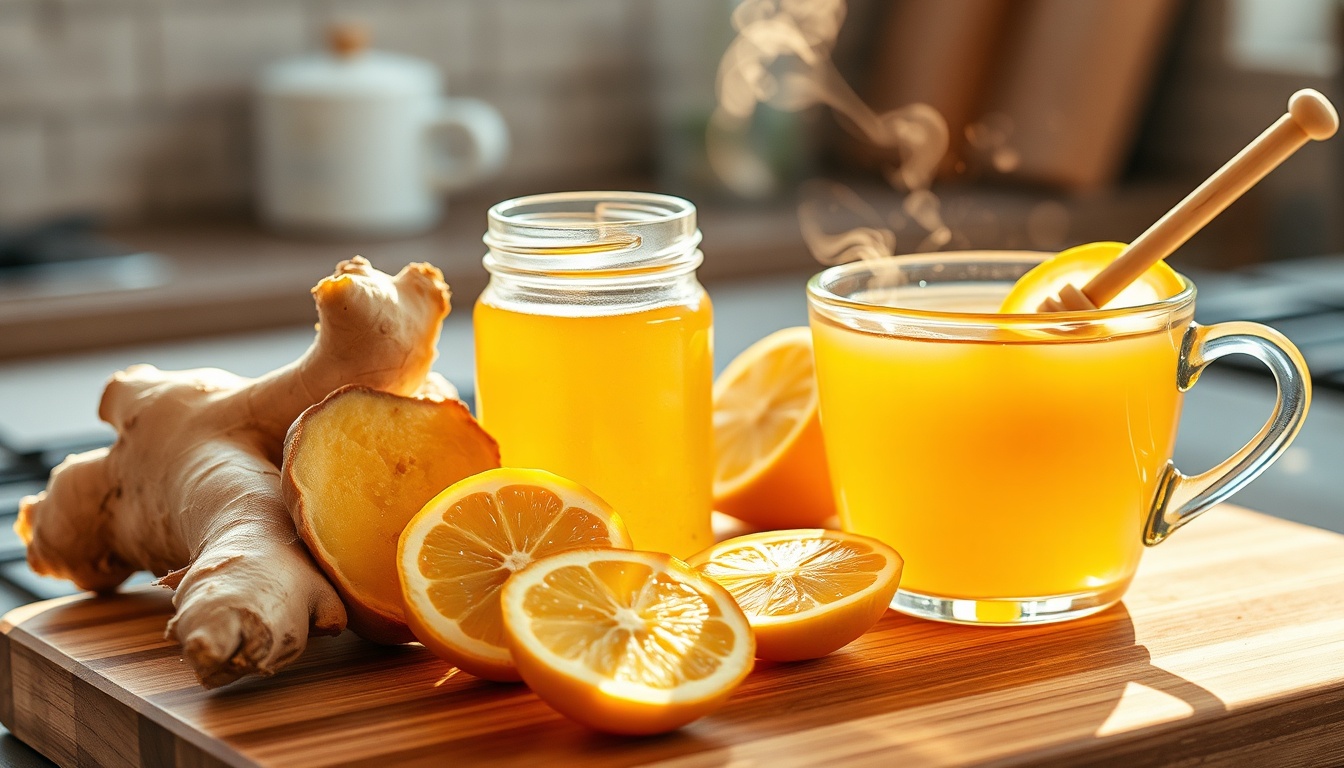
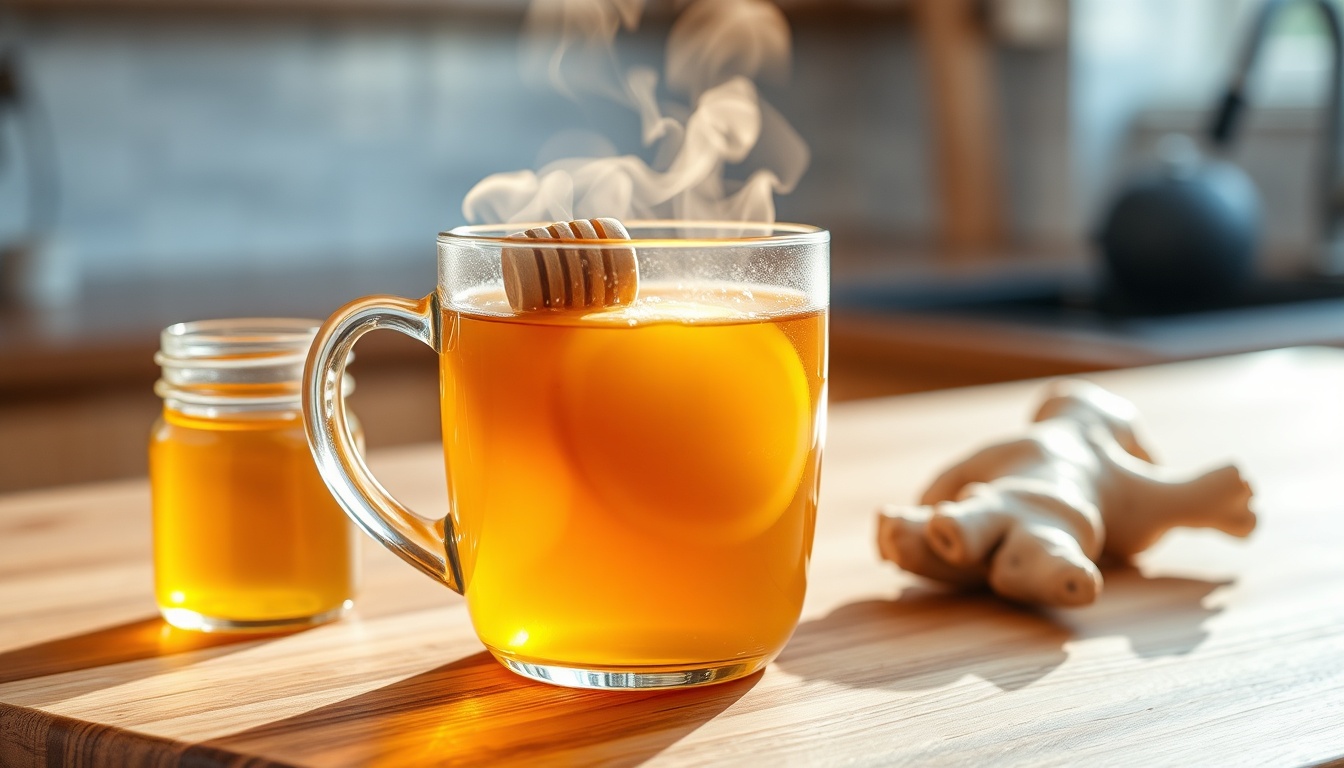
The foundation recipe. Slice a 1-inch piece of fresh ginger into thin coins (no need to peel if organic). Place in a mug and pour 10 oz of hot water (just below boiling). Steep for 5-7 minutes — longer for stronger ginger flavor. Remove ginger pieces, let the water cool slightly to 140-160°F, then stir in 1 tablespoon of raw honey.
Best for: daily wellness, morning routine, cold prevention. Drink 1-3 cups throughout the day during cold season. The warmth helps with sinus congestion and the steam clears nasal passages.
Pro Tip
For stronger ginger flavor, grate the ginger instead of slicing it — grating releases more juice and volatile oils. For a milder tea, use sliced ginger and steep for only 3 minutes.
2. Honey-Ginger Nausea Remedy
A more concentrated preparation for active nausea. Grate 2 inches of fresh ginger into 6 oz of warm water. Let sit for 3 minutes, then strain through a fine mesh sieve or cheesecloth. Stir in 2 teaspoons of raw honey — clover or acacia work best here since their mild flavor won't compete with ginger's intensity. Sip slowly — do not gulp, as rapid fluid intake can worsen nausea.
This concentrated version delivers a higher dose of gingerols per sip. Safe during pregnancy for morning sickness (ginger is one of the few evidence-based natural remedies for pregnancy nausea). Also effective for motion sickness — prepare in a thermos before car or boat trips.
3. Honey-Ginger-Turmeric Golden Milk
Combine 1 cup of warm milk (dairy or plant-based), 1 teaspoon of grated fresh ginger, 1/2 teaspoon of turmeric powder, a pinch of black pepper (enhances curcumin absorption by 2,000%), and 1 tablespoon of raw honey. Heat gently (do not boil) and whisk until frothy.
Golden milk is a traditional Ayurvedic preparation that combines multiple anti-inflammatory ingredients. The ginger and turmeric target different inflammatory pathways (COX-2 and NF-kB respectively), the black pepper makes turmeric bioavailable, and the honey adds sweetness plus its own anti-inflammatory polyphenols. An excellent pre-bed drink for relaxation and joint support.
4. Honey-Ginger Stir-Fry Sauce
Not just for drinks. Whisk together 3 tablespoons of raw honey, 2 tablespoons of soy sauce (or tamari for gluten-free), 1 tablespoon of rice vinegar, 2 teaspoons of freshly grated ginger, 2 minced garlic cloves, and 1 teaspoon of sesame oil. Use as a stir-fry sauce for chicken, tofu, shrimp, or vegetables.
This sauce yields enough for 2-3 servings. The honey caramelizes at high heat, creating a glossy glaze. Ginger's volatile oils survive brief high-heat cooking, maintaining their bioactivity. Toss with broccoli, bell peppers, and snap peas over rice for a 20-minute weeknight dinner.
5. Honey-Ginger Throat Soothing Syrup
A concentrated remedy for persistent cough and sore throat. Combine 1/2 cup raw honey (preferably buckwheat $15-25/lb for ORAC 16,000+ antioxidants, or manuka UMF 10+ $35-60+ for maximum antimicrobial effect), the juice of 1 lemon, and 3 tablespoons of freshly grated ginger juice (grate and squeeze through cheesecloth). Stir well and store in a glass jar in the refrigerator.
This syrup can be taken by the spoonful for cough or sore throat. The thick honey coats the throat (demulcent effect), ginger's gingerols provide warming relief, and lemon adds vitamin C. This concentrated syrup delivers more bioactive compounds per dose than diluted tea. Never give honey, including this syrup, to children under 12 months due to infant botulism risk.
Pro Tip
For extra potency, add 10-15 drops of propolis tincture to the syrup. Propolis's CAPE compound inhibits NF-kB inflammation and has strong antimicrobial activity against respiratory pathogens.
How Much Ginger Is Safe?
Most studies showing benefits used 1-3 grams of ginger daily (roughly 1-2 inches of fresh ginger root). Up to 4 grams per day is considered safe for adults.
- Fresh ginger — Sliced or grated into tea, food, or drinks; most people use a small amount, a few thin slices or about a teaspoon grated, per serving.
- Dried ginger powder — Dried ginger is more concentrated than fresh, roughly 6x by weight, so use proportionally less than you would fresh ginger.
- Pregnancy — Ginger is well-studied for pregnancy-related nausea, and the American College of Obstetricians and Gynecologists lists it as a first-line non-pharmacological option. Ask your OB-GYN about an amount that is appropriate for you.
- Children 2-6 years — Use only small amounts, as ginger can cause stomach upset in young children, and check with your pediatrician first. Never give honey to children under 12 months.
- Before surgery — Stop ginger supplementation 2 weeks before scheduled surgery, as it may affect blood clotting. Dietary amounts (cooking with ginger) are generally fine.
Safety Considerations
Honey and ginger is safe for most adults, but there are exceptions.
- Blood thinners (warfarin, aspirin, heparin) — Ginger has mild antiplatelet effects. While dietary amounts are generally safe, therapeutic doses of ginger supplements combined with anticoagulants may increase bleeding risk. Consult your doctor.
- Gallstones — Ginger stimulates bile production. People with gallstones should use ginger cautiously, as increased bile flow can trigger gallbladder attacks.
- Blood sugar medications — Both ginger and honey affect blood sugar. If you take insulin or metformin, monitor glucose levels closely and discuss with your doctor. The combination may enhance the glucose-lowering effect of medications.
- Acid reflux — Some people find ginger improves reflux symptoms (by speeding gastric emptying), while others find it worsens heartburn. Start with small amounts and observe your response.
- Children under 12 months — Never give honey to infants due to botulism risk. Ginger tea without honey is acceptable for babies over 6 months in small amounts.
- Pregnancy and breastfeeding — Ginger for morning sickness is well-studied and considered safe at recommended doses. Honey is safe during pregnancy. However, very high ginger doses (above 4g daily) are not studied in pregnancy and should be avoided.
Honey and Ginger vs. Other Honey Combinations
How does this pairing stack up against other popular honey remedies?
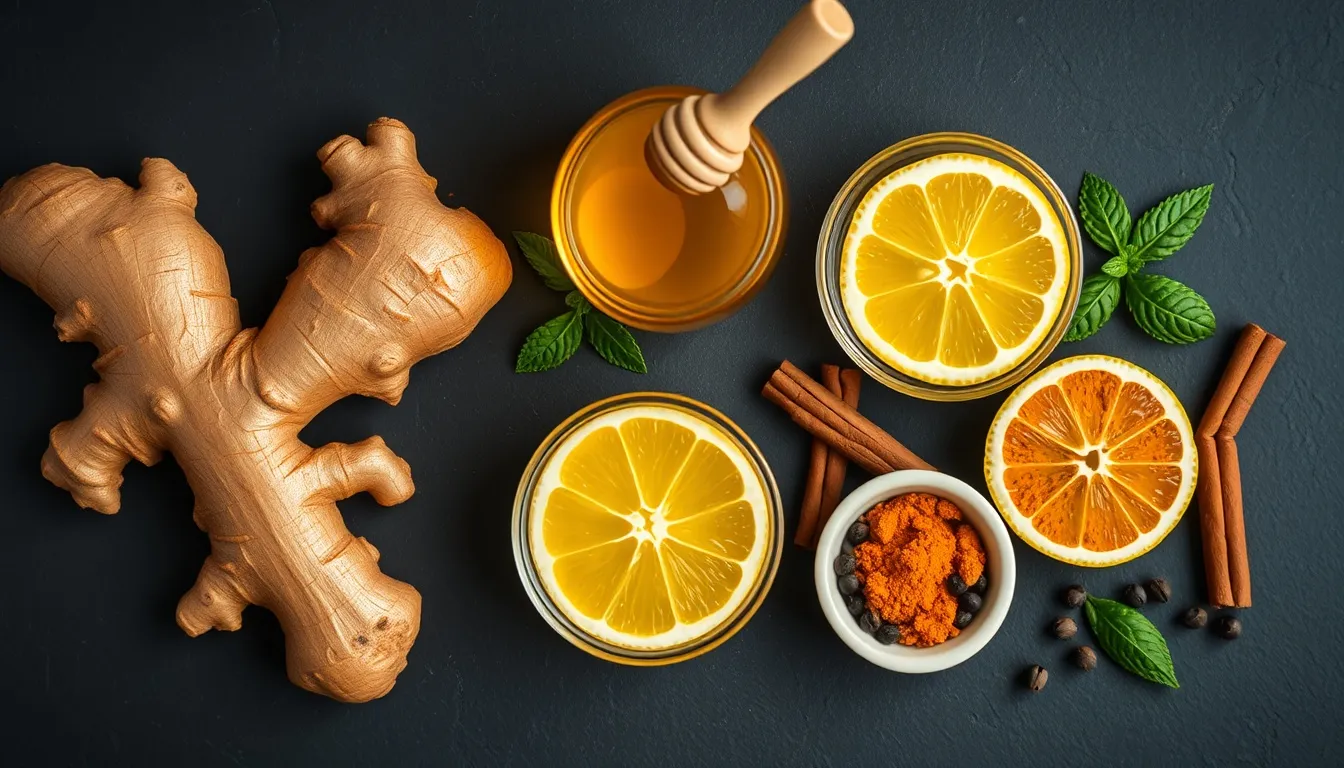
- Honey and ginger vs. honey and lemon — Lemon provides vitamin C and pleasant acidity. Ginger provides anti-nausea and stronger anti-inflammatory effects. For nausea and joint pain, choose ginger. For sore throats and daily hydration, lemon is simpler. Best: combine all three for the classic honey-lemon-ginger tonic.
- Honey and ginger vs. honey and cinnamon — Cinnamon's cinnamaldehyde offers blood sugar regulation and oral health benefits. Ginger's gingerols offer anti-nausea, prokinetic, and anti-inflammatory effects. For blood sugar, cinnamon has slightly stronger evidence. For digestive motility and nausea, ginger wins.
- Honey and ginger vs. honey and apple cider vinegar — ACV adds acetic acid for blood sugar management and satiety. Ginger adds anti-nausea and warming comfort. ACV is harsher on the stomach; ginger is generally gentler. For blood sugar, ACV has more clinical evidence. For overall comfort and versatility, ginger is preferable.
- Honey and ginger vs. honey water — Plain honey water is the simplest option for daily hydration. Adding ginger transforms it into a functional remedy with anti-inflammatory, digestive, and immune benefits. The extra effort of slicing ginger is worth it when you want therapeutic effects.