Why Honey and Apple Cider Vinegar Is So Popular
The honey and apple cider vinegar (ACV) combination is one of the most searched home remedies on the internet. Proponents claim it can do everything from curing diabetes to melting belly fat. The reality is more nuanced — but there is genuine science behind several of the benefits.
Apple cider vinegar is made by fermenting crushed apples twice: first into alcohol, then into acetic acid by Acetobacter bacteria. The "mother" — that cloudy sediment in unfiltered ACV — contains beneficial bacteria, enzymes, and proteins. When combined with raw honey and its own enzymes, polyphenols, and prebiotic compounds, you get a drink with multiple bioactive components acting through different mechanisms.
This guide separates the evidence-based benefits from the marketing hype, explains optimal dosing, and provides practical recipes for daily use.
6 Evidence-Based Benefits of Honey and Apple Cider Vinegar
While many claims are exaggerated, several benefits have genuine clinical support when the two ingredients are used together.
- Blood sugar regulation — This is the most well-studied benefit of ACV. A 2019 meta-analysis in the Journal of Clinical Nutrition (ESPEN) analyzing 11 randomized controlled trials found that vinegar consumption significantly reduced fasting blood glucose and HbA1c levels. The acetic acid in ACV slows gastric emptying and inhibits disaccharidase enzymes in the small intestine, reducing the speed at which carbohydrates are broken down into glucose. Honey contributes additional support: a 2022 Nutrition Reviews meta-analysis of 18 RCTs found that honey consumption reduced fasting blood glucose compared to control sweeteners. Together, the combination may offer modest blood sugar benefits when consumed before carbohydrate-heavy meals.
- Digestive support — ACV's acetic acid stimulates digestive enzyme production and bile flow, potentially improving nutrient absorption. Honey adds prebiotic oligosaccharides (fructo-oligosaccharides and galacto-oligosaccharides) that selectively feed beneficial Bifidobacterium and Lactobacillus species. A 2018 study in the Journal of Food Science found that the combination of acetic acid and prebiotics created a more favorable gut environment than either alone. The ACV mother itself may contain probiotics, though the colony counts are modest compared to fermented foods like yogurt or kefir.
- Antimicrobial synergy — Both honey and ACV have independent antimicrobial properties. Honey produces hydrogen peroxide via the enzyme glucose oxidase, and manuka honey adds methylglyoxal (MGO). ACV's acetic acid disrupts bacterial cell membranes. A 2018 Scientific Reports study found that apple cider vinegar showed antimicrobial activity against E. coli, S. aureus, and Candida albicans at clinically relevant concentrations. When combined with honey's antibacterial properties, the two create a broader-spectrum antimicrobial effect.
- Anti-inflammatory potential — Honey's polyphenols (chrysin, quercetin, kaempferol) inhibit the NF-kB inflammatory pathway and suppress COX-2 enzyme expression. ACV's acetic acid has been shown in animal studies to reduce TNF-alpha and IL-6 inflammatory markers. While direct clinical trials on the combination are limited, both ingredients independently show anti-inflammatory activity through complementary pathways. The combination is particularly popular among people managing joint stiffness and mild arthritis symptoms.
- Satiety and modest weight support — A 2018 Journal of Functional Foods study found that ACV consumption with a meal reduced calorie intake over the rest of the day by approximately 200-275 calories, likely through delayed gastric emptying and increased satiety signaling. Honey's GI varies by variety — acacia ~32 (well below sugar's GI 65), common clover ~69 (slightly above sugar). Fructose-rich varieties like acacia produce a more gradual blood sugar curve, which may reduce cravings. This is not "fat burning" — it is modest appetite regulation. See our full analysis of honey for weight loss.
- Cardiovascular markers — A 2021 systematic review in BMC Complementary Medicine and Therapies found that vinegar consumption modestly reduced total cholesterol and triglycerides. Honey independently has shown blood pressure benefits through nitric oxide production and potassium content. The combination may support cardiovascular health through multiple pathways, though more research on the specific pairing is needed.
Get the Honey Buyer's Cheat Sheet (free PDF)
16 varieties on one page — color, flavor, best use and what a fair price looks like — from the 268 honeys we track.
What Honey and ACV Cannot Do: Myths Debunked
The internet is full of exaggerated claims. Here is what the evidence does not support.
- It will not "detox" or "cleanse" your body — Your liver and kidneys handle detoxification. No drink removes "toxins" from your system. ACV and honey support digestive health, but they are not a detox.
- It will not cure cancer — Some in-vitro studies show vinegar can kill cancer cells in a petri dish. So can bleach. There is zero clinical evidence that drinking ACV with honey prevents or treats cancer.
- It will not melt belly fat — The modest appetite-suppressing effect of ACV may reduce overall calorie intake, but neither ingredient targets fat cells directly. Weight management still requires a calorie deficit through diet and exercise.
- It will not replace diabetes medication — While both ingredients may modestly improve blood sugar markers, they are not a substitute for prescribed medication. People with diabetes should discuss ACV with their doctor, especially since it can interact with insulin and metformin.
- It will not "alkalize" your body — Despite popular claims, no food meaningfully changes blood pH (tightly regulated at 7.35-7.45 by your kidneys and respiratory system). ACV is acidic (pH 2-3), and honey is mildly acidic (pH 3.5-5.5).
Pro Tip
The real benefits of honey and ACV are modest but genuine: blood sugar support, digestive health, antimicrobial properties, and mild appetite regulation. These are worthwhile without needing to inflate the claims.
Honey and Vinegar: Evidence and Safety
Food-use boundary — Evidence does not establish a honey and vinegar treatment schedule, and vinegar can cause gastrointestinal and dental harm.
- Vinegar study methods do not establish a honey-and-vinegar treatment plan; vinegar can also irritate the digestive tract and teeth.
- This comparison does not establish a recommended daily honey serving. Use the daily added-sugar guide to count honey with other added or free sugars.
- Water — Dilute in at least 8 oz (240 mL) of water. Warm water (140-160°F / 60-70°C) helps dissolve honey and is easier on the stomach than cold. Never use boiling water, which destroys honey's heat-sensitive enzymes.
- Timing — Evidence does not establish a honey and vinegar schedule for blood sugar, digestion, or sleep; vinegar can also irritate the esophagus and teeth.
- Frequency — Once or twice daily is sufficient. More is not better — excessive ACV can cause hypokalemia (low potassium) and interact with medications.
Best Honey Types for ACV Drinks
The type of honey you choose affects both flavor and health benefits. ACV has a strong, pungent taste, so honey choice matters for palatability.
- Wildflower honey ($10-18/lb) — Best all-purpose choice. Complex flavor from diverse floral sources stands up well to ACV's acidity. Rich polyphenol profile and widely available. Our top recommendation for daily ACV drinks.
- Manuka honey (UMF 10+, $35-60+/lb) — Premium option that adds methylglyoxal antibacterial power on top of ACV's antimicrobial acetic acid. Best for immune support and sore throats. The strong, earthy flavor complements rather than clashes with ACV.
- Buckwheat honey ($15-25/lb, ORAC 16,000+) — Dark honeys like buckwheat contain 3-9x more antioxidants than light varieties. The bold, molasses-like flavor masks ACV's harshness better than delicate honeys. Ideal for maximizing antioxidant intake.
- Acacia honey ($12-20/lb, GI ~32) — Mild and light, acacia lets the ACV flavor dominate. Best choice if you prefer a less sweet drink or want to taste the apple cider vinegar. Lowest glycemic index of common varieties and rarely crystallizes.
- Clover honey ($8-15/lb) — America's most affordable raw honey. Clean, mild sweetness balances ACV without competing. Best budget option for daily use.
- Local raw honey — Available at local beekeepers and farmers markets, local honey supports area beekeepers and provides region-specific polyphenols. Some people prefer it during allergy season, though evidence for allergy relief is mixed.
Pro Tip
Always choose raw, unfiltered ACV with the "mother" (the cloudy sediment) and raw, unprocessed honey. Pasteurized or highly filtered versions of either ingredient have reduced bioactive compounds.
5 Honey and Apple Cider Vinegar Recipes
These recipes make the daily ACV-honey routine more enjoyable and versatile.
1. Classic Morning Tonic
The foundational recipe. Heat 8-10 oz of water to 140-160°F (60-70°C). Stir in 1 tablespoon of raw honey until dissolved, then add 1-2 tablespoons of raw apple cider vinegar. Stir and drink through a straw to protect tooth enamel.
Best for: daily wellness, blood sugar support before breakfast, digestive kickstart. Drink 15-20 minutes before your first meal for maximum benefit.
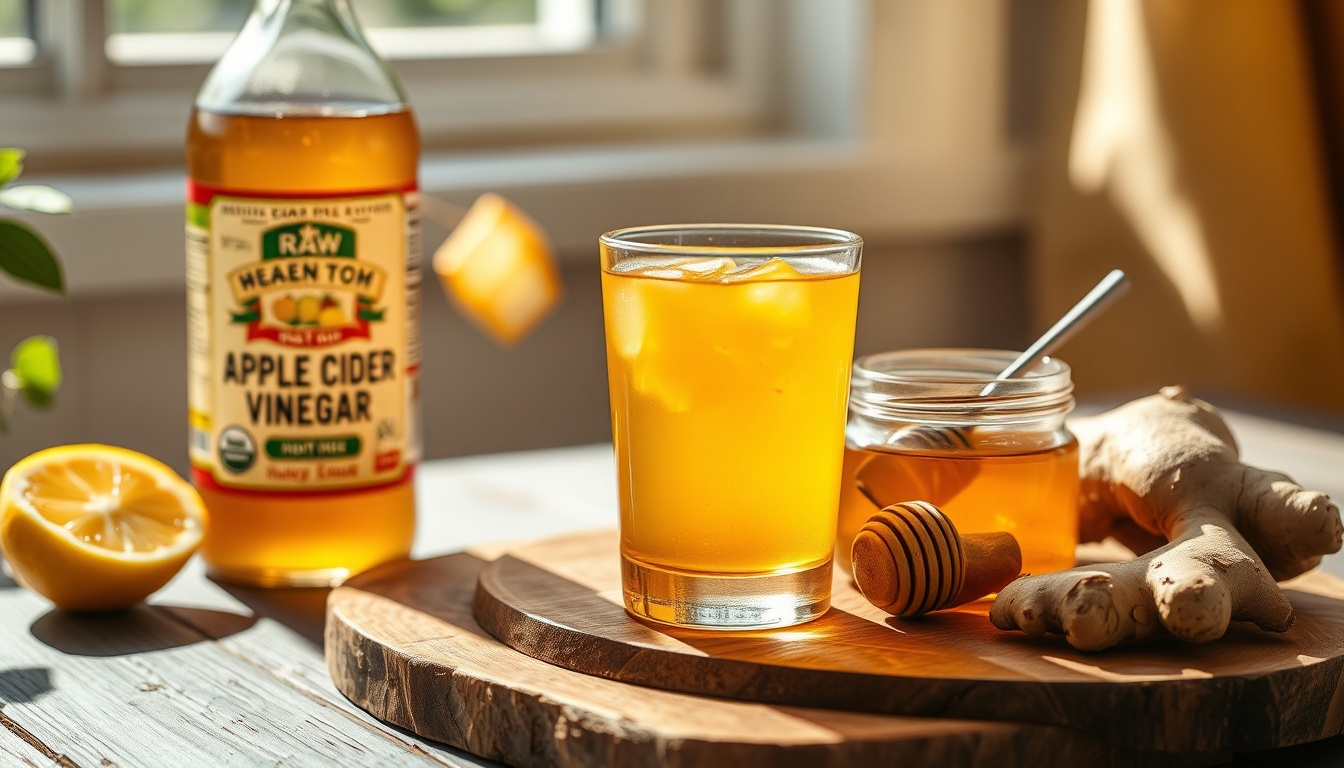
2. Honey-ACV Immune Booster with Ginger
Steep 1 inch of sliced fresh ginger in 10 oz of hot water for 5-7 minutes. Remove ginger, stir in 1 tablespoon of raw honey and 1 tablespoon of ACV. Add a pinch of cayenne pepper and squeeze of lemon for extra potency.
Ginger adds gingerols and shogaols — anti-inflammatory compounds that complement both honey's anti-inflammatory polyphenols and ACV's acetic acid. Particularly effective during cold and flu season.
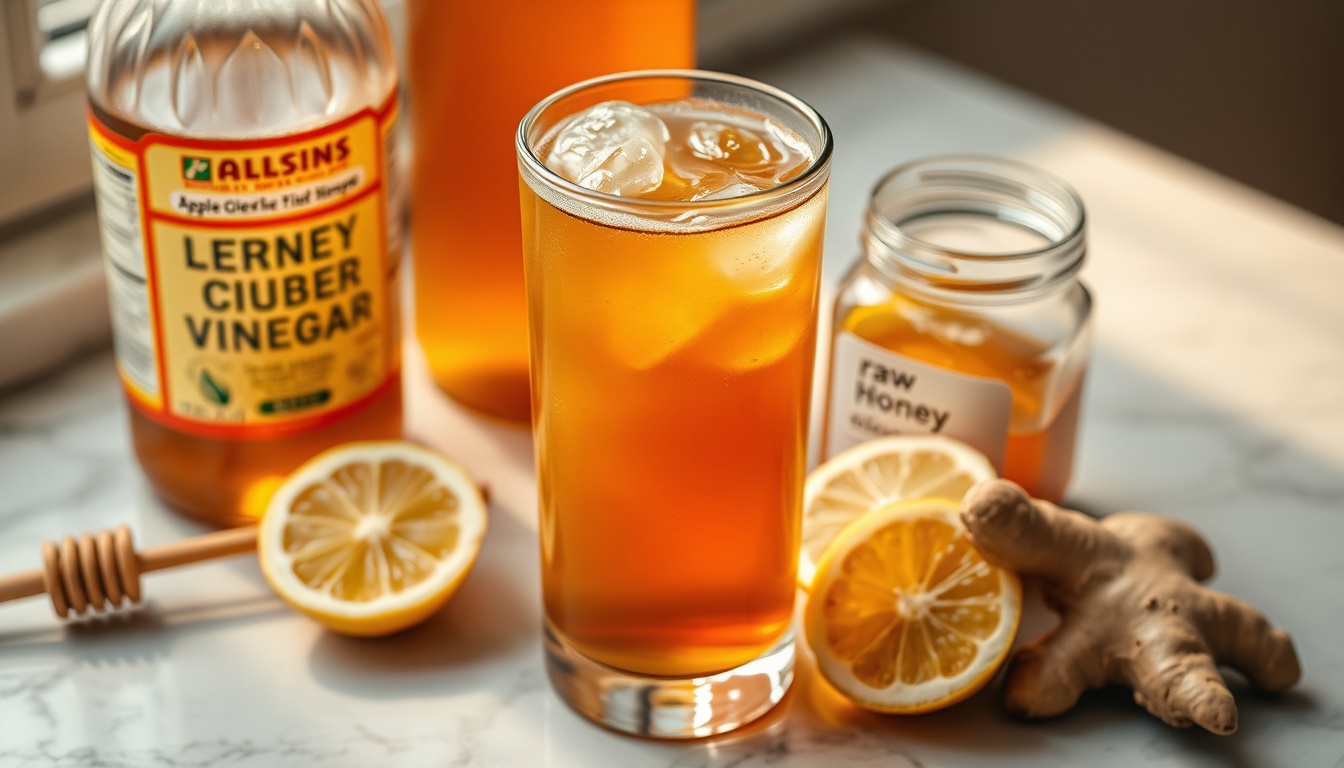
3. Iced ACV-Honey Refresher
For warm weather: dissolve 1 tablespoon of honey in 3 oz of warm water. Add 1 tablespoon of ACV and the juice of half a lemon. Pour over a glass of ice, top with 8 oz of cold sparkling water, and garnish with mint.
The carbonation makes this surprisingly pleasant — it tastes like a tart, slightly sweet sparkling drink. Much better than sweetened sodas and provides all the benefits of the classic tonic in a refreshing format.
4. Honey-ACV Salad Dressing
Not just for drinks. Whisk together 3 tablespoons olive oil, 2 tablespoons raw ACV, 1 tablespoon honey, 1 teaspoon Dijon mustard, 1 minced garlic clove, and salt and pepper to taste. Makes about 1/3 cup — enough for a large salad.
This dressing works especially well on kale salads (the acid softens tough leaves), grain bowls, and roasted vegetable plates. You get the ACV-honey benefits as part of a meal rather than on an empty stomach, which some people tolerate better.
5. Honey-ACV Fire Cider
A bold, warming infusion. Combine 1/2 cup raw ACV, 1/4 cup raw honey, 2 tablespoons grated fresh ginger, 2 tablespoons grated fresh horseradish, 1 diced jalapeño, 4 crushed garlic cloves, juice of 1 lemon, and 1 teaspoon turmeric powder in a mason jar. Seal and refrigerate for 2-4 weeks, shaking daily, then strain.
Fire cider is a traditional folk remedy that combines multiple antimicrobial and anti-inflammatory ingredients. The long infusion period allows the ACV to extract beneficial compounds from the aromatics. The honey balances the intense heat and acidity, making it drinkable.
Pro Tip
Store fire cider refrigerated for up to 3 months. The flavor mellows and improves over the first 2 weeks. If you find it too intense, dilute your daily dose in 4 oz of warm water with additional honey.

Safety Considerations and Who Should Be Careful
While generally safe for most adults, this combination has important cautions.
- Dental enamel — Both ACV (pH 2-3) and honey can affect teeth. Always dilute ACV, drink through a straw, and wait 30 minutes before brushing teeth. Rinsing with plain water immediately after drinking helps neutralize acid.
- Medication interactions — ACV can interact with insulin and diabetes medications (risk of hypoglycemia), diuretics (risk of low potassium), and digoxin. Honey may interact with blood pressure medications and blood thinners. Consult your doctor if you take any prescription medications.
- Digestive sensitivity — ACV can worsen acid reflux, gastritis, or stomach ulcers in some people. If you experience burning, nausea, or heartburn, reduce the dose or discontinue. Honey generally soothes the digestive tract, but the combination may still be too acidic for sensitive stomachs.
- Children under 12 months — Never give honey to infants due to botulism risk. ACV is also too acidic for infants and young toddlers.
- Potassium levels — High-dose, long-term ACV consumption has been linked to hypokalemia in case reports. This risk increases with potassium-depleting diuretics. If you take ACV regularly or take diuretics, ask your doctor about a safe amount for you.
- Pregnancy — Honey is safe during pregnancy, but ACV in large amounts is not well-studied in pregnant women. Talk to your OB-GYN before using ACV regularly during pregnancy.
Honey and ACV vs. Other Honey Combinations
How does this pairing compare to other popular honey combinations?
- Honey and ACV vs. honey and lemon — Lemon provides vitamin C and better flavor. ACV provides acetic acid with stronger blood sugar and satiety evidence. For sore throats, honey-lemon is superior. For blood sugar management, honey-ACV wins.
- Honey and ACV vs. honey and cinnamon — Cinnamon's cinnamaldehyde has strong blood sugar evidence and antimicrobial effects. The combination is gentler on the stomach than ACV. For blood sugar, either pairing works. For digestive stimulation and antimicrobial breadth, honey-ACV has more range.
- Honey and ACV vs. honey water — Plain honey water is simpler, more palatable, and avoids acid concerns. Honey-ACV adds the acetic acid benefits (blood sugar, satiety, antimicrobial). Choose based on your specific health goals.
- Honey and ACV vs. honey and ginger — Ginger adds potent anti-nausea and anti-inflammatory effects. Better for nausea, motion sickness, and joint pain. You can combine all three: honey, ACV, and ginger make an excellent immune tonic.