Honey and Ginger: Benefits, Recipes & Best Practices
Honey and ginger have been paired in traditional medicine across cultures for thousands of years. From soothing nausea and reducing inflammation to fighting colds and supporting digestion, here is what modern science says about this powerful combination — plus the best recipes, timing tips, and which varieties to choose.
Last updated:
Honey and ginger is a well-studied natural remedy backed by centuries of traditional use and modern clinical research. Ginger's gingerols provide potent anti-inflammatory and anti-nausea effects, while honey soothes, delivers antimicrobial compounds, and makes ginger more palatable. Together they support immune function, digestive health, and respiratory relief. Make it as a simple tea — steep fresh ginger 10-15 minutes, cool below 140°F, and stir in raw honey. Daily use is safe for most adults.

Why Do Honey and Ginger Work So Well Together?
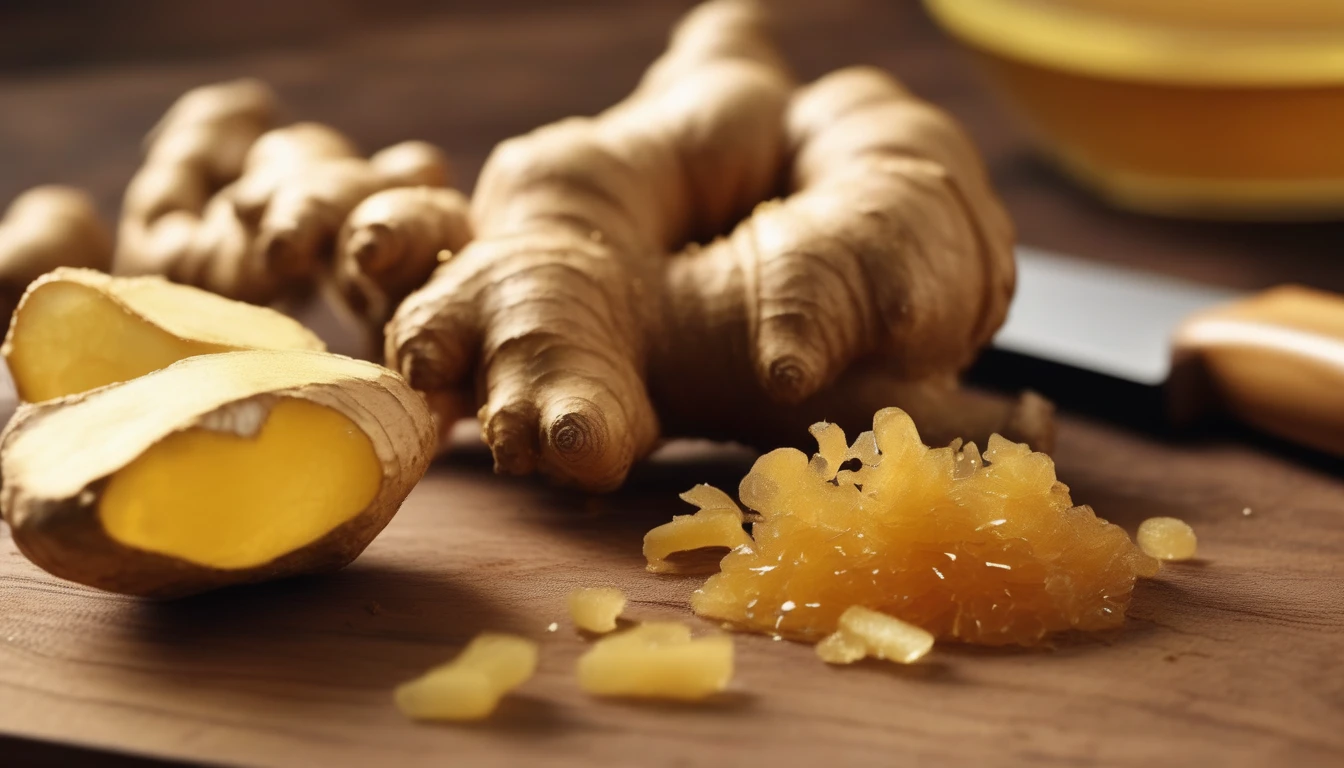
Honey and ginger have been paired in traditional medicine for thousands of years — appearing in Ayurvedic texts dating back over 3,000 years, in Traditional Chinese Medicine (TCM) where ginger is classified as a warming herb, and in ancient Greek and Roman remedies. The combination works because the two ingredients have complementary bioactive compounds that enhance each other's therapeutic effects. Ginger contains gingerols and shogaols, potent anti-inflammatory and antioxidant compounds that give ginger its characteristic spicy bite. A 2019 systematic review in Food Science & Nutrition found that gingerol has demonstrated anti-inflammatory activity comparable to ibuprofen in some clinical settings. Honey contributes its own antimicrobial compounds — hydrogen peroxide generated by glucose oxidase, methylglyoxal (especially in Manuka honey), and a suite of flavonoids and phenolic acids. When combined, honey's viscous texture delivers ginger's active compounds more slowly to the throat and digestive tract, extending contact time with mucosal surfaces. Honey also masks ginger's sharp heat, making the combination more palatable for children (over age 1) and those sensitive to spice. A 2020 study in the Journal of Ethnopharmacology found that honey-ginger preparations showed synergistic antioxidant effects — the combined ORAC value was 15-20% higher than the sum of each ingredient alone.
Key Takeaways
- Paired in Ayurvedic, Chinese, and European medicine for over 3,000 years
- Ginger's gingerols provide anti-inflammatory activity comparable to ibuprofen
- Honey delivers ginger's active compounds slowly, extending mucosal contact time
- Combined ORAC antioxidant value is 15-20% higher than either ingredient alone
- Honey masks ginger's sharp heat, making it palatable for children over age 1
- Both ingredients have independent antimicrobial and immune-supportive properties
What Are the Evidence-Based Health Benefits of Honey and Ginger?
The health benefits of honey and ginger are supported by extensive research across multiple therapeutic areas. For nausea and digestive health, ginger is one of the most well-studied natural antiemetics — a 2018 meta-analysis in the Journal of the Academy of Nutrition and Dietetics analyzing 12 randomized controlled trials found that 1 to 1.5 grams of ginger daily significantly reduced nausea severity, including pregnancy-related morning sickness, chemotherapy-induced nausea, and motion sickness. Honey complements this by soothing the stomach lining and providing easily digestible sugars. For respiratory infections, a 2020 BMJ Evidence-Based Medicine systematic review found honey was superior to usual care for upper respiratory tract infections, while ginger's anti-inflammatory gingerols help reduce airway inflammation. Together, the combination is a first-line home remedy for coughs and sore throats. For inflammation, ginger inhibits COX-2 and 5-LOX enzymes — the same pathways targeted by NSAIDs — while honey's flavonoids provide additional anti-inflammatory support. A 2015 study in the Journal of Medicinal Food found that combined honey-ginger extract reduced inflammatory markers (CRP and IL-6) more effectively than either alone. For immune support, ginger stimulates macrophage and NK cell activity while honey's oligosaccharides act as prebiotics supporting gut-associated immune tissue where 70-80% of immune cells reside. For cardiovascular health, ginger has been shown to reduce LDL cholesterol and blood pressure in a 2018 meta-analysis in Phytomedicine, while honey's antioxidants protect against LDL oxidation.
Key Takeaways
- Nausea relief: 1-1.5g ginger daily reduces nausea severity across 12 RCTs (pregnancy, chemo, motion)
- Respiratory infections: honey outperforms usual care (BMJ 2020), ginger reduces airway inflammation
- Anti-inflammatory: ginger inhibits COX-2/5-LOX pathways, honey adds flavonoid support
- Combined honey-ginger reduced CRP and IL-6 more effectively than either alone
- Immune support: ginger activates macrophages and NK cells, honey prebiotics feed gut immunity
- Cardiovascular: ginger lowers LDL and blood pressure, honey antioxidants prevent LDL oxidation
How Do You Make Honey Ginger Tea, Shots, and Other Recipes?
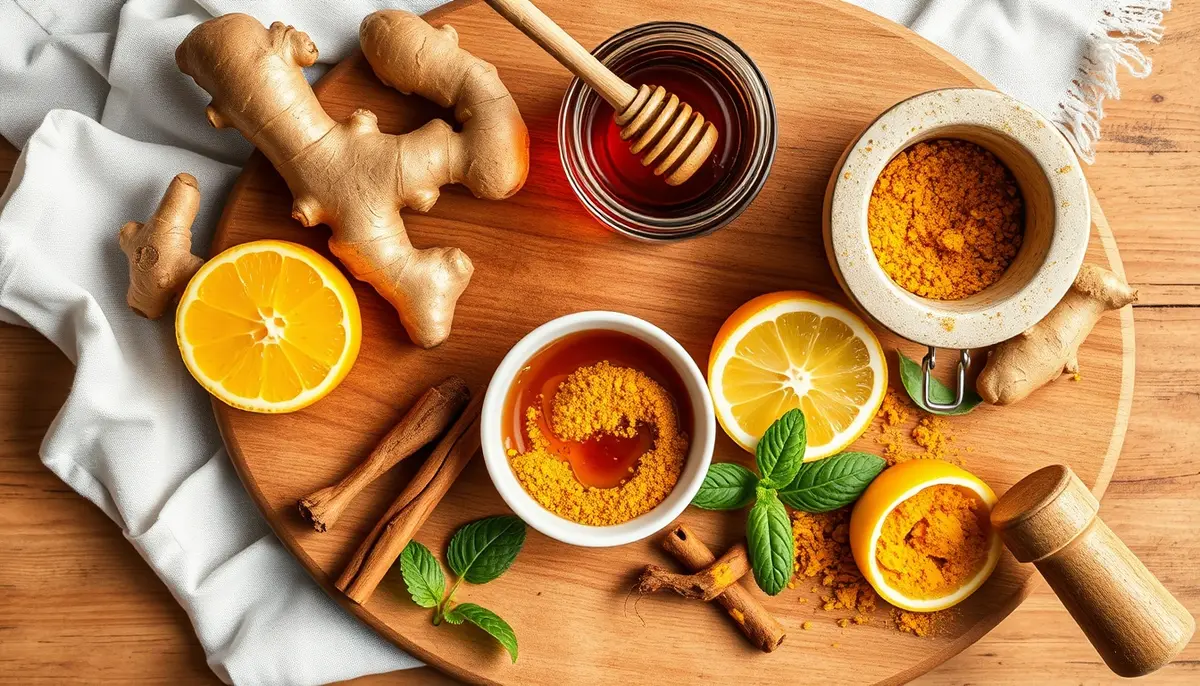
The classic honey ginger tea is the most popular preparation. Peel and thinly slice a 2-inch piece of fresh ginger root (about 10 grams). Bring 2 cups of water to a boil, add the ginger slices, reduce heat to a simmer, and let it steep for 10 to 15 minutes — longer steeping extracts more gingerols and creates a spicier brew. Remove from heat and let it cool to a drinkable temperature (below 140°F / 60°C), then stir in 1 to 2 tablespoons of raw honey. Never add honey to boiling water, as temperatures above 140°F destroy beneficial enzymes including diastase and glucose oxidase. For a honey ginger lemon variation, add the juice of half a fresh lemon after cooling for added vitamin C and flavor complexity. For concentrated ginger honey shots (a popular drink during cold and flu season), blend 4 inches of fresh ginger with 1/4 cup raw honey, the juice of 2 lemons, and a pinch of cayenne pepper. Strain and store in a glass jar in the refrigerator for up to 2 weeks. For honey ginger syrup (excellent for cocktails, pancakes, and marinades), simmer equal parts honey and water with sliced ginger for 20 minutes, strain, and refrigerate for up to a month. For a honey ginger paste (a traditional Ayurvedic preparation), grate fresh ginger and mix with an equal volume of raw honey to use as a spread or stir into warm water. For cold beverages, make honey ginger iced tea by dissolving honey in a small amount of warm water, adding ginger juice (from a garlic press) and cold water over ice.
Key Takeaways
- Classic tea: steep 2-inch fresh ginger in simmered water 10-15 min, cool, add 1-2 tbsp honey
- Never add honey above 140°F — heat destroys beneficial enzymes
- Ginger shots: blend 4" ginger + 1/4 cup honey + 2 lemons + cayenne, refrigerate up to 2 weeks
- Honey ginger syrup: simmer equal parts honey and water with ginger 20 min, strain, keeps 1 month
- Ayurvedic paste: grate ginger, mix with equal parts honey, use as a spread or stir into warm water
- Add lemon juice after cooling for vitamin C and flavor — the trio is a classic cold remedy
When Is the Best Time to Take Honey and Ginger?
There is no clinically established timing schedule for honey and ginger tied to specific health outcomes. Many people simply enjoy honey ginger tea as a warming beverage, any time of day — with a meal, in the morning, or before bed. If you're pregnant and experiencing morning sickness, or you're managing a condition like ongoing joint pain or motion sickness, talk to your doctor about remedies that are safe and appropriate for your situation rather than relying on a home-remedy timing schedule. Some people find a warm, caffeine-free drink relaxing before bed as part of a wind-down routine — that's a matter of habit and preference, not a treatment. If ginger's warming effect keeps you awake, try honey and chamomile at bedtime instead.
Key Takeaways
- There is no clinically established timing schedule for honey and ginger tied to specific health outcomes
- Many people drink honey ginger tea simply as a warming beverage, any time of day
- Pregnant women experiencing morning sickness should talk to their OB-GYN about safe remedies
- A warm, caffeine-free drink before bed can be part of a relaxing wind-down routine for some people
Which Honey and Ginger Types Should You Choose?
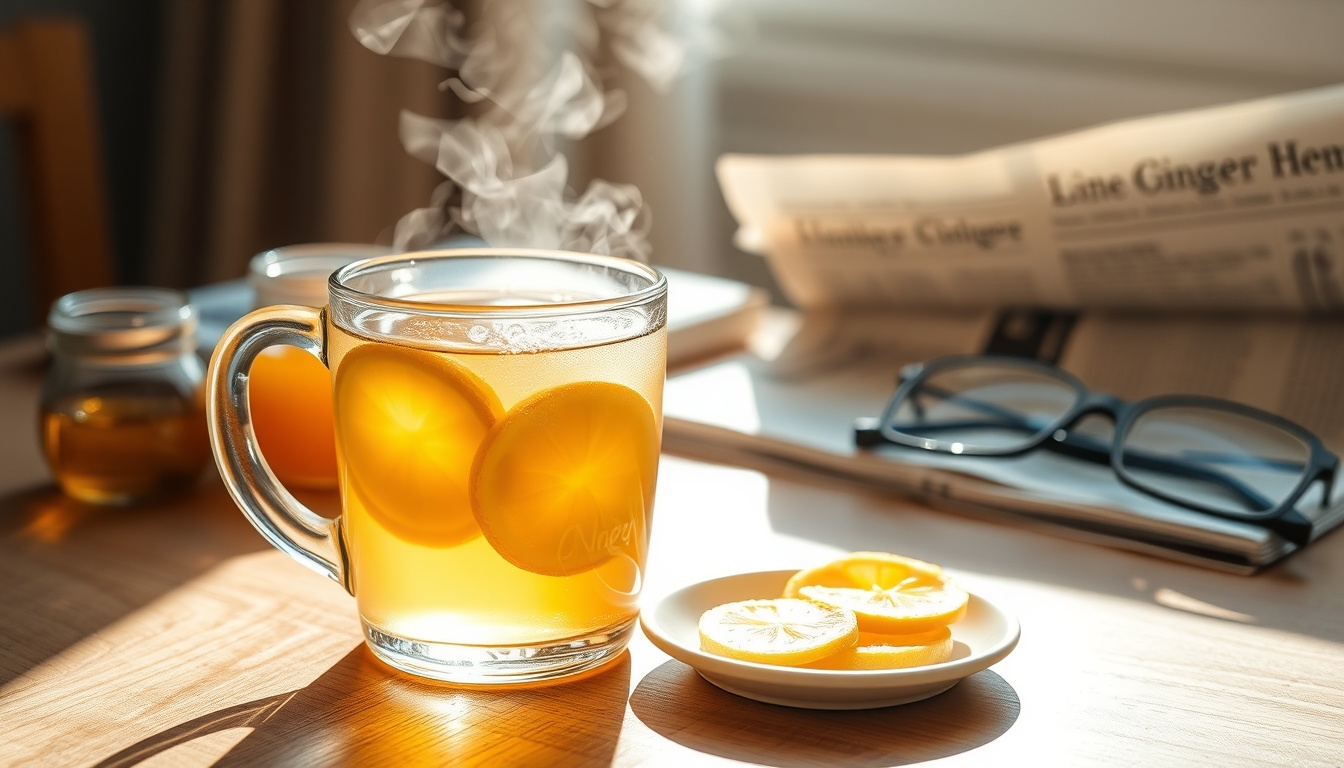
The quality of both ingredients significantly affects therapeutic value. For honey, always use raw and unfiltered varieties — pasteurization destroys the enzymes, reduces antioxidant content, and strips out beneficial pollen. For general wellness, raw [wildflower honey](/honey/wildflower-honey) is the most versatile and affordable option, offering a balanced blend of antioxidants and a pleasant flavor that complements ginger well. For sore throat and respiratory applications, [Manuka honey](/honey/new-zealand-manuka-umf-15) (UMF 10+ or MGO 263+) provides the strongest antibacterial activity thanks to its high methylglyoxal concentration, though it has a distinctly medicinal flavor and higher price point ($30-60 per jar). [Buckwheat honey](/honey/buckwheat-honey), with its dark color and robust flavor, has the highest antioxidant content of any common variety and pairs especially well with ginger's bold taste. [Clover honey](/honey/clover-honey) offers a mild, crowd-pleasing sweetness that won't compete with ginger's complexity, making it ideal for children or those new to ginger tea. [Orange blossom honey](/honey/orange-blossom-honey) adds subtle citrus notes that enhance ginger-lemon combinations, while [acacia honey](/honey/acacia-honey) provides the most neutral honey flavor for those wanting ginger to dominate. For ginger, fresh ginger root is always preferable to dried powder for teas and shots — fresh ginger contains more gingerols (the primary bioactive compound), while drying converts some gingerols to shogaols, which are more pungent but have a different pharmacological profile. When buying fresh ginger, choose firm roots with smooth, taut skin — wrinkled or soft ginger is past its prime. Organic ginger avoids pesticide residues, which matter more when making concentrated preparations like shots. For convenience, ground ginger (1/4 teaspoon equals approximately 1 gram fresh) works in baking, smoothies, and when fresh ginger is unavailable, though it delivers less gingerol per gram. Ginger juice, available at health food stores, is convenient for cold drinks where you don't want fiber pulp. Avoid candied or crystallized ginger for health preparations, as the added sugar negates honey's benefits.
Key Takeaways
- Raw, unfiltered honey preserves enzymes and antioxidants destroyed by pasteurization
- Raw wildflower honey: best everyday choice — versatile flavor, good antioxidant profile
- Manuka UMF 10+: strongest antibacterial activity for sore throat applications
- Buckwheat honey: highest antioxidant content, bold flavor that pairs well with ginger
- Clover honey: mild sweetness ideal for children and ginger beginners
- Orange blossom honey adds citrus notes perfect for ginger-lemon combinations
- Fresh ginger root has more gingerols than dried powder — choose firm roots with smooth skin
- Avoid candied ginger for health preparations — added sugar negates honey's benefits
What Are the Safety Precautions for Honey and Ginger?
While honey and ginger is safe for most adults and children over one year, several precautions deserve attention. The most critical rule: never give honey to infants under 12 months due to the risk of infant botulism from Clostridium botulinum spores. Children aged 1 and older can safely consume honey ginger preparations. Ginger is believed to have mild blood-thinning properties. People taking anticoagulant medications (warfarin, heparin, aspirin, or clopidogrel) should talk to their doctor before consuming ginger beyond normal culinary amounts, and should mention any regular ginger or honey-ginger use before scheduled surgery. Ginger may also lower blood sugar levels — people with diabetes taking insulin or sulfonylureas should monitor blood glucose more closely when adding regular ginger consumption. While ginger is widely used for morning sickness, pregnant women should talk to their OB-GYN before using it regularly and follow their guidance on any amount. Some sources note a theoretical concern that high doses could stimulate uterine contractions, though no clinical studies have demonstrated this risk at normal dietary levels. People with gallstones should use ginger cautiously, as it stimulates bile flow, which could trigger gallbladder colic. Ginger can cause heartburn or stomach upset in some people, especially on an empty stomach — if this occurs, try taking it with food or reducing the amount. The honey in the preparation typically helps buffer this effect. Tooth enamel: honey is acidic (pH 3.2-4.5), so rinse with water after drinking honey ginger tea and wait 30 minutes before brushing.
Key Takeaways
- NEVER give honey to infants under 12 months — risk of infant botulism
- Blood thinners: ginger may have mild blood-thinning effects — consult your doctor if on anticoagulants
- Stop regular ginger use 2 weeks before surgery due to possible blood-thinning effects
- Pregnancy: talk to your OB-GYN before using ginger regularly for morning sickness
- Gallstones: ginger stimulates bile flow, which may trigger gallbladder symptoms
- Protect tooth enamel: rinse with water after drinking, wait 30 min before brushing
Frequently Asked Questions
What are the benefits of honey and ginger tea?
Honey and ginger tea provides anti-inflammatory support (ginger inhibits COX-2/5-LOX pathways), nausea relief (shown effective in 12 RCTs for morning sickness, chemo, and motion sickness), immune support (ginger activates macrophages, honey provides prebiotics), and sore throat relief (honey coats and soothes while ginger reduces inflammation).
How do you make honey ginger tea?
Slice a 2-inch piece of fresh ginger, simmer in 2 cups of water for 10-15 minutes, remove from heat and cool below 140°F, then stir in 1-2 tablespoons of raw honey. Never add honey to boiling water as it destroys beneficial enzymes. Add lemon juice for extra vitamin C.
Is honey and ginger good for a cough?
Yes. A 2020 BMJ Evidence-Based Medicine systematic review found honey was superior to usual care for upper respiratory infections, while ginger's gingerols reduce airway inflammation. [Manuka honey](/honey/new-zealand-manuka-umf-15) (UMF 10+) provides the strongest antimicrobial activity for throat infections, [buckwheat honey](/honey/buckwheat-honey) offers maximum antioxidants for respiratory inflammation, and [wildflower honey](/honey/wildflower-honey) delivers diverse therapeutic compounds. The combination is a popular home remedy for coughs and sore throats, backed by research on its individual ingredients.
Can you take honey and ginger every day?
Yes, daily use in normal culinary amounts is fine for most adults. [Wildflower honey](/honey/wildflower-honey) or [clover honey](/honey/clover-honey) are popular for daily use due to their pleasant flavors and affordable cost, while [buckwheat honey](/honey/buckwheat-honey) has more antioxidants. People on blood thinners, pregnant women, and those with gallstones should consult their doctor before using ginger regularly.
Does honey and ginger help with nausea?
Ginger is one of the best-studied natural antiemetics. A 2018 meta-analysis of 12 RCTs found 1-1.5g ginger daily significantly reduced nausea from pregnancy, chemotherapy, and motion sickness. Honey complements ginger by soothing the stomach lining and providing gentle, easily digestible energy.
Which honey is best for ginger tea?
Raw [wildflower honey](/honey/wildflower-honey) is the best everyday choice for balanced nutrients and pleasant flavor. For sore throats, [Manuka honey](/honey/new-zealand-manuka-umf-15) (UMF 10+) provides the strongest antibacterial activity. [Buckwheat honey](/honey/buckwheat-honey) has the highest antioxidant content and its bold flavor pairs well with ginger's spiciness. [Clover honey](/honey/clover-honey) offers mild sweetness perfect for children, while [orange blossom honey](/honey/orange-blossom-honey) adds citrus notes that enhance ginger-lemon tea combinations.
Edited by Sam French · Raw Honey Guide Editorial Team
Source reviewed against primary literature and official guidance where available. Health content is educational, not medical advice, and does not replace a licensed clinician.
Get the Honey Buyer's Cheat Sheet (free PDF)
16 varieties on one page — color, flavor, best use and what a fair price looks like — from the 268 honeys we track.
Related Guides
Honey and Lemon
Benefits, recipes, and best practices.
Read GuideHoney for Sore Throat
Evidence-based sore throat relief.
Read GuideHoney and Turmeric
Golden honey paste, anti-inflammatory benefits, and recipes.
Read GuideRelated Articles
Honey and Ginger: Benefits, Recipes, and Natural Remedies
Discover the evidence-based benefits of honey and ginger for immunity, nausea, inflammation, and digestion. Plus 5 easy honey ginger recipes for daily use.
Read ArticleHoney Lemon Ginger Tea: Recipe, Benefits, and Best Honey to Use
How to make honey lemon ginger tea with the right ratios. 6 health benefits backed by research, plus variations to try.
Read ArticleHoney for Nausea and Morning Sickness: Natural Remedies & Evidence
Can honey ease nausea and morning sickness? The science on anti-nausea mechanisms, ginger-honey remedies, and pregnancy safety.
Read ArticleHoney for Colds and Flu: Your Complete Natural Remedy Guide
Honey for colds and flu: cough suppression, sore throat relief, immune support. Best types, 5 remedies, and usage guide.
Read ArticleHoney for Headaches and Migraines: Can It Help?
Can honey relieve headaches? Evidence on blood sugar stabilization, anti-inflammatory effects, magnesium, and remedies.
Read ArticleHoney Ginger Stir Fry: Easy 20-Minute Recipe (5 Protein Options)
Quick honey ginger stir fry with a sticky, balanced sauce. Works with chicken, shrimp, beef, tofu, or pork — ready in 20 minutes with pantry staples.
Read ArticleHoney Ginger Chicken: Easy Skillet Recipe (5 Variations)
Juicy honey ginger chicken with a sticky, caramelized glaze in 30 minutes. One skillet, simple pantry ingredients, 5 flavor variations, and meal prep tips.
Read ArticleReady to find the perfect honey for your ginger tea?