Why Gut Health Experts Are Paying Attention to Honey
The last decade of microbiome research has transformed how we think about food and health. Your gut houses roughly 39 trillion microorganisms that influence digestion, immunity, mood, and even body weight. Increasingly, researchers are finding that raw honey is one of the most effective natural foods for supporting this microbial ecosystem.
Honey is not just sugar. Raw, unprocessed honey contains prebiotic oligosaccharides, hydrogen peroxide, phenolic compounds, and over 200 bioactive substances that interact with your gut in ways that table sugar simply cannot. This guide covers the science behind honey and gut health — what the research actually shows, which honeys work best, and how to use honey to support your digestion.
The Prebiotic Effect: How Honey Feeds Good Bacteria
Prebiotics are non-digestible compounds that selectively feed beneficial gut bacteria. Unlike probiotics (live bacteria you consume), prebiotics act as fuel for the good bacteria already living in your gut. Raw honey is a natural source of prebiotic oligosaccharides — short-chain carbohydrates that survive digestion and reach the colon intact.
The key prebiotic compounds in honey include fructo-oligosaccharides (FOS), gluco-oligosaccharides (GOS), and other non-digestible sugars that make up roughly 4-5% of honey's carbohydrate content. While this sounds small, studies show it is enough to produce measurable shifts in gut bacteria populations.
- Bifidobacteria growth — Multiple in vitro studies show honey oligosaccharides increase Bifidobacterium populations by 10-100 fold. Bifidobacteria are associated with reduced inflammation, improved lactose digestion, and stronger immune function
- Lactobacillus support — Honey's prebiotic sugars also promote Lactobacillus species, which produce lactic acid, lower gut pH, and create an environment hostile to pathogenic bacteria like E. coli and Salmonella
- Short-chain fatty acid (SCFA) production — When gut bacteria ferment honey's oligosaccharides, they produce SCFAs (butyrate, propionate, acetate). Butyrate is the primary fuel source for colon cells and is critical for maintaining the gut barrier
- Reduced pathogen colonization — By promoting beneficial bacteria, honey's prebiotics help crowd out harmful species through competitive exclusion
Pro Tip
Raw, unfiltered honey retains more prebiotic oligosaccharides than ultra-filtered or heat-processed honey. Wildflower honey offers the most diverse oligosaccharide profile due to multiple nectar sources, while clover honey provides reliable, consistent prebiotic activity. Pasteurization (heating above 70°C/158°F) degrades these beneficial compounds.
Get the Honey Buyer's Cheat Sheet (free PDF)
16 varieties on one page — color, flavor, best use and what a fair price looks like — from the 268 honeys we track.
Honey's Antimicrobial Activity in the Gut
Honey has been used as a wound treatment for millennia because of its antimicrobial properties. These same properties work inside the digestive tract — but selectively. Research shows honey inhibits pathogenic bacteria while largely sparing or even promoting beneficial species.
The antimicrobial mechanisms include hydrogen peroxide production (via the enzyme glucose oxidase), low pH, high osmolarity, and unique compounds like methylglyoxal (MGO) in Manuka honey ($35–60+). Eucalyptus honey ($12–22) and clover honey ($8–15) also show strong peroxide activity, while buckwheat honey ($15–25, ORAC 16,000+) contributes additional antimicrobial phenolic compounds. In the gut, these properties help maintain microbial balance.
- H. pylori — The bacterium responsible for most stomach ulcers. A 2015 study in the Archives of Medical Research found that Manuka honey inhibited H. pylori growth at concentrations as low as 5%. Clinical trials suggest honey may complement (not replace) standard triple therapy for H. pylori eradication
- C. difficile — Honey has shown activity against Clostridioides difficile, the bacteria responsible for severe antibiotic-associated diarrhea. This is especially relevant because C. diff thrives when antibiotics wipe out competing bacteria
- E. coli and Salmonella — Both common causes of food-borne illness are susceptible to honey's antimicrobial effects in laboratory settings
- Selective action — Crucially, honey's antimicrobial compounds appear to be more effective against pathogenic species than against Lactobacillus and Bifidobacterium, which may have evolved tolerance due to their long coexistence with honey in natural environments
Anti-Inflammatory Effects on the Gut Lining
Chronic gut inflammation underlies conditions like IBS, inflammatory bowel disease (IBD), and leaky gut. Honey contains phenolic compounds — flavonoids, phenolic acids, and other antioxidants — that exert measurable anti-inflammatory effects on intestinal tissue.
A 2019 review in Nutrients found that honey reduced inflammatory markers (TNF-α, IL-6, IL-1β) in multiple models of intestinal inflammation. The proposed mechanisms include suppression of the NF-κB pathway (a master regulator of inflammation) and enhancement of antioxidant enzyme activity in gut tissue.
Honey has also been studied for its effects on the gut barrier — the single layer of cells that separates your gut contents from your bloodstream. When this barrier is compromised ("leaky gut"), bacterial toxins enter the bloodstream and trigger systemic inflammation. Animal studies suggest honey may help maintain tight junction integrity, though human clinical trials are still limited.
Which Honeys Are Best for Gut Health?
Not all honeys are equal when it comes to gut health. Processing, floral source, and freshness all affect the concentration of bioactive compounds. Here is how the main types compare for digestive support.
- Manuka honey ($35–60+) — The strongest antimicrobial activity due to methylglyoxal (MGO). Best choice for targeting H. pylori or gut infections. Look for UMF 10+ or MGO 263+ for therapeutic use
- Raw wildflower honey ($10–18) — Excellent prebiotic profile with diverse oligosaccharides from multiple floral sources. The variety of nectar sources provides a broader range of phenolic compounds than single-source honeys for comprehensive microbiome support
- Buckwheat honey ($15–25, ORAC 16,000+) — Highest antioxidant content of common honey varieties with exceptional phenolic density. Dark color correlates with higher anti-inflammatory potential. Best choice for reducing oxidative stress and chronic gut inflammation
- Acacia honey ($12–20, GI ~32) — Milder flavor and higher fructose content with gentler oligosaccharide profile. The lowest glycemic index of common honeys. Some evidence suggests it may be better tolerated by people with fructose sensitivity when used in small amounts, though those with diagnosed fructose malabsorption should be cautious
- Clover honey ($8–15) — Reliable moderate prebiotic activity with clean, mild antimicrobial properties. The most affordable raw honey and a good starter for gut health beginners due to gentle nature and widespread availability
- Processed/ultra-filtered honey — Avoid for gut health purposes. Heat treatment and ultra-filtration remove pollen, reduce enzyme activity, and degrade the oligosaccharides and phenolic compounds that drive gut benefits
Pro Tip
For general gut health maintenance, raw wildflower honey ($10–18) or buckwheat honey ($15–25) offers the best combination of prebiotics, antioxidants, and affordability. Clover honey ($8–15) is excellent for beginners due to its mild, reliable properties. Reserve Manuka honey ($35–60+) for specific therapeutic needs — it costs 5–10x more and the prebiotic effect is similar to other raw honeys.
Honey and Specific Digestive Conditions
Research has examined honey's effects on several specific gut conditions. The evidence varies from strong to preliminary depending on the condition.
- Gastric ulcers (H. pylori) — Moderate evidence. Multiple studies show honey inhibits H. pylori. A clinical trial found honey plus standard therapy improved eradication rates compared to therapy alone. Not a standalone treatment, but a useful adjunct
- Irritable Bowel Syndrome (IBS) — Preliminary evidence. Honey's prebiotic effects may improve symptoms in some IBS patients by shifting gut flora toward beneficial species. However, honey is a high-FODMAP food, so people with FODMAP-sensitive IBS may experience worse symptoms. Start with 1 teaspoon and monitor
- Antibiotic-associated diarrhea — Moderate evidence. Taking honey during and after antibiotic courses may help maintain beneficial bacteria populations and reduce the risk of C. difficile overgrowth. Several pediatric studies support this use
- Acid reflux (GERD) — Limited but promising evidence. Honey's viscosity may coat the esophageal lining, and its antioxidants may reduce oxidative damage from stomach acid. A 2017 study found honey reduced reflux symptoms, but more research is needed
- Inflammatory bowel disease (Crohn's, UC) — Animal studies show significant anti-inflammatory effects. Human evidence is limited to case reports and small pilot studies. Promising but not yet clinically validated
Honey and Gut Health: Evidence Boundaries
Laboratory and early clinical findings about honey and gut microbes do not establish a self-treatment plan for digestive disease.
- This section does not establish a universal or medical honey dose for digestive symptoms. Use the daily added-sugar guide to count honey with other added or free sugars.
- Suspected H. pylori requires testing and clinician-directed eradication treatment; honey should not replace or modify prescribed antibiotics
- For general eating, choose honey for taste and count it as a sweetener rather than selecting a variety as an antimicrobial or prebiotic therapy
- Temperature warning: Do not add honey to liquids above 40°C (104°F). High temperatures denature glucose oxidase, degrade hydrogen peroxide production, and reduce the prebiotic oligosaccharide content
- Pair with fiber: Honey's prebiotic effect is amplified when combined with dietary fiber from vegetables, legumes, and whole grains. The combination provides both soluble and insoluble substrates for beneficial bacteria
Honey vs Other Prebiotics: How Does It Compare?
Honey is not the most concentrated source of prebiotics available, but it offers a unique combination of benefits that pure prebiotic supplements do not provide.
Inulin (from chicory root) and FOS supplements deliver higher doses of prebiotic fiber per serving, but they lack honey's antimicrobial, anti-inflammatory, and antioxidant properties. Honey also tends to be better tolerated — prebiotic supplements commonly cause gas and bloating, especially when introduced quickly, while honey rarely produces these side effects at normal doses.
The key advantage of honey is its multi-mechanism approach: it simultaneously feeds good bacteria, inhibits pathogens, reduces inflammation, and provides antioxidant protection. No single prebiotic supplement does all four.
Fermented Honey and Gut Health: A Synergistic Approach
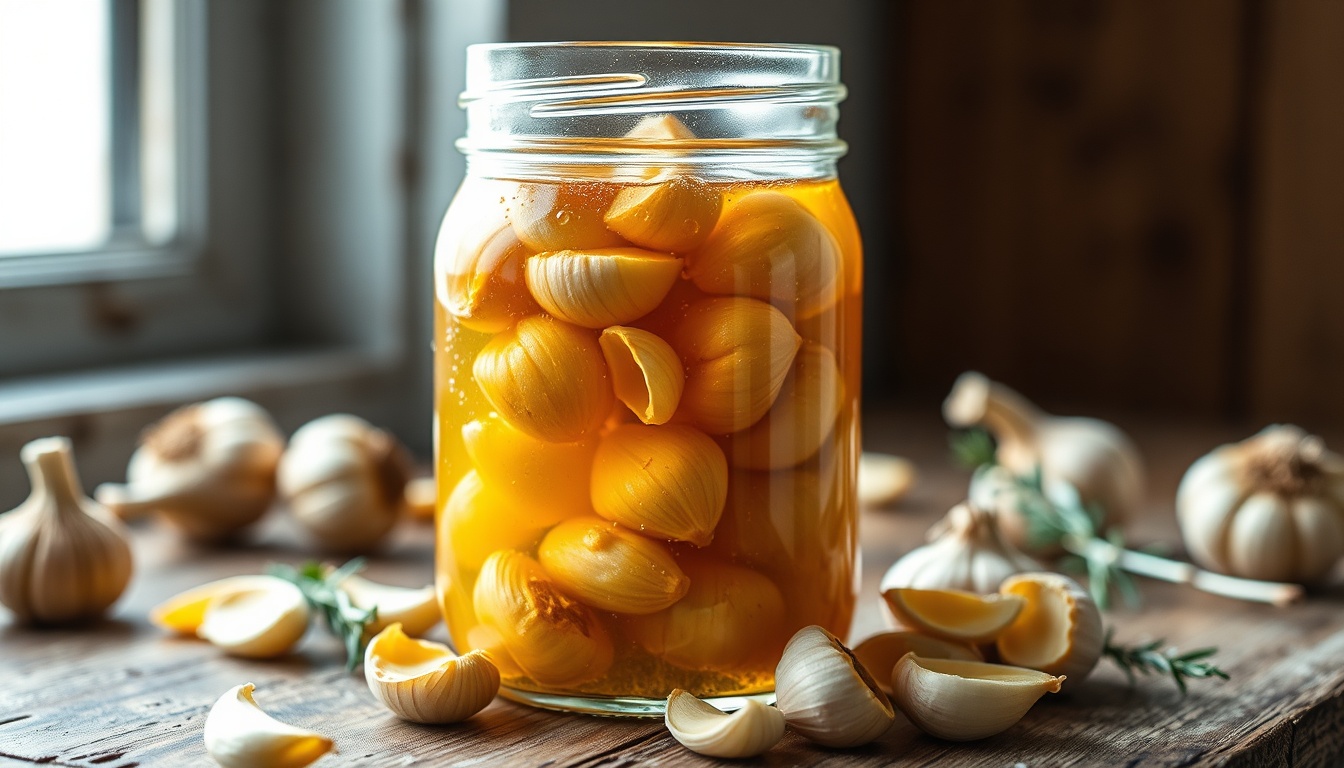
One of the most promising developments in honey-based gut health is the growing interest in fermented honey preparations. When honey is fermented with garlic, ginger, or other ingredients, the fermentation process creates additional beneficial compounds — including lactic acid bacteria (Lactobacillus), organic acids, and enhanced bioavailable polyphenols — that amplify honey's existing prebiotic effects.
A 2021 study in Food Chemistry found that fermented honey had significantly higher antioxidant activity and total phenolic content than unfermented honey. The fermentation process also partially breaks down honey's sugars, potentially making it more tolerable for people with mild fructose sensitivity while retaining and even enhancing the prebiotic oligosaccharides.
Other bee products also show gut health potential. Propolis, the resinous substance bees use to seal their hives, contains concentrated flavonoids (CAPE, chrysin, pinocembrin) that have demonstrated potent antimicrobial activity against H. pylori and protective effects on gastric mucosa in multiple studies. A 2019 review in Nutrients found that propolis reduced gut inflammation markers and supported beneficial bacterial populations — complementing honey's prebiotic effects through different mechanisms.
The Gut-Skin Axis: How Your Microbiome Affects Your Skin
Emerging research reveals a fascinating connection between gut health and skin conditions — the "gut-skin axis." Gut dysbiosis has been linked to inflammatory skin conditions including eczema, acne, psoriasis, and rosacea. A 2021 review in Frontiers in Microbiology found that patients with atopic dermatitis had significantly lower gut Bifidobacterium and Lactobacillus populations compared to healthy controls.
This connection helps explain why honey may benefit skin conditions through both topical application and oral consumption. When you consume raw honey for gut health, the prebiotic effects that increase beneficial bacteria and reduce systemic inflammation may also improve skin barrier function and reduce inflammatory flares. Some dermatologists now recommend combining oral honey supplementation with topical honey face masks for a dual-pathway approach to inflammatory skin conditions.
Who Should Be Cautious
Despite its benefits, honey is not appropriate for everyone in a gut health context.
- Infants under 12 months — Never give honey to babies. Honey can contain Clostridium botulinum spores that infant digestive systems cannot neutralize, risking infant botulism
- Diabetics — Honey raises blood sugar. If you have diabetes, discuss with your healthcare provider before adding honey to your routine. Monitor glucose carefully
- FODMAP-sensitive IBS — Honey is high in fructose and classified as high-FODMAP. If fructose triggers your IBS symptoms, honey may worsen rather than improve your digestion. Consider a low-FODMAP honey alternative or very small amounts (1 teaspoon)
- Fructose malabsorption — People who cannot properly absorb fructose may experience bloating, gas, and diarrhea from honey. Get tested if you suspect this condition
- Calorie-restricted diets — Two tablespoons of honey adds approximately 128 calories. Factor this into your daily intake
The Bottom Line: Is Honey Good for Your Gut?
The evidence supports honey as a genuinely beneficial food for gut health — not just a healthier sweetener, but an active contributor to microbial balance, pathogen control, and intestinal integrity. The prebiotic oligosaccharides feed beneficial bacteria, the antimicrobial compounds suppress pathogens, and the phenolic antioxidants reduce inflammation.
The caveats are real: honey is still a sugar, it is not appropriate for everyone, and it is not a substitute for medical treatment of serious digestive conditions. But as part of a fiber-rich diet, raw honey is one of the simplest evidence-backed additions you can make to support your gut microbiome.
Choose raw, unprocessed honey from a trusted source: wildflower honey ($10–18) for diverse prebiotics, buckwheat honey ($15–25, ORAC 16,000+) for anti-inflammatory power, clover honey ($8–15) for gentle daily use, or Manuka honey ($35–60+) for therapeutic targeting. Avoid heat-treated or ultra-filtered products. If you are targeting a specific condition like H. pylori, opt for Manuka with verified UMF or MGO ratings.