What Is Honey Water?
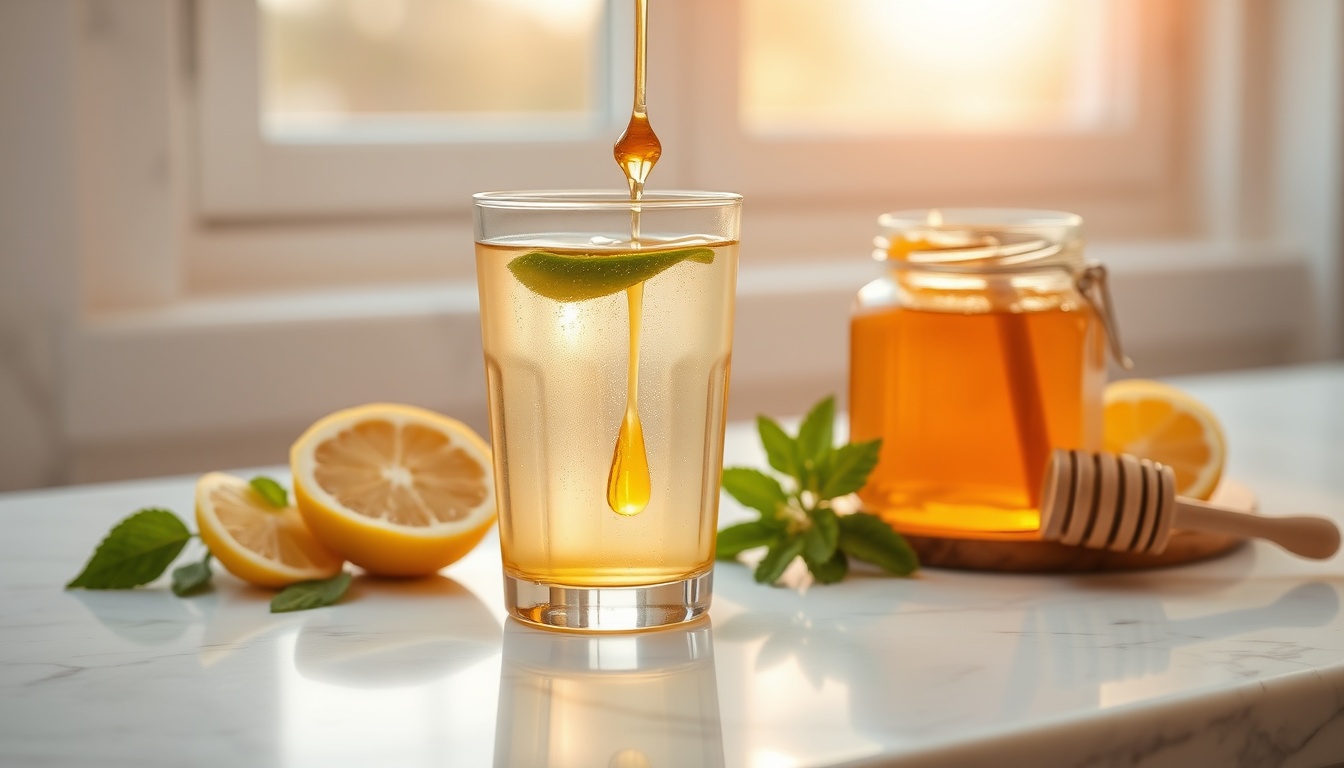
Honey water is simply raw honey dissolved in warm or room-temperature water — typically 1-2 teaspoons of honey in 8 ounces of water. It's one of the oldest wellness drinks in recorded history, mentioned in Ayurvedic texts dating back 3,000 years and in ancient Egyptian, Greek, and Roman medical writings.
The drink has experienced a resurgence on social media, with claims ranging from reasonable (soothing a sore throat) to extraordinary (curing diabetes, melting fat overnight). The truth, as usual, lies somewhere in between. Honey water has genuine, evidence-based benefits — but it's not a miracle cure for anything.
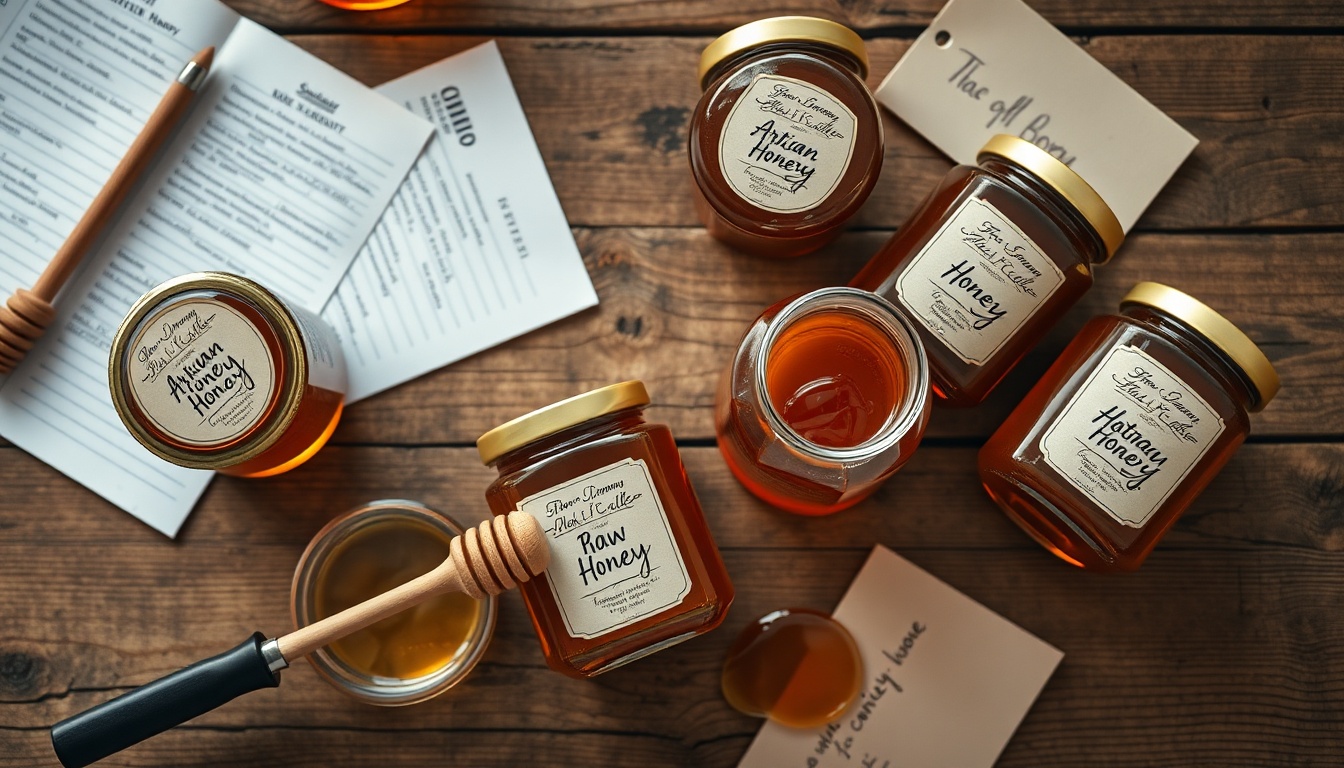
The key factor that determines whether honey water is beneficial or just sugar water is the type of honey you use. Raw, unfiltered honey contains enzymes, antioxidants, prebiotics, and trace nutrients that are destroyed by processing. The variety matters too — darker honeys like buckwheat ($15-25, ORAC 16,000+) deliver far more antioxidants than lighter varieties like clover ($8-15). Pasteurized honey dissolved in water is essentially a glucose-fructose solution with no meaningful health advantage over regular sugar water.
Evidence-Based Benefits of Honey Water
Here are the benefits of drinking honey water that are actually supported by clinical research — not just internet claims.
Get the Honey Buyer's Cheat Sheet (free PDF)
16 varieties on one page — color, flavor, best use and what a fair price looks like — from the 268 honeys we track.
Hydration Enhancement
The most overlooked benefit of honey water is the simplest: many people who don't drink enough plain water find that adding honey makes it more palatable. A 2019 study in the Journal of the International Society of Sports Nutrition found that carbohydrate-electrolyte solutions (including honey-based ones) improved voluntary fluid intake compared to plain water during exercise.
Honey also contains trace minerals including potassium, sodium, and magnesium that support electrolyte balance. While the amounts per serving are small, they contribute to overall hydration — particularly first thing in the morning after 7-8 hours of sleep without fluid intake.
Digestive Support
Raw honey contains fructooligosaccharides (FOS) and other prebiotic compounds that feed beneficial gut bacteria. A 2022 systematic review in Nutrition Reviews found that honey consumption was associated with modest improvements in gut microbiome diversity and increases in Bifidobacteria and Lactobacillus populations — both associated with better digestive health.
Drinking honey water on an empty stomach may stimulate gastric motility (the contractions that move food through the digestive tract). Warm water itself does this, and the addition of honey provides a gentle caloric signal that further activates the gastric system. For people with sluggish digestion or mild constipation, a morning honey water routine can help establish regularity.
There's also evidence that honey helps protect the stomach lining. A 2006 study in the Sultan Qaboos University Medical Journal demonstrated that natural honey reduced gastric mucosal lesions in rats. While human data is more limited, the anti-inflammatory and antibacterial properties of honey (particularly against H. pylori) may benefit people with gastritis or mild stomach irritation.
Sore Throat and Cough Relief
This is honey's most well-established medical benefit, and dissolving honey in warm water is one of the best ways to deliver it. A 2020 BMJ Evidence-Based Medicine systematic review of 14 studies concluded that honey was superior to usual care for improving upper respiratory symptoms, including cough frequency, cough severity, and sore throat.
The warm water serves a dual purpose: it helps distribute the honey evenly across the throat lining (where its demulcent coating effect soothes irritation) and the warmth itself provides temporary pain relief. For more details on the clinical evidence, see our full guide on honey for sore throat and cough.
Pro Tip
For sore throat relief, use warm water (not hot) and sip slowly rather than gulping. You want the honey to coat the throat. Adding a squeeze of lemon provides vitamin C and extra acidity that creates an inhospitable environment for bacteria.
Antioxidant Intake
Raw honey is a significant source of polyphenols, flavonoids, and phenolic acids — all powerful antioxidants. A 2018 study in the Journal of Agricultural and Food Chemistry found that consuming 1.5 g/kg of honey daily for 14 days significantly increased blood antioxidant capacity in healthy adults.
Dissolving honey in water may actually improve the bioavailability of some of these antioxidants. Water helps disperse the compounds more evenly across the digestive tract surface area, potentially improving absorption compared to eating honey straight. Darker honeys like buckwheat provide 3-9 times more antioxidants than lighter varieties like acacia.
Immune System Support
Honey's immune-modulating effects come from multiple mechanisms. Its hydrogen peroxide generation provides antimicrobial activity. Its polyphenols modulate inflammatory pathways (particularly the NF-kB pathway). And its prebiotic effects support gut health, which is directly linked to immune function — approximately 70% of the immune system resides in the gut.
A 2020 randomized controlled trial in the journal Nutrients found that subjects consuming honey daily had 63% fewer respiratory infections over a 16-week period compared to controls. While this study used honey directly (not honey water), the same compounds are present in honey water and are arguably better distributed through the system when dissolved.
Gentle Energy Without the Crash
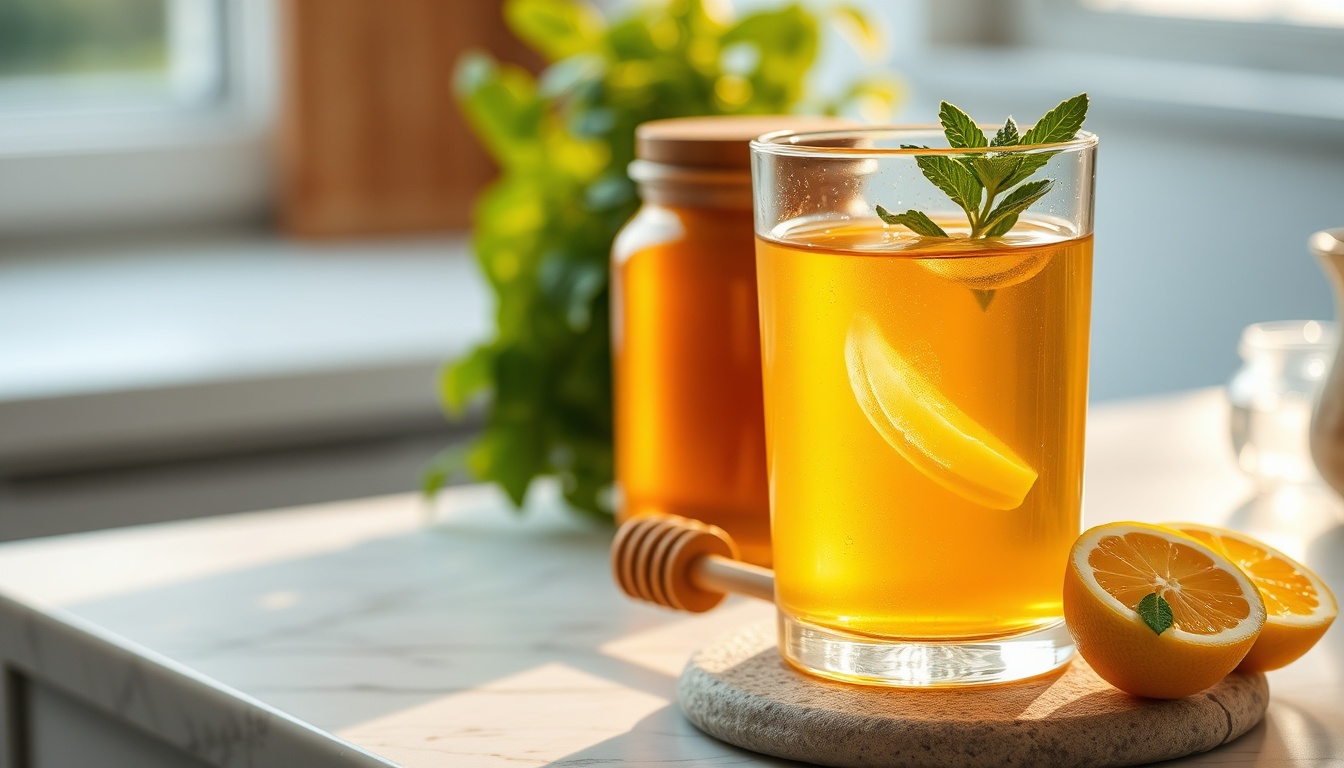
Honey water provides a gentle, sustained energy boost thanks to honey's balanced glucose-fructose ratio. Glucose is absorbed quickly for immediate energy, while fructose is metabolized more slowly through the liver, providing a sustained release. This makes honey water a better morning energy drink than coffee for some people. Acacia honey ($12-20, GI ~32) produces the gentlest blood sugar curve, while wildflower honey ($10-18) offers a more balanced energy release with diverse botanical compounds.
A single tablespoon of honey in water provides about 64 calories — enough for a meaningful energy boost without the blood sugar spike you'd get from fruit juice or soda. Honey has a glycemic index of approximately 58 (moderate), compared to table sugar's 65 and glucose's 100. For athletes, honey water before or during exercise provides accessible carbohydrate fuel. Tupelo honey ($25-45) never crystallizes and dissolves instantly, making it ideal for sports hydration.
Honey Water for Inflammation and Cardiovascular Health
Daily honey water consumption may contribute to reduced systemic inflammation over time. A 2022 meta-analysis of 18 clinical trials found that raw honey consumption significantly reduced C-reactive protein (CRP), a key inflammatory marker linked to heart disease, metabolic syndrome, and chronic conditions. Dissolving honey in water ensures these anti-inflammatory polyphenols are distributed across the entire digestive tract surface area for optimal absorption.
The cardiovascular angle is also worth noting. The same meta-analysis found that honey reduced LDL cholesterol, triglycerides, and fasting blood glucose while increasing HDL cholesterol — effects strongest with raw, monofloral honeys. Honey's polyphenols support nitric oxide production, which relaxes blood vessels and may modestly improve blood pressure. Adding cinnamon to your honey water amplifies these effects through cinnamon's insulin-sensitizing properties. For those curious about exactly what compounds are working — the full nutritional breakdown of honey explains the 30+ bioactive polyphenols, enzymes, and minerals involved.
What About Honey Lemon Water and Warm Honey Water Specifically?
Two variations dominate the search results and social media: honey lemon water and warm (not cold) honey water. Here's what the evidence says about each.
Honey lemon water combines honey's benefits with lemon's vitamin C, citric acid, and additional flavonoids. A 2015 study in Phytotherapy Research found that the polyphenols in lemon combined with honey's antioxidants had synergistic anti-inflammatory effects in vitro. Practically speaking, the lemon adds flavor that makes the drink more enjoyable and its acidity may improve mineral absorption. There is no evidence that honey lemon water has special "detox" properties — your liver and kidneys handle detoxification just fine without it.
Warm vs cold honey water: Ayurvedic tradition specifically recommends warm water, and there is some basis for this. Warm water (105-115°F / 40-46°C) increases gastric motility, improves blood flow to the digestive tract, and dissolves honey more easily. However, do not use hot or boiling water — temperatures above 140°F (60°C) destroy honey's beneficial enzymes (glucose oxidase, diastase, invertase) and degrade heat-sensitive vitamins. Warm is fine; hot is counterproductive. Cold honey water is also perfectly fine and provides the same nutritional benefits.
Claims That Are Not Supported by Evidence
Honey water has real benefits, but social media has inflated many claims beyond what the evidence supports. Here are the popular claims you should be skeptical about.
- "Honey water detoxes your body" — There is no clinical evidence that any food or drink "detoxes" your body. Your liver and kidneys handle detoxification continuously. Honey water supports these organs by providing hydration and antioxidants, but it does not perform a special detox function.
- "Drinking honey water will make you lose weight fast" — Honey water contains calories (about 64 per tablespoon of honey). If you add honey water to your diet without reducing calories elsewhere, you will gain weight, not lose it. Honey is a better sweetener choice than sugar for weight management due to its lower glycemic index and polyphenol content, but honey water is not a weight loss drink.
- "Honey water clears acne and transforms skin" — While honey's antioxidants support overall skin health from the inside and topical honey can help certain skin conditions, drinking honey water will not clear acne. Acne is driven by hormones, genetics, and bacterial factors that a glass of honey water cannot address.
- Honey water is sweetened water, not a diabetes treatment or wellness protocol. Use the daily added-sugar guide to count its honey with other added or free sugars.
- "Honey water replaces electrolyte drinks for athletes" — Honey water contains some minerals but is not a complete electrolyte replacement for intense exercise. It lacks sufficient sodium, potassium, and magnesium to replace what is lost in heavy sweating. It can complement an electrolyte strategy, but it should not replace purpose-formulated sports nutrition.
How to Make Honey Water the Right Way
Making honey water seems obvious, but a few details make the difference between an effective wellness drink and expensive sugar water.
- Start with raw, unfiltered honey — This is non-negotiable. Pasteurized honey has lost its enzymes and most of its antioxidant content. Good choices include wildflower honey ($10-18) for all-purpose daily use, clover honey ($8-15) for a mild, budget-friendly option, or buckwheat honey ($15-25) for maximum antioxidants. The honey should be opaque or slightly cloudy, not crystal-clear.
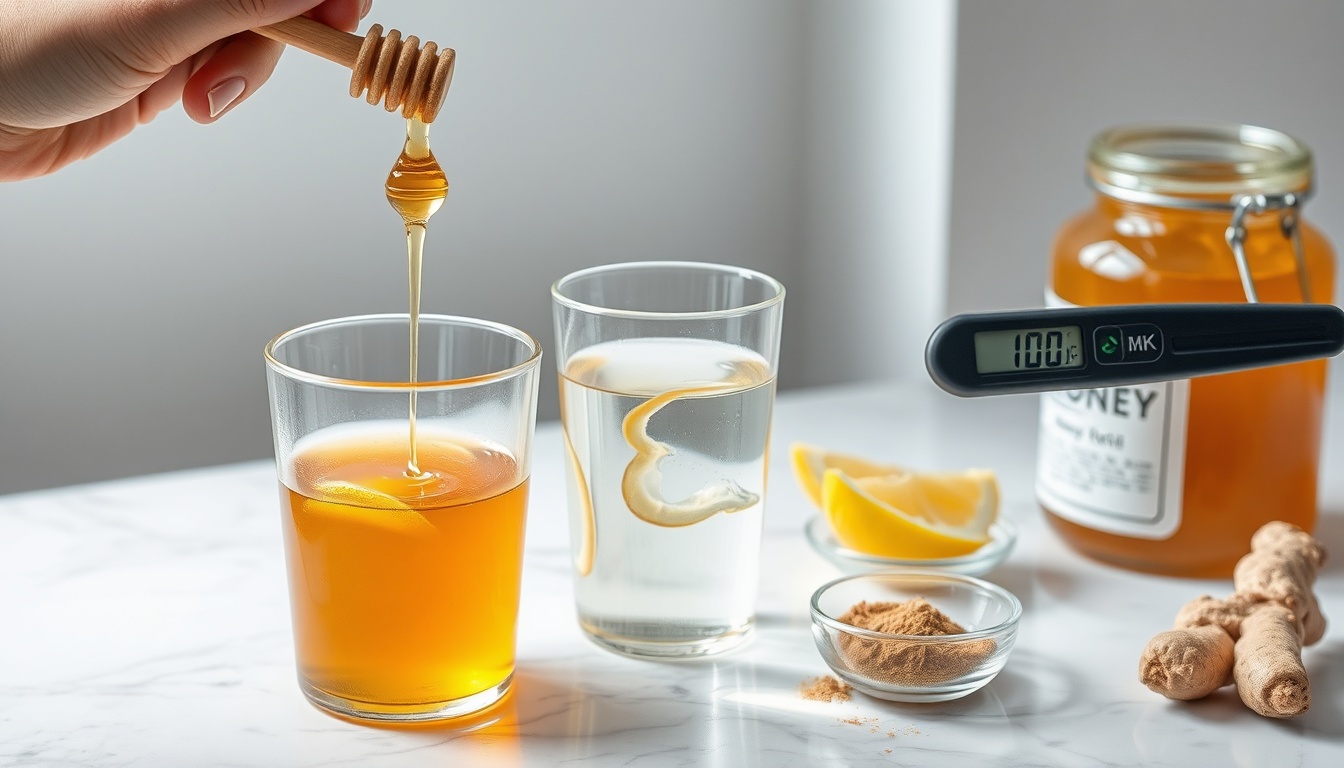
- Use warm water (105-115°F / 40-46°C) — Warm enough to dissolve the honey easily, cool enough to preserve its beneficial compounds. If you can comfortably hold your finger in the water, the temperature is right.
- Ratio: 1-2 teaspoons of honey per 8 oz (240 ml) of water — Start with 1 teaspoon and increase to taste. More is not better — you want the health benefits of honey, not a sugar drink. Two teaspoons provides about 40 calories.
- Stir for 20-30 seconds until fully dissolved — Honey should be completely incorporated, not sitting in a blob at the bottom.
- Optional additions: fresh lemon juice (half a lemon), grated ginger (1/4 teaspoon), Ceylon cinnamon (1/4 teaspoon), or a pinch of turmeric. Each adds its own evidence-based benefits.
- Drink on an empty stomach if targeting digestion, or any time for general wellness — There is no strong evidence that timing matters dramatically, but morning consumption on an empty stomach maximizes the digestive benefits.
Who Should Avoid Honey Water
Honey water is safe for most adults, but some people should avoid it or exercise caution.
- Children under 12 months — Never give honey in any form to infants due to infant botulism risk. This includes honey dissolved in water. The risk is small but the consequences are severe.
- People with uncontrolled diabetes — Honey water adds sugar to your diet. If your blood sugar is not well-controlled, even the moderate glycemic impact of honey can be problematic. Consult your doctor first.
- People with fructose malabsorption or severe IBS — Honey is high in fructose and contains FODMAPs that can trigger symptoms in sensitive individuals. If you have a known sensitivity, talk to your doctor or a dietitian about whether honey fits your diet.
- People counting calories for weight loss — If you're on a strict calorie budget, be aware that 2 teaspoons of honey per day adds about 280 calories per week. This is not insignificant. Account for it in your daily intake.
- People with bee product allergies — Rare, but topical honey allergies can extend to ingestion in some cases. If you have a known allergy to bee stings, pollen, or propolis, introduce honey cautiously.