Why Raw Honey Is Different from Regular Honey
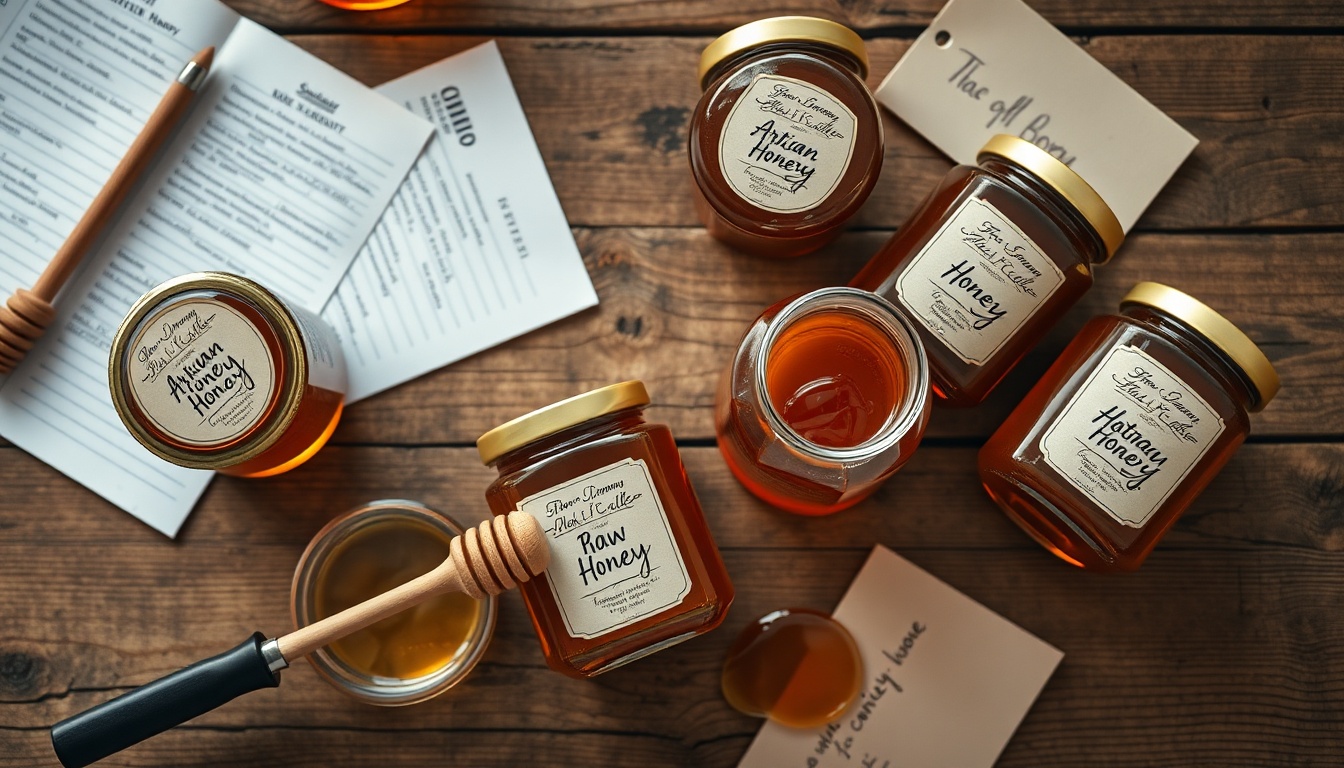
Raw honey is honey as bees intended it — extracted from the hive and strained to remove debris, but never heated above natural hive temperatures (around 95°F/35°C) or ultra-filtered. This minimal processing preserves the enzymes, pollen, propolis traces, and antioxidants that make honey a functional food rather than just another sweetener.
Commercial "regular" honey, by contrast, is typically heated to 150-170°F (65-77°C) to make it flow easily through industrial filters. This pasteurization destroys heat-sensitive enzymes like glucose oxidase and diastase, removes pollen grains (which the FDA says means it can't technically be called honey), and degrades beneficial compounds. A 2012 Food Safety News investigation found that 76% of supermarket honey had all pollen filtered out.
The difference matters because most of the health benefits below depend on compounds that only survive in raw, unprocessed honey. Here are 12 benefits supported by peer-reviewed research.
1. Rich in Antioxidants That Fight Oxidative Stress
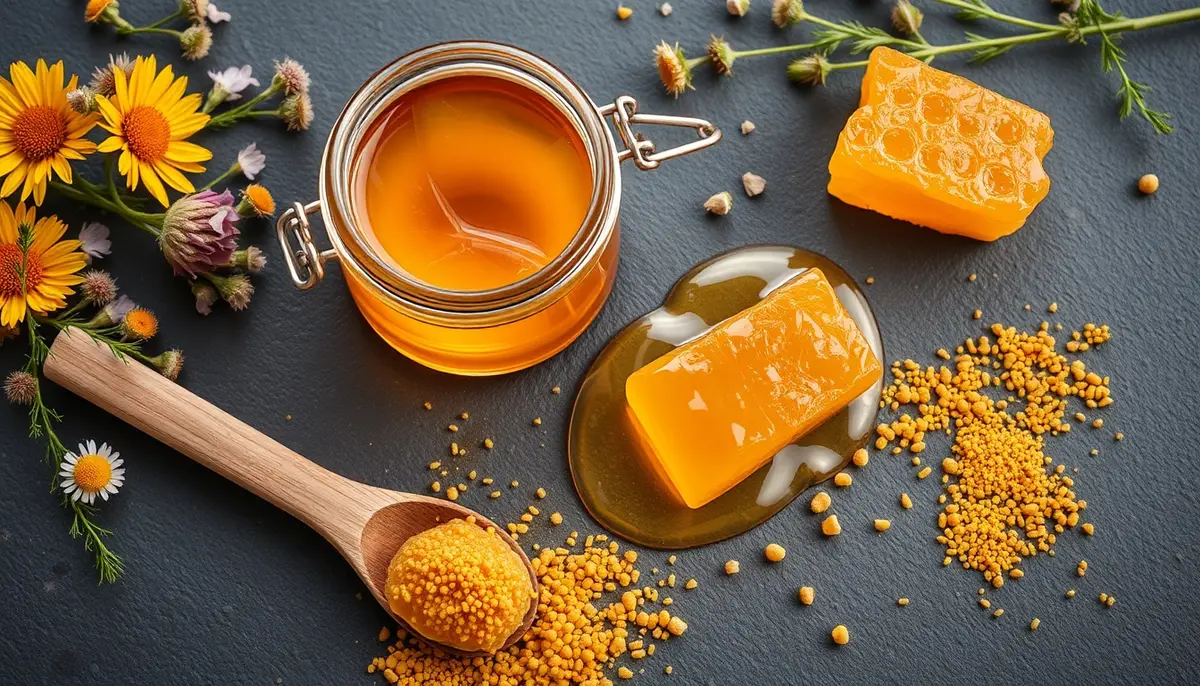
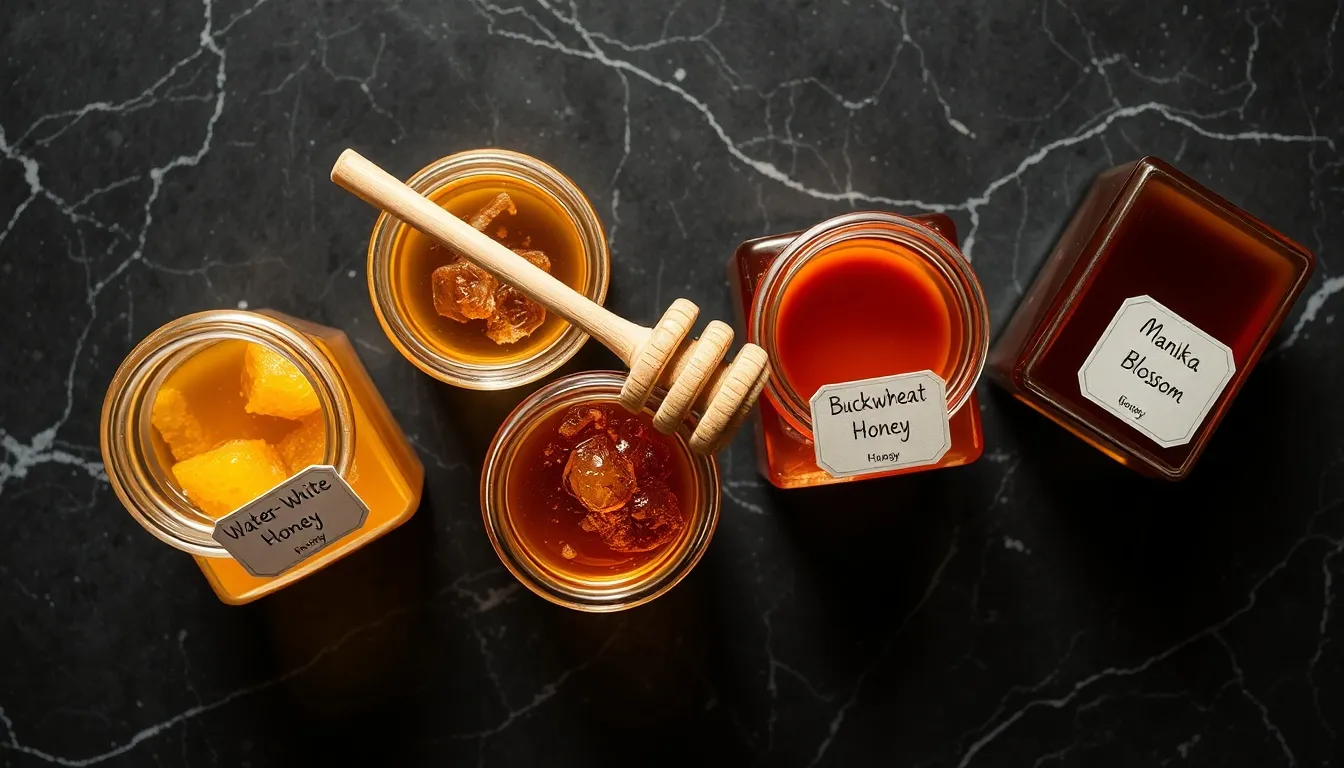
Raw honey contains over 30 bioactive polyphenols, including flavonoids (chrysin, pinocembrin, quercetin) and phenolic acids (caffeic acid, ellagic acid, gallic acid). A 2018 systematic review in Pharmacognosy Research analyzed 47 studies and confirmed that honey's antioxidant capacity is comparable to many fruits and vegetables — with darker honeys like buckwheat containing up to 9 times more antioxidants than light varieties. Buckwheat honey ($15-25/lb) leads with an ORAC score of 16,000+, while lighter varieties like clover honey ($8-15) score 1,000-3,000.
These antioxidants neutralize free radicals that damage DNA, proteins, and cell membranes. A 2003 study in the Journal of Agricultural and Food Chemistry found that subjects who consumed 1.5 g/kg of buckwheat honey daily for 29 days showed significant increases in blood antioxidant levels. This antioxidant activity is directly linked to reduced risk of heart disease, cancer, and neurodegenerative conditions.
Get the Honey Buyer's Cheat Sheet (free PDF)
16 varieties on one page — color, flavor, best use and what a fair price looks like — from the 268 honeys we track.
2. Powerful Antibacterial and Antimicrobial Properties
Raw honey fights bacteria through multiple mechanisms: its high sugar concentration creates osmotic stress on bacterial cells, its low pH (3.2-4.5) inhibits growth, and the enzyme glucose oxidase produces low levels of hydrogen peroxide that act as a natural antiseptic. Manuka honey (UMF 10+, $35-60+) adds methylglyoxal (MGO) for even stronger antibacterial punch — see our detailed raw honey vs Manuka comparison.
A 2011 study in the European Journal of Clinical Microbiology & Infectious Diseases found that honey was effective against 60 species of bacteria, including antibiotic-resistant strains like MRSA. This is why medical-grade honey is now FDA-cleared for wound treatment — it inhibits bacteria while simultaneously promoting tissue repair.
Pro Tip
For antibacterial benefits, choose raw honey with a dark color and strong flavor. Buckwheat ($15-25), Manuka ($35-60+), and wildflower ($10-18) honeys consistently show the highest antimicrobial activity in lab studies.
3. Proven Cough Suppressant (Better Than Some OTC Medicines)
This is one of the most well-documented benefits. A landmark 2007 study in Archives of Pediatrics & Adolescent Medicine found that a single dose of buckwheat honey before bed reduced cough frequency and severity in children more effectively than dextromethorphan (the active ingredient in most cough syrups). The World Health Organization and American Academy of Pediatrics both recognize honey as a first-line treatment for upper respiratory cough.
A comprehensive 2020 BMJ Evidence-Based Medicine systematic review of 14 studies confirmed that honey for cough was superior to usual care, particularly for cough frequency, cough severity, and sleep quality. The soothing mechanism involves honey's viscous texture coating the irritated throat, its anti-inflammatory compounds reducing swelling, and its sweetness triggering saliva and mucus production.
Pro Tip
For cough relief, raw honey is often taken straight or dissolved in warm (not hot) water or tea. Never give honey to children under 12 months due to infant botulism risk.
4. Supports Gut Health and the Microbiome
Raw honey acts as a prebiotic, selectively feeding beneficial gut bacteria while inhibiting harmful ones. It contains fructo-oligosaccharides (FOS) and other oligosaccharides that stimulate the growth of Bifidobacteria and Lactobacillus — the same genera targeted by commercial prebiotic supplements.
A 2019 study in Nutrients found that honey consumption increased beneficial Bifidobacterium populations by 10-fold while reducing pathogenic Clostridium species. Raw honey also shows activity against Helicobacter pylori, the bacterium responsible for most stomach ulcers. A 2006 study in the Sultan Qaboos University Medical Journal found that a 20% honey solution inhibited H. pylori growth, and honey has been used as a complementary therapy alongside standard triple therapy for ulcers.
5. Natural Wound Healing and Burn Treatment
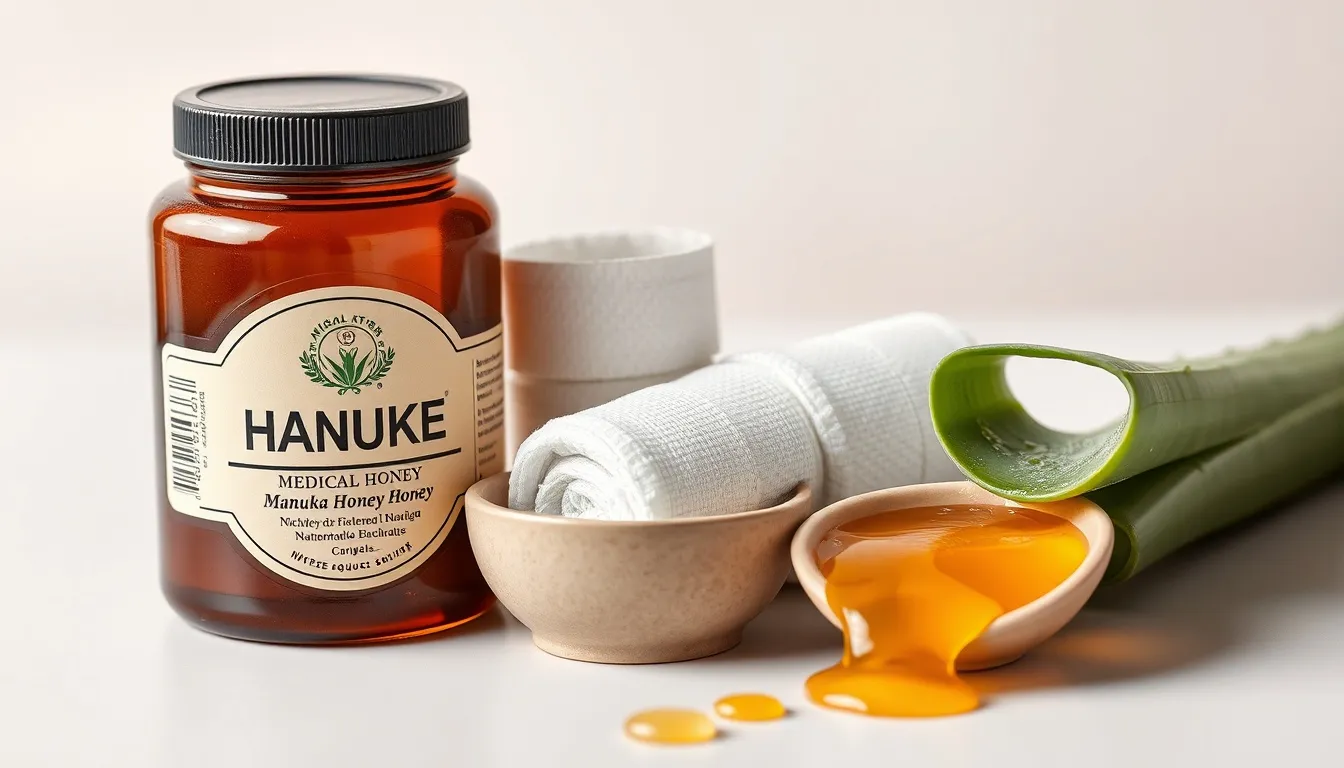
Honey has been used for wound care for millennia, and modern medicine has come full circle. A 2015 Cochrane systematic review of 26 trials involving 3,011 participants found that honey dressings healed partial-thickness burns faster than conventional dressings (by an average of 4-5 days). Several FDA-cleared honey wound products (Medihoney, Activon Tulle) are now standard in hospitals.
The healing mechanisms are multifaceted: osmotic drawing pulls fluid and debris from wounds, hydrogen peroxide provides gentle antisepsis, the acidic pH creates an unfavorable environment for bacteria, anti-inflammatory compounds reduce swelling and pain, and growth factors in honey stimulate tissue regeneration. For a deep dive, see our guide on honey for wound healing.
6. Helps Manage Seasonal Allergy Symptoms
The theory that local honey helps with allergies through gradual pollen exposure is appealing but only partially supported by evidence. A 2011 Finnish study published in the International Archives of Allergy and Immunology did find that birch pollen honey (honey supplemented with birch pollen) reduced allergy symptoms by 60% compared to conventional medication alone.
Even without the pollen immunotherapy angle, raw honey offers real relief during allergy season. Its anti-inflammatory compounds reduce histamine-related swelling in nasal passages, it soothes irritated throats from post-nasal drip, and its antioxidants modulate the immune response. A practical approach: use local raw wildflower honey ($10-18) or clover honey ($8-15) during allergy season for symptomatic relief — find a source through our honey near you directory — but don't expect it to replace antihistamines for severe allergies.
7. Improves Sleep Quality
Taking honey before bed may improve sleep through two mechanisms. First, honey replenishes liver glycogen stores, preventing the cortisol spike that occurs when the brain senses low fuel during the night. This cortisol spike is a common cause of waking at 2-3 AM. Second, honey's natural sugars cause a mild insulin spike that drives tryptophan into the brain, where it's converted to serotonin and then melatonin — the sleep hormone.
A 2014 study in the International Journal of Food Sciences and Nutrition found that honey consumption before bed improved sleep quality scores compared to sugar or no treatment. While more research is needed, the mechanism is physiologically plausible and the downside risk is essentially zero — making raw honey before bed a worthwhile experiment for anyone struggling with sleep.
8. Heart Health: Cholesterol, Blood Pressure, and Triglycerides
Multiple studies link honey consumption to improved cardiovascular markers. A 2022 systematic review and meta-analysis in Nutrition Reviews (covering 18 controlled trials, 1,105 participants) found that honey significantly reduced total cholesterol (-4.3 mg/dL), LDL cholesterol (-3.3 mg/dL), fasting blood glucose (-4.4 mg/dL), and triglycerides (-10.6 mg/dL), while increasing HDL cholesterol (+1.1 mg/dL).
The effects were strongest with raw, monofloral honeys — particularly acacia honey ($12-20, GI ~32) and clover honey ($8-15). The polyphenols in raw honey appear to reduce LDL oxidation — a key step in atherosclerosis development — while improving endothelial function and reducing inflammatory markers that contribute to plaque formation.
9. Supports Skin Health and Healing
Raw honey's humectant properties (it draws moisture from the air) combined with its antibacterial and anti-inflammatory effects make it effective for multiple skin conditions. A 2017 randomized controlled trial found that manuka honey applied to eczema lesions reduced severity scores comparably to steroid cream, with fewer side effects.
For acne, honey's antibacterial action targets Propionibacterium acnes while its anti-inflammatory effects reduce the redness and swelling of breakouts. A 2003 study found that a honey and beeswax mixture was significantly more effective than a petroleum-based moisturizer for eczema and psoriasis. Raw honey also supports wound healing in the skin through the same mechanisms that make it effective for burns — making it useful for minor cuts, post-procedure care, and scar prevention.
10. Anti-Inflammatory Effects Throughout the Body
Chronic low-grade inflammation is implicated in heart disease, diabetes, cancer, Alzheimer's, and autoimmune conditions. Raw honey's polyphenols — particularly chrysin, pinocembrin, and caffeic acid — inhibit NF-κB, a master inflammatory signaling pathway, and suppress pro-inflammatory cytokines (TNF-α, IL-1β, IL-6).
A 2018 clinical trial in the Journal of the American College of Nutrition found that subjects consuming 70 g of natural honey daily for 30 days showed significant reductions in C-reactive protein (CRP), a systemic inflammation marker. This anti-inflammatory activity contributes to many of honey's other benefits — its wound healing, skin repair, gut protection, and cardiovascular effects are all partially mediated through inflammation reduction.
11. Natural Energy Source for Athletes
Raw honey provides a unique blend of glucose (fast energy) and fructose (sustained energy) in roughly equal proportions, making it an effective natural fuel for exercise. A 2004 study at the University of Memphis found that honey was as effective as commercial sports gels at maintaining blood glucose and improving athletic performance during endurance cycling.
The glycemic index of most raw honeys (35-65, depending on variety) is lower than table sugar (65) or glucose gels (100), meaning a more gradual energy release without the spike-and-crash pattern. Acacia honey ($12-20) has the lowest GI (around 32) due to its high fructose ratio, making it ideal for sustained energy. Tupelo honey ($25-45, GI ~45) never crystallizes, making it convenient for gym bags. Clover honey ($8-15) is moderate (around 55) and widely available. For pre-workout energy, some athletes take raw honey shortly before exercise; for endurance fuel, they take small amounts at intervals during activity.
12. May Help Regulate Blood Sugar (Paradoxically)
Despite being a sugar, honey may actually improve blood sugar regulation compared to refined sweeteners. The 2022 Nutrition Reviews meta-analysis found that honey reduced fasting blood glucose by an average of 4.4 mg/dL across controlled trials. This paradox is explained by honey's unique sugar profile — the rare sugars and oligosaccharides in raw honey appear to modulate glucose absorption, improve insulin sensitivity, and protect pancreatic beta cells.
A 2004 study in the Journal of Medicinal Food compared honey, sucrose, and dextrose in healthy subjects and type 2 diabetics. Honey produced a significantly lower blood glucose peak than both alternatives in all groups. For people managing blood sugar, this doesn't mean unlimited honey — but it does mean that substituting honey for sugar in moderate amounts is likely beneficial rather than harmful. Always consult your doctor if you have diabetes.
Pro Tip
Not all honeys are equal for blood sugar. Acacia honey has the lowest glycemic index (~32) due to its high fructose-to-glucose ratio, tupelo is also low (~45), while wildflower (50-65) and clover (~69) are moderate. Avoid "honey" blends that contain added corn syrup or sugar.
Bonus: Respiratory and Sinus Health
Beyond cough suppression, raw honey shows promise for sinus infections and nasal congestion. A 2017 study in the American Journal of Rhinology & Allergy found that manuka honey was effective against MRSA biofilms in sinus tissue — a major cause of chronic sinusitis that resists conventional antibiotics. Honey-enhanced saline nasal rinses are gaining traction as a complementary therapy for recurring sinus problems.
Raw honey's anti-inflammatory mechanisms are particularly relevant for respiratory health. The polyphenols that inhibit NF-κB also reduce the mucosal swelling that causes congestion, while honey's osmotic properties help thin mucus for easier drainage. Combined with its effects on blood pressure and cardiovascular health, raw honey supports multiple body systems through overlapping anti-inflammatory and antioxidant pathways. For a detailed look at honey's complete nutritional breakdown — including the specific polyphenols, enzymes, and minerals responsible for these effects — see our nutrition facts guide.
How to Choose the Best Raw Honey
Not all honey labeled "raw" delivers the same benefits. To get the most from your honey, look for these markers:
- **Unfiltered and unheated** — True raw honey is strained (removing large debris) but not ultra-filtered (which removes pollen and beneficial particles). It should appear slightly cloudy.
- **Crystallization is good** — If your honey crystallizes, that's actually a sign of authenticity. Raw honey naturally crystallizes over time due to its glucose content. Learn why honey crystallizes and how to restore it.
- **Local or single-origin** — Honey from a known beekeeper or farmers market is more likely to be genuinely raw than mass-market brands.
- **Dark color for maximum benefits** — Darker honeys like buckwheat ($15-25, ORAC 16,000+), chestnut ($20-35), and Manuka ($35-60+) contain significantly more antioxidants, minerals, and antibacterial compounds.
- **Third-party tested** — Look for True Source Certified honey to avoid adulterated imports. Learn how to spot fake honey.
How Much Raw Honey Should You Eat Daily?
Amounts used in raw-honey studies describe study protocols, not a serving recommendation. Count raw honey with other added or free sugars.
Safety Considerations
Raw honey is safe for most adults and children over 12 months. However, there are important exceptions:
- **Never give honey to infants under 12 months** — Honey can contain Clostridium botulinum spores that infant digestive systems cannot neutralize, causing infant botulism.
- **Allergies** — Rarely, people with bee venom allergies or pollen allergies may react to raw honey. Start with a small amount if you're unsure.
- **Diabetes** — While honey has a lower glycemic impact than sugar, it still raises blood sugar. People with diabetes should monitor their response and count honey toward their carbohydrate intake.
- **Pregnancy** — Raw honey is safe during pregnancy. Adult digestive systems destroy botulism spores effectively.
- **Calorie awareness** — One tablespoon of honey contains about 64 calories. It's a healthier sweetener, not a calorie-free one.
The Bottom Line: Is Raw Honey Worth It?
The evidence is clear: raw honey is meaningfully different from processed honey and from other sweeteners. Its unique combination of enzymes, antioxidants, prebiotics, and antimicrobial compounds delivers real, measurable health benefits that refined sugar, agave, and even pasteurized honey simply cannot match.
Raw honey typically costs $10-20 per pound compared to $5-8 for regular honey — a modest premium for a food that doubles as a functional supplement. If you currently use any sweetener, swapping it for raw honey is one of the simplest, most evidence-backed dietary upgrades you can make.
Choose a dark variety for maximum potency, and buy from a source you trust. Your gut, immune system, and taste buds will all thank you.