Why People Are Taking Honey Before Bed
The idea of eating honey before sleep has circulated in wellness communities for years, but it gained mainstream attention through books like "The Honey Diet" and viral social media posts claiming a spoonful of raw honey at bedtime can improve sleep quality, reduce nighttime waking, and even support fat metabolism overnight.
While some of these claims are exaggerated, there is genuine science behind why honey might help certain people sleep better. The mechanism involves liver glycogen, tryptophan transport, and melatonin precursors — not magic, but real biochemistry worth understanding.
The Science: How Honey May Improve Sleep
Honey affects sleep through two main pathways, both of which are supported by published research, though the evidence is still considered preliminary rather than definitive.
The first pathway involves liver glycogen. Your brain consumes about 6-8 grams of glycogen per hour during sleep. When liver glycogen runs low, your body releases stress hormones (cortisol and adrenaline) to mobilize energy, which can cause you to wake up between 2-4 AM. A tablespoon of honey provides approximately 17 grams of carbohydrates that selectively restock liver glycogen without a major insulin spike, potentially preventing this cortisol-driven waking.
The second pathway involves tryptophan and melatonin. Honey contains small amounts of tryptophan, the amino acid precursor to serotonin and melatonin. More importantly, the natural sugars in honey cause a mild insulin release that helps tryptophan cross the blood-brain barrier more effectively. A 2014 study in the Iranian Journal of Basic Medical Sciences found that honey consumption increased melatonin levels in test subjects.
Pro Tip
The liver glycogen mechanism explains why this remedy works best for people who eat dinner early or exercise in the evening — their glycogen stores are more likely to be depleted by bedtime.
Get the Honey Buyer's Cheat Sheet (free PDF)
16 varieties on one page — color, flavor, best use and what a fair price looks like — from the 268 honeys we track.
What the Research Says
The clinical evidence for honey as a sleep aid is promising but limited. Most studies are small, and larger randomized controlled trials are still needed.
A 2012 study published in the Journal of Medicinal Food found that honey consumed before bed improved subjective sleep quality scores compared to placebo in healthy adults. Participants reported falling asleep faster and feeling more rested upon waking.
Research published in 2019 in the journal Nutrients found that natural sugars consumed 30-60 minutes before bed improved sleep onset latency (the time it takes to fall asleep) in adults with mild sleep difficulties. Honey was highlighted as a preferred source due to its favorable glucose-to-fructose ratio.
A Malaysian study on postmenopausal women found that daily Tualang honey supplementation for 16 weeks improved sleep quality scores significantly compared to hormone replacement therapy alone. The researchers attributed this partly to honey's effect on tryptophan metabolism.
It is important to note that honey is not comparable to clinical sleep medications. If you have diagnosed insomnia or a sleep disorder, honey is not a replacement for medical treatment.
Best Types of Honey for Sleep
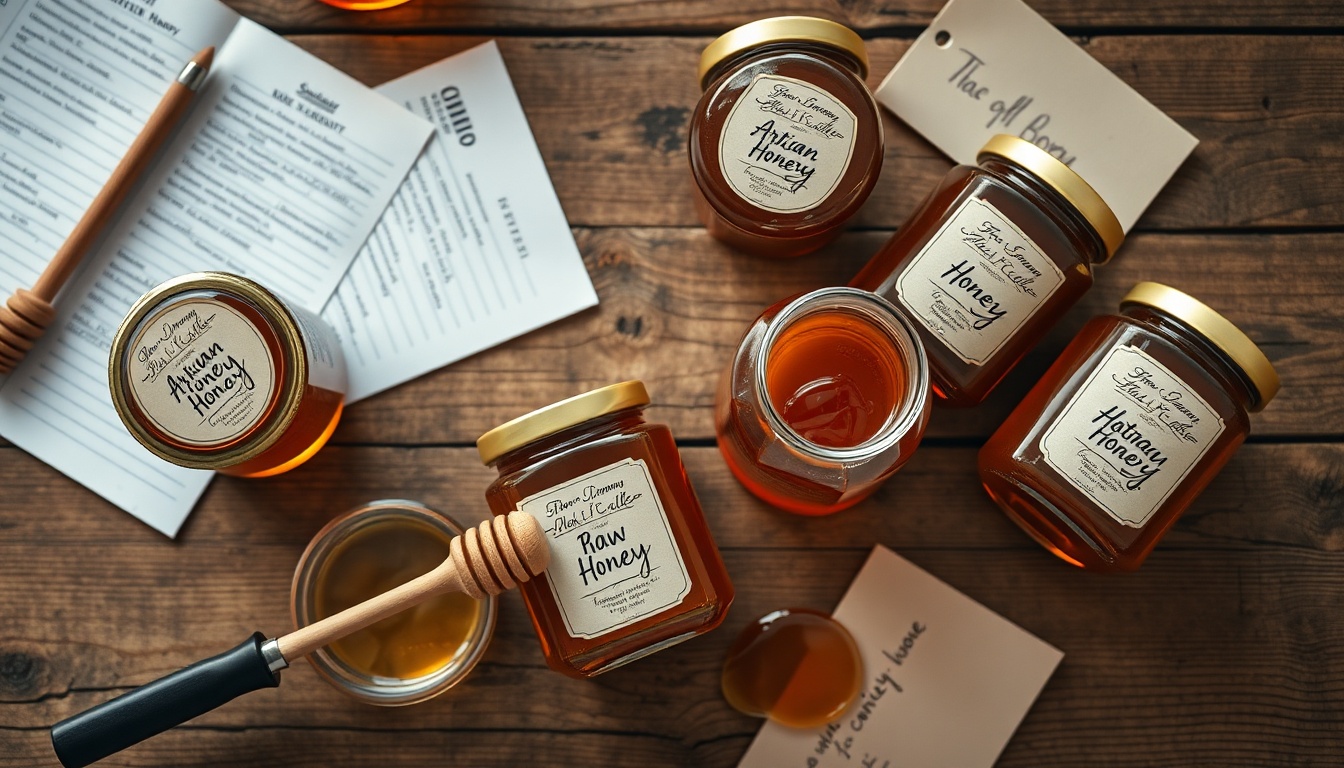
Not all honey is equally suited for a bedtime routine. The type of honey matters because glucose-to-fructose ratios vary by floral source, and raw honey retains compounds that processed honey loses.
- Wildflower honey ($10–18) — Good all-around choice with balanced sugar ratios and intact enzymes from diverse nectar sources
- Acacia honey ($12–20, GI ~32) — Higher in fructose, which provides a slower, more sustained glycogen release overnight. The lowest glycemic index of common honeys makes it the best choice for blood-sugar-conscious sleepers
- Buckwheat honey ($15–25, ORAC 16,000+) — Highest antioxidant content among common varieties; a 2019 antioxidant study showed buckwheat honey had 8x the antioxidant activity of clover honey
- Manuka honey ($35–60+) — Contains unique methylglyoxal (MGO) compounds, though these are more relevant for immune support than sleep. Unnecessary expense for bedtime use
- Clover honey ($8–15) — Mild flavor makes it the easiest to take straight; a fine budget choice if you prefer taste over potency
Pro Tip
Avoid processed, ultra-filtered honey (the kind in bear-shaped squeeze bottles). The pasteurization process destroys enzymes and reduces amino acid content, including the tryptophan that contributes to honey's sleep benefits.

Honey Before Bed: Evidence Boundaries
This section does not establish a universal or medical honey dose for this purpose. Use the daily added-sugar guide to count honey with other added or free sugars.
- Honey before bed is a sweet-food choice, not an established treatment for insomnia or nighttime waking.
- Timing: Evidence does not establish an ideal pre-bed honey schedule or a reliable melatonin effect
- Method: Eat it straight from the spoon, dissolve in warm (not hot) water or herbal tea, or stir into warm milk
- Temperature: If mixing with liquid, keep the temperature below 140°F (60°C) to preserve enzymes and heat-sensitive compounds
- Consistency: Honey is not an established sleep treatment; persistent insomnia warrants evidence-based sleep care
Honey and Warm Milk: Does This Classic Combo Work?
The grandmother-approved remedy of warm milk with honey has more science behind it than you might expect. Milk contains tryptophan and calcium (which helps the brain use tryptophan to produce melatonin), while honey provides the insulin nudge that helps tryptophan cross the blood-brain barrier. The combination is genuinely complementary.
Warm chamomile tea with honey is another evidence-backed pairing. Chamomile contains apigenin, a compound that binds to benzodiazepine receptors in the brain and has mild sedative effects. Adding honey provides the glycogen and tryptophan benefits on top of chamomile's calming properties.
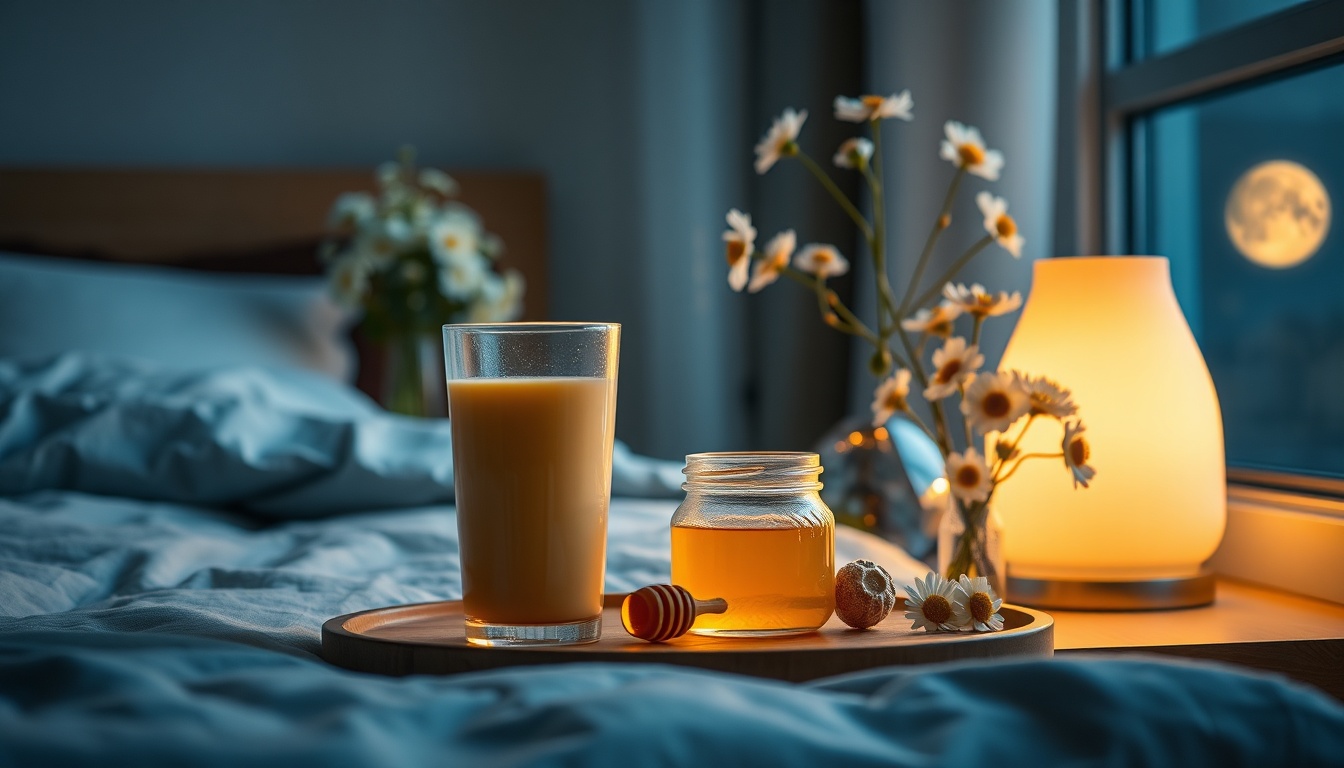
A simple recipe: heat 1 cup of milk or chamomile tea to a comfortable drinking temperature (not boiling), stir in 1 tablespoon of raw honey — clover honey ($8–15) for mild sweetness, wildflower honey ($10–18) for floral complexity, or acacia honey ($12–20) for sustained overnight energy — and drink 30-45 minutes before bed.

Who Should Avoid Honey Before Bed
While honey before bed is safe for most adults, several groups should exercise caution or avoid this practice entirely.
- Infants under 12 months — Honey can contain Clostridium botulinum spores that cause infant botulism. Never give honey to babies
- People with diabetes — A tablespoon of honey has about 17g of sugar and will affect blood glucose levels. Consult your doctor before adding a nightly honey dose
- People with GERD or acid reflux — Lying down shortly after consuming sugar can worsen reflux symptoms for some individuals
- Anyone with a honey or bee product allergy — Rare but serious; symptoms include throat swelling, hives, or anaphylaxis
- People actively trying to reduce sugar intake — While honey has nutritional advantages over refined sugar, it is still sugar and adds 64 calories per tablespoon
Honey vs Other Natural Sleep Remedies
How does honey stack up against other popular natural sleep aids? Each works through different mechanisms, and combining certain ones can be more effective than any single remedy.
Melatonin supplements provide the sleep hormone directly, while honey supports your body's natural melatonin production. Melatonin supplements are faster-acting but can cause grogginess; honey is gentler but takes longer to show effects.
Magnesium glycinate is well-studied for sleep and works through GABA receptor activation. It pairs well with honey since they work through completely different pathways.
Valerian root and passionflower have modest evidence for improving sleep quality. Like honey, they work best with consistent use over several weeks.
The advantage of honey over most supplements is that it is a whole food with no side effects at normal doses, no risk of dependence, and no morning grogginess.
The Gut-Sleep Connection: A Third Pathway
Beyond liver glycogen and tryptophan, emerging research points to a third mechanism by which honey may improve sleep: the gut-brain axis. Your gut microbiome produces approximately 95% of your body's serotonin and directly influences melatonin synthesis, making gut health a surprisingly important factor in sleep quality.
Raw honey contains prebiotic oligosaccharides (FOS and GOS) that selectively feed beneficial Bifidobacterium and Lactobacillus species. Wildflower honey provides diverse oligosaccharides from multiple plant sources, while clover honey offers reliable prebiotic activity for gut bacteria. These bacteria produce short-chain fatty acids (SCFAs) like butyrate, which crosses the blood-brain barrier and has demonstrated calming effects on the central nervous system. A 2019 study in Frontiers in Psychiatry found that participants with higher SCFA-producing gut bacteria reported significantly better sleep quality scores.
This gut-sleep pathway also explains why combining honey with cinnamon before bed may be more effective than honey alone. Cinnamon's polyphenols have prebiotic properties of their own, and cinnamaldehyde has been shown to reduce gut inflammation — and gut inflammation is one of the strongest disruptors of the circadian serotonin cycle.
Chronic inflammation anywhere in the body disrupts sleep architecture by elevating pro-inflammatory cytokines (IL-6, TNF-α) that interfere with the sleep-wake cycle. Honey's anti-inflammatory polyphenols may help address this root cause. A 2022 meta-analysis found that regular honey consumption reduced C-reactive protein, a key inflammatory marker associated with poor sleep outcomes.
For the fullest range of raw honey's benefits — including the gut-supporting, anti-inflammatory, and sleep-promoting compounds — always choose raw, unprocessed honey. Wildflower honey ($10–18) provides diverse oligosaccharides from multiple floral sources, buckwheat honey ($15–25, ORAC 16,000+) offers maximum anti-inflammatory polyphenols, and clover honey ($8–15) provides reliable prebiotic activity. Pasteurization destroys the prebiotic oligosaccharides and heat-sensitive enzymes that contribute to gut health and, by extension, sleep quality.