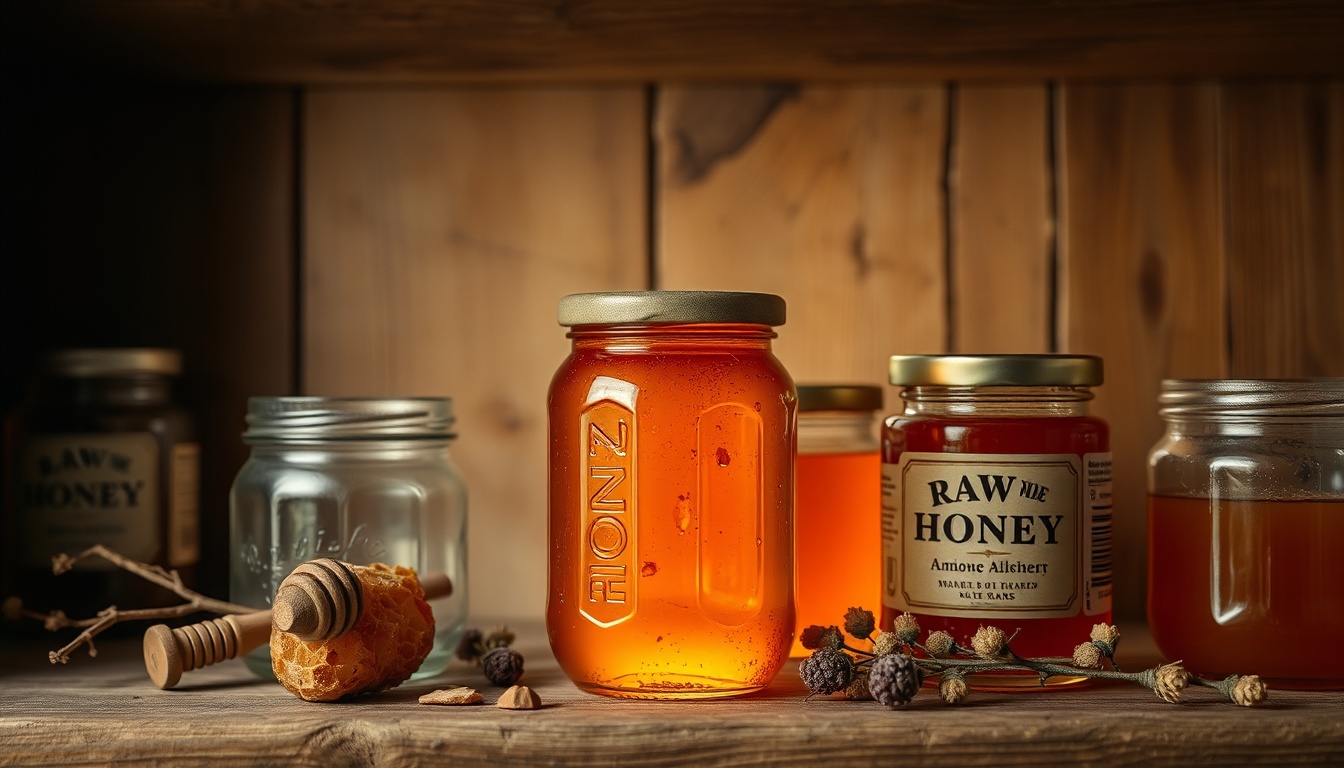
The Short Answer: Honey Doesn't Really Expire
Chemical analysis of honey from Tutankhamun's tomb — excavated by Howard Carter in 1922, over 3,000 years old — confirmed its sugar composition and antimicrobial properties were fully intact. That finding tells you something remarkable about this natural sweetener: when stored properly, honey has an essentially indefinite shelf life.
So why does the jar in your pantry have an expiration date? And can honey ever actually go bad? The answers involve some fascinating chemistry — and a few important caveats that every honey buyer should understand.
Why Honey Lasts (Almost) Forever: The Science
Honey's extraordinary longevity comes from a combination of physical and chemical properties that make it hostile to the bacteria and molds that spoil most foods.
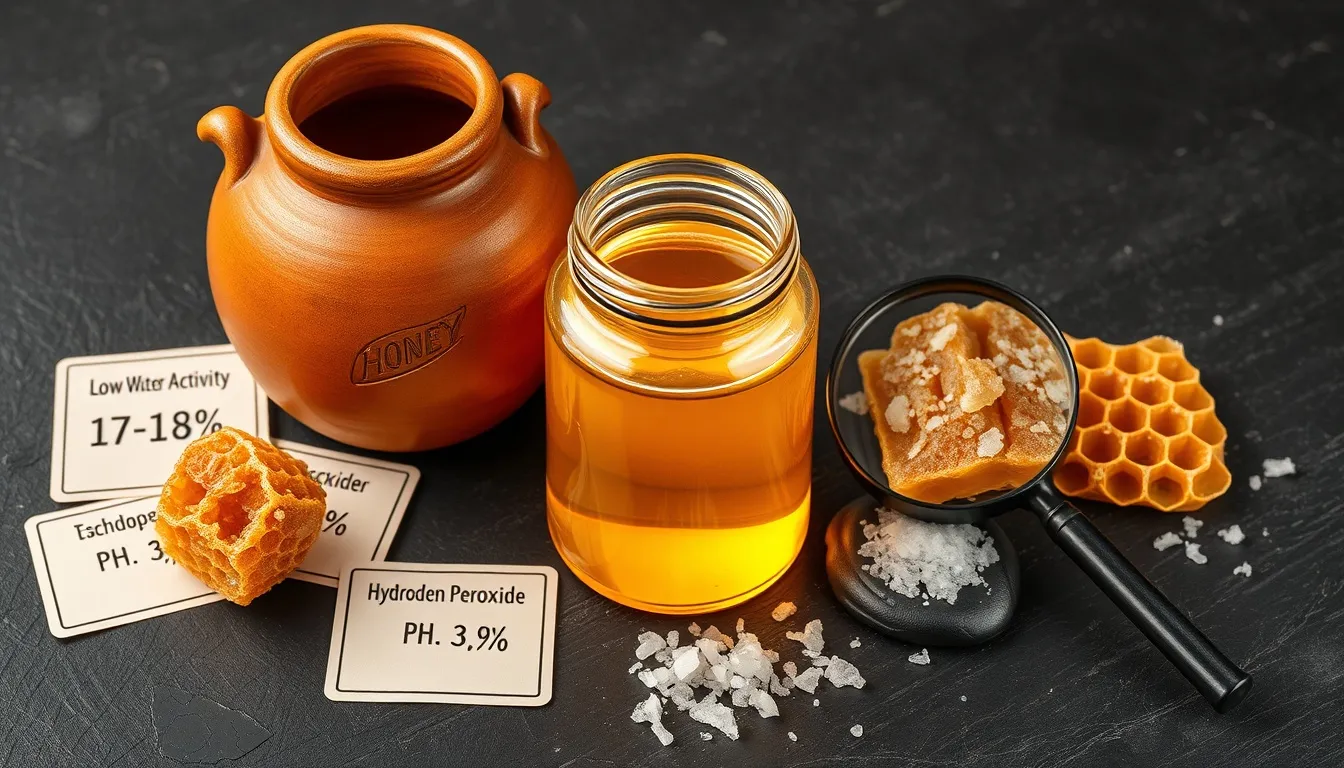
- Extremely low moisture content (typically 14-18%) — bacteria need water to survive, and honey is essentially a supersaturated sugar solution that pulls moisture out of microorganisms through osmosis
- Naturally acidic pH (3.2-4.5) — this range inhibits most bacterial growth, similar to vinegar
- Hydrogen peroxide production — the enzyme glucose oxidase, added by bees during honey production, slowly generates small amounts of hydrogen peroxide, a natural antimicrobial
- High sugar concentration (about 80%) — the extreme sugar density creates an environment where bacteria cannot reproduce
Pro Tip
The same low moisture and acidity that keep honey from spoiling are why it has been stored for thousands of years. Premium Manuka honey (UMF 10+, $35–60+) keeps just as well.
Get the Honey Buyer's Cheat Sheet (free PDF)
16 varieties on one page — color, flavor, best use and what a fair price looks like — from the 268 honeys we track.
When Honey CAN Go Bad: 3 Real Risks
While pure honey stored correctly won't spoil, there are specific situations where honey can degrade or become unsafe.
1. Moisture Contamination (Fermentation)
The biggest threat to honey is water. If honey absorbs enough moisture — either from a poorly sealed container, a humid environment, or because it was harvested too early (before bees capped the cells) — its water content can rise above 20%. At that point, naturally present yeast can activate and ferment the honey.
Fermented honey smells yeasty or alcoholic, may have visible foam or bubbles on the surface, and tastes sour. It won't make you sick, but it's not pleasant to eat. Interestingly, mead makers intentionally ferment honey — so fermented honey isn't wasted, just transformed.
Pro Tip
Always use a dry spoon when scooping honey. Introducing water — even a few drops from a wet spoon — creates a pocket of diluted honey where fermentation can start.
2. Contamination from Non-Honey Substances
If food particles, crumbs, or other organic matter fall into honey, those particles can introduce enough moisture and microbes to cause localized spoilage. This is why the "double-dipping" habit with toast crumbs is honey's worst enemy. The honey itself doesn't spoil — the foreign material does, and it can spread.
3. Adulterated or Fake Honey
Honey that has been diluted with corn syrup, rice syrup, or water doesn't have the same antimicrobial properties as pure honey. The added moisture and altered chemistry mean adulterated honey CAN spoil like any other sugar solution. This is yet another reason to buy from trusted sources and learn to verify honey authenticity.
What About That Expiration Date on the Label?
Nearly every honey jar has a "best by" or "use by" date, typically 2-3 years from packaging. This date is NOT a safety deadline — it's a quality recommendation.
Honey producers include these dates for several reasons: retailers require them for shelf management, the color and flavor can shift over time (honey darkens and develops stronger flavors as it ages), and crystallization becomes more likely. None of these changes mean the honey is unsafe.
If your honey is past its printed date but has been stored sealed at room temperature, it's almost certainly fine. Give it a look and a smell — if it looks normal and doesn't smell fermented, eat it with confidence.
Crystallization Is NOT Spoilage
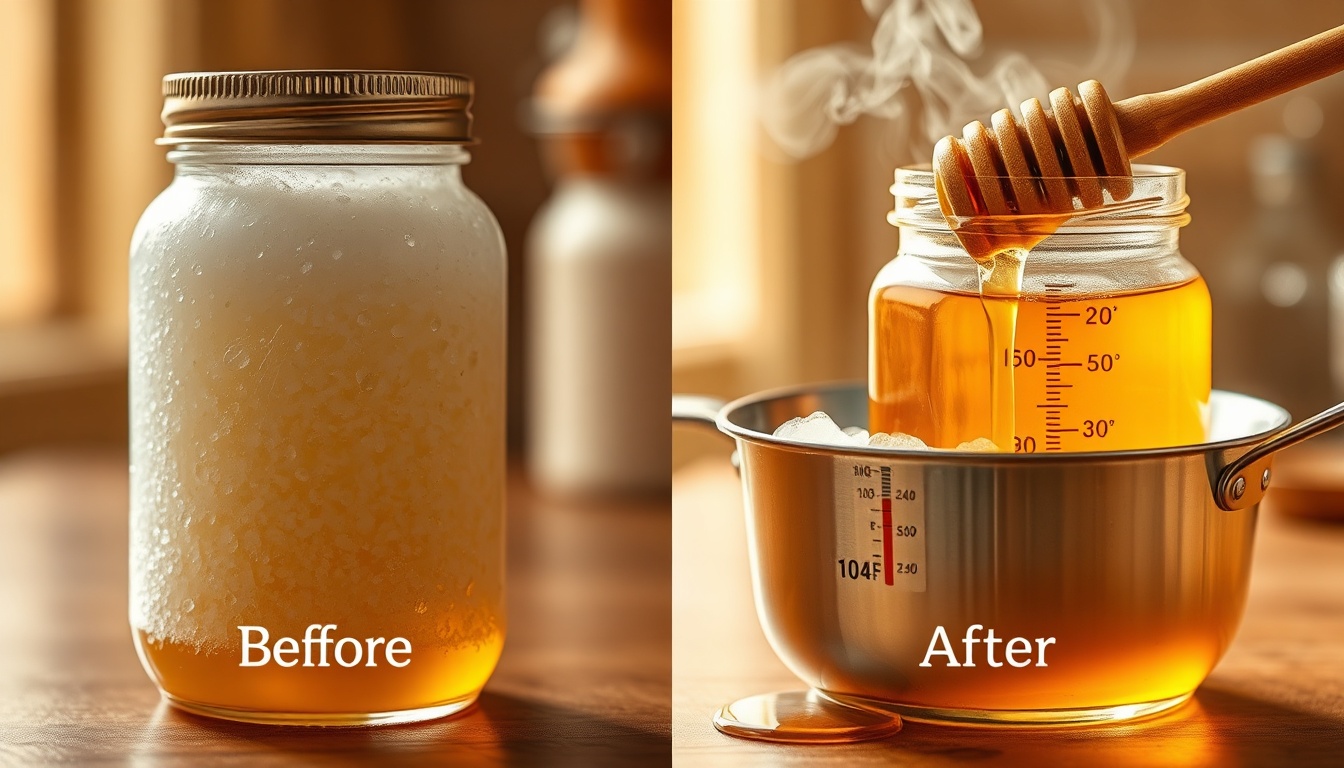
This is the single biggest misconception about honey shelf life. When honey turns thick, grainy, or solid, people assume it's gone bad. In reality, crystallization is a completely natural process where glucose molecules form crystals — it's actually a sign of real, unprocessed honey.
Crystallized honey is perfectly safe. Some people even prefer it: it's easier to spread, doesn't drip, and has a pleasant, creamy texture. If you want it liquid again, gentle warming in a warm water bath (not a microwave) will dissolve the crystals without damaging the honey's beneficial properties.
Pro Tip
Honey with higher glucose-to-fructose ratios crystallizes faster. Clover honey ($8–15) and wildflower honey ($10–18) crystallize quickly (weeks to months), while acacia honey ($12–20) and tupelo honey ($25–45) can stay liquid for years due to their high fructose-to-glucose ratios.
How to Store Honey for Maximum Longevity
Proper storage is the key to honey lasting indefinitely. Follow these storage guidelines:
- Keep the lid tightly sealed — this is the single most important rule, as it prevents moisture absorption
- Store at room temperature (70-80°F / 21-27°C) — the pantry or a kitchen cabinet is ideal
- Avoid the refrigerator — cold temperatures accelerate crystallization without any safety benefit
- Use glass or food-grade plastic containers — avoid metal, which can oxidize and affect flavor
- Keep away from direct sunlight and heat sources — light and heat accelerate color darkening and flavor changes
- Never store near the stove or dishwasher — steam and temperature fluctuations introduce moisture
- Use clean, dry utensils every time — no wet spoons, no knife covered in butter or toast crumbs
Raw Honey vs. Processed Honey: Does It Matter for Shelf Life?
Raw honey and commercially processed (pasteurized) honey have similar shelf lives — both last indefinitely when stored correctly. However, there are differences worth noting.
Raw honey retains more of its natural enzymes, including glucose oxidase, which produces that antimicrobial hydrogen peroxide. It also tends to crystallize faster because it hasn't been ultra-filtered. Varieties matter more than processing: buckwheat honey ($15–25) is dark and strongly flavored, while acacia honey ($12–20) is prized for its resistance to crystallization. Processed honey has been heated and filtered, which slows crystallization and gives it a clearer appearance, but mutes some of the delicate aromas.
Neither type is more likely to "expire" than the other. The choice between raw and processed honey is about taste, nutrition, and preference — not about shelf life.
Signs Your Honey Has Actually Gone Bad
In the rare cases where honey does spoil, here's what to look for:
- Sour or alcoholic smell — indicates fermentation from excess moisture
- Visible foam or bubbles — another fermentation sign (different from the small air bubbles that occur when you pour honey)
- Off taste — if it tastes sour, yeasty, or noticeably different from when you bought it
- Visible mold — extremely rare in pure honey, but possible if contaminated with food particles
- Watery or thin consistency — suggests the honey was diluted or has absorbed significant moisture
Pro Tip
If your honey shows fermentation signs but doesn't smell terrible, don't throw it out — it makes an excellent base for homemade mead or can be used in marinades where the sour notes complement the dish.
The Bottom Line
Pure honey, stored in a sealed container at room temperature, doesn't expire in any meaningful sense. The jar in the back of your pantry from 2019 is almost certainly still good. Crystallization, color changes, and flavor shifts are normal aging — not spoilage.
The main enemies of honey are moisture, contamination, and adulteration. Buy real honey from reputable sources, keep the lid tight, use a dry spoon, and your honey will outlast just about everything else in your kitchen.
One interesting exception to the "avoid fermentation" rule: fermented honey garlic is an intentional fermentation where garlic's moisture content triggers a controlled lacto-ferment. The result is safe, delicious, and has been trending as a condiment. The key difference is that the fermentation is deliberate and monitored, unlike accidental spoilage from a wet spoon. Similarly, honeycomb naturally resists spoilage even better than extracted honey because the beeswax cap keeps moisture out.
