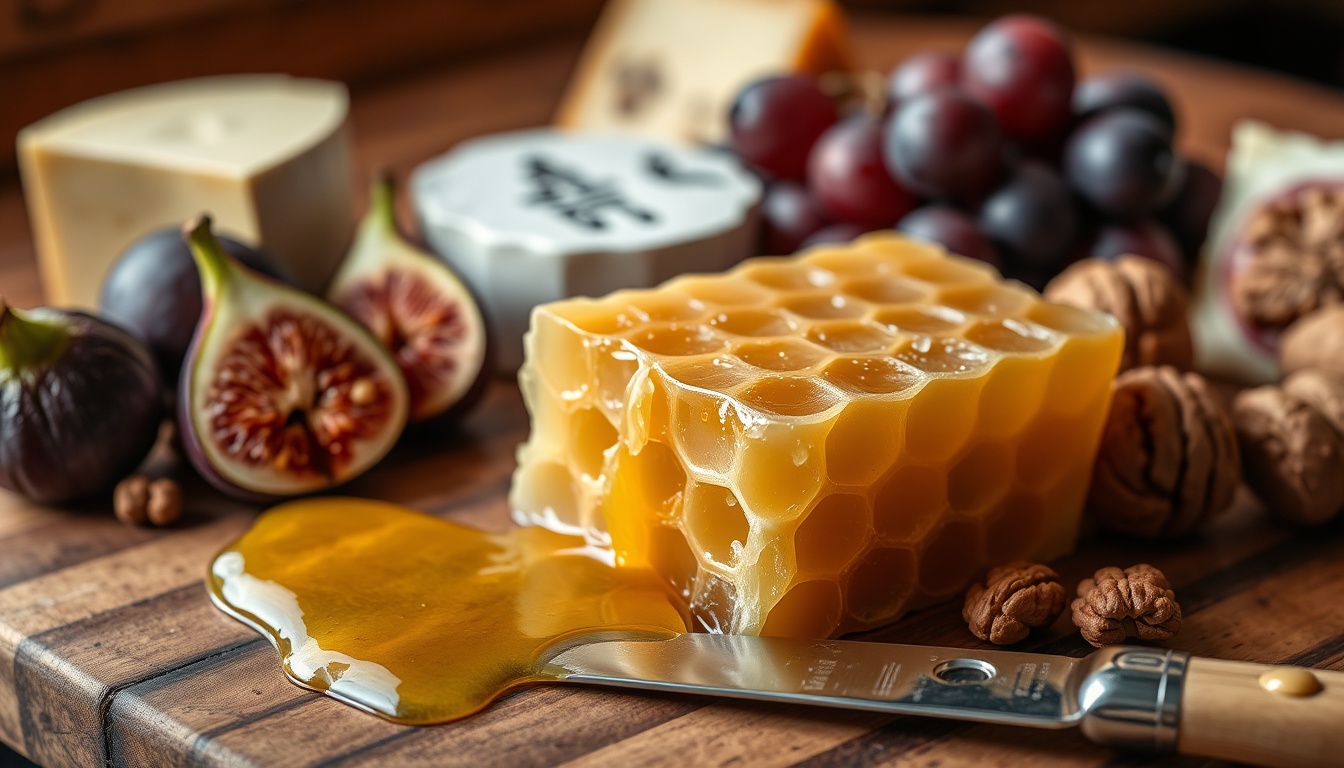
Can You Eat Honeycomb? The Short Answer
Yes, you can eat honeycomb — the entire thing, wax and all. Honeycomb is the hexagonal beeswax structure that bees build to store honey and raise brood. When you buy honeycomb for eating, you get sections of capped comb filled with raw honey. The wax is completely edible and safe to swallow.
Eating honeycomb is one of the oldest ways humans have consumed honey. Long before extraction equipment existed, people simply cut chunks of comb from wild hives and ate them whole. Today, honeycomb is experiencing a major resurgence — partly driven by viral social media content showing the satisfying crunch of biting into fresh comb, and partly because people are seeking less processed foods. If you already enjoy raw honey, honeycomb takes the experience to another level.
What Does Honeycomb Taste Like?
Honeycomb tastes like a more intense, complex version of the honey it contains. The first bite breaks through the thin wax cappings with a satisfying snap, releasing a flood of raw honey that is noticeably fresher and more aromatic than jarred honey. The flavor depends entirely on what flowers the bees foraged — wildflower comb tastes different from clover comb, which tastes different from acacia comb.
The beeswax itself has a subtle, slightly floral flavor that is pleasant but neutral. As you chew, the wax breaks down into small, soft pieces similar to chewing gum. Most people either swallow the wax (perfectly safe) or chew it for a minute and discard it. The wax adds a textural element — waxy, chewy, slightly crunchy — that makes eating honeycomb a completely different experience from drizzling liquid honey.
Pro Tip
Honeycomb at room temperature has the best texture. Refrigerated comb becomes hard and brittle, while warm comb gets soft and messy. Store it in a cool, dry place — a pantry or cupboard is ideal.
Get the Honey Buyer's Cheat Sheet (free PDF)
16 varieties on one page — color, flavor, best use and what a fair price looks like — from the 268 honeys we track.
7 Benefits of Eating Honeycomb
Honeycomb delivers everything raw honey offers, plus additional benefits from the beeswax and the completely unprocessed state of the honey inside.
- Enzyme claims — Honeycomb processing differs from extracted honey, but this article does not establish a therapeutic advantage or fixed intake.
- Beeswax contains long-chain fatty acids and alcohols — Beeswax is not nutritionally inert. It contains long-chain fatty acids, fatty alcohols (particularly policosanol and triacontanol), and small amounts of vitamin A. A 2004 study in Nutrition found that very-long-chain fatty alcohols from beeswax lowered LDL cholesterol by 21-29% and raised HDL by 8-15% in human subjects.
- Natural source of propolis — The cells of honeycomb are lined with a thin layer of propolis, the antimicrobial resin bees collect from tree buds. Propolis has documented antibacterial, antiviral, and anti-inflammatory properties. You get trace amounts of propolis when eating comb that you do not get from extracted honey.
- Bee pollen traces — Honeycomb often contains small amounts of bee pollen trapped in the cells alongside the honey. Bee pollen is rich in protein, B vitamins, and antioxidants.
- Prebiotic fiber from beeswax — While humans cannot fully digest beeswax, it passes through the digestive system similarly to insoluble fiber, supporting gut health and healthy bowel function. Traditional medicine systems have long valued eating beeswax for digestive regularity.
- This section does not establish a universal or medical honey dose for this purpose. Use the daily added-sugar guide to count honey with other added or free sugars.
- Oral health benefits — Chewing honeycomb has been traditionally used to support oral health. The beeswax and propolis have antimicrobial properties, and the chewing action stimulates saliva production. A small study found that chewing honeycomb reduced plaque and gingivitis scores in participants.
Is It Safe to Eat Beeswax?
Beeswax is completely safe to eat and has been consumed by humans for thousands of years. It is classified as GRAS (Generally Recognized as Safe) by the FDA and is widely used as a food additive, glazing agent, and coating in the food industry. If you have ever eaten shiny apples, coated chocolate, or gummy candies, you have likely already consumed food-grade beeswax.
The wax passes through your digestive system largely intact. Your body does absorb the long-chain fatty alcohols and some fat-soluble compounds, but the bulk of the wax is not digested. This is not harmful — it functions like dietary fiber. Eating large quantities of wax in a single sitting could theoretically cause mild digestive discomfort (similar to eating too much fiber), but the amount in a normal serving of honeycomb is far below any concerning level.
Pro Tip
The only safety concern with honeycomb is the same as with all honey: never give it to children under 12 months due to the risk of infant botulism. This applies to honey in any form — liquid, comb, or creamed.
How to Eat Honeycomb: 10 Delicious Ways
Honeycomb is incredibly versatile. Here are the best ways to enjoy it, from the simplest to the most creative.
- Straight from the comb — Cut a small piece (about 1-inch square) and pop it in your mouth. Chew slowly to release all the honey, then either swallow the wax or spit it out. This is the purest honeycomb experience.
- On toast or warm bread — Spread a chunk of honeycomb on warm sourdough or crusty bread. The heat softens the wax and releases more honey. Add a sprinkle of flaky salt for a sweet-salty combination.
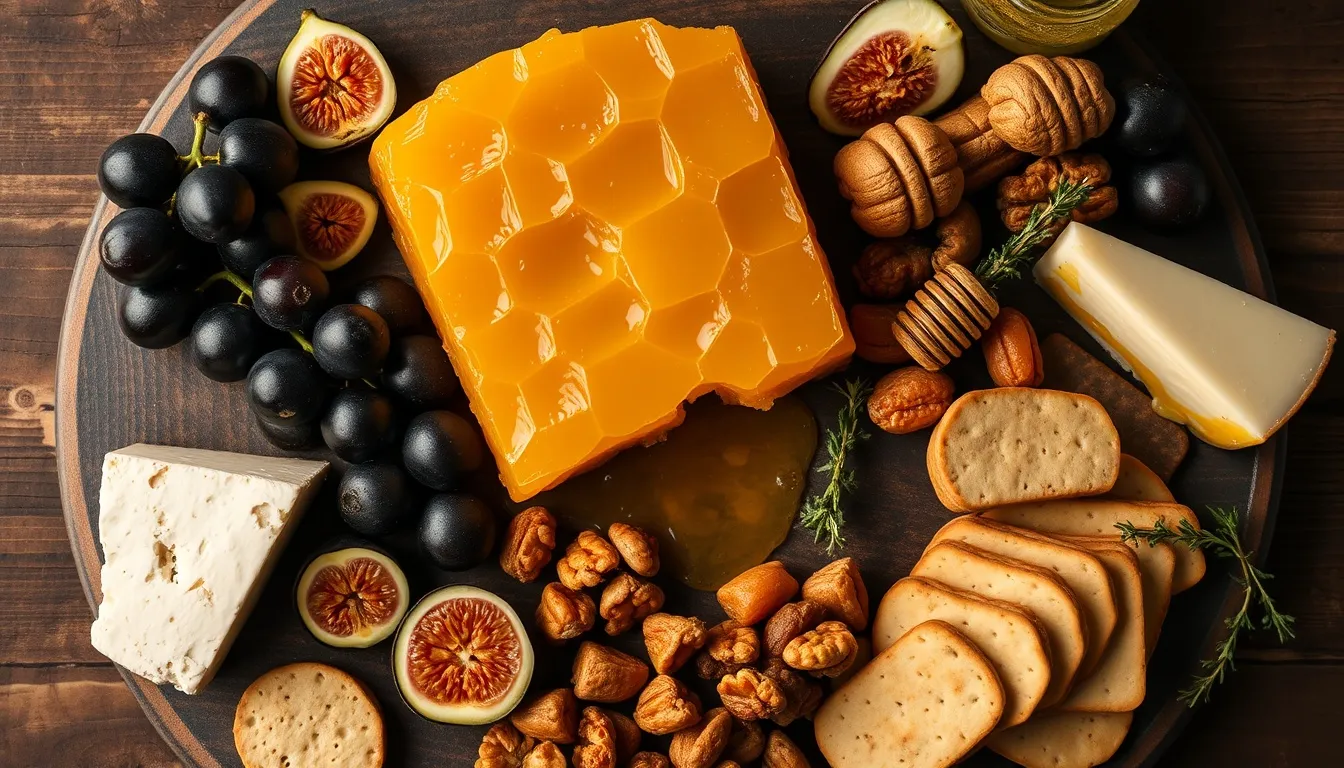
- With cheese — Honeycomb and cheese is a classic pairing. Place a piece of comb on a cheese board alongside aged cheddar, manchego, brie, or blue cheese. The sweetness of the honey contrasts beautifully with salty, sharp, or funky cheeses.
- On charcuterie boards — A piece of honeycomb is the centerpiece of any impressive charcuterie spread. Place it in the center with a small knife so guests can cut their own pieces.
- Over yogurt or oatmeal — Crumble small pieces of honeycomb over Greek yogurt, granola, or oatmeal. The wax adds textural interest alongside the honey sweetness.
- With pancakes or waffles — Place a thin slice of honeycomb on top of hot pancakes or waffles. The heat melts the honey out of the comb while the wax adds a satisfying chew.
- In salads — Crumble honeycomb over arugula or mixed green salads with goat cheese and walnuts. The honey acts as a natural dressing component while the wax adds texture.
- As a dessert topping — Add chunks of honeycomb to vanilla ice cream, panna cotta, or dark chocolate mousse. The combination of cold creamy dessert and waxy honey is outstanding.
- With fruit — Pair honeycomb with fresh figs, pears, apples, or berries. The natural sweetness of honeycomb adds the waxy chew that turns a simple plate of fruit into a complete dessert.
- In tea or coffee — Drop a small piece of honeycomb into hot tea or coffee. The honey dissolves into the drink while the wax floats and can be discarded or eaten.
How to Buy and Store Honeycomb
Not all honeycomb is created equal. Here is what to look for when buying, and how to keep it fresh after purchase.
- Buy from beekeepers directly — Farmers markets are the best source for fresh, local honeycomb. You can ask about the floral source, harvest date, and how the bees were managed. Local beekeepers typically sell cut comb in plastic containers.
- Check the cappings — Quality honeycomb should have intact, sealed wax cappings covering the cells. This means the honey was fully ripened by the bees (under 18% moisture). Uncapped or leaking comb may contain unripe honey that could ferment.
- Look for uniform cells — Well-built comb has regular, uniform hexagonal cells. Misshapen or patchy comb is not harmful but may indicate it was built on old or damaged foundation.
- Avoid heat-damaged comb — If the comb looks melted, collapsed, or the honey has separated from the wax, it was exposed to heat during storage or transport. The honey is still safe but the texture will be compromised.
- Storage: room temperature is best — Store honeycomb in an airtight container at room temperature (60-80°F / 15-27°C). Properly stored honeycomb lasts indefinitely — honey never expires and beeswax is extremely stable. Avoid refrigeration, which makes the wax hard and brittle. Avoid direct sunlight and heat above 95°F, which can melt the comb.
- Price expectations — Honeycomb typically costs $15-30 per pound, which is 2-4x the price of extracted honey from the same source. This premium reflects the fact that beekeepers sacrifice the wax comb (which takes bees significant energy to produce) rather than extracting honey and returning the comb to the hive.
Honeycomb for Inflammation and Immune Health
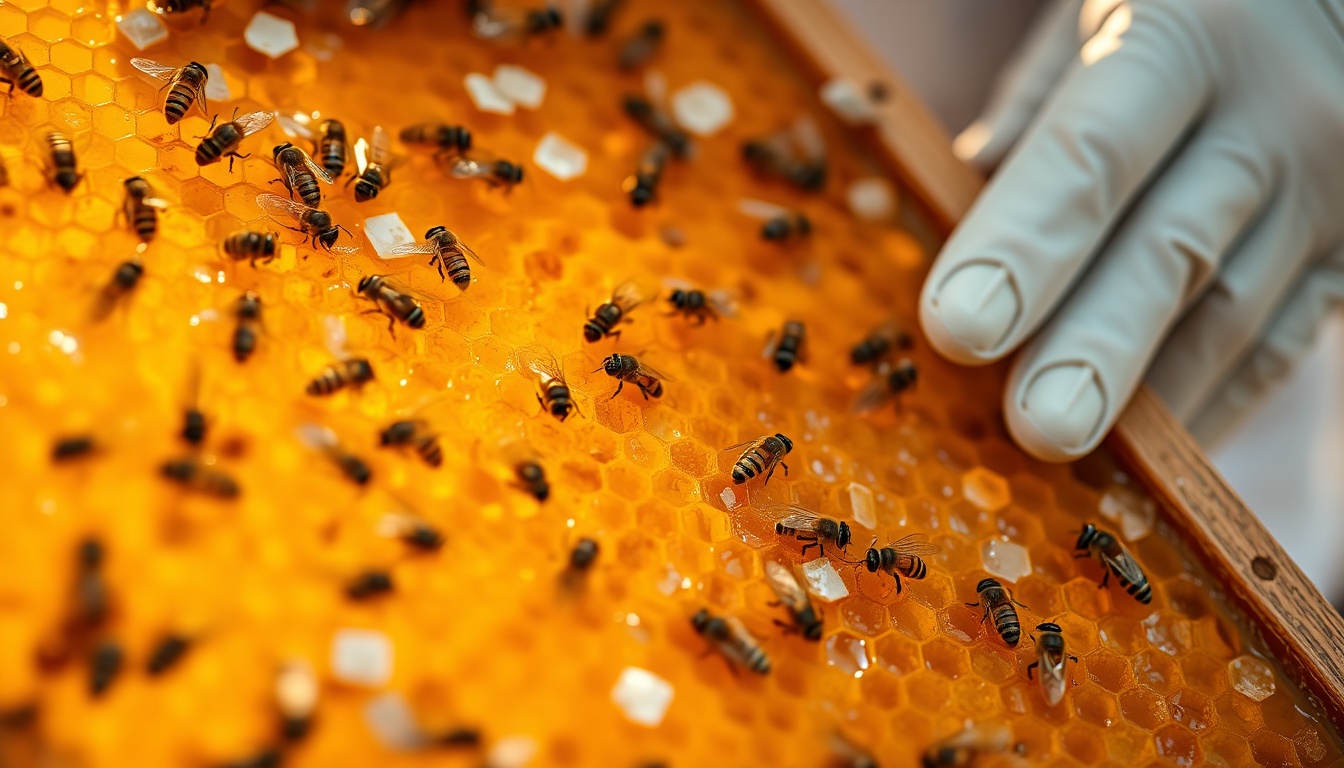
Honeycomb may offer enhanced anti-inflammatory benefits compared to extracted honey. The propolis lining the cells contains caffeic acid phenethyl ester (CAPE), one of the most potent natural NF-κB inhibitors identified in research. When you eat honeycomb, you consume this propolis directly — something that's largely absent from liquid honey, even raw varieties. A 2019 study in Biomolecules found that propolis-derived compounds reduced inflammatory cytokines (TNF-α and IL-6) at concentrations achievable through dietary intake.
The combination of propolis's immune-modulating properties, beeswax's long-chain fatty alcohols, and raw honey's prebiotic oligosaccharides makes honeycomb a uniquely complete bee product. For people interested in honey's full nutritional profile, honeycomb delivers the broadest spectrum of compounds in a single, unprocessed package. It's worth noting that the variety of honey inside the comb matters too — dark honeycomb from buckwheat or wildflower sources will contain more antioxidants than light acacia comb.
Honeycomb vs Liquid Honey: Key Differences
Both honeycomb and liquid (extracted) honey come from the same source, but the differences matter if you care about nutrition, flavor, and processing.
- Processing — Honeycomb is completely unprocessed. Liquid raw honey has been extracted from the comb (usually by centrifuge) and strained. Commercial liquid honey is often heated and ultra-filtered, removing pollen and reducing enzyme activity.
- Enzyme content — Honey in the comb retains 100% of its natural enzymes because it has never been exposed to air, heat, or mechanical processing. Even carefully handled raw honey loses some enzymatic activity during extraction.
- Additional compounds — Honeycomb contains beeswax, propolis, and trace pollen that are absent from extracted honey. These add nutritional and bioactive compounds.
- Flavor intensity — Honeycomb honey is typically more aromatic and intensely flavored than the same honey after extraction. The sealed comb preserves volatile flavor compounds that dissipate once honey is exposed to air.
- Convenience — Liquid honey is far more convenient for cooking, baking, and adding to beverages. Honeycomb is better suited as a topping, snack, or accompaniment.
- Crystallization — Honey in the comb crystallizes more slowly than extracted honey because the sealed cells limit air exposure and nucleation points. When comb honey does crystallize, it develops a pleasant, spreadable texture.
- Shelf life — Both last indefinitely when stored properly, but honeycomb is arguably more shelf-stable because the wax cappings create an airtight seal.
Common Questions About Eating Honeycomb
If you are new to honeycomb, you probably have questions. Here are the ones people ask most often.
- Can you eat too much honeycomb? — Technically yes, but the wax acts as a natural limiter. Most people find that 1-2 tablespoon-sized pieces is satisfying. The beeswax content makes it filling, and eating large amounts could cause mild digestive discomfort.
- Is honeycomb more nutritious than regular honey? — Per tablespoon of honey, the nutritional content is similar. However, honeycomb provides additional beeswax fatty alcohols, propolis, and pollen that liquid honey does not contain. It is also guaranteed to be unprocessed.
- Does honeycomb taste like candle wax? — No. Beeswax has a very mild, slightly sweet, faintly floral taste that is nothing like paraffin candle wax. The honey flavor completely dominates the experience.
- Can people with bee allergies eat honeycomb? — People with bee sting allergies are not necessarily allergic to bee products. However, honeycomb contains propolis and pollen, which are more likely to trigger reactions than pure honey. If you have a severe bee allergy, consult an allergist before trying honeycomb.
- Is honeycomb safe during pregnancy? — Yes, honeycomb is safe for pregnant women with the same considerations as regular honey. The beeswax is harmless, and adults (including pregnant women) can safely consume honey and honeycomb.