Best Honey for Charcuterie Boards
Choose the right honey for your charcuterie board. Learn which varieties pair best with cheese, cured meats, nuts, and crackers for an impressive spread.
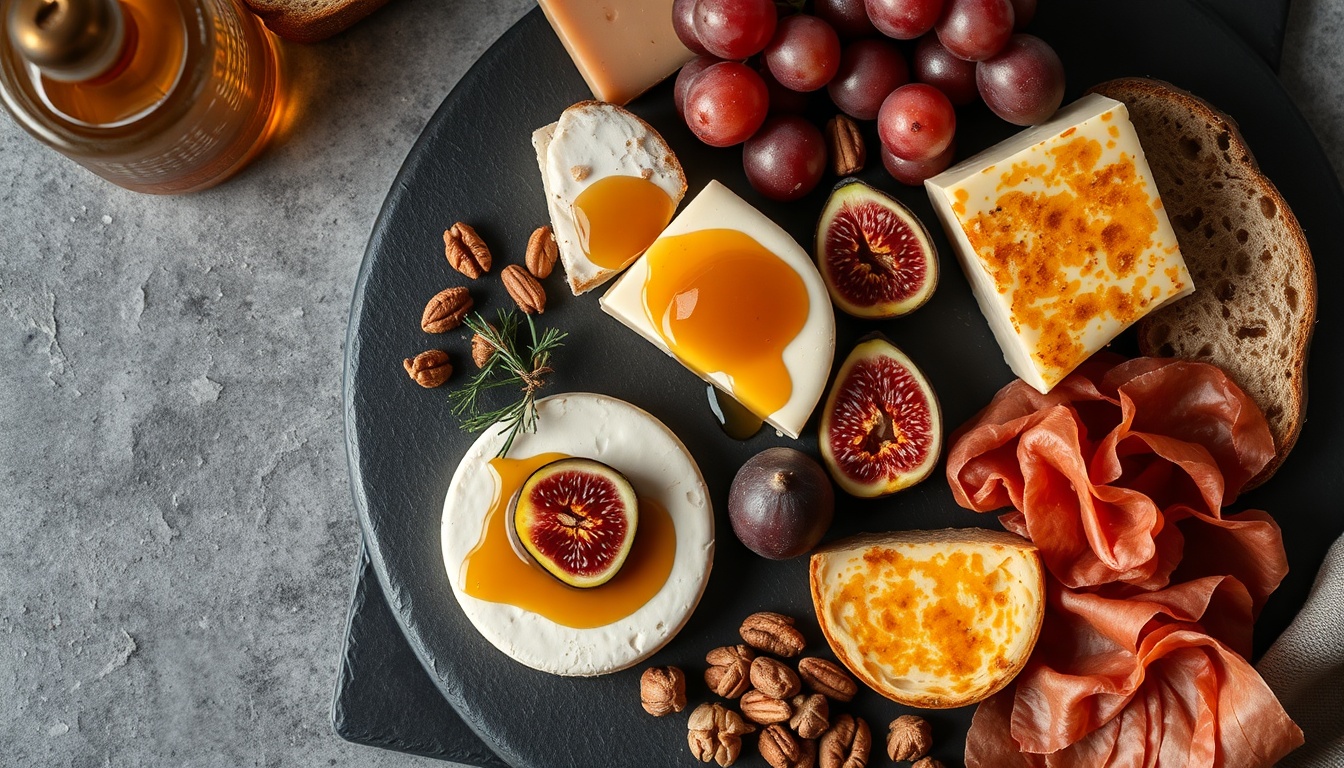
Quick Answer
Truffle honey ($15–35) is the showstopper for charcuterie boards — its savory-sweet umami complexity pairs with almost every cheese and cured meat. For a versatile classic, wildflower honey ($10–18) in a small pot with a honey dipper adds rustic elegance. For blue cheese specifically, buckwheat honey ($15–25, ORAC 16,000+) creates a perfect bold-meets-bold contrast. Summer entertaining tip: bring honeys to room temperature 30 minutes before serving for maximum aromatic intensity on outdoor boards.
What to Look For
Choose honeys that provide flavor contrast and visual appeal. A great charcuterie honey balances the salt of cured meats and the richness of cheese with sweetness and complexity. Texture matters for presentation — a thick, slow-dripping honey looks more appealing than a thin, runny one. Include at least two contrasting honeys for variety: one mild and one bold. Serve in small ramekins or directly on the board with a honey dipper for an elegant touch. For outdoor summer entertaining, avoid direct sun on honey — heat above 95°F softens texture and accelerates flavor loss. Position boards in shade and serve promptly.
Top Recommendations
The ultimate charcuterie honey. Black or white truffle infused into honey creates an intoxicating umami-sweet combination that makes every piece of cheese and cured meat taste more layered — the truffle's earthy depth and the honey's sweetness cut through salt and fat in a way that no single ingredient achieves alone. Drizzle over pecorino, manchego, or prosciutto for instant elegance at summer dinner parties.
A little goes a long way at $15-35. Look for Italian truffle honey (miele al tartufo) for the most authentic product. Visible truffle pieces indicate real truffle, not just truffle flavoring.
The versatile all-rounder for any charcuterie board. Its multi-floral complexity complements both mild cheeses (brie, gouda) and bold ones (aged cheddar, gruyere) equally well. The amber color and thick consistency make it visually stunning on a board. Seasonal regional wildflower honeys change character through summer, adding a conversation-starting local element.
Source from a local beekeeper at $10-18 for unique regional character. Summer farmers market wildflower honey pairs authentically with locally made cheeses on the same board.
Bold, dark, and malty with molasses-like depth and ORAC 16,000+ antioxidant content. It is the definitive pairing for strong blue cheeses like Roquefort, Gorgonzola, and Stilton. The intense sweetness tames the sharp bite of blue cheese while its earthy complexity matches aged, funky cheeses beautifully.
Serve buckwheat honey ($15-25) alongside your strongest cheeses — the bold flavors need each other. Label it on the board so guests know to try the pairing.
Delicate floral notes and a light sweetness make it ideal for fresh, creamy cheeses like goat cheese, burrata, and ricotta. The subtle perfume adds a refined, French-countryside element to the board. Its light color contrasts beautifully with dark meats and aged cheeses.
French Provençal lavender honey ($15-25) is the gold standard. Pair it with fresh goat cheese and toasted walnuts for a classic combination that shines at summer garden parties.
The bold, tannic powerhouse for aged Italian hard cheeses. Its intense, slightly bitter complexity — forest, caramel, and espresso notes — creates one of gastronomy's great pairings with Parmigiano-Reggiano, Pecorino Romano, aged Manchego, and Comté. Used at upscale cheese counters throughout Tuscany and Piedmont. A small amount transforms an entire board the way aged balsamic vinegar does.
Tuscan or Corsican chestnut honey ($20-35) has the deepest, most complex profile. Use sparingly — a little goes a long way. Position near aged hard cheeses with a small card explaining the pairing.
Get the Honey Buyer's Cheat Sheet (free PDF)
16 varieties on one page — color, flavor, best use and what a fair price looks like — from the 268 honeys we track.
How to Use
Place one to two small ramekins or pour pools of honey directly on your board. Use a honey dipper for a rustic presentation or a small spoon for easier serving. Position honey near its best pairings: truffle honey near aged hard cheeses and cured meats, lavender honey near soft fresh cheeses. Drizzle lightly rather than flooding—guests can always add more. For temperature, serve honey at room temperature for the best flow and flavor. Pair honey with salted nuts (marcona almonds, walnuts), dried fruits (figs, apricots), and crusty bread to create complete bites. Add a small card labeling each honey to encourage guests to try specific pairings.
What to Avoid
Avoid very mild, generic honeys that disappear against strong cheese and meat flavors—they add sweetness but no character. Skip crystallized honey on a board unless you can warm it first, as the grainy texture is less appealing for drizzling. Do not overpour—too much honey overwhelms the board and makes it messy. Avoid honey with added flavors like cinnamon or vanilla that may clash with savory elements. Do not pair extremely strong honeys like chestnut with delicate, mild cheeses—the honey will overpower them.