Chestnut Honey vs Manuka Honey
A detailed comparison to help you choose the right honey for your needs.
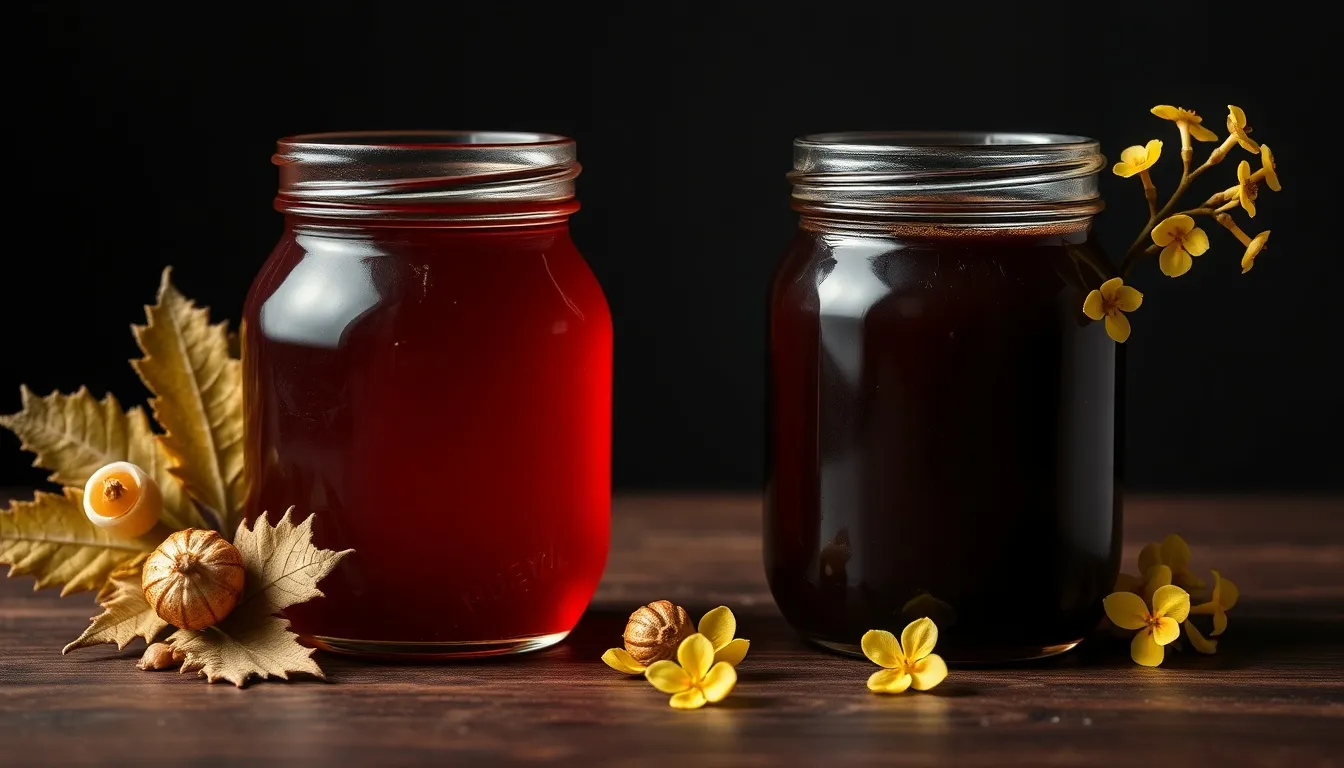
Quick Answer
Chestnut honey is a European culinary powerhouse with the highest antioxidant levels among common honeys and a bold, bitter flavor prized in Mediterranean cuisine; manuka is the clinically validated medicinal honey with unique MGO antibacterial compounds. Both are dark and intensely flavored, but they serve different purposes. Choose chestnut for daily antioxidant intake and bold cooking, manuka for targeted therapeutic applications.
At a Glance
Chestnut Honey
Strong, bitter, tannic with woody notes
Antioxidants, cheese pairing, robust cooking
$12-$30 per jar
Italy, France, Turkey, Greece
Manuka Honey
Rich, earthy, slightly bitter with herbal notes
Medicinal use, wound healing, immune support
$30-$80 per jar
New Zealand
Head-to-Head
Flavor Comparison
Chestnut honey has one of the most distinctive and polarizing flavors in the honey world.
It is aggressively bitter and tannic, with woody, almost smoky undertones and minimal sweetness compared to other honeys. Think dark caramel meets unsweetened chocolate with a persistent astringent finish. Italian chestnut honey from Tuscany and Piedmont is considered the benchmark, with Turkish varieties running even more intense. Manuka honey is also bold but in a different register. Its earthiness has herbal, almost medicinal qualities with notes of damp forest and eucalyptus. Higher UMF ratings amplify the bitterness. Where chestnut is tannic and woody, manuka is herbal and dense. Both are firmly in the "acquired taste" category and both will challenge anyone expecting conventional honey sweetness. Neither belongs on pancakes unless you enjoy strong flavors.
Nutrition Comparison
Chestnut honey ranks among the highest of all honeys in antioxidant content.
Studies published in the Journal of Agricultural and Food Chemistry found it contains exceptionally high levels of phenolic compounds and flavonoids, rivaling buckwheat honey. Its iron and manganese content is notably higher than lighter honeys, making it a meaningful dietary mineral source. Chestnut honey also has documented anti-inflammatory properties from its unique polyphenol profile. Manuka honey's nutritional distinction is methylglyoxal (MGO), the compound responsible for its clinically validated non-peroxide antibacterial activity. UMF-rated manuka has been validated for wound healing, digestive health, and oral health in peer-reviewed research. Both honeys share a similar caloric baseline of roughly 60 calories per tablespoon, but their bioactive profiles differ fundamentally: chestnut leads on antioxidants, manuka on targeted antibacterial activity.
Best Use Cases
Chestnut honey excels in Mediterranean cuisine.
Pair it with strong aged cheeses like Gorgonzola, Pecorino, or Parmigiano-Reggiano where its bitterness creates a magnificent contrast. Use it to glaze roasted meats, drizzle over roasted chestnuts, or incorporate into dark bread recipes. It is also traditionally used in Italian castagnaccio (chestnut cake). For health purposes, some people eat a daily spoonful for antioxidant intake. Manuka honey's medicinal reputation centers on medical-grade wound care used under clinical supervision — talk to a healthcare provider about wound care, acid reflux, or gastritis rather than self-treating with honey. Many people include manuka as a general wellness addition to their diet. In cooking, its strong flavor works in health tonics, dark marinades, and robust grain bowls, but its price makes culinary use expensive.
Price Comparison
Chestnut honey ranges from $12 to $30 per jar, with premium Italian single-origin varieties at the top end.
Manuka commands $30 to $80 or more, with high UMF/MGO ratings driving prices significantly higher. For daily consumption as a health-focused honey, chestnut delivers outstanding antioxidant value at one-third to one-half the cost of manuka. However, manuka's price is justified when you specifically need its clinically validated antibacterial properties for wound care or digestive therapy.
Our Verdict
Chestnut honey is the smarter daily health honey for most people. Its antioxidant content is world-class, its price is reasonable, and its bold flavor pairs beautifully with European cuisine. Manuka remains irreplaceable for specific therapeutic needs where MGO antibacterial activity is clinically indicated. The ideal setup is chestnut honey in the kitchen for cooking and daily wellness, and manuka honey in reserve for immune challenges and topical healing. Both are serious, adult honeys that reward developed palates.
Frequently Asked Questions
Is chestnut honey as healthy as manuka honey?
Why is chestnut honey so bitter?
Is chestnut honey antibacterial like manuka?
Which pairs better with food, chestnut or manuka?
Where does the best chestnut honey come from?
Does chestnut honey crystallize?
Best Honey For...
More Honey Comparisons
View allRelated Guides
Health Benefits
Nutritional and therapeutic benefits of honey.
Read GuideHoney for Sore Throat
Evidence-based sore throat relief.
Read GuideQuality & Grading
Identify quality honey and spot fakes.
Read GuideRelated Articles
Manuka Honey Benefits: 10 Science-Backed Uses Worth Knowing
10 evidence-based manuka honey benefits — wounds, sore throats, gut health, and skin care. Which UMF/MGO grade to buy.
Read ArticleManuka Honey Grading Systems Explained: UMF vs MGO vs KFactor
UMF vs MGO vs KFactor — manuka honey ratings decoded. Learn what the numbers mean and how to choose authentic manuka.
Read ArticleHoney for Wound Healing: Medical Products and Evidence Limits
Food honey is not a wound dressing. Understand the limits of medical-honey research, product-specific instructions, and when to seek professional care.
Read ArticleHoney for Eye Health: Benefits, Risks, and What Science Says
Can honey benefit eye health? Evidence on antimicrobial and anti-inflammatory properties for dry eyes and conjunctivitis.
Read ArticleRaw Honey vs Manuka Honey: Which Should You Buy?
Raw honey vs manuka honey: compare price, antibacterial strength, taste, and best uses. Is manuka worth the premium?
Read Article