Best Honey for Immune Support
Boost your immune system naturally with the right honey varieties. Learn which honeys have the strongest antibacterial, antioxidant, and immune-supporting properties backed by research.
Quick Answer
Manuka honey (UMF 15+) is the gold standard for acute immune support — its MGO antibacterial compound is clinically validated against MRSA and H. pylori. Buckwheat honey provides the highest antioxidant content of common varieties (ORAC up to 12,000 µmol TE/100g; Gheldof et al. 2002) for daily oxidative-stress defense. Thyme honey delivers thymol and carvacrol compounds with demonstrated antimicrobial activity against Streptococcus pyogenes and Staphylococcus aureus — the traditional Mediterranean cold and flu remedy for over 2,000 years. Raw wildflower honey adds diverse pollen exposure to support adaptive immune training, while propolis-enriched honey provides concentrated CAPE and flavonoids for a multi-pathway immune approach.
What to Look For
Raw and unprocessed honey retains maximum immune-supporting compounds—enzymes, antioxidants, bee pollen, and propolis that pasteurization destroys. Dark honeys generally contain more antioxidants than light ones. For antibacterial benefits, look for manuka honey with a certified UMF or MGO rating. For daily immune support, choose raw honey from a trusted local source. Consistency matters more than quantity—one to two teaspoons daily provides more benefit than occasional large doses.
Relevant Honey Varieties
Contains methylglyoxal (MGO), a unique antibacterial compound not found in other honeys. Clinically researched for immune support, wound healing, and fighting antibiotic-resistant bacteria like MRSA and H. pylori. The only honey with a standardized medical grading system (UMF).
View honey varietyHighest antioxidant content of readily available honeys—studies show dark buckwheat honey contains as many antioxidants as some fruits and vegetables. Rich in minerals including iron, manganese, and zinc that support immune cell function. Also clinically shown to suppress coughs.
View honey varietyContains diverse pollen from multiple plant species, exposing the immune system to a range of natural compounds. Local raw wildflower honey may help the immune system adapt to regional environmental allergens. Retains bee pollen, propolis traces, and royal jelly compounds that processed honeys lack.
View honey varietyPropolis-Enriched Honey
Propolis is the resinous mixture bees use to seal and sterilize their hive—it is one of nature most potent antimicrobial substances. Honey infused with extra propolis combines honey immune benefits with concentrated propolis compounds including CAPE and flavonoids.
Rich in thymol and carvacrol — phenolic compounds that inhibit Streptococcus pyogenes, Staphylococcus aureus, and other common respiratory pathogens in vitro. The traditional Mediterranean cold and flu remedy for over 2,000 years, referenced in ancient Greek (Hippocratic corpus) and Roman medical texts. Higher phenolic content than most light floral honeys; ORAC values of 6,000–10,000 µmol TE/100g support antioxidant immune defense alongside direct antimicrobial activity. A practical, affordable alternative to manuka for everyday respiratory immune support.
View honey varietyGet the Honey Buyer's Cheat Sheet (free PDF)
16 varieties on one page — color, flavor, best use and what a fair price looks like — from the 268 honeys we track.
How to Use
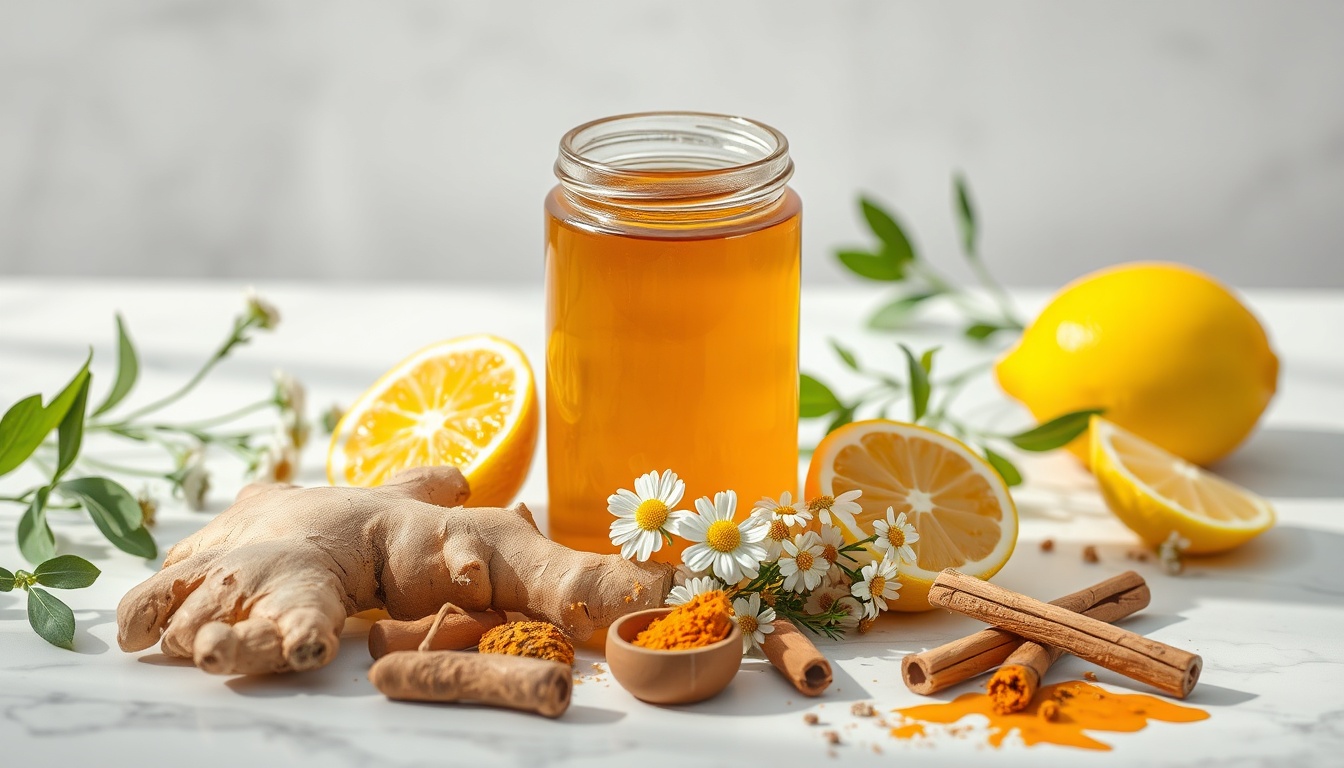
Many people take raw honey each morning as part of a wellness routine — straight from the spoon, dissolved in warm (not hot) water or tea, or mixed into morning yogurt. Some reach for manuka honey when they feel a cold coming on, or let buckwheat or manuka honey dissolve slowly on the tongue for a scratchy throat. A warm mix of honey, water, fresh lemon juice, and a pinch of turmeric is a popular home remedy. There is no established dose for immune benefits — talk to your doctor about what amount fits your diet.
What to Avoid
Do not heat honey above 140°F (60°C), as this destroys the heat-sensitive enzymes, hydrogen peroxide activity, and some antioxidant compounds that provide immune benefits. Avoid pasteurized or ultra-filtered honey, which has been stripped of pollen, propolis, and enzymatic activity. Do not give honey to infants under 12 months old. Do not rely on honey as a substitute for medical treatment for serious infections or immune conditions—it is a complementary food, not a medicine. Avoid cheap honey blends that may be diluted with corn syrup.
Frequently Asked Questions
Does honey really boost the immune system?
How much honey should I take daily for immunity?
Is manuka honey worth the price for immune support?
Which honey is best for fighting colds and flu?
Can children use honey for immune support?
Which honey has the highest antioxidant content?
Related Honey Comparisons
Edited by Sam French · Raw Honey Guide Editorial Team
Sam French is the founding editor of Raw Honey Guide. This is an editorial guide, not a medical review.
Last updated: