Why Honey and Yogurt Work Better Together
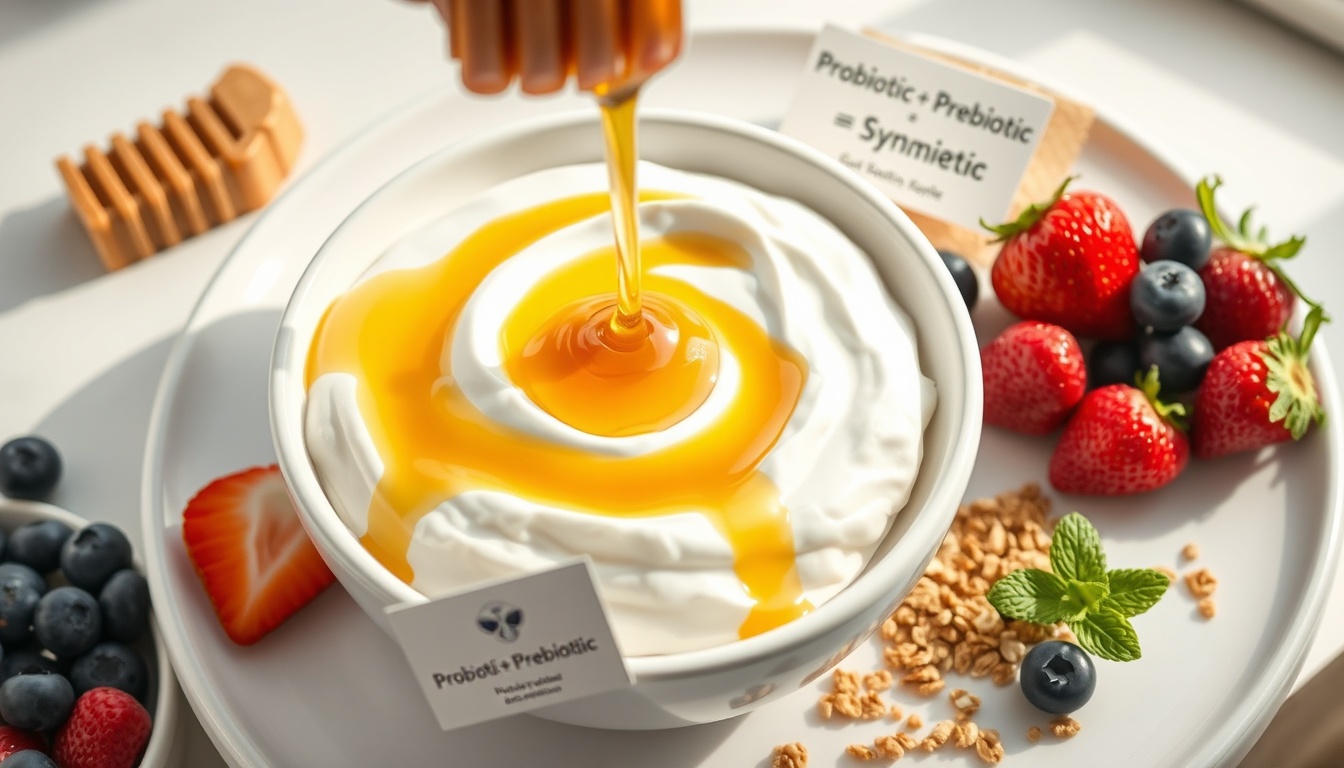
Honey and yogurt is one of the oldest food combinations in human history — and one of the few traditional pairings that modern science has validated. When you combine yogurt's live probiotic cultures (Lactobacillus, Bifidobacterium, Streptococcus thermophilus) with honey's prebiotic oligosaccharides (fructo-oligosaccharides and galacto-oligosaccharides), you create what researchers call a **synbiotic** — a combination where the prebiotic selectively feeds and enhances the probiotic.
This isn't just theoretical. A 2012 International Journal of Food Sciences and Nutrition study found that adding honey to yogurt significantly increased the viability and activity of Lactobacillus acidophilus and Bifidobacterium bifidum during refrigerated storage. The honey's oligosaccharides provided a preferential carbon source that the probiotics metabolized more efficiently than simple sugars.
The practical result: honey-sweetened yogurt delivers more living probiotics to your gut than yogurt sweetened with sugar, artificial sweeteners, or even plain yogurt that's been sitting in your fridge for a week. Combined with honey's own antimicrobial, anti-inflammatory, and antioxidant properties, this pairing provides benefits that neither ingredient achieves alone.
7 Evidence-Based Benefits of Honey and Yogurt
**1. Synbiotic Gut Health** — This is the standout benefit. Yogurt delivers probiotics; honey feeds them. A 2019 Nutrients review found that synbiotic combinations (prebiotic + probiotic) were more effective than either component alone for increasing beneficial Bifidobacterium and Lactobacillus populations, reducing pathogenic bacteria, and improving markers of intestinal barrier function. Honey's selective antimicrobial activity adds a third dimension — it inhibits harmful bacteria (E. coli, C. difficile, H. pylori) while sparing beneficial species, effectively "weeding the garden" while yogurt's probiotics "plant new seeds" and honey's prebiotics provide "fertilizer."
**2. Enhanced Probiotic Survival** — The journey from your mouth to your colon is hostile to bacteria — stomach acid (pH 1.5-3.5) and bile salts kill most probiotics before they reach the large intestine where they're needed. Research shows honey improves probiotic survival through several mechanisms: its sugars provide metabolic energy that helps bacteria withstand acid stress, its antioxidants reduce oxidative damage to bacterial cell membranes, and its slightly acidic pH may help pre-condition probiotics for the stomach environment.
**3. Digestive Comfort** — The combination is particularly effective for digestive issues. Yogurt's probiotics help restore microbial balance disrupted by antibiotics, travel, or dietary changes, while honey's prebiotic fiber stimulates production of short-chain fatty acids (SCFAs), particularly butyrate, which nourishes the intestinal lining. A 2014 World Journal of Gastroenterology review found that synbiotics reduced symptoms of IBS, bloating, and irregular bowel movements more effectively than probiotics alone.
**4. Immune System Support** — Approximately 70% of your immune system resides in gut-associated lymphoid tissue (GALT). By improving gut microbial diversity and intestinal barrier integrity, the honey-yogurt synbiotic supports immune function at its largest interface. Yogurt consumption has been associated with reduced incidence of upper respiratory infections in several observational studies, and honey's polyphenols directly modulate immune cell activity via the NF-κB pathway. A 2021 Frontiers in Immunology review highlighted that SCFAs produced from prebiotic fermentation enhance IgA antibody production — a key component of mucosal immunity.
**5. Bone and Mineral Health** — Yogurt is one of the best dietary sources of calcium (200-300mg per cup), and honey may enhance calcium absorption. Prebiotic fermentation in the colon produces SCFAs that lower intestinal pH, increasing the solubility and absorption of calcium and magnesium. A 2007 American Journal of Clinical Nutrition study found that prebiotic supplementation increased calcium absorption by 8-12% in adolescents. Yogurt also provides phosphorus, potassium, and vitamin D (if fortified) — all critical for bone density.
**6. Post-Workout Recovery** — The combination provides an effective post-exercise recovery food. Yogurt supplies 12-20g of protein per cup (Greek yogurt) for muscle repair, while honey provides rapidly absorbed carbohydrates for glycogen replenishment. The 3:1 to 4:1 carb-to-protein ratio in a honey-yogurt bowl closely matches what sports nutritionists recommend for recovery. Honey's anti-inflammatory polyphenols also help reduce exercise-induced oxidative stress, and yogurt's probiotics may reduce the gastrointestinal distress common in endurance athletes.
**7. Skin Health (Topical and Internal)** — Applied topically, honey and yogurt create an effective face mask: yogurt's lactic acid is a gentle alpha-hydroxy acid (AHA) that exfoliates dead skin cells and promotes cell turnover, while honey's humectant properties draw moisture into the skin and its antimicrobial activity helps control acne-causing bacteria. Internally, the gut-skin axis means that improving gut health with the synbiotic combination can reduce systemic inflammation that manifests as skin conditions including acne, eczema, and rosacea.
Get the Honey Buyer's Cheat Sheet (free PDF)
16 varieties on one page — color, flavor, best use and what a fair price looks like — from the 268 honeys we track.
Choosing the Best Yogurt for Honey Pairing
Not all yogurts are created equal. The type you choose significantly affects the health benefits:
**Greek yogurt** — Best for protein content (15-20g per cup vs 8-12g for regular). Straining removes some whey, concentrating the protein and probiotics. Thicker texture pairs beautifully with a honey drizzle. Best for post-workout recovery and satiety.
**Regular (unstrained) yogurt** — Higher in calcium and potassium than Greek yogurt due to the retained whey. Contains more lactose, which provides additional prebiotic substrate. Better for bone health and a creamier texture.
**Kefir** — Fermented milk drink with up to 61 different microbial strains (vs 2-6 in most yogurts). The most diverse probiotic profile available in a dairy product. Mix with honey for a drinkable synbiotic. Best for maximizing microbial diversity.
**Skyr (Icelandic yogurt)** — Even higher protein than Greek yogurt (17-25g per cup) with a mild, tangy flavor that pairs well with stronger honeys like buckwheat or wildflower. Best for high-protein diets.
**Plant-based yogurt** — Coconut, almond, soy, and oat yogurts with added live cultures provide the probiotic benefits without dairy. Look for brands listing specific probiotic strains (not just "live cultures"). Soy yogurt has the most protein among plant options.
Pro Tip
Always check the label for "live and active cultures" — some yogurts are heat-treated after fermentation, which kills the probiotics. Look for at least Lactobacillus bulgaricus and Streptococcus thermophilus, with added Lactobacillus acidophilus and Bifidobacterium species for enhanced benefits.
Best Honey Types for Yogurt
The honey you choose adds flavor complexity and affects the health profile:
**Acacia honey ($12–20/lb, GI ~32)** — Light, floral, and the lowest glycemic index of common honeys. Ideal for those watching blood sugar. Its mild flavor doesn't overpower yogurt's tanginess. Never crystallizes, making it perfect for drizzling.
**Clover honey ($8–15/lb)** — America's most popular honey. Mild, sweet, widely available as raw. A reliable everyday choice that most people enjoy in yogurt. Best budget option for daily synbiotic use.
**Wildflower honey ($10–18/lb)** — Variable flavor depending on the season and region, with a diverse polyphenol profile from multiple nectar sources. Great for adding character to plain yogurt while maintaining broad-spectrum prebiotic diversity.
**Manuka honey ($35–60+/lb, UMF 10+)** — Strongest antibacterial activity but distinctive earthy, medicinal flavor. Use sparingly in yogurt (1/2-1 teaspoon) given its potency. A popular choice for those interested in Manuka's broader gut-health reputation.
**Buckwheat honey ($15–25/lb, ORAC 16,000+)** — Bold molasses-like flavor, highest antioxidant content, and strongest anti-inflammatory effects. Pairs well with Greek yogurt and granola for a robust breakfast bowl. An acquired taste but nutritionally superior.
Pro Tip
Add honey to yogurt just before eating — not hours in advance. While honey does support probiotic viability during refrigerated storage, adding it fresh maximizes enzyme activity and prevents the honey from fully dissolving into the yogurt, giving you pleasant pockets of sweetness.
5 Honey and Yogurt Recipes
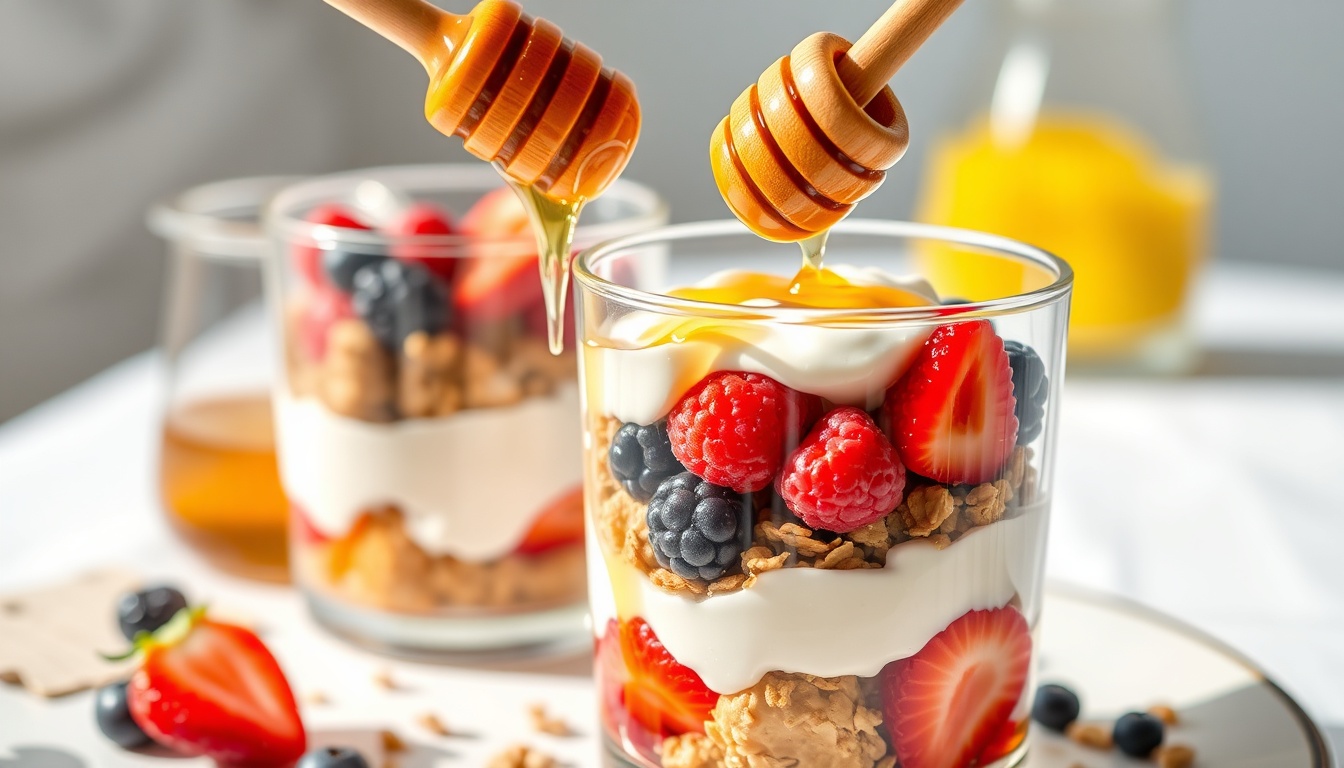
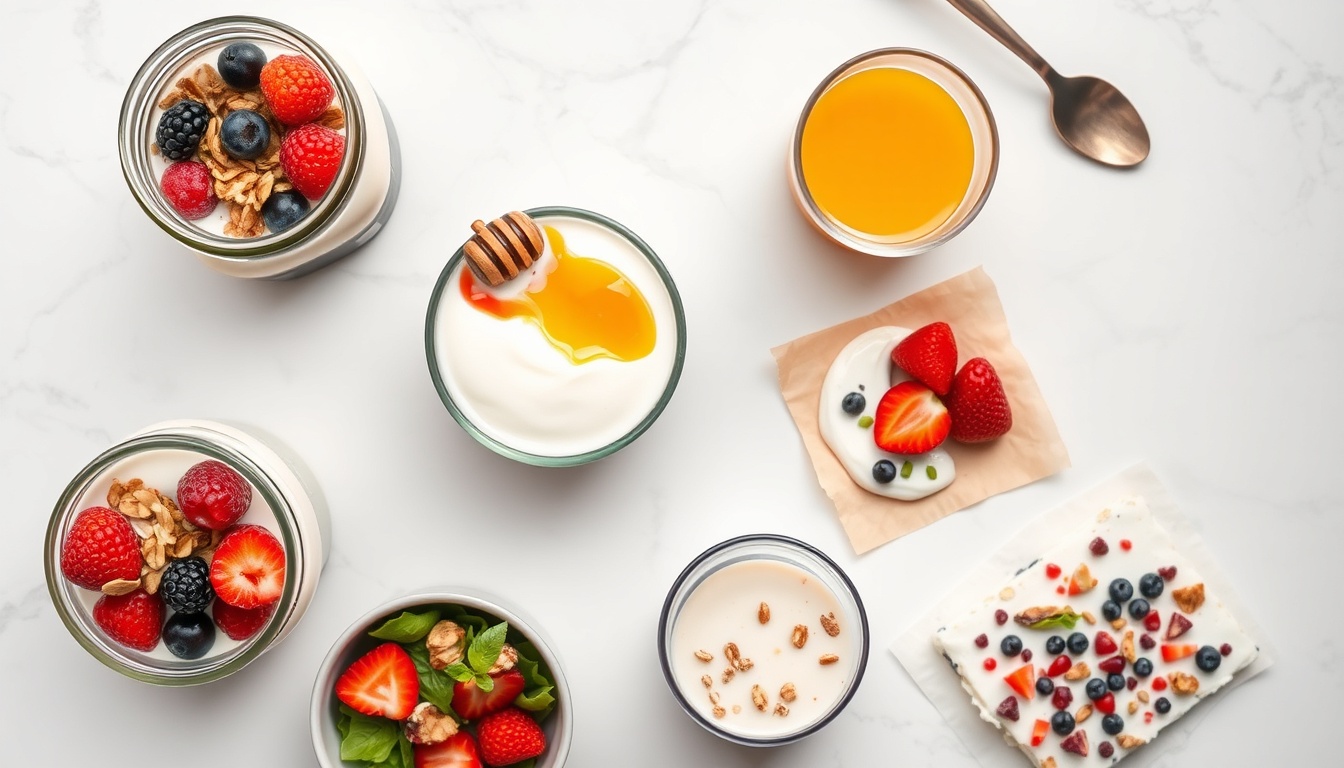
**1. The Perfect Synbiotic Breakfast Bowl** — Top 1 cup Greek yogurt with 1-2 tablespoons raw honey, 1/4 cup mixed berries (blueberries and raspberries for additional polyphenols), 2 tablespoons granola or raw oats, and 1 tablespoon chia seeds for omega-3s. The berries add their own prebiotic fiber, creating a triple-prebiotic effect with the honey and oats.
**2. Post-Workout Honey-Yogurt Shake** — Blend 1 cup Greek yogurt, 1 banana, 2 tablespoons raw honey, 1 tablespoon almond butter, 1/2 cup milk, and a handful of ice. Provides ~30g protein, ~50g carbohydrates, and optimal recovery nutrients. Add 1/4 teaspoon cinnamon for blood sugar regulation.
**3. Honey-Yogurt Face Mask** — Mix 2 tablespoons plain whole-milk yogurt with 1 tablespoon raw honey and 1/2 teaspoon turmeric (optional, for brightening). Apply to clean skin, leave for 15-20 minutes, then rinse with lukewarm water. The lactic acid gently exfoliates while honey draws in moisture. Use 1-2 times per week. Patch test first, especially with turmeric.
**4. Savory Honey-Yogurt Dip** — Mix 1 cup Greek yogurt with 1 tablespoon honey, 1 minced garlic clove, 2 tablespoons chopped fresh herbs (dill, mint, or cilantro), a squeeze of lemon juice, salt, and pepper. Serve with raw vegetables, pita, or as a sauce for grilled meats. The savory-sweet contrast highlights how versatile this combination is.
**5. Honey-Yogurt Overnight Oats** — Combine 1/2 cup rolled oats, 1/2 cup yogurt, 1/2 cup milk, 1-2 tablespoons honey, and 1 tablespoon chia seeds. Refrigerate overnight. The oats provide beta-glucan (another prebiotic) while the yogurt and honey create a synbiotic base. Top with fresh fruit and nuts in the morning.
Honey vs Sugar in Yogurt: Why It Matters
Most flavored yogurts contain 15-25g of added sugar per serving — undermining the very gut health benefits that make yogurt worth eating. Here's why sweetening with honey instead of sugar makes a meaningful difference:
**Prebiotic vs anti-prebiotic** — Honey's oligosaccharides (FOS, GOS) feed beneficial gut bacteria. Refined sugar does the opposite — high sugar intake promotes the growth of pathogenic bacteria and yeasts (particularly Candida) while reducing Bifidobacterium and Lactobacillus populations. Choosing honey over sugar in yogurt is the difference between feeding your probiotics and starving them.
**Lower glycemic impact** — Raw honey's GI is variety-dependent: acacia ~32 (well below sugar's 65), common clover ~69 (slightly above sugar), average commercial ~58–70. In yogurt, the protein and fat further slow glucose absorption — and for fructose-rich varieties, this reduces the blood sugar spike compared to sugar-sweetened yogurt.
**Additional bioactive compounds** — Honey adds 30+ polyphenols, enzymes (glucose oxidase, diastase, invertase), trace minerals (potassium, iron, zinc), and antimicrobial compounds that sugar simply doesn't provide. You're adding nutrition, not just sweetness.
**Less is needed** — Honey is sweeter than sugar by weight (due to its higher fructose content), so you need less to achieve the same perceived sweetness. Typical substitution: 1-2 tablespoons honey replaces 3-4 tablespoons sugar in a yogurt serving.
For the best results, buy plain unsweetened yogurt and add your own raw honey. This avoids the excess sugar, artificial flavors, colorings, and thickeners found in most commercial flavored yogurts. It also ensures you're getting truly raw honey with active enzymes — not the processed honey used in some commercial honey-flavored yogurts.
Honey and Yogurt for Specific Health Goals
**For gut health / IBS:** Choose kefir or a yogurt with multiple probiotic strains (L. acidophilus + B. lactis + L. rhamnosus), and pair with manuka or buckwheat honey for stronger antimicrobial effects against pathogens. Start with small amounts if you're sensitive to FODMAPs — yogurt's lactose and honey's fructose can trigger symptoms in some people. Greek yogurt is lower in lactose due to straining.
**For weight management:** Greek or Icelandic skyr provides high protein (15-25g) for satiety, and honey's lower GI reduces post-meal hunger spikes. Use 1 tablespoon of acacia honey (lowest GI) rather than 2 tablespoons of clover. The protein-fiber-prebiotic combination promotes fullness and supports the gut microbial profiles associated with healthy weight.
**For athletic recovery:** Greek yogurt + 2 tablespoons honey post-workout hits the recommended carb-to-protein window. Honey's dual sugars (glucose for immediate energy, fructose for sustained glycogen replenishment) make it superior to sugar for exercise recovery. Add banana for potassium and berries for additional antioxidants.
**For skin health:** Both topical (face mask) and internal approaches work. The gut-skin axis means that regular consumption of the synbiotic combination can reduce systemic inflammation that manifests as acne, eczema, and premature aging. For targeted skin benefits, combine both approaches — daily honey-yogurt consumption plus weekly face masks.
**For immune support:** Choose a yogurt with Lactobacillus rhamnosus GG or Bifidobacterium lactis (strains with the most immune evidence) and pair with raw wildflower or buckwheat honey for maximum polyphenol diversity. Daily consumption during cold and flu season provides ongoing immune priming through GALT stimulation.
**For sleep quality:** A small bowl of warm honey-milk yogurt before bed provides tryptophan (from both dairy and honey's glucose-mediated brain transport) for melatonin production, plus calming calcium and magnesium. The prebiotic effect also supports the gut-brain axis serotonin pathway, since 90% of serotonin is produced in the gut.
Common Mistakes to Avoid
**Buying "honey-flavored" yogurt instead of adding real honey** — Commercial honey yogurts often contain minimal actual honey, relying instead on sugar, honey flavor, and caramel color. The prebiotic and antimicrobial benefits require real, raw honey.
**Adding honey to very hot yogurt or cooking** — If you're making a honey-yogurt sauce for cooking, the heat will kill yogurt's probiotics and degrade honey's enzymes. The synbiotic benefits are for fresh, unheated combinations.
**Using too much honey** — A tablespoon or two is enough. Excessive honey (4+ tablespoons) adds significant calories and sugar, and the very high fructose load can actually cause digestive discomfort in people with fructose malabsorption.
**Ignoring yogurt quality** — Non-fat, heat-treated yogurts with long ingredient lists offer minimal probiotic benefit. Choose full-fat or low-fat yogurt with live cultures and minimal additives. The fat actually helps probiotic survival through stomach acid.
**Expecting instant results** — Gut microbiome changes take time. Research suggests 2-4 weeks of daily synbiotic consumption before measurable changes in microbial diversity and SCFA production. Be consistent rather than occasional.