What Makes Acacia Honey Different
Acacia honey — produced from the nectar of black locust trees (Robinia pseudoacacia), not true African acacias — is one of the most sought-after honey varieties in the world. Its nearly transparent, pale golden color, mild floral flavor, and remarkably liquid consistency set it apart from virtually every other honey on the shelf.
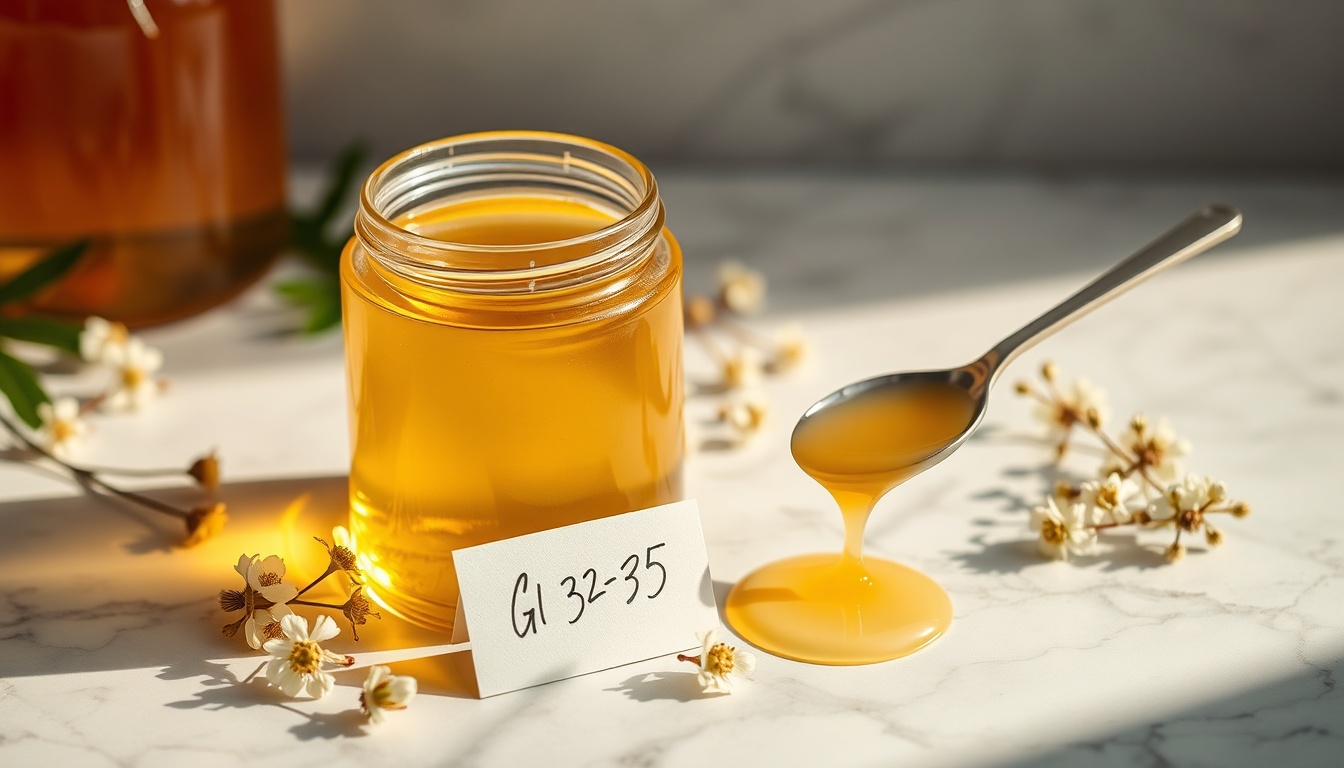
But acacia honey's real distinction goes beyond aesthetics. Its unusually high fructose-to-glucose ratio (~1.47:1; White 1975 — vs. the typical 1.0–1.2:1) gives it the lowest glycemic index of any common honey variety — a GI of just 32-35 compared to 55-69 for clover honey ($8-15) or 54-65 for wildflower honey ($10-18). This same sugar ratio is why acacia honey ($12-20) resists crystallization for months or even years.
This guide examines what research actually says about acacia honey's health benefits, who it's best suited for, and when you might want a different variety instead. For the full picture on all honey types, start with our variety guide.
1. Lowest Glycemic Index of Common Honeys
Acacia honey's glycemic index of 32-35 places it firmly in the "low GI" category — comparable to legumes and most vegetables. For context: table sugar has a GI of 65, most honey varieties range from 45-69, and high-fructose corn syrup hits 73.
This low GI stems from acacia honey's dominant fructose content (~44% fructose vs ~27% glucose). Fructose is metabolized primarily in the liver without triggering the same insulin spike as glucose, resulting in a slower, more gradual blood sugar response.
Amounts reported in the studies discussed here describe study protocols, not daily recommendations. Use the daily added-sugar guide to count honey with other added or free sugars.
Practical takeaway: if glycemic control is your primary concern, acacia honey is the clear winner among common varieties. It provides the benefits of raw honey with the least blood sugar impact.
Get the Honey Buyer's Cheat Sheet (free PDF)
16 varieties on one page — color, flavor, best use and what a fair price looks like — from the 268 honeys we track.
2. Anti-Inflammatory and Antioxidant Properties
Despite being a lighter honey — and lighter honeys generally contain fewer antioxidants than dark varieties — acacia honey has a notable anti-inflammatory profile. A 2018 study in Food Chemistry identified significant concentrations of chrysin, pinocembrin, and galangin in acacia honey, all flavonoids with demonstrated NF-κB pathway inhibition in cell studies.
Chrysin in particular has attracted research attention. A 2020 review in Phytotherapy Research documented chrysin's anti-inflammatory effects through suppression of COX-2 expression and reduced production of pro-inflammatory cytokines (IL-6, TNF-α). While these are primarily in vitro findings, the concentrations in acacia honey are among the highest of any honey variety for this specific flavonoid.
The 2022 Nutrition Reviews meta-analysis of 18 RCTs found that replacing refined sugar with honey (including lighter varieties) significantly reduced C-reactive protein (CRP) and other inflammatory markers. While this meta-analysis didn't isolate acacia honey specifically, its anti-inflammatory polyphenol profile suggests it contributes meaningfully to these effects.
For maximum anti-inflammatory potency, buckwheat honey ($15-25, ORAC 16,000+) or manuka honey ($35-60+) remain stronger options. But acacia honey offers a meaningful anti-inflammatory benefit combined with the lowest glycemic impact — a combination no other variety matches. See our full honey for inflammation guide for condition-specific recommendations.
3. Digestive Health and Prebiotic Effects
Like all raw honeys, acacia honey contains fructo-oligosaccharides (FOS) that act as prebiotics, selectively feeding beneficial Bifidobacterium and Lactobacillus species. But acacia honey may offer a particular digestive advantage: its high fructose content and low glucose ratio make it gentler on the stomach than many other honeys.
A 2019 study in the Journal of Functional Foods found that acacia honey exhibited dose-dependent gastroprotective effects in animal models, reducing gastric lesion severity through both anti-inflammatory and mucosal-protective mechanisms. The researchers attributed this partly to acacia's specific flavonoid profile, particularly pinocembrin's effect on gastric mucosa integrity.
For people with sensitive stomachs, GERD, or IBS, acacia honey's mild composition and low-acid profile make it a better starting point than stronger-flavored varieties. Its gentleness also makes it suitable for honey water and honey-lemon drinks without the risk of aggravating digestive conditions.
For more targeted gut health applications — H. pylori inhibition or inflammatory bowel conditions — manuka honey's ($35-60+) MGO activity provides stronger specific evidence. But for daily prebiotic support with minimal digestive risk, acacia is an excellent choice. See our full honey and gut health guide for protocols.
Pro Tip
For acid reflux specifically, acacia honey's low-acid, mild profile makes it one of the safest honey choices. See our honey for acid reflux guide for evidence-based usage.
4. Antimicrobial Activity
Acacia honey generates hydrogen peroxide via the enzyme glucose oxidase — the primary antibacterial mechanism in non-manuka honeys. When diluted (as when applied to skin or mixed into water), this enzyme activates, producing a sustained low-level release of H₂O₂ that inhibits bacterial growth.
A 2017 study in the International Journal of Biological Macromolecules tested acacia honey against several common pathogens including Staphylococcus aureus, Escherichia coli, and Pseudomonas aeruginosa, finding significant inhibition zones. While less potent than manuka or buckwheat honey, acacia's antimicrobial activity was sufficient for general health applications.
Acacia honey's mild flavor and light color make it particularly practical for sore throat relief — children who refuse stronger-tasting honeys often accept acacia readily.
For clinical wound care or targeting antibiotic-resistant bacteria, medical-grade manuka honey ($35-60+) remains the evidence-based choice. Acacia honey's strength lies in everyday preventive use and palatability, not maximum antimicrobial potency.
5. Cardiovascular Benefits
The 2022 Nutrition Reviews meta-analysis found that honey consumption (replacing refined sugar) significantly improved cardiovascular markers: reduced LDL cholesterol, total cholesterol, triglycerides, and fasting blood glucose, while increasing HDL cholesterol. Raw honey outperformed processed honey across all endpoints.
Acacia honey may offer a particular cardiovascular advantage through its chrysin content. A 2019 review in Biomedicine & Pharmacotherapy documented chrysin's vasodilatory effects via nitric oxide (NO) pathway stimulation and its ability to reduce LDL oxidation — a key step in atherosclerotic plaque formation.
Combined with its low glycemic index — reducing the insulin spikes that contribute to metabolic syndrome — acacia honey presents a compelling cardiovascular profile. For people at risk of heart disease who also need to manage blood sugar, acacia offers the best combination of cardiovascular benefits and glycemic safety.
For more on honey's heart health effects, see our guides on honey and blood pressure and honey and cholesterol.
6. Skin and Beauty Applications
Acacia honey's liquid consistency (it rarely crystallizes) makes it the easiest honey to apply directly to skin and hair. Its light color means virtually no staining risk on fabrics or towels — a practical advantage over dark honeys for beauty applications.
As a humectant, acacia honey draws moisture from the air into the skin, making it effective in DIY face masks for all skin types. Its mild pH and gentle composition make it suitable for sensitive skin that might react to stronger varieties.
For acne treatment, acacia honey provides moderate antibacterial activity against Cutibacterium acnes through hydrogen peroxide generation. While manuka honey has stronger evidence for acne specifically (due to MGO activity), acacia is a gentler starting option for sensitive or reactive skin.
For hair care, acacia honey's liquid state makes it the easiest to mix into masks and rinses without the warming step needed for crystallized honeys. Its humectant and emollient properties benefit hair regardless of honey variety.
Acacia Honey vs Other Varieties: When to Choose What
Acacia honey excels in specific niches but isn't the best choice for everything. Here's a decision framework:
For food use, compare these varieties by flavor, crystallization behavior and recipe fit. Those traits do not establish medical superiority.
**Choose manuka honey ($35-60+) when:** you need targeted antibacterial activity for wounds, skin conditions, or sinus infections. Manuka's MGO provides non-peroxide antibacterial activity that acacia cannot match.
**Choose buckwheat honey ($15-25, ORAC 16,000+) when:** you want maximum antioxidant content (3-9x more than acacia), the strongest cough suppression evidence, or bold flavor for baking and cooking.
**Choose clover honey ($8-15) when:** you want a reliable everyday honey at a lower price point. Clover is more widely available and costs roughly 30-50% less than acacia.
For head-to-head comparisons, see our types of honey guide and is honey better than sugar analysis.
How to Choose Quality Acacia Honey
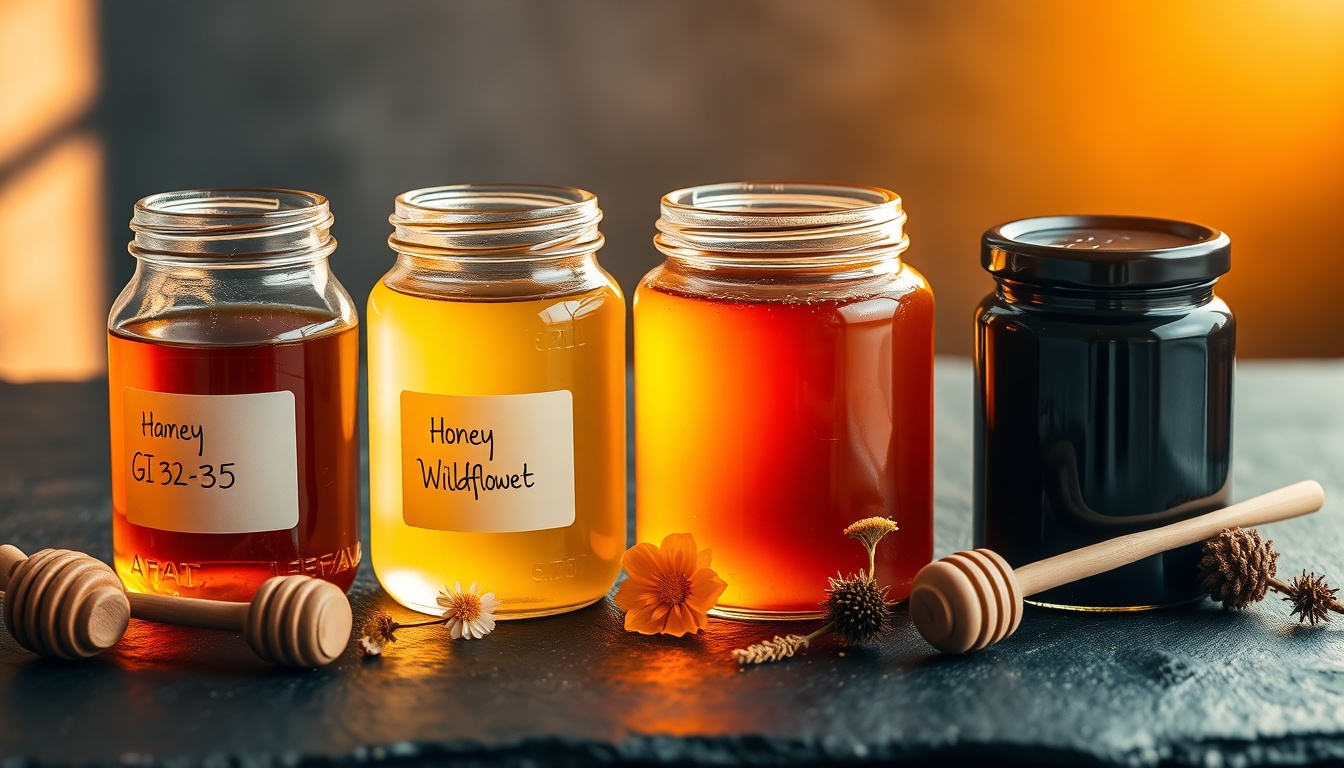
Acacia honey is one of the most commonly adulterated honey varieties due to its premium price and high demand. Use these quality indicators:
**Color and consistency:** Genuine acacia honey is very pale yellow to nearly transparent, with a thin, liquid consistency that pours easily. If an "acacia" honey is amber or golden, it likely contains significant nectar from other sources.
**Crystallization:** Real acacia honey can stay liquid for 1-2 years or longer due to its high fructose ratio. If it crystallizes within a few months, the floral source may not be primarily acacia. See why honey crystallizes for the science.
**Flavor:** Expect an extremely mild, delicate floral sweetness with no aftertaste. Acacia honey should taste "clean" — any bitter, sharp, or molasses notes indicate a different variety. The flavor is so mild that some describe it as simply "sweet" without additional complexity.
**Origin:** The best acacia honey comes from Hungary, Romania, Italy, and parts of France, where black locust trees (Robinia pseudoacacia) grow abundantly. North American acacia honey from the Appalachian region and Pacific Northwest is also high quality. Be cautious of very cheap "acacia" from uncertain origins.
**Raw vs processed:** As with all honeys, raw acacia retains more enzymes, antioxidants, and bioactive compounds. Look for "raw" on the label and buy from trusted sources. See our honey label reading guide for what to check.
Nutritional Profile
Per tablespoon (21g), acacia honey provides approximately: 64 calories, 17g total sugars (fructose ~44%, glucose ~27%, with higher fructose ratio than most honeys), trace vitamins B2, B3, B5, B6, and C, minerals including potassium, calcium, iron, and magnesium, plus polyphenol compounds including chrysin, pinocembrin, galangin, and caffeic acid.
Acacia honey's mineral content falls on the lower end compared to dark honeys — buckwheat honey ($15-25) has 3-5x more iron and potassium, and chestnut honey ($20-35) is similarly mineral-rich. However, acacia's chrysin content is among the highest of any honey variety, which partially compensates in terms of bioactive potential.
The high fructose-to-glucose ratio (~1.47:1; White 1975) is the defining nutritional characteristic. This ratio explains both the low glycemic index and the resistance to crystallization — glucose crystallizes, fructose doesn't. For complete honey nutrition facts, see our detailed breakdown.
The Bottom Line
Acacia honey is useful when a mild flavor and slow crystallization fit the recipe. Those sensory and storage traits do not make it a diabetes treatment or establish a predictable response for an individual batch.
Honey remains a fast-acting carbohydrate, and no honey variety is medically preferred for diabetes. Use the honey carbohydrate and label guide to compare the jar's serving-size total carbohydrate and added sugars within an individualized care plan.
This section does not establish a universal or medical honey dose for this purpose. Use the daily added-sugar guide to count honey with other added or free sugars.