Why People Turn to Honey for Acid Reflux
Acid reflux — the backward flow of stomach acid into the esophagus — affects roughly 20% of the US population on a weekly basis. Gastroesophageal reflux disease (GERD), the chronic form, drives millions of prescriptions for proton pump inhibitors (PPIs) like omeprazole and lansoprazole each year. But long-term PPI use carries risks including nutrient malabsorption (magnesium, calcium, B12), increased infection susceptibility, and potential kidney concerns, which has many people searching for complementary approaches.
Honey has been used for digestive complaints for millennia. Ancient Egyptian medical papyri prescribed honey for stomach ailments. Ayurvedic and traditional Chinese medicine both include honey in digestive formulas. The question is whether modern clinical evidence supports these traditional uses for acid reflux specifically.
The short answer: the evidence is promising but preliminary. Honey has several properties that are mechanistically relevant to acid reflux — viscosity, anti-inflammatory activity, antioxidant content, and antimicrobial effects — but large-scale clinical trials specifically testing honey for GERD are limited. Here is what we know and what remains unproven.
How Honey May Help Acid Reflux: 5 Mechanisms
Honey has several properties that are scientifically relevant to acid reflux and esophageal protection.
- Viscous mucosal coating — Honey's thick, viscous consistency allows it to coat the esophageal and gastric lining temporarily. This physical barrier may reduce direct contact between stomach acid and the esophageal mucosa, similar to how over-the-counter antacids like Gaviscon create a "raft" on top of stomach contents. A 2006 BMC Complementary and Alternative Medicine study found that honey reduced esophageal mucosal damage in an animal model of reflux esophagitis. While animal models do not directly translate to human outcomes, the coating mechanism is physically plausible.
- Anti-inflammatory effects on esophageal tissue — Chronic acid reflux causes esophageal inflammation (esophagitis) through NF-kB activation and inflammatory cytokine release. Honey's polyphenols — including chrysin, pinocembrin, and galangin — inhibit NF-kB signaling and reduce inflammatory markers. The 2022 Nutrition Reviews meta-analysis of 18 RCTs confirmed honey's anti-inflammatory activity, showing significant CRP reduction. By reducing esophageal inflammation, honey may break the cycle of reflux-induced tissue damage that worsens GERD over time.
- Antioxidant protection against oxidative damage — Stomach acid in the esophagus generates reactive oxygen species (ROS) that damage epithelial cells and contribute to Barrett's esophagus in severe, long-standing GERD. Raw honey contains over 30 polyphenolic antioxidant compounds, and dark honeys have 3-9x more antioxidant activity than light varieties. These antioxidants may help neutralize acid-generated ROS and protect esophageal tissue from oxidative damage.
- Antimicrobial activity against H. pylori — Helicobacter pylori infection is a major contributor to gastritis, peptic ulcers, and altered gastric acid production that can worsen reflux. Honey has demonstrated in vitro activity against H. pylori, with manuka honey showing particular potency due to its non-peroxide methylglyoxal (MGO) antibacterial activity that remains stable in gastric acid environments where traditional honey loses antimicrobial potency. A 2015 Archives of Medical Research in vitro study found that manuka honey inhibited H. pylori at concentrations as low as 5%. However, in vivo (human) eradication of H. pylori with honey alone has not been demonstrated — standard triple therapy remains the evidence-based treatment.
- Prebiotic support for gut microbiome balance — Emerging research links the gut microbiome to GERD severity. Dysbiosis (microbial imbalance) may alter esophageal motility and lower esophageal sphincter (LES) pressure. Honey's prebiotic oligosaccharides (fructo-oligosaccharides and galacto-oligosaccharides) selectively feed beneficial bacteria, potentially supporting the gut-esophageal axis. A 2020 Nutrients review discussed the gut microbiome's role in GERD pathophysiology, suggesting that microbiome-targeted interventions warrant further study.
Get the Honey Buyer's Cheat Sheet (free PDF)
16 varieties on one page — color, flavor, best use and what a fair price looks like — from the 268 honeys we track.
What the Clinical Evidence Actually Shows
Honesty about the evidence is important. Here is where the research stands.
- Animal studies show mucosal protection — Several animal models have demonstrated honey's ability to reduce esophageal and gastric mucosal damage from acid exposure. The 2006 BMC CAM study and similar research provide mechanistic support. However, animal models are early-stage evidence and many promising animal results do not replicate in humans.
- In vitro antimicrobial activity is well-established — Honey's activity against H. pylori, E. coli, Staphylococcus aureus, and other pathogens is documented in dozens of laboratory studies, particularly for manuka honey. But in vitro bactericidal concentrations may not be achievable in the stomach, where honey is rapidly diluted by gastric fluids.
- Human studies on honey for GERD specifically are limited — No large, randomized, placebo-controlled trials have tested honey as a standalone treatment for GERD. Most human evidence comes from traditional medicine reports, small observational studies, and studies on honey's effects on individual components of reflux (inflammation, H. pylori, mucosal healing) rather than on reflux symptoms directly.
- Honey's anti-inflammatory effects have strong human evidence — The 2022 Nutrition Reviews meta-analysis provides robust evidence that honey reduces systemic inflammatory markers. This is relevant to esophagitis but does not directly measure reflux symptom improvement.
- Anecdotal evidence is extensive but unreliable — Many people report symptom relief from taking honey before meals or before bed for reflux. Anecdotal reports are susceptible to placebo effect, natural symptom fluctuation, and simultaneous lifestyle changes. They are hypothesis-generating, not conclusive.
Pro Tip
Bottom line: honey has mechanistically plausible benefits for acid reflux through multiple pathways, and some preliminary evidence supports its use. But it should not replace proven treatments (PPIs, H2 blockers, lifestyle modifications) for diagnosed GERD. Think of it as a potential complementary approach, not an alternative.
Best Honey Types for Acid Reflux
Not all honeys are equal for digestive use. The type of honey matters for both therapeutic potential and tolerability.
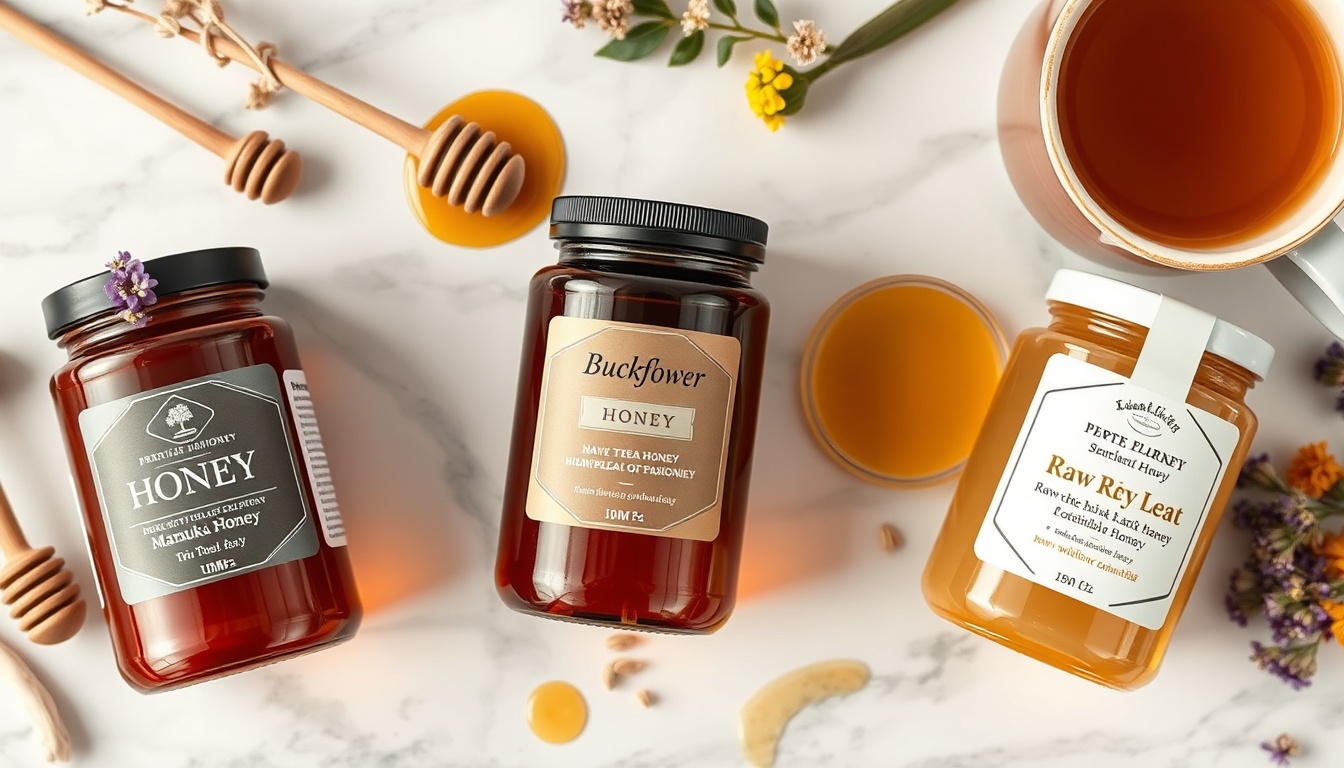
- Manuka honey (UMF 10-15+) — The top choice for acid reflux due to its unique non-peroxide antibacterial activity (MGO), which survives stomach acid better than hydrogen peroxide-dependent antibacterial mechanisms in other honeys. New Zealand Manuka honey offers authentic UMF-certified varieties with methylglyoxal content that remains stable during gastric transit, providing superior therapeutic positioning compared to hydrogen peroxide-based antibacterial mechanisms that weaken in stomach acid. The thick, dense viscosity provides superior esophageal coating. Use UMF 10-15+ for therapeutic purposes. Understanding manuka grading helps you choose the right potency.
- Raw buckwheat honey — Dark honeys like New York buckwheat have the highest antioxidant content (3-9x more than light varieties) with exceptional ORAC values (16,000+ μmol TE/100g) from glacial till soil mineral complexity, which is particularly relevant for protecting esophageal tissue from acid-induced oxidative damage. The thick consistency provides superior coating properties for esophageal protection. Also the most effective honey for nighttime cough, which often accompanies nighttime reflux.
- Raw wildflower honey — A good middle-ground option with diverse polyphenol content from botanical complexity across multiple nectar sources providing exceptional 3,000-8,000 ORAC antioxidant content plus natural prebiotic oligosaccharides that support gut microbiome balance relevant to the gut-esophageal axis. Texas wildflower honey exemplifies ideal raw honey benefits with botanical diversity from mesquite-huajillo-bluebonnet signatures creating comprehensive anti-inflammatory support. More affordable than manuka ($8-15/lb) while still providing substantial anti-inflammatory and antioxidant benefits.
- Avoid thin, processed honeys — Pasteurized, ultra-filtered honeys lose enzymes (glucose oxidase, diastase), much of their polyphenol content, and have lower viscosity. For acid reflux, you want maximum viscosity (coating) and maximum bioactive compounds. Raw, unprocessed honey is always the better choice.
How to Take Honey for Acid Reflux
If you want to try honey for reflux symptoms, timing and method matter.
- Before meals — Some people take raw honey shortly before eating, based on the idea that its coating may sit on the esophageal and gastric lining before acid production ramps up during digestion. Let it dissolve slowly in the mouth rather than washing it down with water.
- Before bed — Nighttime reflux is common because lying down removes gravity's help in keeping stomach contents down. Some people take raw honey before lying down, which may also support sleep quality through the liver glycogen and tryptophan-melatonin pathways.
- During acute symptoms — For occasional heartburn, some people slowly swallow raw honey for its viscous coating, similar in concept to an antacid, though honey is not a substitute for one.
- In warm water or tea — Dissolve honey in warm water (below 160°F to preserve enzymes) and sip slowly. Some people find warm honey water more soothing than straight honey. Avoid adding lemon if you are actively experiencing reflux — citric acid can worsen symptoms.
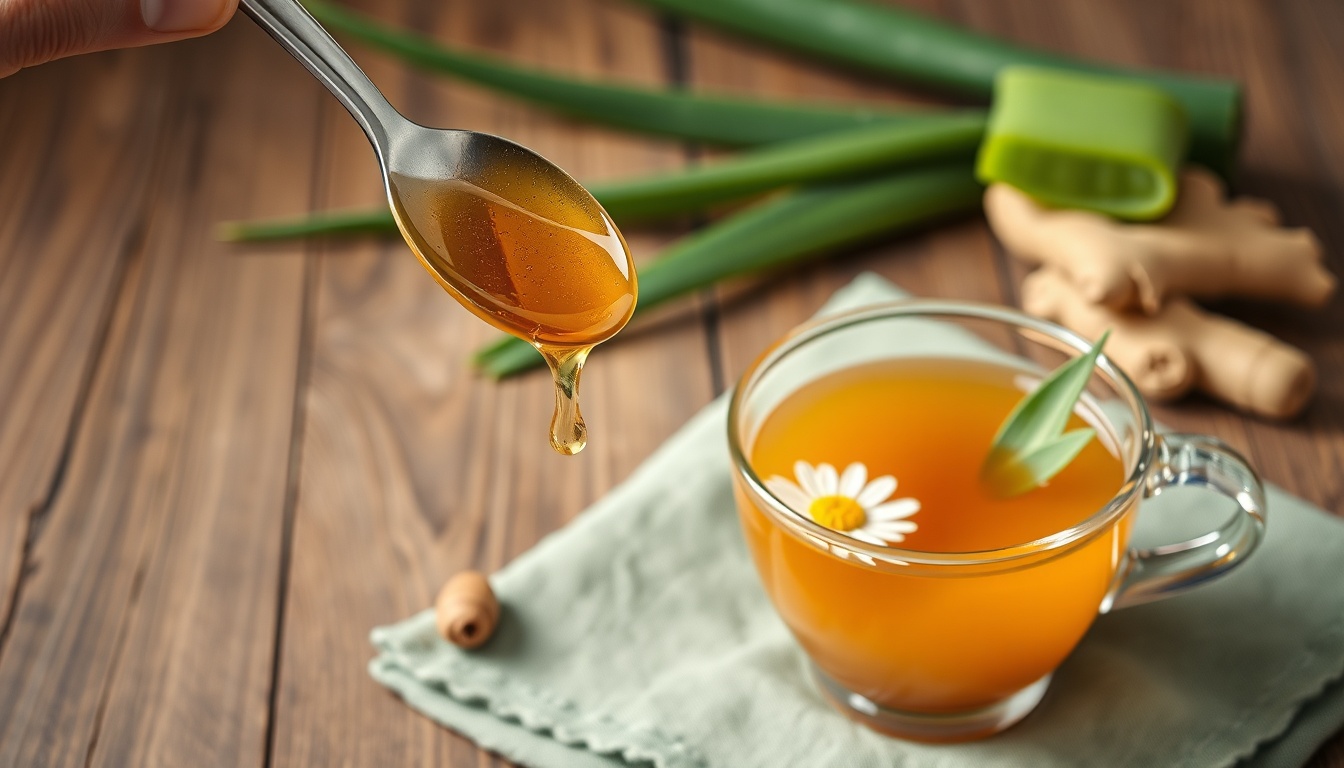
- With other soothing ingredients — Combine with chamomile tea (mild anti-inflammatory and anti-spasmodic), or with ginger for its prokinetic effects (ginger accelerates gastric emptying, reducing the volume of stomach contents available for reflux).
Pro Tip
Keep a symptom diary when trying honey for reflux. Track timing, amount, honey type, and symptom severity for 2-4 weeks to determine whether it provides meaningful relief for your specific pattern.
Lifestyle Modifications That Work with Honey
Honey alone will not resolve GERD. The most effective approach combines potential natural aids with proven lifestyle modifications.
- Elevate the head of your bed 6-8 inches — This is one of the most evidence-based GERD interventions. Gravity helps keep stomach contents down. Use a wedge pillow or bed risers, not extra pillows (which can increase abdominal pressure).
- Avoid eating 2-3 hours before bed — This reduces the volume of stomach contents when you lie down. If you take honey before bed for reflux, a small amount is plenty.
- Identify and avoid trigger foods — Common triggers include tomatoes, citrus, chocolate, coffee, alcohol, spicy foods, mint, and high-fat meals. Individual triggers vary widely — your diary will help identify yours.
- Maintain a healthy weight — Excess abdominal fat increases intra-abdominal pressure, mechanically promoting reflux. Even modest weight loss (5-10%) can significantly improve symptoms.
- Eat smaller, more frequent meals — Large meals distend the stomach and increase transient lower esophageal sphincter relaxations (TLESRs), the primary mechanism of reflux episodes.
- Stop smoking — Nicotine relaxes the lower esophageal sphincter and reduces saliva production (saliva is a natural acid buffer). Smoking cessation is one of the most effective GERD interventions.
When to See a Doctor Instead of Self-Treating
Acid reflux can be a benign annoyance or a sign of serious disease. Self-treatment with honey is not appropriate in these situations.
- Difficulty swallowing (dysphagia) — This may indicate esophageal narrowing (stricture) or other complications requiring medical evaluation.
- Unintentional weight loss — Weight loss with reflux symptoms warrants investigation for underlying causes.
- Vomiting blood or black stools — These signs of GI bleeding require immediate medical attention.
- Symptoms lasting more than 2 weeks despite lifestyle changes — Persistent reflux may need prescription treatment to prevent esophageal damage.
- Chest pain — Reflux and cardiac pain can be difficult to distinguish. New or severe chest pain always warrants medical evaluation.
- Symptoms worsening despite PPI use — This may indicate a diagnosis other than GERD, or complications requiring further investigation.
- Age over 50 with new reflux symptoms — New-onset GERD after age 50 may warrant endoscopy to rule out Barrett's esophagus or other conditions.
Pro Tip
Honey is a complementary approach, not a replacement for medical care. If you have diagnosed GERD, discuss adding honey to your regimen with your gastroenterologist — do not stop prescribed medications without medical guidance.
Honey vs Common Acid Reflux Treatments
Understanding how honey compares to standard treatments helps set realistic expectations.
- Honey vs PPIs (omeprazole, lansoprazole) — PPIs are the gold standard for GERD, reducing stomach acid production by 90-95%. Honey cannot match this acid suppression. However, PPIs do not address inflammation or mucosal healing directly — honey may complement PPI therapy by providing anti-inflammatory and antioxidant protection. Do not stop PPIs to try honey without medical guidance.
- Honey vs H2 blockers (famotidine, ranitidine) — H2 blockers reduce acid production by about 50%. They are less potent than PPIs but have fewer long-term concerns. Honey could potentially complement H2 blockers for mild reflux, but there are no studies directly comparing them.
- Honey vs antacids (Tums, Gaviscon) — Antacids provide immediate but short-lived acid neutralization. Honey's coating effect is mechanistically similar to alginate-based antacids (Gaviscon), but antacids are specifically formulated and clinically proven for this purpose. Honey may be a reasonable option for people who prefer natural approaches to occasional, mild heartburn.
- Honey vs dietary modifications — Lifestyle changes are complementary to honey, not competing with it. Weight loss, meal timing, bed elevation, and trigger avoidance have stronger evidence than honey alone and should be the foundation of any GERD management strategy.
Common Mistakes When Using Honey for Reflux
Avoid these errors if you decide to try honey for acid reflux.
- This section does not establish a universal or medical honey dose for this purpose. Use the daily added-sugar guide to count honey with other added or free sugars.
- Taking honey with hot drinks — Water above 160°F degrades honey's heat-sensitive enzymes (glucose oxidase, diastase) and may reduce polyphenol activity. Let hot drinks cool before adding honey.
- Mixing honey with acidic ingredients during active reflux — Adding honey to lemon juice, ACV, or citrus tea during an active reflux episode may worsen symptoms despite honey's potential benefits. During flare-ups, take honey plain or in warm (non-acidic) water.
- Expecting honey to treat reflux — Evidence does not establish honey as GERD care; persistent, severe, or swallowing-related symptoms need clinical assessment.
- Using processed honey — Pasteurized, ultra-filtered honey has significantly reduced bioactive compound content. For any therapeutic use, always choose raw, unprocessed honey.
- Stopping prescribed medications — This bears repeating: do not discontinue PPIs, H2 blockers, or other prescribed GERD medications to try honey. Uncontrolled acid reflux can cause serious esophageal damage including Barrett's esophagus and strictures.