Honey Face Mask: 6 DIY Recipes for Every Skin Type
Raw honey has been used as a skincare treatment for thousands of years — and modern dermatology confirms its moisturizing, antibacterial, and anti-aging benefits. Learn which honey to use, how to apply it, and get six DIY recipes for every skin type.
Last updated:
A simple honey face mask: apply a thin layer of raw honey to clean, damp skin, leave on for about 15-20 minutes, then rinse with warm water. Manuka honey (UMF 10+) is a popular choice, but any raw, unfiltered honey works. Some people add yogurt and olive oil for dry skin, cinnamon for a warming variation, or mashed avocado. Always patch test first, and see a dermatologist for persistent acne or other skin concerns.
Why Does Honey Work as a Face Mask?
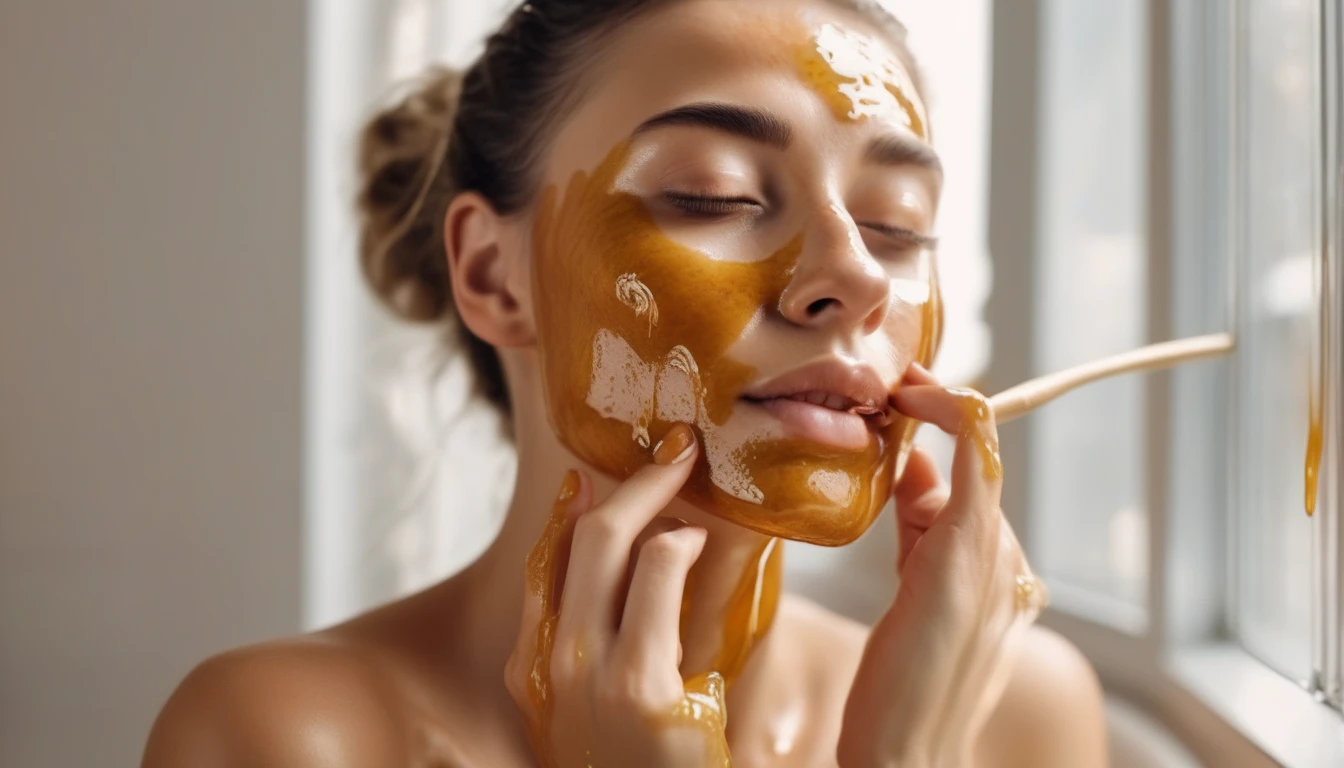
Honey is one of the oldest skincare ingredients in recorded history — Cleopatra reportedly bathed in milk and honey, and Ayurvedic texts from 4,000 years ago prescribe honey for skin conditions. Modern dermatology confirms what ancient civilizations observed. Honey is a natural humectant, meaning it draws moisture from the air into the skin, providing deep hydration without a greasy residue. Its naturally acidic pH of 3.2 to 4.5 closely matches the skin's acid mantle, supporting barrier function and helping the skin defend against environmental stressors. Raw honey contains the enzyme glucose oxidase, which produces low levels of hydrogen peroxide — enough to provide gentle antibacterial action without the irritation of synthetic antiseptics. This makes honey effective against common skin bacteria like Staphylococcus aureus and Cutibacterium acnes. Honey also contains antioxidants including flavonoids, phenolic acids, and ascorbic acid that neutralize free radicals responsible for premature aging. Its anti-inflammatory properties come from inhibiting pro-inflammatory cytokines and prostaglandins, which is why honey masks can visibly reduce redness after just one application. Unlike many commercial face masks that strip the skin of natural oils, honey cleanses and treats without disrupting the skin's microbiome.
Key Takeaways
- Natural humectant — draws moisture from the air into the skin for deep hydration
- pH 3.2-4.5 matches the skin's acid mantle, supporting barrier function
- Glucose oxidase produces gentle hydrogen peroxide for antibacterial action
- Rich in flavonoid and phenolic antioxidants that fight premature aging
- Anti-inflammatory — reduces redness and calms irritation after one application
- Cleanses without disrupting the skin's natural microbiome
Which Honey Is Best for Face Masks?
The type of honey you use matters significantly for skincare results. [Manuka honey](/honey/new-zealand-manuka-umf-15) from New Zealand is the gold standard for face masks due to its unique compound methylglyoxal (MGO), which provides antibacterial potency that persists even when hydrogen peroxide is neutralized by skin enzymes. Look for UMF 10+ or MGO 263+ for therapeutic-grade skincare benefits. A 2017 study in BMC Complementary and Alternative Medicine found Manuka honey significantly improved skin hydration and reduced wrinkle depth compared to a placebo over 28 days. Raw [wildflower honey](/honey/wildflower-honey) is an excellent and more affordable option — its diverse pollen content provides a broad spectrum of antioxidants and bioactive compounds from multiple botanical sources. The key word is "raw": pasteurized commercial honey found in squeeze bears at grocery stores has been heat-treated, destroying the enzymes, antioxidants, and antimicrobial compounds that make honey beneficial for skin. Raw [acacia honey](/honey/acacia-honey) is the best choice for very sensitive or reactive skin because it is light, mild, and has lower pollen content that reduces the chance of triggering sensitivity. [Buckwheat honey](/honey/buckwheat-honey) has the highest antioxidant content of any common honey variety — up to eight times more than lighter honeys like [clover honey](/honey/clover-honey) — making it ideal for anti-aging masks, though its dark color and strong aroma may be less pleasant for some users. For everyday use, any raw, unfiltered honey from a local beekeeper or specialty store will deliver real skincare benefits at a fraction of the cost of Manuka.
Key Takeaways
- Manuka honey (UMF 10+): gold standard with persistent MGO antibacterial activity
- Raw wildflower: affordable everyday option with diverse botanical antioxidants
- Raw acacia: best for sensitive or reactive skin — mild and gentle
- Buckwheat: highest antioxidant content (8x lighter honeys like clover) — best for anti-aging
- Must be raw and unfiltered — pasteurized honey lacks therapeutic compounds
- Local raw honey offers real benefits at a fraction of Manuka's cost
6 DIY Honey Face Mask Recipes
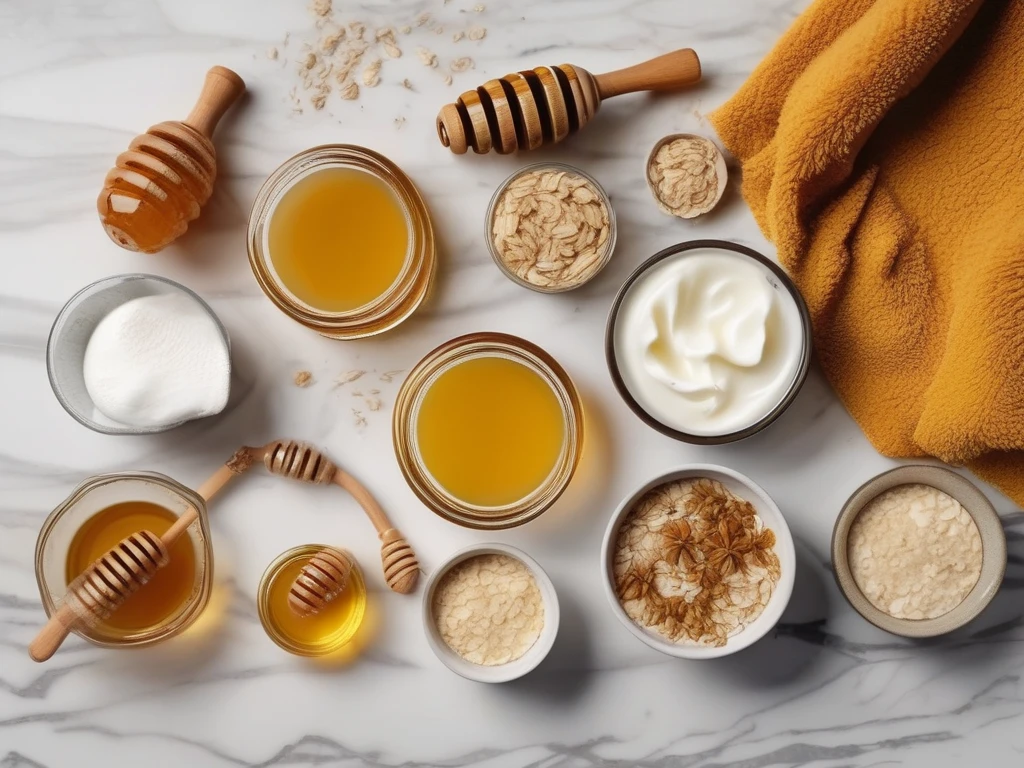
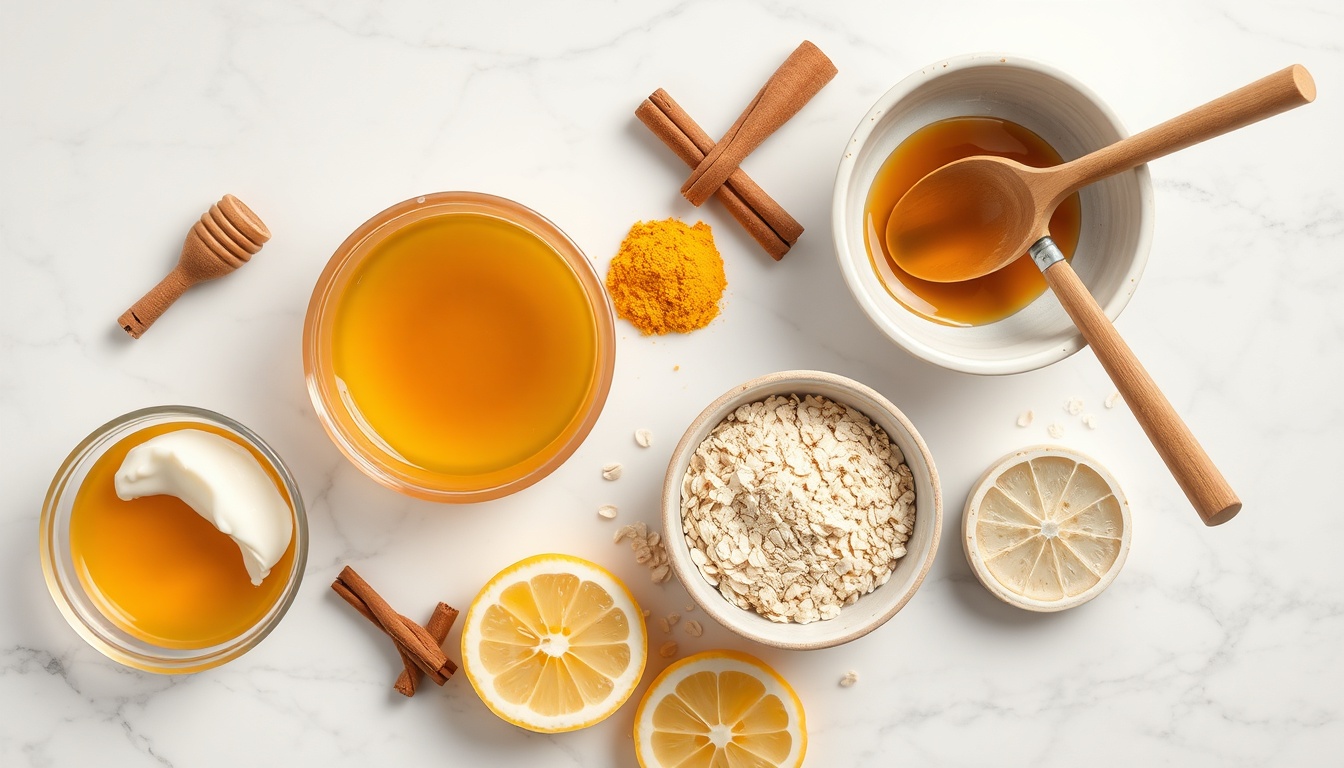
These masks use ingredients most people already have at home. Each targets a different skin concern. The basic honey mask is the simplest and most versatile: apply one to two tablespoons of raw honey directly to clean, slightly damp skin. Leave for 15 to 20 minutes and rinse with warm water. This alone provides hydration, gentle cleansing, and a radiant glow. For dry or dehydrated skin, mix two tablespoons of raw honey with one tablespoon of plain Greek yogurt and one teaspoon of extra virgin olive oil — the yogurt adds lactic acid for gentle exfoliation while the olive oil provides vitamin E and squalene. For oily or acne-prone skin, combine two tablespoons of raw honey with one teaspoon of cinnamon and one teaspoon of fresh lemon juice — cinnamon has antimicrobial cinnamaldehyde while lemon provides astringent citric acid (patch test first and avoid if you have open blemishes or sun exposure planned). For an anti-aging mask, mix two tablespoons of raw honey with half a mashed avocado — the avocado provides vitamins C and E, healthy fats, and biotin for collagen support. For brightening and evening skin tone, combine two tablespoons of honey with one tablespoon of plain yogurt and one teaspoon of turmeric powder — turmeric's curcumin inhibits melanin overproduction, though it may temporarily tint lighter skin yellow. For a soothing oatmeal mask that calms redness and irritation, mix two tablespoons of raw honey with one tablespoon of finely ground oats and one tablespoon of warm water — the beta-glucans in oats reduce inflammation and form a protective film on the skin.
Key Takeaways
- Basic honey mask: 1-2 tbsp raw honey, 15-20 minutes — hydrating and radiant
- Dry skin mask: honey + Greek yogurt + olive oil — lactic acid exfoliation and vitamin E
- Oily/acne mask: honey + cinnamon + lemon juice — antimicrobial and astringent
- Anti-aging mask: honey + mashed avocado — vitamins C, E, and collagen support
- Brightening mask: honey + yogurt + turmeric — evens skin tone (may tint skin)
- Soothing oatmeal mask: honey + ground oats + water — calms redness and irritation
How to Apply a Honey Face Mask Step by Step
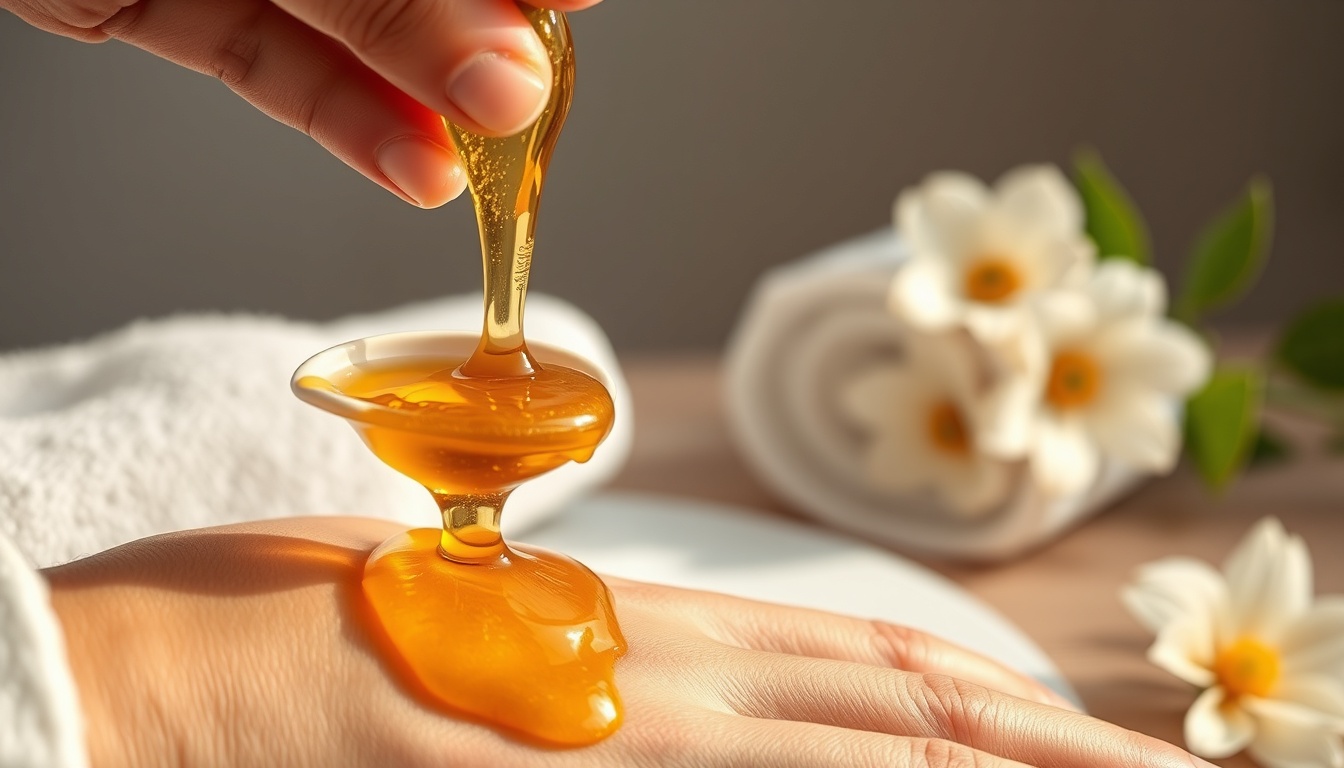
Proper application technique maximizes the benefits of any honey face mask. Start by washing your face with a gentle cleanser and patting it mostly dry — leave skin slightly damp, as honey's humectant properties work best when there is surface moisture to lock in. Tie hair back and optionally apply a thin line of petroleum jelly along the hairline to prevent dripping. Apply the mask in an even layer using clean fingers or a silicone face mask brush, using upward and outward strokes. Cover the entire face but avoid the immediate eye area and lips unless your recipe is specifically designed for those areas. If the mask feels too thick or sticky, add a few drops of warm water to thin it. Leave the mask on for 15 to 20 minutes — set a timer, as leaving honey on longer provides diminishing returns and can become uncomfortably sticky. During the wait, lie back or sit upright to prevent dripping. To remove, splash warm (not hot) water over the face and gently massage in circular motions to help the honey emulsify and rinse away. Follow with a cool water splash to close pores, then pat dry with a clean towel. Apply your regular moisturizer or serum while skin is still slightly damp to lock in the hydration. For best results, use a honey face mask one to three times per week — daily use is unnecessary and can occasionally cause sensitivity from overexposure to honey's naturally active enzymes.
Key Takeaways
- Cleanse face first and leave skin slightly damp for best humectant effect
- Apply in even layer with clean fingers or silicone brush — avoid eye area
- Leave on 15-20 minutes — longer provides diminishing returns
- Remove with warm water and gentle circular massage to emulsify honey
- Follow with cool water splash, pat dry, and apply regular moisturizer
- Use 1-3 times per week — daily use can cause enzyme sensitivity
Benefits by Skin Type
Honey face masks benefit virtually every skin type, but the effects and ideal formulations differ. For dry skin, honey is particularly effective because its humectant properties attract and retain moisture in the upper layers of the epidermis — a 2012 study in the Journal of Cosmetic Dermatology found that honey-based formulations improved skin hydration by 29% after four weeks of regular use. Pair honey with heavier emollients like avocado or olive oil for dry skin. For oily skin, honey is unusually beneficial because it hydrates without adding oil — properly hydrated oily skin actually produces less excess sebum. The antibacterial properties also help control the bacteria that thrive in excess oil. Use honey alone or with lemon juice for oily skin. For combination skin, apply the mask to the full face — it naturally balances both zones. For sensitive skin, raw acacia honey is the safest choice due to its mild nature and low pollen content. Avoid cinnamon, lemon, and turmeric additions on sensitive skin. For aging or mature skin, honey's antioxidants target free radical damage that accelerates collagen breakdown, and its moisturizing effect plumps fine lines temporarily while promoting long-term skin health. Pair with avocado or vitamin E oil. For acne-prone skin, honey's antibacterial action against C. acnes bacteria and anti-inflammatory properties make it an effective complementary treatment — combine with cinnamon or use Manuka honey for enhanced acne-fighting results.
Key Takeaways
- Dry skin: deep humectant hydration, pair with avocado or olive oil
- Oily skin: hydrates without adding oil, reducing excess sebum production
- Combination skin: naturally balances both oily and dry zones
- Sensitive skin: use raw acacia honey, avoid cinnamon/lemon/turmeric
- Aging skin: antioxidants fight free radicals, moisture plumps fine lines
- Acne-prone: antibacterial and anti-inflammatory — use Manuka for best results
Safety Tips and Precautions
Honey face masks are generally very safe, but a few precautions ensure the best experience. Always patch test any new honey mask on the inside of your wrist or behind the ear 24 hours before applying to the face, especially if you have bee or pollen allergies — while allergic reactions to topical honey are rare, they can include redness, itching, hives, or in very rare cases anaphylaxis. If you have a known bee sting allergy, consult a dermatologist before using honey on your skin. Never use honey on infants under 12 months due to the risk of infant botulism — this applies to oral consumption, but topical use should also be avoided on babies as a precaution. Be cautious with add-in ingredients: cinnamon can cause contact dermatitis, lemon juice causes photosensitivity (do not go in the sun for several hours after using a lemon-honey mask), and turmeric can stain lighter skin tones temporarily. Store your face mask honey separately from kitchen honey to avoid contamination. Use raw, unfiltered honey from a reputable source — avoid "honey blends" or products labeled "made with real honey," as these often contain corn syrup or heavily processed honey with no skincare value. If you experience persistent redness, breakouts, or irritation after using honey masks, discontinue use and consult a dermatologist. Remember that honey face masks are a complementary skincare practice — they do not replace medical treatment for conditions like eczema, rosacea, or severe acne.
Key Takeaways
- Always patch test 24 hours before facial use — especially with bee/pollen allergies
- Cinnamon can cause contact dermatitis — test separately before adding
- Lemon juice causes photosensitivity — avoid sun for hours after use
- Never use on infants under 12 months (botulism risk applies topically too)
- Use only raw, unfiltered honey — not "honey blends" or processed products
- Discontinue and see a dermatologist if persistent redness or breakouts occur
Frequently Asked Questions
Can you put honey directly on your face?
Yes, raw honey can be applied directly to clean, slightly damp skin as a face mask. Leave it on for 15-20 minutes, then rinse with warm water. Honey is a natural humectant and antibacterial that hydrates and cleanses skin without disrupting its microbiome.
How often should you do a honey face mask?
Use a honey face mask 1-3 times per week for best results. Daily use is unnecessary and can occasionally cause sensitivity from overexposure to honey's naturally active enzymes. Most people see visible improvements in skin hydration and glow within 2-4 weeks of regular use.
What type of honey is best for face masks?
[Manuka honey](/honey/new-zealand-manuka-umf-15) (UMF 10+) is the gold standard for face masks due to its unique MGO antibacterial compound. Raw [wildflower honey](/honey/wildflower-honey) is an effective and affordable everyday option with diverse botanical antioxidants. [Acacia honey](/honey/acacia-honey) works best for sensitive skin due to its mild, gentle properties. [Buckwheat honey](/honey/buckwheat-honey) provides exceptional antioxidants for anti-aging masks (8x more than [clover honey](/honey/clover-honey)). The key requirement is that honey must be raw and unfiltered — pasteurized commercial honey lacks the enzymes and antioxidants that benefit skin.
Does honey face mask help with wrinkles?
Honey face masks can help reduce the appearance of fine lines and wrinkles over time. Honey's antioxidants fight free radical damage that accelerates collagen breakdown, and its humectant properties plump skin temporarily by drawing in moisture. For enhanced anti-aging benefits, combine honey with mashed avocado, which provides vitamins C and E for collagen support.
Can honey clog pores?
No, honey does not clog pores. Despite its thick, sticky texture, honey is non-comedogenic and actually helps cleanse pores through its gentle antibacterial properties. It hydrates skin without adding oil, which can help oily skin types produce less excess sebum over time.
Is a honey face mask good for acne?
Yes, honey face masks are effective for acne-prone skin. Honey's antibacterial properties target Cutibacterium acnes (the bacterium responsible for acne), while its anti-inflammatory action reduces redness and swelling. [Manuka honey](/honey/new-zealand-manuka-umf-15) provides the strongest acne-fighting benefits due to its persistent MGO antibacterial activity, while [wildflower honey](/honey/wildflower-honey) offers broad-spectrum antimicrobial compounds at a more affordable price. A honey-cinnamon combination using any raw variety enhances antibacterial effectiveness.
Which honey varieties should I choose for different beauty goals?
Choose honey variety based on your specific skincare needs: [Manuka honey](/honey/new-zealand-manuka-umf-15) (UMF 10+) for acne treatment and wound healing with clinical-grade MGO antibacterial power; [Buckwheat honey](/honey/buckwheat-honey) for anti-aging masks with exceptional ORAC 16,000+ antioxidants (8× more than [clover honey](/honey/clover-honey)); [Acacia honey](/honey/acacia-honey) for sensitive skin with mild, gentle properties and low pollen content; [Wildflower honey](/honey/wildflower-honey) for everyday hydration and affordability with diverse botanical compounds; [Orange blossom honey](/honey/orange-blossom-honey) for dry skin masks with natural citrus vitamin C; [Tupelo honey](/honey/tupelo-honey) for all skin types with smooth texture that never crystallizes; [Eucalyptus honey](/honey/eucalyptus-honey) for problematic skin with natural astringent properties. Always choose raw, unfiltered varieties to preserve therapeutic enzymes and antioxidants.
Edited by Sam French · Raw Honey Guide Editorial Team
Source reviewed against primary literature and official guidance where available. Health content is educational, not medical advice, and does not replace a licensed clinician.
Get the Honey Buyer's Cheat Sheet (free PDF)
16 varieties on one page — color, flavor, best use and what a fair price looks like — from the 268 honeys we track.
Related Guides
Honey for Skin
Evidence-based skin benefits, best types, and how to use honey for skincare.
Read GuideHoney for Acne
Natural skincare with honey.
Read GuideManuka Honey Benefits
UMF/MGO ratings and proven benefits.
Read GuideRelated Articles
Honey Face Mask: 6 DIY Recipes for Every Skin Type
6 DIY honey face masks for acne, dry skin, glow, and anti-aging. Easy recipes with raw honey, plus the science behind it.
Read ArticleHoney for Dark Spots: Can It Even Out Your Skin Tone Naturally?
Can honey fade dark spots? Evidence on tyrosinase inhibition and gentle exfoliation vs proven brightening ingredients.
Read ArticleHoney for Dry Skin: 7 Remedies and What Dermatology Research Shows
Honey for dry skin: the dermatology evidence on humectant, barrier-repair, and anti-inflammatory properties. 7 DIY remedies.
Read ArticleHoney for Dark Circles: Can It Brighten Under-Eye Skin?
Can honey reduce dark circles? What causes them, what honey can do, DIY eye treatments, and better alternatives reviewed.
Read ArticleReady to find the perfect honey for your face mask?