What Makes Lavender Honey Special
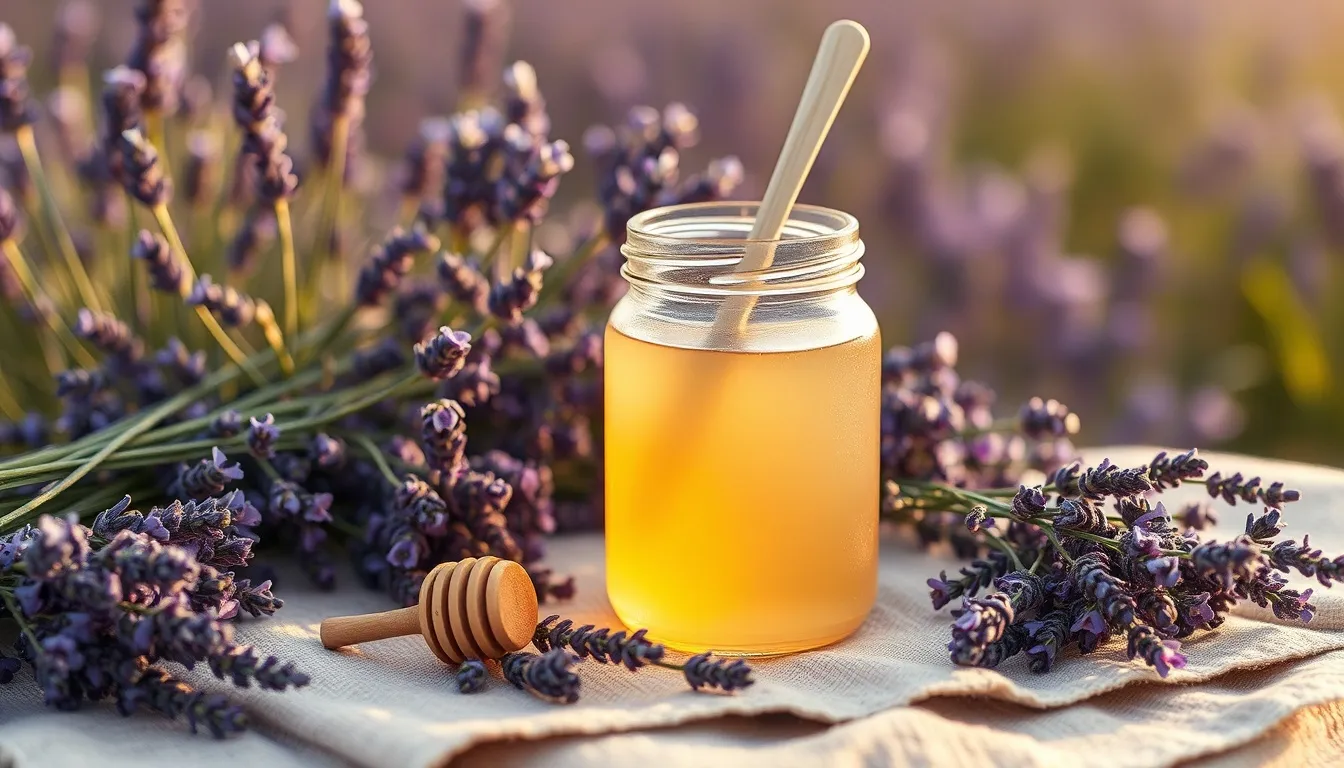
Lavender honey is produced by bees foraging primarily on lavender flowers (Lavandula angustifolia and related species) — the same plants prized for centuries in aromatherapy, herbal medicine, and perfumery. The resulting honey carries over some of lavender's distinctive aromatic compounds, creating a variety that bridges the gap between food and functional wellness.
Produced primarily in the Provence region of France, parts of Spain, Italy, Greece, and increasingly in the Pacific Northwest and Mountain West regions of the United States, lavender honey ($15-25) has a medium-light amber color, a distinctly floral aroma, and a smooth, slightly herbaceous sweetness that sets it apart from milder varieties like acacia honey ($12-20, GI ~32) or clover honey ($8-15).
Beyond flavor, lavender honey contains a unique polyphenol profile inherited from its floral source — including compounds like rosmarinic acid, luteolin, and naringenin that aren't found in significant quantities in most other honey varieties. This guide examines what research says about lavender honey's health properties and how to get the most from it. For a full overview of all varieties, see our types of honey guide.
1. Unique Polyphenol and Antioxidant Profile
A 2019 study in the Journal of Food Composition and Analysis compared the phenolic profiles of 12 monofloral honeys and found that lavender honey had a distinctive antioxidant fingerprint. While its total phenolic content falls between dark honeys like buckwheat honey ($15-25, ORAC 16,000+) and lighter varieties like acacia honey ($12-20), lavender honey contains specific compounds at unusually high concentrations.
Key polyphenols identified in lavender honey include: rosmarinic acid (a potent antioxidant also found in rosemary and sage, with demonstrated NF-κB pathway inhibition), luteolin (a flavonoid with anti-inflammatory and neuroprotective properties studied in Alzheimer's research), naringenin (associated with cardiovascular protection and lipid metabolism), and caffeic acid derivatives (with antibacterial and wound-healing activity).
A 2020 study in Food Chemistry measured lavender honey's oxygen radical absorbance capacity (ORAC) at approximately 1,100-1,500 μmol TE/100g — significantly higher than clover honey (500-750) and comparable to some medium-dark varieties. This antioxidant capacity contributes to the broader benefits seen in the 2022 Nutrition Reviews meta-analysis of 18 RCTs, which found that replacing refined sugar with honey reduced inflammatory markers including C-reactive protein.
For maximum antioxidant potency, buckwheat honey ($15-25) still leads at 3-9x higher total phenolics than lighter varieties. But lavender honey offers a more balanced and diverse polyphenol profile, with specific compounds (rosmarinic acid, luteolin) that other honeys lack. See our honey nutrition facts guide for detailed comparisons.
Get the Honey Buyer's Cheat Sheet (free PDF)
16 varieties on one page — color, flavor, best use and what a fair price looks like — from the 268 honeys we track.
2. Calming and Relaxation Properties
Lavender essential oil is one of the most studied plant-based anxiolytic agents, and some of its characteristic compounds — particularly linalool and linalyl acetate — are present in lavender honey at measurable levels. A 2017 study in Frontiers in Behavioral Neuroscience confirmed linalool's anxiolytic mechanism via GABA-A receptor modulation, the same pathway targeted by benzodiazepines but without the sedation or dependence risk.
While the concentrations of these volatile terpenoids are lower in honey than in essential oil (honey undergoes enzymatic processing by bees), a 2018 study in the Journal of Agricultural and Food Chemistry confirmed that lavender honey retains detectable levels of linalool, linalyl acetate, and other terpenoids that contribute to both its aroma and potential bioactivity.
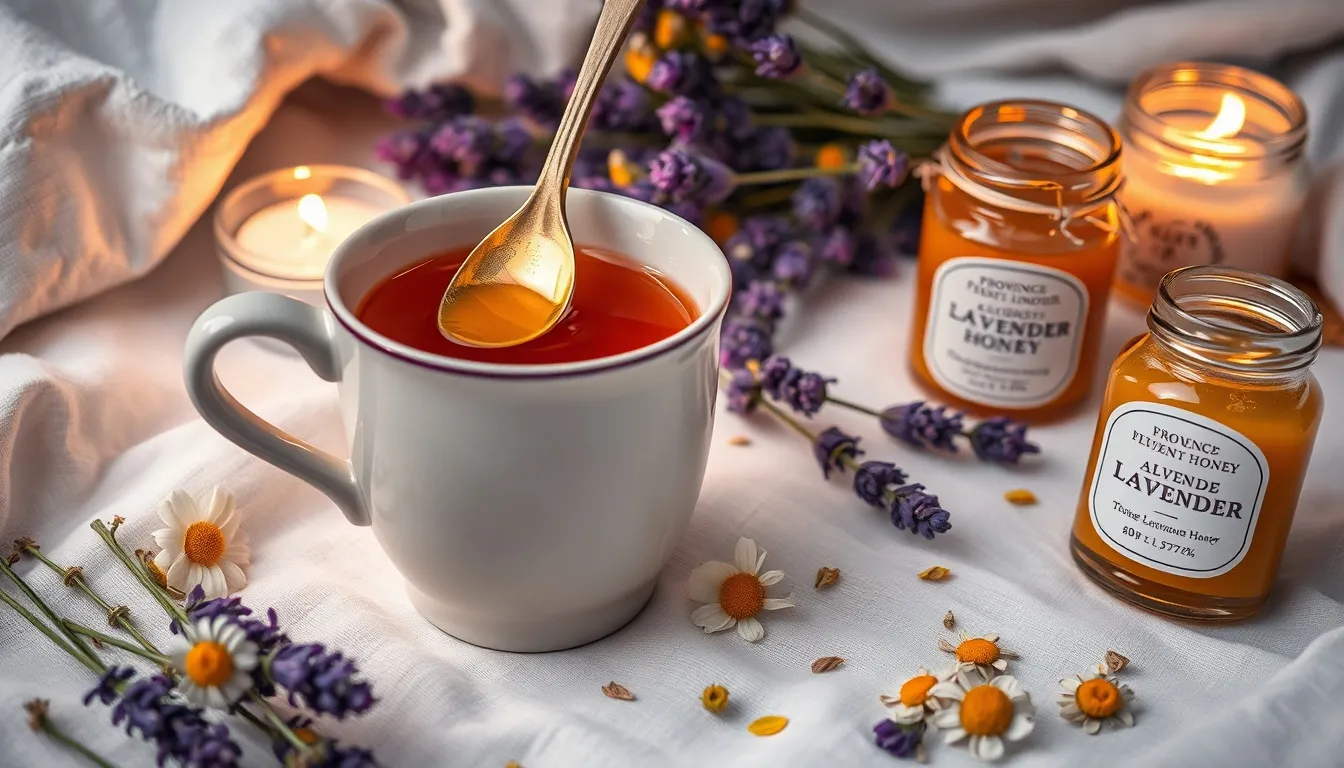
The combination of lavender's aromatic compounds with honey's natural tryptophan-to-melatonin conversion pathway and blood-sugar-stabilizing effects creates a plausible multi-mechanism calming effect. Lavender honey in warm water or chamomile tea before bed is thought to provide a gentle carbohydrate source for liver glycogen storage (preventing stress-hormone-triggering blood sugar drops), aromatic compounds that may modulate GABA receptors, and tryptophan precursors for melatonin synthesis.
This is not a replacement for evidence-based anxiety treatments like CBT or prescribed medications. But for general relaxation and sleep quality, lavender honey is the most mechanistically supported honey variety. See our guides on honey before bed and honey for anxiety for more evidence.
Pro Tip
For a calming bedtime drink, stir raw lavender honey into warm (not boiling) chamomile or valerian tea. The aromatics from the honey complement the tea's own calming compounds.
3. Anti-Inflammatory Effects
Lavender honey's anti-inflammatory properties derive from two complementary sources: the general polyphenol-mediated NF-κB pathway inhibition shared by all raw honeys, and lavender-specific compounds with demonstrated anti-inflammatory activity.
Rosmarinic acid, a defining compound of lavender honey, has been extensively studied for anti-inflammatory effects. A 2012 review in Molecular Medicine Reports documented rosmarinic acid's ability to inhibit complement activation, suppress COX-2 expression, and reduce neutrophil infiltration in inflammatory tissue. These mechanisms operate through different pathways than standard NSAIDs, suggesting potential complementary effects.
Luteolin, another prominent flavonoid in lavender honey, was shown in a 2019 study in Phytomedicine to attenuate neuroinflammation through microglial suppression — a mechanism relevant to both brain health and systemic inflammatory conditions. While these are primarily in vitro and animal study findings, the concentrations of these compounds in lavender honey are in the bioactive range identified in research.
The 2022 Nutrition Reviews meta-analysis found that honey consumption (replacing refined sugar) significantly reduced C-reactive protein, fasting glucose, and LDL cholesterol across 18 controlled trials. While this meta-analysis didn't isolate lavender honey specifically, its enhanced polyphenol profile — particularly rosmarinic acid and luteolin — suggests it may contribute more strongly to these anti-inflammatory effects than lighter, less phenol-rich varieties. For condition-specific recommendations, see our honey for inflammation guide.
4. Antimicrobial Properties
Like all raw honeys, lavender honey generates hydrogen peroxide via the glucose oxidase enzyme — the primary antibacterial mechanism in non-manuka varieties. When diluted (as when applied to wounds or mixed with water), this enzyme activates and produces sustained, low-level H₂O₂ that inhibits bacterial growth.
A 2016 study in the Journal of Apicultural Research tested lavender honey against seven common pathogens including Staphylococcus aureus, Escherichia coli, and Pseudomonas aeruginosa, finding significant inhibition zones comparable to other premium monofloral honeys. The researchers noted that lavender honey's antibacterial activity was enhanced by its phenolic acid content, with caffeic acid and its derivatives contributing additional non-peroxide antimicrobial effects.
A 2014 study in Letters in Applied Microbiology found that French lavender honey inhibited biofilm formation in wound-relevant bacteria — a property that goes beyond simple bactericidal action and is relevant to chronic wound management. Biofilm disruption is particularly important because bacteria in biofilms are up to 1,000 times more resistant to antibiotics than free-floating bacteria.
For clinical wound care or targeting antibiotic-resistant infections like MRSA, medical-grade manuka honey ($35-60+) remains the gold standard due to its unique MGO compound. But for everyday antimicrobial support — sore throats, minor cuts, skin care — lavender honey provides meaningful antibacterial activity with the added benefit of its anti-inflammatory polyphenol profile.
5. Digestive Health Support
Lavender honey contains the same prebiotic fructo-oligosaccharides (FOS) found in all raw honeys, selectively feeding beneficial Bifidobacterium and Lactobacillus species in the gut. But lavender honey may offer additional digestive benefits through its specific polyphenol profile.
Rosmarinic acid has been studied for gastroprotective effects. A 2015 study in the World Journal of Gastroenterology found that rosmarinic acid reduced gastric lesion severity in animal models through anti-inflammatory mechanisms and enhanced mucosal defense — effects that complement the osmotic and antimicrobial properties of honey itself.
Lavender honey's traditional use for digestive comfort in Mediterranean folk medicine aligns with emerging research on polyphenol-gut microbiome interactions. A 2021 review in Nutrients documented how specific polyphenols (including the flavonoids and phenolic acids prominent in lavender honey) can modify gut microbial composition, increase short-chain fatty acid (SCFA) production, and strengthen intestinal barrier integrity.
For more targeted gut health applications like H. pylori inhibition, manuka honey ($35-60+) has stronger specific evidence via its unique MGO compound. But for general digestive comfort, prebiotic support, and soothing an irritated stomach, lavender honey's combination of prebiotics and gastroprotective polyphenols makes it an excellent daily choice. See our honey and gut health guide for protocols.
6. Skin and Beauty Applications
Lavender honey is particularly well-suited for skincare, combining honey's general humectant and antibacterial properties with lavender-specific compounds that benefit skin. Rosmarinic acid has demonstrated photoprotective effects in cell studies, potentially helping protect skin from UV-induced oxidative damage.
A 2013 study in the Journal of Cosmetic Dermatology found that luteolin (a key lavender honey flavonoid) inhibited melanogenesis and reduced hyperpigmentation in cell models — though translating topical polyphenol concentrations from cell studies to practical application requires caution about bioavailability.
For face masks, lavender honey offers a gentle, pleasant-smelling base that works for all skin types. Its moderate antimicrobial activity helps with acne-prone skin without the intensity of manuka, while its anti-inflammatory compounds may help calm redness and irritation. For eczema and sensitive skin conditions, lavender honey's soothing properties make it a reasonable topical option.
For hair care, lavender honey's floral scent is a natural advantage over stronger-smelling varieties like buckwheat. Mix with olive oil or coconut oil for a deep conditioning treatment that doubles as aromatherapy.
7. Cardiovascular Benefits
The 2022 Nutrition Reviews meta-analysis of 18 RCTs found that replacing refined sugar with honey significantly improved cardiovascular markers: reduced total cholesterol, LDL, and triglycerides while increasing HDL. Raw and monofloral honeys showed stronger effects than processed varieties.
Lavender honey may contribute to cardiovascular protection through naringenin, a citrus flavonoid also found at notable levels in lavender honey. A 2015 review in Pharmacological Research documented naringenin's effects on lipid metabolism, including inhibition of HMG-CoA reductase (the same enzyme targeted by statin drugs) and enhanced hepatic fatty acid oxidation.
Rosmarinic acid additionally demonstrates vasoprotective effects through nitric oxide pathway stimulation and LDL oxidation prevention — both relevant to atherosclerosis prevention. While these compound-specific studies used isolated extracts at higher concentrations than honey provides, the consistent improvement in lipid profiles across honey clinical trials suggests that the cumulative effect of multiple bioactive compounds is clinically meaningful.
For more on honey's heart health effects, see our guides on honey and blood pressure and honey and cholesterol.
Lavender Honey vs Other Varieties: When to Choose What
Each honey variety excels in specific areas. Here's how lavender honey fits into the broader landscape:
**Choose lavender honey when:** you want calming and relaxation benefits, you enjoy a floral aromatic flavor, you need a versatile honey for both culinary and skincare use, you want a unique polyphenol profile (rosmarinic acid, luteolin), or you're making herbal teas and want complementary botanical flavors.
**Choose manuka honey ($35-60+) when:** you need maximum antimicrobial potency for wounds, skin conditions, or sinus infections. Manuka's MGO provides unique non-peroxide antibacterial activity.
**Choose buckwheat honey ($15-25, ORAC 16,000+) when:** you want the highest antioxidant content (3-9x more total phenolics than lighter varieties), the strongest cough suppression evidence, or bold flavor for baking.
These culinary and topical comparisons do not establish a medically preferred honey for diabetes.
**Choose wildflower honey ($10-18) when:** you want the broadest polyphenol diversity from multiple floral sources, or you're supporting local beekeepers with regionally specific honey.
For comprehensive comparisons, see our types of honey guide and is honey better than sugar analysis.
How to Choose Quality Lavender Honey
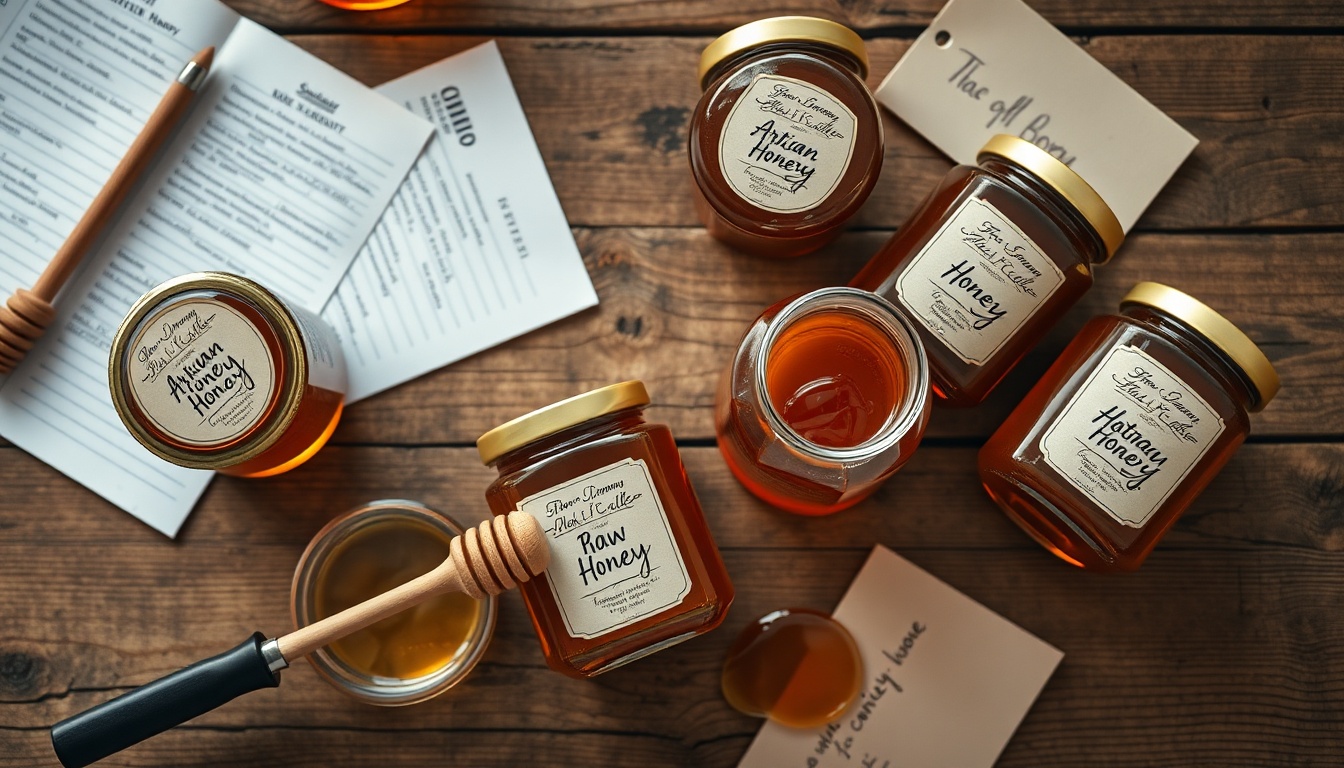
Lavender honey is often counterfeited or mislabeled due to its premium price. Use these quality indicators:
**Color:** Genuine lavender honey ranges from pale gold to medium amber — lighter than buckwheat but darker than acacia. An overly dark or overly light color may indicate blending with other varieties.
**Aroma and flavor:** Real lavender honey has a noticeable floral, slightly herbaceous aroma — you should catch lavender notes without it being overwhelming or artificial. The taste is smooth with a medium sweetness, mild floral notes, and a clean finish without bitterness. If it smells like lavender essential oil was added, it probably was.
**Crystallization:** Lavender honey crystallizes at a moderate rate (faster than acacia, slower than clover or wildflower), forming smooth, fine crystals. See why honey crystallizes for more.
**Origin:** The best lavender honey comes from Provence (France), Andalusia and Catalonia (Spain), Sardinia and Piedmont (Italy), and the Pacific Northwest/Mountain West (USA). Verified French "Miel de Lavande" from Provence carries the strongest reputation and often IGP (Protected Geographical Indication) certification.
**Raw vs processed:** As with all honeys, raw lavender honey retains its full enzyme, polyphenol, and aromatic compound content. Processing (heating and filtration) destroys volatile terpenoids like linalool that contribute to lavender honey's distinctive character and potential calming effects. Always look for "raw" and buy from reputable sources. See our honey label reading guide for what to check.
Culinary Uses and Pairings
Lavender honey's floral complexity makes it one of the most culinarily versatile premium honeys:
**Tea and beverages:** Pairs exceptionally well with chamomile, Earl Grey, jasmine green tea, and warm milk. Its aromatic profile also works in craft cocktails and honey water for a subtly flavored daily drink.
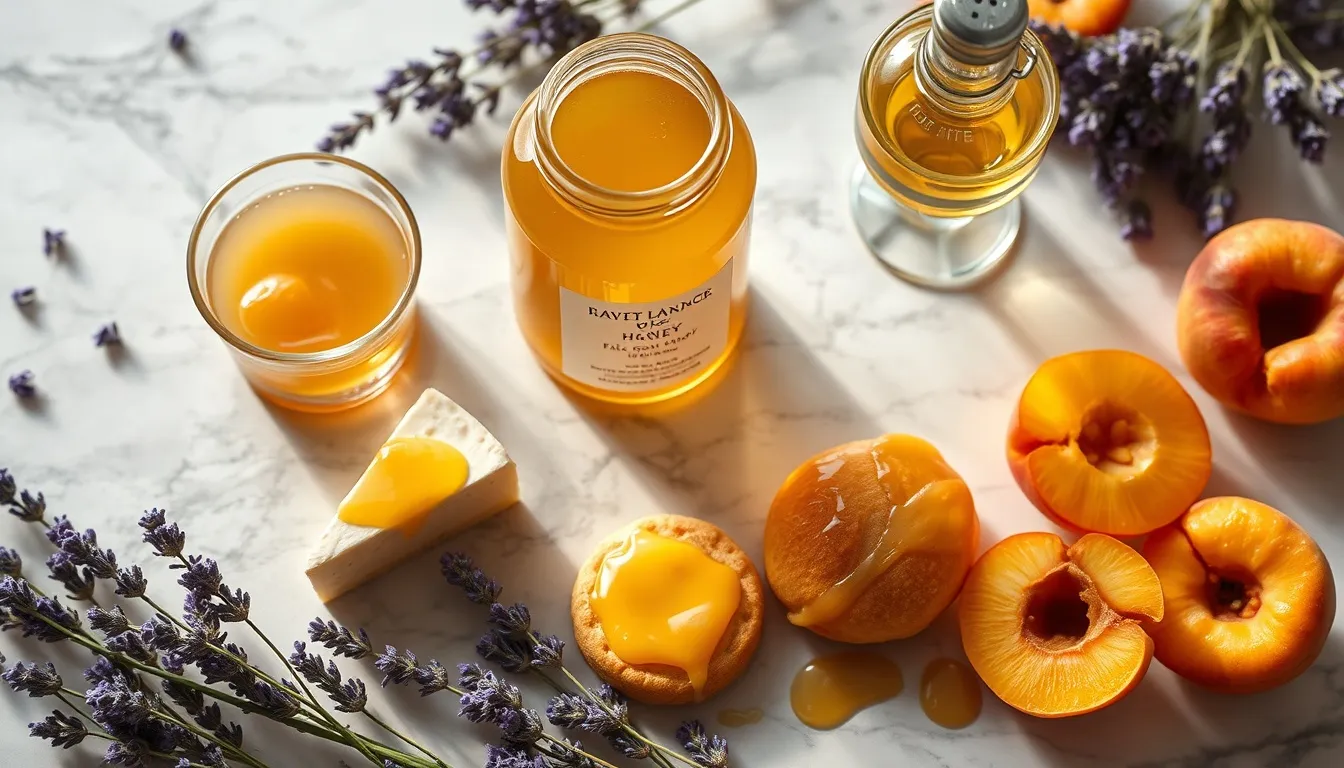
**Cheese boards:** A classic pairing — drizzle over aged goat cheese, Brie, Roquefort, or Manchego. The floral sweetness balances sharp, salty, and tangy cheeses. See eating honeycomb for board presentation ideas.
**Baking and desserts:** Use in shortbread, madeleines, panna cotta, ice cream, and baking substitutions. Lavender honey's aroma intensifies slightly when warmed, making it ideal for drizzling over warm pastries.
**Salad dressings and marinades:** Blend with lemon, Dijon mustard, and olive oil for a Provençal-style vinaigrette. Also works in honey-ginger glazes for salmon or chicken.
**Simple pairings:** On toast with butter, over yogurt and granola, drizzled on fresh stone fruits (peaches, apricots), or stirred into coffee as an aromatic sweetener.
The Bottom Line
Lavender honey occupies a unique niche among premium honeys: it offers a distinctive polyphenol profile (rosmarinic acid, luteolin, naringenin) not found at significant levels in other varieties, potential calming properties from retained lavender volatile compounds, and a complex floral flavor that stands out in both culinary and wellness applications.
Lavender honey can be chosen for aroma and flavor, but evidence does not establish relaxation, skin, or medical benefits.
This section does not establish a universal or medical honey dose for this purpose. Use the daily added-sugar guide to count honey with other added or free sugars.