Consumer Guide9 min read

Honey and Olive Oil: Benefits for Skin, Hair, and Health

Discover the evidence-based benefits of combining honey and olive oil for skin care, hair masks, and internal health. Plus 5 DIY recipes backed by dermatological research.

Published December 1, 2025 · Updated December 30, 2025
honey and olive oilhoney olive oil face maskhoney olive oil hair maskolive oil and honey benefits

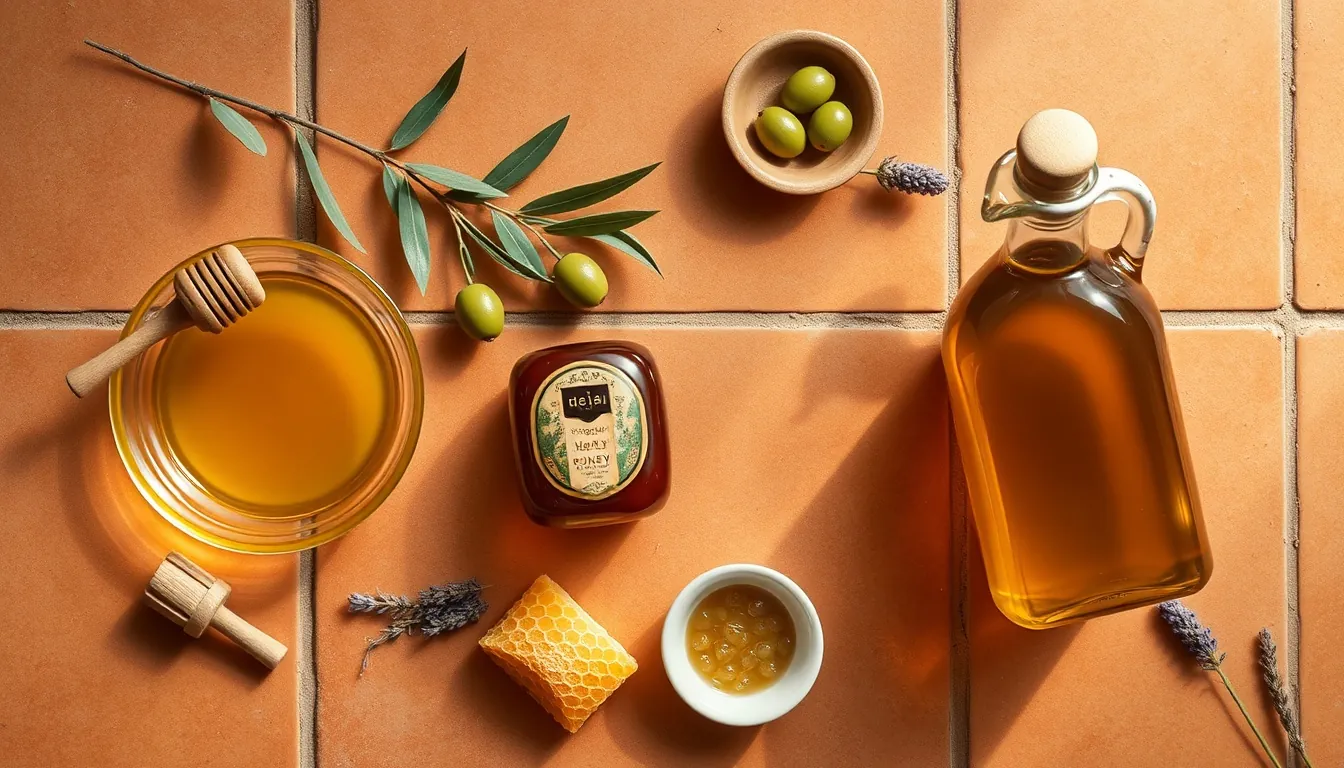
Why Honey and Olive Oil Work Better Together

Honey and olive oil are two of the oldest natural remedies in recorded history. Ancient Egyptians used honey-oil blends for wound care, Greek physicians prescribed them for skin conditions, and Mediterranean cultures have combined them in beauty treatments for millennia. Modern dermatological research is now validating many of these traditional uses.

What makes this combination effective is complementary mechanisms. Raw honey is a humectant — it draws moisture from the air into the skin. Extra virgin olive oil is an emollient — it fills gaps between skin cells to lock moisture in. Together, they create a two-layer hydration system that neither ingredient achieves alone.

Beyond hydration, both ingredients bring potent bioactive compounds. Honey contributes polyphenols, hydrogen peroxide, and enzymes with antimicrobial and anti-inflammatory properties. Olive oil contributes oleic acid, squalene, and oleocanthal — a compound with anti-inflammatory effects comparable to low-dose ibuprofen according to a 2005 study in Nature.

Benefits for Skin: What Research Shows

The honey-olive oil combination has been studied in several dermatological contexts with promising results.

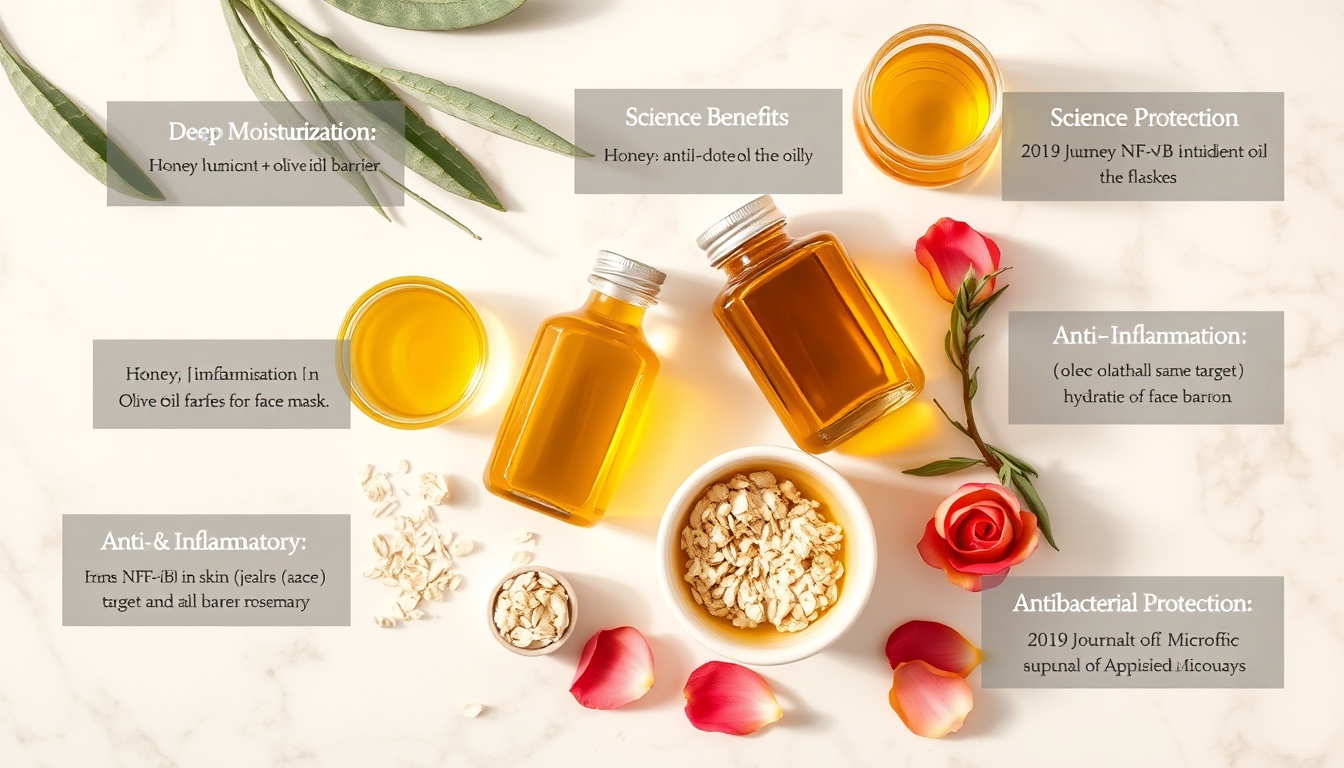
  • Deep moisturization — A 2012 study in the Journal of Cosmetic Dermatology found that olive oil-based emulsions significantly improved skin hydration and barrier function compared to petroleum-based alternatives. Combined with honey's humectant properties, the duo addresses both water retention and lipid barrier repair — the two pillars of skin hydration.
  • Wound healing acceleration — A landmark 2003 study published in Complementary Therapies in Medicine tested a honey-beeswax-olive oil mixture on patients with dermatitis, psoriasis, and fungal infections. After 2 weeks, 80% of patients with dermatitis showed significant improvement, and 60% of psoriasis patients saw marked reduction in scaling and redness. The mixture outperformed standard topical treatments for several conditions.
  • Anti-inflammatory effects — Olive oil's oleocanthal inhibits COX-1 and COX-2 enzymes (the same targets as ibuprofen), while honey's polyphenols inhibit the NF-κB inflammatory pathway. Applied together, they target inflammation through two independent mechanisms — potentially more effective than either alone.
  • Antibacterial protection — Honey's antimicrobial properties (hydrogen peroxide generation, low pH, high osmolarity) combined with olive oil's oleic acid create a hostile environment for bacteria. A 2019 study in the Journal of Applied Microbiology found that honey-olive oil combinations showed enhanced antibacterial activity against Staphylococcus aureus compared to either ingredient alone.
  • Anti-aging potential — Both ingredients are rich in antioxidants. Olive oil's polyphenols (hydroxytyrosol, oleuropein) and honey's flavonoids (chrysin, pinocembrin, quercetin) neutralize free radicals that drive skin aging. A 2010 review in Dermato-Endocrinology noted that dietary and topical antioxidant combinations protect collagen and elastin more effectively than single-antioxidant approaches.

Benefits for Hair: What Research Shows

The honey-olive oil combination addresses multiple common hair concerns through complementary mechanisms.

  • Deep conditioning for dry hair — Olive oil penetrates the hair shaft more effectively than most oils. A 2003 study in the Journal of Cosmetic Science found that olive oil was among the few oils that actually penetrate the cuticle and reduce protein loss from inside the hair fiber. Honey's humectant effect adds water-based hydration on top of this lipid conditioning.
  • Scalp health — Seborrheic dermatitis, dandruff, and scalp irritation often involve the yeast Malassezia. Honey's antimicrobial properties inhibit this yeast, while olive oil soothes the resulting inflammation. A 2001 study in the European Journal of Medical Research found that raw honey applied to the scalp significantly reduced scaling, itching, and hair loss in patients with seborrheic dermatitis.
  • Frizz control — Olive oil coats the hair cuticle, reducing porosity and controlling frizz. Honey's hygroscopic properties help maintain optimal moisture balance without over-wetting. This makes the combination particularly effective for curly and textured hair that tends toward dryness.
  • Split end management — While nothing truly repairs split ends, olive oil temporarily seals the cuticle and improves the appearance of damaged ends. The combination creates a smoother surface that reduces further splitting from friction and environmental damage.

Internal Health Benefits

Consuming honey and olive oil together — such as in salad dressings, drizzled on bread, or in cooking — provides synergistic health benefits beyond what either offers individually.

  • Cardiovascular protection — The 2022 Nutrition Reviews meta-analysis of 18 RCTs found that honey consumption improved cholesterol markers (lower LDL, higher HDL, lower triglycerides). Olive oil is the cornerstone of the Mediterranean diet, which a landmark 2013 PREDIMED trial showed reduces cardiovascular events by 30%. Combining both ingredients amplifies cardiovascular protection through complementary lipid-modifying and anti-inflammatory pathways.
  • Anti-inflammatory synergy — Olive oil's oleocanthal and honey's polyphenols target different inflammatory pathways simultaneously. This dual-pathway approach mirrors the principle behind combination anti-inflammatory therapies in medicine. Regular consumption of both may help manage chronic low-grade inflammation associated with metabolic syndrome, arthritis, and cardiovascular disease.
  • Gut health support — Honey's prebiotic oligosaccharides feed beneficial Bifidobacterium and Lactobacillus species, while olive oil's polyphenols act as prebiotics for Bacteroides and Prevotella. A 2019 study in Nutrients found that extra virgin olive oil polyphenols increased gut microbial diversity — a marker of gut health. Together, they support a broader range of beneficial bacteria than either alone.
  • Antioxidant absorption — Fat-soluble antioxidants in honey (such as fat-soluble vitamins and certain polyphenols) are better absorbed when consumed with dietary fat. Olive oil provides the ideal lipid matrix for enhanced bioavailability of honey's bioactive compounds.

Choosing the Right Honey and Olive Oil

Quality matters significantly for both ingredients. Not all honeys and olive oils are created equal.

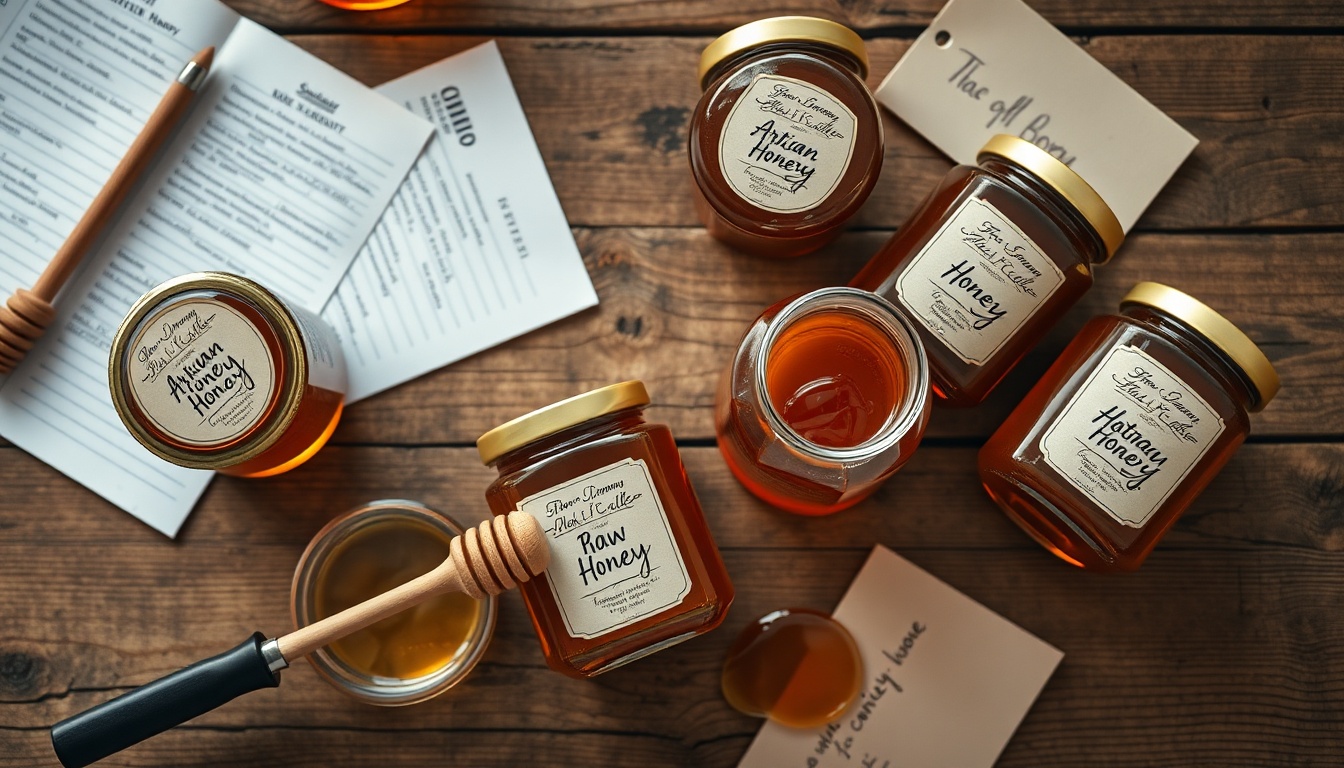
  • Honey — Use raw, unfiltered honey for maximum enzyme activity and polyphenol content. Manuka honey (UMF 10+) is best for wound care and skin conditions. Dark honeys like buckwheat provide 3-9x more antioxidants. Avoid processed commercial honey in squeeze bottles — pasteurization destroys enzymes and reduces antimicrobial activity.
  • Olive oil — Use extra virgin olive oil (EVOO) exclusively. Refined olive oil, "light" olive oil, and olive pomace oil have been stripped of most polyphenols, oleocanthal, and antioxidants during processing. Look for harvest dates (not just expiration dates), dark glass bottles (light degrades polyphenols), and certifications from the California Olive Oil Council or equivalent regional bodies.
  • For topical use — Cold-pressed, extra virgin versions of both ingredients retain the most bioactive compounds. For hair masks, regular EVOO works well. For sensitive skin conditions like eczema, medical-grade manuka honey is safest.
  • For cooking — Both ingredients lose some bioactive compounds when heated. For maximum health benefits, use them raw — in salad dressings, drizzled on finished dishes, or as a dip for bread. Honey's enzymes denature above 118°F (48°C), and olive oil's polyphenols degrade at high heat.

5 DIY Honey and Olive Oil Recipes

These recipes use simple ratios that are easy to remember and adjust.

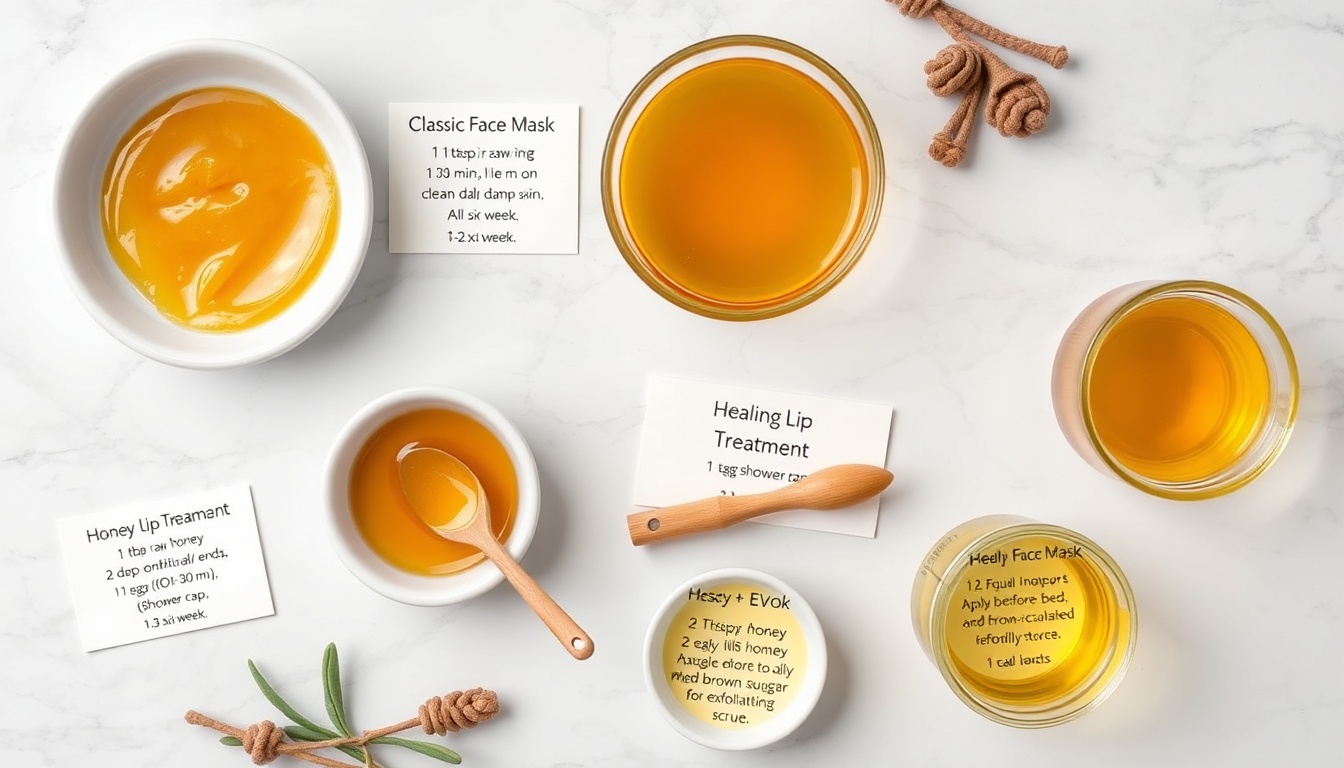
  • Classic face mask (all skin types) — Mix 1 tablespoon raw honey with 1 teaspoon EVOO. Apply to clean, damp skin. Leave on for 15-20 minutes. Rinse with lukewarm water. Use 1-2 times per week. For acne-prone skin, reduce olive oil to 1/2 teaspoon and add 1/2 teaspoon lemon juice.
  • Deep conditioning hair mask — Mix 2 tablespoons raw honey with 2 tablespoons EVOO. For extra protein, add 1 egg yolk. Apply to damp hair from mid-shaft to ends, focusing on damaged areas. Cover with a shower cap and leave on for 30-60 minutes. Shampoo twice to remove. Use weekly for dry or damaged hair.
  • Healing lip treatment — Mix equal parts raw honey and EVOO. Apply a thin layer to dry or cracked lips before bed. The honey draws moisture while the oil seals it in. Can also be used as a gentle lip scrub by adding a pinch of brown sugar.
  • Mediterranean health dressing — Whisk 3 tablespoons EVOO with 1 tablespoon raw honey, 1 tablespoon lemon juice, 1 minced garlic clove, and salt to taste. Use on salads, roasted vegetables, or as a bread dip. This combines the cardiovascular benefits of both ingredients in a daily-use format.
  • Soothing hand treatment — Mix 1 tablespoon raw honey, 1 tablespoon EVOO, and 1/2 teaspoon lemon juice. Massage into dry, cracked hands. Wear cotton gloves for 20-30 minutes or overnight for intensive repair. Particularly effective during winter months or for hands damaged by frequent washing.

Pro Tip: Always patch test on a small area of skin before applying any DIY treatment to your face. Wait 24 hours to check for reactions. People with tree nut allergies should be cautious with olive oil, though true olive allergies are rare.

Common Mistakes to Avoid

Getting the most from this combination means avoiding these frequent errors.

  • Using processed honey — Pasteurized commercial honey has lost most of its enzymes, antimicrobial activity, and beneficial compounds. For skin, hair, and health applications, always use raw honey. The antibacterial and anti-inflammatory benefits documented in research studies used raw, unprocessed honey.
  • Using refined olive oil — "Light" olive oil, "pure" olive oil, and olive pomace oil are refined products stripped of polyphenols and antioxidants. Only extra virgin olive oil retains the oleocanthal and hydroxytyrosol responsible for anti-inflammatory and antioxidant effects.
  • Overheating — Warming honey above 118°F destroys its active enzymes (glucose oxidase, diastase). Heating olive oil past its smoke point (375-405°F for EVOO) degrades polyphenols and can produce harmful compounds. For maximum benefit, use both ingredients at room temperature or with gentle warming.
  • Too much olive oil on acne-prone skin — Olive oil is comedogenic for some people (comedogenicity rating 2 out of 5). If you have acne-prone skin, use honey as the primary ingredient with only a small amount of olive oil. Alternatively, substitute with a non-comedogenic carrier oil like jojoba or argan for face treatments.
  • Expecting overnight results — Topical honey-olive oil treatments produce gradual improvements over weeks, not days. The 2003 dermatitis study saw significant results at the 2-week mark. Consistency matters more than concentration — regular weekly treatments outperform occasional intensive applications.

The Bottom Line

Honey and olive oil is one of the most well-supported natural remedy combinations, with research backing its use for skin hydration, wound healing, hair conditioning, and cardiovascular health. The combination works because the two ingredients address different aspects of the same problems — honey hydrates and fights microbes while olive oil nourishes and reduces inflammation.

For skin and hair, use raw honey and extra virgin olive oil in simple DIY treatments 1-2 times per week. For internal health, incorporate both into your diet through dressings, drizzles, and uncooked applications to preserve bioactive compounds. Quality matters more than quantity — choose raw, unprocessed versions of both ingredients for maximum benefit.

Frequently Asked Questions

Can I put honey and olive oil on my face?

Yes, honey and olive oil make an effective face mask. Mix 1 tablespoon raw honey with 1 teaspoon extra virgin olive oil, apply to clean damp skin for 15-20 minutes, then rinse with lukewarm water. Honey hydrates and fights bacteria while olive oil nourishes and reduces inflammation. Use 1-2 times per week. If you have acne-prone skin, reduce the olive oil amount since it can be comedogenic for some people.

Is honey and olive oil good for hair growth?

Honey and olive oil support healthy hair conditions that promote growth, but they are not proven hair growth treatments. Olive oil penetrates the hair shaft to reduce protein loss and breakage, while honey provides antimicrobial scalp care and moisture. A 2001 study found raw honey reduced scaling and hair loss from seborrheic dermatitis. For hair growth specifically, address underlying causes (nutrition, hormones, stress) alongside topical treatments.

Can I eat honey and olive oil together?

Yes, eating honey and olive oil together provides synergistic health benefits. Olive oil enhances the absorption of honey's fat-soluble antioxidants, while both ingredients independently improve cardiovascular markers, reduce inflammation, and support gut health. Use them raw in salad dressings, drizzled on bread, or on finished dishes to preserve bioactive compounds. Heating degrades some beneficial properties.

How long should I leave honey and olive oil on my hair?

Leave a honey and olive oil hair mask on for 30-60 minutes for best results. Apply to damp hair from mid-shaft to ends, cover with a shower cap, and let the ingredients penetrate. For deeper conditioning, leave it on for up to 2 hours or overnight (sleep on a towel). Shampoo twice to fully remove the oil. Use weekly for dry or damaged hair, biweekly for normal hair.

Which honey is best for skin with olive oil?

For general skincare, raw wildflower or clover honey works well and is affordable. For specific skin conditions like eczema, dermatitis, or wounds, medical-grade manuka honey (UMF 10+) provides the strongest antibacterial and anti-inflammatory effects. Dark honeys like buckwheat offer more antioxidants for anti-aging benefits. Always use raw, unprocessed honey — pasteurized commercial honey has lost most beneficial enzymes and compounds.

Does olive oil clog pores when mixed with honey?

Olive oil has a comedogenicity rating of 2 out of 5, meaning it can clog pores for some acne-prone individuals. Honey itself is non-comedogenic and actually has antibacterial properties that help acne. If you are acne-prone, use more honey and less olive oil (2:1 ratio), or substitute olive oil with a non-comedogenic oil like jojoba (rating 2) or hemp seed oil (rating 0). Always patch test before full facial application.

RHG

Raw Honey Guide Editorial Team

Reviewed by certified beekeepers and apiculture specialists. Our editorial team consults with professional beekeepers, food scientists, and registered dietitians to ensure accuracy.

Expert ReviewedFact Checked

Last updated: 2025-12-30