Consumer Guide9 min read

Honey and Milk: Benefits, Recipes, and What Science Says

Explore the evidence-based benefits of honey and milk for sleep, bone health, sore throats, and skin care. Plus 5 recipes and dosing guidelines backed by clinical research.

Published December 4, 2025 · Updated January 10, 2026
honey and milkwarm milk and honeyhoney milk benefitsmilk and honey for sleep

Why Honey and Milk Is More Than a Folk Remedy

Warm milk with honey is one of the oldest comfort remedies in recorded history. Ayurvedic medicine prescribed it over 3,000 years ago for sleep, digestion, and vitality. Ancient Egyptian physicians used honey-milk preparations for wound care. The Biblical phrase "land of milk and honey" reflects how deeply this combination is embedded in human culture.

Modern research is now catching up to tradition. Both raw honey and milk bring distinct bioactive compounds — honey contributes polyphenols, enzymes, and prebiotics, while milk provides casein, tryptophan, calcium, and bioactive peptides. Together, they create synergies that neither achieves alone, particularly for sleep, bone health, and immune function.

That said, not every traditional claim holds up to scrutiny. This guide separates the evidence-based benefits from the myths, covering what research actually supports and where the science is still preliminary.

Sleep: The Most Studied Benefit

The honey-before-bed sleep connection involves two pathways, and milk amplifies both of them.

Honey replenishes liver glycogen stores, preventing the cortisol spike that can wake you at 2-3 AM. It also provides tryptophan — the amino acid precursor to serotonin and melatonin. But here is where milk becomes important: tryptophan competes with other large neutral amino acids (LNAAs) to cross the blood-brain barrier. Honey's natural sugars trigger a modest insulin response that clears competing amino acids from the bloodstream, giving tryptophan preferential access to the brain.

Milk is one of the richest dietary sources of tryptophan (about 75mg per cup), far more than honey alone provides. A 2020 study in the Journal of Medicinal Food found that warm milk consumption before bed significantly improved sleep quality scores in older adults. The combination of milk's tryptophan with honey's insulin-mediated transport mechanism creates a more effective sleep-promoting pathway than either ingredient alone.

Milk also contains alpha-casozepine, a bioactive peptide derived from casein that has anxiolytic (anti-anxiety) properties. A 2005 study in the European Journal of Nutrition found that alpha-casozepine improved sleep quality in subjects with mild sleep difficulties. When combined with honey's liver glycogen and tryptophan effects, this creates a three-pathway approach to better sleep.

Pro Tip: For sleep, drink warm (not hot) milk with 1 tablespoon of raw honey 30-60 minutes before bed. Heat the milk to a comfortable drinking temperature — honey's enzymes denature above 118°F (48°C), so let the milk cool slightly before stirring in honey.

Bone Health: Calcium Absorption Enhancement

Milk is the most commonly consumed calcium source (300mg per cup, about 30% of daily needs). But calcium absorption is the real bottleneck — the body typically absorbs only 30-35% of dietary calcium. This is where honey may help.

A 2010 study in the Journal of Food Chemistry found that certain oligosaccharides — the same prebiotic compounds in honey — enhanced calcium absorption in the large intestine. The mechanism involves short-chain fatty acids (SCFAs) produced when gut bacteria ferment honey's prebiotics. SCFAs lower intestinal pH, which increases the solubility of calcium and enhances passive absorption through the colonic wall.

A 2012 animal study in the British Journal of Nutrition found that honey supplementation increased calcium absorption by 33% and improved bone density markers compared to sugar controls. While human trials are needed, the prebiotic mechanism is well-established — it's the same pathway through which other prebiotics (inulin, FOS) enhance mineral absorption.

For older adults concerned about osteoporosis, the combination of milk's calcium with honey's prebiotic-enhanced absorption offers a practical dietary strategy alongside vitamin D and weight-bearing exercise.

Sore Throat and Cough Relief

Honey is well-established as a cough suppressant — a 2021 BMJ systematic review found it superior to usual care for upper respiratory symptoms. Adding warm milk provides additional throat-coating and soothing effects.

Warm milk creates a temporary protective coating on inflamed throat tissue due to its fat and protein content. Casein, milk's primary protein, forms a film that reduces direct contact between irritants and the inflamed mucosa. Honey adds osmotic soothing (drawing moisture from swollen tissue), antimicrobial activity against throat pathogens, and direct cough reflex suppression.

A 2018 study in the Archives of Pediatrics & Adolescent Medicine found that honey was as effective as dextromethorphan (the active ingredient in most OTC cough syrups) for reducing nighttime cough frequency and severity in children. When combined with warm milk's coating effect, parents often find the combination more practical and better-tolerated than medication — especially for children over 1 year old.

  • Buckwheat honey — The strongest evidence for cough suppression. Dark, bold flavor with the highest antioxidant content.
  • Manuka honey — Best for bacterial throat infections due to MGO antimicrobial activity. Use UMF 10+ for therapeutic effects.
  • Wildflower honey — Good all-purpose option. Milder taste that blends well with milk.
  • Clover honey — Light, mild flavor that children prefer. Still effective for cough, just lower antioxidant content.

Pro Tip: Never give honey to infants under 12 months due to infant botulism risk — this applies to honey in milk as well. For children 1-5, use 1/2 tablespoon of honey in warm milk. For older children and adults, use 1 tablespoon.

Gut Health and Digestive Support

Milk and honey support digestion through complementary mechanisms. Honey's prebiotic oligosaccharides (fructo-oligosaccharides and gluco-oligosaccharides) selectively feed beneficial Bifidobacterium and Lactobacillus species. Milk provides its own prebiotic — lactose — which acts as a fermentable substrate for beneficial gut bacteria in people who tolerate it.

For people with mild digestive discomfort, warm milk with honey can soothe the gastric lining. Honey's anti-inflammatory polyphenols reduce NF-κB-mediated inflammation in the gut wall, while milk's casein creates a temporary alkaline buffering effect that can relieve mild acid reflux symptoms.

However, this combination is not suitable for everyone. People with lactose intolerance may experience bloating, gas, and diarrhea from the milk component. In this case, plant-based milks (oat, almond, coconut) can substitute — though they lack milk's tryptophan, casein, and calcium benefits. People with fructose malabsorption or IBS-related FODMAP sensitivity should start with small amounts of honey (1 teaspoon) to assess tolerance.

Skin Care: Topical and Internal Benefits

Honey and milk have a long history in topical skin care, famously associated with Cleopatra's milk-and-honey baths. Modern dermatological research offers partial validation.

Milk contains lactic acid, an alpha-hydroxy acid (AHA) that gently exfoliates dead skin cells and promotes cell turnover. Honey is a natural humectant that draws moisture into the skin and provides antimicrobial protection. Combined, they create a gentle exfoliating-and-hydrating treatment.

A 2002 study in the International Journal of Dermatology found that 12% lactic acid cream improved skin texture and hydration significantly. While milk's natural lactic acid concentration (~0.3-0.5%) is much lower than clinical formulations, regular use as a face mask or bath additive can provide mild exfoliation benefits — particularly for sensitive skin that cannot tolerate higher-concentration AHA products.

Internally, milk's vitamin A (retinol) supports skin cell turnover, while honey's polyphenols reduce oxidative stress that contributes to premature aging. The gut-skin axis connection also applies — honey's prebiotic effects improve gut microbial diversity, which research increasingly links to skin health outcomes.

Athletic Recovery

Post-exercise recovery requires protein for muscle repair and carbohydrates for glycogen replenishment. Milk with honey addresses both needs efficiently.

Chocolate milk has become a popular recovery drink, but plain milk with honey offers similar macronutrient ratios without artificial flavorings. One cup of whole milk provides about 8g of protein (a mix of fast-absorbing whey and slow-absorbing casein), while 1-2 tablespoons of honey provides 17-34g of easily absorbed carbohydrates. This 1:2-4 protein-to-carb ratio aligns with sports nutrition guidelines for post-exercise recovery.

A 2006 study in the International Journal of Sport Nutrition and Exercise Metabolism found that chocolate milk was as effective as commercial sports drinks for recovery between exercise bouts. Milk with honey provides the same core benefits — protein, carbs, electrolytes (sodium, potassium, calcium) — with the added advantage of honey's polyphenol antioxidants that may help reduce exercise-induced oxidative stress.

Pro Tip: For post-workout recovery, consume milk with honey within 30-60 minutes of exercise. Use 1-2 tablespoons of honey per cup of milk. Cold milk is fine for athletic recovery — the tryptophan-sleep pathway is less relevant here.

5 Honey and Milk Recipes

These recipes cover different health goals and flavor preferences.

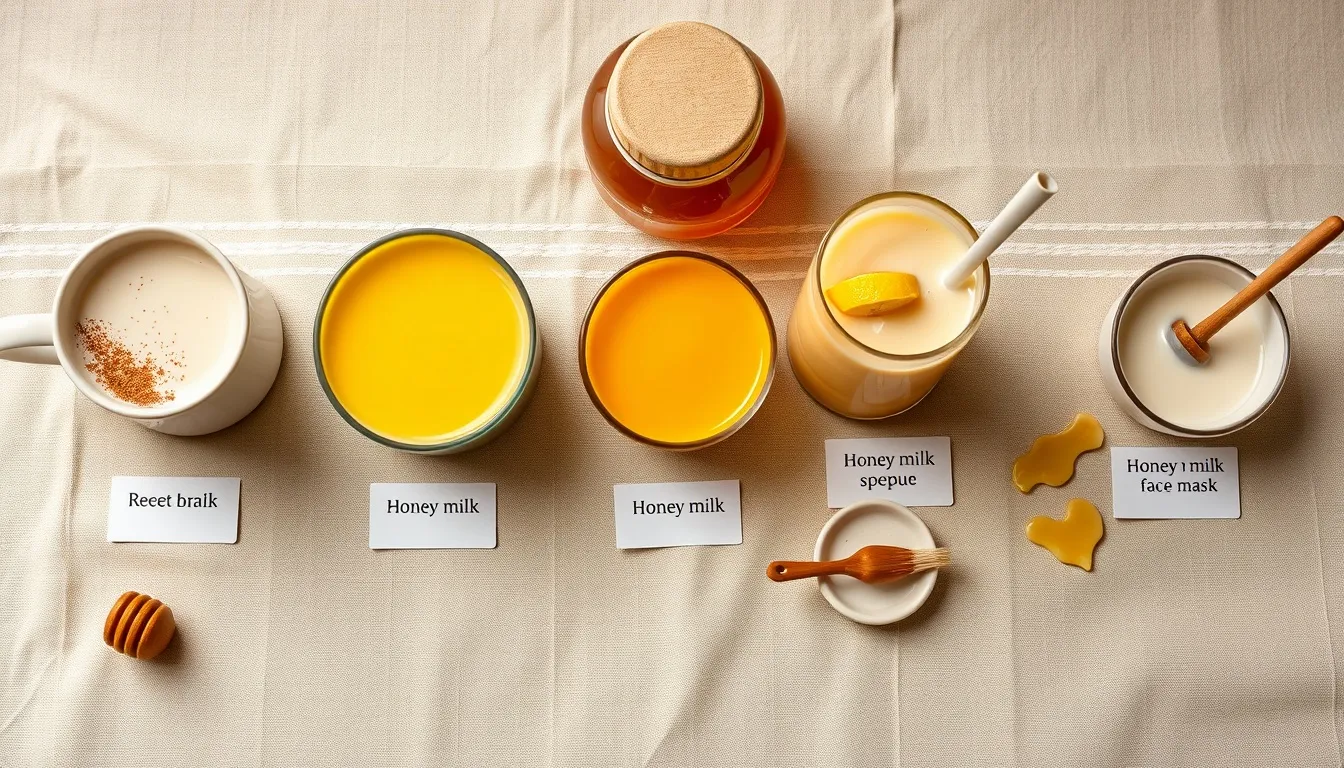
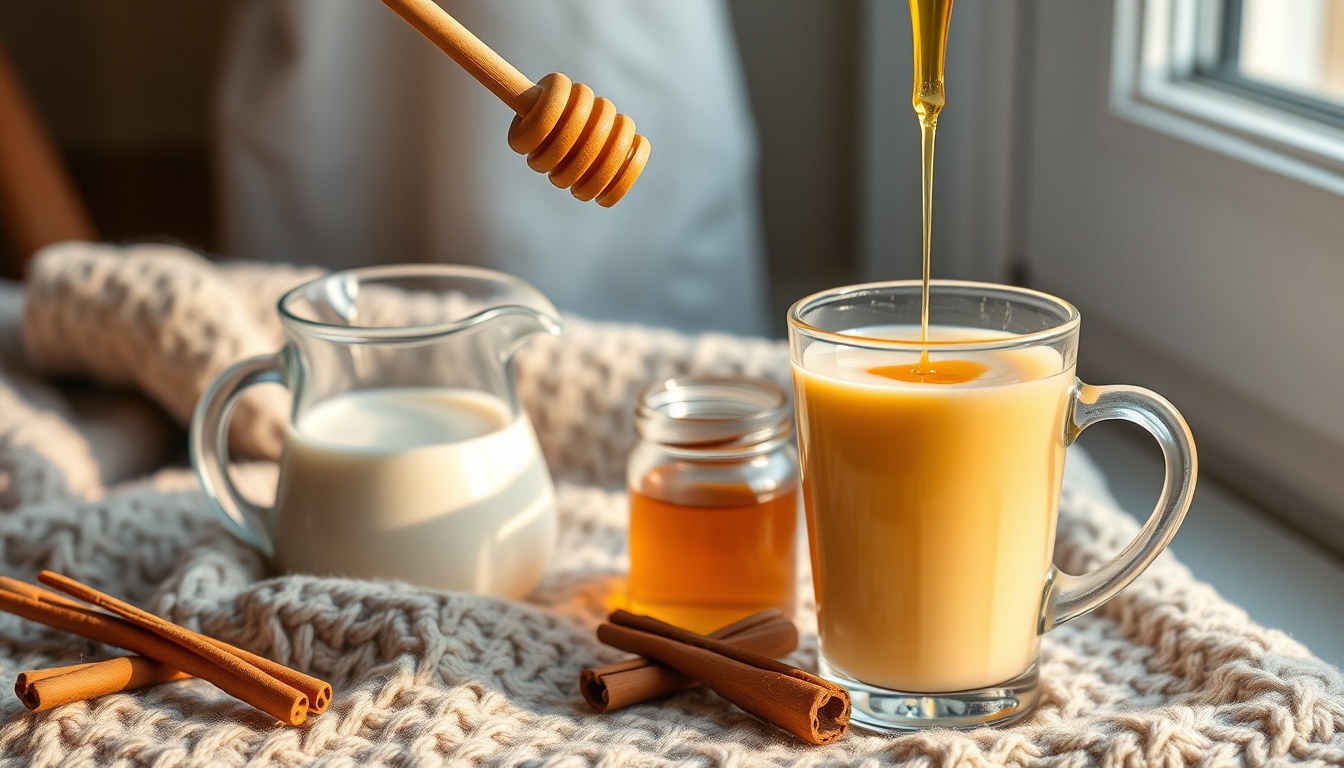
  • Classic warm sleep milk — Heat 1 cup of whole milk until steaming (not boiling). Let cool for 1-2 minutes, then stir in 1 tablespoon of raw honey and a pinch of ground cinnamon. The cinnamon adds cinnamaldehyde, which has mild sedative properties. Drink 30-60 minutes before bed.
  • Golden milk with honey — Warm 1 cup of milk (dairy or oat) with 1/2 teaspoon ground turmeric, a pinch of black pepper (for curcumin absorption), and 1/4 teaspoon ground ginger. Remove from heat, cool slightly, and stir in 1 tablespoon of raw honey. Anti-inflammatory and soothing for evening relaxation.
  • Honey milk sore throat remedy — Warm 1 cup of whole milk to a comfortable drinking temperature. Stir in 1 tablespoon of buckwheat honey and a squeeze of lemon juice (the lemon provides vitamin C and cuts the richness). Sip slowly to coat the throat. Repeat 2-3 times daily during illness.
  • Post-workout honey milk shake — Blend 1 cup of cold milk, 1 tablespoon of honey, 1 banana, and a handful of ice. Optional: add 1 tablespoon of peanut butter for extra protein. Provides approximately 25g carbohydrates, 10-15g protein, and essential electrolytes for recovery.
  • Honey milk face mask — Mix 1 tablespoon of raw honey with 1 tablespoon of whole milk (or cream for extra-dry skin). Apply to clean face and leave on for 15-20 minutes. The lactic acid in milk gently exfoliates while honey hydrates and provides antimicrobial protection. Rinse with lukewarm water. Use 1-2 times per week.

Which Milk Works Best?

Not all milks are equal for this combination, and the best choice depends on your health goal.

  • Whole milk — Best for sleep (highest tryptophan per cup), sore throat (fat coats the throat), and skin masks (richest in lactic acid and fat). The saturated fat concern is largely outdated — a 2020 meta-analysis in Advances in Nutrition found no association between whole milk consumption and cardiovascular risk.
  • Skim/low-fat milk — Same calcium and protein content as whole milk, but lower tryptophan (which is partially bound to fat). Fine for bone health and athletic recovery, but less effective for the sleep pathway.
  • Oat milk — Best plant-based alternative for honey pairing. Naturally creamy with some fiber. However, it lacks tryptophan, casein, and has lower calcium unless fortified.
  • Almond milk — Very low calorie and protein. Must be fortified for calcium. Pairs well with honey for flavor but provides fewer functional health benefits than dairy milk.
  • Coconut milk — Rich and creamy, good for skin masks. Medium-chain fatty acids may aid absorption. But lacks protein, tryptophan, and calcium.

Myths vs. Reality

Several popular claims about honey and milk lack scientific support.

  • Myth: Honey and milk detox the body — There is no clinical evidence that this combination has detoxification properties. The liver and kidneys handle detoxification. Honey and milk support general health through nutrition, not through "detox" mechanisms.
  • Myth: Warm milk with honey cures insomnia — While the combination supports better sleep through tryptophan, liver glycogen, and alpha-casozepine pathways, it is not a cure for clinical insomnia. Chronic insomnia requires proper medical evaluation and may need cognitive behavioral therapy for insomnia (CBT-I) or medical treatment.
  • Myth: Honey and milk increase fertility — This claim comes from traditional medicine and the "land of milk and honey" symbolism, but no clinical trials support it. Both foods are nutritious, but there is no specific fertility-enhancing mechanism.
  • Myth: You should never combine honey and milk — Some wellness sources claim that combining honey with dairy creates "toxins" (an Ayurvedic concept). There is no biochemical basis for this claim. Millions of people safely consume honey in milk daily worldwide.
  • Myth: Honey and milk is a weight loss drink — While honey is a better sweetener choice than sugar for metabolic reasons, adding honey to milk adds calories (about 130 total for 1 cup of whole milk + 1 tablespoon honey). It is a nutritious combination but not a weight loss tool.

Safety Considerations

Honey and milk is safe for most people, but some populations should exercise caution.

  • Infants under 12 months — Never give honey to babies under 1 year old due to the risk of infant botulism. Clostridium botulinum spores in honey are harmless to older children and adults but can colonize an infant's immature gut and produce dangerous toxins.
  • Lactose intolerance — Approximately 68% of the global population has some degree of lactose malabsorption. If milk causes digestive symptoms, use lactose-free milk (same nutrition, enzyme-pretreated) or fortified plant milks.
  • Milk allergy — True milk allergy (IgE-mediated, different from lactose intolerance) affects about 2-3% of children. This is an immune response to casein or whey proteins. Use plant-based alternatives.
  • Diabetes — One cup of whole milk + 1 tablespoon of honey contains approximately 29g of total carbohydrates (12g from lactose, 17g from honey). People with diabetes should account for this in carb counting. Consider using only 1 teaspoon of honey to reduce the glycemic load.
  • Calorie-conscious individuals — The combination provides about 130 calories per serving. Those tracking calories for weight management should factor this in, especially if consumed as a daily bedtime ritual.

The Bottom Line

Honey and milk is a well-supported combination with the strongest evidence for sleep improvement (via tryptophan transport, liver glycogen, and alpha-casozepine), sore throat relief (honey's cough suppression plus milk's coating effect), and bone health (prebiotic-enhanced calcium absorption). Athletic recovery and skin care benefits also have reasonable research backing.

For best results, use raw, unprocessed honey and full-fat milk. Warm the milk first but let it cool slightly before adding honey to preserve beneficial enzymes. One tablespoon of honey per cup of milk is the standard therapeutic dose used in most studies.

Frequently Asked Questions

Is honey and milk good before bed?

Yes, warm milk with honey before bed can support better sleep through three mechanisms: (1) milk provides tryptophan, the amino acid precursor to melatonin, (2) honey's sugars trigger a small insulin response that helps tryptophan cross the blood-brain barrier, and (3) honey replenishes liver glycogen to prevent cortisol spikes during the night. Milk also contains alpha-casozepine, a calming peptide. Drink warm honey milk 30-60 minutes before bed for best results.

Can I drink honey and milk every day?

Yes, daily consumption of honey and milk is safe for most healthy adults. One cup of milk with 1 tablespoon of raw honey provides about 130 calories, 8g protein, 300mg calcium, and beneficial polyphenols. People with diabetes should monitor carbohydrate intake (about 29g per serving), and those with lactose intolerance should use lactose-free milk. Do not give honey to children under 12 months.

Does warm milk and honey help a cough?

Yes. A 2021 BMJ systematic review found honey superior to usual care for upper respiratory symptoms including cough. Adding warm milk provides additional throat-coating from casein proteins and fat. For coughs, use buckwheat honey (strongest evidence) or manuka honey in warm milk. Children ages 1-5 should use 1/2 tablespoon of honey; older children and adults can use 1 tablespoon.

Is hot milk with honey good for a sore throat?

Yes, warm milk with honey is effective for sore throat relief. Honey provides antimicrobial activity against throat pathogens and suppresses the cough reflex, while warm milk's casein creates a protective coating on inflamed tissue. Use warm (not boiling) milk to preserve honey's beneficial enzymes, which denature above 118°F (48°C). Drink slowly to maximize throat contact.

Which honey is best for milk?

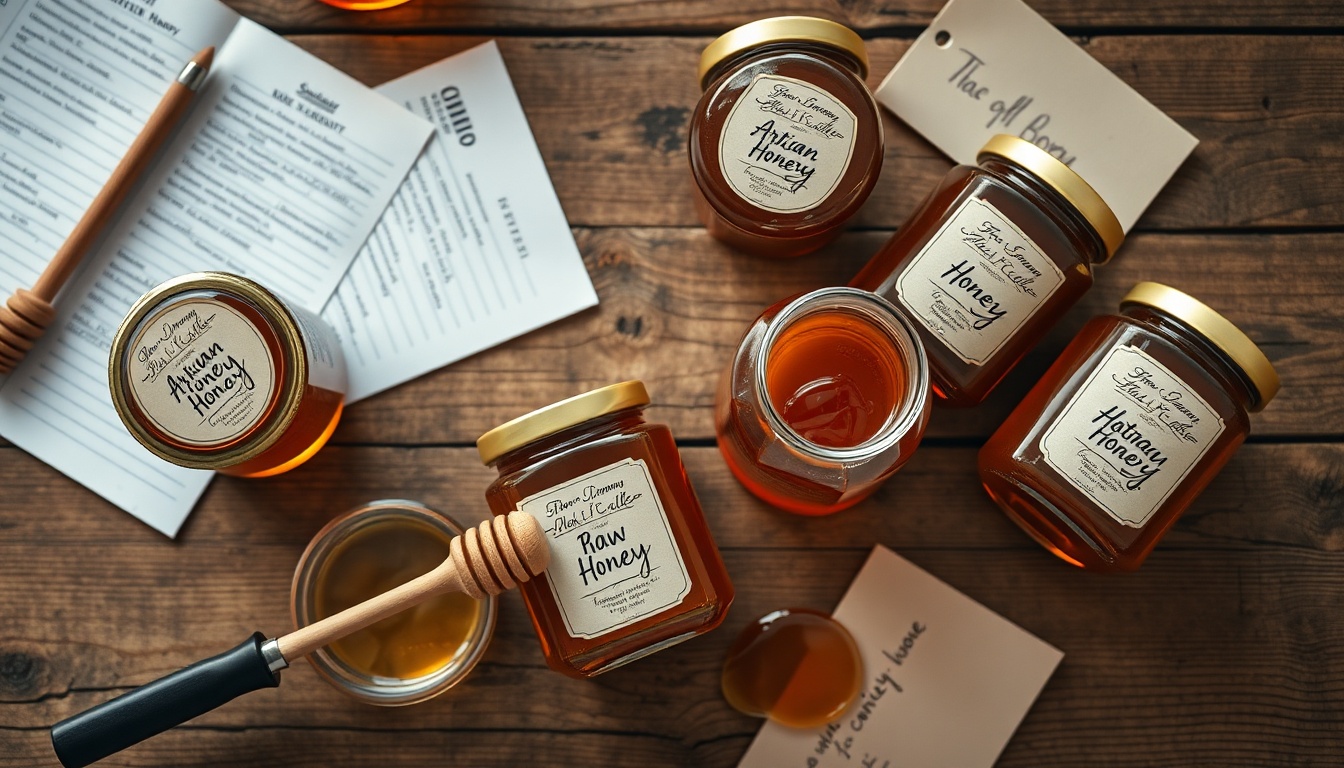
For sleep: clover or wildflower honey (mild, pleasant flavor). For sore throat and cough: buckwheat honey (strongest clinical evidence, bold flavor) or manuka honey (antibacterial MGO activity). For general health: any raw, unfiltered honey. Avoid processed commercial honey in squeeze bottles — pasteurization destroys enzymes and reduces beneficial properties. The honey should crystallize over time, a sign of authenticity.

Can babies have honey and milk?

Babies under 12 months should never have honey due to the risk of infant botulism — this applies whether honey is in milk, food, or any other form. After age 1, children can safely have small amounts of honey (1/2 tablespoon) in warm milk. Cow's milk itself is typically introduced after 12 months as a main drink. Always consult your pediatrician about introducing new foods.

RHG

Raw Honey Guide Editorial Team

Reviewed by certified beekeepers and apiculture specialists. Our editorial team consults with professional beekeepers, food scientists, and registered dietitians to ensure accuracy.

Expert ReviewedFact Checked

Last updated: 2026-01-10