What Makes Chestnut Honey Special?
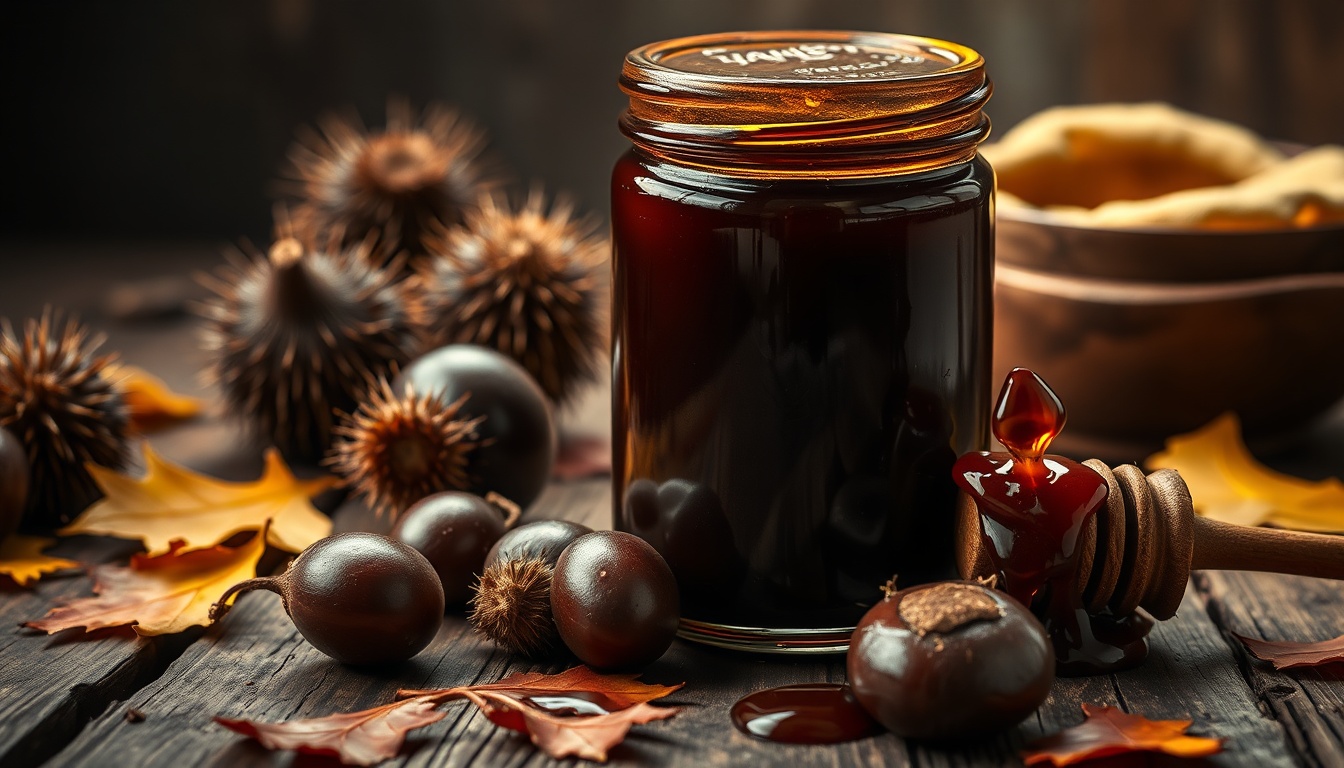
Chestnut honey (miele di castagno in Italian) is one of Europe's most prized dark honeys, produced from the nectar and honeydew of sweet chestnut trees (Castanea sativa). It's distinguished by its dark amber to nearly black color, bold flavor with a distinctive bitterness, and one of the highest antioxidant concentrations of any honey variety — research consistently ranks it among the top 3 most antioxidant-rich honeys alongside buckwheat and honeydew honey.
Unlike mild, crowd-pleasing varieties like clover or acacia, chestnut honey is an acquired taste — its tannic bitterness and persistent herbal finish divide people immediately. But for those who appreciate complex flavors (and the health benefits that come with dark honeys), it's one of the most rewarding varieties to explore.
Produced primarily in Italy (Tuscany, Piedmont, Liguria, Calabria), France (Corsica, Ardèche, Cévennes), Spain, Portugal, Turkey, and Greece, chestnut honey has been a staple of Mediterranean food culture for centuries. Italy's chestnut honey has Protected Designation of Origin (PDO) status in several regions, reflecting both its cultural importance and specific terroir characteristics.
Antioxidant Content: Among the Highest of Any Honey
Chestnut honey's dark color signals exceptionally high polyphenol content — the same relationship that makes dark honeys generally healthier than lighter varieties. Multiple studies have quantified this advantage:
A 2004 study in the Journal of Agricultural and Food Chemistry found that darker honeys like chestnut contain 3-9 times more antioxidants than lighter varieties. A 2013 study in Food Chemistry specifically analyzed chestnut honey and identified high concentrations of gallic acid, ellagic acid, caffeic acid, p-coumaric acid, and quercetin — polyphenols with well-documented anti-inflammatory and cardiovascular protective effects.
A 2018 study in the journal Molecules compared the antioxidant capacity of 12 Italian honey varieties and found chestnut honey had the highest total phenolic content (average 94.3 mg GAE/100g) and DPPH radical scavenging activity. For comparison, acacia honey — one of the lightest varieties — averaged 17.8 mg GAE/100g, making chestnut honey's antioxidant load roughly 5x higher.
Chestnut honey is also particularly rich in tannins (which contribute to its distinctive bitterness), catechins (the same compounds found in green tea), and flavonoids including kaempferol and chrysin. These compounds contribute to its anti-inflammatory effects through NF-κB pathway inhibition and COX-2 suppression.
Antimicrobial Properties: Strong and Broad-Spectrum
All honeys have some antimicrobial activity through hydrogen peroxide generation (via the enzyme glucose oxidase), low pH (3.2-4.5), and high osmolarity. But chestnut honey has demonstrated particularly strong antimicrobial effects in research:
A 2012 study in the Asian Pacific Journal of Tropical Biomedicine tested chestnut honey against a panel of pathogenic bacteria and found significant inhibition of Staphylococcus aureus (including some antibiotic-resistant strains), Escherichia coli, Pseudomonas aeruginosa, and Bacillus cereus. The antimicrobial potency correlated with its high phenolic content.
A 2017 study in the journal Frontiers in Microbiology compared 12 honey varieties and found that darker honeys including chestnut showed broader antimicrobial spectra than lighter varieties. While manuka honey has unique methylglyoxal (MGO) activity, chestnut honey compensates with higher total polyphenol-mediated antimicrobial activity and stronger hydrogen peroxide generation.
For practical antimicrobial uses like sore throat relief and immune support, chestnut honey is an excellent choice. Its combination of high antimicrobial activity, anti-inflammatory polyphenols, and soothing viscosity makes it particularly effective for upper respiratory symptoms — and the 2021 BMJ systematic review confirmed honey outperforms standard care for cough and cold symptoms regardless of variety.
Cardiovascular and Anti-Inflammatory Benefits
Chestnut honey's high concentrations of gallic acid, ellagic acid, and quercetin have specific relevance for cardiovascular health. Gallic acid is a potent inhibitor of LDL cholesterol oxidation — a critical step in atherosclerosis development. A 2003 study in the Journal of Agricultural and Food Chemistry found that consuming dark honey (including chestnut varieties) increased blood antioxidant capacity and reduced LDL oxidation in human subjects.
The quercetin in chestnut honey has been extensively studied for cardiovascular effects. A 2016 meta-analysis in the Journal of the American Heart Association found that quercetin supplementation reduced systolic blood pressure by 3.04 mmHg and diastolic by 2.63 mmHg. While the quercetin dose from honey alone is modest compared to supplements, it contributes to the overall cardioprotective effect alongside other polyphenols. For more on honey's cardiovascular effects, see our honey and blood pressure guide and honey and cholesterol guide.
The tannins unique to chestnut honey also contribute to vascular health. Ellagitannins — hydrolyzable tannins present in higher concentrations in chestnut honey than most other varieties — have demonstrated vasorelaxant properties and endothelial function improvement in laboratory studies. These compounds are metabolized by gut bacteria into urolithins, which have their own anti-inflammatory and anti-aging effects.
A 2019 study in the Journal of Functional Foods found that daily consumption of dark honey varieties reduced C-reactive protein (an inflammation marker) and improved lipid profiles over 8 weeks. The effect was dose-dependent, with dark honeys like chestnut producing larger improvements than lighter varieties at equivalent doses.
Gut Health and Digestive Benefits
Like all raw honeys, chestnut honey contains prebiotic oligosaccharides (FOS and GOS) that feed beneficial gut bacteria — particularly Bifidobacterium and Lactobacillus species. Our honey and gut health guide covers these mechanisms in detail.
What distinguishes chestnut honey for gut health is its exceptionally high polyphenol content. Research shows that polyphenols act as secondary prebiotics — they reach the colon largely intact, where gut bacteria metabolize them into beneficial metabolites like short-chain fatty acids (SCFAs) and urolithins. A 2020 study in Nutrients found that polyphenol-rich foods produced greater increases in Bifidobacterium diversity than polyphenol-poor foods with equivalent prebiotic fiber content.
Chestnut honey's tannins may also provide gastroprotective effects. Ellagic acid has demonstrated anti-ulcer properties in animal studies, protecting gastric mucosa against ethanol-induced and stress-induced damage. Combined with honey's general antimicrobial activity against H. pylori (a major cause of stomach ulcers), chestnut honey is a strong choice for digestive health.
For people managing acid reflux or digestive discomfort, chestnut honey's viscous texture provides the same mucosal coating benefits as other honeys, while its higher polyphenol content may offer additional anti-inflammatory protection for the esophageal and gastric lining.
Flavor Profile and Culinary Uses
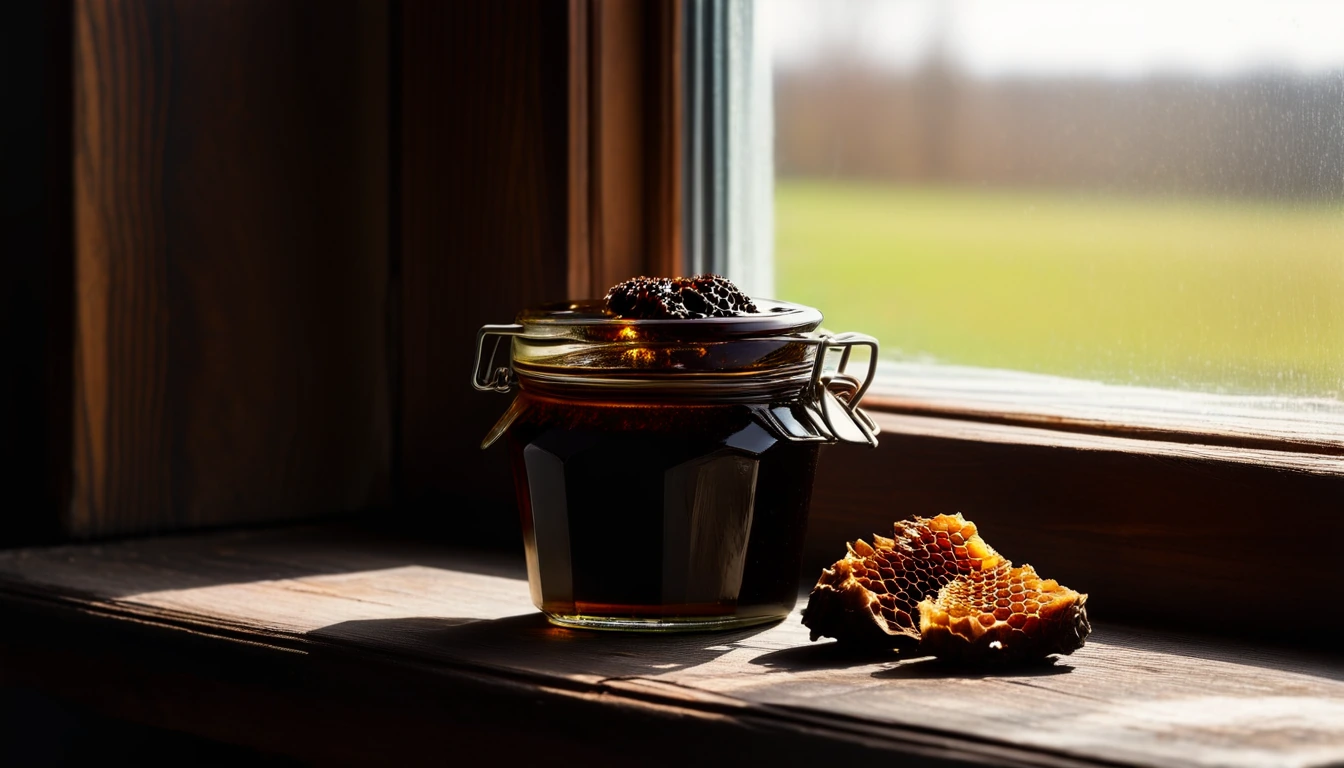
**Appearance:** Dark amber to nearly black, with reddish-brown tones when backlit. One of the darkest commonly available honeys.
**Aroma:** Pungent, woody, and herbaceous — notes of wet bark, autumn leaves, roasted nuts, and dried fruit. Some describe a smoky quality. Very different from the floral sweetness of lighter honeys.
**Taste:** Bold and complex. Initial sweetness is quickly followed by distinctive bitterness (from tannins) and a long, slightly astringent finish. Notes of caramel, espresso, dried cherry, walnut, and leather. The bitterness is similar to dark chocolate or strong espresso — challenging for some, addictive for others.
**Texture:** Moderately thick, slower to crystallize than many honeys due to its high fructose-to-glucose ratio. When it does crystallize, it forms coarse, grainy crystals rather than the fine, smooth crystals of creamed honey.
**Best culinary pairings:** Chestnut honey excels with strong cheeses (aged pecorino, Gorgonzola, Roquefort, aged Gouda), roasted meats (pork, duck, venison), roasted root vegetables, dark bread, walnuts and chestnuts, dark chocolate, and espresso. In Italy, drizzling chestnut honey over ricotta or aged Parmigiano-Reggiano is a classic pairing. It also works beautifully in marinades, barbecue glazes, and salad dressings where you want depth rather than sweetness.
**When NOT to use chestnut honey:** Its bold flavor and bitterness overwhelm delicate dishes. Avoid it in light teas (use acacia or orange blossom instead), vanilla desserts, fruit salads, or yogurt where you want mild sweetness. For general sweetening, clover or wildflower are more versatile.
How Chestnut Honey Compares to Other Dark Honeys
**Chestnut vs buckwheat:** Both are dark, antioxidant-rich, and strong-flavored. Buckwheat honey is maltier and earthier with less bitterness, while chestnut is more tannic and herbal. Buckwheat has more clinical evidence for cough suppression (the 2007 Archives of Pediatrics study). Chestnut has higher tannin/ellagic acid content. Both are excellent health choices.
**Chestnut vs manuka:** Manuka has unique methylglyoxal (MGO) that provides non-peroxide antimicrobial activity and is the gold standard for wound healing. Chestnut has higher total polyphenol content and is significantly cheaper ($15-25/lb vs $40-80/lb for manuka). For daily consumption and cardiovascular health, chestnut offers better value. For wounds and specific clinical applications, manuka is better studied.
**Chestnut vs honeydew:** Honeydew honey (forest honey) is produced from tree aphid secretions rather than flower nectar, giving it similarly dark color and high mineral content. Both are rich in antioxidants. Chestnut has a more distinctive bitter character; honeydew tends toward malty, pine-resinous flavors. Availability varies by region — chestnut is easier to find in Mediterranean markets, honeydew in Central European markets.
**Chestnut vs sourwood:** Sourwood honey is an American premium variety with caramel-anise-gingerbread notes and no bitterness. Chestnut is a European premium variety with herbal-bitter-tannic character. Sourwood is generally easier to enjoy for newcomers; chestnut rewards more adventurous palates. Both are medium-dark with above-average antioxidant profiles.
Buying Guide: How to Choose Authentic Chestnut Honey
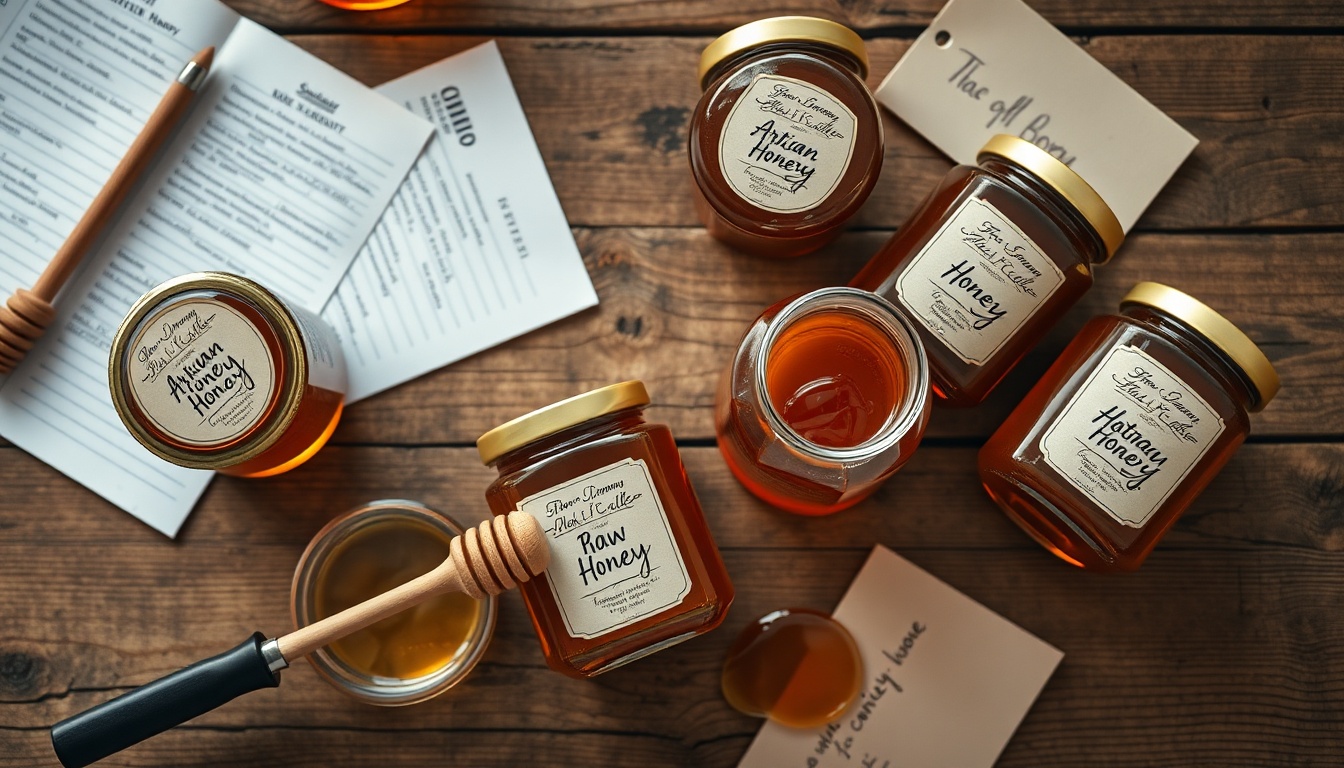
**Origin matters:** The best chestnut honeys come from traditional production regions: Tuscany, Piedmont, and Liguria in Italy; Corsica and Ardèche in France; and certain regions of Turkey, Spain, and Greece. Italian chestnut honey with DOP (Denominazione di Origine Protetta) or IGP certification guarantees geographic authenticity. Look for specific regional names: "Miele di Castagno della Lunigiana DOP" or "Miel de Châtaignier de Corse AOP."
**Color test:** Authentic chestnut honey should be very dark amber to brown-black. If a "chestnut honey" is medium or light amber, it's likely blended with lighter honeys or mislabeled.
**Taste test:** The distinctive bitterness is the hallmark. If a chestnut honey tastes purely sweet without any bitter or tannic finish, it may be adulterated or mislabeled. The bitterness should be balanced — not harsh — similar to dark chocolate or espresso.
**Price range:** Expect $15-25 per pound for quality imported chestnut honey, $25-40/lb for DOP/AOP certified origins. It's significantly cheaper than manuka but more expensive than clover or wildflower. If it's priced below $12/lb, question authenticity.
**Raw is essential:** As with all honeys, choose raw for maximum health benefit. Processing (pasteurization) destroys the glucose oxidase enzyme and degrades heat-sensitive polyphenols that make chestnut honey nutritionally superior. See our raw honey vs organic guide for more on reading labels.
**Storage:** Store at room temperature away from direct sunlight. Chestnut honey crystallizes more slowly than most varieties (6-18 months) due to its high fructose content. If it crystallizes, gently warm to decrystallize — see our crystallization guide.
Pro Tip: Ask your local farmers market vendors if they carry imported chestnut honey, or look for it at Italian specialty food stores. Online retailers specializing in Mediterranean foods often offer authenticated chestnut honey with origin documentation.
The Bottom Line
Chestnut honey occupies a unique niche: it's one of the most nutritionally potent honeys available (rivaling buckwheat for antioxidant content), with a distinctive bold flavor that rewards adventurous eaters. Its high concentrations of gallic acid, ellagic acid, quercetin, and tannins provide especially strong cardiovascular and anti-inflammatory benefits backed by peer-reviewed research.
If you enjoy dark honeys and appreciate bitter flavors (dark chocolate, espresso, craft beer), chestnut honey is worth seeking out. Pair it with strong cheeses, roasted meats, and dark bread for a classic Mediterranean experience. For daily health benefits, 1-2 teaspoons per day — the general recommended amount — delivers a concentrated dose of polyphenols that lighter honeys can't match.
Just be honest about whether you enjoy the flavor. Chestnut honey's bitterness isn't a flaw — it's the tannins that make it nutritionally exceptional. But if you prefer mild sweetness, you'll get similar (slightly lower) antioxidant benefits from buckwheat honey with a more approachable malty flavor.